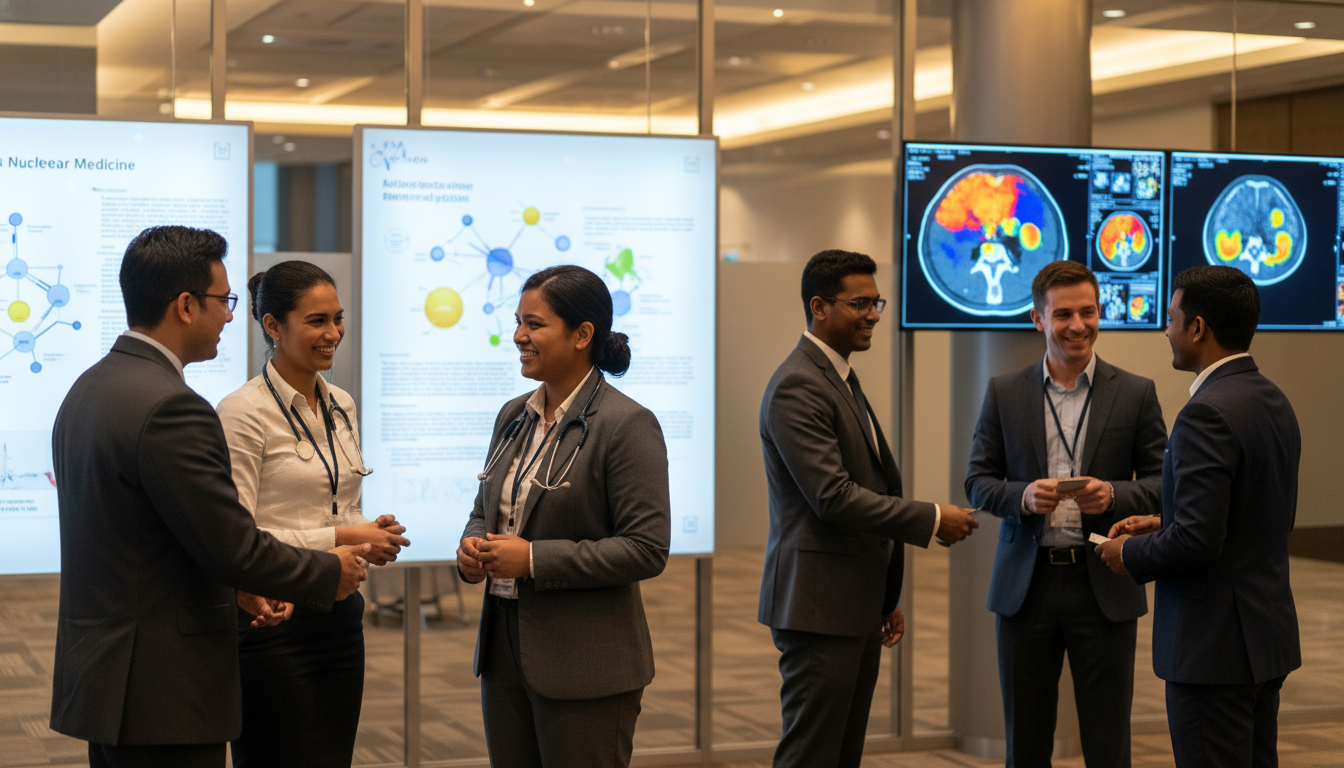
Networking in medicine is often the hidden curriculum no one formally teaches—yet it can shape your entire career. For a Caribbean IMG (international medical graduate) pursuing nuclear medicine, effective networking can be the difference between being an overlooked CV in an inbox and being a known, trusted candidate in the eyes of program directors and faculty.
This article breaks down how to build and use a strategic network as a Caribbean IMG targeting nuclear medicine residency in the US and Canada, with a special focus on:
- How to start networking before you’re eligible to apply
- Specific strategies for nuclear medicine–focused networking
- How to leverage Caribbean medical school resources (including the SGU residency match ecosystem if you’re at St. George’s University or a similar institution)
- Practical scripts, timelines, and do/don’t examples
- How to sustain relationships during and after the match
Understanding the Networking Landscape for Caribbean IMGs in Nuclear Medicine
Networking in medicine is not about superficial small talk or “who you know” in an unfair way. It is:
The process of building genuine, mutually beneficial professional relationships that give others enough information, trust, and familiarity to advocate for you.
For a Caribbean IMG in nuclear medicine, networking matters for several reasons:
1. Nuclear Medicine Is a Small, Relationship-Driven Specialty
Nuclear medicine residency programs are fewer in number than many other specialties. Faculty often personally know each other through:
- National societies (e.g., SNMMI – Society of Nuclear Medicine and Molecular Imaging)
- Subspecialty working groups
- Joint projects and clinical trials
- Shared training backgrounds or co-authored papers
This means:
- Your reputation can travel quickly—positively or negatively.
- A single strong mentor can introduce you (by name) to several program directors.
- A program committee may already know you from conferences or joint work by the time your application arrives.
2. Caribbean IMG Status Adds Additional Barriers You Must Plan For
Being a Caribbean IMG does not disqualify you from a nuclear medicine match, but it does mean:
- You may be less visible than US MD or DO students.
- Some programs may be less familiar with your school’s curriculum or grading.
- Visa questions (if applicable) and perceptions about training rigor can be concerns.
Strategic medical networking and mentorship in medicine can:
- Humanize you beyond your transcript and test scores.
- Provide advocates who can reassure a selection committee of your skills and work ethic.
- Help you identify programs that are IMG-friendly in nuclear medicine or related fields.
3. Networking Supports Every Step of the SGU Residency Match (and Other Caribbean Schools)
If you’re at SGU or another Caribbean medical school with a strong US focus, your school likely has some combination of:
- Alumni networks in nuclear medicine, radiology, internal medicine, and related specialties.
- Residency success data (e.g., SGU residency match outcomes by specialty).
- Career services staff experienced in helping Caribbean IMGs navigate US and Canadian residency systems.
Networking helps you:
- Connect with alumni in nuclear medicine or diagnostic radiology.
- Learn from those who successfully matched, especially into competitive or less common paths.
- Turn institutional support into personal sponsorship.
Laying the Foundation: Early Networking During Medical School
The earlier you start, the more natural and less desperate networking will feel when you hit application season. Here’s a stepwise approach, especially relevant if you’re in a Caribbean medical school now.
Step 1: Clarify Your Nuclear Medicine Narrative
Networking works best when people understand your “story.” For nuclear medicine, be ready to briefly explain:
- Why nuclear medicine interests you
(e.g., combination of imaging, physiology, molecular medicine, oncology) - What you’ve already done that aligns with it
(e.g., research, electives, radiology exposure, physics interests) - Where you want to go next
(e.g., nuclear medicine residency → theranostics → academic career)
Example 30-second introduction:
“I’m a third-year medical student at a Caribbean medical school with a strong interest in nuclear medicine. I was initially drawn to it through a project on PET-CT imaging in lymphoma, and I enjoy the mix of physiology, oncology, and advanced imaging. I’m hoping to learn more about nuclear medicine training pathways in the US and how an IMG can best prepare for a nuclear medicine residency.”
Having this ready makes conference networking and mentorship outreach much easier.
Step 2: Map Your Existing Network
Even if you feel you “know no one,” you already have a network:
- Faculty at your Caribbean medical school
Radiology, internal medicine, oncology, cardiology, endocrinology—anyone who orders or interprets nuclear imaging. - Clinical preceptors on rotations in the US or UK
Especially those in teaching hospitals with imaging departments. - Senior students and recent graduates
Those who matched in radiology, nuclear medicine, internal medicine, or transitional year programs. - Formal SGU (or other school) alumni networks
Alumni lists, LinkedIn groups, and official mentorship programs.
Make a list and categorize people:
- Potential mentors
- Potential recommenders
- Potential connectors (people who can introduce you to others)
Step 3: Start Low-Pressure, High-Value Interactions
You don’t start a relationship by asking for a letter or a favor. Instead:
- Ask for advice, not favors.
- Share genuine interest, not generic flattery.
- Offer updates over time, not one-off interactions.
Example email for a first connection with a radiology or nuclear medicine-interested faculty:
Subject: Medical student interested in nuclear medicine – request for brief guidance
Dear Dr. [Name],
My name is [Your Name], and I am a [year] medical student at [Caribbean school]. I recently completed [a radiology or oncology–related course/rotation], where I became particularly interested in nuclear medicine.
I’m hoping to learn more about how IMGs can prepare for a future nuclear medicine residency and would be grateful for 15–20 minutes of your time for a brief conversation or email exchange if that’s more convenient.
I’ve read about your work in [mention something specific you’ve seen on their profile, paper, or institutional website], and it would be incredibly helpful to hear your perspective on training pathways and early steps I should be taking.
Thank you for considering this.
Sincerely,
[Your Name]
[School, expected graduation year]
[USMLE status if relevant]
This type of outreach is respectful, specific, and easy to say yes to.

Targeted Strategies: Networking for Nuclear Medicine–Specific Opportunities
Once you’ve built a basic foundation, it’s time to get specialty-specific. The nuclear medicine community offers several high-yield avenues: conferences, societies, research collaborations, and elective experiences.
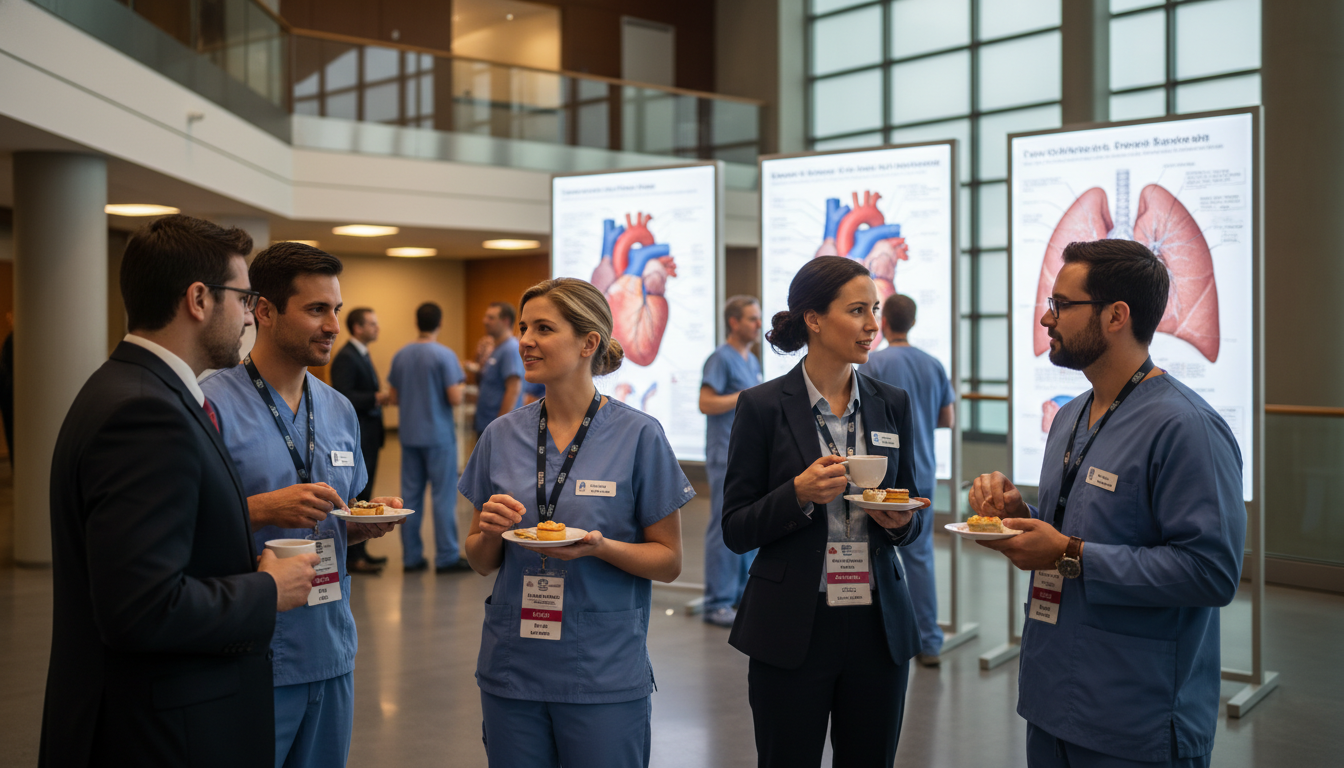
1. Conference Networking for Nuclear Medicine
Attending specialty conferences—either in person or virtually—is one of the most powerful ways to accelerate your visibility.
Key conferences and organizations:
- SNMMI (Society of Nuclear Medicine and Molecular Imaging)
- Annual Meeting (flagship event, high yield for conference networking)
- Mid-winter meetings
- Student and trainee tracks
- EANM (European Association of Nuclear Medicine) – often accessible virtually
- ACR, RSNA (radiology-focused but include nuclear sections)
How to Prepare for a Nuclear Medicine Conference
Before the conference:
Review the program
- Identify sessions on theranostics, PET imaging, nuclear cardiology, and residency training.
- Note which speakers are from programs you might apply to (or IMG-friendly institutions).
Reach out in advance
Send short emails to 3–5 people:“I’ll be attending the upcoming SNMMI Annual Meeting as a Caribbean IMG interested in nuclear medicine. I noticed you’re giving a talk on [topic]. If you have a few minutes at the meeting, I’d be grateful for the chance to briefly introduce myself and ask about your perspective on nuclear medicine training pathways.”
Have a simple goals list
- Meet at least 3 nuclear medicine faculty.
- Talk with at least 2 current residents or fellows.
- Attend 1–2 sessions specifically about training or career pathways.
During the conference:
Introduce yourself after talks with a brief, prepared line:
“Thank you for your talk, Dr. [Name]. I’m [Your Name], a Caribbean medical student very interested in nuclear medicine. Your discussion of [specific bullet or slide] helped clarify [brief point]. Would it be alright if I emailed you later with one or two follow-up questions about nuclear medicine training?”
Join trainee meetups, student sessions, and networking lunches.
Ask residents:
- How they chose their program
- What their program looks for in applicants
- Whether they see Caribbean IMGs in their department
After the conference:
- Send thank-you emails within 3–5 days.
- Add new contacts on LinkedIn with a short note.
- Share a brief update ~3 months later if you publish something or begin a relevant project.
2. Formal Medical Networking Through Societies and Committees
Nuclear medicine societies often have student or trainee membership tiers. Use these actively:
- Apply for student membership in SNMMI or your regional society.
- Volunteer for student sections, abstract review, or social media content.
- Attend webinars and mentor-mentee pairing programs.
Participation in student committees is a subtle but effective form of mentorship in medicine: you show reliability and enthusiasm before asking for anything in return.
Using Research, Electives, and Rotations to Build Real Relationships
Networking is easiest when it grows from real work together—especially research projects and clinical electives that align with nuclear medicine.
1. Research as a Networking Engine
You don’t need a long publication list, but you do want at least one or two nuclear medicine–adjacent experiences by application time. These can be:
- Projects involving:
- PET-CT or SPECT-CT imaging
- Radiotracer development
- Oncologic imaging outcomes
- Nuclear cardiology or bone scans
- Case reports or small retrospective reviews
- Quality improvement projects in imaging ordering or workflow
How research builds your network:
- You gain project mentors who can later write detailed letters.
- You may get exposure to multidisciplinary teams (oncology, cardiology, radiology).
- You can present at conferences—multiplying your conference networking touchpoints.
Approaching research mentors:
“I’m strongly considering nuclear medicine residency and would like to get involved in research that touches on PET, SPECT, or theranostics. Is there a small project or aspect of an ongoing study where a motivated student could help with data extraction, chart review, or literature summaries?”
Be ready to:
- Be reliable and organized.
- Communicate clearly and respectfully about timelines.
- Ask for feedback on draft abstracts or posters.
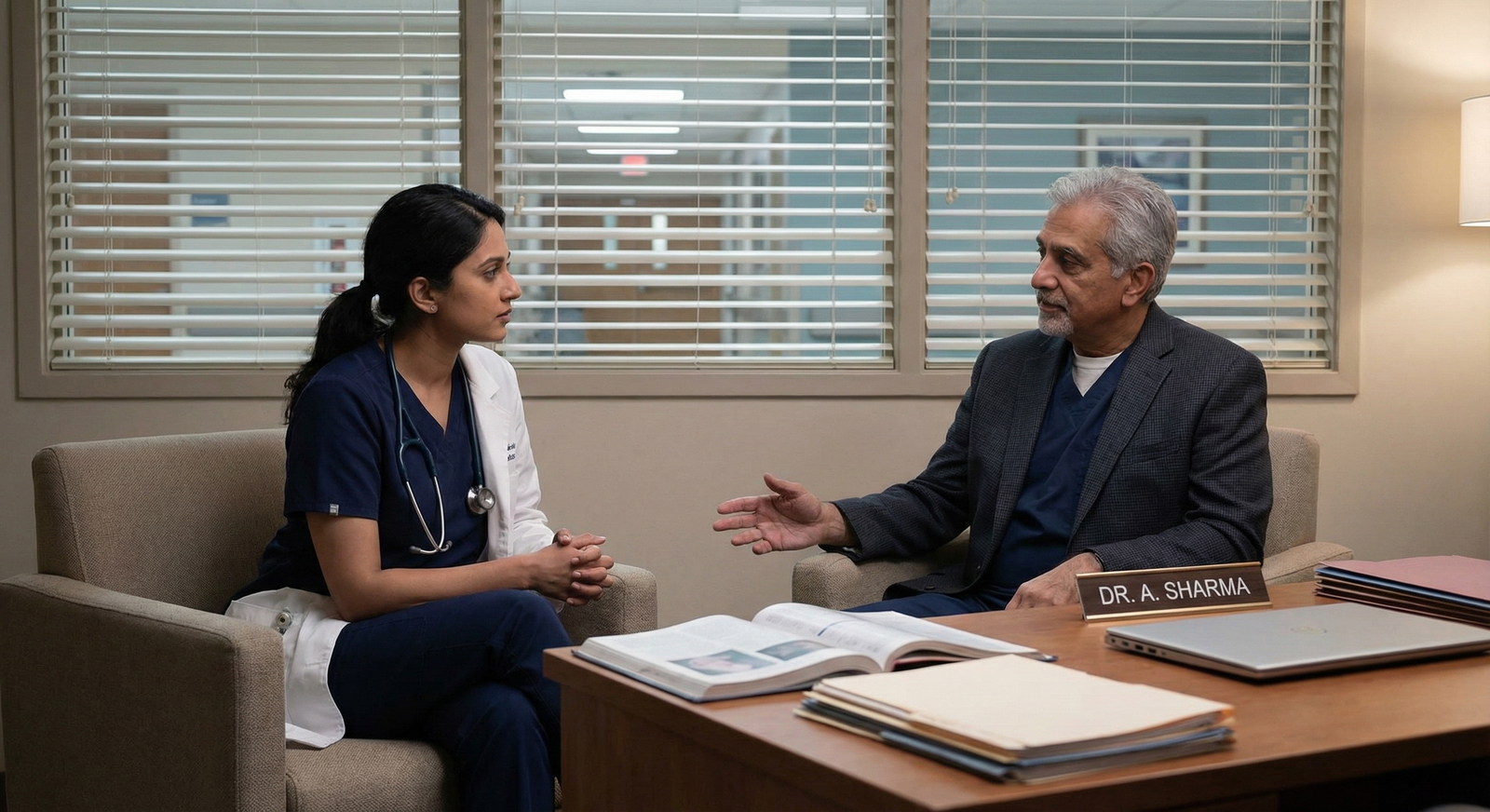
2. Electives and Observerships in Nuclear Medicine
For Caribbean IMGs, US-based clinical exposure is especially important. Aim for:
- Elective rotations in diagnostic radiology with nuclear medicine exposure.
- Dedicated nuclear medicine electives if available.
- Observerships in nuclear medicine if clinical electives aren’t feasible.
How to turn rotations into networking opportunities (without being pushy):
- Show up prepared: review basic nuclear medicine physics and common studies (bone scans, V/Q scans, PET in oncology, myocardial perfusion).
- Ask thoughtful questions that connect to patient care, not just technology.
- Ask the faculty (near the end of the rotation):
“I’ve really enjoyed this rotation and feel even more committed to pursuing nuclear medicine. As an IMG from a Caribbean medical school, are there specific steps you would recommend I take over the next 6–12 months to prepare for a nuclear medicine residency?”
If the rotation goes well, this opens the door to:
- Future recommendation letters.
- Direct advice about programs.
- Potential introductions to colleagues at other institutions.
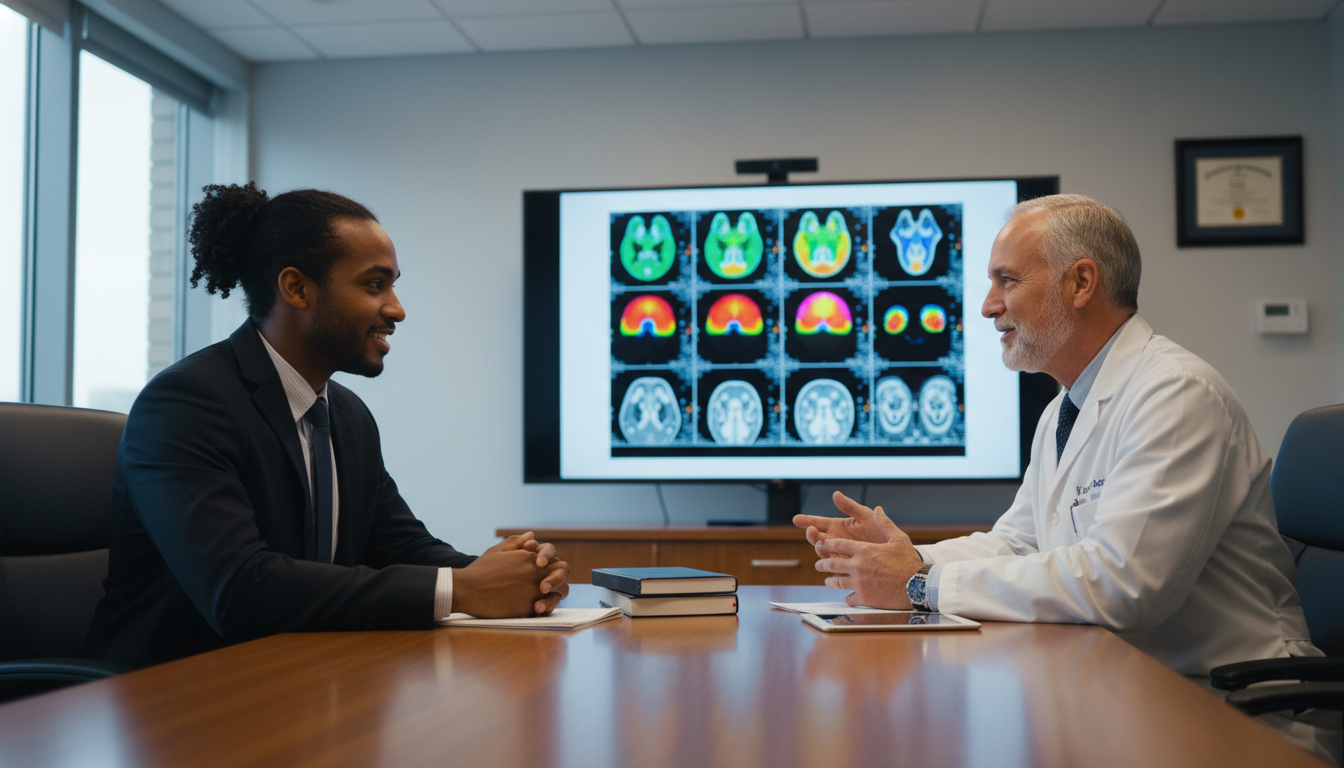
Turning Connections into Support During the Nuclear Medicine Match
By the time you enter the application cycle, your goal is to have a small but strong core network: 3–7 people who know you well enough to advocate for you.
1. Letters of Recommendation: Who and How to Ask
For a nuclear medicine residency or hybrid pathways (diagnostic radiology with nuclear, internal medicine then nuclear, etc.), target:
- At least one letter from imaging (nuclear medicine or diagnostic radiology).
- One letter from a clinical specialty that uses nuclear imaging (oncology, cardiology, internal medicine).
- One letter from a research mentor, if they know you well.
When asking:
- Give at least 4–6 weeks notice.
- Provide:
- Your CV
- A short “nuclear medicine interest” summary (half-page)
- Draft of personal statement if available
- Ask explicitly:
“Would you feel comfortable writing a strong, supportive letter for my nuclear medicine residency applications?”
If they hesitate, thank them and consider asking someone else.
2. Program Signaling and Direct Outreach
Some specialties are moving toward program signaling; even without formal signaling, personal outreach can help.
Use your network strategically:
- Ask mentors:
- “Which nuclear medicine programs are IMG-friendly?”
- “Do you know anyone at [Program X] who might be open to chatting about their training environment?”
If a mentor offers to email someone on your behalf, that’s extremely valuable. A simple internal email from your mentor to a program contact that says:
“I’m working with [Your Name], a Caribbean IMG interested in nuclear medicine. They are hardworking, reliable, and very engaged in imaging research. Might you be open to a brief conversation with them?”
…can shift you from “cold applicant” to “warm introduction.”
3. Professional Online Presence: LinkedIn and Email Etiquette
Your digital presence supports your networking in medicine:
- LinkedIn Profile
- Professional photo
- Clear headline: “Caribbean IMG aspiring nuclear medicine physician | [School, Grad Year]”
- Sections for research, conferences, and nuclear medicine interests
- Email
- Use a simple professional address (e.g., firstname.lastname@…)
- Keep messages concise, respectful, and grammatically clean.
- Follow up once if no response after 10–14 days; then let it go.
Example follow-up:
Dear Dr. [Name],
I hope you’re doing well. I wanted to briefly follow up on my earlier email about potential advice on preparing for a nuclear medicine residency as a Caribbean IMG. I completely understand how busy things are on your end; if now isn’t a good time, I’m happy to reconnect at a later point.
Thank you again for considering it.
Sincerely,
[Your Name]
Overcoming Common Networking Challenges for Caribbean IMGs
Many Caribbean IMGs feel disadvantaged in professional networking. These challenges are real—but manageable with the right mindset and strategy.
Challenge 1: Feeling “Less Than” Because of Caribbean School Background
You might worry others see Caribbean medical schools as inferior. Some may hold biases, but many focus on individual performance and attitude.
Counter-strategies:
- Present yourself confidently but humbly.
- Emphasize what your path taught you:
- Resilience
- Adaptability
- Cultural competence
- Exposure to resource-limited settings
- Highlight concrete achievements:
- Strong USMLE scores (if applicable)
- Research work
- Solid clinical evaluations during US rotations
What matters most in the nuclear medicine match is your demonstrated ability and fit—not where you started.
Challenge 2: Cultural and Communication Differences
If English is not your first language or you trained in diverse systems, you might feel uncertain about:
- Small talk at conferences
- Approaching senior faculty
- US-style email etiquette
Practical tips:
- Watch how other trainees interact at conferences; learn by observation.
- Prepare 2–3 neutral “small talk” topics (training, conference sessions, career advice).
- Keep emails and questions short and to the point.
Example comfortable question for a faculty member:
“From your experience, what qualities make a resident succeed in nuclear medicine training?”
Challenge 3: Limited Time or Money for Conferences
Not everyone can travel frequently, but you can still participate:
- Attend virtual sessions and webinars from SNMMI or other societies.
- Submit posters or abstracts, even if you can only present virtually.
- Ask mentors if their departments support remote student attendance.
- Consider one highly targeted in-person event if finances allow; plan to maximize its impact.
Long-Term View: Sustaining Relationships Beyond the Match
Networking in medicine doesn’t end once you match into nuclear medicine or a related pathway. For Caribbean IMGs, long-term relationships can shape:
- Fellowship opportunities
- Academic collaborations
- Future leadership positions
1. Give Back to the Network
As you advance:
- Mentor junior Caribbean IMGs interested in nuclear medicine.
- Participate in snmmI trainee committees, especially those focusing on diversity or IMGs.
- Share your nuclear medicine residency journey in webinars or school career sessions.
2. Stay in Touch with Mentors and Peers
A sustainable professional network is based on occasional, meaningful updates, not constant contact.
Examples of good times to send quick updates:
- After matching into a program (thanking mentors explicitly).
- After presenting at a conference.
- When you publish a paper or complete a major project.
- If you’re changing institutions (e.g., starting fellowship, faculty position).
The goal is to maintain genuine relationships, not transactional ones.
FAQs: Networking in Medicine for Caribbean IMGs in Nuclear Medicine
1. As a Caribbean IMG, do I need strong networking to match into nuclear medicine?
While it’s possible to match with excellent scores and experiences alone, nuclear medicine is a small, relationship-based field. Networking:
- Increases your visibility.
- Helps you access research and elective opportunities.
- Makes it easier to obtain strong, personalized letters.
So you don’t “need” networking in a formal sense, but it often becomes a decisive advantage, especially for Caribbean IMGs.
2. How early should I start networking if I’m interested in nuclear medicine?
Ideally:
- Begin general exposure and conversations in preclinical years (or as soon as you develop an interest).
- Start nuclear medicine–specific networking (research, electives, society involvement) by early clinical years.
- By the time you enter application season, you should have:
- At least one mentor in or near nuclear medicine
- Some form of related research or elective experience
- A basic conference or society presence, even if virtual
It’s never “too late” to start, but earlier makes everything smoother.
3. I’m shy and not naturally outgoing. How can I still network effectively?
You don’t have to be extroverted to build strong professional relationships. Focus on:
- One-on-one conversations rather than big social events.
- Email introductions followed by short meetings or calls.
- Asking simple, genuine questions about training and careers.
- Letting your work quality and reliability speak for you.
Quiet, thoughtful students often leave a strong impression when they are consistent, respectful, and clearly committed.
4. Should I prioritize nuclear medicine–specific networking over general radiology or internal medicine connections?
Try to build both:
Nuclear medicine–specific mentors are invaluable for:
- Specialty insight
- Letters tailored to nuclear medicine residency
- Guidance on the nuclear medicine match process
Radiology and internal medicine mentors can:
- Offer broader imaging or clinical perspectives
- Provide more options if your path shifts (e.g., DR with nuclear focus, IM then NM)
- Expand your overall professional network
For Caribbean IMGs, having a diversified but focused network increases your flexibility and resilience.
Networking in medicine is a craft you can learn—step by step, with practice and intention. As a Caribbean IMG aspiring to nuclear medicine, you bring unique strengths: adaptability, global perspective, and often a deep sense of purpose. Strategic, authentic networking will help ensure that the nuclear medicine community can see those strengths clearly and be ready to welcome you as a colleague.