Networking in medicine is often the hidden curriculum of residency—and for a Caribbean IMG aiming for pediatrics, it can be the difference between being overlooked and being remembered. While clinical knowledge and exam scores matter, who knows you, trusts you, and advocates for you often shapes your path into and through residency.
This guide breaks down how to build a strong professional network as a Caribbean IMG in pediatrics, with a focus on practical strategies you can start using today—whether you are still in Caribbean medical school, in the middle of your SGU residency match preparation, or already in a pediatrics residency.
Why Networking Matters So Much for Caribbean IMGs in Pediatrics
Many Caribbean graduates underestimate how crucial intentional networking is—especially in a competitive environment where bias, limited “name recognition,” and visa concerns can work against you.
1. Overcoming Stigma and Visibility Gaps
As a Caribbean IMG, you may face:
- Program directors unfamiliar with your school
- Concerns about clinical training quality
- Stereotypes about Caribbean medical schools
Thoughtful networking helps you:
- Put a face and story behind your application
- Demonstrate professionalism and communication skills in person
- Show that you fit the culture of U.S. pediatrics programs
When people hear “Caribbean medical school residency,” you want them to think of you as the example: prepared, reliable, and engaged.
2. Letters, Calls, and Quiet Advocacy
In pediatrics, many opportunities are still accessed informally:
- Faculty making a phone call to a program director
- A chief resident recommending you for an away rotation
- A mentor forwarding your CV to a colleague
These are network-driven events, not random luck. Your goal is to intentionally build the relationships that lead to:
- Strong, personalized letters of recommendation
- Advocates during the peds match rank meetings
- Alerts about openings, research projects, or leadership roles
3. Pediatrics Is a Relationship-Driven Specialty
Pediatrics attracts people who value:
- Long-term patient relationships
- Team-based care
- Collaborative, supportive work environments
That same relational mindset applies to professional life. Being known as a collegial, approachable, reliable team member can fast-track your growth.
Building Your Network Before Residency (Still in Caribbean Med School)
If you’re still in school—whether at SGU, Ross, AUC, Saba, or another Caribbean institution—this is the foundational networking phase. You are building a reputation that can directly impact your SGU residency match (or equivalent) prospects in pediatrics.
Use Your School’s Resources Aggressively
Most Caribbean medical schools have built systems to help IMGs connect:
Alumni databases and mentorship programs
- Join any mentorship medicine initiative your school offers.
- Look for alumni specifically in pediatrics residency in the U.S., Canada, or UK.
Career and match advising offices
- Ask: “Which pediatrics programs have a history of taking our graduates?”
- Request introductions to alumni residents or attendings at those programs.
Student organizations
- Pediatrics interest groups, global health clubs, and specialty societies often invite guest speakers.
- Treat every event as a micro-networking opportunity.
Example email to an alum in pediatrics:
Subject: SGU Alum in Pediatrics – Request for Brief Career Advice
Dear Dr. [Last Name],
I am a third-year SGU student with a strong interest in pediatrics, currently planning my clinical rotations and long-term strategy for residency. I found your name through the alumni network and noticed you are currently a pediatrics resident at [Institution].
If you are open to it, I would greatly appreciate 15–20 minutes of your time for brief guidance on how I can best prepare as a Caribbean IMG interested in pediatrics. I am especially eager to learn what you found most helpful during your SGU residency match process.
Thank you for considering this request, and regardless, thank you for representing our school so well.
Sincerely,
[Your Name]
[SGU, Class of XXXX]
This type of targeted, respectful outreach often leads to lasting mentorship and concrete advice tailored to peds match challenges.
Be Strategic with Clinical Rotations
Your core and elective rotations are built-in networking platforms.
Target pediatric-heavy sites:
- Choose hospitals with pediatric wards or children’s hospitals when possible.
- Ask your school which sites have historically helped students match into pediatrics residency.
Treat every pediatric attending as a potential future advocate:
- Arrive early, stay late when needed, and consistently volunteer for tasks.
- Ask for feedback and show visible improvement.
Maintain relationships after the rotation:
- Send a short thank-you email at the end.
- Update them later: “I’m applying in pediatrics this year—would you be comfortable writing a letter of recommendation?”
A strong letter from a U.S.-based pediatrician can carry significant weight and help counteract doubts about a Caribbean medical school residency background.

Leveraging Conferences and Professional Societies in Pediatrics
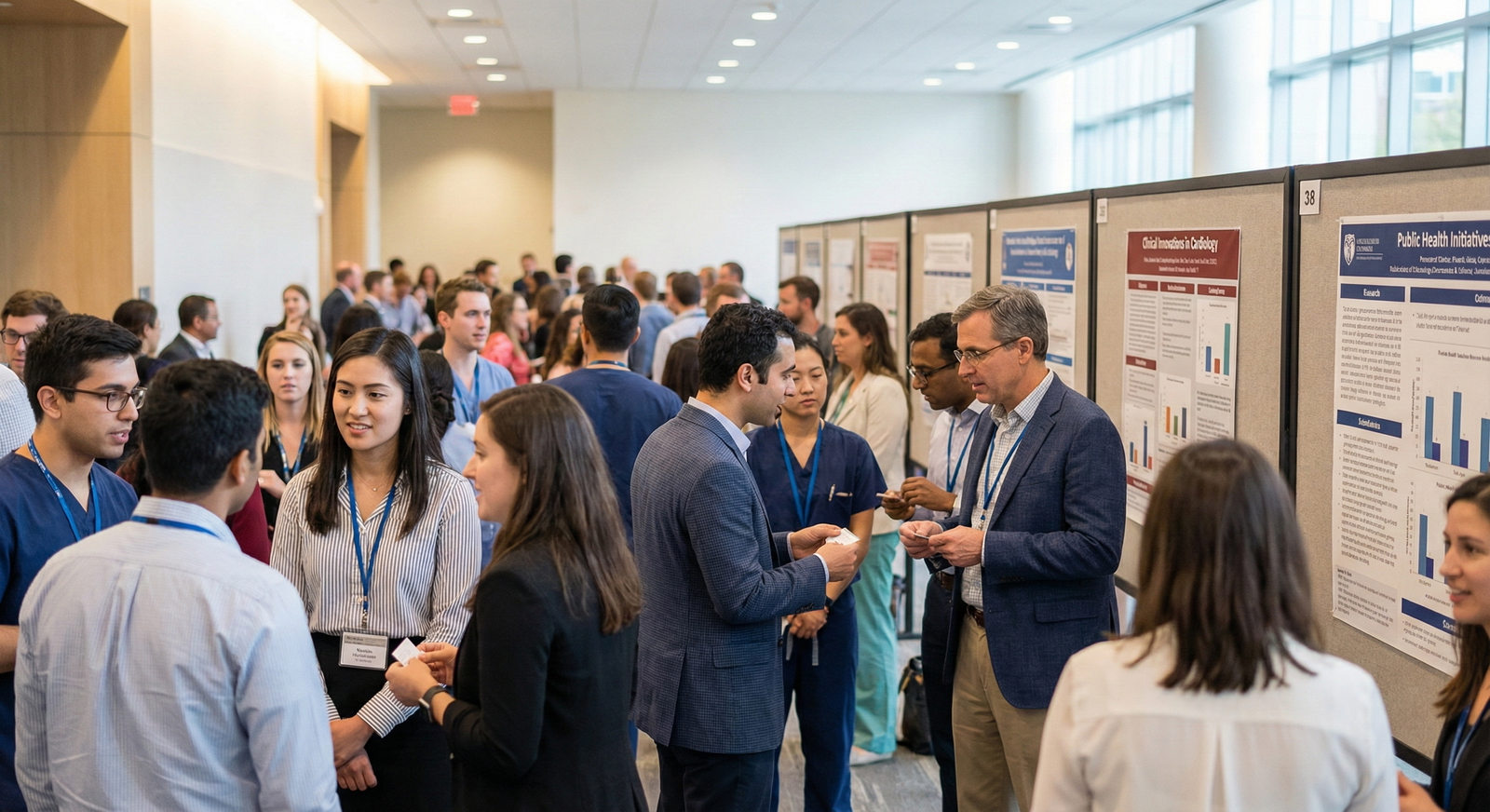
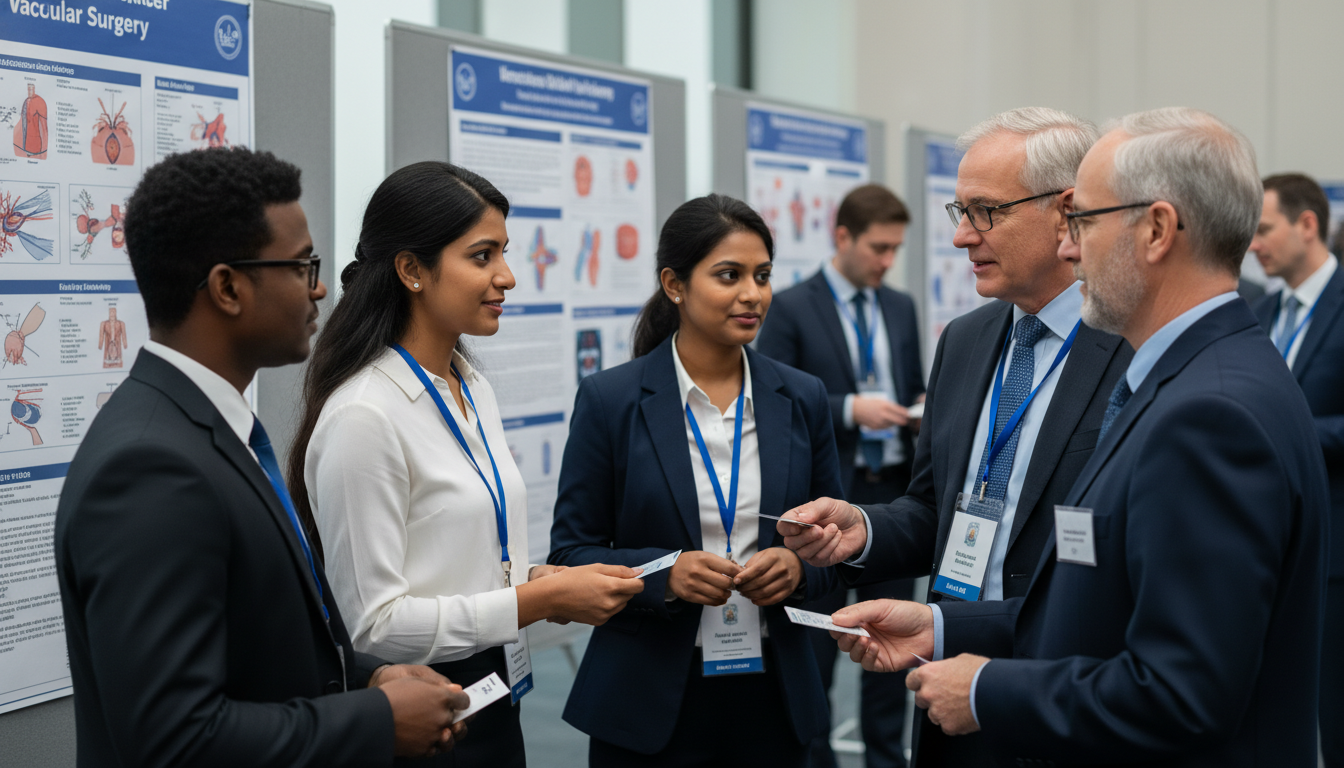
Medical networking at conferences is one of the most powerful—and underused—paths for Caribbean IMGs.
Target the Right Conferences
For pediatrics, consider:
- AAP (American Academy of Pediatrics) National Conference & Exhibition
- Regional pediatric society meetings (state AAP chapters, hospital consortia)
- Subspecialty conferences if you’re considering fields like NICU, pediatric cardiology, etc.
Even if you can only attend one conference during med school or early residency, it can yield:
- Connections with program directors
- Mentors in academic pediatrics
- Research or QI project opportunities
Turn Conference Attendance into Real Networking
Going to a conference is not enough—you must work it strategically.
Before the conference:
Review the attendee list or speaker list (many conferences publish these).
Identify:
- Program directors from peds residency programs you’re targeting
- SGU or other Caribbean alumni who are now in pediatrics
- Researchers in topics you’re genuinely interested in
Send 3–5 short emails:
- Introduce yourself as a Caribbean IMG interested in pediatrics
- Mention you’ll be attending their session or poster
- Ask if they’d be open to a brief conversation during the conference
During the conference:
- Attend pediatric sessions aligned with your interests (e.g., hospital medicine, primary care, neonatology).
- Ask one or two thoughtful questions during Q&A: not to show off, but to be memorable.
- Visit residency program booths in the exhibit hall:
- Introduce yourself by name, school, and interest in pediatrics.
- Ask how often they interview Caribbean IMGs and what they value in applicants.
After the conference:
- Send thank-you emails within 3–5 days.
- For people you really connected with, add:
- “Would it be okay if I reached out again for advice when I’m preparing for the peds match?”
- Keep a simple spreadsheet of contacts (name, role, institution, when you met, follow-up plan).
This kind of conference networking can directly impact your peds match by increasing your visibility before your application even reaches a program’s inbox.
Finding and Nurturing Mentors in Pediatrics
Mentorship in medicine is rarely purely formal—it grows from repeated, respectful, and authentic interactions. For a Caribbean IMG, mentorship medicine is often the most powerful buffer against isolation, bias, and uncertainty.
Types of Mentors You Need
For pediatrics, aim for a small, diverse mentorship team:
Clinical mentor (Peds attending or fellow)
- Helps you grow as a clinician
- Advises on daily decision-making in pediatrics
- Often writes strong clinical letters
Career/strategy mentor
- Understands the SGU residency match (or similar Caribbean IMG pathways)
- Advises on which programs may be IMG-friendly, steps to strengthen your application
Peer or near-peer mentor
- Current pediatric residents (PGY-1/2/3)
- Can give you direct insights into interview prep, schedule demands, and program culture
Research or academic mentor (optional but valuable)
- Helps you publish or present, strengthening your academic profile
- Especially useful if you’re aiming for fellowship or academic pediatrics
One person may fill more than one role, but don’t rely on just a single mentor; people move institutions, burn out, or become too busy.
How to Approach a Potential Mentor
A good mentorship request is:
- Specific
- Respectful of time
- Clear about why you’re asking them
Example script for an attending you worked with on a pediatrics rotation:
“Dr. [Last Name], I really appreciated your teaching during my pediatrics rotation, especially how you approached communication with families. I’m a Caribbean IMG very interested in pediatrics, and I was wondering if you would be open to staying in touch as a career mentor. I’d be grateful for occasional guidance as I prepare for residency applications.”
If they say yes:
- Follow through: send your CV, keep them updated on milestones, and ask 1–2 concrete questions each time you reach out.
- Respect frequency: meeting/calling every 2–3 months is often ideal.
Maintaining Long-Term Mentor Relationships
- Send periodic updates: “I just completed my pediatrics sub-I and received very positive feedback; thank you again for your advice before the rotation.”
- Share outcomes of their advice: “Based on your suggestion, I contacted Dr. X about her QI project and am now helping with data collection.”
- Offer value back where possible: You may not be able to help them academically, but you can:
- Volunteer to help with a teaching session for junior students
- Take careful notes during meetings or contribute to project logistics
- Show appreciation and follow-through—this builds trust.
Over time, mentors become your most powerful advocates in residency selection, internal promotions, and even fellowship applications.

Networking During Pediatrics Residency as a Caribbean IMG
Once you’ve started your pediatrics residency—whether through the SGU residency match or another Caribbean pipeline—your networking goals shift from “getting in” to thriving and shaping your career.
Internal Networking: Within Your Hospital and Program
Your immediate environment is full of future collaborators, recommenders, and advocates.
Program leadership (PD, APDs, chief residents)
- Be consistently reliable and professional.
- Ask for periodic check-ins about your progress and goals.
- Express interest in specific opportunities: QI leadership, teaching roles, or committee work.
Subspecialty attendings
- During rotations in NICU, PICU, cardiology, etc., ask about:
- How they chose their fellowship
- Whether they think your profile fits that path
- If you’re considering fellowship, early relationships in that field are essential.
- During rotations in NICU, PICU, cardiology, etc., ask about:
Ancillary staff and nursing
- Your reputation among nurses, social workers, and allied health staff spreads quickly.
- Being respectful, collaborative, and approachable strengthens your internal brand.
Co-residents and fellows
- These are your future colleagues—and often, future faculty you may one day work with.
- Join informal study groups, social events, and wellness activities.
- Offer help when others are overwhelmed; reciprocity builds strong bonds.
External Networking: Beyond Your Home Institution
During residency, you should also build connections outside your program:
Regional pediatric case conferences or grand rounds
- Volunteer to present a case or QI project.
- Introduce yourself to visiting speakers afterward.
Collaborative QI or research projects across hospitals
- Many pediatric initiatives span multiple sites.
- Ask your program leadership if you can join such projects.
Professional online profiles
- Create or update a professional LinkedIn profile:
- Clear headline: “PGY-2 Pediatrics Resident | Caribbean IMG | Interested in Pediatric Hospital Medicine”
- Connect with colleagues, faculty, and conference contacts.
- Use platforms like ResearchGate if you’re involved in scholarly work.
- Create or update a professional LinkedIn profile:
Turning Daily Work into Networking
Not all networking looks like “events” or “formal meetings.” Much of it is how you show up daily:
- Answer emails promptly and professionally.
- When someone helps you (e.g., giving feedback, covering a shift, sharing a resource), send a brief thank-you message.
- When a senior resident or attending spends time teaching you, say explicitly: “That was very helpful—thank you for taking the time.”
These micro-interactions accumulate into a reputation, and reputation is the currency of networking in medicine.
Common Networking Pitfalls for Caribbean IMGs—and How to Avoid Them
1. Being Overly Transactional
Faculty can tell when you only appear just before ERAS and disappear after you get what you need.
Fix:
Invest in relationships early and consistently. Talk about your growth, not just your application.
2. Waiting Too Late to Start
Some Caribbean IMGs don’t think about networking until the months before peds match applications.
Fix:
Start in pre-clinicals if you can. If you’re late, don’t panic—but prioritize building 2–3 meaningful relationships now.
3. Underestimating Your Value
Caribbean graduates often approach networking apologetically, as if they’re asking for a favor they don’t deserve.
Fix:
You bring unique strengths:
- Resilience from navigating a non-traditional path
- Cultural and linguistic diversity
- Motivation strong enough to weather extra obstacles
Networking is not begging—it’s professional collaboration.
4. Neglecting Follow-Up
You might make a great impression once and then vanish.
Fix:
- After meeting someone, send a short follow-up within a week.
- Add reminders to check in every few months with genuine updates.
- Use a simple contact tracker (spreadsheet, note app) to stay organized.
Putting It All Together: A Sample Networking Plan for a Caribbean IMG in Pediatrics
Here’s an example of how you could structure your networking efforts from med school through residency.
During Caribbean Med School (Years 3–4)
- Identify at least 2 pediatric attendings during rotations who might become mentors.
- Join AAP (student membership, if available) and your school’s pediatrics interest group.
- Attend at least one pediatric-focused conference; present a poster if possible.
- Build and maintain contact with 3–5 alumni in pediatrics residency.
During Application Year (Peds Match)
- Reach out to mentors early for letters of recommendation.
- Email key contacts at programs you’re particularly interested in (if appropriate) to express genuine interest and mention any previous connection (conference meeting, alum, etc.).
- Use interviews as networking opportunities:
- Ask intelligent questions about mentorship, diversity, and IMG support.
- Send personalized thank-you emails to interviewers.
During Pediatrics Residency (PGY-1 to PGY-3)
- Meet with your program director or an APD at least yearly to discuss goals.
- Choose one or two scholarly or QI projects that involve collaboration across teams or institutions.
- Attend at least one conference per year; try to present by PGY-2 or PGY-3.
- Begin building relationships in any subspecialty you might pursue fellowship in (if applicable).
By the time you complete residency, you should have:
- Several mentors who know you well
- A network of co-residents, fellows, and faculty across institutions
- A track record of being a collaborative, professional pediatrician-in-training
That is the kind of foundation that supports not just getting through training, but building a fulfilling, sustainable career in pediatrics as a Caribbean IMG.
FAQs: Networking in Medicine for Caribbean IMGs in Pediatrics
1. I’m shy and introverted. Can I still be effective at medical networking?
Yes. Networking in medicine is not about being the loudest person in the room. You can:
- Focus on one-on-one conversations instead of large groups.
- Prepare 2–3 questions in advance for any meeting, rotation, or conference.
- Follow up via email, where you may feel more comfortable expressing yourself.
Consistency and authenticity matter more than extroversion.
2. How important is networking compared to exam scores for the peds match?
Both matter. For a Caribbean IMG:
- Scores and clinical performance help you get noticed and clear screening thresholds.
- Networking and relationships help you get:
- Interviews at borderline programs
- Strong letters
- Advocates when rank lists are made
Think of it this way: scores open doors, networking helps people welcome you inside.
3. Should I mention that I’m a Caribbean IMG when networking?
Yes—but frame it as part of your story, not a liability:
- Highlight what you’ve gained: adaptability, resilience, exposure to diverse systems.
- Be prepared to discuss your path confidently and briefly.
- Many faculty respect the determination required to pursue a Caribbean medical school residency and then succeed in U.S. clinical environments.
4. How do I avoid feeling like I’m “using” people when I network?
Shift your mindset from “using” to building mutual professional relationships:
- You’re offering your work ethic, reliability, and collaboration in exchange for guidance and opportunity.
- Look for ways to contribute: help with small projects, assist junior learners, share useful resources.
- Long-term, you will become the mentor for others—networking is how medicine sustains itself across generations.
By approaching networking in medicine as a deliberate, ongoing process—especially as a Caribbean IMG in pediatrics—you position yourself not just to survive training, but to shape a meaningful, connected, and resilient career.