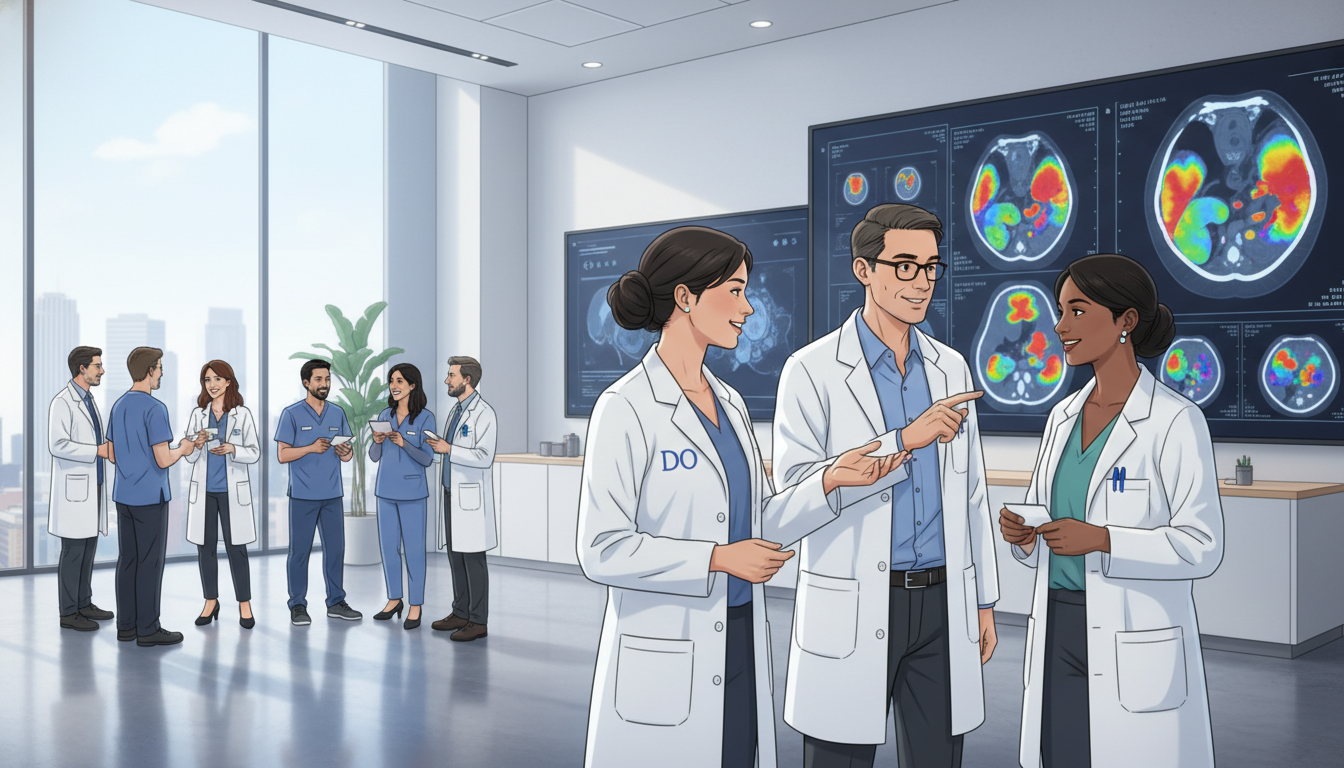
Why Networking Matters Even More for a DO Graduate in Nuclear Medicine
As a DO graduate pursuing nuclear medicine, your professional network is not just “nice to have”—it’s one of the most powerful tools you have to differentiate yourself, navigate the osteopathic residency match landscape, and thrive in a niche, rapidly evolving specialty.
Nuclear medicine residency spots are limited, the community is tight‑knit, and many fellowships and academic opportunities spread through word of mouth long before they appear on official websites. For a DO graduate residency applicant, strategic networking in medicine can:
- Increase your visibility and credibility in a relatively small specialty
- Help overcome misconceptions about osteopathic training in some academic settings
- Open doors to research, electives, observerships, and away rotations
- Yield strong letters of recommendation from recognized leaders in nuclear medicine
- Connect you with mentors who understand both mentorship in medicine and the unique path of DO physicians
This article walks through a comprehensive networking strategy tailored specifically to DO graduates interested in nuclear medicine residency and the nuclear medicine match—from early exploration to life as a resident and beyond.
Understanding the Nuclear Medicine Landscape as a DO Graduate
Before you can network effectively, you need a clear picture of the field you’re entering and the nuances that matter for a DO graduate.
The Specialty: Small, Subspecialized, Relationship‑Driven
Nuclear medicine is a relatively small specialty compared with internal medicine or general surgery. Many programs are housed in large academic centers with robust research and close collaboration with radiology and oncology.
Implications for networking:
- You’ll repeatedly encounter the same people at conferences, on committees, and in working groups. First impressions linger.
- Faculty often know each other across institutions; a strong recommendation from one center can carry national weight.
- Informal reputation—who is professional, reliable, and collegial—matters heavily for fellowship and post‑residency jobs.
DO Graduate Residency Realities in Nuclear Medicine
As a DO graduate, you’re part of a workforce heavily represented in primary care but under‑represented in some highly specialized academic fields. This doesn’t mean you’re less competitive; it means you must be more strategic and intentional:
- Some nuclear medicine programs may be less familiar with osteopathic curricula or board exams.
- Perceived gaps (even if unfounded) can be offset by strong networking, excellent letters, and visible engagement in the field.
- Programs that already have DO faculty or DO residents may be especially receptive if you connect with them early.
Your networking should therefore aim to:
- Showcase your commitment to nuclear medicine specifically
- Demonstrate your academic and clinical rigor
- Humanize you beyond your ERAS application
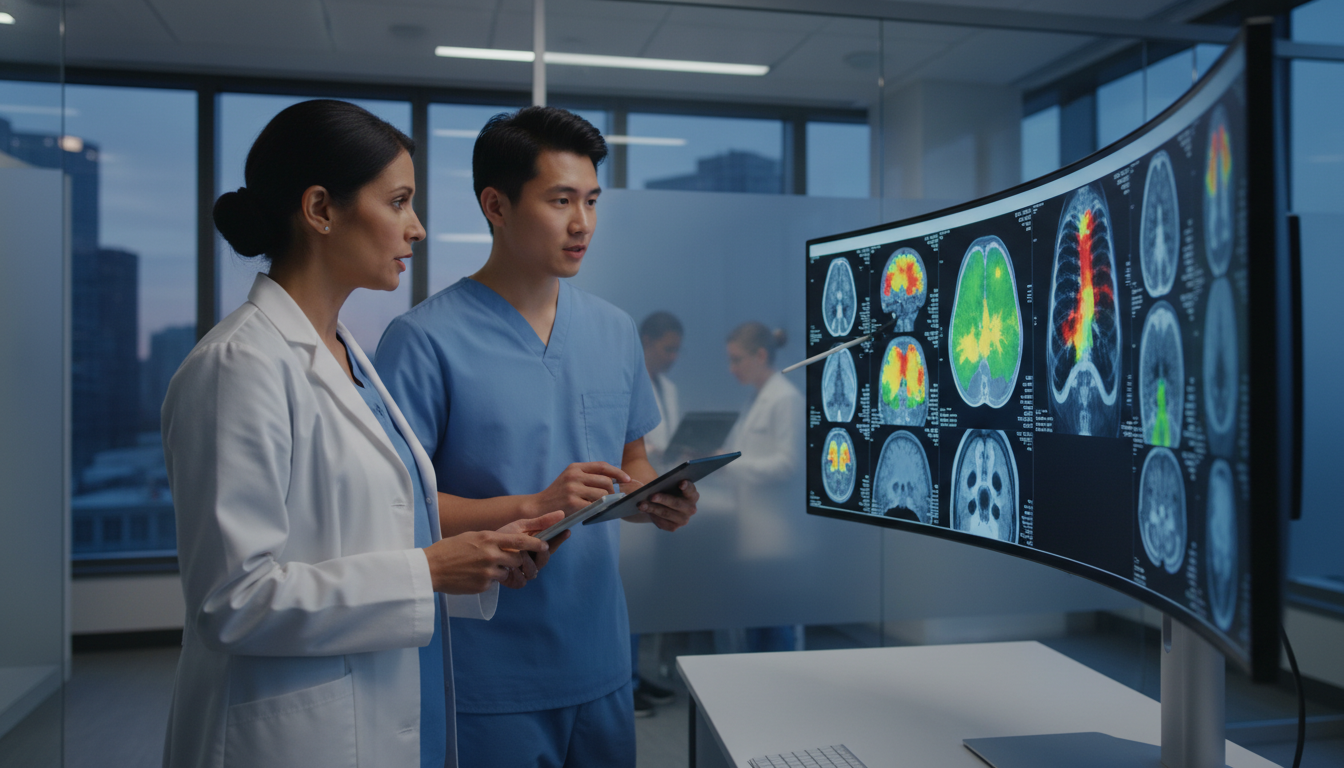
Core Networking Channels for DOs in Nuclear Medicine
Networking in medicine is more than handing out business cards at a conference. For a DO graduate in nuclear medicine, think of networking as building a professional ecosystem through several complementary channels.
1. Clinical Rotations and Electives: Your First and Best “Conference”
Your rotations in radiology or nuclear medicine are often your first exposure to potential mentors and letter writers—and your first opportunities to create a positive, lasting impression.
Actionable strategies:
Request nuclear medicine exposure early.
- During third and early fourth year, explicitly ask your clerkship director or radiology department about time in nuclear medicine or hybrid imaging (PET/CT, SPECT/CT).
- If your home institution has limited nuclear medicine, explore visiting rotations or virtual electives.
Treat every day as a networking opportunity.
- Show up early, prepared to review the day’s cases.
- Ask focused, thoughtful questions (e.g., “How do you adjust protocols for obese patients in PET/CT?” instead of “What is PET?”).
- Volunteer for small tasks—help with case logs, literature pulls, or QA projects.
Signal your DO identity as a strength.
- When appropriate, discuss how osteopathic principles (holistic assessment, function-based thinking) complement nuclear medicine’s role in functional imaging and targeted therapy.
- Share unique clinical experiences from DO rotations that deepen your understanding of patient care and imaging indications.
Example:
You’re on a general radiology rotation and notice a heavily nuclear medicine–weighted practice. You schedule a brief conversation with the nuclear medicine director, introduce yourself as a DO interested in nuclear medicine residency, and ask if you may shadow for a few days and possibly help with a small QI project. Two months later, that director becomes your go‑to mentor and ultimately writes a key letter for your nuclear medicine match application.
2. Conference Networking: Turning Meetings into Relationships
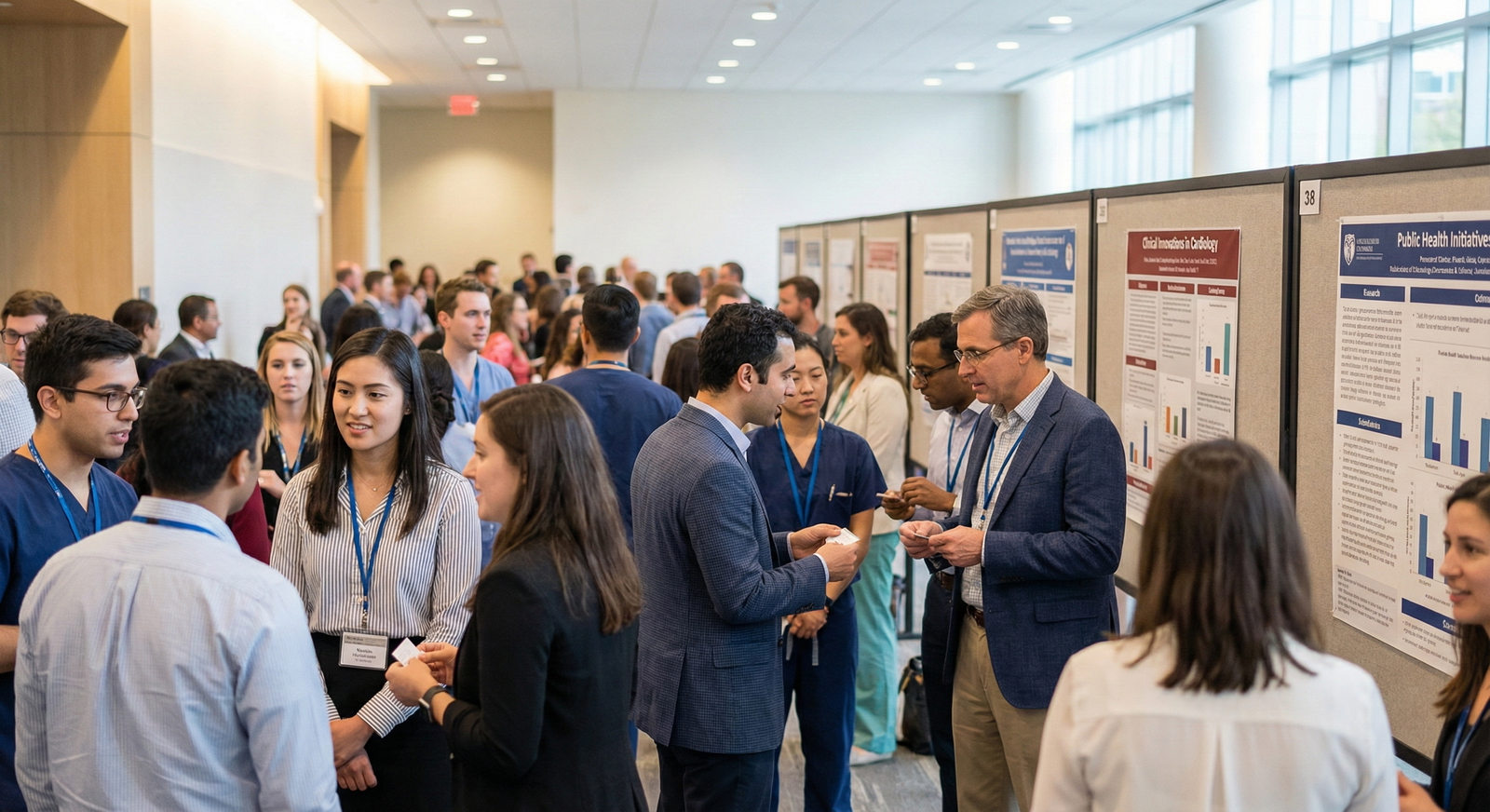
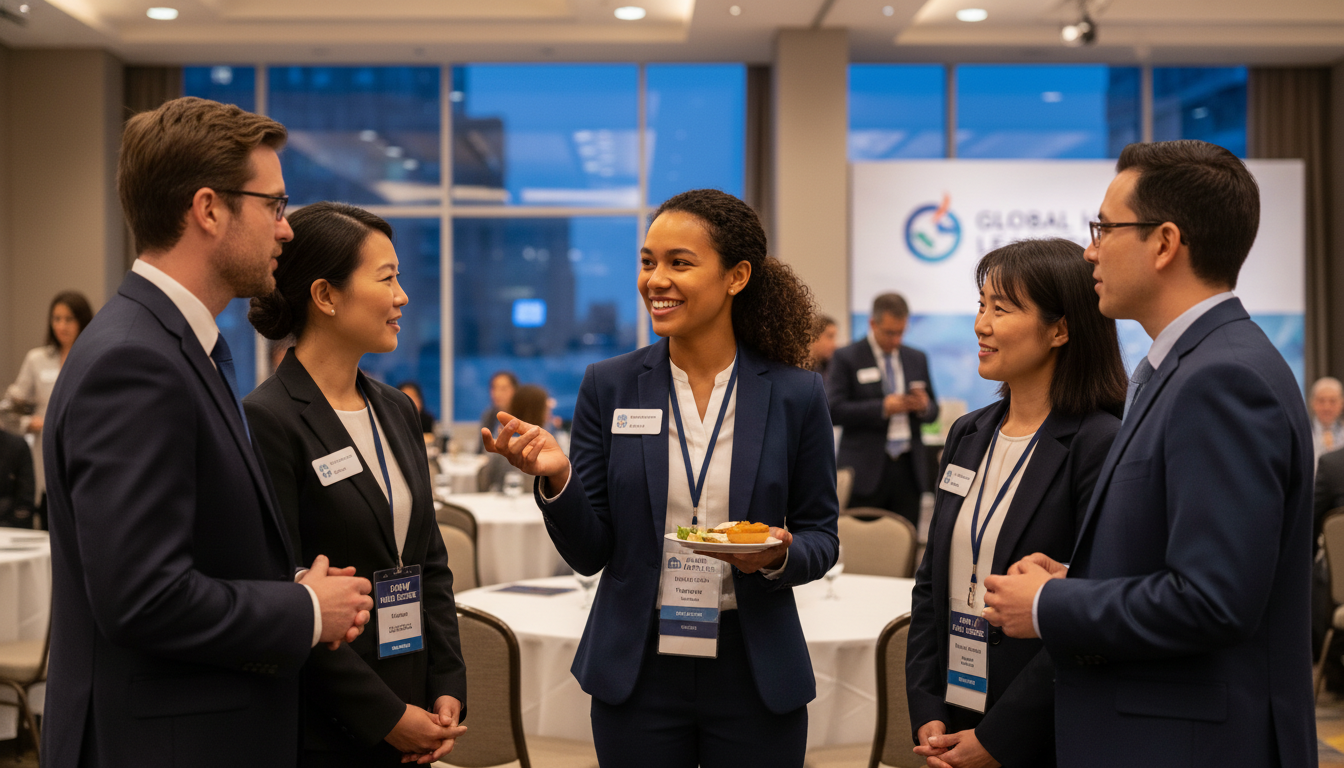
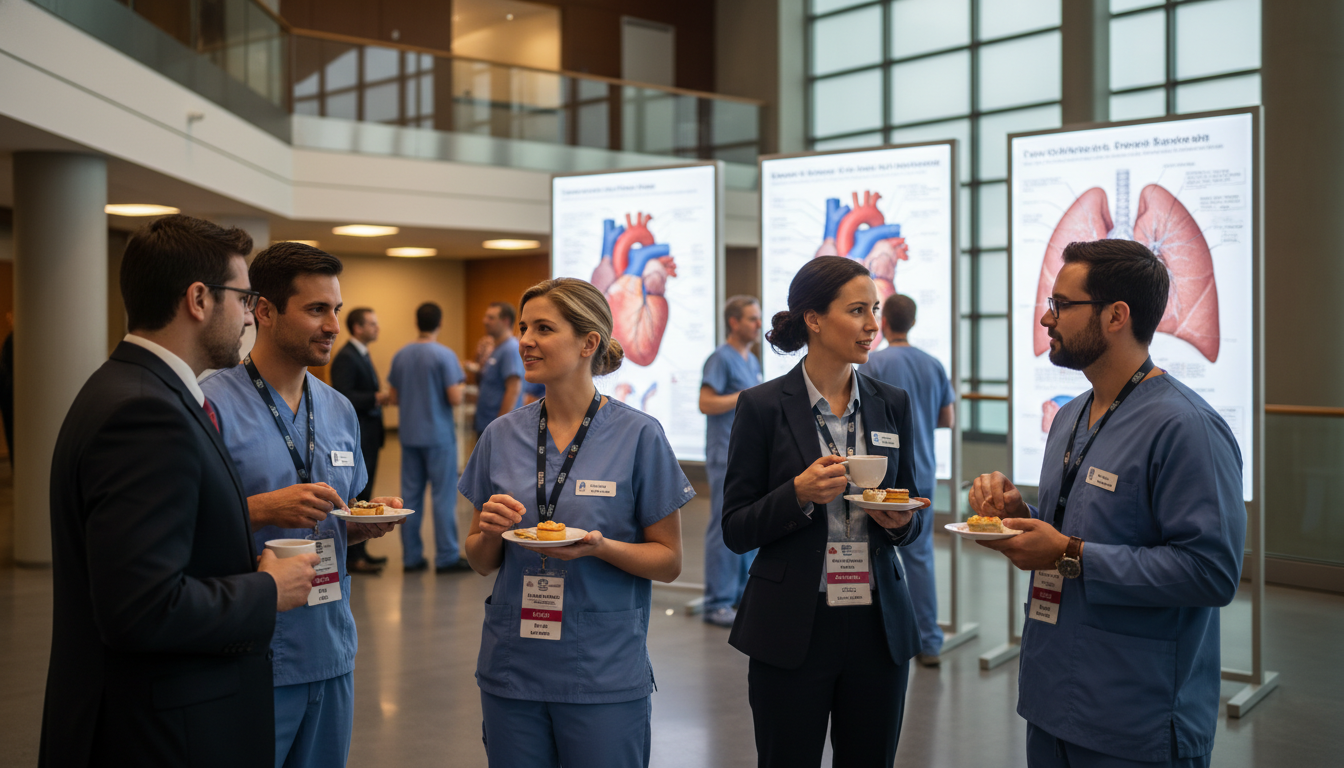
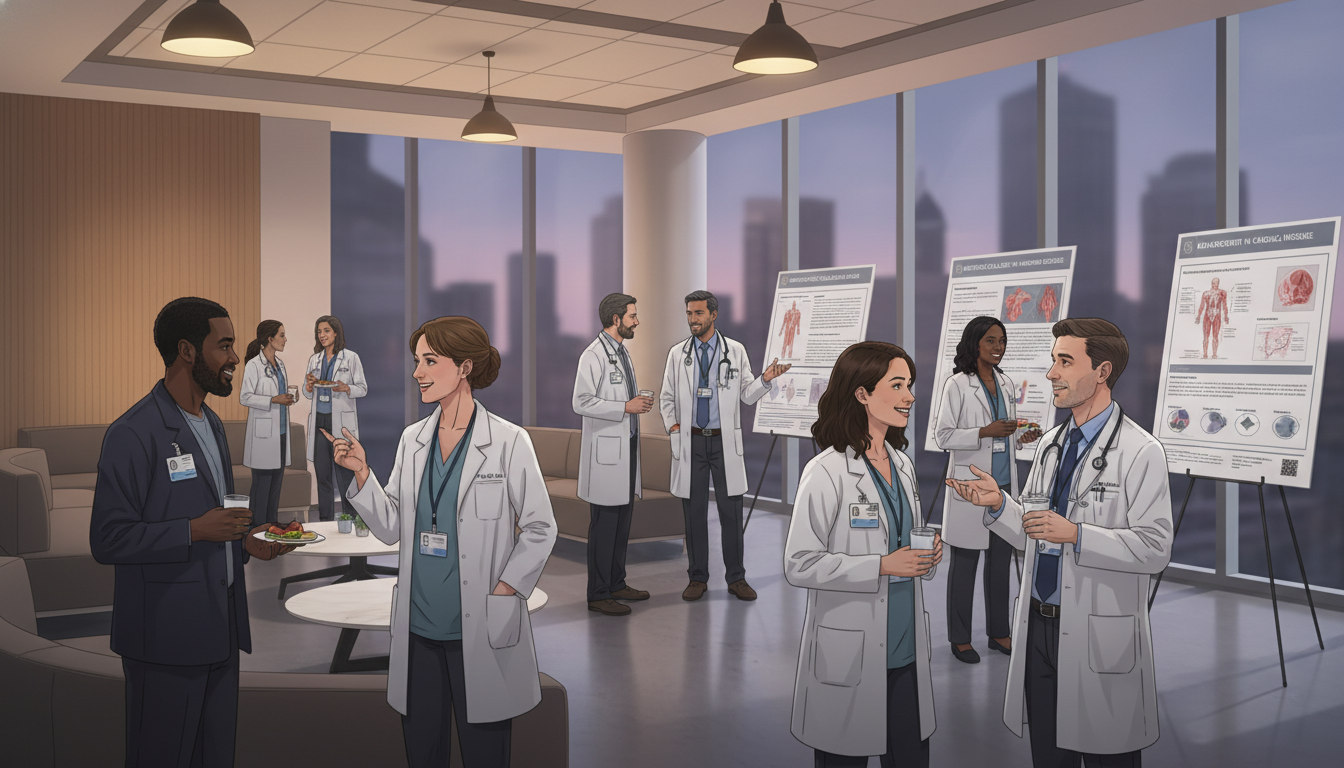
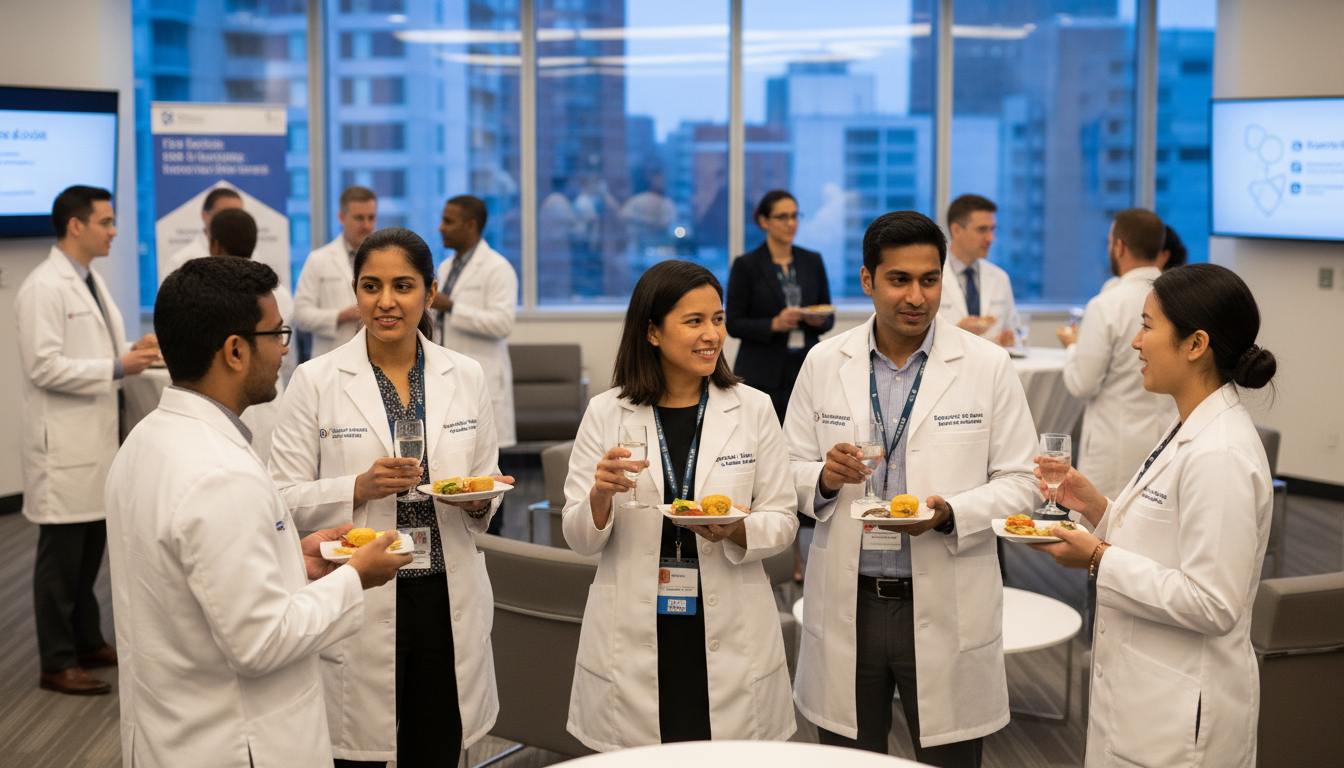
Professional conferences are critical hubs for medical networking, especially in niche fields like nuclear medicine.
Key meetings to look at (depending on your timeline and geography):
- Society of Nuclear Medicine and Molecular Imaging (SNMMI) Annual Meeting
- Regional SNMMI chapter meetings
- American College of Radiology (ACR) meetings with nuclear medicine content
- Oncologic conferences with molecular imaging tracks (e.g., ASCO subsessions)
Preparing Before the Conference
Identify targets:
- Make a list of 5–10 programs and potential mentors you want to meet—especially those open to DO graduates.
- Look up speakers’ profiles, recent publications, and program leadership.
Reach out in advance:
- Send a short, respectful email:
- Introduce yourself (DO graduate/incoming applicant, school, graduation year).
- Express specific interest (e.g., theranostics, cardiac nuclear imaging).
- Ask if they might have 10–15 minutes to talk during the conference about nuclear medicine residency or research pathways.
- Send a short, respectful email:
Prepare your “micro‑story”:
- A 30–60 second summary of who you are, why nuclear medicine, and where you’re heading (more on this under “Networking Scripts”).
At the Conference: How to Approach People
- Attend small sessions (subspecialty breakouts, early morning discussions, trainee workshops) where it’s easier to interact.
- Sit closer to the front; after the session, introduce yourself to the speaker with a specific compliment or question about their talk.
- Join trainee and early-career events; these are designed for building connections.
Example opening line:
“Dr. Patel, I’m Alex Smith, a DO graduate very interested in nuclear medicine residency with a focus on theranostics. I really appreciated your talk on Lu‑177 therapy. Could I ask you a quick question about how you see DO applicants fitting into your program?”
After the Conference: Follow‑Up That Actually Works
Within 48–72 hours, send a concise email:
- Thank them for their time.
- Reference a specific detail from your conversation.
- Include 1–2 lines about your trajectory and a gentle ask (e.g., “May I reach out in a few months to ask your advice on the application process?”).
Track contacts in a simple spreadsheet:
- Name, institution, role
- Where you met, email, topics discussed
- Planned next steps (send CV, share abstract, ask about elective, etc.)
This disciplined approach transforms brief conference networking into sustained professional relationships.
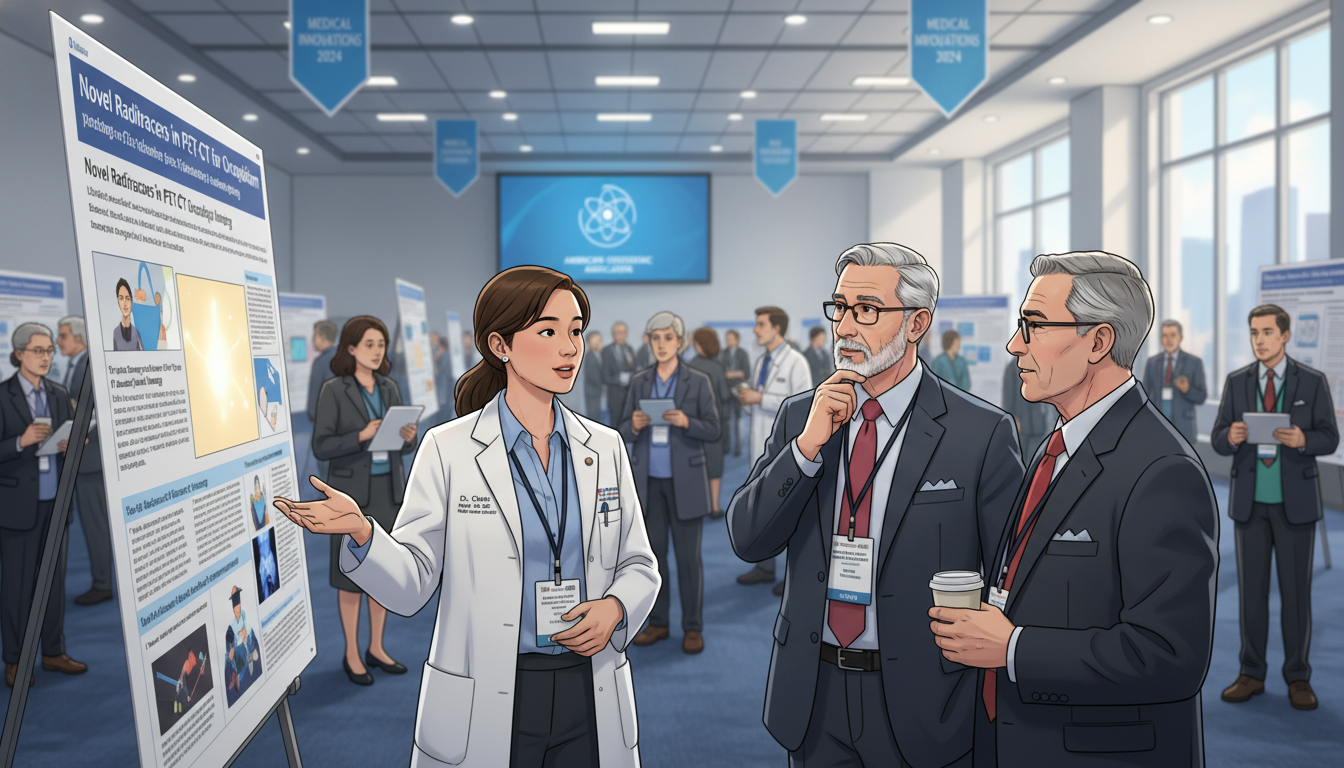
Mentorship in Medicine: Building Your Nuclear Medicine Support Team
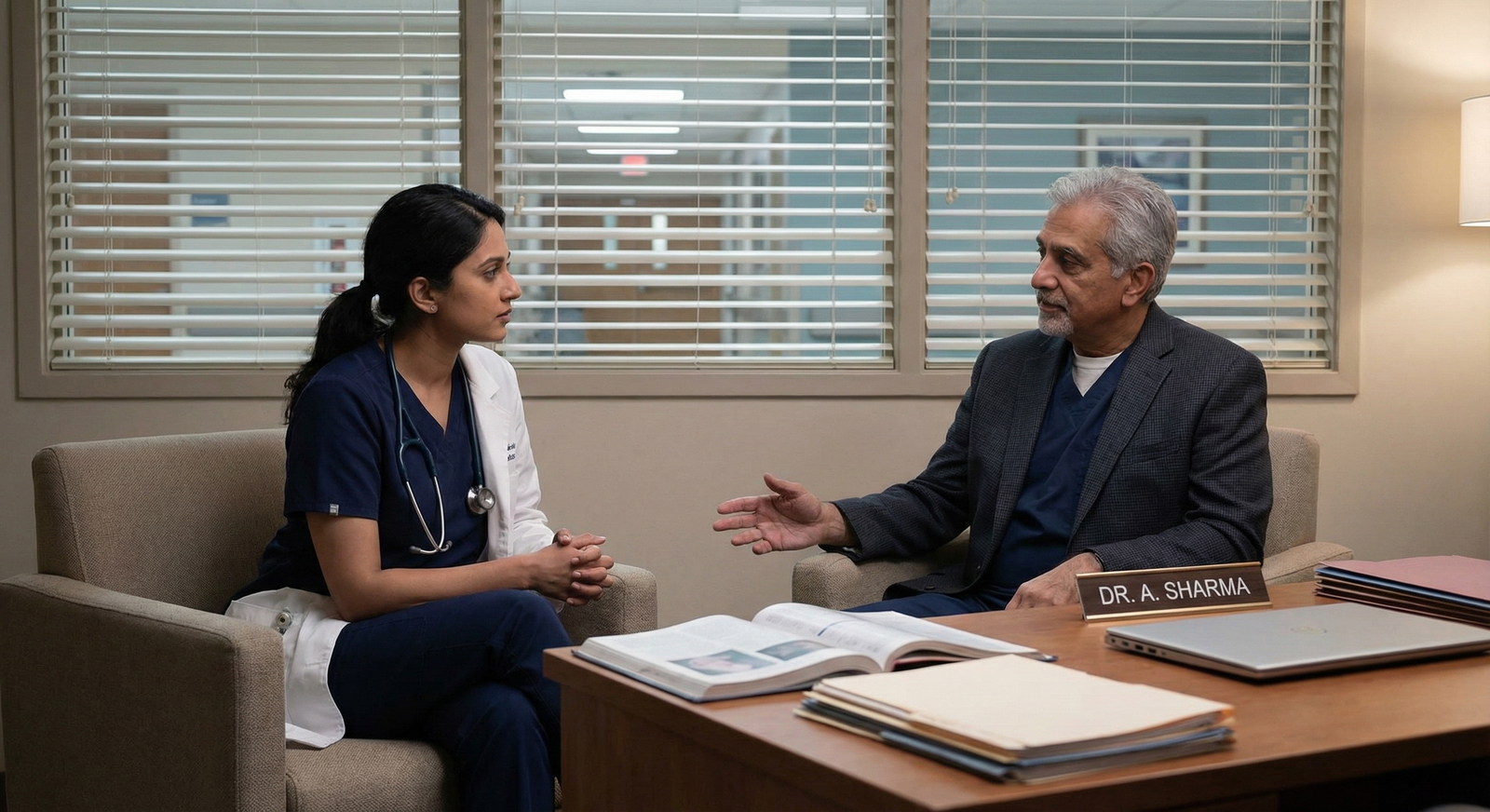
For a DO graduate in nuclear medicine, mentorship in medicine is both a career accelerator and a buffer against the challenges of a specialized path.
Types of Mentors You Should Identify
You’ll benefit from assembling a small “board of advisors” rather than relying on one person:
Clinical Nuclear Medicine Mentor
- An attending physician in nuclear medicine or molecular imaging.
- Guides you on day‑to‑day specialty realities, case exposure, and skill development.
Academic/Research Mentor
- May be in nuclear medicine, radiology, or oncology.
- Helps you get involved in projects, abstracts, and publications to strengthen your nuclear medicine match portfolio.
DO-Specific Mentor
- A DO physician who has matched into a competitive specialty (preferably imaging or nuclear medicine).
- Advises on navigating bias, explaining osteopathic training to program directors, and maximizing COMLEX/USMLE strategy.
Peer Mentor (Near‑Peer or Resident)
- A current nuclear medicine resident or radiology resident with strong nuclear medicine involvement.
- Offers practical advice on applications, interviews, and residency life.
How to Find and Approach Mentors
Start with your institution:
- Ask for introductions from clerkship directors, program coordinators, or department chairs.
- Attend departmental conferences and grand rounds regularly; stay visible.
Leverage conference networking:
- When you meet someone approachable at a meeting, ask:
- “Would you be open to my reaching out occasionally for advice as I prepare for the nuclear medicine match?”
- When you meet someone approachable at a meeting, ask:
Use professional platforms:
- LinkedIn, Doximity, and some specialty forums can be effective if used professionally.
- Search by specialty + “DO” + institution; politely introduce yourself as a DO graduate exploring nuclear medicine.
Maintaining a Healthy Mentor Relationship
- Respect their time: come to meetings with an agenda and specific questions.
- Send periodic, concise updates (e.g., “I presented that case at SNMMI—thank you for your feedback on the abstract”).
- Follow through on advice; mentors notice when you implement suggestions.
- Over time, ask where you might contribute: help with a project, assist with data collection, or participate in a presentation.
Mentorship is a two‑way relationship; showing initiative and gratitude encourages mentors to invest in you more deeply.
Practical Networking Scripts and Strategies for DO Applicants
Many DO graduates know networking is important but struggle with what to say. Here are specific, adaptable scripts you can use.
Introducing Yourself as a DO Graduate in Nuclear Medicine Settings
Context: After a departmental conference
“Hi Dr. Chen, my name is Jordan Lee. I’m a DO graduate currently completing my final year of medical school, and I’m very interested in pursuing nuclear medicine residency. I really appreciated your case discussion on incidental PET findings. Would you mind if I asked you a few questions about your path into nuclear medicine and how you see DO applicants in the field?”
Emailing a Potential Mentor or Program Director
Subject: DO graduate interested in nuclear medicine – request for brief guidance
“Dear Dr. [Last Name],
My name is [Your Name], a DO graduate from [School] (class of [Year]) with a strong interest in nuclear medicine and molecular imaging. I recently [attended your talk/read your paper on X/saw your name on the nuclear medicine residency website] and was impressed by your work in [specific area].
As I prepare for the upcoming osteopathic residency match/nuclear medicine match cycle, I’m hoping to better understand what you value in applicants and how a DO graduate can best position themselves for success in nuclear medicine.
If you have 10–15 minutes available in the coming weeks, I would be very grateful for the opportunity to ask your advice by phone or Zoom at your convenience.
Thank you for considering my request, and for your contributions to the field.
Best regards,
[Your Name], DO
[Contact info, LinkedIn if appropriate]”
Requesting Opportunities (Elective, Research, or Observership)
“Dr. Smith, I’ve really appreciated learning from you on this rotation. Nuclear medicine has become my clear career goal, and I’m working to deepen my exposure and skills. If there are any ongoing projects, QA initiatives, or elective time in nuclear medicine that you think a motivated DO graduate could contribute to, I’d be very interested in exploring that with you.”
Navigating the “DO Question” with Confidence
You may encounter subtle or overt questions about being a DO applicant.
Example response:
“I chose osteopathic training because I value its emphasis on whole‑patient care and function, and I think that perspective integrates well with nuclear medicine’s focus on physiology and targeted therapy. I’ve made sure my clinical and academic experiences align with the expectations of any competitive residency, and I’m confident I can perform at the same level as my MD peers.”
This reframes your DO background as an asset rather than a liability.
Integrating Networking Into the Nuclear Medicine Match Timeline
To maximize impact, align your networking strategy with your training and application timeline.
Pre‑Clinical and Early Clinical Years
- Attend local or virtual nuclear medicine lectures or symposia.
- Join relevant student interest groups (radiology, oncology, or nuclear medicine if available).
- Start reading basic nuclear medicine literature; be conversant in PET/CT, SPECT/CT, and common tracers.
Core Clinical Years (MS3–early MS4)
- Pursue radiology rotations with explicit nuclear medicine exposure.
- Identify at least one nuclear medicine or imaging mentor.
- Attend at least one conference networking opportunity (even virtually).
- Start small research or case report projects; aim for a poster at SNMMI or a related meeting.
Late MS4 / Application Year
Solidify relationships with 2–3 letter writers who know you well.
Inform your mentor network about your application list; ask for input on programs receptive to DO graduates.
Use your contacts to inquire about:
- Shadowing or away rotations
- Informational interviews with residents or faculty
- Program fit and culture beyond what’s on the website
As interviews approach, reach out briefly to previously met faculty at those institutions:
- “I’m excited to be interviewing at [Institution] this month and wanted to thank you again for your guidance regarding the program last year.”
During Nuclear Medicine Residency
Networking doesn’t stop once you match:
- Stay active in professional societies; volunteer for trainee committees.
- Maintain your mentor relationships and begin mentoring junior trainees, especially DOs.
- Present at conferences regularly; people will start to know your name and associate it with scholarship and professionalism.
- Explore fellowship and post‑residency positions early—many are filled through informal networks.
This ongoing networking effort sets you up for advanced fellowships, academic appointments, or leadership roles in nuclear medicine departments.
Avoiding Common Networking Pitfalls for DO Graduates
As you build your professional network, be aware of behaviors that can undermine your efforts.
Pitfall 1: Being Transactional
If every interaction is about what someone can do for you—“Can you write me a letter? Can you get me into your program?”—people disengage quickly.
Better approach:
Focus on learning and contribution first. Ask for advice, not favors. Over time, opportunities will naturally follow.
Pitfall 2: Over‑Apologizing for Being a DO
Avoid language that suggests you’re apologizing for or downplaying your DO background.
Instead:
Own your training confidently and demonstrate your competence through your work ethic, communication, and academic engagement.
Pitfall 3: Infrequent or Last‑Minute Contact
Reaching out only when you need a letter or a last‑minute favor feels opportunistic.
Instead:
Send consistent, low‑burden updates: when you present, publish, or make key decisions. This keeps the relationship warm and authentic.
Pitfall 4: Neglecting Peers
Networking is not just “upward” toward attendings and program directors. Your peers:
- Become co‑residents, co‑authors, and future collaborators.
- Often share opportunities and insider information about programs.
Treat your peers with the same respect and professionalism as senior faculty—they are a critical part of your long‑term professional ecosystem.
FAQs: Networking in Medicine for DO Graduates in Nuclear Medicine
1. As a DO graduate, do I need to network more than MD applicants for nuclear medicine?
You don’t necessarily need to network more, but you do need to network more strategically. In some academic environments, faculty may be less familiar with osteopathic pathways or may have fewer DO trainees historically. Visible engagement, strong mentorship, and early relationships can help overcome implicit biases and demonstrate that you’re as capable and committed as any applicant.
2. How important is research for networking and the nuclear medicine match?
Research is both a CV builder and a networking engine. Working on nuclear medicine projects connects you with faculty, exposes you to conferences, and gives you reasons to interact with leaders in the field. While you can match without heavy research, especially at some clinical‑focused programs, having at least a few nuclear medicine‑relevant abstracts or papers shows commitment and gives mentors tangible work to speak about in your letters.
3. What if my home institution doesn’t have a strong nuclear medicine department?
You can still build a robust network:
- Seek away rotations or observerships at institutions with strong nuclear medicine programs.
- Attend virtual nuclear medicine conferences and webinars.
- Reach out to nuclear medicine faculty at other institutions via email, expressing your interest and asking for advice or remote project opportunities.
- Connect with DOs already in nuclear medicine or imaging fields through professional platforms and ask about how they navigated similar limitations.
4. When should I explicitly mention that I’m a DO in networking conversations?
You don’t need to lead with it in every interaction, but you shouldn’t hide it either. In most contexts, introduce yourself as “[Your Name], DO, a graduate from [School] interested in nuclear medicine.” When questions arise about training differences, respond confidently and factually, emphasizing the strengths of osteopathic education and how they enhance your approach to imaging and patient care.
By approaching networking in medicine as a long‑term, relationship‑centered process rather than a short‑term tactic, you as a DO graduate can thrive in nuclear medicine. Combine a clear interest in the field, consistent professional presence, and a strong mentorship network, and you’ll position yourself competitively for the osteopathic residency match, the nuclear medicine residency match, and a fulfilling career in this cutting‑edge specialty.