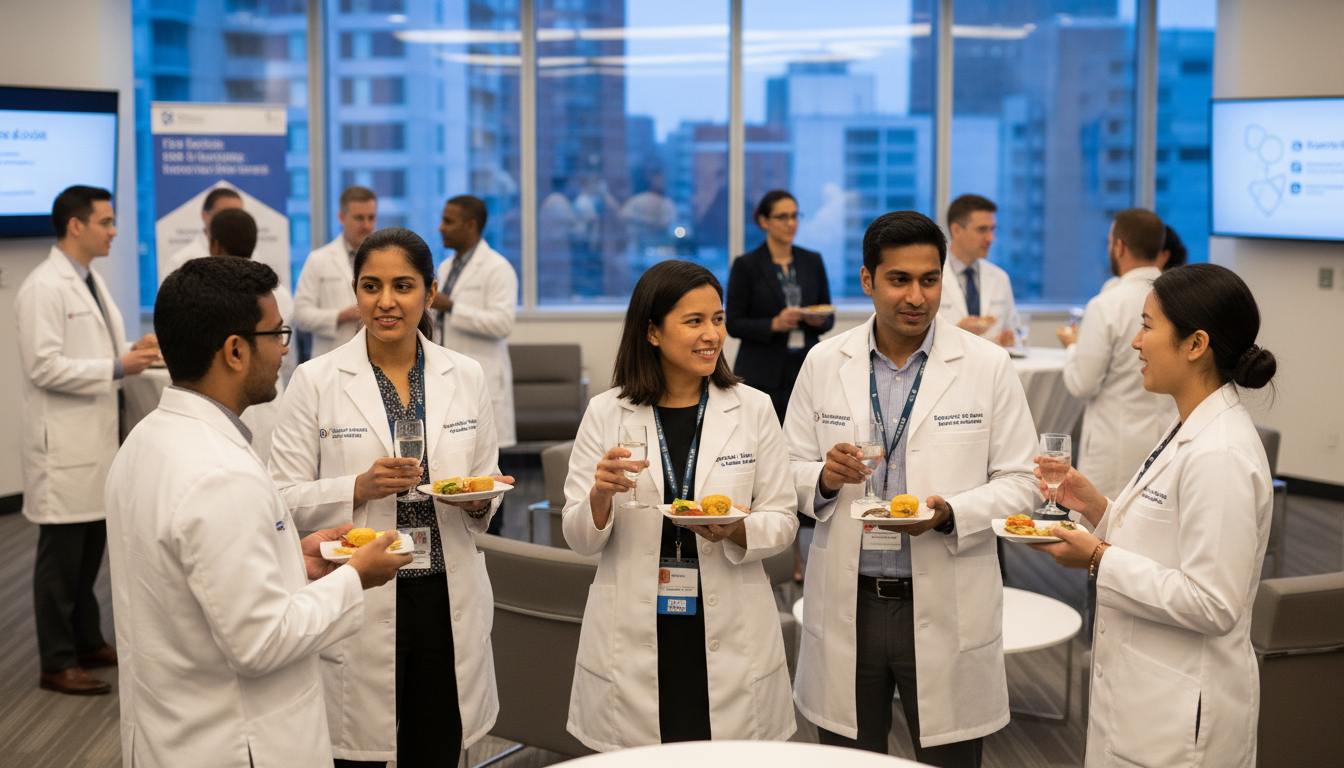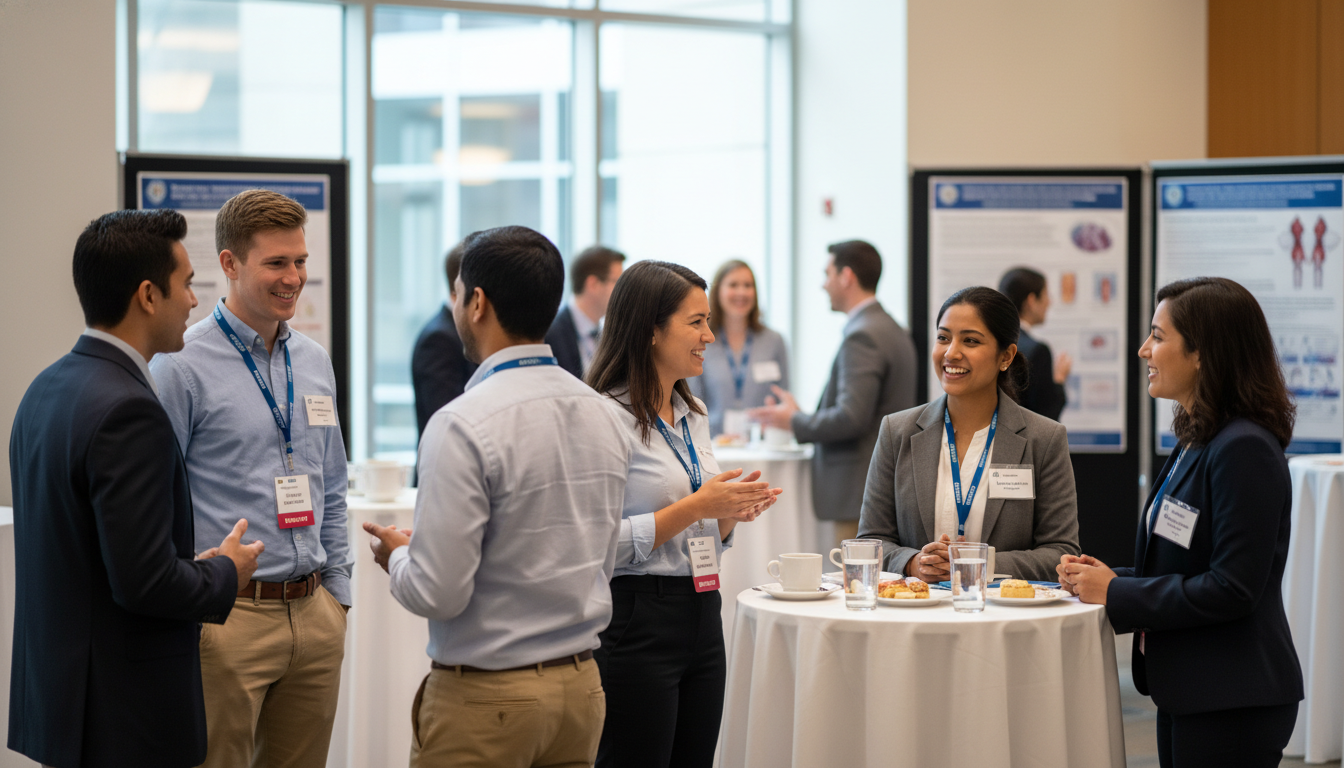
Networking in medicine is not about collecting business cards—it’s about building genuine, long-term professional relationships that support your growth as a physician. For a DO graduate headed into, or already in, family medicine residency, strategic networking can shape your training experience, expand your opportunities, and set the stage for the rest of your career.
This article focuses on how a DO graduate in family medicine can use networking—especially medical networking and conference networking—to thrive in the family medicine residency (FM match) environment and beyond.
Understanding Networking in Medicine as a DO Graduate
Networking in medicine is the intentional process of forming and maintaining professional relationships that enhance your learning, career options, and patient care. For DO graduates in the osteopathic residency match or ACGME-accredited programs, networking also serves an extra purpose: it helps you clearly communicate your osteopathic training and strengths in systems that may still be learning to fully integrate DO physicians.
Why networking matters specifically for DO graduates in family medicine
Visibility in competitive settings
Even though DO–MD parity has improved, some academic centers or institutions still have more familiarity with MD pathways. Networking allows you to:- Showcase your skills and clinical experience
- Build trust and familiarity with program leaders
- Demonstrate how osteopathic principles complement whole-person primary care
Navigating the FM match and early career choices
By the time you are a DO graduate, you’ve likely already completed the family medicine residency or are in the early years of training. Networking can still:- Help you identify fellowship or advanced training options (sports medicine, geriatrics, addiction medicine, etc.)
- Open doors for jobs in your preferred location or practice setting
- Connect you to alumni who have carved out non-traditional paths (leadership, academic, policy)
Strengthening the osteopathic voice in primary care
Family medicine naturally aligns with osteopathic philosophy: holistic, patient-centered, prevention-focused care. As a DO in FM, your network can amplify:- Osteopathic manipulative treatment (OMT) as part of primary care
- Interprofessional collaboration with PTs, chiropractors, behavioral health, and more
- Advocacy for access, continuity, and community-level interventions
Resilience and well-being
Residency and early attending life are stressful. Strong professional relationships:- Provide mentoring and guidance
- Offer emotional support and perspective
- Help normalize challenges like burnout, imposter syndrome, and difficult patient encounters
Core Networking Strategies for the DO Family Medicine Resident
Networking is not one-size-fits-all. Focus on a few foundational strategies and do them well.
1. Start where you are: your residency program
Your residency is your first and most important networking environment.
Key relationships to build:
Program Director (PD) and Associate PDs
- Share your career interests (rural medicine, academic FM, sports medicine, women’s health, etc.) early.
- Ask: “Are there alumni or faculty I could talk with who’ve pursued this path?”
- Request to be included in projects or committees related to your interests.
Core faculty and clinic preceptors
- Stay after clinic for 5–10 minutes to debrief and ask clinical questions.
- Volunteer for small projects: quality improvement (QI), patient education materials, small-scale research.
- Example: If you love OMT, ask to help build referral pathways or a half-day OMT clinic.
Senior residents and recent graduates
- Ask them about fellowship applications, job searches, and board prep.
- Pay attention to how they maintain professional relationships with attendings and staff—these are practical models of networking.
Action step:
Each month, identify one attending you’d like to learn from. Ask for:
- A 20-minute career chat (virtual or in person)
- Guidance on a specific question (e.g., negotiating your first contract, balancing clinic and teaching, or building an OMT practice)
Be specific so they understand what you’re hoping to gain.
2. Develop a clear professional “story”
Networking is easier when you can articulate who you are as a physician.
Create a concise professional introduction (30–45 seconds):
- Who you are: “I’m a second-year DO resident in family medicine at [Program].”
- What you care about: “I’m especially interested in [e.g., rural primary care and integrating OMT into chronic pain management].”
- Where you’re heading: “I’m exploring options for [sports medicine fellowship / academic family medicine / community health leadership].”
Example:
“I’m a DO family medicine resident at Lakeside Medical Center, and I’m most interested in community-based primary care and addiction medicine. I enjoy using OMT as part of chronic pain management and I’m hoping to pursue an addiction medicine fellowship after residency, ideally in a setting that serves under-resourced communities.”
Having a polished “story”:
- Makes conference networking more natural
- Helps faculty remember you when opportunities arise
- Highlights your DO background as a strength, not an add-on
3. Use osteopathic strengths in your networking
Your DO training is an asset in the family medicine residency environment—lean into it:
- Offer to give a mini teaching session on OMT for common primary care complaints.
- Volunteer to see patients where OMT may be beneficial (e.g., low back pain, headaches, pregnancy-related musculoskeletal issues).
- Get involved in osteopathic recognition efforts if your program is applying for or maintaining it.
- Suggest interprofessional collaborations, such as OMT combined with behavioral or physical therapy for chronic pain.
When colleagues see your skills in action, they are more likely to:
- Remember you
- Refer patients to you
- Mention your name when opportunities come up (lectures, rotations, job leads)

Conference Networking for DO Family Medicine Graduates
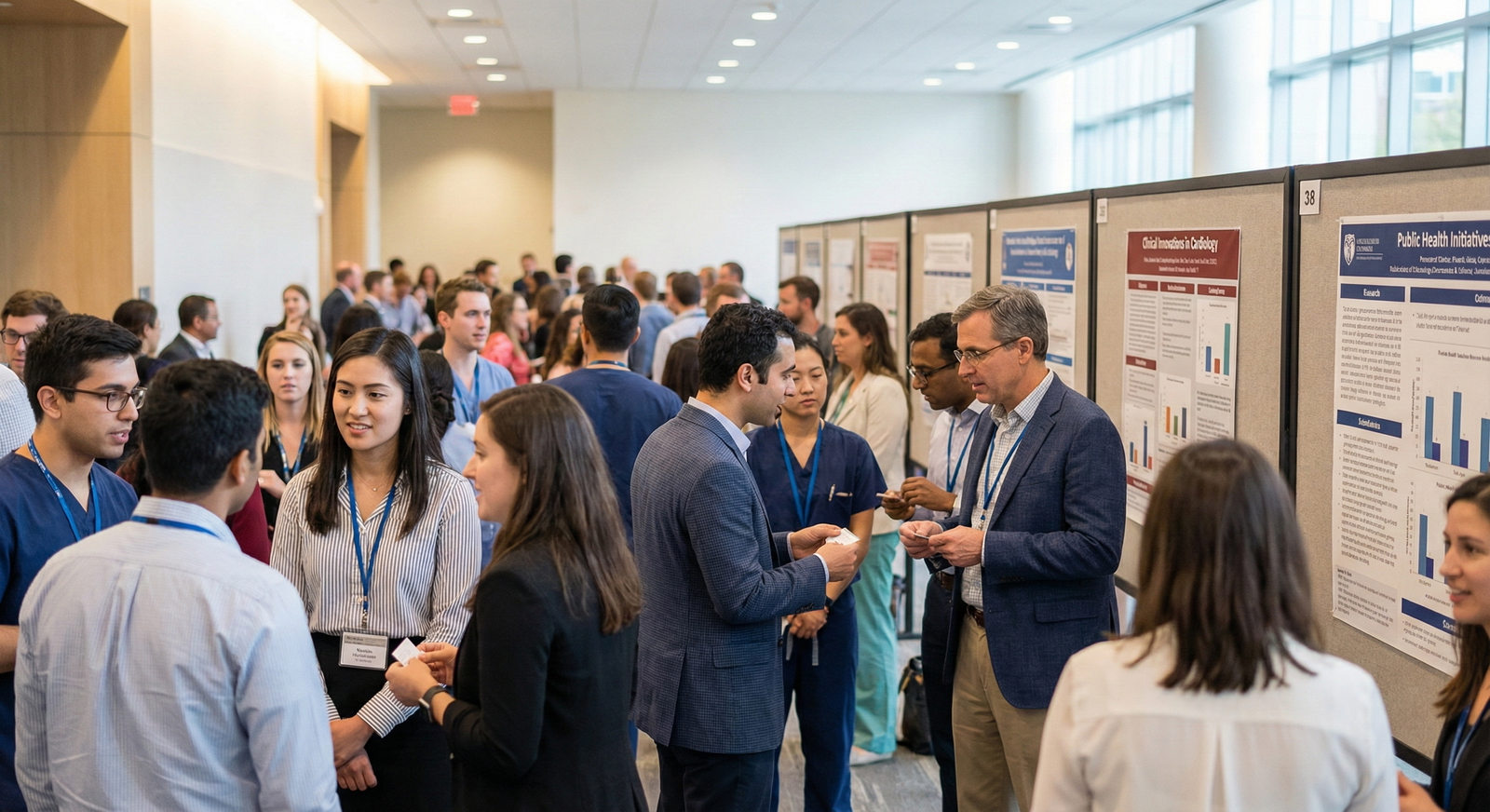
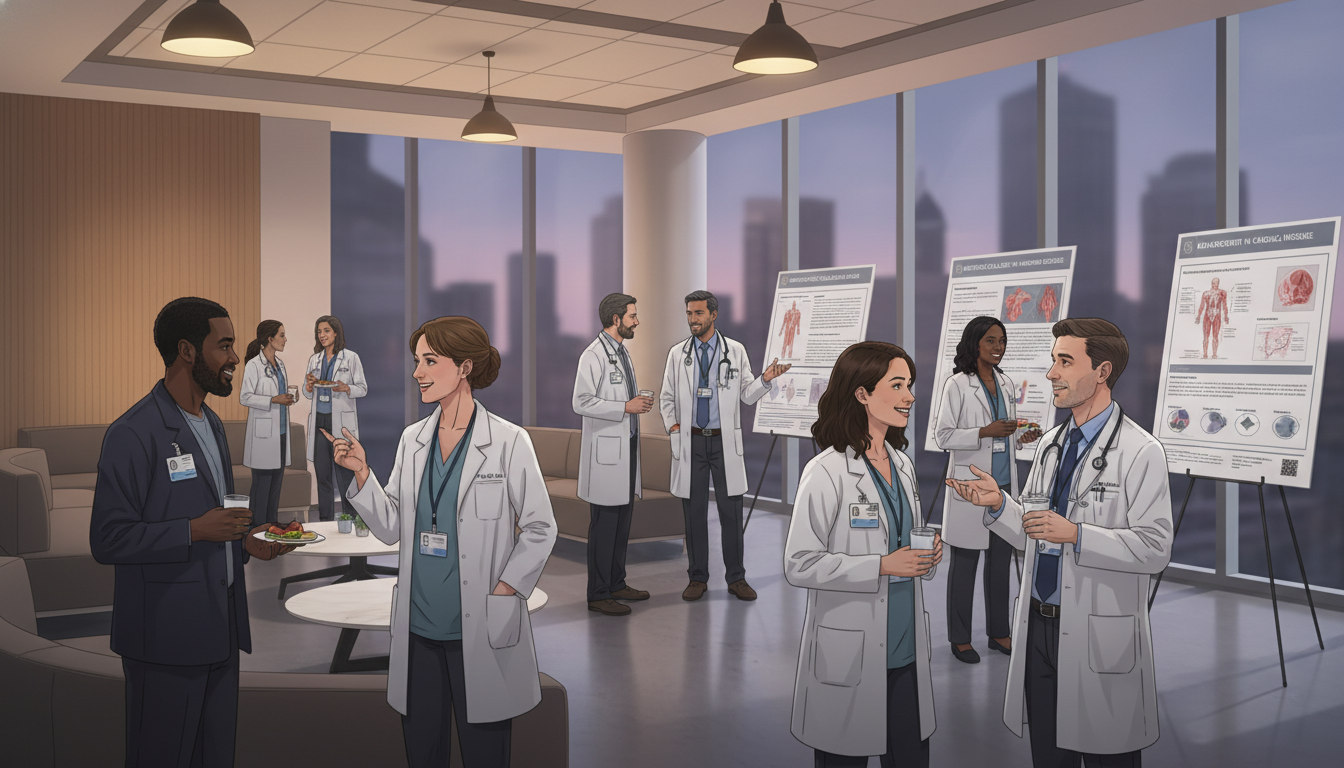
Conferences are powerful accelerators for medical networking, especially in family medicine. Whether you attend AAFP, state academy meetings, or osteopathic-specific events (like ACOFP), these are prime opportunities to build high-yield connections in a short time.
1. Choose conferences strategically
As a DO graduate in family medicine, particularly relevant conferences include:
- AAFP (American Academy of Family Physicians) national and state meetings
- ACOFP (American College of Osteopathic Family Physicians) conferences
- STFM (Society of Teachers of Family Medicine) if you’re interested in academic medicine
- AMSSM (for sports medicine), AGG (for geriatrics), or addiction medicine meetings if pursuing subspecialties
- Regional or local primary care quality or population health conferences
Consider:
- Where you’re training vs. where you’d like to eventually practice
- Whether the conference offers dedicated student/resident programming, mentorship sessions, or job fairs
- Opportunities to present research, QI, or case reports, even small projects
2. Prepare before you arrive
Conference networking is more effective when you plan ahead:
Register for mentoring or small-group sessions
Many conferences have “mentor match” events, one-on-one consults, or career panels. Sign up early; they often fill fast.Review the program and mark targets:
- Sessions in your areas of interest
- Speakers or discussants whose careers you admire
- Program directors or institutions you might want to work for
Update your professional materials:
- Current CV (PDF), accessible from your phone or email
- Short bio (2–3 sentences) you can paste into emails
- Professional headshot for online networking (LinkedIn, Doximity)
Reach out in advance
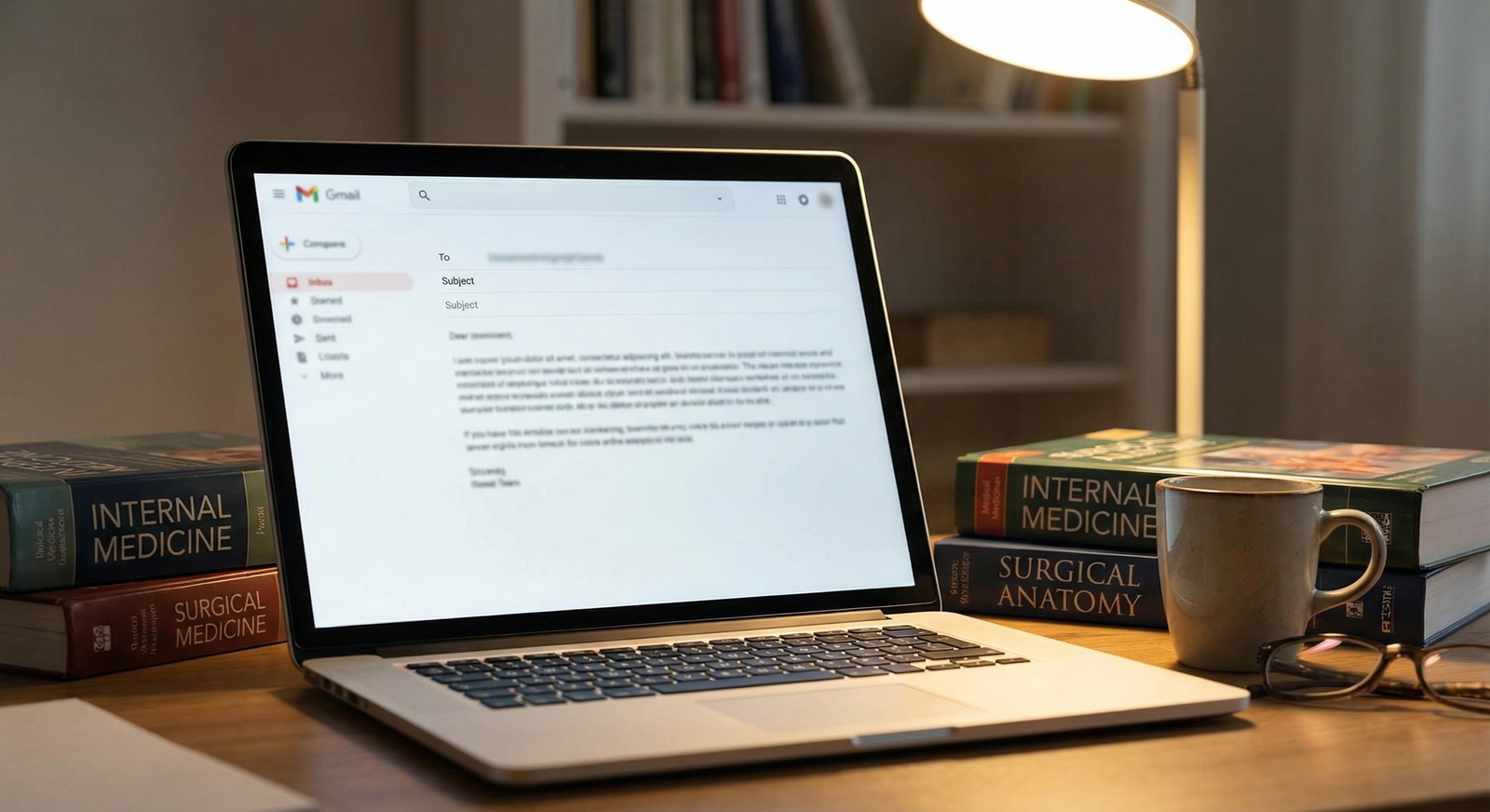
Example email:Dear Dr. Smith,
I’m a DO family medicine resident at [Program], attending [Conference Name] this year. I’ve been following your work on integrating OMT and behavioral health in chronic pain management. Would you have 15–20 minutes during the conference for a brief conversation about career paths in this area?Sincerely,
[Name], DO
PGY-2 Family Medicine
Even if only 30–40% respond, those that do can become high-value contacts.
3. How to approach people at conferences
Many residents struggle with how to actually start conversations. Use simple, respectful openers:
- “I really enjoyed your talk on [topic]. I’m a DO family medicine resident interested in [related area]. Do you have a moment for one quick question?”
- At posters: “Hi, I’m [Name], a DO FM resident from [Institution]. What motivated you to study this topic?”
- In exhibit halls: “I’m exploring future practice options in [region/type of practice]. Could you share what makes your health system unique for family physicians?”
Practical tips:
- Wear your name badge visibly, including “DO” and “Resident, Family Medicine.”
- Keep a simple, short professional introduction ready (your story from earlier).
- Avoid dominating their time—especially speakers immediately after a talk. Ask if you can follow up by email.
4. Follow-through: where real networking happens
Networking rarely ends at the conference itself. The follow-up is where relationships form.
Within 48–72 hours:
- Send a brief thank-you email to anyone you met and want to keep in your network.
- Reference something specific: a talk, advice they gave, or a shared interest.
- If relevant, attach your CV or a short summary of your interests.
Example follow-up:
Dear Dr. Lee,
It was great speaking with you after your panel at the ACOFP conference about rural family medicine. I appreciated your perspective on building a practice that integrates OMT and addiction treatment services.As we discussed, I’m a DO family medicine resident interested in pursuing an addiction medicine fellowship and eventually practicing in a rural setting. I would be grateful if I could reach out again in the future as I start my fellowship applications.
Thank you again for your time,
[Name], DO
PGY-2 Family Medicine
Use a simple system to track your network:
- A spreadsheet or note with columns for: Name, Role, Institution, How you met, Topic, Next step
- Set calendar reminders to touch base every 6–12 months
Building Mentorship in Medicine: Finding and Using Mentors Well
Effective mentorship in medicine is one of the most powerful outcomes of networking, especially during the family medicine residency years.
1. Different types of mentors you need
No single person can mentor you in every aspect of your career. Consider building a “personal board of advisors”:
Clinical mentor
- Helps you grow as a diagnostician, longitudinal care provider, and proceduralist
- Gives case-based feedback and role modeling
Career mentor
- Advises on long-term planning: fellowship vs. direct practice, academic vs. community, full-scope vs. outpatient-only
- Guides decisions linked to the FM match, early job choices, and leadership opportunities
Osteopathic/identity mentor
- Shares your DO background and understands the nuances of being a DO in mixed environments
- Helps you leverage osteopathic principles and OMT within your practice
Wellness/peer mentor
- Often a slightly more senior resident or recent graduate
- Offers real-time advice on time management, dealing with difficult rotations, and work–life integration
2. How to approach potential mentors
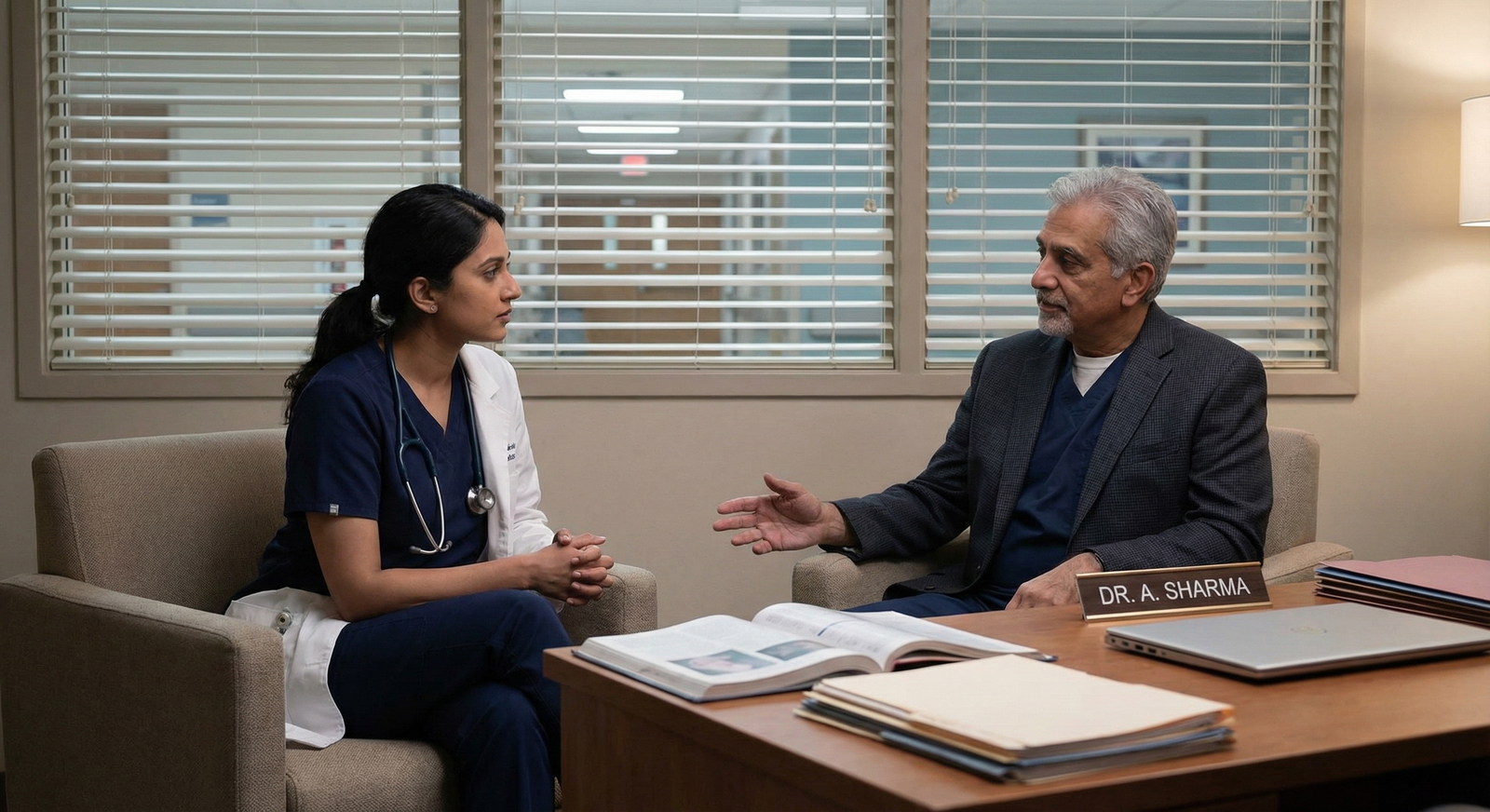
You can’t just say, “Will you be my mentor?” and expect a sustainable relationship. Instead:
Start small:
- Ask for one meeting to discuss a focused topic: “I’d love your advice on whether addiction medicine or sports medicine would fit my interests better.”
Be prepared:
- Bring a short CV and some bullet points about your interests and questions.
- Respect time limits (e.g., 20–30 minutes).
Clarify expectations:
After 1–2 meetings, if it feels natural, say something like:“I’ve really appreciated your guidance over the last couple of months. Would you be open to continuing as a career mentor I can check in with a few times a year?”
This respectful, specific ask makes it easier for them to say yes or to set boundaries.
3. Being a good mentee
To sustain strong mentoring relationships:
- Follow through: If your mentor suggests reading something, contacting someone, or exploring a project—do it, then report back.
- Be honest: Share your concerns, uncertainties, or mistakes. Mentors can only help with what they know.
- Respect boundaries: Understand their time constraints; be punctual; send an agenda before meetings.
- Express appreciation: A genuine thank-you email, conference shout-out, or note on Match/Graduation day is meaningful.
Over time, your mentors may:
- Introduce you to their colleagues (expanding your network)
- Serve as references for the FM match (if you’re still in the match process) or early job positions
- Co-author articles, presentations, or QI projects with you

Digital and Everyday Networking: Beyond Conferences and Clinics
Networking is not limited to large conferences or formal mentorship programs. Much of your medical networking happens through daily behaviors and your digital presence.
1. Professional online presence
As a DO family medicine graduate, consider maintaining:
LinkedIn profile
- Use a professional headshot and consistent title: “Family Medicine Resident Physician (DO) at [Institution].”
- Highlight interests: OMT, population health, sports medicine, addiction medicine, rural health, etc.
- Connect with:
- Residency colleagues and faculty
- Conference contacts
- Alumni of your program
Doximity and professional directories
- Keep your information current.
- Use a concise, clear description of your interests and DO training.
Social media (if you use it professionally)
- Follow professional organizations (AAFP, ACOFP, state chapters).
- Engage respectfully in discussions on family medicine topics.
- Avoid patient-identifying information and maintain professionalism at all times.
2. Leveraging alumni and institutional networks
Your medical school and residency both have rich alumni networks—especially powerful for a DO graduate residency.
- Join alumni boards, committees, or online groups where FM physicians are active.
- Attend alumni receptions at conferences (often underutilized by residents).
- Ask your PD or faculty:
- “Could you connect me with alumni practicing [rural FM / sports med / community health] in [region]?”
When reaching out to alumni:
- Use your shared background as a bridge:
“As a fellow DO graduate from [School], now in FM residency, I’d love to hear about your path into [subspecialty/region].”
These alumni are often very motivated to help; they remember being in your shoes.
3. Networking in day-to-day clinical work
Every rotation and clinic day is a networking opportunity—even if it doesn’t feel like it.
You are networking when you:
- Consistently show up on time, prepared, and engaged
- Treat nurses, MAs, social workers, and front-desk staff with respect and collaboration
- Follow through on tasks and communicate clearly with consultants
These behaviors lead people to say things like:
- “They’re great to work with—very reliable.”
- “This DO resident is fantastic with patients and the team.”
Those impressions:
- Travel quickly in hospital systems and residency programs
- Can directly influence letters of recommendation, job offers, and informally shared opportunities
Common Pitfalls and How to Avoid Them
Even well-intentioned DO graduates can stumble in networking. Watch for these patterns:
1. Treating networking as transactional
Pitfall: Only reaching out when you need something (a letter, a connection, a job).
Better approach:
- Check in periodically with mentors and contacts, even when you don’t need a favor.
- Share small updates: new interests, research, or achievements.
- Offer value where you can (e.g., help with a project, share relevant articles, volunteer to teach).
2. Underplaying your DO identity
Pitfall: Feeling you need to “downplay” being a DO in the osteopathic residency match or mixed environments.
Better approach:
- Confidently explain what osteopathic training adds to your practice: whole-person approach, additional training in musculoskeletal and structural relationships, OMT skills.
- Use patient and clinical examples to show the impact, not just describe it.
3. Overcommitting without capacity
Pitfall: Saying yes to every project, committee, or meeting because you want to impress others.
Better approach:
- Choose 1–2 focused areas that align with your long-term goals.
- Before agreeing, ask:
- “What’s the anticipated time commitment?”
- “What will my role specifically be?”
- Talk with a mentor about whether a new opportunity fits your trajectory.
Bringing It All Together: A Networking Roadmap for DO Family Medicine Graduates
To make this actionable, here is a simple 12-month networking plan you can adjust to your stage of training:
Months 1–3
- Clarify your professional story (interests, goals).
- Identify at least two potential mentors (clinical and career) and schedule initial meetings.
- Update LinkedIn/Doximity and add key faculty/colleagues.
Months 4–6
- Attend at least one local or state FM or osteopathic meeting; actively introduce yourself to 3–5 people.
- Volunteer for one small project (QI, teaching, or scholarly work) with a faculty member aligned with your goals.
- Reach out to your school/residency alumni in your desired region or subspecialty.
Months 7–9
- Present a poster or short talk at a state or national conference if possible.
- Schedule follow-up meetings with your core mentors and refine your career timeline (fellowship vs. job search).
- Expand your network with 5–10 additional connections (online or in person).
Months 10–12
- If you are approaching graduation, start targeted outreach to potential employers or fellowship programs using your network.
- Ask mentors for honest feedback on your readiness, CV, and interview strategy.
- Reflect on which networking approaches worked best for you and plan adjustments for the next year.
Over time, networking evolves from something you “do” into part of who you are as a physician: curious, collaborative, and generous with others—exactly the qualities that define outstanding family medicine doctors.
FAQ: Networking in Medicine for DO Family Medicine Graduates
1. As a DO, do I need to network differently than my MD colleagues?
You don’t need a separate strategy, but you should be more intentional about explaining your osteopathic training and how it enhances family medicine. Highlight your strengths:
- Holistic, person-centered approach
- OMT for musculoskeletal and some systemic complaints
- Integrated view of structure–function relationships
Use networking opportunities to show—not just tell—what you bring to the team and to patient care.
2. I’m an introvert and dislike “small talk.” How can I still network effectively?
You can be an excellent networker without being highly extroverted. Focus on:
- One-on-one conversations instead of large-group mingling
- Asking thoughtful questions and listening carefully
- Preparing a few opening lines and your professional introduction in advance
- Following up by email, where you may feel more comfortable expressing yourself
Quality of connections matters far more than quantity.
3. How soon in residency should I start networking for fellowship or job opportunities?
Start building relationships in PGY-1 and PGY-2, but you don’t need to make firm decisions right away. A timeline:
- PGY-1: Explore interests, meet mentors, attend at least one local or regional meeting.
- PGY-2: Narrow focus, present at conferences, discuss fellowship vs. direct practice with mentors.
- PGY-3: Actively apply (fellowship or jobs), use your network for introductions, intel on programs, and letters of recommendation.
Early, consistent networking makes your later application seasons (FM match, fellowship, or job search) much smoother.
4. What if my residency program doesn’t have many DO role models or osteopathic-focused faculty?
Look outward:
- Engage with osteopathic organizations (ACOFP, your state osteopathic society).
- Use virtual mentorship programs—many organizations pair DO trainees with DO attendings nationally.
- Connect with DO alumni from your medical school or other residency programs via LinkedIn or conference networking.
You can still build a strong osteopathic and family medicine identity, even without many DOs in your immediate program, by tapping into broader professional communities.
By building intentional, values-driven relationships—locally and nationally—you can turn networking from a source of anxiety into one of your greatest career assets as a DO graduate in family medicine.