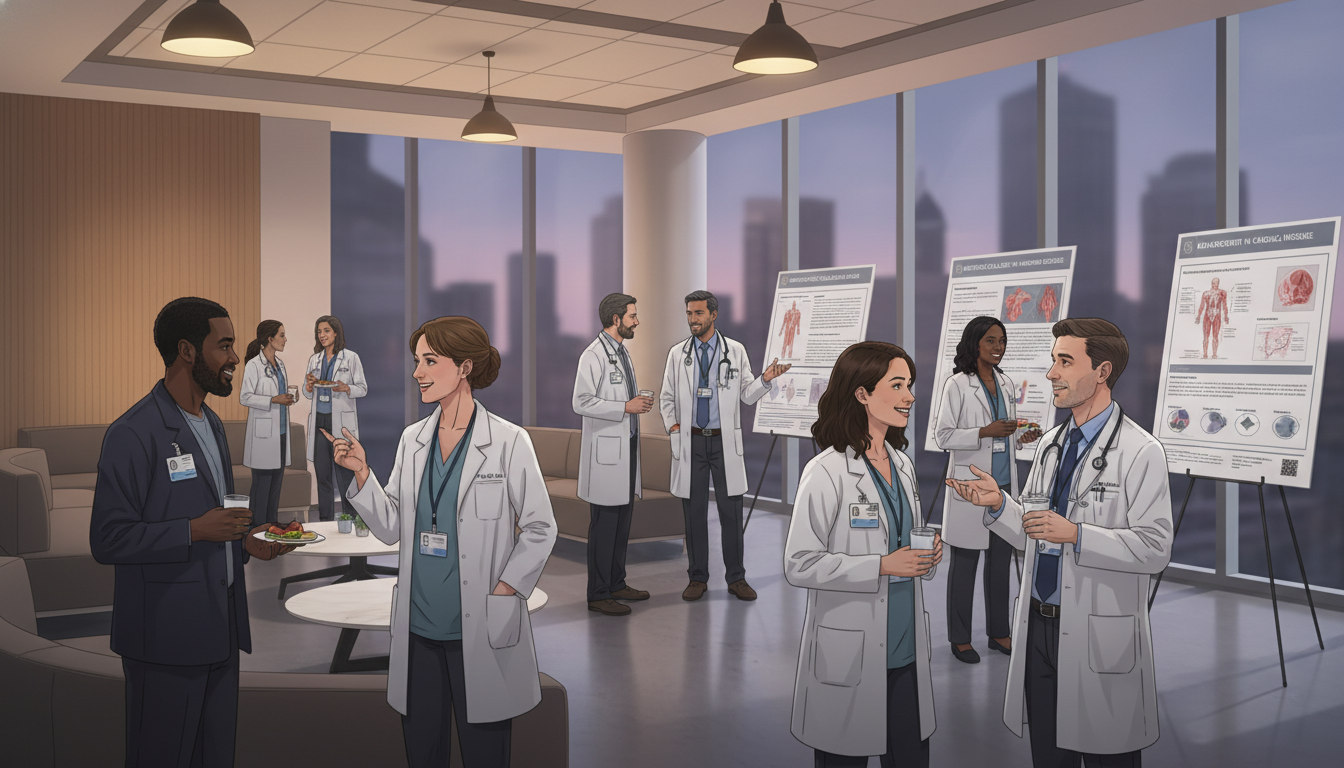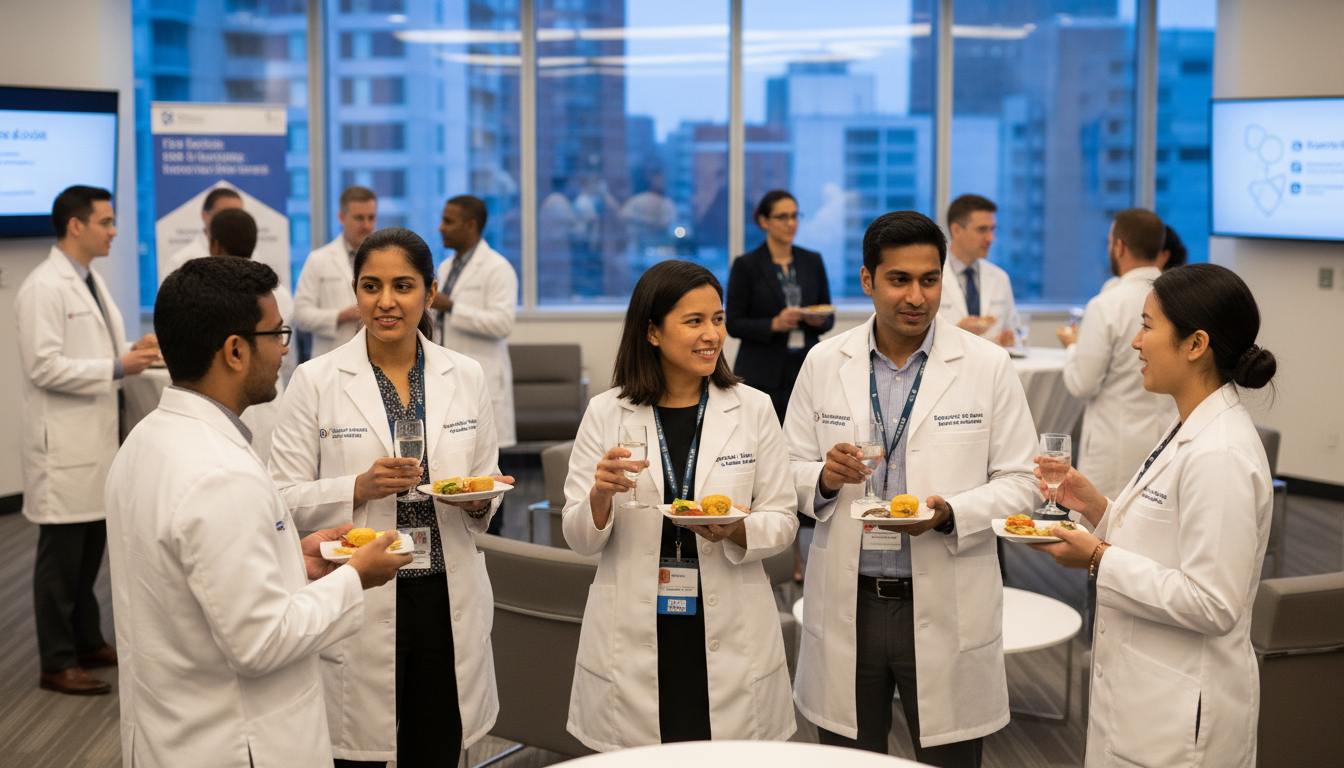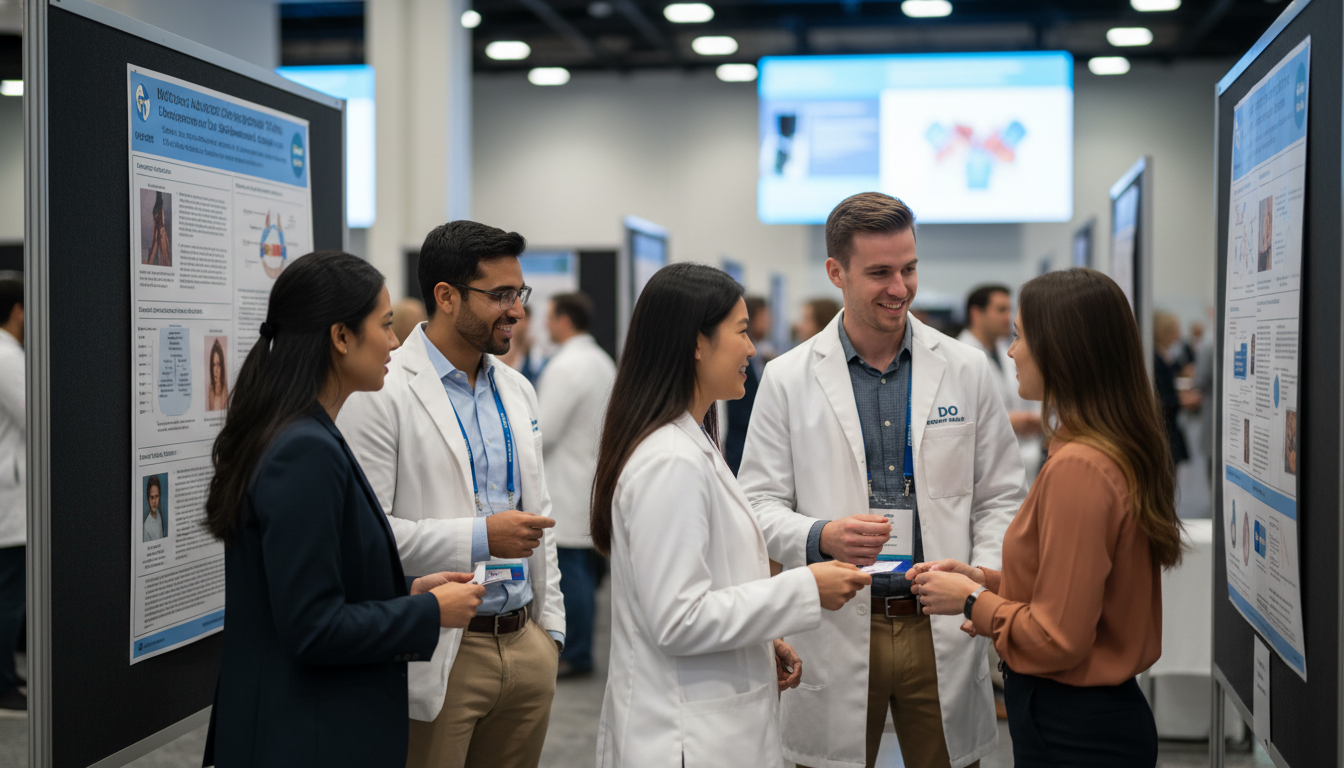
Why Networking Matters So Much in Dermatology for DO Graduates
Dermatology is one of the most competitive specialties in medicine—and as a DO graduate, you operate in a system that still carries some implicit bias favoring MD applicants at certain programs. Strategic networking in medicine is not just “nice to have” for you; it can be one of the strongest levers you have to:
- Get your application seriously considered at programs historically less familiar with DOs
- Secure away rotations and research positions that lead to strong letters
- Learn the hidden curriculum of the derm match (what really matters to PDs)
- Build a support system of mentors and peers who will vouch for you
- Open doors to career paths in academics, private practice, cosmetics, or industry
For a DO graduate in dermatology, well-planned medical networking can compensate for lack of home dermatology program exposure, fewer research opportunities, or lower name recognition of your school.
Think of networking as three things:
- Information – learning what you don’t know about programs, expectations, and opportunities
- Advocacy – having people who speak on your behalf when decisions are made
- Community – peers and mentors who help sustain you through a challenging path
This article will walk you step-by-step through how to build and leverage a targeted, authentic network to maximize your osteopathic residency match chances in dermatology and to thrive as a resident and early-career dermatologist.
Laying the Foundation: Clarifying Your Networking Goals as a DO
Before you send a single email or attend a single conference, you need clarity. Unfocused networking wastes time and feels inauthentic. For a DO graduate aiming for a dermatology residency, your goals will typically revolve around four pillars:
1. Match-Focused Goals
- Identify dermatology programs that are DO-friendly and realistic targets
- Secure audition/away rotations where you can showcase your skills
- Obtain at least 2–3 strong letters from dermatologists (ideally including academic dermatologists)
- Understand program culture, “hidden” selection criteria, and interview expectations
Action: Create a spreadsheet listing:
- Programs known to interview/match DOs
- DO faculty or alumni associated with those sites
- Contacts you know or could develop at those institutions
2. Research and Academic Goals
Dermatology is research-heavy, especially for more competitive programs. Networking can help you:
- Join ongoing projects in cutaneous oncology, inflammatory derm, pedi derm, cosmetic derm, etc.
- Find mentors willing to involve a remote DO graduate in case series, reviews, or clinical projects
- Get your name on abstracts and posters at major meetings (e.g., AAD, ASDS, SID)
Action: List 2–3 dermatologic areas you’re actually interested in. This will shape which researchers and labs you seek out.
3. Career and Mentorship Goals
You are not just trying to “get in.” You’re building a long-term professional identity.
Ask yourself:
- Am I leaning toward academics, private practice, or a hybrid model?
- Do I see myself more in medical derm, procedural/cosmetic, or subspecialty (e.g., dermpath, Mohs)?
- Do I want mentors who are DOs, underrepresented in medicine, women in derm, etc.?
Clarifying this helps you pursue mentorship in medicine that actually fits your needs.
4. Personal Development Goals
Networking can also help you develop non-clinical competencies:
- Teaching and education skills
- Leadership roles in national organizations
- Advocacy and policy experiences
- Industry collaboration (pharma, devices, aesthetics)
Write down 3–5 specific networking outcomes you’d like to achieve within the next 12 months (e.g., “Present one poster at a national dermatology meeting,” “Find a DO mentor in academics,” “Secure two derm letters from academic dermatologists”).

Optimizing Everyday Settings: Networking Where You Already Are
Many DO graduates underestimate the power of their existing environment. Networking doesn’t start at AAD; it starts at your home institution and local community.
1. Home Institution: Even Without a Derm Department
If your DO school lacks a dermatology program, you are not doomed. It simply means networking must be more intentional.
Possible resources:
- Internal medicine, pediatrics, rheumatology, or oncology attendings who collaborate with dermatologists
- Community dermatologists who are preceptors for your school’s electives
- Alumni who matched dermatology in past years (even at distant programs)
Next steps:
- Ask your Dean’s office or career services for a list of alumni in dermatology
- Request introductions via email (a warm intro beats a cold email almost every time)
- Offer to meet virtually if geography is an issue
Sample outreach email:
Subject: DO grad interested in dermatology – seeking brief advice
Dear Dr. [Last Name],
My name is [Your Name], and I recently graduated from [Your School] and am preparing to apply for dermatology residency. I learned from [Dean/Faculty Name] that you are a [Position] at [Institution] and matched into dermatology as a DO graduate.
I admire your path and would be grateful for 15–20 minutes of your time to ask a few questions about how you approached networking, research, and away rotations as a DO applicant. I’m particularly interested in [brief, specific interest—e.g., medical dermatology and complex medical patients].
I understand how busy your schedule is and truly appreciate any guidance you might be able to share.
Sincerely,
[Your Name], DO
[Contact info, LinkedIn link if professional]
2. Community Dermatologists and Local Practices
Community dermatologists can be powerful allies and letter writers. Many program directors value letters from physicians who can speak to your work ethic, professionalism, and clinical acumen.
How to approach:
- Through your school’s clinical education office
- Through local osteopathic society or county medical society
- Via shadowing or part-time work you may already have done
When you rotate or shadow, treat it as an extended interview:
- Arrive early, stay engaged, volunteer to help where appropriate
- Ask thoughtful questions about cases and practice management
- Express genuine interest in the field, not just the letter
Ask explicitly but respectfully for mentorship:
“I truly enjoy working with you and learning from your approach to patient care. Would you be open to staying in touch as a mentor as I pursue dermatology?”
3. Online Platforms: LinkedIn, Doximity, and Specialty Forums
Digital presence is part of modern medical networking.
LinkedIn:
- Create a professional profile with a clear headline: “DO Graduate Seeking Dermatology Residency | Interest in Medical & Surgical Dermatology”
- Connect with alumni, dermatologists you’ve met, and residents at programs you’re interested in
- Share or comment on dermatology articles, posters, or conference experiences
Doximity:
- Build a clean, updated profile—some PDs do look at it
- Follow dermatology programs and key faculty
Professionalism tip: Every post and comment becomes part of your brand. Stay neutral in controversial debates and avoid unprofessional humor.
Conference and Event Strategy: Turning Encounters into Relationships
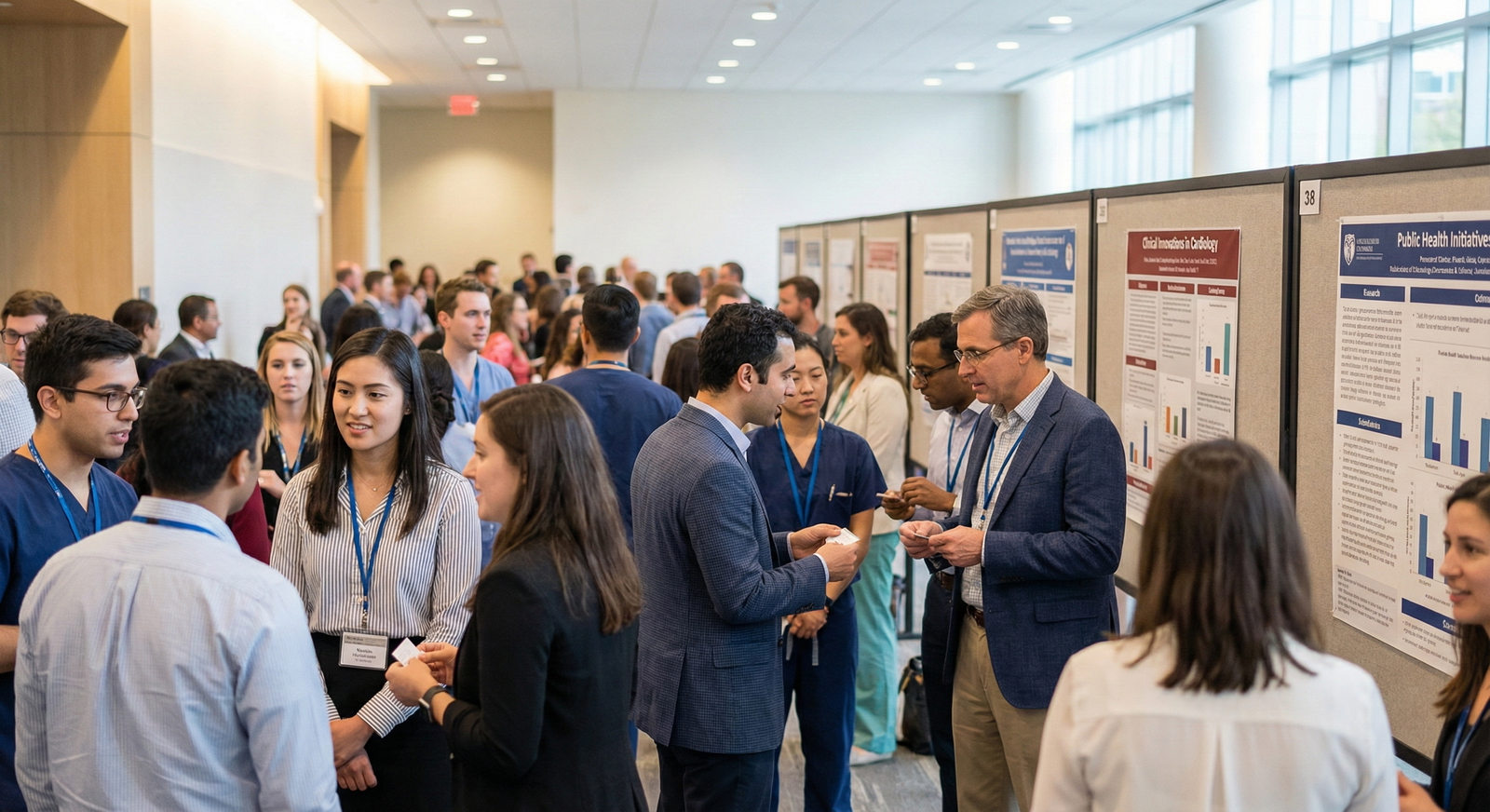
For a DO graduate in dermatology, conferences are high-yield for both medical networking and visibility. But going to a conference without a plan is like going to clinic without a patient list.
1. Choosing the Right Meetings
Key dermatology meetings include:
- American Academy of Dermatology (AAD) Annual Meeting
- American Osteopathic College of Dermatology (AOCD) meetings
- American Society for Dermatologic Surgery (ASDS)
- Society for Investigative Dermatology (SID) for research-focused applicants
- Regional derm societies (e.g., state dermatology societies)
As a DO grad, AOCD can be particularly important because many DO-friendly and formerly AOA-accredited programs have strong presence there.
2. Prepare Before You Go
Treat conference networking like a mini-rotation.
Before the meeting:
- Review the list of sessions and identify:
- Program directors and faculty from programs you’re targeting
- DO faculty or alumni you want to meet
- Sessions/workshops aligned with your interests
- Email 3–5 people in advance:
Example:
Dear Dr. [Last Name],
My name is [Your Name], DO, and I am a recent graduate from [School], preparing to apply for dermatology residency in the upcoming cycle. I have been following your work on [specific paper, topic, or clinical area].
I’ll be attending [Conference Name] and saw that you are involved in [session/poster]. If your schedule allows, I would be honored to briefly introduce myself and ask 1–2 questions about your work and any advice you might have for a DO applying to dermatology.
Thank you for considering, and I hope to meet you at the meeting.
Best regards,
[Your Name], DO
Even if they don’t respond, you have primed them to recognize your name.
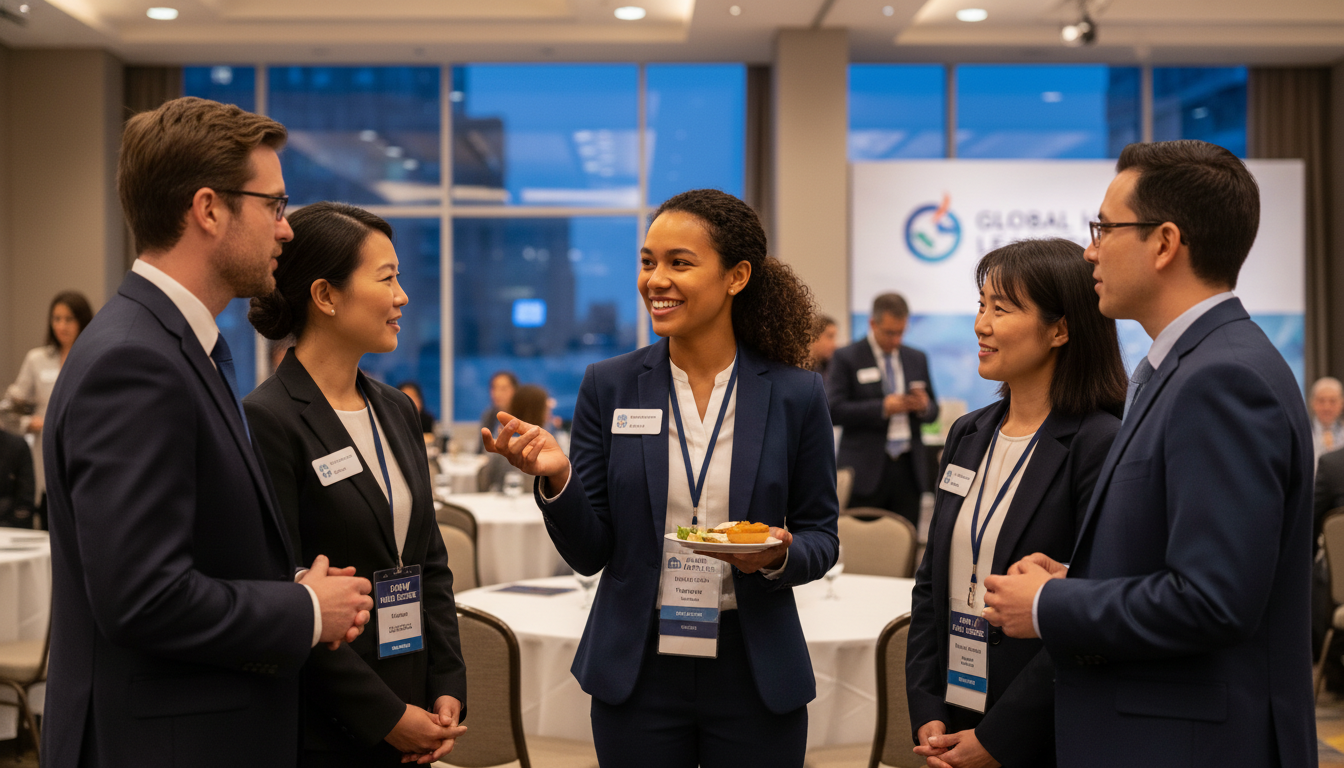
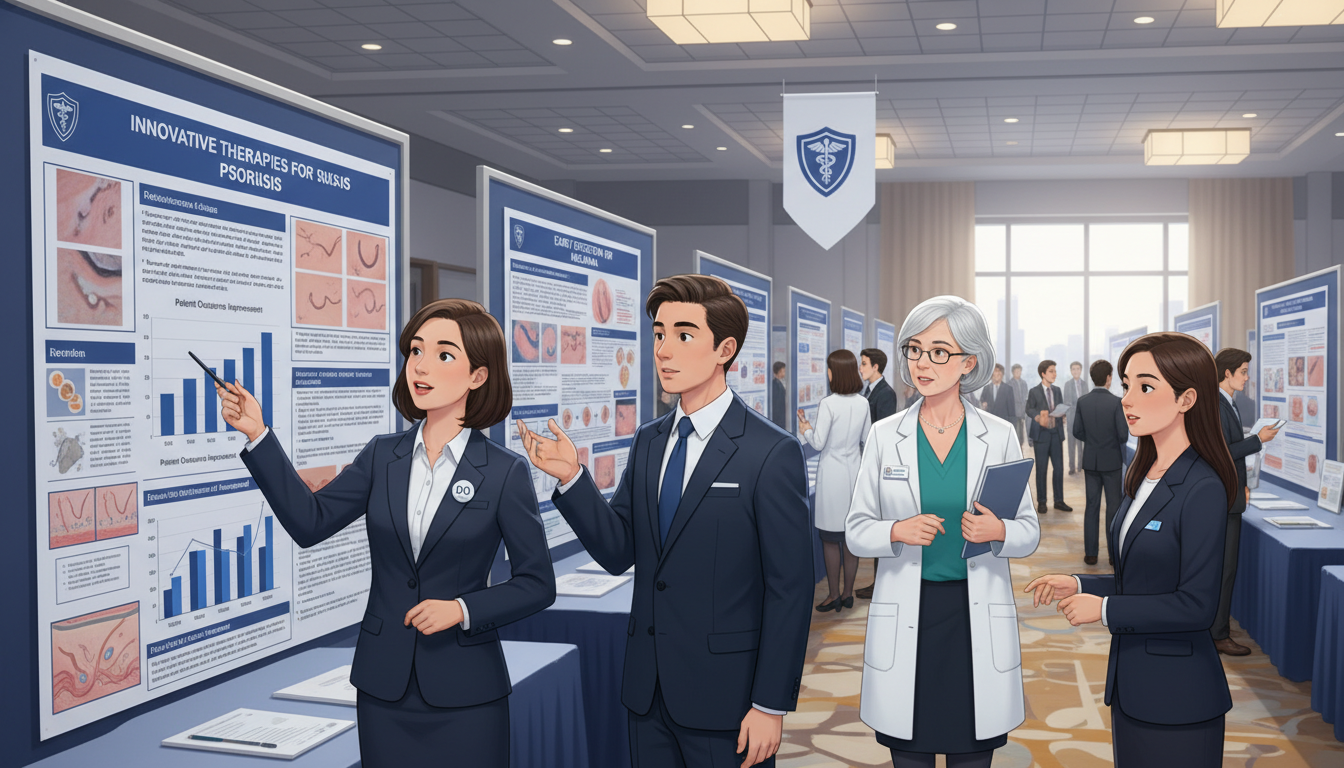
3. Mastering Conference Networking in Real Time
At the conference:
- Wear your badge visibly, dress in business or business-casual attire
- Practice a 20-second introduction:
- “Hi, I’m [Name], DO, a recent grad from [School], applying to dermatology with a special interest in [X]. I’ve really enjoyed your work on [Y].”
- Ask focused, short questions:
- “For a DO applicant, what do you find most helpful in standing out to your program?”
- “Are there opportunities at your institution for visiting students or post-graduate research positions?”
After a meaningful conversation:
- Ask permission to follow up:
- “Would it be okay if I email you in a few weeks with a couple of questions as I prepare my application?”
- Collect a business card or take a photo of their badge
Building Authentic Mentorship: Moving Beyond One-Off Encounters
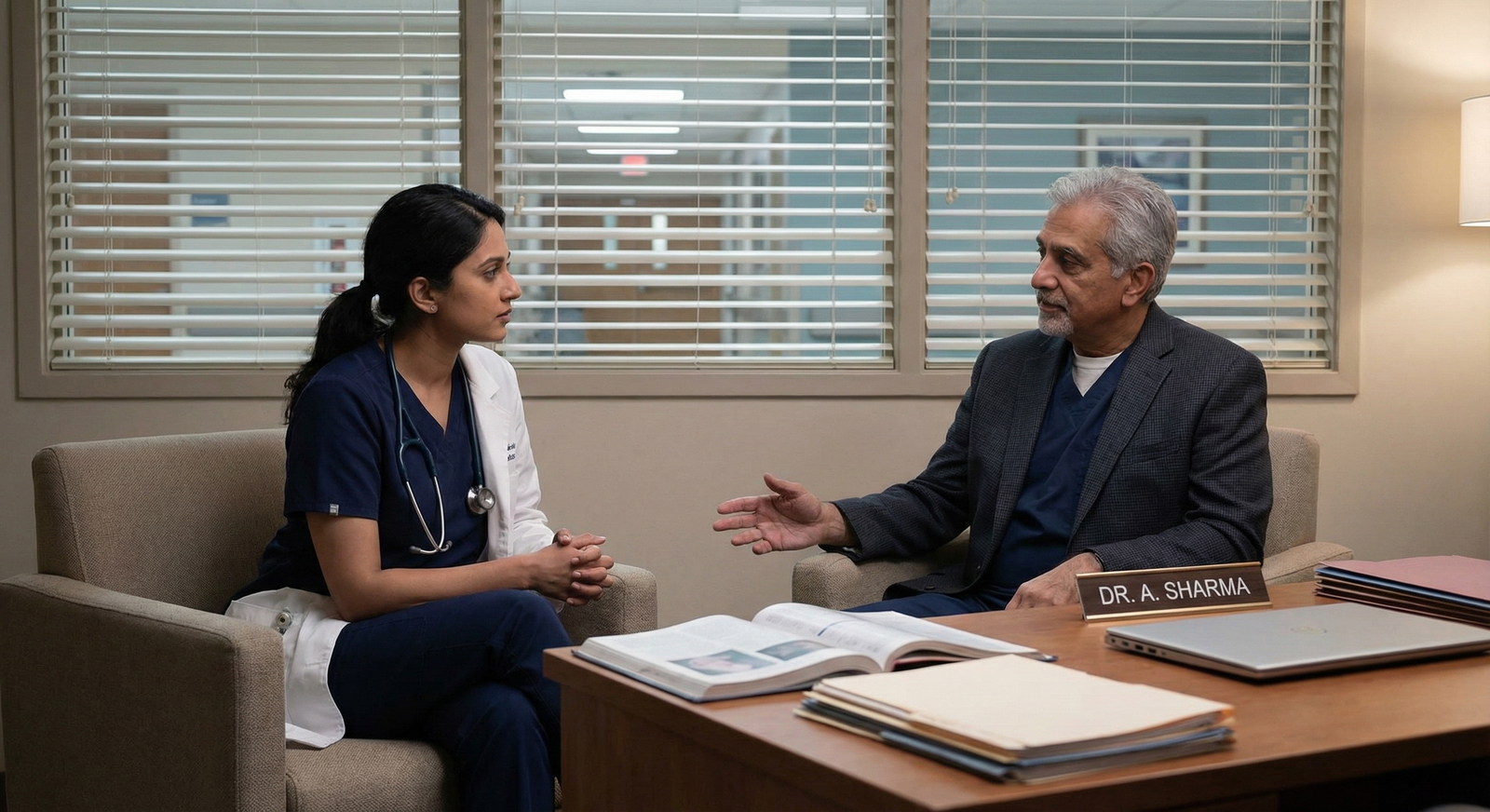
A single conversation is networking; an ongoing relationship is mentorship. For mentorship in medicine to be truly valuable, especially in a competitive field like dermatology, it has to be cultivated.
1. Types of Mentors You Need as a DO Derm Applicant
No single mentor can meet all your needs. Aim for a mentor constellation:
- Application strategist – often a program director, associate PD, or senior faculty who can help you shape your derm match strategy
- Research mentor – someone who can help you get projects, abstracts, and publications
- DO-specific mentor – someone who successfully navigated the osteopathic residency match in dermatology and understands your unique challenges
- Personal/professional mentor – someone you trust for guidance on burnout, work-life balance, and long-term goals
2. Turning Networking into Mentorship
You convert a networking contact to a mentor by:
Following up thoughtfully.
Within 3–5 days of your meeting (conference, clinic, Zoom call):- Thank them for their time
- Reference something specific you discussed
- Ask 1–2 focused follow-up questions or propose a small next step
Example:
Dear Dr. [Last Name],
Thank you again for speaking with me at [Conference/Clinic/Zoom] on [date]. I really appreciated your advice about [specific point].
As I prepare my dermatology residency application as a DO graduate, I would greatly value your perspective on [one clear question, e.g., how to prioritize away rotations vs. research this year].
If you’re open to it, I would be grateful for the chance to check in again in a few months as I finalize my application strategy.
With appreciation,
[Your Name], DOMaking it easy for them to help.
- Send a brief CV when relevant
- When asking for advice, present options: “I’m considering X or Y—what would you recommend?”
- If you request a letter, do so well in advance and provide bullet points of what you hoped they might highlight
Providing value where possible.
Even as a junior, you can offer:- Help with data collection or chart review for a project
- Drafting a case report or literature review
- Helping a busy mentor with conference submissions, references, or figures
3. Managing Expectations and Boundaries
Not every networking contact will become a long-term mentor—and that’s okay. Avoid:
- Over-emailing or expecting immediate responses
- Asking for letters or favors after a very brief interaction
- Putting mentors in awkward positions (e.g., asking them to introduce you to a PD they barely know)
Instead, think of mentorship as a gradual deepening of trust and mutual investment.
Strategic Use of Networking to Strengthen Your Derm Match Application
Networking is not separate from your application; it should be integrated into every major component: rotations, research, letters, and program list strategy.
1. Rotations and Away Rotations as Networking
Your away rotations are extended, high-stakes networking events. They can be particularly important for a DO graduate residency applicant in dermatology.
Goals of each rotation:
- Earn at least one strong letter
- Demonstrate that you fit the culture of the team
- Show that you are coachable, reliable, and enjoyable to work with
Practical tips:
- Learn about the program’s faculty in advance; know who’s who
- Ask residents for informal advice: “What do you think this program values most in applicants?”
- Show consistent interest and initiative, but don’t be overbearing
At the end of a successful rotation, you can say:
“I’ve really enjoyed this rotation and have learned a lot from your teaching and feedback. I plan to apply here and would be honored if you felt comfortable supporting my application with a letter of recommendation.”
2. Research: Networking Your Way into Projects
As a DO grad, you may not have had as much built-in research infrastructure. Networking can bridge that gap.
How to find projects:
- Ask dermatology mentors: “Do you know anyone looking for remote help with data collection or manuscripts?”
- Email faculty at other institutions whose work you admire:
- Acknowledge their previous work
- Briefly share your skills (e.g., chart review, basic statistics, writing)
- Ask if there might be small projects where you could contribute
Be specific and realistic:
- Start with case reports or retrospective reviews
- Show that you can finish what you start; nothing kills your reputation faster than abandoning a project
3. Letters of Recommendation: Leveraging Your Network
Your networking work should result in 3–4 strong letters, ideally including:
- At least two letters from board-certified dermatologists
- One from a research or academic mentor (derm or closely related specialty)
- Optionally, one from another specialty who can speak to your clinical excellence and professionalism
Tactical tips:
- Ask early: 6–8 weeks before letters are due
- Choose letter writers who know you well, not just “big names”
- Provide them your CV, personal statement draft, and a bullet list of your key strengths and experiences
Long-Term Networking: Beyond the Match
Networking doesn’t end when you secure a dermatology residency; it evolves.
1. As a Resident
- Continue attending conferences, now representing your program
- Mentor medical students and DO applicants following behind you
- Consider leadership roles in national organizations (AAD Resident/Fellow Section, AOCD committees, etc.)
This creates a virtuous cycle: the more you invest in your community, the more opportunities come back to you.
2. Exploring Career Lanes
Networking helps you test-drive different futures:
- Talk with private practice dermatologists about daily workflow, revenue models, and lifestyle
- Meet academic dermatologists who split time among clinic, teaching, and research
- Explore industry opportunities by meeting medical science liaisons (MSLs) and clinical trial investigators at meetings
3. Sustaining Your Network Over Time
Relationships require maintenance:
- Send occasional updates to key mentors (once or twice a year)
- Congratulate contacts on promotions, publications, or new roles
- Offer help when appropriate—introducing a strong student, sharing a resource, or supporting a project
Think in decades, not cycles. You’re building a career-long derm community.
FAQs: Networking in Medicine for DO Graduates in Dermatology
1. As a DO graduate, do I really have a chance in the dermatology residency match if I don’t have a home derm program?
Yes—but you must be strategic. Many DOs without home derm programs successfully match each year. The keys are:
- Intentional medical networking to secure strong derm letters
- Targeted away rotations at DO-friendly or previously AOA-accredited programs
- Active pursuit of research (even remotely) with well-known dermatology mentors
- A realistic, well-balanced program list shaped by mentors familiar with DO match outcomes
2. How many conferences should I attend, and which ones are highest yield for networking?
Quality matters more than quantity. For most DO derm applicants, aiming for 1–2 major meetings during the application lead-up is realistic. Often high-yield:
- AOCD meetings (high concentration of DO dermatologists and DO-friendly programs)
- AAD Annual Meeting (broad networking across all types of programs and subspecialties)
If you have a poster or talk, that further increases your visibility and gives you a natural conversation starter.
3. I feel awkward networking and “selling myself.” How can I be authentic without feeling fake?
Reframe networking as relationship-building and curiosity. Focus on:
- Asking thoughtful questions about others’ paths and work
- Sharing your genuine interests and goals in dermatology
- Offering help where you can (e.g., research assistance, student mentoring later on)
You’re not “selling” yourself—you’re engaging in professional conversations about shared interests. Authenticity and consistency matter far more than slick small talk.
4. When is the right time to ask someone I met through networking for a letter of recommendation?
Ask only after you’ve worked together enough that they can speak in detail about your performance—typically:
- Near the end of an away rotation
- After substantial contribution to a research project
- After longitudinal clinic experience or mentoring relationship
When asking, give them an easy way to decline (“If you feel you know me well enough to write a strong, supportive letter…”). This respects their honesty and protects you from lukewarm letters.
By approaching networking in medicine as an integrated, long-term process—rather than a frantic series of one-off interactions—you, as a DO graduate in dermatology, can significantly strengthen your application, expand your opportunities, and build a supportive professional community that lasts well beyond the match.