Why Networking Matters Even More for DO Graduates in ENT
For a DO graduate pursuing otolaryngology (ENT), networking in medicine is not optional—it is strategic, career-defining work. Otolaryngology is one of the more competitive specialties, and the otolaryngology match is influenced by far more than board scores and class rank. Who knows you, who trusts your work, and who is willing to advocate for you often determines which doors open.
That’s especially true if:
- You are coming from a newer or less well-known osteopathic school
- Your home program does not have an ENT residency
- You are applying to traditionally MD-heavy academic centers
- You needed a non-linear path to residency (SOAP, reapplication, prelim year, or another specialty)
In this context, medical networking becomes a force multiplier—mitigating perceived disadvantages and highlighting your strengths as a DO graduate. Thoughtful relationships with faculty, residents, and peers can shape your otolaryngology match outcomes, your fellowship prospects, and your long‑term satisfaction in the field.
This article walks through a deliberate, practical approach to networking in medicine for DO graduates targeting ENT residency, from MS3 through early residency and beyond.
Understanding the Networking Landscape in Otolaryngology
Otolaryngology is a comparatively small specialty. That’s a challenge and an opportunity.
A Small World: Why That Helps You
ENT is tight-knit; most academic otolaryngologists know each other at least peripherally through:
- National organizations (AAO‑HNS, AOA/AAO‑HNS, specialty subsocieties)
- National and regional conferences
- Multi‑institution collaborations, trials, and guideline committees
- Residency and fellowship training networks
For a DO graduate, that means:
- A single strong mentor can introduce you to multiple program directors and faculty.
- Well-done away rotations can earn you vocal advocates you would never meet otherwise.
- A solid reputation spreads relatively quickly—so can a poor one.
The DO Graduate Context
Historically, DO graduates were underrepresented in ENT. While the single accreditation system has removed formal barriers, informal ones can remain:
- Some programs rarely interview DO applicants, especially if they lack prior DO residents.
- Faculty may be less familiar with COMLEX scores and DO curricula.
- There may be unconscious bias equating MD with “more competitive.”
Networking is one of the most effective ways to combat these structural issues by:
- Putting a face and a story behind your application
- Allowing programs to directly observe your work ethic, curiosity, and clinical judgment
- Generating personalized advocacy that goes beyond numbers
Key Networking Domains in ENT
For the typical DO graduate targeting otolaryngology, networking will occur across several main arenas:
- Home institution and regional contacts
- Away rotations and audition electives
- Conferences and course-based networking
- Research collaborations and academic projects
- Formal and informal mentoring networks
- Digital presence (email, social media, professional profiles)
A strategy that intentionally touches each of these domains gives you the broadest reach and the highest yield.
Building Your ENT Network as a DO Student
Step 1: Start Local—Even If You Don’t Have a Home ENT Program
If your school has an otolaryngology department or ENT residency:
- Identify key faculty early.
- Program director
- Associate/assistant program directors
- Clerkship director (if applicable)
- Research‑active faculty and fellowship-trained subspecialists
- Request a brief introductory meeting (15–20 minutes) with the program director or mentorship lead to discuss:
- Your interest in ENT
- Your background as a DO student
- Your timeline (board exams, rotations, application cycle)
- Opportunities for shadowing, research, and longitudinal involvement
If your school does not have ENT:
- Look for:
- Regional academic medical centers with ENT departments
- Large community ENT practices with teaching roles
- Alumni from your school now in ENT residency or practice
- Ask your dean’s office or career advising office:
- “Which otolaryngologists have historically taken our students for rotations?”
- “Do we have alumni in ENT that you can introduce me to?”
Actionable script for cold outreach email:
Subject: DO student interested in Otolaryngology – Request for brief mentorship call
Dear Dr. [Last Name],
My name is [Your Name], and I am a [MS2/MS3] at [Your DO School]. I am strongly interested in otolaryngology and would be grateful for any guidance on how best to prepare for an ENT career as a DO graduate.
I have particular interest in [brief focus – e.g., head and neck oncology, pediatric ENT, sinus surgery], and I’m currently planning my clinical rotations and research time.
If you are available, I would greatly appreciate 15–20 minutes for a brief call or meeting at your convenience to ask a few targeted questions about the otolaryngology match and how I can become a competitive applicant.
Thank you for your time and consideration.
Sincerely,
[Your Full Name, DO Candidate]
[School] | [Graduation Year]
[Phone] | [Email]
This is networking: targeted, respectful, and clear in its ask.
Step 2: Use Rotations as High-Stakes Networking
Every ENT rotation—home or away—is both a clinical experience and a month‑long interview.
Before the Rotation
- Email the rotation coordinator and ask:
- “Which faculty/residents should I read about before starting?”
- “Is there a rotation handbook or recommended reading?”
- Review:
- Common ENT complaints and exam techniques
- Major surgeries (FESS, tonsillectomy, thyroidectomy, tracheostomy, laryngoscopy)
- ENT anatomy (CT/MRI correlations)
Signal your seriousness early:
- Share a one‑sentence goal at orientation:
- “I’m a DO student applying to ENT this year; my goal is to learn the workflow and contribute meaningfully to the team.”
During the Rotation: Networking Behaviors
Professionalism and reliability are your primary “networking tools” in the OR and clinic:
- Arrive early; review patient lists and imaging ahead of rounds.
- Volunteer for tasks:
- Clinic notes, call coverage (where appropriate), patient education handouts.
- Ask targeted questions:
- “Dr. X, for this patient with unilateral nasal obstruction, what red flags would push you toward imaging sooner rather than later?”
Connect with people as individuals:
- Learn residents’ and staff’s names and use them.
- Share your background briefly when asked (e.g., osteopathic training, interests).
- Ask residents:
- “What do you wish you had done differently as an applicant?”
- “How do DO graduates typically succeed in this field?”
End the rotation with:
- A thank-you email to key faculty and the program director.
- A specific ask if appropriate:
- “If you feel comfortable, I would greatly value a letter of recommendation from you for my otolaryngology applications.”
Every positive interaction is banked social capital in the otolaryngology match.

Step 3: Research as Networking
Many DO graduates worry they can’t compete on research. You don’t need 20 PubMed-indexed papers; you need visible, collaborative work that connects you to the otolaryngology community.
Practical approaches:
- Ask ENT faculty:
- “Do you have any ongoing projects where a motivated student could help with data collection or chart review?”
- Ask residents:
- “Are there QI projects or case reports that need a writer or someone to handle IRB paperwork?”
- Target realistic output:
- Case reports/series
- Retrospective chart reviews
- Educational projects (videos, handouts, teaching modules)
- Poster presentations at regional/national meetings
Each project:
- Places you in regular contact with ENT faculty or residents (mentorship medicine in action)
- Creates reasons to attend conferences and present
- Provides talking points in interviews that demonstrate long-term engagement with ENT
Conference and Digital Networking: Expanding Beyond Your Institution
Mastering Conference Networking as a DO Graduate
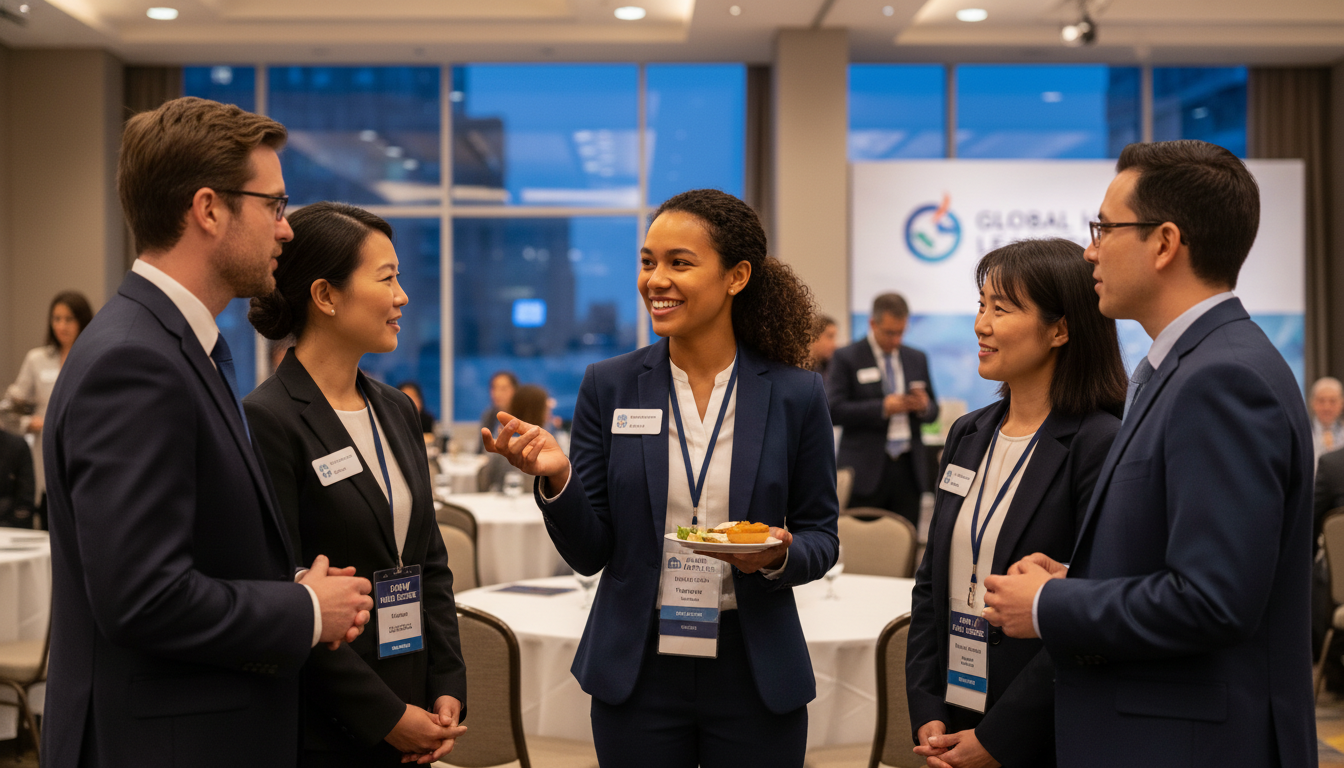
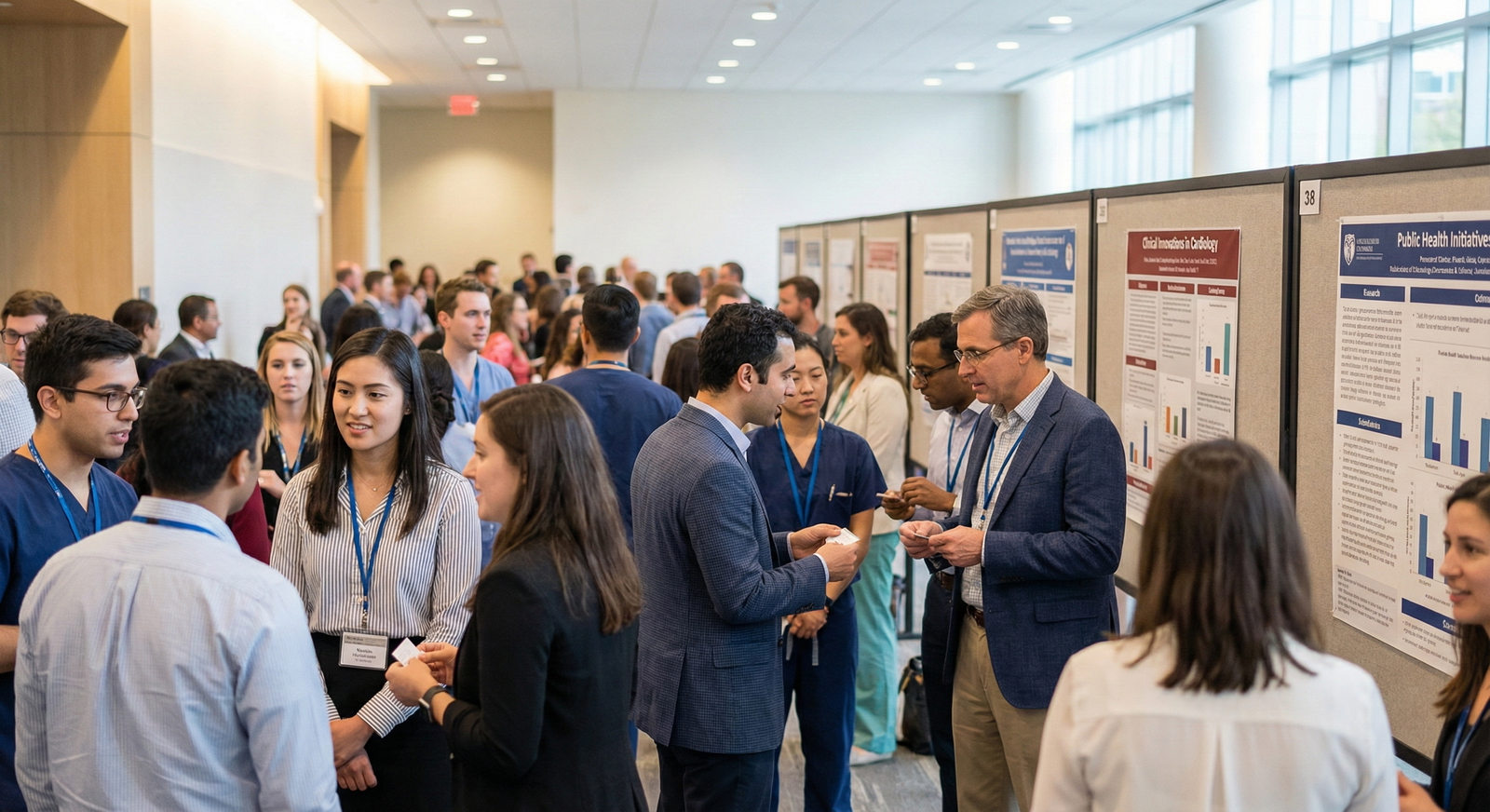
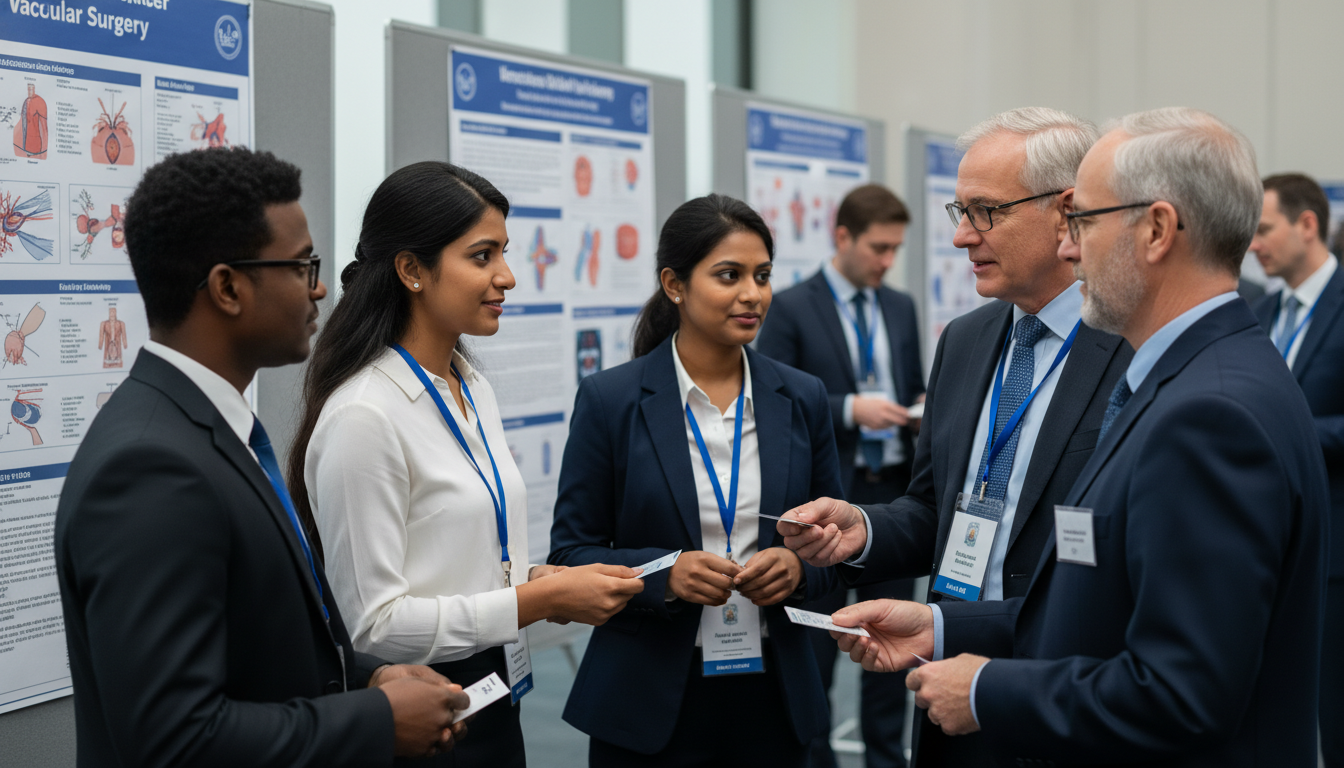
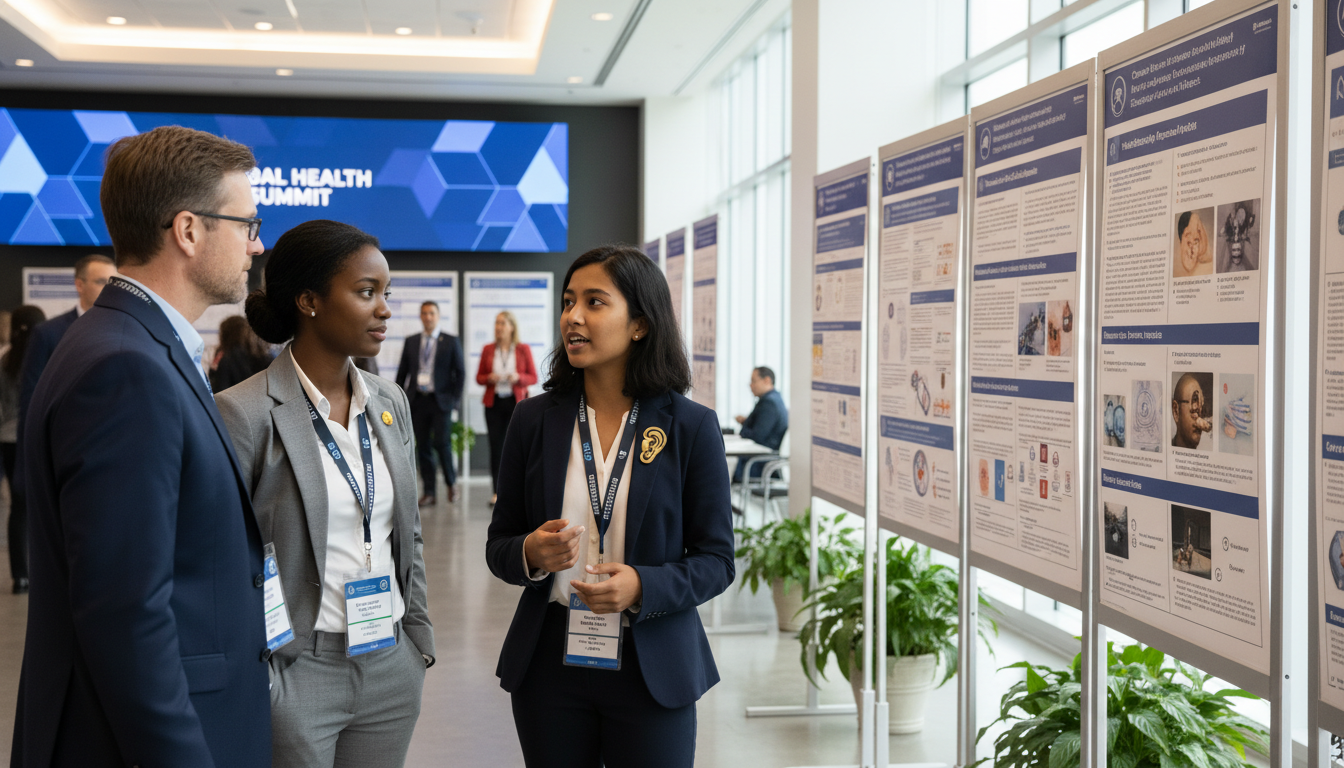
Conference networking is one of the highest-yield tools for DO graduates, especially those from schools with limited ENT presence.
Key meetings to consider:
- American Academy of Otolaryngology–Head and Neck Surgery (AAO‑HNS) Annual Meeting
- AOA/COSGP or osteopathic-focused meetings with ENT sections
- Regional ENT society meetings (state or multi-state groups)
- Subspecialty meetings (rhinology, otology, facial plastics), once you’re further along
Before the Conference
- Study the program:
- Highlight sessions where faculty from programs you’re targeting are speaking.
- Note any “meet and greet” or residency fair events.
- Reach out in advance:
- “I see you’re speaking on [topic] at AAO‑HNS. I’m a DO student applying to ENT and will attend your session—would it be okay if I briefly introduce myself afterward?”
- If you have a poster or talk:
- Prepare and practice a 2‑minute “elevator pitch” about your work and why it matters in ENT.
At the Conference: Practical Tactics
- Wear professional attire and your badge visibly.
- Attend sessions where you’re genuinely interested, especially if they align with your research.
- Ask concise, thoughtful questions at the end of sessions—this makes faculty remember you:
- “For DO residents who may train in more community-based programs, how would you recommend getting involved in multicenter ENT research like this?”
When approaching faculty:
- Introduce yourself succinctly:
- “Dr. Smith, I’m [Name], a DO student from [School] interested in ENT. I really appreciated your talk on [topic].”
- Ask one meaningful question specific to their work or program.
- If conversation goes well, conclude with:
- “May I connect with you by email or LinkedIn to ask a little more about opportunities for DO graduates in your department?”
After the conference:
- Send brief thank-you emails referencing something specific from the conversation.
- Log each new contact in a simple spreadsheet:
- Name, institution, role, how you met, any follow-up needed.
This is deliberate, professional conference networking, not random mingling.

Digital Networking and Professional Presence
In the modern otolaryngology match landscape, your digital footprint supports your in-person interactions.
Practical steps:
- Email professionalism
- Use a consistent signature with “DO Candidate” or “PGY-1 Otolaryngology” once matched.
- Respond within 24–48 hours when faculty or residents reach out.
- LinkedIn
- Maintain an updated profile with your ENT interests, research, and presentations.
- Connect with faculty you’ve met at conferences or on rotations.
- Professional Twitter / X and/or Instagram (optional)
- Follow major ENT organizations, journals, and thought leaders.
- Avoid controversial or unprofessional content on public profiles.
- Share academic content (papers, conference reflections) if you are comfortable being visible.
Digital tools should amplify, not replace, real-life professional relationships.
Mentorship in Medicine: Designing Your ENT Support Team
Effective mentorship medicine is not about finding one “perfect” mentor; it’s about building a small team of people who collectively support your growth.
Types of Mentors You Need as a DO in ENT
Application strategist
- Often an ENT faculty or program director (even at another school)
- Helps you plan a realistic otolaryngology match list, away rotations, and research goals
Skill and professionalism coach
- Could be a senior resident, chief, or early-career attending
- Gives you feedback on how you function on rotations and in the OR/clinic as a DO grad
Osteopathic identity mentor
- A DO otolaryngologist or DO in another competitive specialty
- Helps you navigate bias, integrate OMT and holistic perspectives appropriately, and maintain confidence
Peer mentors
- Other DO students or residents a few years ahead of you in the ENT application pipeline
- Share practical advice on timelines, interviews, and pitfalls
How to Maintain Mentoring Relationships
- Set expectations:
- “Would you be comfortable if I checked in 2–3 times per year with questions about my progression toward ENT?”
- Prepare for each interaction:
- Send a brief agenda or question list before meetings.
- Show progress:
- “Since we last spoke, I completed my ENT rotation, submitted a case report, and scheduled two away rotations.”
- Express gratitude:
- A simple note after a successful match:
- “Your guidance was instrumental in helping me navigate the otolaryngology match as a DO graduate. Thank you.”
- A simple note after a successful match:
Mentorship is the backbone of networking in medicine; done well, it becomes a long-term professional relationship, not a one-time transaction.
From Match to Residency: Networking as an ENT Resident and Beyond
Networking doesn’t stop once you match. In many ways, residency is the most powerful networking phase of your professional life.
As a DO Graduate in ENT Residency
Even after a successful osteopathic residency match into ENT (or an ACGME ENT program that takes DOs), you may still feel pressure to “prove yourself.” Networking now shapes:
- Fellowship opportunities (head and neck, otology, rhinology, peds ENT, facial plastics)
- Academic vs. private practice pathways
- Access to multicenter research or leadership roles
Actionable steps during residency:
- Volunteer for departmental initiatives:
- Journal club organization
- Residency recruitment
- Quality improvement committees
- Attend grand rounds and visiting professor talks, then introduce yourself respectfully.
- Present at least one poster or podium talk at a national meeting during residency.
- Build relationships with faculty beyond your program:
- Through collaborative projects
- Through fellowship program visits or informal observerships
- Through introductions from your own attendings
Long-Term Network Maintenance
Treat your network as a living system:
- Keep in touch:
- A brief email once a year to major mentors with an update on your training and career choices.
- Pay it forward:
- As you advance, actively mentor DO students interested in otolaryngology.
- Maintain your reputation:
- Show up prepared when asked to speak or collaborate.
- Be reliable in group projects and multi‑author papers.
Over time, you transition from “DO graduate trying to break into ENT” to “established otolaryngologist who helps shape opportunities for future DO students.”
Putting It All Together: A Sample Timeline for DO Graduates Targeting ENT
Below is a rough outline of how networking efforts can look over time. Adjust based on your school’s structure and your own circumstances.
Preclinical Years (MS1–MS2)
- Shadow 1–2 ENT surgeons locally or regionally.
- Attend any ENT interest group or specialty exposure events.
- Identify at least one potential mentor (ENT faculty or DO in a related field).
- Start a low‑intensity research project if possible.
Early Clinical Phase (MS3)
- Take a home ENT rotation if available; treat as an audition.
- Reach out to at least 3 programs for potential away rotations.
- Begin targeted medical networking emails to faculty in programs of interest.
- Present any completed research at a regional/national meeting if feasible.
Application Year (MS4)
- Complete 1–3 ENT away rotations and build strong relationships.
- Ask timely for letters of recommendation from faculty who know you well.
- Attend at least one major meeting if possible and practice conference networking.
- Keep in close contact with mentors for advice on the otolaryngology match list.
Early Residency (PGY‑1 to PGY‑2)
- Identify senior residents and attendings who can guide your next steps.
- Participate in research or QI projects; present at specialty meetings.
- Start exploratory conversations about fellowship options if interested.
This deliberate, phased approach turns networking from a vague idea into a concrete action plan.
FAQs: Networking in Medicine for DO Graduates Pursuing ENT
1. As a DO graduate, can networking really compensate for lower board scores in the otolaryngology match?
Networking cannot fully erase the impact of significantly low scores, but it can substantially shift how your application is perceived. Strong letters of recommendation from respected ENT faculty, visible engagement (research, conferences), and enthusiastic word-of-mouth can:
- Get you interviews at programs that might otherwise screen you out
- Provide context for any academic setbacks
- Highlight your growth, maturity, and reliability
For borderline candidates, effective networking can be the difference between being unseen and being seriously considered.
2. How many away rotations should a DO student do for ENT, and how does this relate to networking?
Most ENT applicants complete 2–3 away rotations. For DO students, especially those without a home ENT program, these rotations are critical networking opportunities:
- Each rotation lets you demonstrate your abilities over 4 weeks, not just 20 minutes in an interview.
- Faculty and residents who see your work ethic firsthand are much more likely to advocate for you.
- Strong performance can lead directly to interviews and high ranking at those programs.
Choose rotations where:
- DO graduates have historically matched, or
- Faculty express openness to interviewing DO applicants.
3. I’m naturally introverted. How can I effectively engage in conference networking?
Introversion is not a barrier to effective conference networking. You can succeed by:
- Preparing 2–3 specific people you want to meet and planning what to say ahead of time.
- Focusing on structured events (poster sessions, Q&A after talks) rather than large, unstructured receptions.
- Setting a modest daily goal (e.g., “I will introduce myself to two new people today.”)
- Following up by email afterward, where introverts often communicate more comfortably.
The quality of your interactions matters far more than the quantity.
4. How do I find DO mentors in otolaryngology if none are at my institution?
Options include:
- Searching AAO‑HNS and other societies for DO faculty and reaching out directly.
- Asking your dean’s office or career advisors to connect you with alumni DOs in ENT.
- Contacting DO-friendly ENT residency programs (those with current or recent DO residents) and asking if any DO attendings or residents are willing to talk.
- Using LinkedIn to search “DO Otolaryngologist” and sending targeted, respectful connection requests.
Even one engaged DO mentor in ENT—or in another competitive field—can provide invaluable guidance on navigating the osteopathic residency match landscape.
Networking in medicine for a DO graduate in otolaryngology is not about being flashy or insincere. It is the disciplined, respectful work of building authentic professional relationships—on rotations, at conferences, through research, and via mentorship. When done consistently and strategically, it can transform both your ENT residency application and the trajectory of your career.