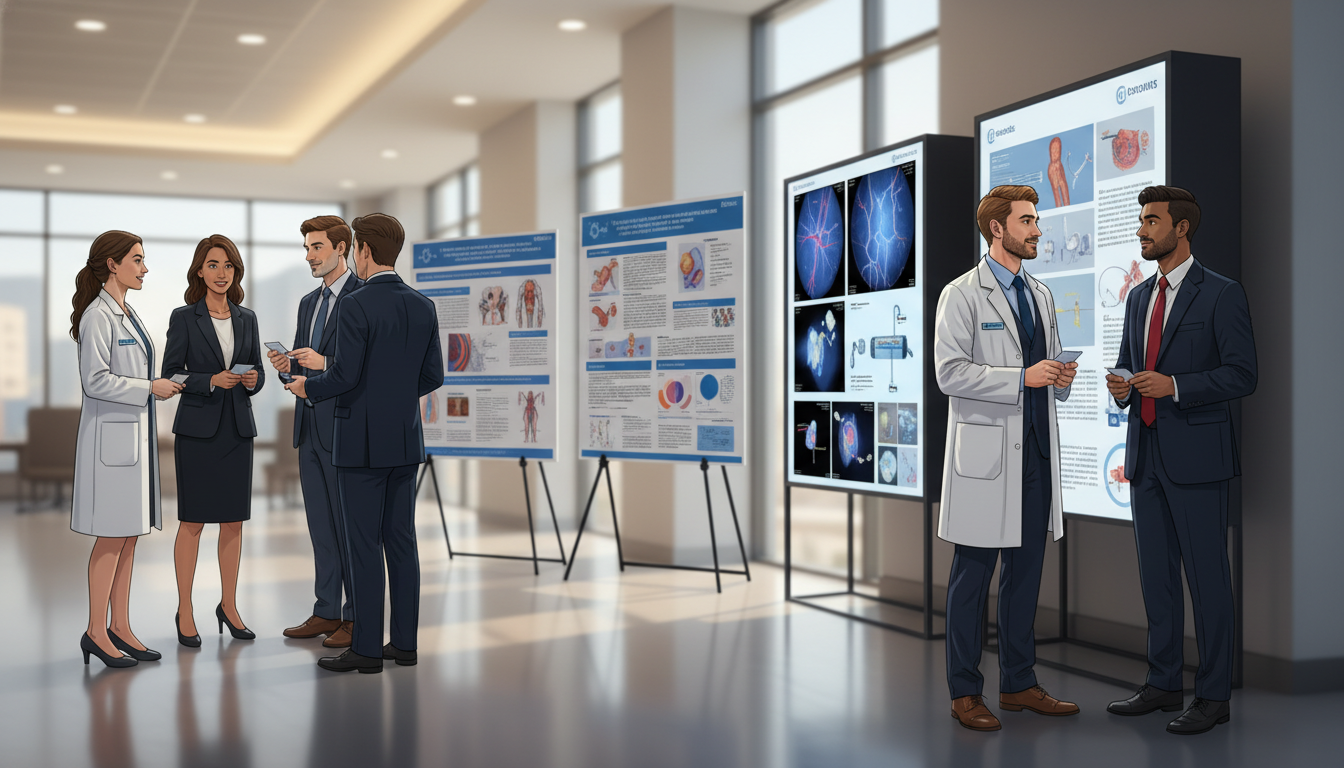
Why Networking Matters Even More for a DO Graduate in Interventional Radiology
Interventional Radiology (IR) is one of the most competitive and rapidly evolving specialties in modern medicine. For a DO graduate, especially one targeting an interventional radiology residency or early-career IR positions, networking in medicine is not optional — it’s a strategic necessity.
IR programs are relatively small. Faculty and program directors often know each other, attend the same conferences, and collaborate on research. Many decisions in the osteopathic residency match and the broader IR match process are influenced by trusted recommendations, known track records, and personal impressions formed over time.
As a DO graduate, you may worry about perceived biases or differences in training background. Effective medical networking can help you:
- Get on the radar of IR program directors and faculty
- Secure audition rotations and research opportunities
- Obtain strong, specific letters of recommendation
- Learn unadvertised information about programs and job openings
- Find mentors and sponsors who will actively advocate for you
This article breaks down how to build and leverage a strong professional network as a DO graduate targeting interventional radiology residency and early IR career success.
Understanding the IR Landscape as a DO Graduate
The Competitive Nature of IR and the IR Match
Interventional Radiology has transitioned to a fully integrated and independent residency model. Positions are limited, and applicant quality is high. The IR match often includes:
- MD and DO graduates
- International graduates with strong research portfolios
- Residents switching from diagnostic radiology pathways into integrated IR
- Applicants with substantial research, leadership, or advanced procedural experience
For a DO graduate, the competition is real — but not insurmountable. Many DOs successfully match into interventional radiology residency and thrive in academic and private practice settings. The applicants who stand out often combine:
- Solid board scores and clinical performance
- Documented commitment to IR (rotations, research, IR interest groups)
- Strong interpersonal skills and professionalism
- Effective networking, mentorship, and visible engagement in the IR community
Unique Challenges and Advantages for DO Graduates
Challenges:
- Fewer home IR programs at some osteopathic schools
- Less built-in research infrastructure at some DO institutions
- Lingering misconceptions or bias from some faculty or programs (though this is improving)
Advantages:
- Strong training in holistic medicine and patient communication
- Often more exposure to community-based settings and procedural experiences
- A growing community of successful DO interventional radiologists willing to help
Networking is the bridge that can transform your profile from “solid on paper” to “memorable and recommended.”
Building Your Core IR Network: Mentors, Sponsors, and Peers
The heart of networking in medicine is not collecting business cards – it’s forming real, professional relationships that are mutually beneficial and sustained over time.
1. Finding Mentorship in Medicine: Types of Mentors You Need
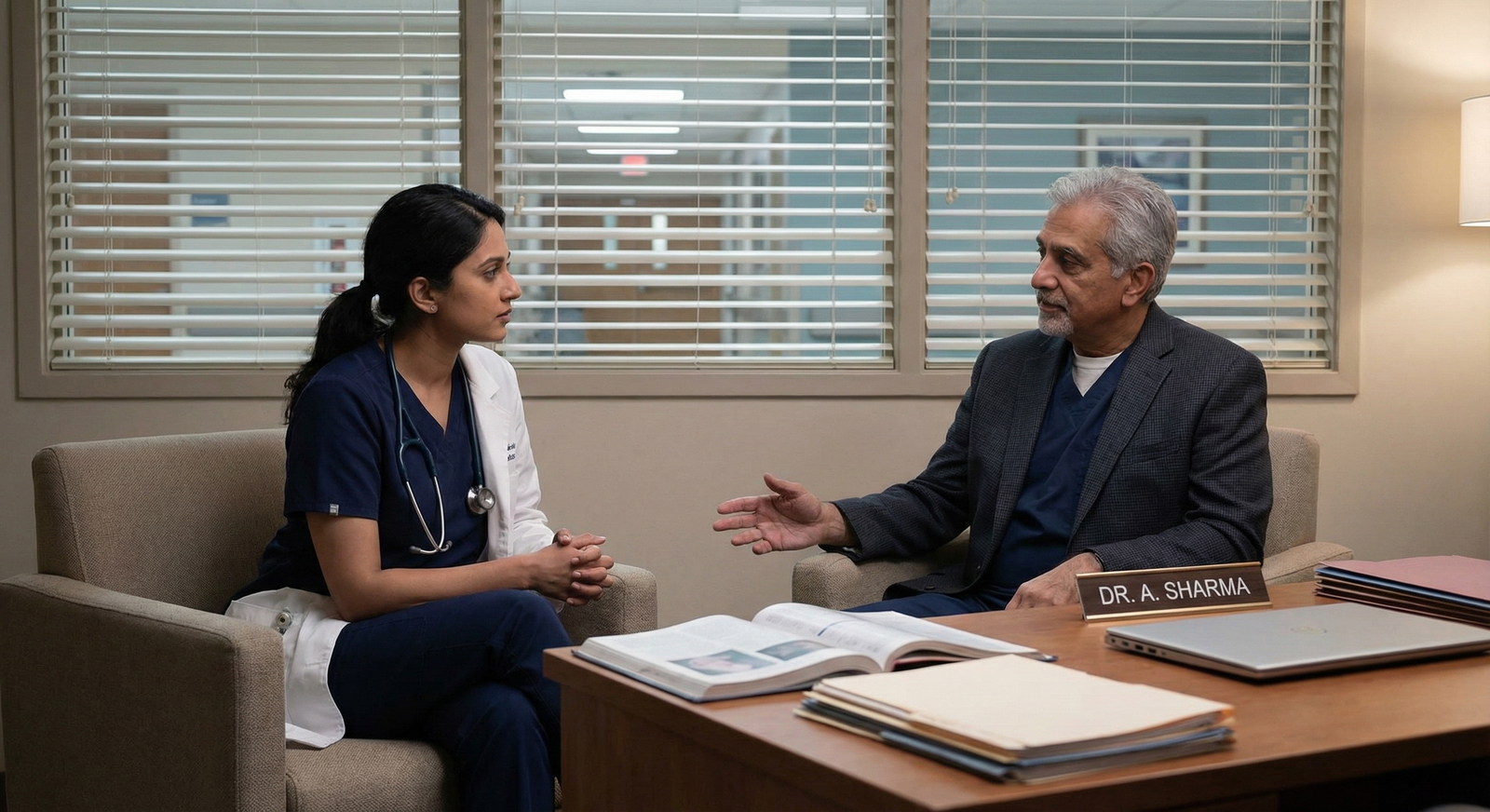
You’ll benefit from a mentorship in medicine structure that includes multiple layers:
a. Local Institutional Mentors
These are faculty at your home institution or nearby hospitals:
- IR attendings (even if only a visiting faculty member)
- Diagnostic radiologists with IR contacts
- Program leadership in radiology or surgery
How to approach them:
- Email with a clear subject: “DO Student Interested in IR – Request for Mentorship”
- Introduce yourself briefly, mention your career goal (interventional radiology), and explain what you’re seeking (career guidance, research, shadowing).
- Propose a short initial meeting (15–20 minutes) with specific time windows.
Example email snippet:
“I am a DO graduate with a strong interest in Interventional Radiology, currently preparing for residency applications. I would be grateful for the opportunity to learn about your career path and get your advice on how I can strengthen my application and involvement in IR.”
b. Specialty-Specific IR Mentors
These mentors understand the IR match, IR research questions, and program culture:
- IR faculty at academic centers
- IR fellows who recently went through the IR match
- Senior residents in integrated IR or DR-IR pathways
You can meet them through:
- Away rotations
- Conferences (SIR, regional IR meetings)
- Online IR communities
They’re invaluable for:
- Reviewing your CV and personal statement
- Advising on which programs to target
- Providing realistic feedback about competitiveness
c. Near-Peer Mentors (2–5 years ahead of you)
These might be:
- Current IR residents who are DO graduates
- Recent DOs who matched into IR or DR with IR fellowship plans
They can give you honest, practical advice:
- How they handled perceived DO bias
- Which rotations matter most
- How they used medical networking to secure interviews
2. Sponsorship: Beyond Mentorship
A sponsor is a senior person who doesn’t just advise you; they advocate for you in rooms where decisions are made:
- Recommending you to a program director
- Inviting you to join high-profile research projects
- Highlighting you during selection meetings for rotations or positions
To cultivate sponsors:
- Overperform on rotations and research projects
- Communicate your goals clearly (“I’m a DO graduate very committed to IR, hoping to match into an integrated IR residency.”)
- Ask explicitly (and politely) if they would be comfortable advocating for you when appropriate
3. Peer Network: Your Future Colleagues
Don’t underestimate the value of your peers:
- Other DO graduates applying to IR or radiology
- MD classmates interested in IR
- Residents in adjacent specialties (vascular surgery, surgical oncology, cardiology)
Benefits include:
- Sharing resources (study notes, rotation intel, research ideas)
- Co-authoring projects
- Long-term professional collaborations
A practical step: create a small IR interest group chat (e.g., WhatsApp, Slack) where you discuss cases, conferences, and opportunities.
Conference and Event Strategy: Making Medical Networking Work for You
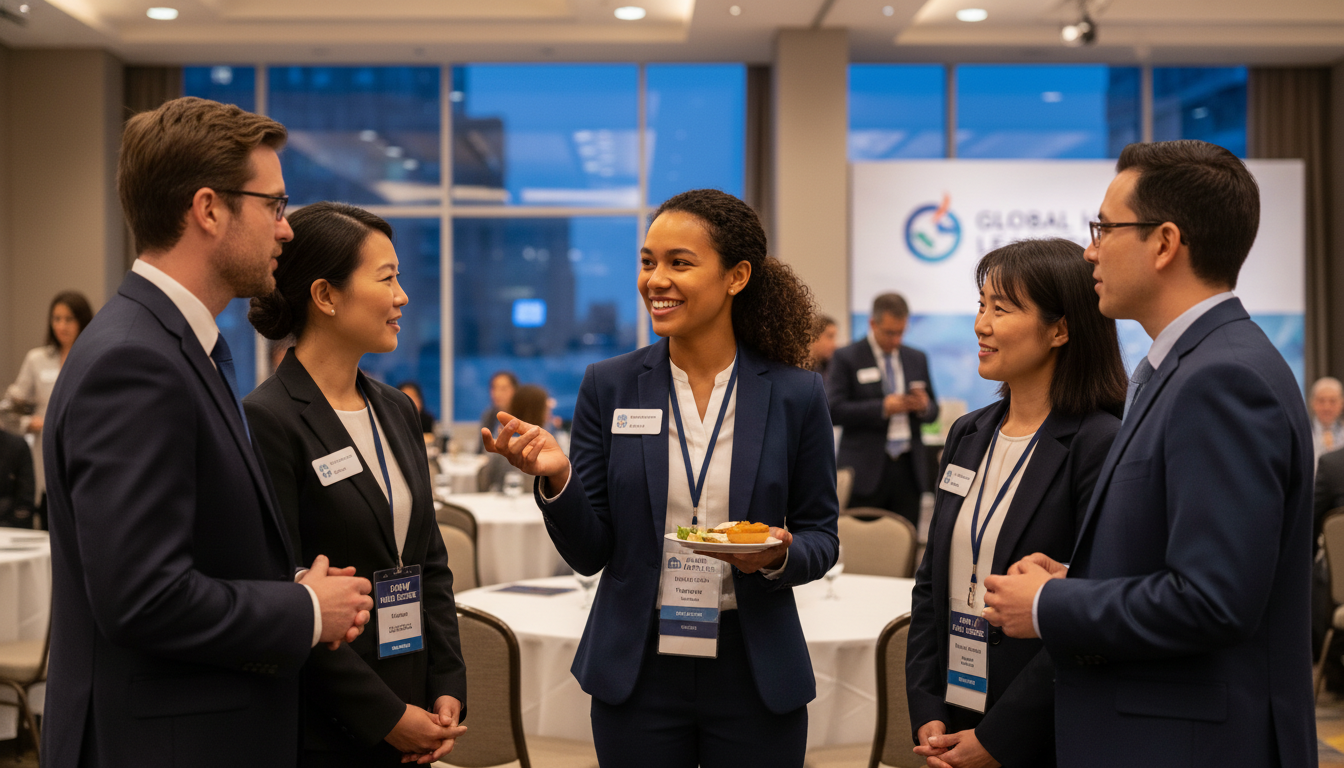
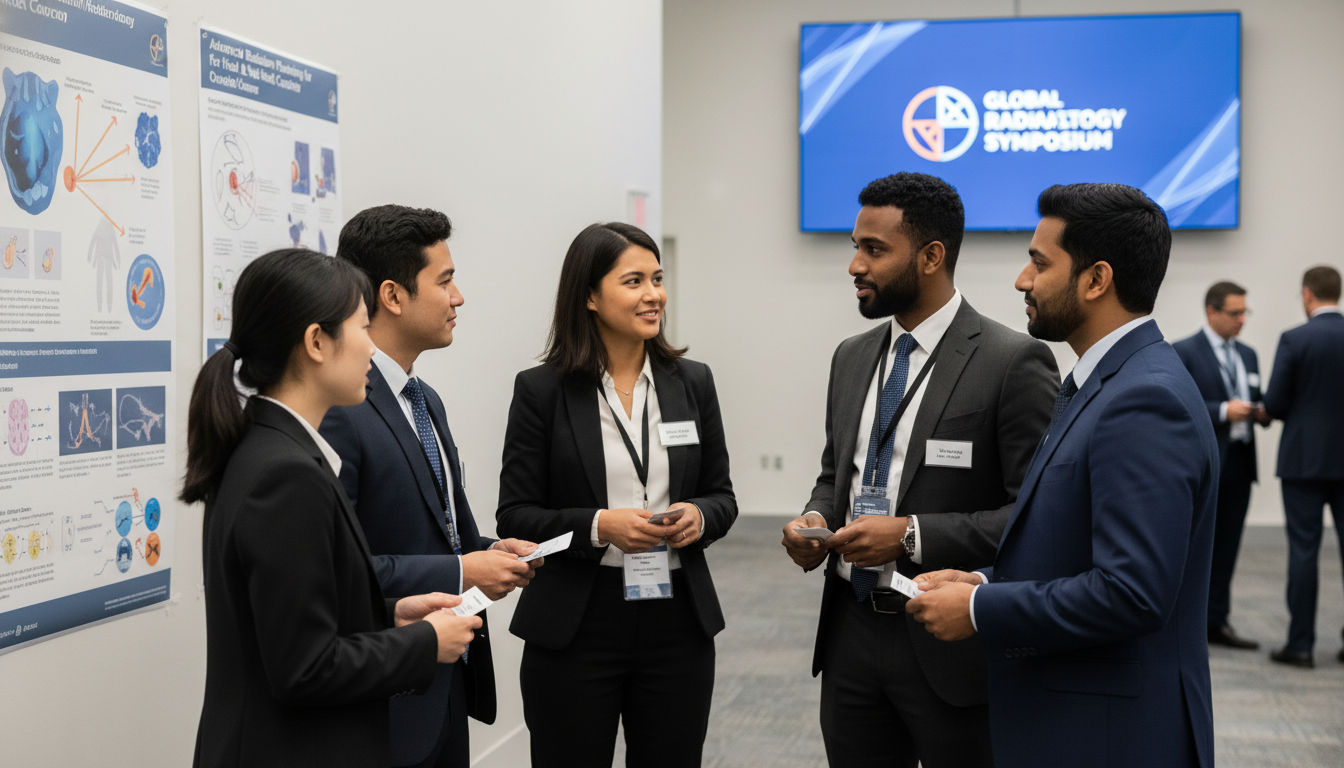
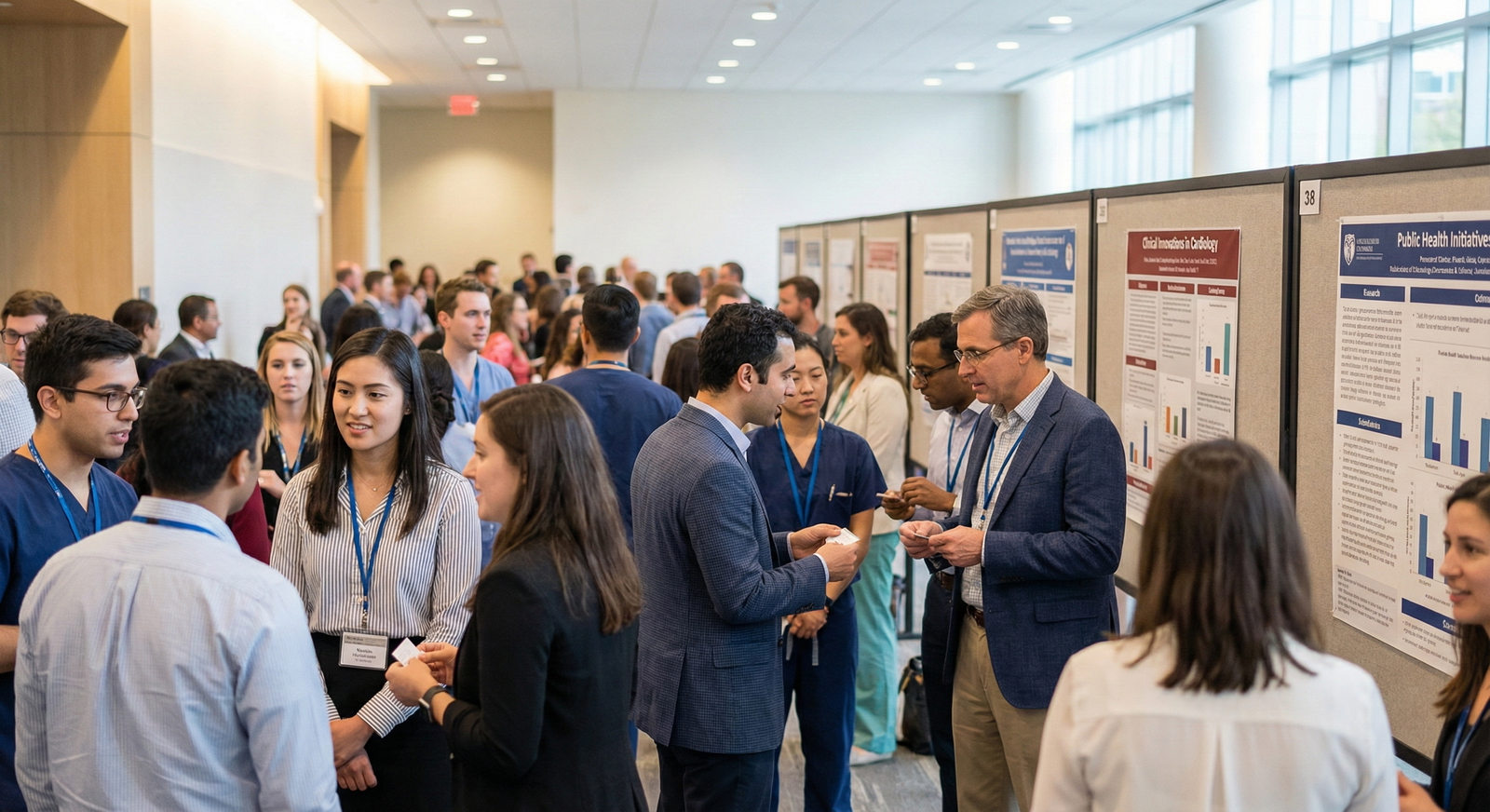
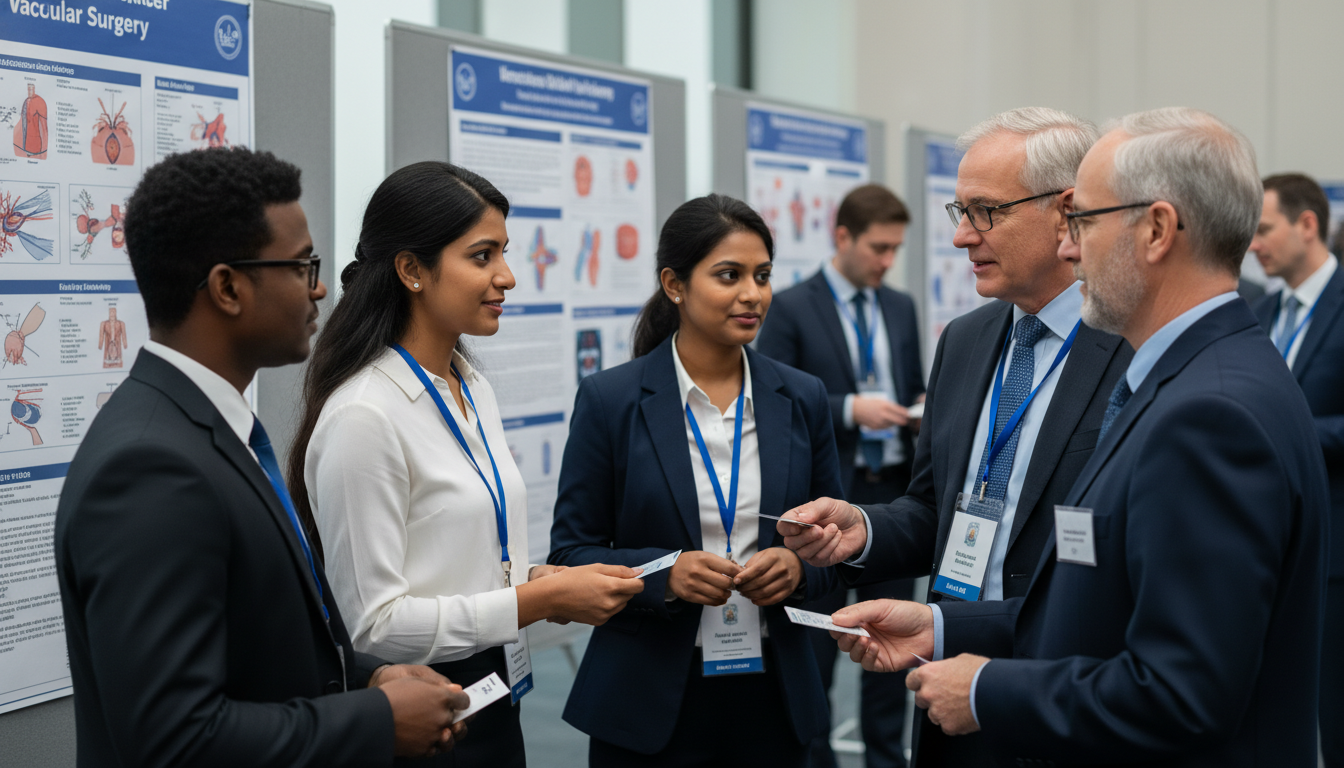
Conferences are a powerful accelerator for medical networking, especially in a relatively tight-knit field like IR.
1. Choosing the Right Conferences
For a DO graduate targeting IR, prioritize:
- SIR (Society of Interventional Radiology) Annual Scientific Meeting
- SIR Resident, Fellow, and Medical Student (RFMS) section events
- Regional IR conferences or state radiology society meetings
- Osteopathic-specific meetings with radiology or IR content
These are prime venues for conference networking and can dramatically increase your visibility in the IR community.
2. Prepare Before You Arrive
Treat each event like a high-yield rotation:
- Review the program: Highlight sessions led by faculty or programs you’re interested in.
- Research speakers: Know who they are, what they study, and where they work.
- Set goals: e.g., “I want to have meaningful conversations with at least 5 IR faculty and 5 residents/fellows.”
Create a simple “elevator pitch”:
“Hi, I’m [Name], a DO graduate interested in Interventional Radiology. I’ve done research on [brief topic] and I’m especially interested in [sub-area of IR: e.g., interventional oncology or peripheral arterial disease]. I’m preparing for the IR match and would love to learn more about your program/work.”
3. How to Approach Faculty and Residents
At conferences, everyone expects some degree of networking. A respectful, concise approach is welcome.
Good times to introduce yourself:
- After a talk during Q&A or just afterward
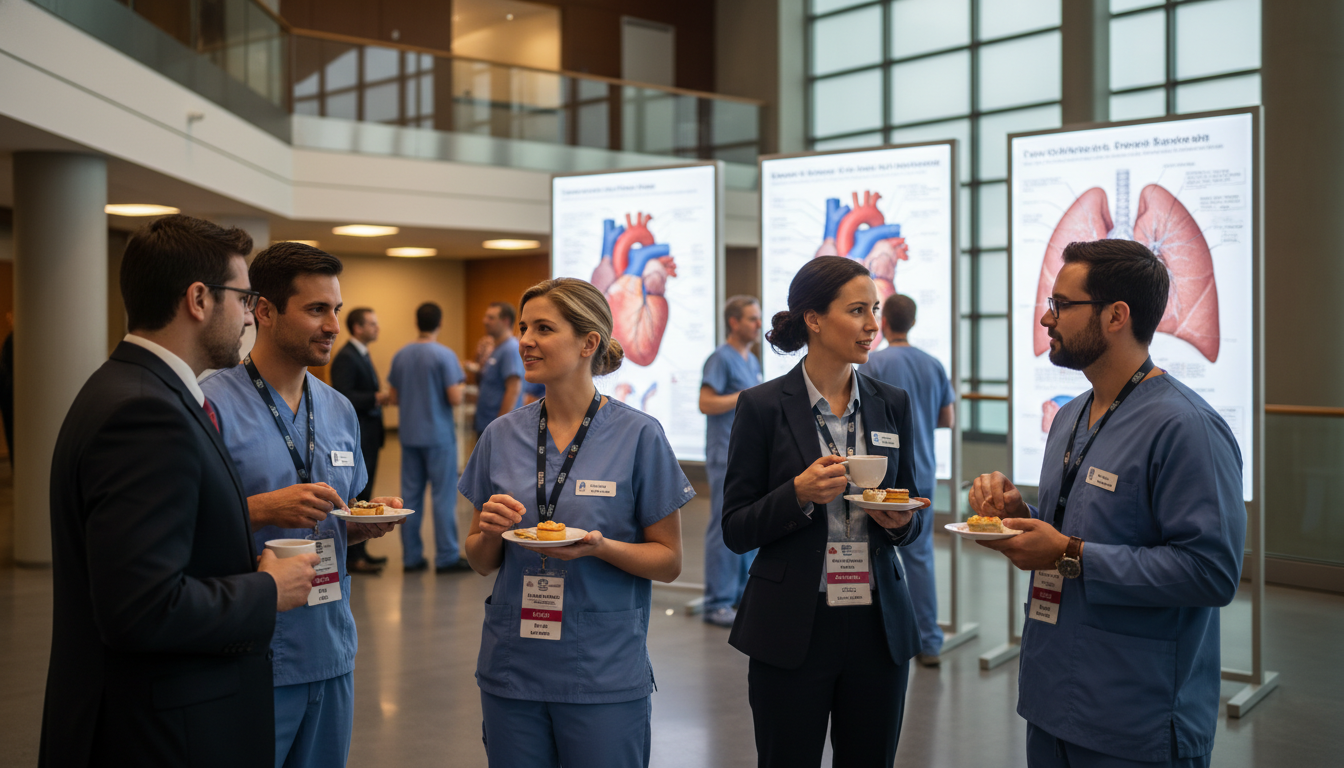
- During poster sessions
- Coffee breaks, exhibit hall, networking receptions
Sample approach:
Compliment or reference something specific:
“I really appreciated your talk on Y-90 therapy outcomes in DOAC patients.”Introduce yourself with context:
“I’m a DO graduate with strong interest in interventional radiology, especially interventional oncology.”Ask an open-ended question:
“How do residents at your institution usually get involved in these kinds of projects?”Close with a concrete ask:
“Would you be open to my emailing you about potential research or elective opportunities with your group?”
4. Follow-Up After Conferences
Conference networking only works if you follow up:
- Email within 3–5 days, referencing your conversation
- Attach a concise CV if relevant (or offer to send one)
- Propose a clear next step: a brief Zoom meeting, information about visiting electives, or discussion of a specific project
Example:
“It was great meeting you at the SIR meeting after your panel on IR training pathways. As a DO graduate preparing for the IR match, your advice on building a research portfolio was invaluable. I’d be grateful for the chance to speak with you for 15–20 minutes via Zoom to get your thoughts on my current plan and potential ways to get involved with IR projects at your institution.”
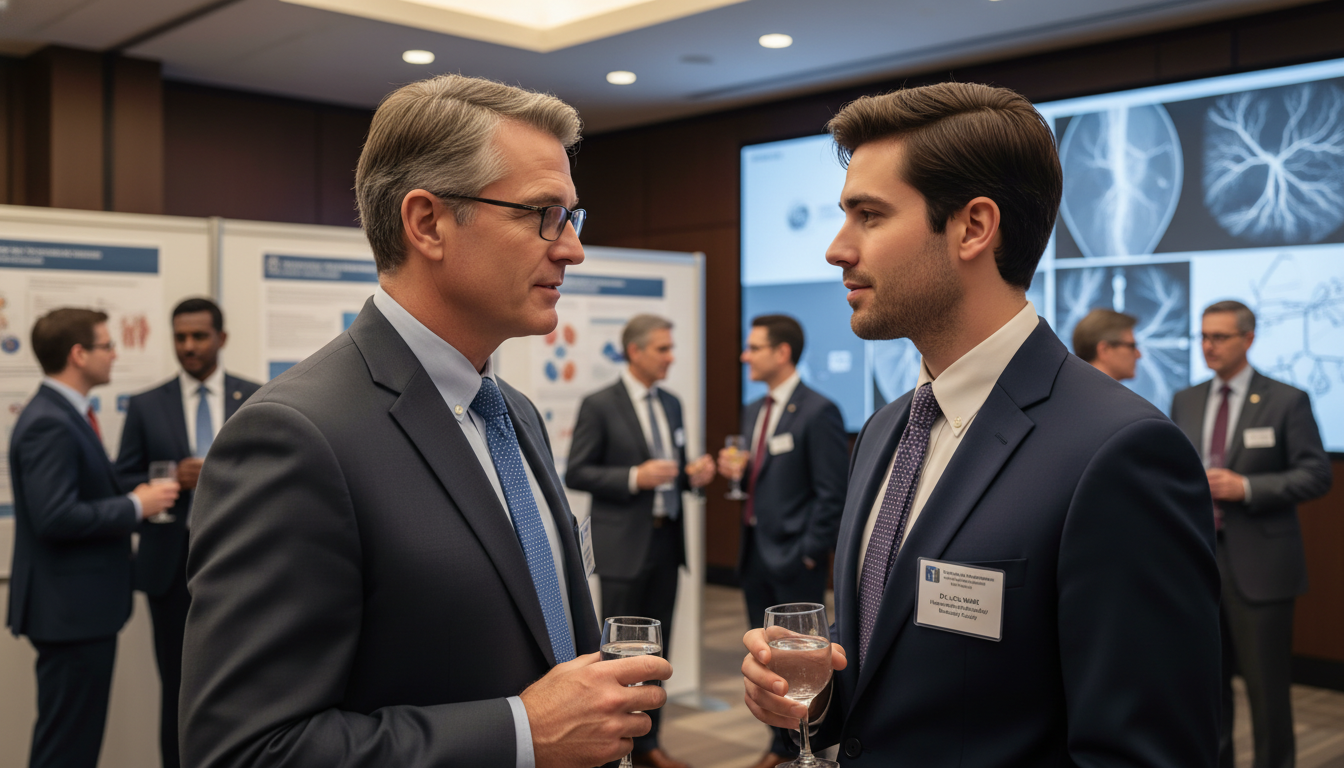
Maximizing Rotations, Research, and Online Presence for Networking
Networking is most effective when you combine it with visible work: clinical performance, research, and professional branding.
1. Audition and Away Rotations: Your Best In-Person Networking Tool
For a DO graduate targeting interventional radiology residency, IR-related rotations are crucial.
a. Choosing Rotations Strategically
Aim for:
- Your home institution IR or DR-IR rotations (if available)
- Away rotations at programs with integrated IR residencies that are DO-friendly
- Rotations at institutions where you already have a contact or mentor
Ask mentors:
“Which programs have historically been supportive of DO applicants for IR?”
b. Performing at a Sponsor-Level
Use rotations to convert attending physicians into advocates:
- Show up early, stay late when appropriate
- Be prepared: review cases the night before, read about common procedures (TIPS, Y-90, uterine artery embolization, PAD interventions)
- Ask good questions, but read beforehand so you’re not asking basics you could have easily found
- Volunteer for presentations (journal club, case conferences)
Key networking move: At the end of a successful rotation, say:
“I’ve really appreciated working with you and learning from your team. I’m very committed to matching into interventional radiology. If my performance has met your expectations, I’d be grateful if you would consider writing a letter of recommendation and possibly sharing your thoughts about programs that might be a good fit for me.”
2. Research as a Networking Engine
Research is not just about publications — it’s a powerful form of professional visibility.
a. Getting Started as a DO Graduate
If your home institution has limited IR research:
- Ask IR mentors if you can help with case reports, retrospective chart reviews, or quality improvement projects
- Collaborate with diagnostic radiology or vascular surgery teams on IR-adjacent topics
- Join online IR research collaboratives or multi-institutional projects (often advertised via SIR, social media, or academic listservs)
b. Turning Projects into Networking Opportunities
Each project connects you to:
- Senior authors (potential sponsors)
- Co-authors at other institutions
- Other residents and students in IR
Networking tactics:
- Maintain regular, professional communication
- Offer to help with tasks (data collection, literature review, figures)
- Present your work at conferences (posters and oral presentations are natural conversation starters)
At the meeting, you can say:
“I’m presenting our project on [topic] at poster session C. I’d love your feedback if you have time to stop by.”
3. Professional Online Presence: LinkedIn, Doximity, and Social Media
In modern networking in medicine, your online footprint matters.
a. LinkedIn and Doximity
Keep profiles updated with:
- “DO Graduate – Aspiring Interventional Radiologist”
- Publications and presentations
- IR-related experiences and leadership roles
Use them to:
- Connect after meeting someone at a conference (“Good to connect following our conversation at SIR about IR training pathways.”)
- Follow IR groups and thought leaders
b. Professional Use of Twitter/X, Instagram, and Others
IR has a strong presence on medical Twitter/X and, increasingly, Instagram:
- Follow major IR societies, journals, and key leaders
- Engage by asking thoughtful questions or commenting on educational threads
- Post professional content: conference insights, reflections on cases (de-identified), or learning milestones
Always maintain strict patient confidentiality and a professional tone.
Overcoming DO-Specific Barriers Through Smart Networking
As a DO graduate, you may face subtle or explicit questions:
- “Why IR, and why you, as a DO?”
- “How has your osteopathic background prepared you for IR?”
Networking can help you convert these into strengths.
1. Reframing Your DO Background as a Strength
When talking with faculty, interviewers, or mentors:
- Emphasize strong communication and patient-centered care skills
- Highlight exposure to holistic pain management, musculoskeletal medicine, or procedural work
- Connect OMM/osteopathic principles to IR: focusing on function, minimally invasive interventions, and whole-patient care
Example pitch:
“My osteopathic training has given me a strong foundation in patient communication and holistic assessment, which I see as a perfect fit for IR, where we guide patients through complex, often anxiety-provoking procedures and follow them longitudinally.”
2. Using Medical Networking to Identify DO-Friendly IR Programs
Through your mentors, sponsors, and conference connections, ask targeted questions:
- “Have you seen DOs successfully match into your IR program?”
- “Are there DO graduates among your current or recent residents?”
- “How do you view DO vs MD applicants for IR residency?”
This helps you:
- Prioritize programs that value osteopathic candidates in the osteopathic residency match and IR match
- Avoid spending resources on programs unlikely to consider DOs competitively
3. Building a Visible Track Record that Reduces Bias
Bias often softens when you have:
- Strong letters from respected IR faculty
- Research and presentations that show commitment and capability
- Endorsements from well-known sponsors in the IR community
Your networking strategy should aim for recognizable validators in IR vouching for you, making your DO status an asset rather than a hurdle.
Practical Networking Game Plan for a DO Graduate Targeting IR
To make this actionable, here’s a step-by-step strategy you can adapt:
Year Before Application (or Early Residency if Considering IR Pathway)
- Clarify your goal: Integrated IR vs DR then IR fellowship, academic vs community.
- Identify 2–3 core mentors (local + IR-specific).
- Join SIR and RFMS; attend at least one IR-focused meeting.
- Start or join at least one research project related to IR.
- Schedule IR electives (home + 1–2 away rotations if possible).
6–9 Months Before ERAS Submission
- Deepen mentor relationships: Regular check-ins, ask for feedback on your CV and plan.
- Finalize at least 2 IR-strong letters from people who know you well.
- Attend a major conference if possible and practice robust conference networking.
- Polish your online presence: LinkedIn, Doximity, any professional social media.
During IR Rotations and Interview Season
- Treat every interaction as part of your professional brand.
- Ask attendings and residents tactful questions about program culture and DO representation.
- Follow up after rotations and interviews with personalized thank-you emails.
- Stay in touch with key sponsors — update them on interview invites and eventual match results.
After Matching (or During Early Residency if Reapplying or Redirecting)
- Maintain and expand your IR network: you’re now networking as a future colleague.
- Offer help to more junior DO students interested in IR.
- Continue attending IR conferences, presenting, and collaborating.
This is how networking in medicine evolves from “trying to get in” to “building a career-long professional community.”
FAQs: Networking in Medicine for DO Graduates in Interventional Radiology
1. As a DO graduate, is it realistic to match into interventional radiology?
Yes. While IR is competitive, DO graduates match into IR each year. Your chances improve significantly if you:
- Demonstrate sustained interest in IR (rotations, research, SIR involvement)
- Have strong letters from IR or DR faculty
- Use medical networking to connect with DO-friendly programs and mentors
- Build a visible profile with research and conference presentations
Your DO background is not disqualifying; it’s one part of your story. Networking helps ensure people see your full potential.
2. How early should I start networking for an IR match?
Ideally, start in medical school, but it’s never too late. For a DO graduate:
- By the year before applying, you should have at least one IR mentor and be involved in IR-related activities.
- Even if you’re closer to application season, focused networking (mentors, rotations, conferences) can still meaningfully shift your trajectory.
3. What if my school doesn’t have an IR program or IR faculty?
You can still build a strong network:
- Use nearby institutions and regional hospitals for shadowing and electives.
- Join SIR and RFMS; attend virtual and in-person events.
- Reach out cold (professionally) to IR faculty at other institutions, referencing your DO background and clear interest in IR.
- Look for remote research or collaborative projects.
Lack of a home IR program is a common challenge for DO students; networking helps compensate for it.
4. How can I network effectively if I’m introverted or feel awkward at conferences?
You don’t need to become an extrovert to be effective at conference networking:
- Set modest, clear goals (e.g., “I will have meaningful conversations with 3 new people today.”)
- Prepare a short self-introduction and a few go-to questions in advance.
- Use structured events (poster sessions, mentoring lunches) where conversations are more natural.
- Focus on genuine curiosity rather than trying to impress.
Over time, as you see positive responses, networking becomes less intimidating and more enjoyable.
By approaching networking in medicine strategically — through mentorship, conference engagement, research collaboration, and thoughtful self-presentation — you can significantly strengthen your position as a DO graduate targeting interventional radiology residency. In a small, interconnected specialty like IR, your relationships, reputation, and visibility often matter just as much as your CV.