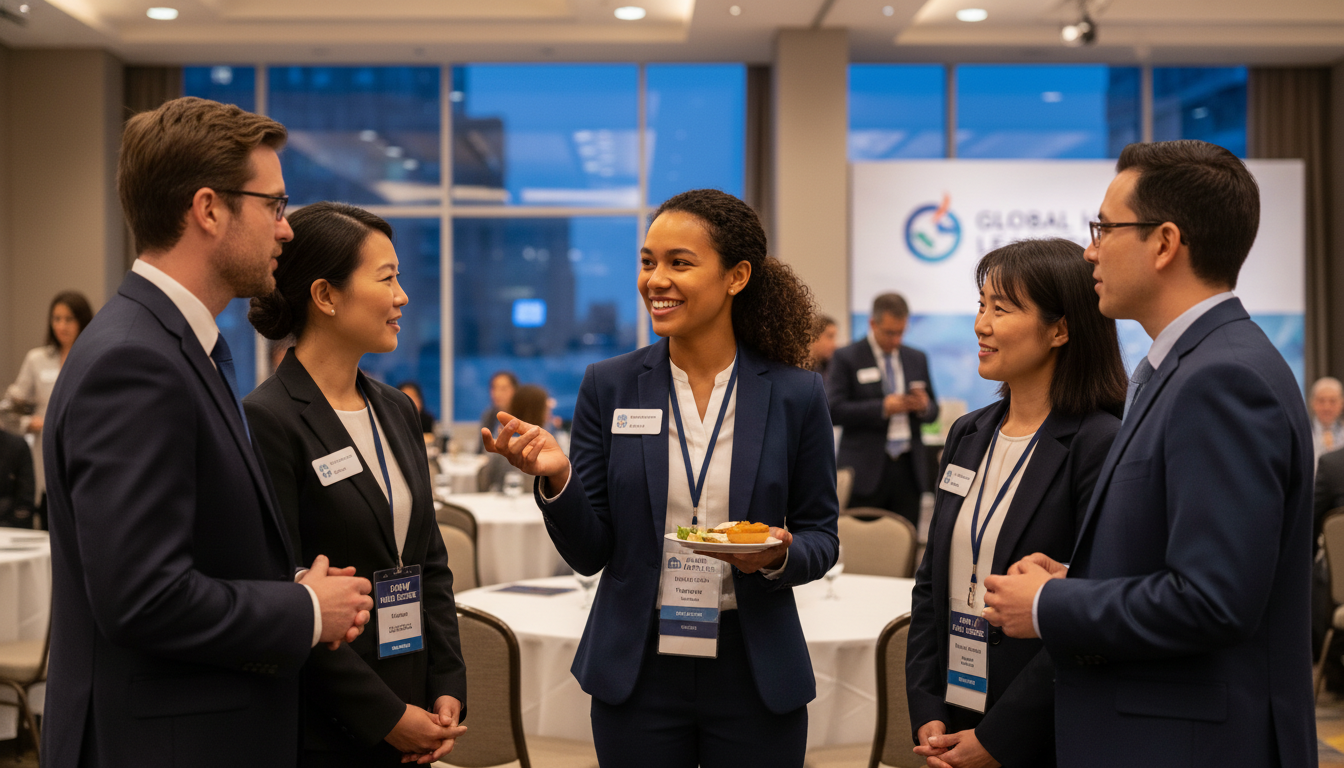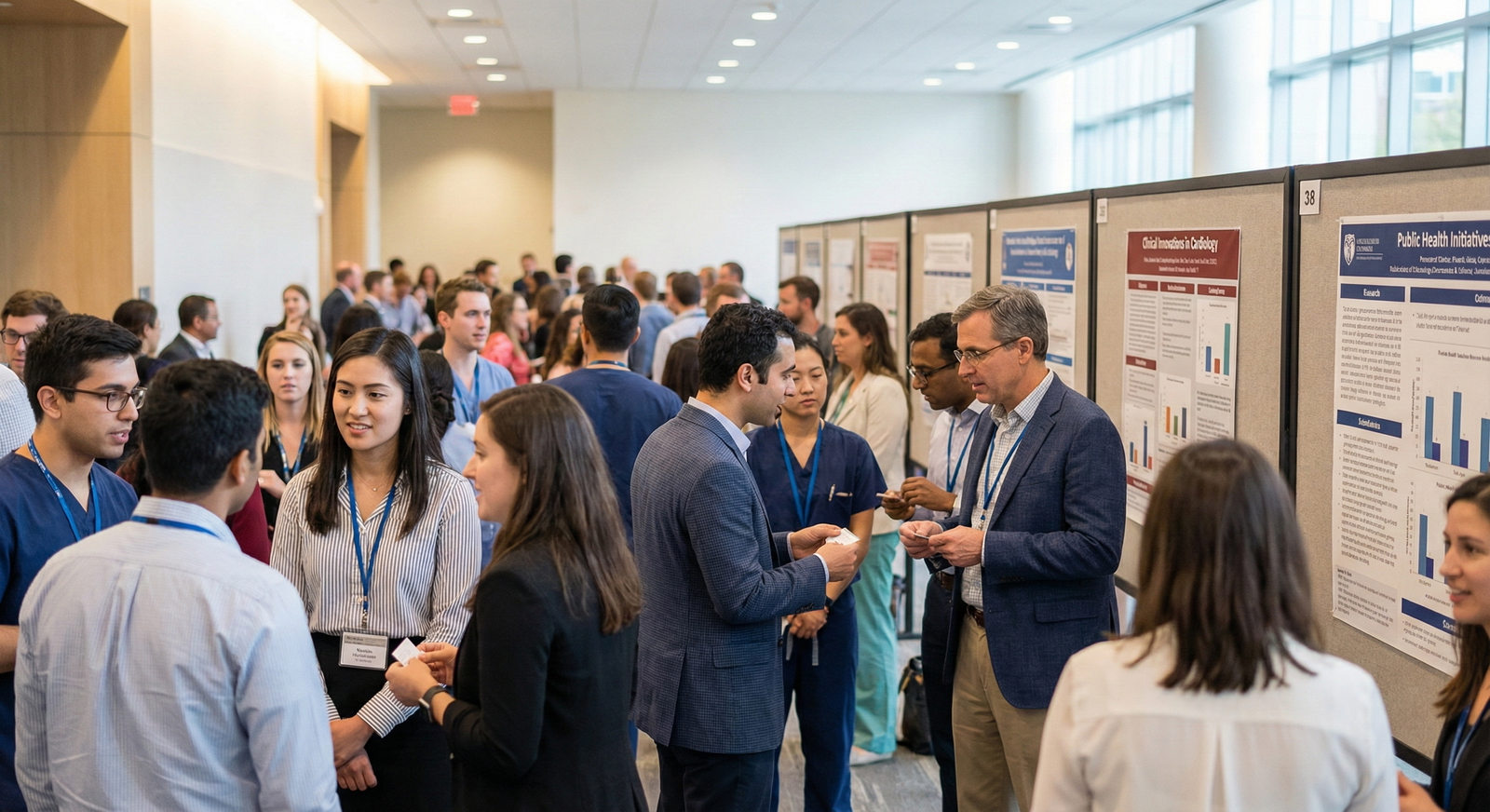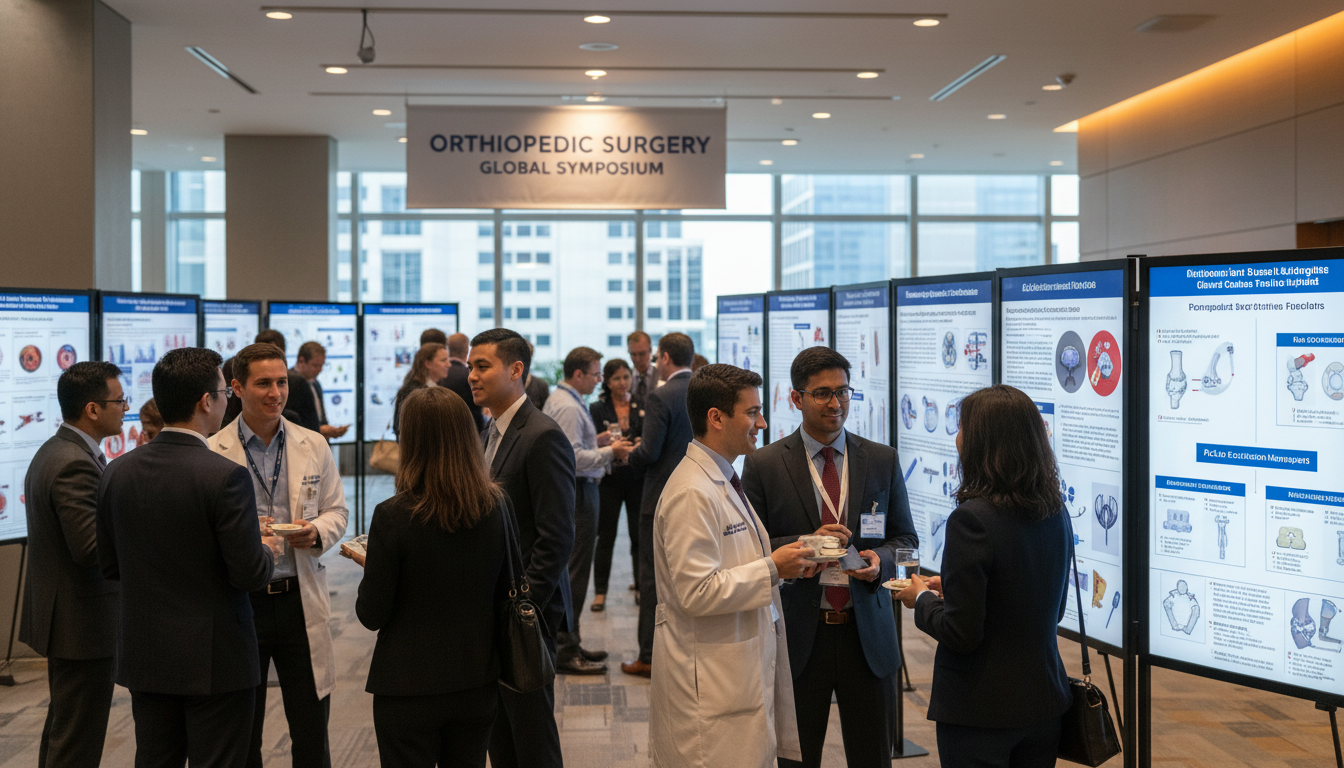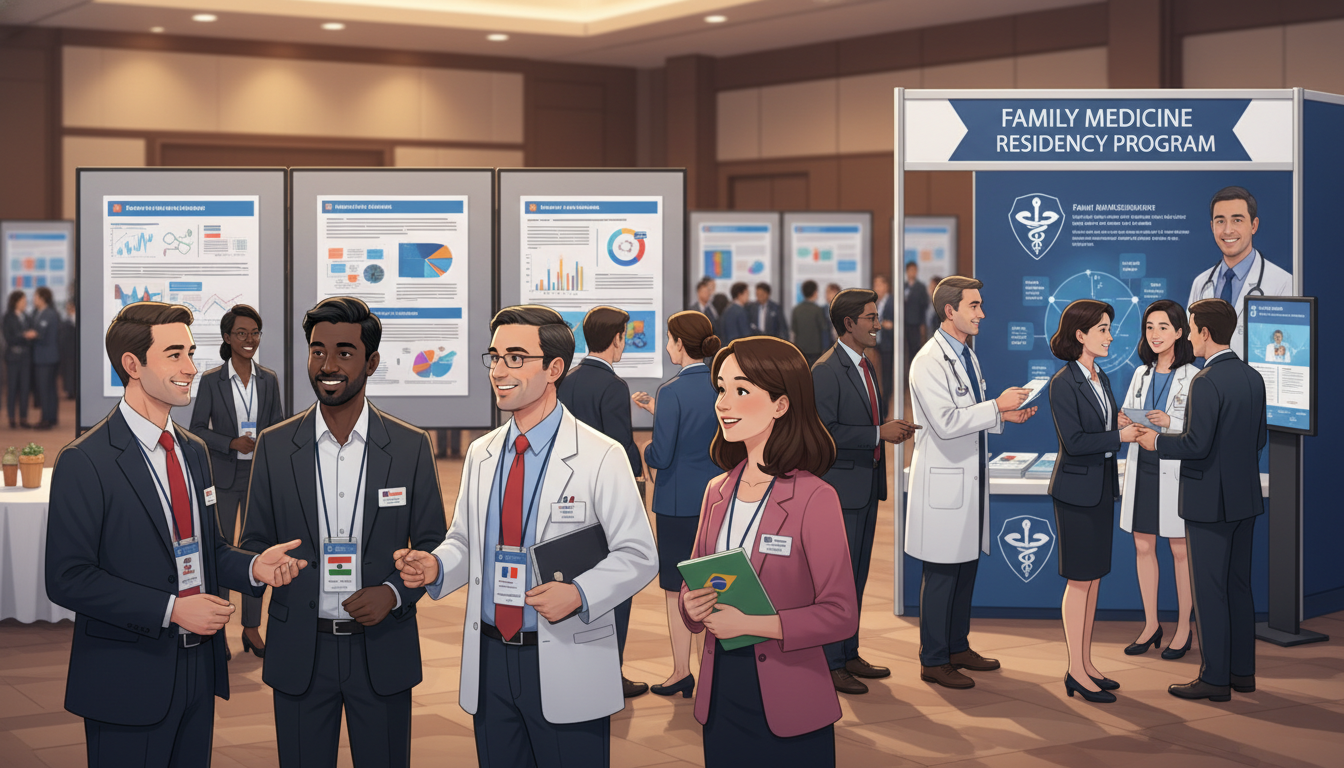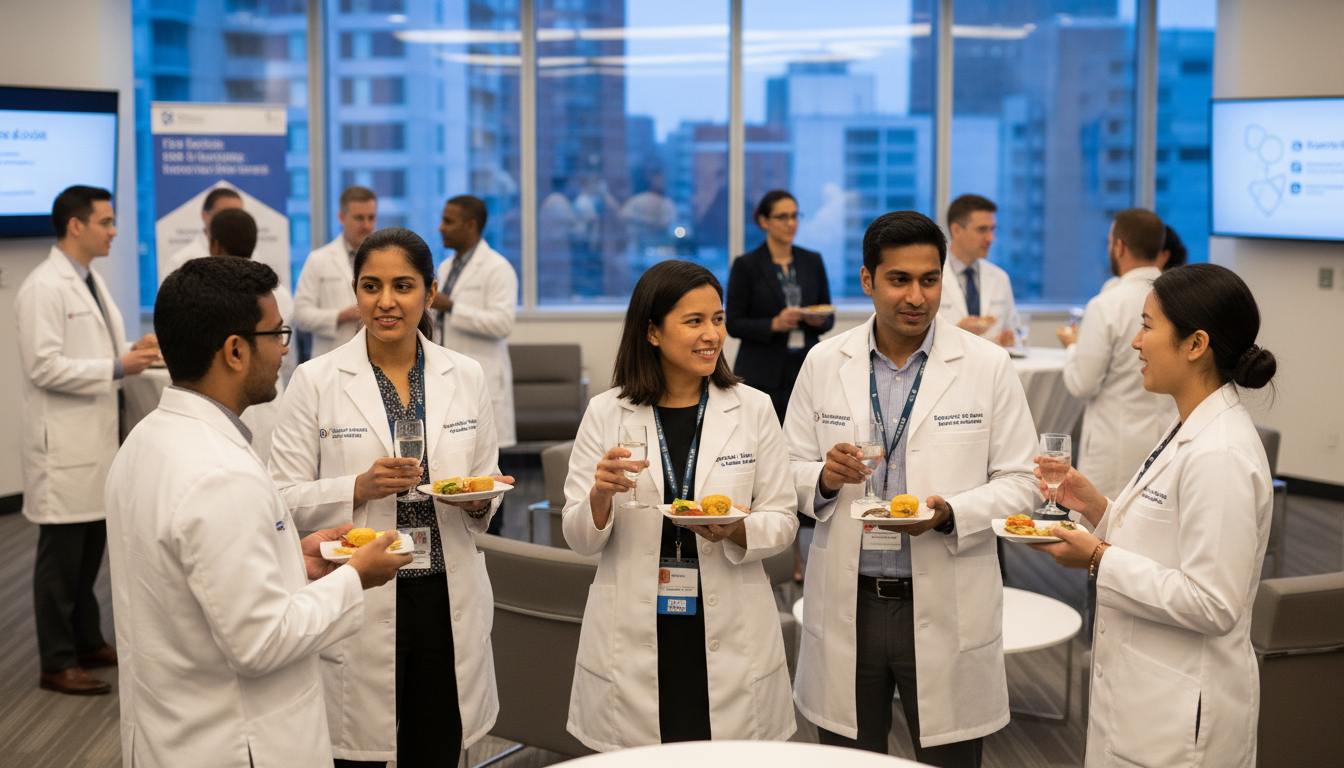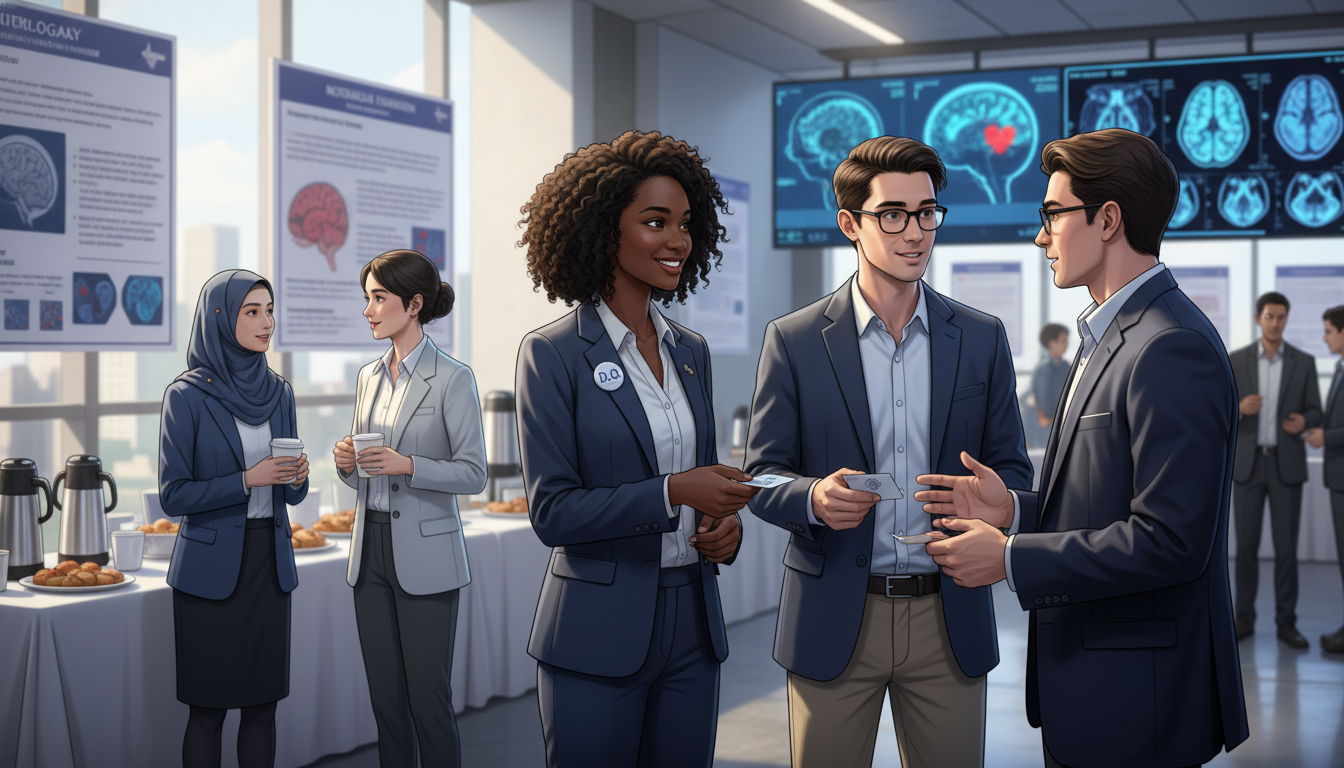
Networking in medicine isn’t just about “schmoozing” at conferences; it’s a strategic, career‑defining skill—especially for a DO graduate pursuing neurology. For osteopathic applicants and residents, thoughtful medical networking can help close perception gaps, open doors at historically allopathic programs, and build a long-term professional community that supports you far beyond the neuro match.
Below is a comprehensive guide tailored to you as a DO graduate in neurology—whether you’re pre‑residency, in residency, or planning your next career move.
Understanding Networking in Medicine as a DO Neurology Graduate
Networking in medicine is the deliberate process of building professional relationships that support your clinical growth, research interests, and career opportunities. For a DO graduate in neurology, it has several unique implications.
Why Networking Matters More for DO Graduates
Despite major progress in parity between MD and DO pathways, some neurology residency programs still have limited exposure to osteopathic training. Strong professional connections:
- Humanize your application beyond board scores and transcripts.
- Allow program directors and faculty to see your work ethic and clinical judgment firsthand.
- Provide advocates who understand osteopathic principles and can speak to your strengths.
- Help you navigate programs where DO representation is newer or smaller.
In a competitive neurology residency and fellowship landscape—especially for subspecialties such as stroke, epilepsy, or neurocritical care—who knows you (and what they know about you) can change your trajectory.
Networking and the Neurology Residency Match
Effective networking can influence your osteopathic residency match or ACGME neurology residency match (if you are or were transitioning under the single accreditation system) in several ways:
Targeted away rotations / audition rotations
A mentor’s email or phone call can help you secure rotations at high-yield neurology programs that fit your interests.Stronger letters of recommendation
Letters from well-known academic neurologists—especially at your target institutions—often carry significant weight.Pre‑interview visibility
Presenting at conferences or publishing with faculty can raise your name recognition so that reviewers already know who you are when they see your ERAS application.Interview performance
Being prepared with insider tips from residents and alumni (what specific programs value, how interviews are structured, what to emphasize) can dramatically improve how you present yourself.
Think of networking as an investment: it may not produce immediate results, but over 1–3 years, it can profoundly shape your neurology career.
Foundations of Effective Medical Networking for Neurology
Clarify Your Identity and Goals
Before you start reaching out, define:
Who you are
Example: “I’m a DO graduate interested in vascular neurology, with a strong background in ultrasound and osteopathic manipulative medicine (OMM).”What you want (over the next 1–3 years)
- Match into a strong neurology residency (or fellowship) with robust inpatient exposure.
- Gain experience in EEG/EMG, stroke call, or neuro-ICU.
- Explore academic versus community neurology career paths.
- Build mentors in both osteopathic and allopathic environments.
What you offer
- OMM skills relevant to headache, chronic pain, or musculoskeletal contributors to neurologic complaints.
- Prior QI projects, teaching experience, or experience with underserved populations.
- A collaborative, team-based mindset and a willingness to take extra call, help with research, or teach juniors.
Having clarity makes your networking conversations more focused and memorable.
The Three Pillars: Mentors, Peers, and Visibility
Effective medical networking generally involves:
Mentorship in medicine
Senior clinicians, researchers, or educators who advise, sponsor, and advocate for you.Peer network
Co-residents, students, and early‑career neurologists who can share opportunities, collaborate on projects, and provide realistic advice.Professional visibility
Conference presentations, publications, teaching, and social media engagement that make your work visible to the broader neurology community.
You should intentionally cultivate all three.
Mentorship in Medicine: Building Your Neurology Support Team
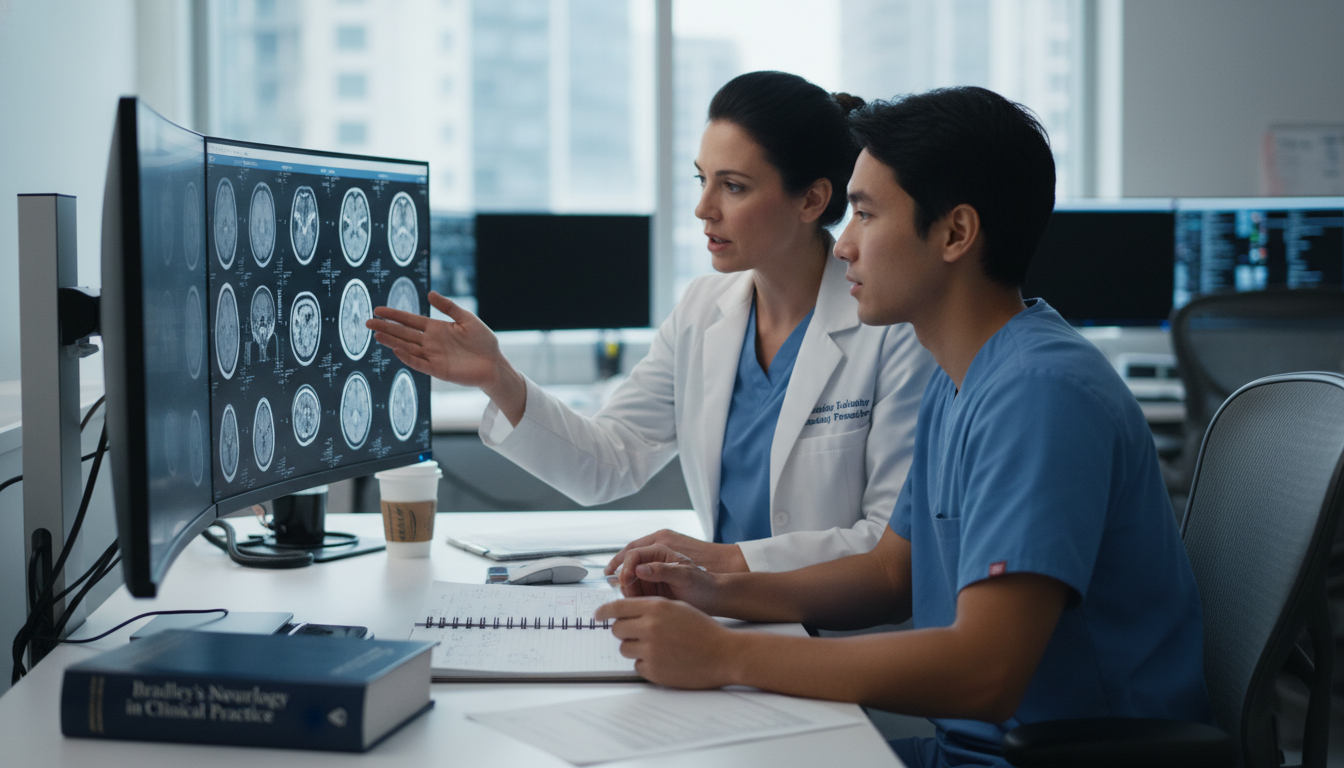
Mentorship is the backbone of networking in medicine, particularly in neurology where the field moves quickly (new MS therapies, neuroimmunology discoveries, evolving stroke systems of care).
Types of Mentors You Need as a DO Neurology Graduate
Aim for a “mentorship board of directors” rather than expecting everything from one person:
Clinical mentor
- Guides your day-to-day neurology practice, bedside manner, and clinical reasoning.
- Helps you understand what different neurology practice models look like (academic vs private vs hybrid).
Academic/research mentor
- Involves you in projects related to epilepsy, neuroimaging, neurocritical care, etc.
- Teaches you how to design studies, write abstracts, and submit to journals or conferences.
Career development mentor
- Advises you on the neurology residency and fellowship landscape, salary negotiations, and job searches.
- Helps you see the long view of your career as a neurologist.
Osteopathic identity mentor
- A DO neurologist or senior DO physician who understands your specific challenges and strengths.
- Offers guidance on how to highlight osteopathic training in a way that resonates with allopathic colleagues.
How to Find Mentors
Within your institution:
Ask your program director or clerkship director:
“I’m a DO graduate very interested in neurology and would love to connect with faculty engaged in stroke/epilepsy/headache research. Is there someone you recommend I reach out to?”Attend neurology grand rounds and stay afterward to introduce yourself:
“I’m Dr. [Last Name], a DO graduate on the neurology service. I enjoyed your talk on autoimmune encephalitis. Would you be open to a brief meeting to discuss how I might get involved in research in this area?”
Beyond your institution:
- Use the American Academy of Neurology (AAN) mentorship programs or young neurologist sections.
- Ask your osteopathic school alumni office for neurology graduates willing to mentor.
- Connect via neurology sub-specialty societies (e.g., American Heart Association Stroke Council, American Epilepsy Society).
Making the First Ask: A Simple Template
Subject: DO Neurology Graduate Seeking Brief Career Guidance
Dear Dr. [Name],
My name is [Your Name], a DO graduate currently [neurology resident at X / applying to neurology residency]. I’m very interested in [stroke / epilepsy / neuroimmunology], and I’ve been inspired by your work on [specific project or paper].
If you have 15–20 minutes available in the coming weeks, I would be grateful for the opportunity to ask a few questions about your career path and seek your advice on how I can build a similar trajectory as a DO-trained neurologist.
Thank you for considering this,
[Your Full Name, Credentials]
[Current Position]
[Contact Information]
Keep your ask small and specific. Over time, as you follow through and stay in touch, some of these contacts will evolve into long‑term mentors.
How to Maintain Mentorship Relationships
Send concise updates 2–3 times per year:
- New publications or presentations.
- Major milestones (matching into neurology residency, starting fellowship).
- Brief gratitude notes when their advice proves helpful.
Respect time and boundaries:
- Come to meetings with an agenda (3–4 questions).
- Follow up on tasks they assign (e.g., draft an abstract, review a dataset).
Offer value back:
- Volunteer to help with data entry, patient recruitment, or preparing teaching material.
- If you have OMM expertise, offer to give a short session on osteopathic approaches to headache or back pain in neurology patients.
Conference and Online Networking: Where Neurology Connections Happen
Conference Networking: Turning Events into Opportunities
Neurology is a conference-heavy specialty, and these events are prime opportunities for both medical networking and visibility.
Key meetings include:
- American Academy of Neurology (AAN) Annual Meeting
- Subspecialty conferences: American Epilepsy Society, International Stroke Conference, Movement Disorder Society, etc.
- Regional neurology or osteopathic association meetings
Before the Conference
Set concrete goals
- Meet 3–5 potential research collaborators.
- Introduce yourself to at least 2 program directors or fellowship directors.
- Reconnect with at least 3 peers or alumni.
Review the program and plan your time
- Highlight sessions relevant to your clinical/research interests.
- Identify speakers you want to meet and read one of their recent papers.
Schedule meetings in advance
Email faculty you admire:
“I see you’re speaking at AAN. I’m a DO neurology resident interested in [X]. Would you have 10–15 minutes during the conference for a quick coffee to ask a few career questions?”
During the Conference: Practical Strategies
Name tag and “elevator pitch”
Be ready with a 20–30 second introduction:
“I’m Dr. [Last Name], a DO neurology resident at [Institution], interested in [subspecialty]. I’m working on [brief description of project or clinical focus].”Poster sessions
If you’re presenting:- Stand by your poster, make eye contact, and invite discussion:
“Would you like a quick overview of our study?” - Have 2–3 talking points ready.
- Keep a small notebook or digital note to record names and follow-up tasks.
If you’re attending:
- Ask presenters questions and exchange contact information.
- Approach posters from institutions where you may want to train or work.
- Stand by your poster, make eye contact, and invite discussion:
Social events and receptions
These can be less formal and more conducive to conversation. If you’re shy, attend with a colleague for mutual support, but avoid clinging only to familiar faces.
After the Conference: Consolidate and Follow Up
Within 72 hours:
Send brief thank-you emails:
“I appreciated your insights on building an epilepsy career as a DO neurologist. I’ve already looked up the fellowships you mentioned.”Connect on professional platforms (e.g., LinkedIn) with a customized note.
List follow-up tasks (read specific articles, draft a proposal, contact a collaborator) and put deadlines on your calendar.
Online Medical Networking for Neurology
Online spaces are increasingly central to professional networking in medicine.
Professional Platforms
LinkedIn
- Maintain a clear headline: “Neurology Resident (DO) | Interest in Stroke & Neurocritical Care.”
- Post or share neurology articles, your conference posters, or reflections on new guidelines.
- Join neurology or healthcare networking groups.
Specialty-specific platforms
- AAN member portal and communities.
- Subspecialty society discussion boards or Slack workspaces.
Social Media (Twitter/X, etc.)
Many neurologists and programs are active on Twitter/X, which can be useful for conference networking and staying updated.
Create a professional account (separate from personal, if needed).
Follow:
- Neurology societies (AAN, AES, stroke societies).
- Program directors, fellowship directors, and leaders in your areas of interest.
- DO neurologists and osteopathic organizations.
Engage respectfully:
- Comment on new research.
- Share your conference posters (de-identified as necessary).
- Celebrate milestones (matching into neurology residency, starting fellowship).
Remember confidentiality and professionalism: never post identifiable patient information or disparage colleagues or institutions.
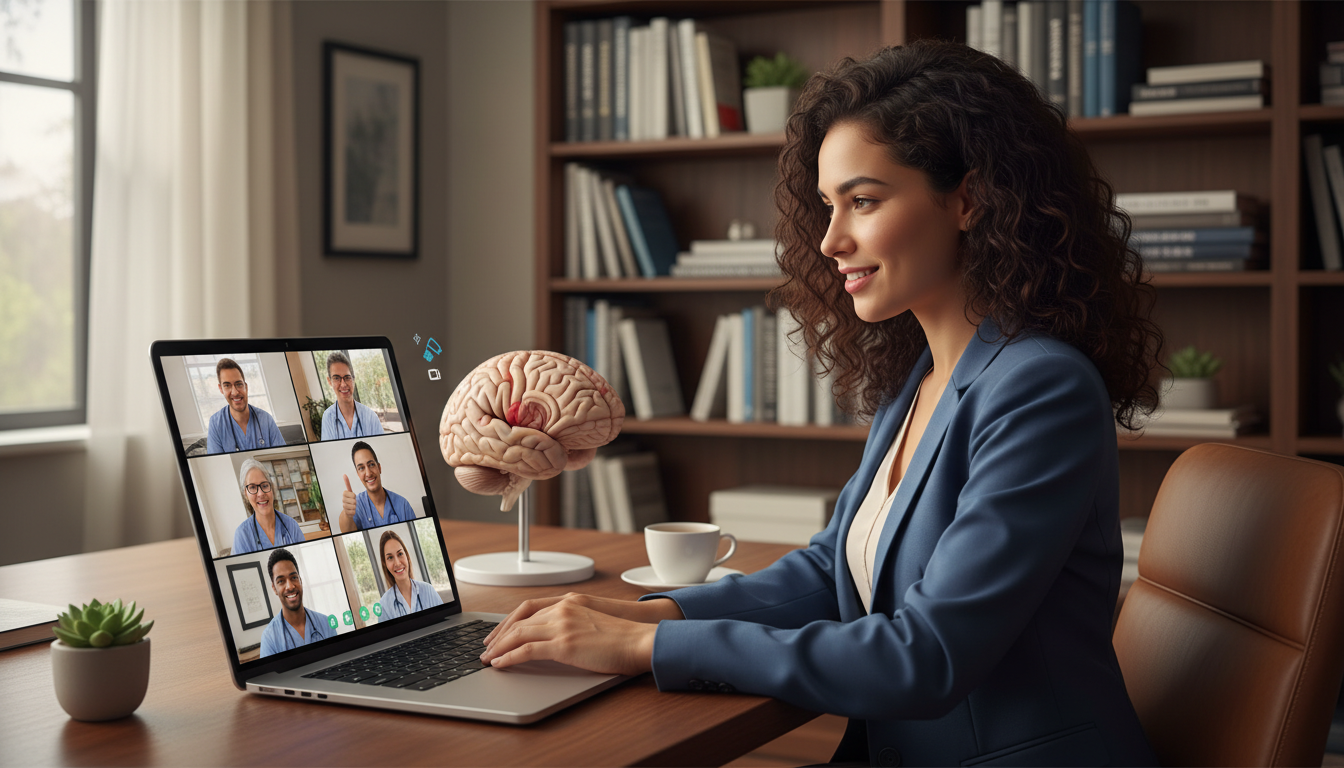
Practical Networking Strategies During the Neurology Residency Years
Once you’re in neurology residency, networking shifts from “getting in” to “moving forward”—toward fellowship, jobs, and leadership roles.
Integrating Networking into Everyday Residency Life
You don’t need extra hours in the day; you need to repurpose moments that already exist.
On-service interactions
- Ask attendings about their career paths and fellowship training during brief downtimes.
- When you finish presenting a complex case, ask:
“Do you know of any ongoing projects or registries related to [disease] that might benefit from an extra resident helping with data or chart review?”
Subspecialty rotations
- During your EMG, EEG, movement disorder, or stroke rotations, show initiative:
“I’m very interested in [this area]. If you ever need help with a small project or abstract, I’d be happy to contribute on my own time.”
- During your EMG, EEG, movement disorder, or stroke rotations, show initiative:
Teaching and leadership
- Volunteer to organize journal clubs or case conferences.
- Offer to present on a neuro-OMM topic if your program is open to osteopathic content (e.g., OMM for chronic migraine or neck pain).
- These roles increase your visibility to faculty and program leadership.
Using Networking to Explore Neurology Career Paths
Neurology has diverse career options:
- Academic neurologist (with or without heavy research)
- Community general neurologist
- Subspecialist (stroke, epilepsy, movement disorders, neuromuscular, neuro-ICU, headache, neuroimmunology, behavioral neurology)
- Hybrid practice models (community hospital with academic affiliation)
Leverage medical networking to:
Arrange informational interviews:
15–20 minute conversations with neurologists in different settings to ask:- What does your typical week look like?
- What do you like and dislike about your practice model?
- If you could advise a DO neurology resident considering this path, what would you say?
Identify shadowing or elective opportunities in your PGY-3 or PGY-4 years.
Learn which fellowships are DO-friendly, where past DO graduates have succeeded, and what profiles are most competitive.
Handling the “DO Question” Confidently
At some institutions or conferences, you may encounter questions about your DO background.
Respond with clarity and confidence:
“Yes, I’m a DO-trained neurologist. My education included an additional focus on the neuromusculoskeletal system and a holistic approach to patient care. In neurology, that’s helped me better evaluate chronic pain, posture, and functional complaints, and I find patients really appreciate that perspective.”
Emphasize overlap and equivalency in training standards, while highlighting your unique added skills rather than defending them.
Common Pitfalls and How to Avoid Them
Networking can easily go wrong if done thoughtlessly. Here are frequent pitfalls for DO graduates pursuing neurology—and how to avoid them.
1. Being Transactional Instead of Relational
Pitfall: Only reaching out when you need something (a letter, a connection, a fellowship spot).
Solution:
- Build relationships early—well before you need an LoR or fellowship recommendation.
- Show sustained interest, curiosity, and follow-through on advice or opportunities.
2. Underestimating the Power of Peer Networking
Pitfall: Focusing only on senior faculty and ignoring co-residents, fellows, and other DO graduates.
Solution:
- Stay connected with peers from your DO school, sub-internships, and conferences.
- These peers will eventually be attendings and leaders, and often become your collaborators, co-authors, or referral sources.
3. Spreading Yourself Too Thin
Pitfall: Saying yes to every project and committee in the name of networking.
Solution:
- Prioritize depth over breadth:
- 1–2 meaningful projects with high-quality mentors can have more impact than 6 superficial ones.
- Ask yourself: “Will this opportunity help me grow clinically or academically in the direction I want?”
4. Neglecting Professionalism Online
Pitfall: Casual or heated social media posts that may be seen by neurology faculty or program leadership.
Solution:
- Treat all public posts as if a future program director or department chair might read them.
- Engage respectfully, share educational content, and avoid polarizing commentary that doesn’t directly relate to professional advocacy or patient care.
FAQs: Networking in Neurology for DO Graduates
1. As a DO graduate, do I need to network differently than MDs for the neurology residency match?
You don’t need a completely different strategy, but you may benefit from being more deliberate. The basics are the same—cultivate mentors, present at conferences, participate in research, and maintain a professional online presence. However, as a DO graduate:
- Seek out DO neurologists who understand your background and can advise you on programs historically open to DOs.
- Be proactive in demonstrating that your training aligns with ACGME expectations, especially at programs less familiar with DO graduates.
- Use networking to get in front of potential biases: when faculty know you personally and see your work, credentials matter more than degree labels.
2. How early should I start networking if I want to match into neurology?
Ideally, start during your clinical years of medical school—but it’s never too late.
- Medical school / early clinical years: Attend neurology interest group meetings, shadow neurologists, and join basic neurology-related projects.
- Late medical school / early residency: Intensify your efforts—submit abstracts, attend neurology conferences, and find subspecialty mentors.
- Mid to late residency: Shift your focus to neurology fellowships and job opportunities, leveraging mentors and professional contacts for guidance and introductions.
3. I’m introverted. How can I network effectively in neurology?
Introversion is not a barrier; many neurologists are introspective by nature. Strategies:
- Prioritize one-on-one meetings over large social receptions.
- Set small, specific goals at conferences (e.g., “I’ll introduce myself to three people today”).
- Prepare questions in advance so you’re not improvising under pressure.
- Use email and online platforms to initiate or maintain connections—written communication can play to your strengths.
4. What’s the single most impactful networking step I can take this year?
Choose one of these, depending on your stage:
- Pre-residency (applying soon): Secure a neurology research or clinical mentor who can speak to your abilities and ideally help you produce a poster or publication before the neuro match.
- Early residency: Identify and commit to 1–2 focused projects with respected faculty (research, QI, or educational) that will put you in close contact with mentors and showcase your reliability.
- Late residency: Attend a major neurology conference in your subspecialty interest and intentionally schedule meetings with at least 5 people (faculty, fellowship directors, or potential employers).
Networking in medicine, especially in neurology, is not about being the loudest person in the room. It’s about being consistently present, curious, reliable, and genuine over time. As a DO graduate, you bring a valuable perspective to neurology. Thoughtful, sustained medical networking will help ensure that the right people see—and remember—that value as you build a rewarding neurology career.