Why Networking Matters Even More for DO Graduates in Plastic Surgery
For any aspiring plastic surgeon, relationships can matter as much as board scores and research. For a DO graduate, that’s even more true.
Plastic surgery—especially the integrated plastics match—is one of the most competitive pathways in medicine. While the osteopathic residency match has grown in sophistication since the Single Accreditation System, DO applicants still face perception gaps, fewer “home program” opportunities, and limited visibility at major academic plastic surgery departments.
Networking in medicine is how you close those gaps.
For a DO graduate in plastic surgery, strategic medical networking can help you:
- Get your name and work in front of influential faculty and program directors
- Land away rotations, research positions, and post‑match opportunities
- Secure strong, personalized letters of recommendation from surgeons who are well known in the field
- Learn the unwritten rules and culture of plastic surgery programs
- Find mentors and sponsors who will actively promote you
In a specialty where there are far more qualified applicants than spots, networking is not schmoozing—it’s professional survival and a core part of your strategy to reach your goals.
This article breaks down exactly how to build and use a strong network as a DO graduate targeting plastic surgery residency, from pre‑clinical years through residency and beyond.
Understanding the Networking Landscape in Plastic Surgery
Before you can network effectively, you need to understand the ecosystem you’re stepping into and how DO graduates fit into it.
The Reality for DO Applicants in the Integrated Plastics Match
The integrated plastics match is small and highly competitive, with many programs historically recruiting heavily from:
- Their own medical schools
- Well‑known MD institutions
- Students with strong research portfolios at major academic centers
As a DO graduate, you may face:
- Less built‑in visibility: Fewer home plastic surgery programs or faculty champions in osteopathic schools
- Perception bias: Some programs have limited experience training DO residents, or outdated assumptions about DO vs MD training
- Fewer default connections: Less automatic access to big academic plastic surgery departments where much of the networking happens
Networking doesn’t erase these realities, but it can significantly reduce their impact by putting real faces and real achievements in front of people who can help you.
Types of Professional Relationships You Need
Think of your network as an ecosystem with different roles, all important in different ways:
Mentors (long-term guides)
- Provide honest feedback on your competitiveness, strategy, and professional growth
- Help you navigate the politics of the integrated plastics match
- Often write critical letters of recommendation and make calls on your behalf
Sponsors (influential advocates)
- May or may not be your direct mentor
- Use their reputation and connections to create opportunities for you: away rotations, interviews, research, fellowships
- These are often senior faculty, division chiefs, or program directors
Peers and near‑peers
- Co‑students, residents, fellows, and recent graduates
- Share real‑time information: how a program really treats residents, who’s leaving, which conferences are “must attend”
- Become future colleagues who may one day influence hiring decisions
Professional connectors
- Program coordinators, research coordinators, conference organizers
- Not always surgeons, but they know “who’s who” and how to get things done
- Often your first point of access to new opportunities
Successful medical networking in plastic surgery means cultivating all four groups deliberately, not waiting for chance encounters.
Building Your Network Strategically as a DO: Step‑by‑Step
This section focuses on practical, actionable steps you can take from early medical school through the residency application phase and during residency itself.
Step 1: Start Early With Intentional Outreach
If you’re still in medical school or early PGY years, time is your advantage.
A. Map your current network
Write down:
- Every plastic surgeon you’ve met (attendings, residents, fellows)
- Faculty who know you well in any surgical field
- Alumni from your DO school in surgical subspecialties
- Research mentors, even outside plastics
Then ask: Who in this list is closest to plastic surgery, academic medicine, or people in plastics?
B. Use your DO background strategically
Instead of hiding your DO status, address it confidently:
- Emphasize your osteopathic training in holistic care, MSK knowledge, and hands‑on skills
- Highlight any extra steps you’ve taken to align with ACGME expectations (e.g., USMLE, research, away rotations)
This signals self‑awareness and effort—both valued traits in a competitive field.
Step 2: Leverage Home and Regional Resources
Even if your DO school doesn’t have an integrated plastic surgery program, it likely has assets you’re not fully using.
A. Identify plastic surgery presence near you
- Community plastic surgeons affiliated with your hospital
- Regional academic plastic surgery departments at nearby MD programs
- Alumni practicing plastics (integrated or independent)
Ask your dean’s office, surgery department chair, or student affairs:
“I’m a DO student interested in plastic surgery. Are there any alumni or affiliated plastic surgeons you’d recommend I connect with for career guidance?”
B. Shadowing as a networking tool (not just an exposure tool)
While shadowing, position yourself as a future colleague, not just an observer:
- Arrive early, stay late, and help with tasks appropriate to your level
- Ask thoughtful questions about cases, career paths, and training
- After a few sessions, you can say:
“I’m hoping to pursue plastic surgery. Would you be open to meeting for 15–20 minutes sometime to discuss how I can be a strong DO applicant?”
This transitions you from “shadowing student” to “mentee in development.”
Step 3: Use Research as a Networking Engine
In plastic surgery, research is both currency and a networking platform.
A. Identify research‑active mentors
Target:
- Academic plastic surgery divisions at nearby universities
- Plastic surgeons publishing regularly in PRS, JPRAS, Annals of Plastic Surgery, etc.
- Cross‑disciplinary teams (e.g., wound care, craniofacial, hand surgery, microsurgery)
Send a concise email:
Subject: DO student seeking research experience in plastic surgery
Dear Dr. [Name],
I am a [year] DO student at [school] with a strong interest in plastic surgery. I have [briefly mention any relevant experience or skills—e.g., prior research, data analysis, coding, writing]. I am eager to contribute to ongoing projects and learn more about academic plastic surgery.
If you have any current or upcoming projects where an enthusiastic, reliable student could help with data collection, chart review, or manuscript preparation, I would be grateful for the opportunity.
Thank you for your time and consideration.
Sincerely,
[Name]
[School, contact info]
You’re not just asking for work—you’re offering value.
B. Turn research mentors into advocates
To convert a research relationship into real support for the integrated plastics match:
- Be relentlessly reliable: hit deadlines, over‑communicate, triple‑check data
- Ask for feedback on your CV and future plans
- Share your milestones: board scores, rotation results, conference acceptances
- After 6–12 months of working together, you can ask directly:
“I’m planning to apply to integrated plastic surgery programs. Would you feel comfortable writing a strong letter of recommendation on my behalf?”
Strong research letters, especially from known plastic surgeons or senior academic surgeons, can neutralize DO‑related concerns.

Conference Networking: Turning Meetings Into Opportunities
Conference networking is one of the highest-yield tools for a DO graduate pursuing plastic surgery, because it places you in the same rooms as national leaders and future colleagues.
Which Meetings Matter Most for Plastic Surgery
Key meetings (US‑focused) include:
- American Society of Plastic Surgeons (ASPS) annual meeting
- American Council of Academic Plastic Surgeons (ACAPS) meetings and webinars
- Regional plastic surgery societies (e.g., Northeastern, Southern, Western)
- Subspecialty meetings: hand, craniofacial, microsurgery, aesthetic surgery
As a DO graduate, being physically present at these meetings:
- Demonstrates commitment to the field
- Helps overcome program directors’ unfamiliarity with your school
- Creates chances for organic, face‑to‑face conversations that are hard to replicate online
How to Prepare for Conference Networking
Arriving prepared turns “random encounters” into targeted interactions.
Before the conference:
Study the program and faculty list
- Highlight program directors, chairs, and faculty from programs you’re targeting
- Note which sessions they’re moderating or speaking in
Reach out in advance
Email key people 1–2 weeks before:Dear Dr. [Name],
I’m a DO graduate from [school], currently [MS4/research year/PGY‑1] with a strong interest in plastic surgery. I’ll be attending [Conference Name] and noticed you’ll be speaking in the session on [topic].
If your schedule allows, I would be very grateful for 5–10 minutes during the meeting to briefly introduce myself and get your perspective on how a DO applicant can be most competitive for the integrated plastics match.
Thank you for considering this, and I look forward to your talk.
Best regards,
[Name]Not everyone will reply—but the ones who do are already primed to meet you.
Prepare your introduction (“elevator pitch”)
You should be able to summarize yourself in 20–30 seconds:
- Who you are (DO graduate, school, current level)
- Your interest within plastic surgery (e.g., craniofacial, hand, microsurgery, aesthetic) if you have one
- One or two concrete accomplishments (research, leadership, procedural experience)
- What you’re looking for (advice, feedback, future application to their program)
Example:
“I’m a DO graduate from [School], currently in a dedicated research year focusing on outcomes in breast reconstruction. I’m applying to the integrated plastic surgery match next cycle and I’m particularly interested in academic microsurgery. I’d really value your perspective on how applicants from DO schools can stand out at programs like yours.”
On‑Site: How to Approach People Without Feeling Awkward
During sessions:
- Sit closer to the front and near the aisle—easier to approach speakers afterward
- Ask concise, intelligent questions after talks if appropriate
- Introduce yourself after the session:
“Thank you for your talk, Dr. [Name]. I’m [Name], a DO graduate planning to apply to plastics. Your point about [specific detail] really resonated with me…”
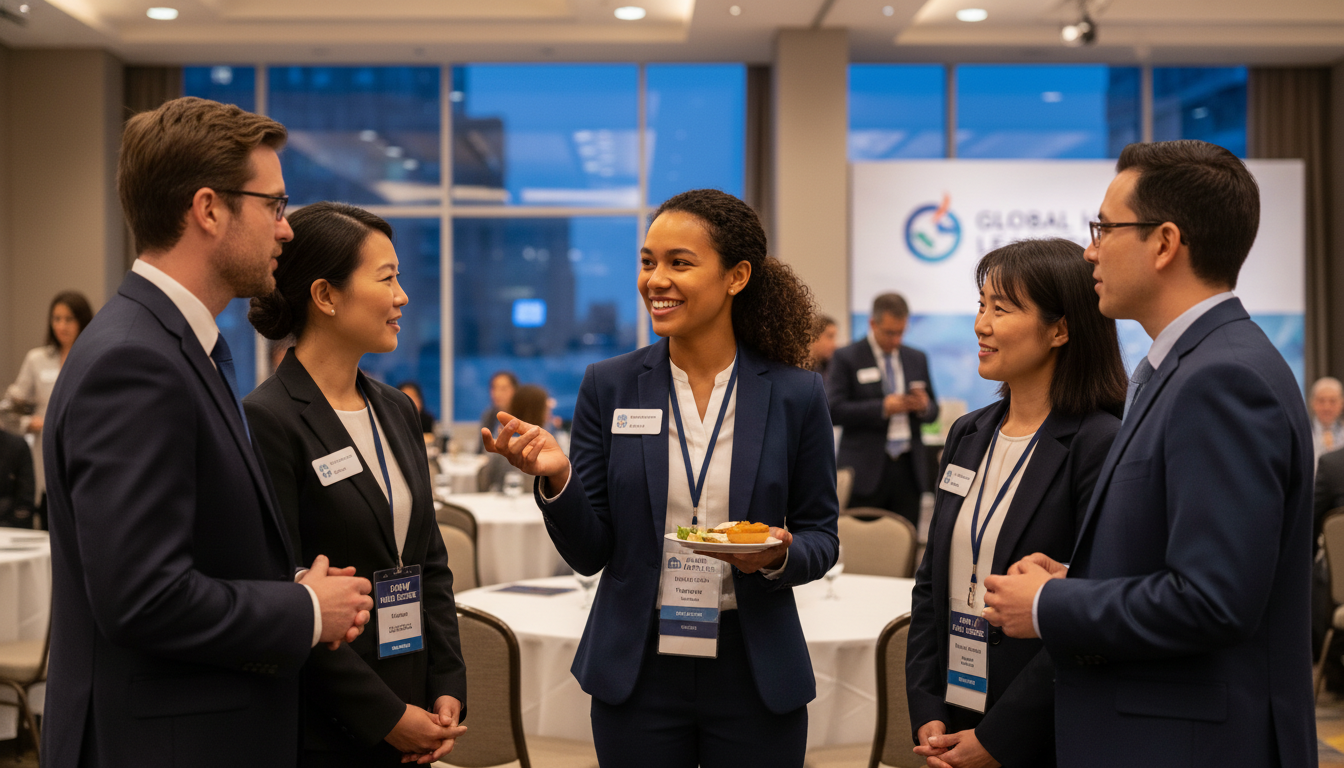
During breaks and receptions:
- Look for small groups (2–3 people) rather than large established circles
- Join with a gentle entry line:
“Hi, I’m [Name], a DO graduate interested in plastics. Mind if I join you?”
- Ask people what they do, where they train, and how they got into their subspecialty
You can mention DO status strategically:
“As a DO, I’m particularly interested in how to best position myself for academic plastic surgery. Have you worked with DO residents or applicants in your program?”
This invites useful information and begins the conversation you need.
Following Up After Conferences
The biggest mistake: networking intensely for three days and then disappearing.
Within 48–72 hours:
- Send personalized emails to the 5–15 most important people you met
- Reference something specific you discussed
- Attach your CV only if it was requested or clearly relevant
Sample follow‑up:
Dear Dr. [Name],
It was a pleasure meeting you at [Conference] after your session on [topic]. I especially appreciated our conversation about [specific point], and your advice on how DO applicants can strengthen their applications for integrated plastic surgery.
I’ll be applying in [year], and I will certainly keep your suggestions in mind regarding [research/away rotations/letters]. Thank you again for your time and generosity.
Best regards,
[Name]
Over time, send occasional updates (every 6–12 months) about major milestones, especially if they relate to advice they gave you.
Mentorship in Medicine: Finding, Keeping, and Using Mentors Wisely
Mentorship medicine is more than “finding a nice attending.” It’s a structured relationship that can profoundly influence your trajectory as a DO applicant in plastics.
Types of Mentors You Should Actively Seek
For a DO graduate, it’s helpful to build a “mentorship board” with different strengths:
Clinical plastic surgery mentor
- Helps you understand the day‑to‑day reality of the field
- Provides letters commenting on your clinical performance and OR behavior
Academic/research mentor (ideally in plastics)
- Guides your research strategy, authorship, and conference abstracts
- Connects you to other academic surgeons
Process mentor (match strategist)
- May be a PD, APD, or senior resident who understands the integrated plastics match landscape
- Helps you build your rank list and choose away rotations strategically
Identity‑aligned mentor (optional but powerful)
- Someone who shares a dimension of your identity: DO graduate, first‑gen, underrepresented in medicine
- Understands additional barriers you might face and how to navigate them
No single mentor needs to be everything to you. Diversifying protects you from over‑relying on one person and increases your exposure to different perspectives.
How to Approach Potential Mentors
When asking someone to be a mentor, be specific and respectful of their time.
Instead of “Will you be my mentor?”, consider:
“I really value your insight into academic plastic surgery. Would you be open to my checking in with you a few times per year for advice as I prepare for the integrated plastics match?”
Or:
“I admire the trajectory of your career in reconstructive plastics. Would you be willing to review my CV and overall strategy for applying as a DO graduate, and give me feedback on how to strengthen my application?”
These are clear, time‑bounded requests that most faculty will find reasonable.
Being a Good Mentee
To build durable mentorship relationships:
- Be prepared: Show up to meetings with specific questions and an updated CV
- Be responsive: Reply to emails promptly, follow through on tasks
- Be honest: Share your true scores, experiences, and concerns; mentors can’t help if they don’t know the reality
- Be grateful: Thank them consistently, acknowledge their impact in your achievements
When you receive help, explicitly say:
“Your advice about [X] directly helped me do [Y]. Thank you.”
This reinforces that their investment in you is worthwhile.
Applying Networking Skills to the Integrated Plastics Match as a DO
All your networking efforts should ultimately feed into a coherent strategy for the plastic surgery residency match.
Away Rotations: Where Networking and Performance Merge
For DO graduates, away rotations are often the single most important opportunity to demonstrate you belong in an integrated plastic surgery program.
Use your network to:
- Identify programs open to DO applicants
- Secure rotation spots (faculty connections can sometimes unlock limited slots)
- Understand each program’s culture and expectations before you arrive
During the rotation:
- Treat every day like a month‑long interview
- Learn names—residents, scrub techs, nurses—and treat everyone respectfully
- Seek feedback early (“Is there anything I could be doing differently to be more helpful to the team?”)
- Ask residents privately how DO applicants have historically fared at that program
After the rotation, follow up with thank‑you emails and ask faculty you impressed whether they would consider writing a letter.
Using Existing Connections Ethically
It’s appropriate to let mentors and contacts know where you’re applying:
- Provide them with a short list of your top 10–15 programs
- Ask:
“If you know any faculty at these programs and feel comfortable doing so, I’d be grateful if you could let them know I’ve applied and that you’ve worked with me.”
Never pressure mentors to make calls or overstate your abilities. Your job is to do work that justifies their advocacy.
Redefining “Success” and Keeping Doors Open
Plastic surgery is competitive enough that even outstanding DO applicants may not match integrated on the first try. Networking helps here too.
If you don’t match:
- Use your mentors to identify strong research positions, preliminary surgery years, or independent plastic surgery pathways that keep you in the game
- Talk openly with them about whether to reapply integrated plastics, pursue general surgery first, or consider the independent track later
Your network can help you land high‑quality bridge opportunities, not just scramble options.
FAQs: Networking in Medicine for DO Graduates in Plastic Surgery
1. As a DO graduate, do I need to “hide” my osteopathic background when networking?
No. You should acknowledge and own your DO background confidently. Frame it positively:
- Emphasize your hands‑on training, holistic perspective, and adaptability
- Highlight concrete ways you’ve aligned with ACGME expectations (e.g., taking USMLE, doing research at academic centers, high‑acuity surgical rotations)
Your goal is to show that you recognize potential concerns and have proactively addressed them, not to pretend they don’t exist.
2. How many conferences should I attend before applying to plastic surgery residency?
Quality matters more than quantity. For most DO applicants:
- Aim for 1–2 major plastic surgery conferences before applying (e.g., ASPS, a major regional meeting)
- Prioritize meetings where you’re presenting research—this naturally opens doors
- If funds are limited, use your mentors to help you choose the single highest‑yield meeting
Always ask about student discounts, travel scholarships, and institutional support.
3. What if I’m introverted and find conference networking overwhelming?
You don’t have to “work the room” like a salesperson. Instead:
- Set small, specific goals (e.g., “I will introduce myself to three faculty and two residents today.”)
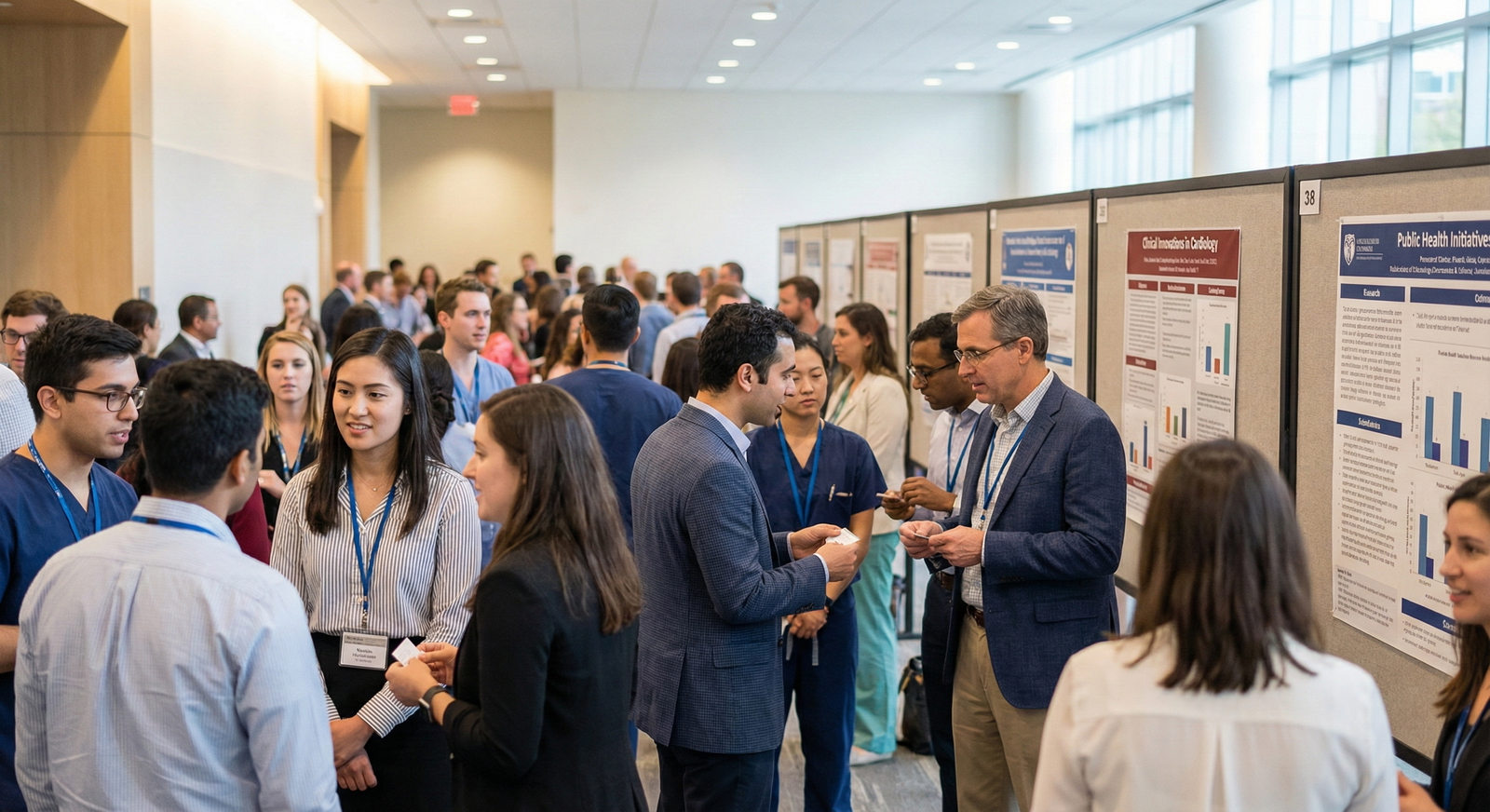
- Use structured events (poster sessions, mentor‑mentee events, small group workshops) where conversation flows more naturally
- Prepare a few go‑to questions:
- “How did you decide on your subspecialty?”
- “What advice do you have for DO applicants?”
- Remember that many surgeons are introverted too; thoughtful, genuine conversations are valued more than loud self‑promotion.
4. When is it appropriate to ask someone for a letter of recommendation?
Ask for letters when:
- You’ve worked closely with them (clinically, in research, or both) for a substantial period
- They’ve seen your work ethic, reliability, and growth
- You can reasonably expect they will say “yes” to writing a strong letter
Phrase it this way:
“Do you feel you know my work well enough to write a strong, positive letter of recommendation for my plastic surgery residency applications?”
This gives them an honest exit if they’re unsure and protects you from lukewarm letters.
Networking in medicine—especially in a high‑stakes field like plastic surgery—is not about being the loudest person in the room. For a DO graduate, it’s about being strategic, reliable, and present in the right rooms, with the right people, over time.
If you consistently show up, contribute, seek feedback, and maintain relationships, your network will gradually shift from a loose collection of contacts to a powerful support system that advocates for you at every stage of your plastic surgery career.