Why Networking Matters So Much in Physiatry—Especially for DO Graduates
As a DO graduate entering Physical Medicine & Rehabilitation (PM&R), your medical knowledge and clinical skills are only part of the story. The other critical piece—often under-taught in medical school—is networking in medicine: building professional relationships that open doors to the osteopathic residency match, research opportunities, mentorship, and future jobs.
PM&R is a relatively small specialty. That’s an advantage: people tend to know each other, and the field is collaborative and team-based. But it also means your reputation, relationships, and visibility can have an outsized impact on your trajectory. For a DO graduate residency applicant, especially in PM&R, robust medical networking can:
- Strengthen your application in a competitive physiatry match
- Connect you with mentors who understand osteopathic pathways
- Help you navigate differences between ACGME programs and historically osteopathic-friendly programs
- Lead to away rotations, research, and letters of recommendation
- Position you for fellowships (sports, interventional spine, TBI, SCI, pain, etc.) and first jobs
This article breaks down a practical, step-by-step approach to networking in medicine—tailored to a DO graduate in PM&R—so you can move from “I should network more” to “Here’s my specific plan and daily habits.”
Understanding the Landscape: PM&R, DO Graduates, and the Match
Networking isn’t just “being social.” It’s a strategic part of how the physiatry community identifies, evaluates, and supports future colleagues. To use it well, you need to understand the context you’re operating in.
How PM&R’s Size and Culture Shape Networking
PM&R is comparatively small relative to specialties like internal medicine or surgery. This has several implications:
- High name recognition: Program directors, fellowship directors, and senior physiatrists often know each other personally or by reputation.
- More relationship-driven: Word-of-mouth about your professionalism, reliability, and collegiality can meaningfully help (or hurt) you.
- Accessible leaders: National PM&R societies are often more welcoming and less hierarchical than some larger specialties. Early trainees can get face time with leaders at conferences or in committees.
For a DO graduate, this can be a major advantage—if you position yourself where people can see your work and character.
The Osteopathic Angle: DO Graduate Residency and the Physiatry Match
As a DO physician, you bring strengths that align well with PM&R:
- Training in holistic, whole-person care
- Emphasis on musculoskeletal medicine, function, and quality of life
- Experience with osteopathic manipulative treatment (OMT), which complements many physiatric approaches
However, you may also face:
- Uncertainties about DO credentials at some academic centers (less now with single accreditation, but not gone)
- Variability in USMLE/COMLEX expectations across programs
- Limited PM&R exposure at some osteopathic schools
Strategic networking helps offset these challenges by:
- Giving program directors and faculty direct experience with you, not just your scores
- Providing sponsors and mentors who can vouch for you during the osteopathic residency match
- Creating opportunities for away rotations, electives, and research that broaden your footprint beyond your home institution
Foundations of Effective Medical Networking for PM&R
Before diving into conferences and cold emails, you need a mindset and framework. Networking in medicine is not about self-promotion; it’s about long-term, mutual benefit and professional community.
Shift Your Mindset: From Transactional to Relational
Unhelpful mindset:
“I need to meet people who can get me a residency spot.”
More effective mindset:
“I want to build genuine relationships in PM&R where we help each other learn, grow, and advance patient care.”
Ask yourself:
- How can I bring value to others? (e.g., research help, student leadership, educational content, tech skills)
- How can I be reliable, prepared, and respectful so people enjoy working with me?
- How can I be curious and open, not just focused on “What can you do for me?”
This attitude is obvious to attendings and residents—and makes them more inclined to invest in you.
Know the Key Players and Venues in PM&R
As a PM&R-focused DO graduate, your networking “map” should include:
National organizations
- American Academy of Physical Medicine & Rehabilitation (AAPM&R)
- Association of Academic Physiatrists (AAP)
- Specialty societies: American Academy of Neuromuscular & Electrodiagnostic Medicine (AANEM), North American Spine Society (NASS), American Academy of Pain Medicine (AAPM), sports medicine societies, etc.
Regional and local groups
- State PM&R societies
- Hospital departments and rehab networks
- DO alumni networks with PM&R representation
People to “anchor” your network
- PM&R faculty at your home or closest affiliated program
- PM&R residents or fellows (often your most accessible allies)
- DO physiatrists in your state or region
- Research mentors, even if not in PM&R, who can connect you outward
Building Mentorship in Medicine: The Core of Your Network
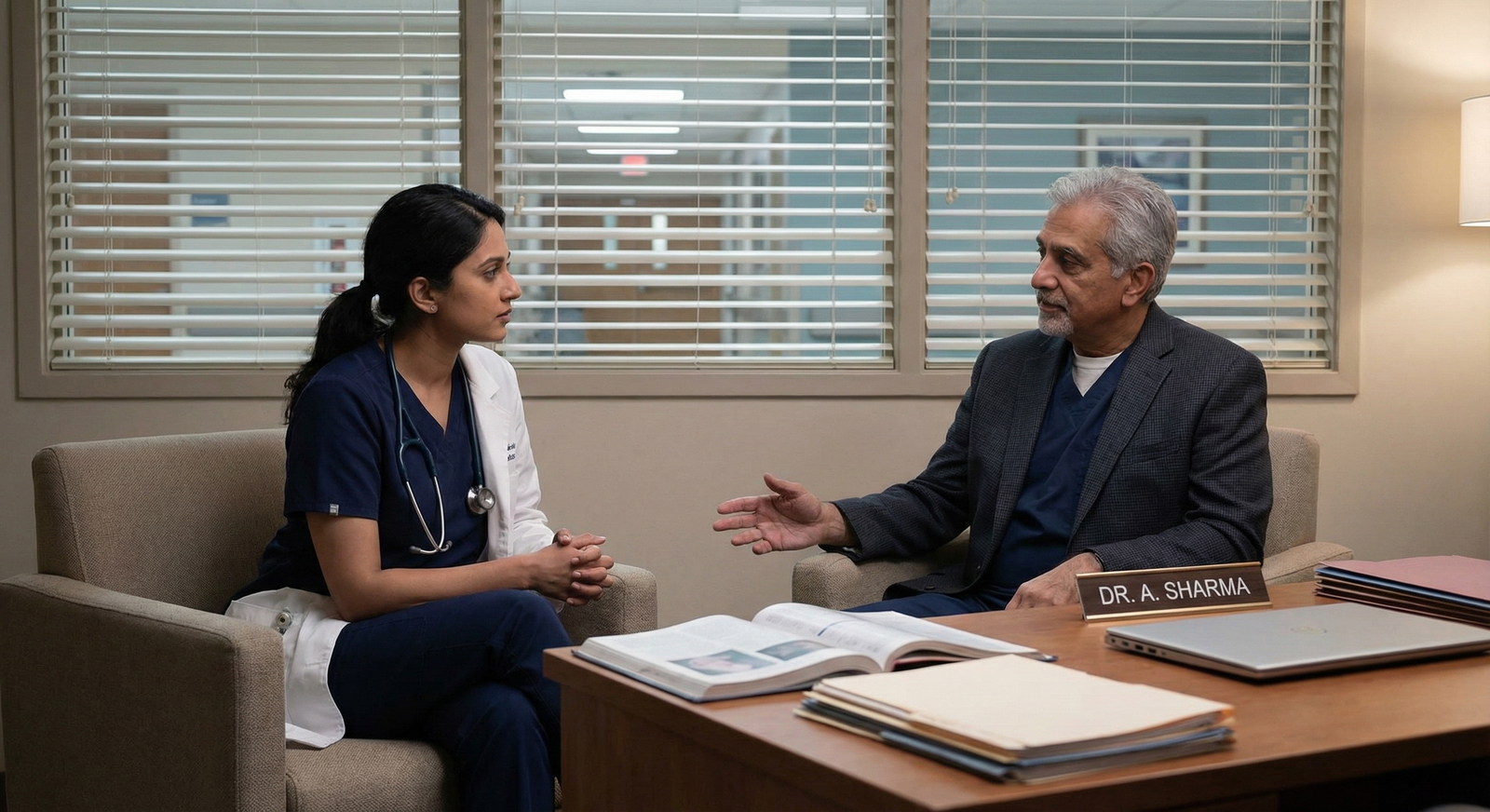
Mentorship in medicine is the single most valuable networking outcome you can aim for. Especially as a DO graduate navigating the physiatry match, having targeted mentors can change your trajectory.
Types of Mentors You Should Seek in PM&R
Career Mentor (PM&R Attending or Senior Resident)
- Guides specialty decision-making, subspecialty choice, and long-term career strategy
- Helps you understand the culture of PM&R and realistic career paths
Application Mentor (Recently Matched Resident/Fellow)
- Knows the current osteopathic residency match environment
- Can review your CV, personal statement, and ERAS application
- Offers practical tips on PM&R interviews and program selection
Research Mentor
- Helps you develop a research niche: musculoskeletal medicine, neurorehab, pain, SCI, TBI, pediatrics, etc.
- Co-authors posters, abstracts, and papers that boost your visibility
- Introduces you to other physiatry researchers at conferences
Identity-Affirming Mentor (Optional but Important)
- DO mentor, underrepresented in medicine mentor, gender/identity-aligned mentor, etc.
- Supports you through cultural and structural challenges you may experience
You don’t need all of these in one person. In fact, spreading these roles across different people is healthier and more realistic.
How to Find a Mentor in PM&R as a DO Graduate
Start at home
- Ask your dean’s office or student affairs, “Who in PM&R do we have, and who is DO-trained?”
- Attend any PM&R lectures, grand rounds, or rehab unit teaching sessions. Introduce yourself briefly afterward.
Use DO-specific networks
- Connect with osteopathic alumni who matched into PM&R from your school.
- Ask: “Could I set up a 20-minute call to learn about your path and get advice on the physiatry match?”
Use national mentorship programs
- AAPM&R and AAP sometimes run formal mentorship programs for students/residents.
- Women in PM&R, diversity & inclusion committees, and subspecialty societies often have mentoring schemes.
Reach out by email strategically
A simple structure:- Subject: “DO graduate interested in PM&R – request for brief mentorship conversation”
- 3–5 sentences: who you are, what stage you’re at, what you’re interested in, and a specific ask (e.g., 15–20 minute Zoom, feedback on pathway, advice on rotations).
- Attach a 1-page CV if relevant.
Making Mentorship Work: Your Responsibilities
- Be prepared: Have specific questions (about PM&R fields, osteopathic residency match strategy, recommended rotations).
- Respect time: If you asked for 20 minutes, don’t turn it into 60.
- Follow through: If they suggest a task (e.g., draft a research question, contact another faculty), do it promptly.
- Express gratitude: Brief, sincere thank-you emails matter.
- Stay in light touch: Send an update 2–3 times a year, including when you match, start residency, or publish a paper.
Mentorship medicine is a two-way street; your reliability and growth are the “return” on their investment.
Conference Networking: Turning Events into Opportunities
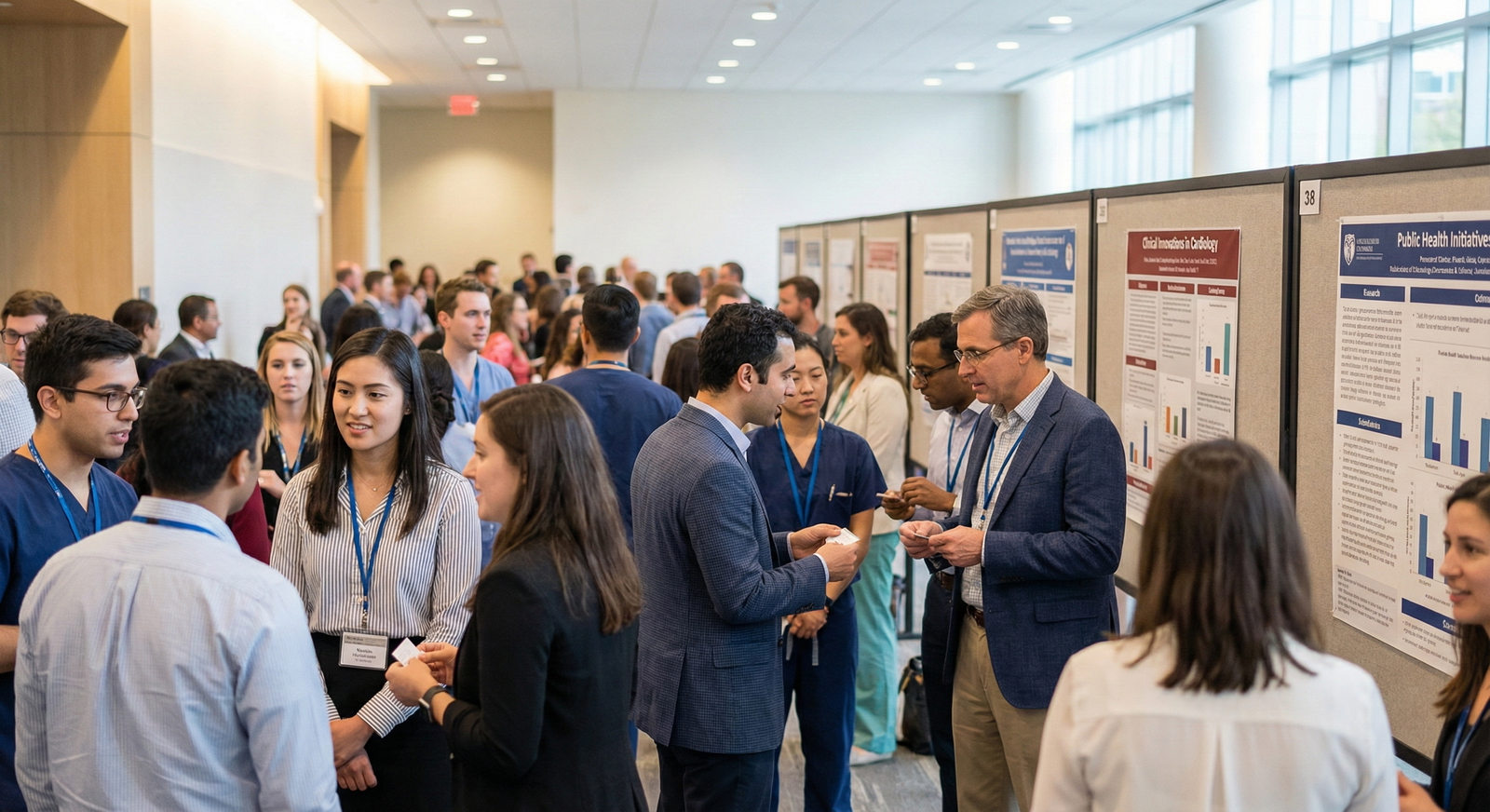
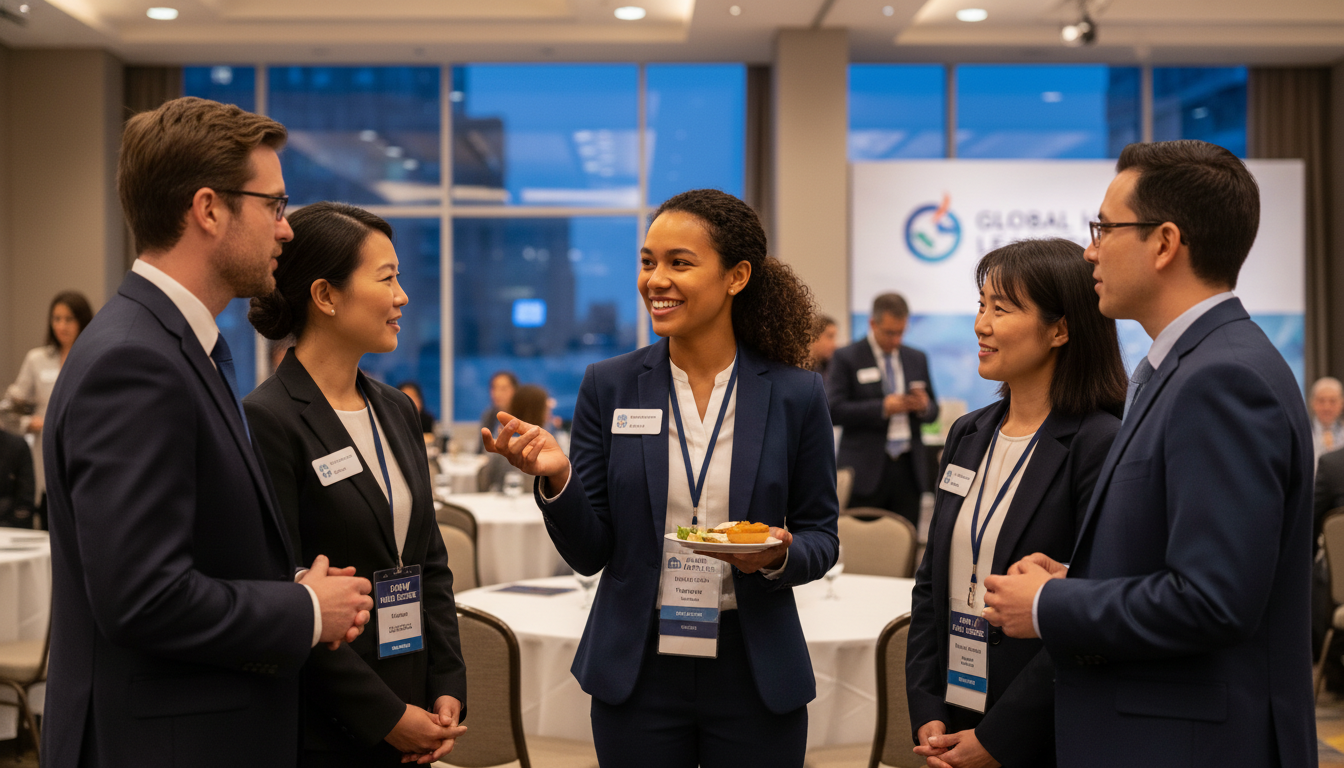
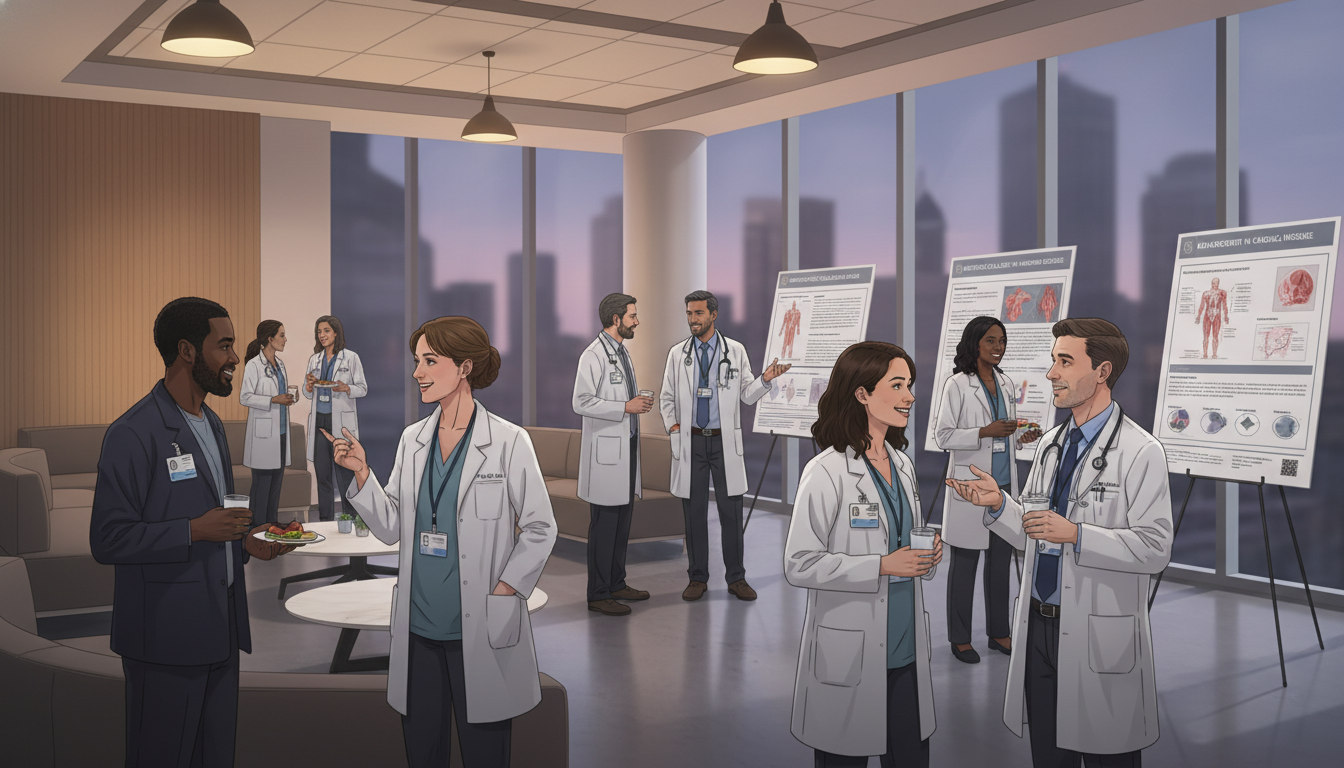
Medical conferences are among the most powerful venues for PM&R networking—but only if you approach them thoughtfully. As a DO graduate focused on the physiatry match, you can use conferences to meet program leaders, learn about programs, and showcase your work.
Choosing Which Conferences to Attend
You don’t need to attend all of them. Prioritize:
AAPM&R Annual Assembly
- “The PM&R conference” with broad attendance from academic and community programs.
- Great for residency fairs, networking receptions, and seeing the full spectrum of physiatry.
AAP Annual Meeting
- Strong for academic PM&R, research, and education.
- Particularly useful if you’re research-oriented or eyeing academic careers.
Subspecialty meetings (depending on your interests)
- Sports medicine, spine, pain, neurorehab, pediatrics, EMG/NCS, etc.
- Smaller meetings can offer more intimate networking.
If budget is limited, aim for at least one major PM&R conference during your application year.
Before the Conference: Prepare Like It’s a Rotation
Set clear goals
- Example goals:
- Meet 3–5 program directors or faculty from target programs
- Talk with at least 5 current PM&R residents
- Present one poster and get constructive feedback
- Learn about 3 new physiatry subspecialties
- Example goals:
Research attendees and programs
- Review the conference program for:
- Residency fairs, trainee lounges, mentor-mentee sessions
- PM&R interest group or DO-focused events
- Identify talks given by faculty at programs you like.
- Review the conference program for:
Schedule in advance
- Email mentors or residents you know: “Will you be at AAPM&R? I’d love to say hello in person.”
- Ask if they can introduce you to anyone.
Prepare your “story” and materials
- A 30–60 second introduction: Who you are, your DO background, your level (MS4, PGY1, etc.), your interest in PM&R, and any focus areas.
- Updated CV (digital and maybe a few printed copies).
- A simple business card or a clean way to share contact info (QR, LinkedIn).
At the Conference: How to Approach People
Residency fair strategy
- Approach residents first; they’re often more approachable and candid.
- Ask targeted questions:
- “How DO-friendly is your program historically?”
- “What rotations do your residents find most valuable?”
- “What qualities do your faculty value in an applicant?”
- If the conversation goes well, it’s natural to ask, “Is the PD or APD here? I’d love to introduce myself briefly.”
Poster sessions
- Presenting a poster is ideal; it gives people a natural reason to talk with you.
- Even if you’re not presenting, walk sessions strategically:
- Focus on PM&R topics that align with your interests.
- Ask presenters a few questions, then introduce yourself and your DO/PM&R background.
Talks and panels
- Sit near the front if possible. After the session, introduce yourself to a speaker you admire:
- “I’m a DO graduate interested in PM&R and really appreciated your perspective on [topic]. Would you mind if I followed up by email about a question I had?”
- Sit near the front if possible. After the session, introduce yourself to a speaker you admire:
After the Conference: Turn Contacts into Relationships
Within 3–5 days:
Email people you met:
- Mention where you met, something you discussed, and how you plan to use their advice.
- If appropriate, attach your CV and politely ask if they’d be open to a future conversation (or if they know of opportunities at their institution).
Connect on LinkedIn and/or professional platforms.
Note important details in a simple spreadsheet: name, role, institution, when you met, what you talked about, and next steps.
This is how a brief conference introduction turns into a meaningful long-term connection.
Day-to-Day Networking: Rotations, Online Presence, and Long-Term Strategy
Conferences are high-yield moments, but most of your networking in medicine happens in daily clinical life, online, and through consistent, small actions.
Making the Most of PM&R Rotations and Electives
Your clinical rotations are some of the strongest networking tools you have, especially away rotations or visiting student electives.
On Rotation: Behaviors That Build Your Reputation
Be present and engaged
- Show up early, prepared, and curious.
- Read about your patients’ conditions and follow through on tasks.
Express your interest in PM&R clearly
- Early in the rotation, tell your attending:
- “I’m a DO graduate applying to PM&R. I’d really value feedback on how I can grow into a strong physiatry resident.”
- Early in the rotation, tell your attending:
Treat everyone well
- Nurses, therapists, case managers, medical assistants—all of them matter.
- PM&R is team-based; your teamwork skills become part of your “brand.”
Ask for feedback and act on it
- Mid-rotation, ask: “Is there anything I can adjust to be more helpful to the team?”
- Incorporate their advice; people remember intentional growth.
These habits often translate into strong letters, which are both evaluative and networking tools—your letter writers talk about you with colleagues and other programs.
The Role of Research in Networking and Match Success
Research doesn’t just add lines to your CV; it’s a vehicle for relationship-building.
- Join ongoing PM&R projects (case reports, QI, retrospective studies).
- Request a discrete, manageable role at first (data collection, literature review, draft case report).
- Show reliability: meet deadlines, respond to feedback, and contribute ideas.
Each co-author is a potential connection. When that paper or poster is presented, your network expands.
Leveraging Online and Social Media Networking
Modern medical networking isn’t only in person.
LinkedIn
- Keep a professional profile: education, PM&R interest, publications, poster presentations, committees.
- Connect with physiatrists, residents, and DO alumni who share your interests.
X (Twitter) / other platforms
- Many PM&R doctors and organizations share research, clinical tips, and career advice.
- Follow relevant hashtags (#pmr, #physiatry, #MedEd, #MedTwitter) and societies.
Professional boundaries
- Maintain professionalism: no patient-identifying info, no unprofessional jokes or comments.
- Assume program directors may see your public content.
Long-Term: Networking Beyond the Physiatry Match
After you match into PM&R residency, networking remains crucial:
- Fellowships: Interventional spine, pain, sports, pediatric rehab, SCI, TBI, etc. often recruit heavily through known networks.
- Jobs: Word-of-mouth opportunities in rehab hospitals, academic centers, and private practices are common.
- Leadership roles: In hospital committees, medical education, or national organizations often start from prior networking and service.
Continue attending conferences, contributing to committees, presenting, and staying in touch with mentors and peers. Your identity shifts from “trainee looking for opportunities” to “physiatrist who creates opportunities for others.”
Practical Networking Scenarios for DO Graduates in PM&R
To make this concrete, here are real-world examples and scripts usable in your own networking.
Scenario 1: Cold Email to a PM&R Faculty Member
You’re a DO graduate at a school with limited PM&R presence. You find a local academic physiatrist’s email.
Email outline:
- Who you are: DO graduate, year, school
- Your interest: applying to PM&R, perhaps particular subspecialty interest
- Your ask: 15–20 minute conversation, shadowing opportunity, or advice on rotations/research
Key tip: Be concise, respectful, and explicit about your DO background—it’s a strength.
Scenario 2: Talking to a Program Director at a Residency Fair
You’ve spoken briefly with a resident; now they introduce you to the PD.
Possible talking points:
- “I’m a DO graduate currently applying to PM&R. I’ve really enjoyed working with rehab teams and am particularly interested in [e.g., spine and pain / neurorehab].”
- “I’d love to hear what you see as defining strengths of your residents and program.”
- “As a DO graduate, is there anything you recommend I emphasize in my application or experiences?”
End with:
- “Thank you for your time. May I follow up by email if I have additional questions?”
- Then, actually follow up.
Scenario 3: Asking a Mentor for a Letter of Recommendation
You’ve done an away rotation in PM&R and received positive feedback.
Approach:
- “I’ve really appreciated your teaching and feedback this month. I’m applying to the physiatry match this cycle. Based on your experience working with me, would you feel comfortable writing a strong letter of recommendation on my behalf?”
This phrasing gives them a graceful way to decline if they cannot write a strong letter, which protects you as well.
FAQs: Networking in Medicine for DO Graduates in PM&R
1. As a DO graduate, do I need to “network more” than MDs to match into PM&R?
You don’t necessarily need to network more, but networking can be especially impactful for DO graduates. It helps:
- Counteract any lingering bias or unfamiliarity about DO training
- Demonstrate who you are beyond board scores
- Build a reputation in a relatively small specialty
If you lack a home PM&R program, networking and mentorship become particularly critical to secure strong letters, rotations, and visibility.
2. What if I’m introverted and find conference networking uncomfortable?
You can still be effective:
- Set small, specific goals: e.g., “Introduce myself to 3 residents and 2 faculty today.”
- Use structured events (residency fairs, trainee lounges, mentorship sessions) where roles and expectations are clearer.
- Prepare and rehearse a short introduction about yourself.
- Remember: listening carefully and asking thoughtful questions are powerful networking skills, often better than trying to dominate conversations.
3. How early should I start networking if I’m aiming for a PM&R residency?
Ideally:
- Preclinical years: Explore PM&R via shadowing or interest groups; start finding a mentor.
- Clinical years: Do PM&R electives and away rotations; attend at least one PM&R conference if you can.
- Application year: Intensify networking through conferences, rotations, and research presentations.
If you’re reading this late (e.g., about to apply), start now. Even a few months of intentional networking can yield meaningful benefits.
4. How do I avoid coming across as insincere or just “using” people?
Focus on:
- Genuine curiosity about others’ work and careers
- Following through when people give you advice or make introductions
- Sharing your progress and gratitude over time
- Looking for ways—big or small—you can contribute: helping with a project, volunteering on a committee, or mentoring those behind you
Networking in medicine and mentorship in medicine both work best when they’re grounded in mutual respect and shared commitment to patient care. If that’s your foundation, your networking will feel authentic—to you and to others.
By understanding the culture of PM&R, embracing your DO identity as a strength, and consistently practicing intentional medical networking—from conferences and rotations to mentorship and online presence—you position yourself not only to succeed in the physiatry match, but to thrive throughout your residency and beyond.