Networking in medicine can feel vague and uncomfortable, especially when you’re a DO graduate aiming for a competitive field like vascular surgery. Yet, for an aspiring or current vascular surgery resident, deliberate, strategic networking is often what transforms solid credentials into real opportunities—research positions, letters of recommendation, fellowship interviews, and early career jobs.
This guide focuses on networking in medicine for DO graduates pursuing vascular surgery, with an emphasis on practical, repeatable steps you can use throughout residency and beyond.
Understanding the Landscape: DO Graduates in Vascular Surgery
Vascular surgery is small, technically demanding, and heavily relationship-driven. As a DO graduate, you may face:
- Limited DO representation in academic vascular surgery departments
- Variable familiarity with osteopathic training among program directors
- Extra scrutiny of board scores and research output
- Fewer “automatic” connections into established vascular surgery networks
At the same time, you bring unique strengths:
- Strong clinical skills and patient-centered training
- Often more community exposure and procedural experience
- Flexibility and resilience developed through navigating the osteopathic residency match and integrated vascular program competitiveness
Why networking matters so much in vascular surgery:
- The specialty is tight-knit; people know one another. Reputations—and recommendations—travel quickly.
- Many vascular surgery opportunities (especially research and jobs) are shared informally first.
- Integrated vascular program directors frequently rely on trusted colleagues’ opinions when deciding who to interview or rank highly.
Networking doesn’t mean forced small talk. It means building sincere, durable professional relationships that align with your interests and values, while making it easy for others to see your potential.
Core Principles of Medical Networking for DO Vascular Surgery Trainees
Before diving into conferences and cold emails, ground yourself with these core principles.
1. Relationships Over Transactions
Avoid approaching networking as “Who can give me an interview/letter/job?” Instead:
- Aim to learn, contribute, and collaborate.
- Ask about others’ work and interests before talking about your goals.
- Follow up over time and stay in touch—even when you don’t “need” something.
People are far more likely to advocate for you when they feel you’re genuinely engaged and respectful of their time and expertise.
2. Consistency Beats Intensity
Networking is not a one-month sprint before ERAS or the osteopathic residency match. It’s built over:
- Repeated conference contacts
- Multi-year mentorship relationships
- Longitudinal collaboration on research or QI projects
Create a steady, minimal but regular routine: one email or message per week, one new meaningful contact per conference, one update to mentors each quarter.
3. Visibility in the Right Places
For a DO graduate in vascular surgery, visibility matters. Be present where vascular surgeons are:
- Societies: SVS (Society for Vascular Surgery), regional vascular societies, and DO-friendly state surgical societies
- Conferences: National and regional vascular meetings, residency/fellowship fairs
- Online: Professional social media (especially X/Twitter and LinkedIn) and research platforms (PubMed, ResearchGate)
Visibility is not about self-promotion; it’s about showing up where your future colleagues already are.
4. Preparedness Signals Professionalism
You build credibility by being organized:
- Have an updated CV and a short 2–3 sentence introduction ready.
- Know your top 2–3 vascular interests (e.g., limb salvage, aortic disease, endovascular innovation).
- Be prepared with smart, concise questions when meeting senior surgeons.
Prepared people are easier to help—and easier to remember.
Building Your Base: Networking Within Your Own Institution
Before you think about national conferences, maximize what’s around you—your home institution or training site. This is your core network and often your strongest source of mentorship in medicine.
Identify Vascular Surgery Allies
Start by mapping the vascular ecosystem where you are:
- Vascular surgery attendings (academic and community)
- Program director and associate PDs
- Chief residents and senior fellows
- Vascular advanced practice providers (PA/NP) involved in research or QI
- Interventional radiology or cardiology colleagues with overlapping interest in peripheral vascular disease
Make a simple list with names, roles, and areas of expertise or interest. This becomes your institutional contact map.
How to Introduce Yourself Effectively
When you’re a DO graduate—especially in a mixed MD/DO environment—clear, confident introductions matter.
Example in-person introduction on vascular rotation:
“Hi Dr. Patel, I’m Dr. [Name], one of the DO residents on service. I’m particularly interested in vascular surgery, especially limb salvage and endovascular techniques. I’d love any feedback on how I can contribute to the team and learn more about the field.”
By explicitly (but humbly) sharing your interest and background, you:
- Signal motivation
- Make it easier for faculty to think of you for research or projects
- Normalize your DO status as a neutral fact, not something you’re apologizing for
Turn Clinical Encounters into Long-Term Connections
Use each rotation and interaction as a seed for a lasting relationship:
Show reliability first.
- Be on time, prepared, and engaged.
- Pre-round, look up anatomy before cases, anticipate needs.
Ask for specific opportunities.
- “If there are any vascular QI or research projects I can help with, I’d be very interested—even in a supporting role.”
Follow through aggressively.
- When offered a task (data collection, literature review), complete it early and above expectations.
- Send a short email summarizing what you did.
Keep in touch.
- Every few months, send a brief update: “I matched into a vascular surgery residency / started PGY-2 / presented at [conference]. Thank you again for your earlier guidance.”
This approach turns one attending who “taught you on rotation” into a long-term mentor or sponsor.

Leveraging Conferences and Professional Societies as a DO Graduate
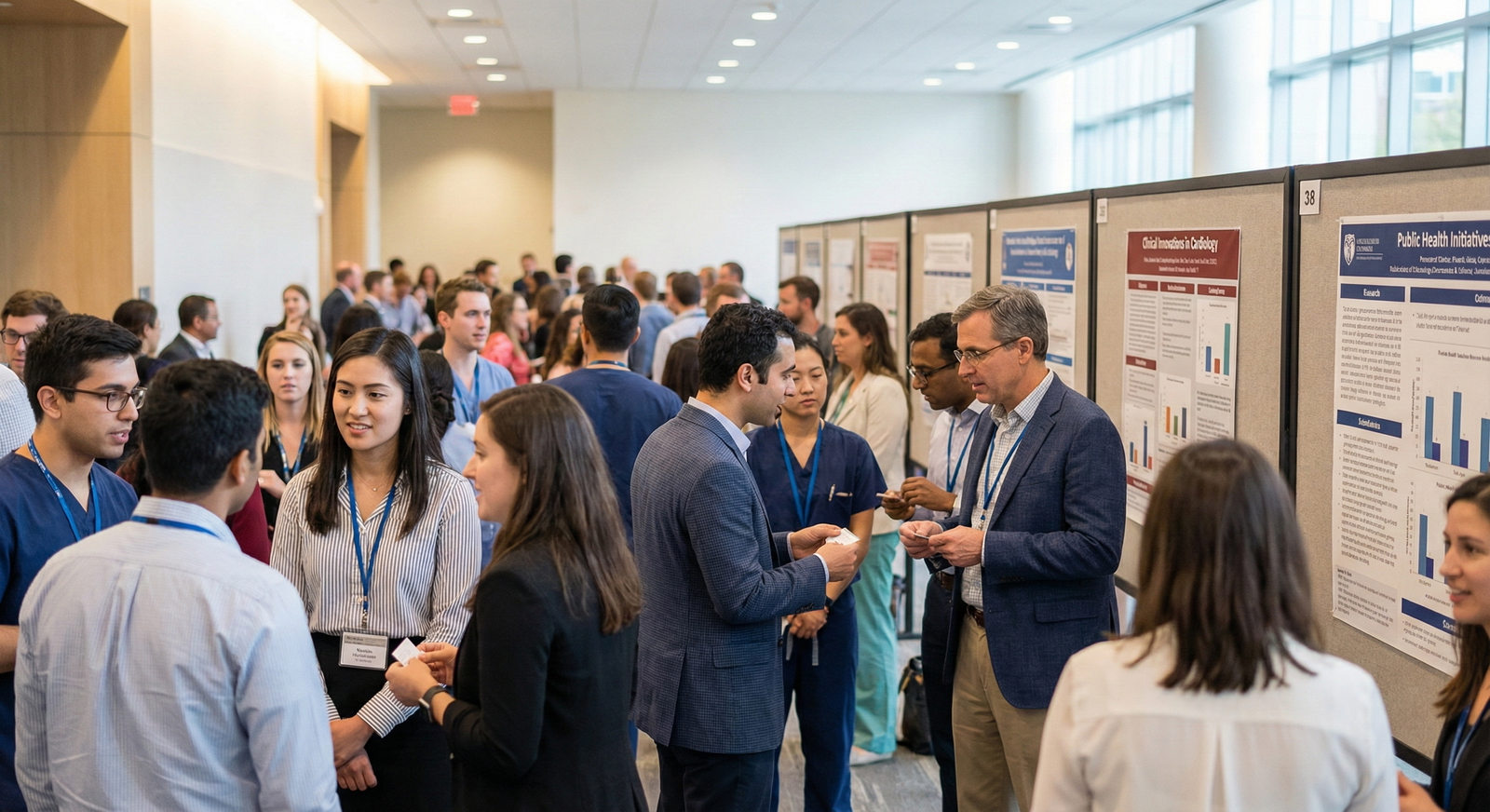
Conferences are prime territory for medical networking, especially in smaller specialties like vascular surgery. They can feel intimidating, particularly if you’re coming from a DO background or a smaller program—but with a plan, they become powerful.
Choose the Right Meetings
Prioritize meetings where you’ll actually interact with vascular surgeons:
- Society for Vascular Surgery (SVS) Vascular Annual Meeting (VAM) – the flagship event
- Regional vascular societies – often more approachable and smaller (e.g., Southern, Eastern, Midwestern vascular societies)
- DO-friendly state or regional surgical meetings – particularly if you trained in an osteopathic residency match environment
If funding is limited, pick one major and one regional meeting per year and aim to present something—poster, oral, or case report.
Go With a Targeted Plan, Not Just a Badge
Before the conference:
Review the program.
- Highlight sessions and symposia on your interests (e.g., complex aortic, limb salvage, venous disease).
- Note sessions labeled “residents,” “fellows,” “career development,” or “mentorship medicine.”
Identify people to meet.
- Program directors and faculty from integrated vascular programs
- Authors of papers you’ve read or cited
- Surgeons at programs where you might apply for fellowship or jobs
Send a few targeted emails in advance.
For example:Subject: DO resident with interest in vascular surgery attending VAM
Dear Dr. [Name],
My name is Dr. [Name], and I am a DO [PGY level] in [General Surgery/Vascular Surgery] at [Institution]. I have a strong interest in [specific vascular area]. I’ll be attending VAM this year and noticed you are speaking on [session topic].
If you have 10–15 minutes during the meeting, I’d be grateful for the chance to briefly introduce myself and ask a few questions about your work and career path.
Thank you for considering,
[Name], DO
[Institution]
[Cell / Email]
Even if only one or two respond, that’s a win.
On-Site: How to Network Without Feeling Awkward
At the conference:
- Wear your badge clearly visible and dress slightly more formal than average (business casual is usually safe).
- Introduce yourself in small groups, not just to senior faculty alone.
- Use simple, direct openings:
- “Dr. [Name], I enjoyed your talk on [topic]. I’m a DO resident interested in vascular surgery—may I ask how you got involved in [subspecialty/technique]?”
- “I’m Dr. [Name], a DO graduate in [year], currently in [program]. I’m exploring vascular surgery and appreciated your comments on training. Do you have any advice for DO applicants?”
Conference networking tips specifically for DO graduates:
- You do not need to lead with “I know I’m a DO, but…”.
- Matter-of-factly include your DO background: “I trained at [DO school], did residency at [institution]…” and move on.
- Let your curiosity, professionalism, and preparation demonstrate your seriousness.
Poster and Podium Presentations as Networking Leverage
Presenting, even a modest case series or QI project, boosts your credibility:
- People now have a reason to approach you and a natural conversation starter.
- Faculty are more willing to meet a trainee who is clearly engaging in scholarship.
- You can reference your work when introducing yourself later: “I presented a poster on [topic] this morning.”
During poster sessions:
- Stand by your poster as much as possible.
- Introduce yourself to everyone who stops:
- “Hi, I’m [Name], a DO resident focusing on vascular surgery. Thanks for stopping by—do you work in this area as well?”
- Ask brief questions about their work or program.
- If you connect well, ask: “Would it be alright if I emailed you later for potential collaboration or advice?”
Strategic Use of Online Platforms and Digital Medical Networking
In modern medicine, your online presence can quietly amplify your networking efforts—especially useful if your institution has limited vascular surgery visibility.
Optimize Your Professional Profiles
LinkedIn
- Use a professional headshot.
- Clearly state “Vascular Surgery Resident” or “General Surgery Resident Pursuing Vascular Surgery.”
- Add specific interests: “Aortic disease, limb salvage, endovascular interventions.”
- List presentations, publications, and vascular rotations.
X (Twitter) – widely used in academic surgery
- Follow vascular leaders, SVS, major journals, and integrated vascular program accounts.
- Share or comment thoughtfully on vascular articles, guideline updates, and conference insights.
- Avoid patient-specific content or anything unprofessional.
ResearchGate / Google Scholar
- Track and showcase your vascular-related publications or case reports.
- Link these in your email signature or LinkedIn.
How to Engage Online Without Overstepping
Online engagement should be professional, concise, and respectful:
- Comment on articles: “Appreciate this work on [topic]. As a DO resident interested in vascular surgery, I found [point] particularly relevant to training.”
- Congratulate surgeons on major publications or awards.
- During conferences, use official hashtags to share learning points (never photos of slides marked confidential, never patient images).
Over time, this builds a sense of familiarity—by the time you meet someone in person, they may already recognize your name.

Maximizing Mentorship and Sponsorship in Vascular Surgery
For a DO graduate, mentorship in medicine is critical—not only for skill development, but also for credibility in the eyes of integrated vascular program leadership and future employers.
Understand the Difference: Mentor vs Sponsor
Mentor
- Guides you, gives advice, helps with career planning.
- Often helps with research projects and skill-building.
Sponsor
- Uses their reputation and position to actively advocate for you.
- Puts your name forward for interviews, fellowships, committees, and jobs.
In vascular surgery, a few key sponsors can dramatically shift your trajectory—especially when your DO background means some gatekeepers may not know your training environment well.
Building a Mentorship “Board of Directors”
Instead of relying on one person, create a small team:
- Clinical/Major Mentor – typically a vascular surgeon at your institution.
- Research Mentor – someone productive in vascular research (could be at another institution).
- Career/Visibility Mentor – someone active in societies, integrated vascular program leadership, or conference planning.
- Peer Mentor – a fellow vascular resident or recent graduate, possibly another DO, who can share real-time tips.
Aim for diversity in background and geography; this widens your network and protects you against institutional limitations.
How to Ask Someone to Be a Mentor
You don’t need a formal ceremony. Often, the relationship evolves naturally. When you’re ready, you can say or email:
“I’ve really appreciated your guidance about vascular surgery and research over the last few months. If you’re open to it, I’d be grateful to consider you one of my mentors as I work toward a career in vascular surgery.”
Mentors are more comfortable committing when you’re already showing initiative and reliability.
Maintaining Strong Mentorship Relationships
To keep mentors engaged:
Send brief, structured updates every 2–3 months:
- Progress (rotations, research, exams)
- Upcoming plans (conferences, applications)
- Specific questions (e.g., “Should I apply broadly to both 5+2 and integrated vascular programs?”)
Make it easy for them to help:
- Provide clear deadlines and supporting documents for letters of recommendation.
- Draft emails or descriptions they might adapt when contacting colleagues on your behalf.
As trust builds, mentors often transition into sponsors, mentioning you in rooms you’re not in—faculty meetings, conference committees, selection panels.
Applying Networking to Key Milestones: Residency, Match, and Early Career
Networking has different tactical aims depending on where you are in training.
During General Surgery or Early Vascular Training
If you’re a DO graduate in a general surgery residency pursuing vascular surgery:
- Secure local vascular experiences (electives, rotations, call coverage).
- Present at least one vascular-focused project per year (even case reports).
- Network at regional meetings where DO trainees may be more visible.
- Get feedback from mentors on:
- Integrated vascular program competitiveness
- Whether to aim for 5+2 pathway or integrated spots
- How your DO background will be perceived and how to proactively address any gaps (e.g., extra vascular rotations, research at academic centers).
If you’re already in a vascular surgery residency (integrated or 5+2):
- Use networking to position yourself for fellowship or early career jobs (academic vs private vs hybrid).
- Seek exposure to different practice patterns and institutions through away rotations, visiting observerships, or multi-center projects.
Osteopathic Residency Match Lessons to Apply Forward
Even if you’re beyond the osteopathic residency match phase, reflect on what you learned:
- Which programs were receptive and supportive of DO graduates?
- How did you successfully introduce your DO background and training?
- Which mentors were particularly effective in advocating for you?
Apply those lessons as you approach the vascular surgery match (integrated or fellowship) or first job search:
- Target known DO-friendly vascular programs.
- Ask prior mentors to introduce you to vascular faculty at key institutions.
- Use your match story to illustrate resilience, adaptability, and strong performance in varied settings.
Transition to Early Career: Turning Networks into Opportunities
As you near completion of vascular training:
Let your network know early (6–12 months) that you’re entering the job market.
Be candid with mentors about what you want:
- Academic vs private practice vs hybrid
- Geographic preferences
- Focus areas (e.g., open aortic, dialysis access, venous disease)
Ask mentors and sponsors:
- “Are there programs or groups where you think my background would be a good fit?”
- “Would you be comfortable introducing me to [X] at [institution]?”
Often, the best jobs never hit the public job boards; they’re filled through medical networking and quiet inquiries.
Common Pitfalls and How to Avoid Them
Even well-intentioned DO graduates can stumble in networking. Watch for these:
Being Too Transactional
- Only contacting people when you need a letter or interview.
- Fix: Check in periodically with quick updates or acknowledgments of their work.
Overemphasizing the DO vs MD Issue
- Apologizing or overly defending your degree.
- Fix: Treat your DO training as one aspect of your story; focus discussions on your skills, achievements, and interests.
Overcommitting and Under-delivering
- Saying yes to multiple projects and then delaying or dropping them.
- Fix: Start small. Finish what you start. Communicate early if timelines change.
Ignoring Non-Physician Colleagues
- Overlooking advanced practice providers, coordinators, research staff.
- Fix: Recognize they often know institutional dynamics, opportunities, and people extremely well.
Being Invisible Online
- No professional footprint, outdated profiles.
- Fix: Set aside one afternoon to update your CV, LinkedIn, and, if applicable, X bio and pin a relevant tweet (e.g., recent presentation).
FAQs: Networking in Medicine for DO Graduates in Vascular Surgery
1. As a DO graduate, will networking really make a difference compared to my board scores and CV?
Yes. Objective metrics open doors, but in vascular surgery’s small community, relationships often determine how far those doors open. Strong advocates can contextualize your DO training, highlight your performance, and push your application from “qualified” to “must-interview.” Networking cannot replace competence, but it can ensure your competence is seen and understood.
2. How should I bring up being a DO when meeting vascular surgeons for the first time?
Be straightforward and neutral: “I’m Dr. [Name], a DO graduate from [school], currently a [PGY level] at [institution] with a focus on vascular surgery.” Then immediately move into your interests, projects, or questions. Don’t lead with apology or defensiveness. If someone asks about your osteopathic training, answer confidently and briefly, then pivot back to shared interests.
3. What’s the best way to follow up after meeting someone at a conference?
Within 3–5 days, send a short email referencing something specific from your conversation:
“Dear Dr. [Name],
It was great meeting you at VAM after your session on limb salvage. I appreciated your point about [specific topic]. As a DO resident aiming for vascular surgery, I found your career path inspiring. I’ll be working on [related project] this year and would value any advice you might have in the future.
Best, [Name], DO”
If appropriate, attach your CV or link to a recent presentation, but keep the email concise.
4. I’m introverted and find conference networking overwhelming. What can I realistically do?
You don’t need to “work the room.” Instead, set small, achievable goals:
- Meet two new people per day (one faculty, one trainee).
- Ask one good question at a session or during a poster walk.
- Spend focused time at your own poster, where conversations are naturally structured.
Quality beats quantity. Over a few years, those limited but meaningful interactions accumulate into a real network.
Intentional, consistent networking—rooted in genuine curiosity and respect—can transform the trajectory of a DO graduate in vascular surgery. Start local, show up prepared, leverage conferences strategically, and cultivate mentors who eventually become sponsors. In a specialty as community-driven as vascular surgery, your network is not just a career enhancer; it’s a core part of how you grow, contribute, and thrive.