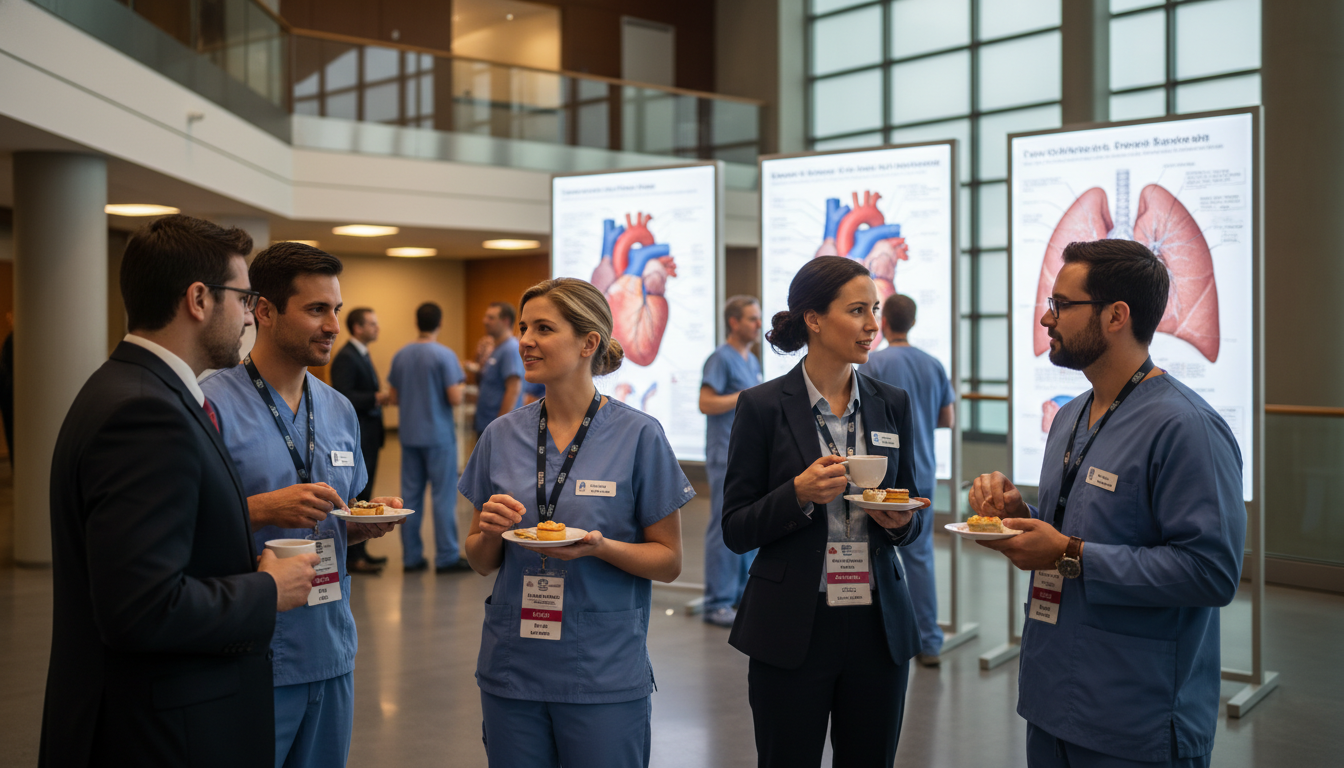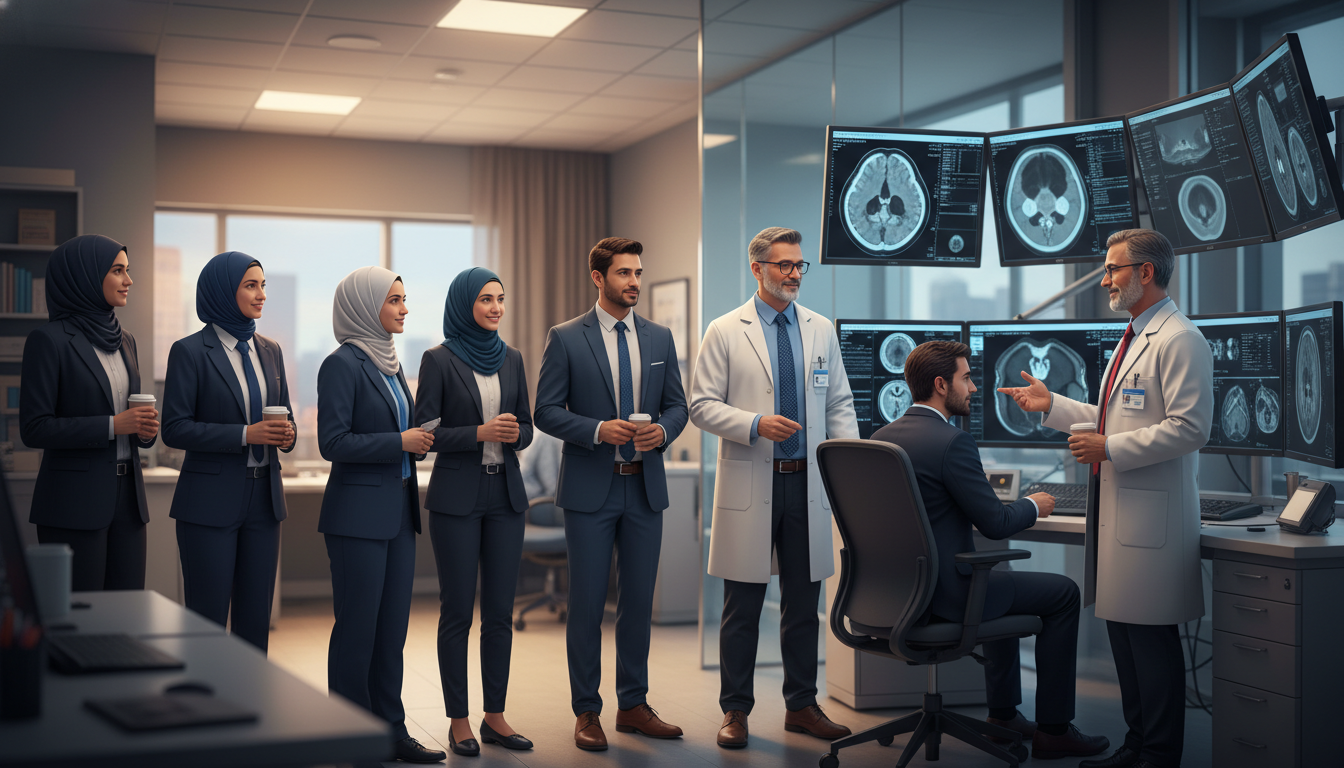
Why Networking Matters So Much for an IMG in Diagnostic Radiology
For an international medical graduate (IMG), networking in medicine is not a “nice-to-have”—it’s a core strategy that can determine whether you successfully enter a diagnostic radiology residency in the U.S. or other competitive systems. Radiology residency is highly sought-after, research-intensive, and relationship-driven. As an IMG, you are often starting with fewer local connections, limited face time with U.S. faculty, and less familiarity with unspoken norms.
Effective networking helps you:
- Get strong US-based letters of recommendation from radiologists who are known and trusted by program directors.
- Find research and quality improvement projects that strengthen your CV and demonstrate sustained interest in radiology.
- Learn the “hidden curriculum” of the diagnostic radiology match: which programs are IMG-friendly, what they value, and how they really assess applications.
- Secure visiting clerkships or observerships that convert into interviews.
- Receive mentorship in medicine specific to radiology, including guidance on subspecialty choices, career planning, and post-residency fellowships.
- Access informal advocacy—faculty who will email, call, or vouch for you with program directors.
For an IMG, networking is not about aggressive self-promotion; it’s about building authentic, professional relationships that show you are committed, reliable, and capable of thriving in a U.S. radiology residency.
Foundations of Strategic Networking for IMGs in Radiology
Before you reach out to anyone, you need a networking strategy tailored to diagnostic radiology and your IMG profile.
1. Clarify Your Networking Goals
Instead of vaguely “meeting people,” define what you want from medical networking over the next 6–24 months. Common, realistic goals include:
- Securing at least two U.S.-based diagnostic radiology letters of recommendation.
- Participating in 1–2 radiology research projects with potential for publication/poster.
- Gaining hands-on exposure or observership experience in radiology at an academic or community program.
- Identifying 1–2 long-term mentors in radiology (for mentorship medicine).
- Expanding your network to 5–10 radiology attendings/fellows who know you by name and can offer advice or referrals.
Write these down and revisit them every 2–3 months. Your networking actions should align with these objectives.
2. Understand What Radiology Programs Look For
Networking is more effective when you embody the traits programs seek. In diagnostic radiology, programs value:
- Strong USMLE/board scores and clinical performance
- Pattern-recognition skills and attention to detail
- Evidence of interest in diagnostic radiology: electives, observerships, research, radiology conferences
- Reliability and professionalism in team settings (especially teleradiology and call situations)
- Communication skills—news delivery to clinicians, effective reporting
- Tech comfort—working with PACS, AI tools, structured reporting
Your interactions—emails, conference networking, research meetings—should consistently signal these attributes.
3. Build a Professional Brand as an IMG in Radiology
As an IMG, you may have to work harder to be visible. Think of your “professional brand” as the consistent story you communicate:
- Your background: Where you trained, what exposure you already have to imaging.
- Your radiology focus: Diagnostic radiology as a whole, or particular interests (e.g., neuroradiology, body imaging, emergency radiology, AI in imaging).
- Your value: Your language skills, international experience, work ethic, and global perspective.
- Your trajectory: A clear, realistic plan to pursue radiology residency, research, and possibly fellowship.
This brand should be reflected in:
- Your CV and personal statement
- Your LinkedIn and, optionally, X / professional social platforms
- How you introduce yourself to new people (your brief “elevator pitch”)
Example elevator pitch for an IMG in radiology:
“I’m Dr. Ahmed, an international medical graduate from Egypt with strong clinical experience in internal medicine and a growing focus on diagnostic radiology. Over the past year, I’ve completed remote structured radiology observerships and contributed to two retrospective CT-based research projects. I’m particularly interested in emergency and chest imaging and I’m working toward matching into a U.S. diagnostic radiology residency, ideally in an academic environment where I can stay involved in teaching and research.”
Core Networking Channels for IMGs in Diagnostic Radiology
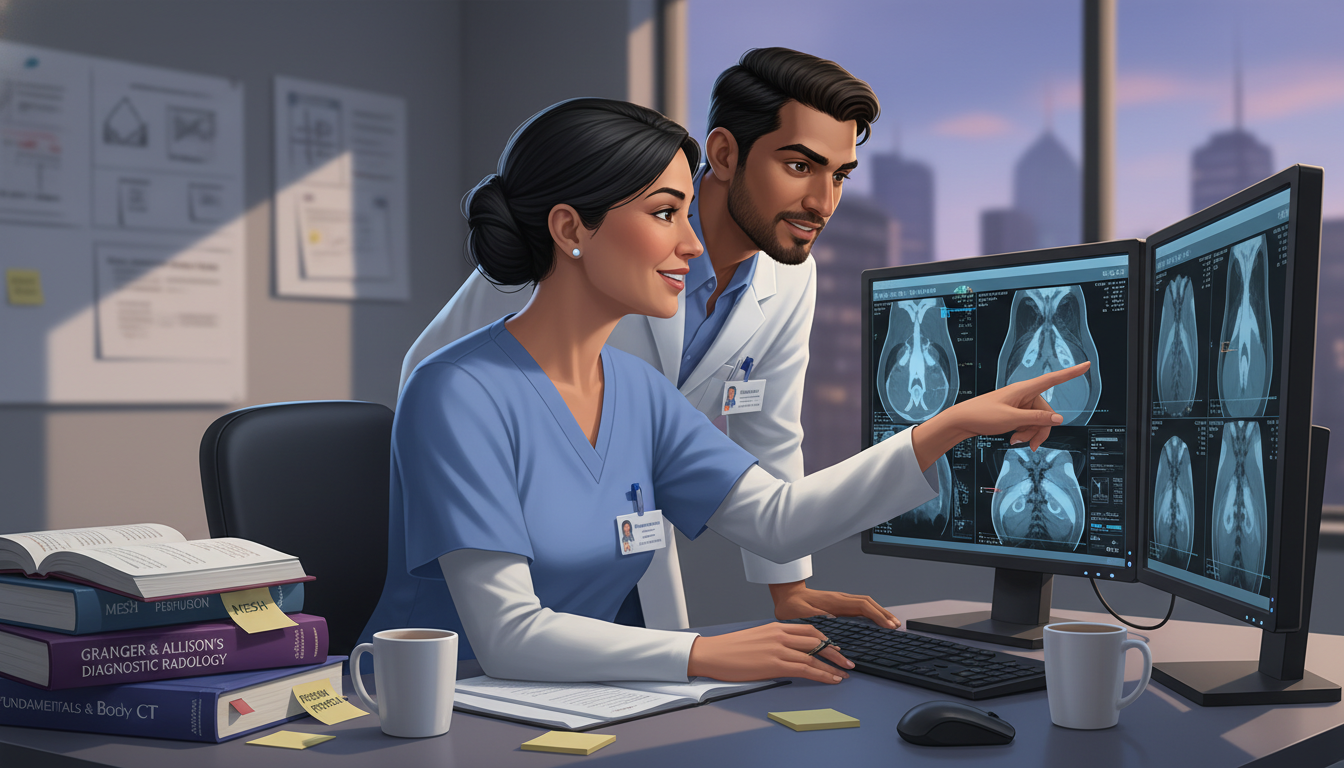
1. Academic Radiology Departments and Observerships
For IMGs, direct exposure to a U.S. radiology department is among the most powerful networking tools.
Types of Experiences
- Clinical electives (for students) – rare but ideal if you are still enrolled.
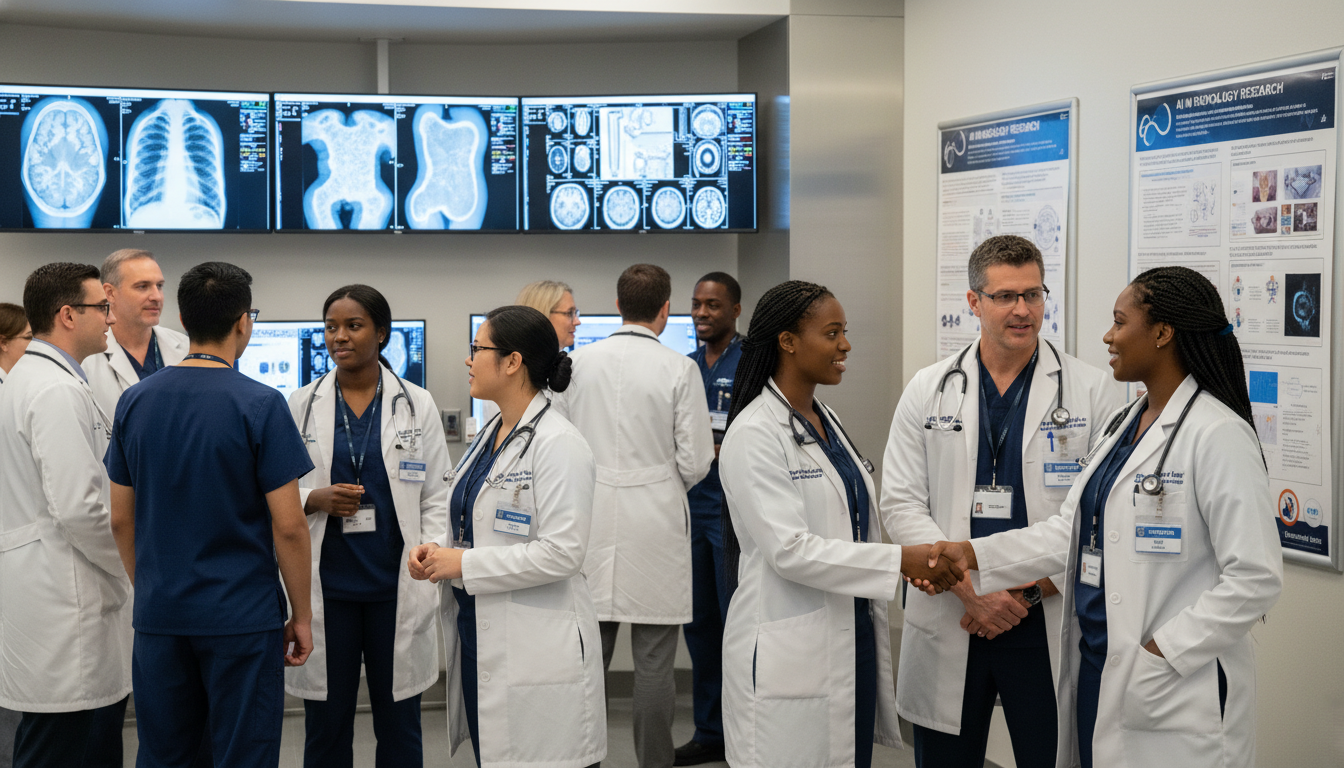
- In-person observerships – shadowing attendings and residents in the reading room, tumor boards, and procedures.
- Remote/virtual observerships or structured teaching programs – increasingly available post-COVID.
- Research-oriented externships – focused on image-based research or AI/data projects.
Each of these puts you in regular contact with faculty, residents, and sometimes program leadership.
How to Find and Secure Positions
Check institutional websites
- Search: “
radiology observership,” “visitor policy,” or “international medical graduate radiology elective.” - Many large academic programs have structured international visitor programs.
- Search: “
Leverage your extended network
- Alumni from your medical school now in the U.S.
- Former co-residents, colleagues, or faculty who have U.S. connections.
- Outreach through LinkedIn to radiology residents/fellows from your country.
Target IMG-friendly programs
- Look at program websites: percentage of IMGs in the residency, historical acceptance of IMGs, visa policy.
- Use NRMP/FRIEDA-type databases, program websites, or applicant forums to identify where IMGs have matched.
Write focused, polite inquiry emails
- Address to coordinator, program director, or international office.
- Make it concise, professional, and specific.
Sample email template:
Subject: International Medical Graduate Interested in Diagnostic Radiology Observership
Dear [Dr./Ms./Mr.] [Last Name],
My name is [Your Name], an international medical graduate from [Country] who has completed [stage of training, e.g., internship/2 years of clinical experience in internal medicine]. I am strongly interested in pursuing diagnostic radiology training in the United States and am writing to inquire whether your department offers any observerships, visiting scholar opportunities, or research-based experiences for IMGs.
I have enclosed my CV for your reference. My primary interests are [e.g., emergency radiology and chest imaging], and I am eager to learn more about U.S. radiology practice, contribute to academic work, and receive feedback on my preparation for the diagnostic radiology match.
Thank you very much for your time and consideration.
Sincerely,
[Your Name, Credentials]
[Contact Information]
Networking During Observerships
Once you’re on-site (or in a structured virtual program), treat each day as a networking opportunity:
- Arrive early, stay engaged in the reading room.
- Ask focused, prepared questions about cases and workflow.
- Attend tumor boards, multidisciplinary conferences, and resident teaching sessions.
- Introduce yourself to residents and fellows:
“I’m Dr. [Name], an IMG visiting from [country], hoping to apply for diagnostic radiology here. I’d love any advice you have about the match process and radiology training.” - Offer help with non-clinical tasks: data collection for retrospective studies, organizing teaching files, literature searches.
These consistent, professional interactions are what build the relationships that lead to strong letters and referrals.
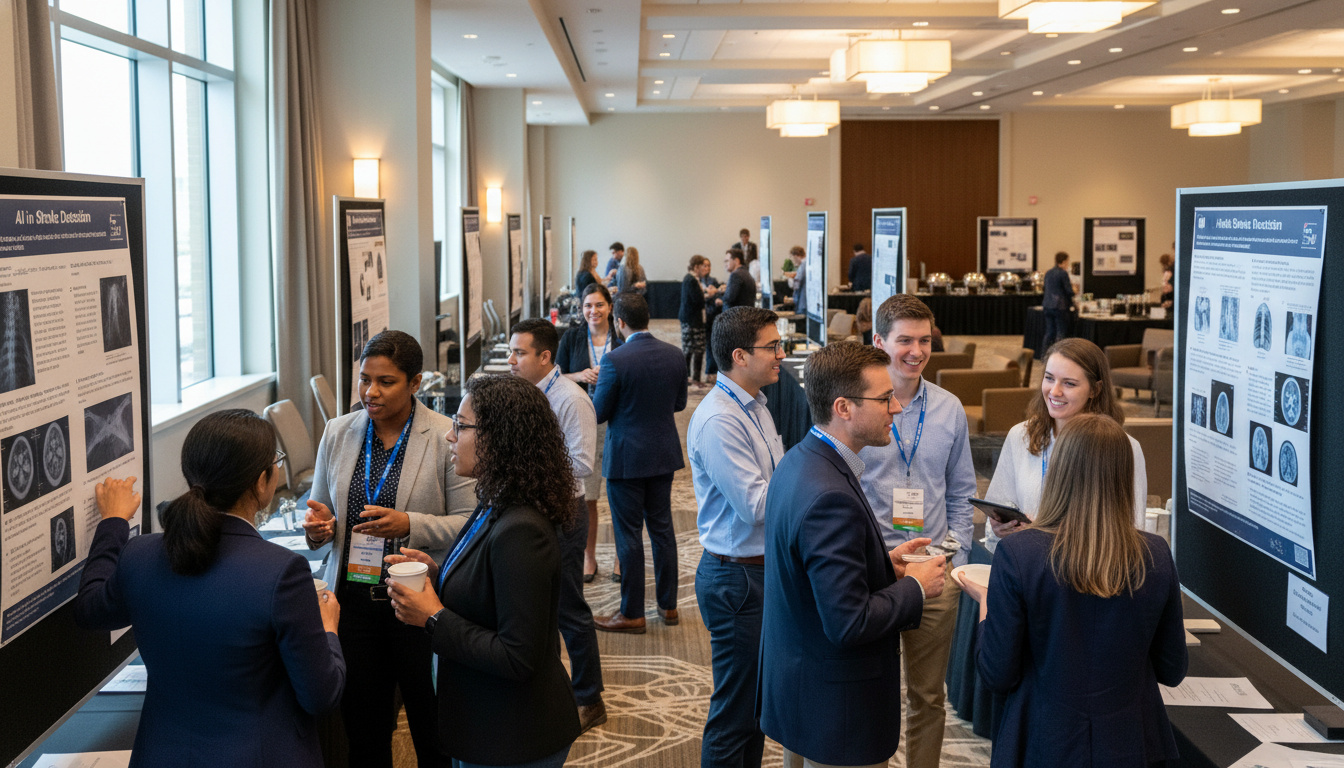
2. Conference Networking: Making the Most of RSNA, ACR, and Local Meetings
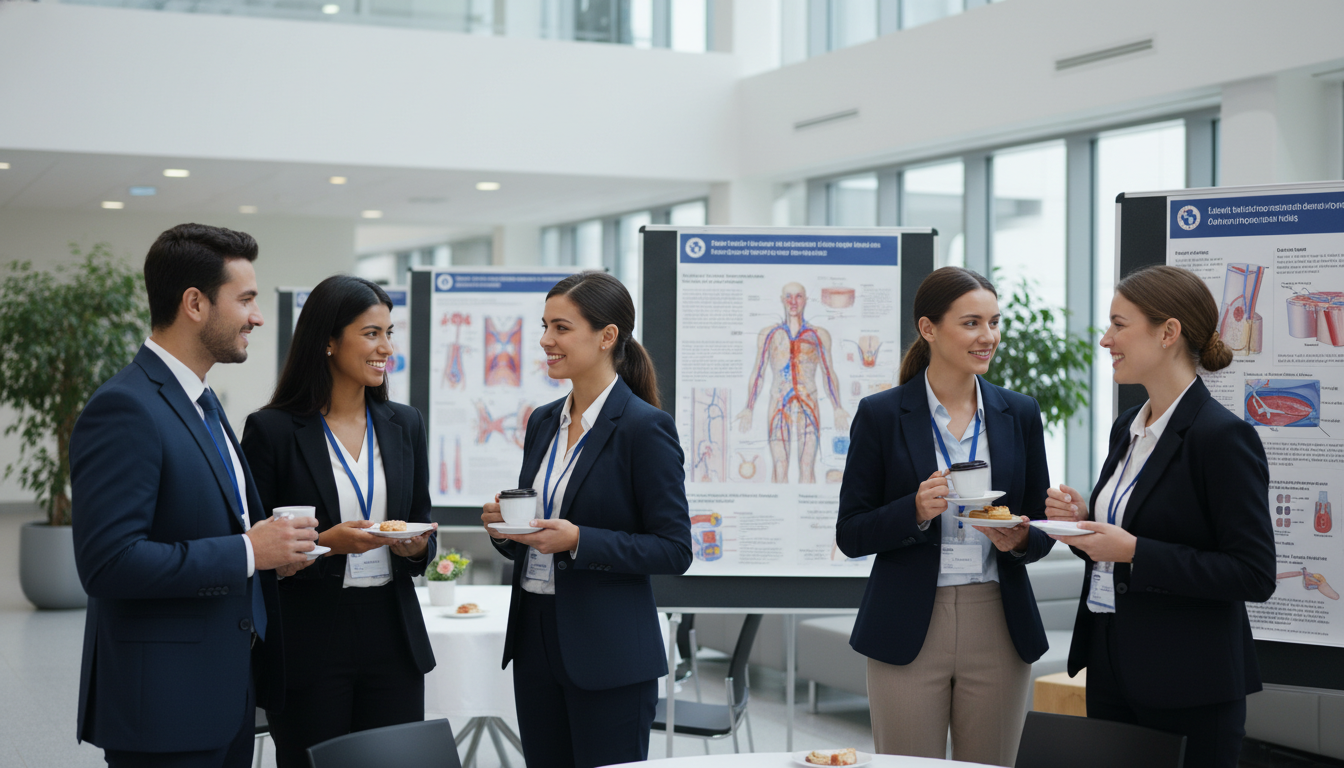
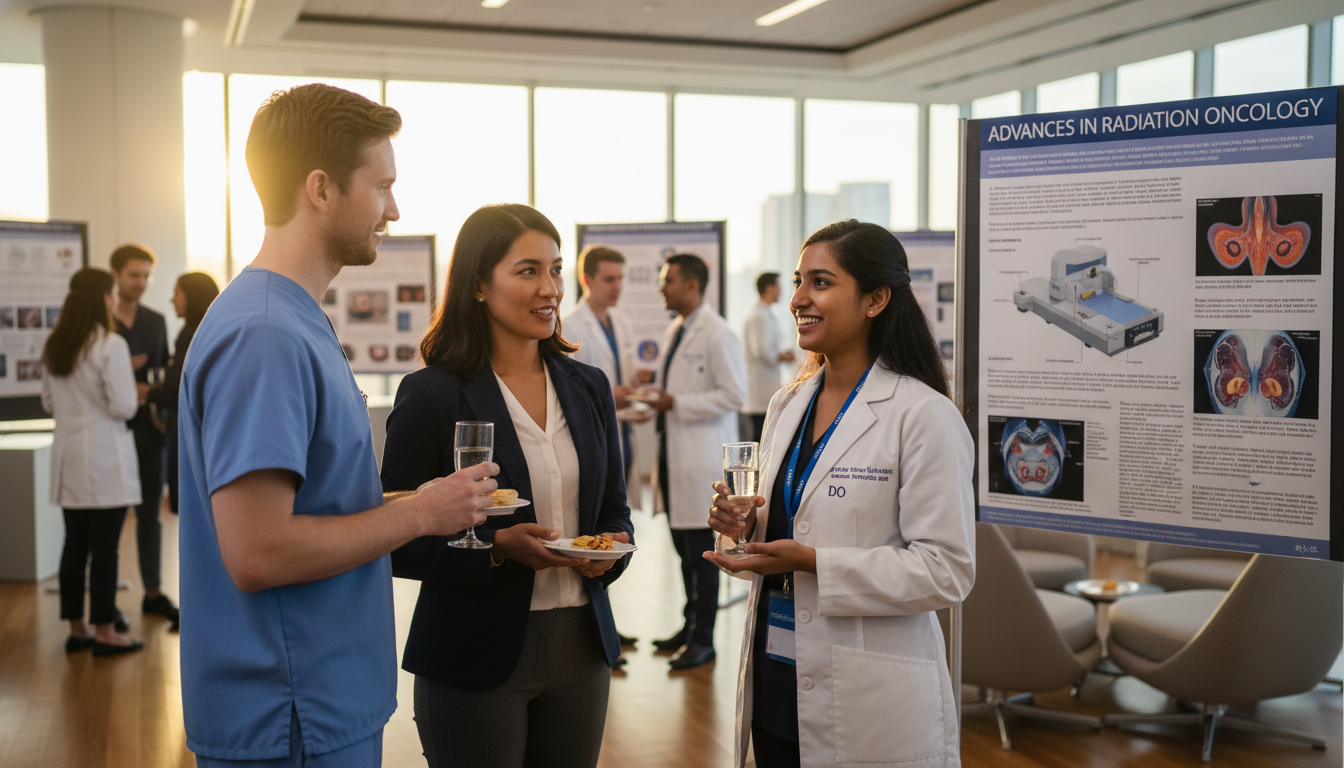
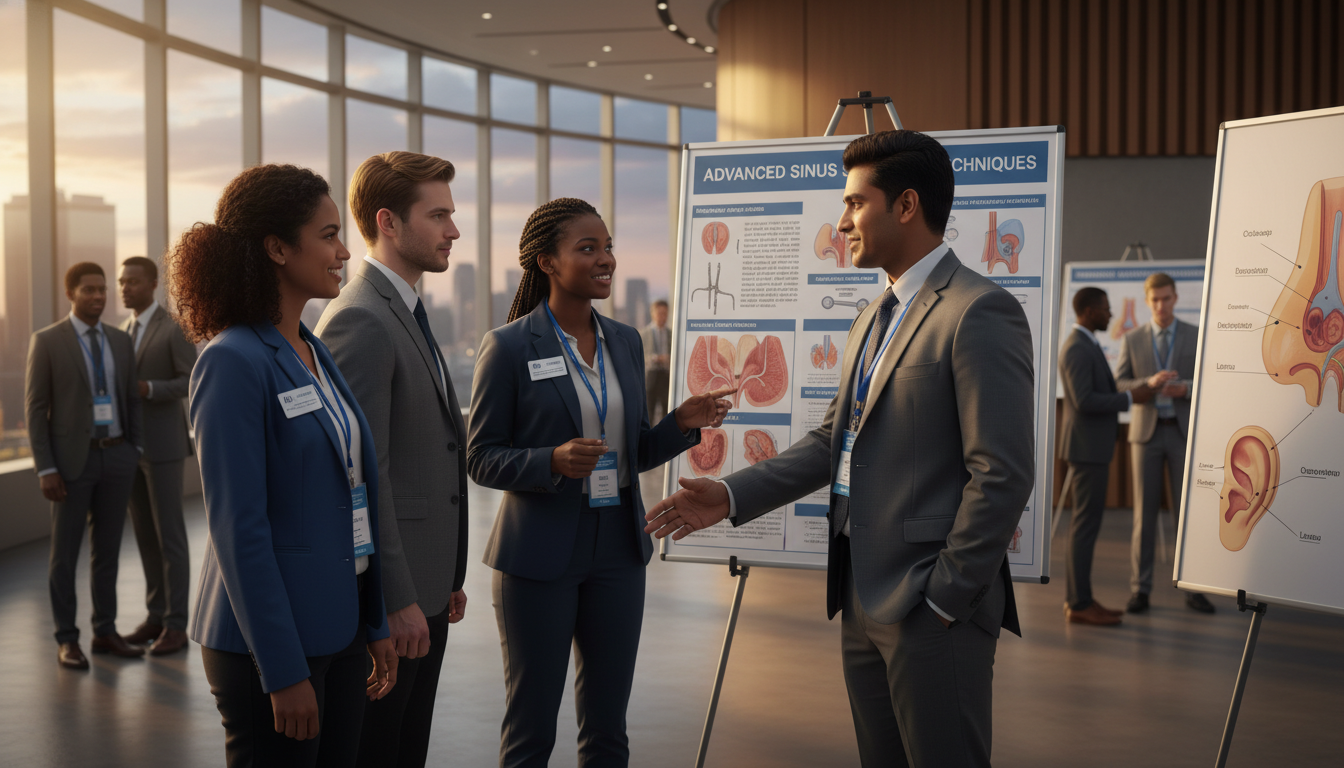
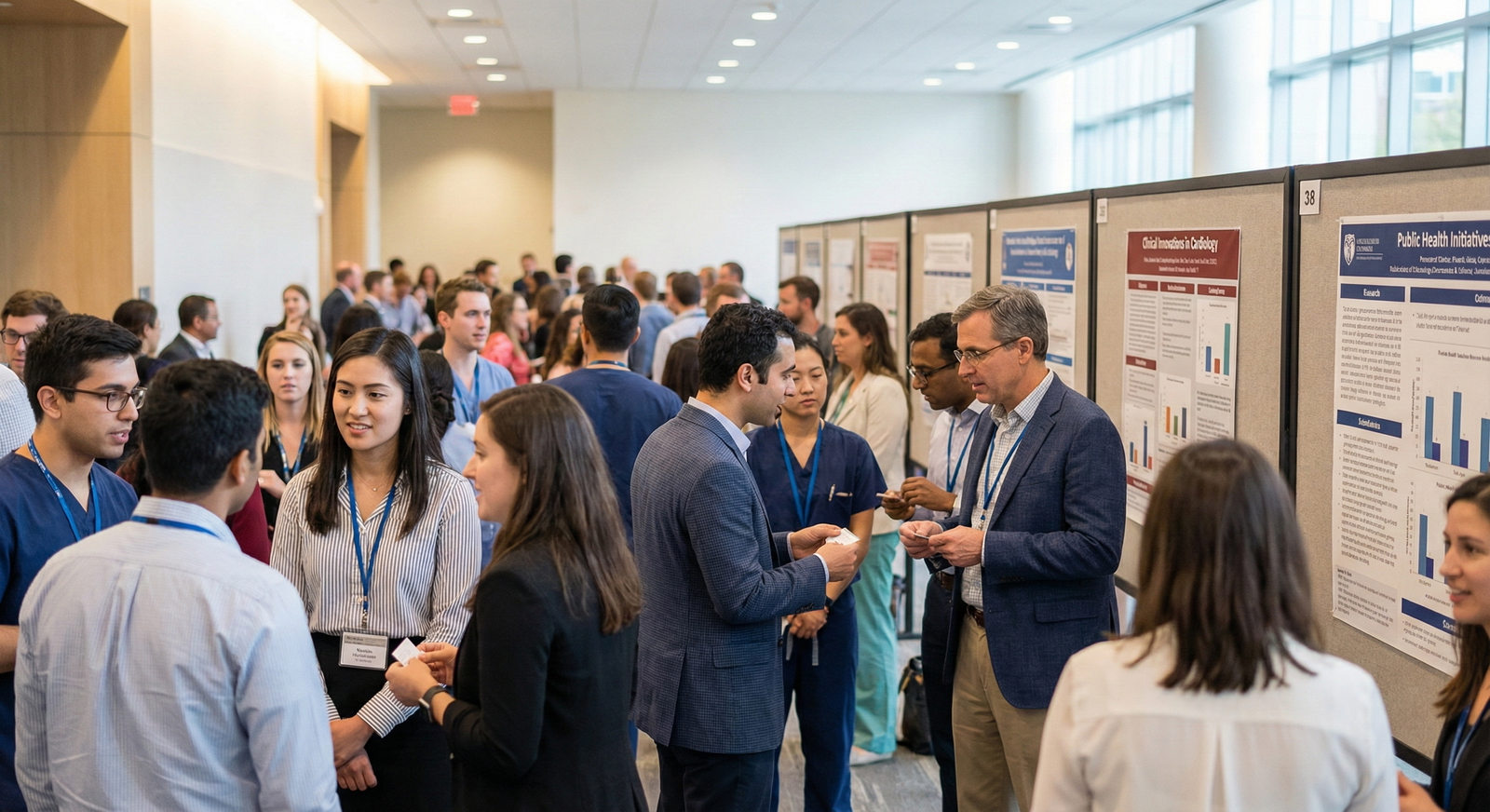
Conference networking is one of the most powerful forms of medical networking for IMGs in radiology. Major radiology societies are accustomed to welcoming international participants, including those preparing for the diagnostic radiology match.
Key Conferences for Radiology Networking
- RSNA (Radiological Society of North America) – Chicago (late November/early December); the largest radiology meeting worldwide.
- ACR (American College of Radiology) – Policy- and practice-focused.
- Subspecialty meetings (e.g., ASNR for neuroradiology, SIR for interventional radiology, SAR/SBI/ESTRO, etc.).
- Regional/state radiology society meetings – smaller settings, easier to interact with faculty.
If you can’t travel, many conferences now have virtual components—still valuable for scientific exposure and limited networking.
Preparing for Conference Networking
- Register early to access schedules and networking features.
- Search the program for:
- Sessions on residency, medical education, global health, and IMGs.
- Presentations by faculty at programs you’re targeting.
- Create a hit list of 10–15 people (program directors, associate program directors, key attendings, or residents) you’d like to meet.
- Prepare:
- A professional, simple business card (if in-person).
- A 30-second introduction about who you are and what you’re seeking.
- 1–2 specific questions for each person (about their program, research, or advice for IMGs).
How to Approach People at Conferences
When you attend a session:
- Sit where you can easily approach the speaker at the end.
- After the talk:
- Introduce yourself briefly.
- Reference something specific from their lecture or work.
- Express genuine interest and ask one focused question.
Example approach:
“Dr. Smith, I’m Dr. Rojas, an international medical graduate from Colombia interested in diagnostic radiology. I really appreciated your talk on emergency CT interpretation—especially your points on structured reporting. I’m currently building my CV for the diagnostic radiology match. Do you have any advice for an IMG trying to gain meaningful research exposure in this field?”
If the conversation goes well:
- Ask if you can stay in touch by email or LinkedIn.
- Follow up within 48 hours:
- Thank them for their time.
- Reference a specific part of your discussion.
- Briefly restate your long-term goals and attach your CV if appropriate.
This is how conference networking transforms casual encounters into lasting professional relationships.
3. Online Networking: LinkedIn, X, and Specialty Communities
For an IMG, online platforms help bridge geographic and time zone gaps and allow ongoing engagement beyond a single rotation or meeting.
LinkedIn for IMGs in Radiology
LinkedIn is a core tool for professional identity and medical networking.
Optimize your profile:
- Professional headshot and headline (e.g., “International Medical Graduate | Aspiring Diagnostic Radiologist | Research in Emergency CT Imaging”).
- About section: 4–6 sentences summarizing your background, interests, and goals.
- Experience and education: Include clinical internships, observerships, teaching activities, and research.
- Skills and interests: Radiology, diagnostic imaging, AI in medicine, evidence-based medicine, etc.
Practical steps:
- Connect with:
- Radiology faculty and residents you meet through observerships or conferences.
- Alumni from your medical school now in radiology.
- Engage:
- Share brief reflections on interesting radiology articles, imaging pearls, or your learning experiences.
- Congratulate connections on achievements or publications.
- Comment thoughtfully on posts from radiology educators and societies.
This builds visibility and credibility in your area of interest.
X (formerly Twitter) and Specialty Forums
Many radiologists, especially academic educators, are active on X. You can:
- Follow:
- Major radiology societies (@RSNA, @RadiologyACR, etc.).
- Radiology education accounts.
- Program directors and educators who frequently tweet about training.
- Engage:
- Like, retweet, or reply with thoughtful comments or questions.
- Participate in radiology hashtag discussions (#FOAMrad, #RadRes, #Radiology, #RadTwitter).
- Be professional:
- Maintain a respectful, academic tone.
- Avoid political or controversial arguments on your professional account.
Some online platforms (e.g., Facebook groups, WhatsApp groups, or dedicated IMG residency guide communities) specifically support IMGs looking for a diagnostic radiology match. Use them to:
- Learn about program culture and IMG-friendliness.
- Find research or observership openings.
- Hear about last-minute cancellations or opportunities.
Mentorship in Medicine: Finding and Working with Radiology Mentors
For IMGs, mentorship medicine is often the difference between wandering and progressing deliberately. Good mentors help you avoid common mistakes, prioritize your efforts, and develop resilience.
Types of Mentors You Should Seek
Career mentor (big-picture guide)
- Often a radiology attending or senior fellow.
- Helps with long-term planning: exam timing, research focus, program selection, backup strategies.
Application mentor (practical strategist)
- May be a recent graduate, resident, or fellow.
- Helps with ERAS strategy, personal statements, interview preparation, and rank list decisions.
Research mentor (academic support)
- Leads or co-leads radiology projects.
- Helps you get abstracts, posters, and manuscripts.
Peer mentor (near-peer support)
- Someone 1–3 years ahead of you (e.g., IMG in PGY-2 radiology).
- Shares real-time tips on surviving intern year, reading room norms, and exam prep.
You don’t need them all at once, but over 1–2 years you should aim to build this small “board of mentors.”
How to Request Mentorship Professionally
Most mentorship starts informally. You demonstrate interest and reliability; the mentor gradually invests more effort. However, at some point, you may formalize it.
Approach:
- Start with a brief meeting or Zoom call where you:
- Share your background and goals.
- Ask for advice on 1–2 specific decisions.
- After 1–2 positive interactions, say:
“I really appreciate your insights about the diagnostic radiology match and how IMGs can position themselves. If you’re open to it, I’d be grateful to stay in touch as a mentee and update you about my progress a few times a year.”
Then:
- Follow through on suggestions.
- Update them periodically (not weekly; every 2–3 months is usually reasonable).
- Offer help where appropriate (e.g., data entry for a study, helping with literature reviews).
Mentors are far more likely to advocate for IMGs who demonstrate consistency, humility, and follow-through.
Applying Networking to the Diagnostic Radiology Match
Once you have relationships, you need to translate them into concrete advantages in the diagnostic radiology match.
1. Letters of Recommendation (LoRs)
Strong, detailed LoRs from U.S. radiologists are particularly important for IMGs.
How networking helps:
- Faculty know you better and can comment on your work ethic, communication, and curiosity.
- Research mentors and teaching attendings can speak to both academic potential and clinical promise.
To request a letter:
- Ask in person (if possible) or via email.
- Time it near the end of an observership, research project, or major collaboration.
- Phrase it professionally:
“Based on our work together on [observership/research/teaching project], I was wondering if you would feel comfortable writing a strong letter of recommendation in support of my application to diagnostic radiology residency programs.”
Provide:
- Your CV
- A draft personal statement
- A summary of your interactions (reminding them of key projects or experiences)
- A list of your programs (if they want to tailor comments)
2. Program Targeting and Insider Information
Through networking, you gain insight into:
- Which programs are truly IMG-friendly vs. those that only rarely rank IMGs.
- How heavily programs weigh USMLE scores, research, step attempts, or visa issues.
- Program culture: research-focused vs. community-oriented, call burden, fellowship opportunities.
Use this knowledge to:
- Build a balanced list of programs (safe, target, and reach).
- Focus on programs where your mentors or contacts have direct relationships with decision-makers.
3. Advocacy and “Soft” Letters
Sometimes, a mentor may informally reach out to a program director or faculty they know well:
- An email stating:
“I worked closely with Dr. X, an IMG from [country]. They are exceptionally hard-working, reliable, and serious about radiology. I strongly recommend them for consideration in your program.”
While this is not always visible in your ERAS file, it can meaningfully influence interview offers or rank decisions.
4. Staying Professional During Interview Season
Your network can also:
- Conduct mock interviews with you (especially U.S.-trained mentors).
- Advise on how candid to be about visa status, personal hardships, and geographic preferences.
- Debrief after interviews to help you interpret signals (e.g., second looks, follow-up emails).
Remember: your reputation moves ahead of you. Poor email etiquette, unprofessional social media content, or unreliable behavior during observerships can be shared informally and damage your chances—sometimes beyond a single program.
Common Pitfalls and How IMGs Can Avoid Them
Even motivated IMGs make missteps in networking in medicine. Being aware of these helps you avoid them.
1. Being Too Transactional
Faculty and residents can sense when someone only cares about a letter or a reference.
Avoid:
- Asking for LoRs before doing any meaningful work together.
- “Collecting” short-term contacts without genuinely engaging.
Instead:
- Focus first on learning, contributing, and building trust.
- View letters and advocacy as outcomes, not opening requests.
2. Over-emailing or Under-emailing
- Over-emailing: multiple follow-ups in the same week, long messages, urgent tone.
- Under-emailing: disappearing for months after being offered help or opportunities.
Aim for:
- Concise emails (5–8 sentences).
- Reasonable follow-up intervals (e.g., 1–2 weeks after a missed reply).
- Periodic check-ins every 2–3 months for mentors, especially when you have updates or specific questions.
3. Ignoring Non-Radiology Connections
Some IMGs focus only on radiology attendings and forget:
- Internal medicine, surgery, and emergency medicine faculty who can vouch for your clinical maturity.
- Program coordinators and administrators, who are often the gatekeepers for observerships and rotations.
- Non-radiology research mentors with strong academic reputations.
These individuals can still contribute strong letters and referrals and can speak to your work ethic and professionalism, which is valued across specialties.
4. Neglecting Professionalism on Social Media
If you use social platforms for medical networking:
- Use your real name and consistent academic identity.
- Avoid attacking individuals, sharing patient information, or posting unprofessional content.
- Remember that many program directors quietly look at public online profiles.
FAQs: Networking in Medicine for IMGs in Diagnostic Radiology
1. As an IMG, when should I start networking for a diagnostic radiology residency?
Ideally 12–24 months before your planned application cycle. This gives enough time to:
- Secure observerships or remote rotations.
- Participate in at least one research project or abstract.
- Build relationships that can evolve into strong letters of recommendation.
- Attend at least one major radiology conference or several local meetings.
If you’re starting closer to your application cycle, focus first on one or two high-yield connections (e.g., a research mentor and an observership supervisor) rather than spreading yourself thin.
2. I have no contacts in the U.S. How can I start from zero?
Start with structured, accessible networks:
- Your medical school alumni abroad—especially those in radiology or related specialties.
- IMG residency guide communities and online forums that share opportunities.
- LinkedIn searches:
- Filter by “diagnostic radiology” and your home country to find radiologists with similar backgrounds.
- Cold outreach to radiology departments for observerships, virtual electives, or research collaborations.
From your first one or two connections, your network can grow organically if you remain professional and consistent.
3. How important is conference networking compared to observerships?
Both are important but serve slightly different roles:
- Observerships and clinical experiences:
- Deeper, longer-term interactions.
- More likely to lead to strong LoRs and detailed knowledge of your work habits.
- Conference networking:
- Broader exposure to many institutions at once.
- Good for finding research opportunities, mentors at other institutions, and learning about program cultures.
If you must prioritize as an IMG with limited resources, try to:
- Secure at least one observership or structured remote experience in radiology.
- Attend at least one major or regional radiology conference during your preparation period if financially feasible (even virtually).
4. How do I balance networking with studying for exams and working?
Create a structured, realistic schedule:
- Dedicate 1–2 hours per week solely to networking tasks:
- Writing or replying to emails.
- Updating your CV and LinkedIn.
- Reaching out to potential mentors or collaborators.
- Use “stacked” opportunities:
- Network during observership hours, conferences you already attend, or online journal clubs.
- Set monthly goals:
- Example: “This month, I will contact three potential research mentors, attend one virtual radiology webinar, and update two mentors about my exam progress.”
Over time, consistent, small efforts compound significantly—especially for IMGs pursuing the diagnostic radiology match.
Effective networking in medicine—especially in diagnostic radiology—requires strategy, persistence, and authenticity. As an international medical graduate, you may begin with fewer local advantages, but you bring unique strengths: global experience, resilience, adaptability, and often multilingual skills. With purposeful networking, targeted conference networking, thoughtful mentorship in medicine, and a clear plan for the diagnostic radiology match, you can build the relationships that open doors to a successful radiology residency and a meaningful career in imaging.