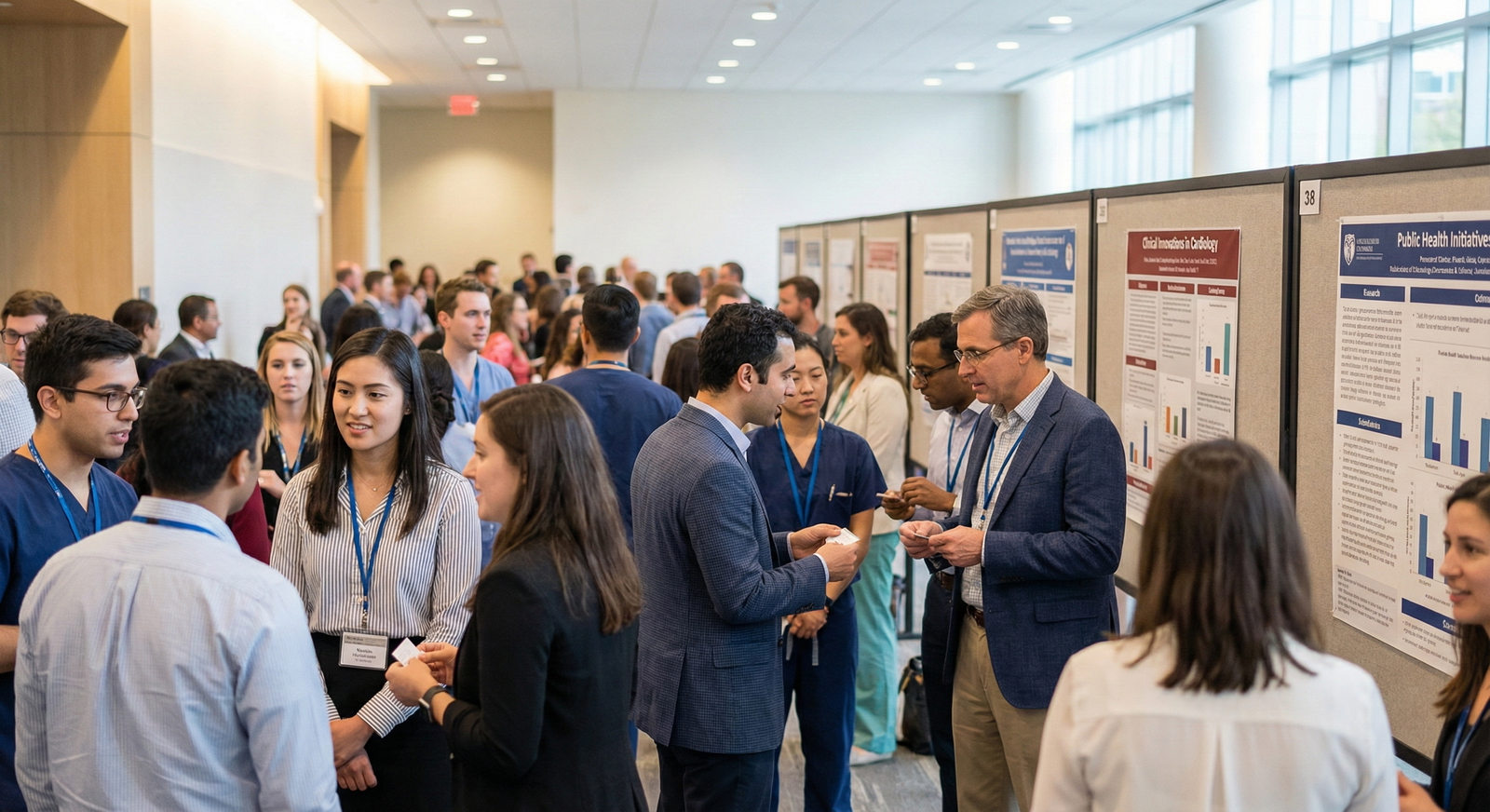
Why Networking Matters So Much for IMGs in Internal Medicine
For an international medical graduate (IMG), clinical skills and exam scores are necessary—but they are rarely sufficient on their own to secure a strong internal medicine residency position. In the competitive IM match, who knows you and how well they know you often influences:
- Which programs offer you interviews
- Who is willing to strongly recommend you
- Whether faculty feel confident ranking you highly
Networking in medicine is not about superficial self-promotion. It is about building real, professional relationships that:
- Help others solve their problems (clinical, academic, or educational)
- Provide you with mentorship, feedback, and opportunities
- Allow you to demonstrate your reliability, work ethic, and integrity over time
For IMGs, purposeful networking can:
- Compensate for lack of a U.S. medical school network
- Lead to clinical observerships, research positions, and electives
- Generate strong, personalized letters of recommendation
- Provide early information on which internal medicine residency programs are IMG‑friendly
- Help you navigate visa issues and career transitions
Think of networking as your parallel curriculum alongside USMLE prep and CV building. Done correctly, it is a long-term investment that pays off well beyond the match—into fellowship applications, job searches, and lifelong mentorship in medicine.
Foundations: Mindset and Strategy for IMG Medical Networking
Before you start emailing attendings and registering for conferences, you need the right mindset and strategy. This IMG residency guide focuses on intentional, ethical networking that feels authentic rather than forced.
1. Adopt a “give more than you take” mindset
Strong medical networking is based on mutual value, even if at first it seems like senior physicians are giving more.
Ways an IMG can genuinely add value:
- Offer to help with data entry, literature searches, or manuscript formatting for research projects
- Volunteer for quality improvement (QI) tasks during an observership (e.g., chart audits, protocol summaries)
- Share perspectives on healthcare in your home country when relevant to global health work
- Help peers prepare for exams, OSCEs, or residency interviews
- Be the reliable person who follows through 100% on what you promise
When you focus on being useful and dependable, people will want to keep working with you and introduce you to others.
2. Understand the “networking ladder” for IMGs
Not all networking opportunities are equal. For an IMG in internal medicine, the most impactful connections are usually:
Direct clinical supervisors
- Attending physicians and fellows who see you working consistently
- Source of strong clinical letters, advocacy, and word-of-mouth referrals
Research mentors and collaborators
- Can speak to your academic strengths and perseverance
- Often connected to program directors and division chiefs
Program leadership and chief residents
- Program directors, associate PDs, chief residents
- Influence interview offers and rank lists
Peer network and near-peers (current residents, recent graduates)
- Provide “inside information” about program culture, expectations, and opportunities
- Can recommend you informally to faculty
Extended professional connections (conference contacts, online communities)
- Provide broad exposure and potential future collaborations
- Helpful for long-term career growth, less directly tied to one match cycle
Plan your efforts so that over 12–24 months you are gradually moving up the networking ladder—from weak, distant ties to strong, trusted relationships with people who can speak in detail about your abilities.
3. Build a clear, consistent professional narrative
Networking is more effective when people can understand who you are and where you are going.
Clarify three things:
Your “why” for internal medicine
- Specific experiences that drew you to IM (e.g., continuity of care, complex multi-system disease)
- Link to your strengths (analytic thinking, communication, teamwork)
Your focus or interests within IM (even if still evolving)
- Examples: hospital medicine, cardiology, academic medicine, quality improvement, medical education
Your current stage and goals
- Step status (completed/pending), research or clinical experience timeline
- Target application cycle and geographic preferences
This narrative should appear consistently when you:
- Introduce yourself in emails
- Talk to physicians at conferences
- Update mentors on your progress
- Present your CV or LinkedIn profile
Consistency makes you memorable and credible.
Everyday Networking: Clinical Rotations, Observerships, and Research
Most meaningful networking for IMGs happens where you spend time regularly: clinics, inpatient services, labs, and meetings. This is where people can see your work ethic and reliability, not just hear your story.

1. Turning observerships and electives into networking gold
Many IMGs underestimate how powerful observerships and electives can be for networking in medicine if approached intentionally.
Before starting:
- Research each attending you might work with (PubMed, institutional profiles, LinkedIn)
- Identify one or two people per month you especially want to know better (e.g., program leaders, researchers in your area of interest)
- Prepare a concise self-introduction (30–45 seconds) that answers:
- Who you are
- Your IM interest
- Your current goal (e.g., “applying for internal medicine residency in the 2026 IM match”)
During the rotation:
Focus on three core qualities every resident program values:
Reliability and professionalism
- Arrive early, stay appropriately late
- Complete tasks without needing repeated reminders
- Communicate clearly with residents and team
Teachability and curiosity
- Ask focused questions after reading
- Accept feedback without defensiveness
- Volunteer for presentations or short teaching moments
Team orientation
- Offer help to residents (notes, data gathering, patient education)
- Show respect to nursing and ancillary staff
Then, strategically build relationships:
- Identify 1–3 attendings or senior residents you connect with
- Ask 1–2 thoughtful questions during downtime:
- “How did you decide on internal medicine as a specialty?”
- “What do you think makes an IMG stand out positively in this program?”
- Request a brief meeting in the last week:
- “Dr. Smith, would it be possible to schedule 10–15 minutes sometime this week? I’d really appreciate your feedback on my performance and any advice you have for my path to internal medicine residency.”
After the rotation:
Send personalized thank‑you emails:
- Highlight one specific thing you learned or appreciated
- Briefly restate your goal (e.g., “I’m planning to apply in the 2026 IM match”)
- Ask if you may stay in touch with occasional updates
Maintain light, periodic contact every 2–4 months:
- Share a major milestone (exam passed, publication, new clinical experience)
- Respect their time—1 short paragraph is enough
When appropriate, request a letter:
- “Given that you observed my work directly for four weeks, I was wondering if you’d feel comfortable writing a strong letter of recommendation for my internal medicine residency applications.”
- Emphasize “strong” to allow them to decline politely if they cannot support you fully
2. Maximizing research for networking and mentorship in medicine
Research can be both a CV booster and a networking engine, especially in academic internal medicine.
Finding mentors and projects:
- Search internal medicine departments and subspecialty divisions (cardiology, GI, pulmonary, etc.)
- Identify faculty whose work aligns with your interest (e.g., diabetes, heart failure, health disparities)
- Send focused, customized emails:
- 2–3 sentences about you and your goal in IM
- 1–2 sentences about why their specific work interests you
- Clear ask: “Would you have any ongoing projects where an IMG with strong data and writing skills could contribute remotely or onsite?”
Once you start working with a mentor:
- Agree on specific tasks and deadlines
- Communicate progress proactively (don’t wait until the deadline)
- Request regular (even brief) check‑ins—these are where networking deepens
Over time, a good research collaboration can lead to:
- Co-authored abstracts and publications
- Introductions to other faculty at conferences or within the department
- Strong letters describing your persistence, critical thinking, and teamwork
Example: How a research network led to interviews
An IMG with limited U.S. clinical exposure connected with a hospitalist researcher via email. After 8 months of consistent work on a QI project:
- They co-authored a poster at a national internal medicine conference
- The mentor introduced the IMG to two program directors at the meeting
- Both programs later offered interviews, explicitly referencing the mentor’s recommendation
This pathway is common when IMGs are reliable over time.
Conference Networking: Turning Short Encounters into Long-Term Allies
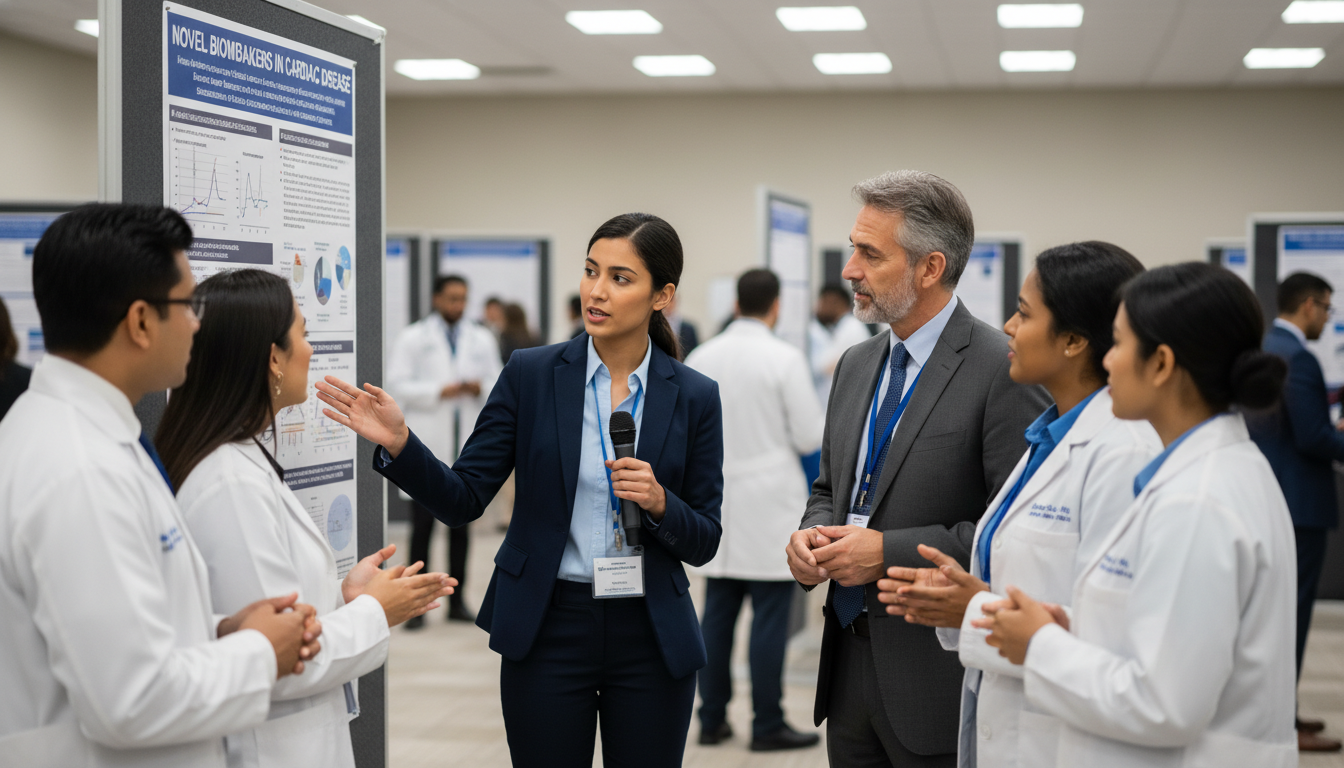
Medical conferences (local, regional, and national) are powerful but underutilized venues for IMGs. Even if your budget is limited, one well-chosen conference where you present work can create multiple high-yield connections.
1. Choosing the right conferences
For internal medicine-focused IMGs, consider:
- American College of Physicians (ACP) meetings (national and local chapters)
- Society of Hospital Medicine (SHM) if you are interested in hospitalist careers
- Subspecialty societies (e.g., ACC for cardiology, ATS for pulmonary/critical care)
- Regional academic IM conferences hosted by universities
Priority order:
- Conferences where you present a poster or talk
- Conferences where your mentor can introduce you to others
- Conferences known to attract program directors or fellowship directors
2. Preparing before the conference
To maximize conference networking:
- Ask your mentor: “Who would you recommend I try to meet there?”
- Make a short list (5–10 names) of people in your field of interest
- Prepare:
- A 30-second introduction (“elevator pitch”)
- 2–3 thoughtful questions tailored to each person’s work
- A simple, professional-looking one-page CV or QR code to your LinkedIn
If you’re shy or introverted, script some starter phrases:
- “Dr. Lee, I really enjoyed your talk about heart failure transitions of care. I’m an IMG interested in internal medicine and hospital medicine—would you mind if I asked you a quick question about your career path?”
- “I’m working with Dr. X on a QI project; I’ve read some of your papers in this area. Could I get your thoughts on one challenge we’re facing?”
3. During the conference: practical tactics
- Stand by your poster during your assigned session and genuinely engage visitors
- Visit sessions where IM program directors or recognized educators are speaking
- Ask concise, relevant questions during Q&A (state your name and that you’re an IMG applying to IM)
- Meet people through your mentor: “Dr. Y, I’d like you to meet Mr. / Dr. [Your Name], an IMG I’ve been working with on our QI project.”
When you meet someone important:
- Listen more than you talk
- Ask about:
- Their trajectory in internal medicine
- Advice for IMGs entering U.S. residency
- Their perspective on skills the next generation of internists needs
Before leaving the conversation:
- Ask: “Would it be okay if I connect with you via email or LinkedIn to stay in touch and possibly ask for further advice?”
4. After the conference: turning contacts into relationships
Within 3–5 days, send personalized follow‑up messages:
- Remind them where you met and what you discussed
- Thank them for a specific insight or suggestion
- If applicable, attach your poster or share a link to your abstract
- Keep the email short and respectful of time
Example:
Dear Dr. Patel,
It was a pleasure meeting you after your talk on improving transitions of care at the ACP meeting last week. I appreciated your advice about focusing on communication skills early in residency.
As I mentioned, I’m an international medical graduate working on a QI project in hospital medicine and planning to apply in the 2026 internal medicine residency match. I hope to stay in touch and will keep you updated on my progress.
Thank you again for your time and inspiration.
Sincerely,
[Name]
Then, maintain light touchpoints every 4–6 months: updates, questions, or sharing work that connects to their interests.
Online and Long-Distance Networking: Building a Presence Before You Arrive
Many IMGs start networking before they even arrive in the U.S. or while they are still taking exams. Thoughtful online presence and long-distance relationships can set you up for observerships, research, and future letters.
1. Optimizing your professional profile (LinkedIn and beyond)
Use LinkedIn as your main public networking profile:
- Professional photo: simple, neutral background; clinic or business attire
- Headline: make it specific
- “International medical graduate pursuing internal medicine residency | Interested in hospital medicine & quality improvement”
- About/Summary section: 3–5 short paragraphs covering:
- Medical training background and home country
- Commitment to internal medicine and key interests
- Step/USMLE progress (if you’re comfortable sharing)
- Current activities (research, observerships, volunteering)
- Goal: applying for IM residency in year X
Also consider:
- A simple personal website (optional but helpful) listing CV, abstracts, projects
- A ResearchGate or Google Scholar profile if you already have publications
2. Using social media professionally
Platforms like X (Twitter) and professional Facebook groups can be useful if used carefully for:
- Following IM departments, journals, and societies
- Engaging with #MedEd, #MedTwitter, #IMResidency conversations
- Identifying mentors with shared interests in mentorship medicine, education, or specific IM subspecialties
Rules for safety:
- Avoid posting anything that breaches patient confidentiality
- Stay away from controversial, aggressive, or unprofessional debates
- Use social media more for listening, learning, and light engagement than self-promotion
3. Email networking: cold outreach that doesn’t feel cold
Thoughtful, concise emails can open doors to:
- Observerships and shadowing
- Remote or onsite research work
- Informational meetings with faculty or residents
Structure your message:
Subject line: clear and specific
- “Prospective IMG interested in internal medicine research collaboration”
- “International medical graduate seeking observership opportunities in internal medicine”
Opening: who you are (1–2 sentences)
Connection: why you chose them specifically (1–2 sentences referencing their work)
Ask: clear, reasonable, and time-bound
Close: gratitude and flexibility
Example:
Dear Dr. Johnson,
My name is [Name], an international medical graduate from [Country] currently preparing for the USMLE exams and planning to apply for internal medicine residency in the 2027 IM match.
I recently read your article on reducing readmissions in patients with heart failure and was particularly interested in your use of multidisciplinary care pathways. I share a strong interest in quality improvement and hospital medicine.
I wanted to ask whether you might have any ongoing projects where an IMG with experience in data collection and literature review could potentially contribute, even remotely. I would be grateful for any opportunity to assist your team, or for any general advice you might have regarding involvement in internal medicine research.
Thank you very much for your time and consideration.
Sincerely,
[Name]
Accept that many emails will not be answered. Your goal is not 100% success; it is 5–10% positive responses that you nurture into real relationships.
Mentorship, Sponsorship, and Avoiding Common Pitfalls
Networking in medicine is not just about collecting contacts; it is about building trusting, bidirectional relationships. For IMGs, understanding the difference between mentorship and sponsorship—and avoiding common mistakes—can be decisive.
1. Mentors vs. sponsors in internal medicine
Mentor:
- Gives guidance, feedback, and career advice
- May review your personal statement or CV
- Helps you think through difficult choices
Sponsor:
- Uses their reputation and position to actively advocate for you
- Recommends you for interviews, committees, or projects
- Might call or email colleagues to support your application
In a successful IM career, you eventually need both. Often, sponsors emerge from mentors who have:
- Worked with you for months to years
- Observed you in multiple settings (clinical, research, teaching)
- Developed confidence in your integrity and reliability
Your job as an IMG is to:
- Show consistency and growth over time
- Make it easy for mentors to support you (provide updates, organized documents, clear goals)
- Ask explicitly, but respectfully, when you need active advocacy
Example ask:
“Dr. Ahmed, I know you are very familiar with my work over the past year on the diabetes QI project. If you feel comfortable, would you be willing to recommend me to any internal medicine programs or colleagues you think might be a good fit for my background as an IMG?”
2. Common networking mistakes IMGs should avoid
Transactional mindset
- Only contacting people when you need something
- Better: maintain light, ongoing communication and show interest in their work
Mass, generic emails
- Copy-paste messages without personalization
- Faculty recognize this immediately and ignore them
Overconfidence or misrepresentation
- Exaggerating skills, roles, or publications
- Medicine is a small world; integrity is paramount
Neglecting boundaries
- Sending long, frequent emails
- Expecting instant responses
- Ignoring “no” or non-response as an answer
Ignoring peers and near-peers
- Focusing only on senior attendings
- Current residents and senior IMGs can be your strongest advocates and best practical guides
3. Respecting cultural differences and communication styles
As an international medical graduate, you may come from a culture where:
- Hierarchy is very strong
- Students rarely approach professors directly
- Self-promotion is discouraged
In U.S. academic internal medicine:
- Respectful initiative is usually appreciated
- It is acceptable to express pride in your work, as long as you remain humble and accurate
- Clarifying expectations is viewed positively
If you’re uncertain, you can even name the difference:
- “In my home system, we usually do not contact faculty directly, so I hope this email is appropriate. I genuinely appreciate any guidance you can provide.”
This honesty often increases trust rather than harming it.
Bringing It All Together: A Practical 12–18 Month Networking Plan for IMGs
To make this IMG residency guide actionable, here is a sample timeline for someone targeting internal medicine residency in 1–2 years.
Months 1–3
- Clarify your professional narrative: why IM, what interests, what goals
- Create/refresh LinkedIn and CV
- Begin following key IM departments, societies, and educators online
- Start targeted email outreach for:
- Observerships or clinical experiences
- Research collaborations
Months 4–6
- Begin observership or research position (if possible)
- Focus on reliability, professionalism, and relationship-building
- Identify 2–3 potential mentors and schedule brief feedback meetings
- Register for at least one conference where you or your team can present work
Months 7–9
- Present a poster (virtual or in-person)
- Network at the conference with a list of 5–10 targeted people
- Maintain contact with new connections via personalized follow-up
- Continue to deepen relationships with mentors and near-peers
Months 10–12
- Request strong letters of recommendation from those who know your work well
- Ask mentors about IMG-friendly internal medicine residency programs
- Refine personal statement and application materials with mentor feedback
- Begin using your network to understand program culture and fit
Months 13–18 (Application and Interview Season)
- Let your network know when you apply—politely mention programs of special interest
- If appropriate, senior mentors may advocate for you with specific programs
- Use current residents and recent graduates for mock interviews and advice
- After interviews, send personalized, professional thank‑you notes
Across this entire period, remember: networking is cumulative. Each interaction builds on earlier ones. Your goal is not perfection, but consistent, professional presence.
FAQs: Networking in Medicine for IMGs in Internal Medicine
1. I’m an IMG with no U.S. contacts. Where should I start networking?
Start with what you can control:
- Build a strong LinkedIn profile and professional email identity
- Reach out to faculty in internal medicine departments whose interests match yours
- Join national or local ACP and attend virtual events
- Look for remote research opportunities where physical presence is not required
Even one successful connection can lead to several others over time.
2. How many mentors do I need as an IMG applying to internal medicine residency?
You don’t need many; you need the right few. Aim for:
- 1–2 primary mentors who know you well and see your growth over time
- 2–3 additional supporters (research collaborators, rotation attendings, chief residents)
Quality, depth, and continuity matter more than quantity.
3. Is it appropriate to ask a faculty member I barely know for a letter of recommendation?
It is possible but rarely ideal. The strongest letters come from people who have:
- Worked closely with you
- Directly observed your clinical or research skills
- Seen you handle challenges and feedback
If you must ask someone who knows you only briefly, be honest about the short duration and provide helpful materials (CV, summary of your work, personal statement) while acknowledging they may not be able to write a strong, detailed letter.
4. What if my English or communication skills are not perfect? Will that hurt my networking?
Flawless English is not required; clarity, respect, and effort are. Steps you can take:
- Practice introductions and common phrases ahead of time
- Ask trusted friends or mentors to review key emails
- Focus on listening actively and asking thoughtful questions
- Use your improvement in communication as a story of resilience and adaptability
Most faculty understand that IMGs are operating in a second language. They care more about your honesty, professionalism, and willingness to learn than perfect grammar.
Intentional, ethical networking in medicine transforms the IM residency journey from a solitary, confusing path into a supported, mentored progression. As an international medical graduate pursuing internal medicine, every genuine relationship you build—whether through clinical work, research, or conference networking—moves you closer not just to matching, but to thriving as a future internist.