Why Networking in Medicine Matters for the MD Graduate in Anesthesiology
For an MD graduate pursuing anesthesiology, clinical excellence is necessary—but it’s not sufficient. The modern landscape of the anesthesia match, fellowship placement, and early career opportunities is heavily influenced by who knows your work, who trusts your judgment, and who is willing to advocate for you. That’s what networking in medicine really is: building a trusted professional reputation through relationships.
As an MD graduate from an allopathic medical school, you already have a strong academic foundation. Strategic medical networking now becomes your leverage—whether you are entering the anesthesiology residency match, aiming for a competitive fellowship (cardiac, critical care, pain, pediatric), or preparing for employment in private practice or academics.
This article will walk you through:
- How networking actually works in anesthesiology (beyond “schmoozing”)
- Concrete strategies for the MD graduate residency applicant
- How to use conference networking, mentorship in medicine, and digital platforms effectively
- Examples of emails, elevator pitches, and follow-ups you can adapt
- A structured plan to build and maintain your anesthesiology network over time
Understanding Networking for the Anesthesiology MD Graduate
Networking in medicine often sounds vague or uncomfortable, especially for people who’d rather be in the OR than in a hotel ballroom making small talk. Reframing how you think about it makes it far more approachable.
Networking Is Professional Relationship-Building, Not Self-Promotion
In anesthesiology, networking centers on three key pillars:
- Reputation – Are you seen as reliable, prepared, and teachable?
- Visibility – Do people in the specialty know you and your interests?
- Reciprocity – Do you contribute value (effort, ideas, collaboration) to others?
Networking is not:
- Collecting as many business cards as possible
- Flattering people to get something
- Only about getting letters or jobs
Networking is:
- Showing up consistently and doing high-quality work
- Communicating your interests and goals clearly
- Staying connected over time with mentors and peers in anesthesiology
Why It Matters Specifically in Anesthesiology
For the MD graduate planning or already in anesthesiology residency, networking impacts:
Allopathic medical school match outcomes:
Away rotations and letters from known anesthesiologists can significantly influence your place on rank lists. Well-informed advocates amplify your strengths in the anesthesia match.Residency experiences:
Faculty who know your interests may:- Offer you choice elective experiences (e.g., cardiac, regional, OB)
- Invite you to participate in QI projects, educational initiatives, or research
- Trust you with higher-responsibility roles when you’re ready
Fellowship placement:
In anesthesiology, subspecialty fellowships often value:- Letters from recognizable faculty
- Direct calls or emails from mentors
- Knowledge of your performance from shared contacts
Job opportunities:
Many attending positions are filled via:- Word-of-mouth between anesthesiology groups
- Internal candidates or residents known to the department
- Referrals from trusted colleagues
In short: clinical excellence earns respect; networking ensures people know about that excellence when decisions are being made.
Building Your Anesthesiology Network Early: Medical School & Transition to Residency
If you’re an MD graduate just entering anesthesiology residency—or applying to the anesthesia match—this is a pivotal period. The relationships you build now will often shape the first decade of your career.
Step 1: Start with Your Immediate Environment
Get to Know Your Home Department
If you are still at or near your allopathic medical school:
- Attend anesthesiology grand rounds regularly
- Introduce yourself briefly to the program director, chair, and key faculty
- Join or help with departmental QI projects or journal clubs
If you’ve moved on from your MD program:
- Maintain contact with your previous anesthesiology faculty or advisors
- Ask if you can continue collaborating on any ongoing projects
A simple starter script when meeting a faculty member:
“Hi Dr. Smith, I’m Dr. Patel. I just graduated from X School of Medicine and I’m starting anesthesiology this July. I’m especially interested in regional anesthesia and perioperative outcomes research. I’ve heard great things about your work in ERAS—would it be okay if I emailed you to learn more about ongoing projects?”
This brief introduction signals: who you are, your goals, and an intention to contribute.
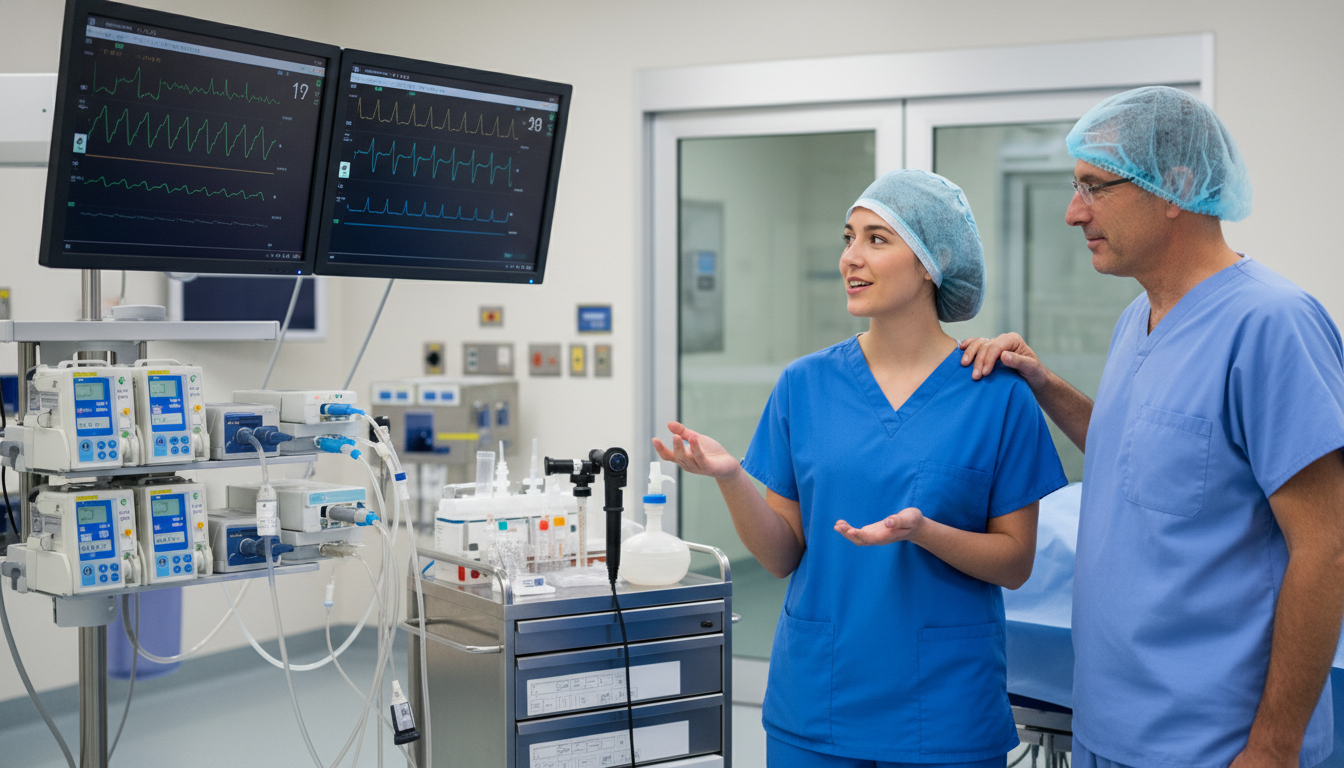
Leverage Rotations and Clinical Time
On any anesthesiology rotation (as a medical student or new resident):
- Arrive early, prepared—review cases, know basics of pharmacology and physiology
- Ask focused questions that show preparation, for example:
- “I read about multimodal analgesia for total knees. How do you decide between femoral nerve block and adductor canal block in your practice?”
- Invite short-term mentorship:
- “Would you be open to my emailing you about possible research or QI projects related to regional anesthesia?”
Your day-to-day reliability is the most powerful networking tool you have.
Step 2: Use the Anesthesia Match Process Intentionally
If you are still in the anesthesia match phase as an MD graduate:
Away rotations:
- Treat these as month-long interviews.
- Request feedback proactively: “I’d appreciate any suggestions you have for how I can improve as a future anesthesiology resident.”
- If an attending is particularly supportive, ask politely if they would consider writing a letter after you’ve proven yourself.
Pre-interview and interview season:
- Connect with current residents—these peers can become your first national network.
- After an especially positive interaction with a faculty member, send a brief thank-you email mentioning something specific you learned.
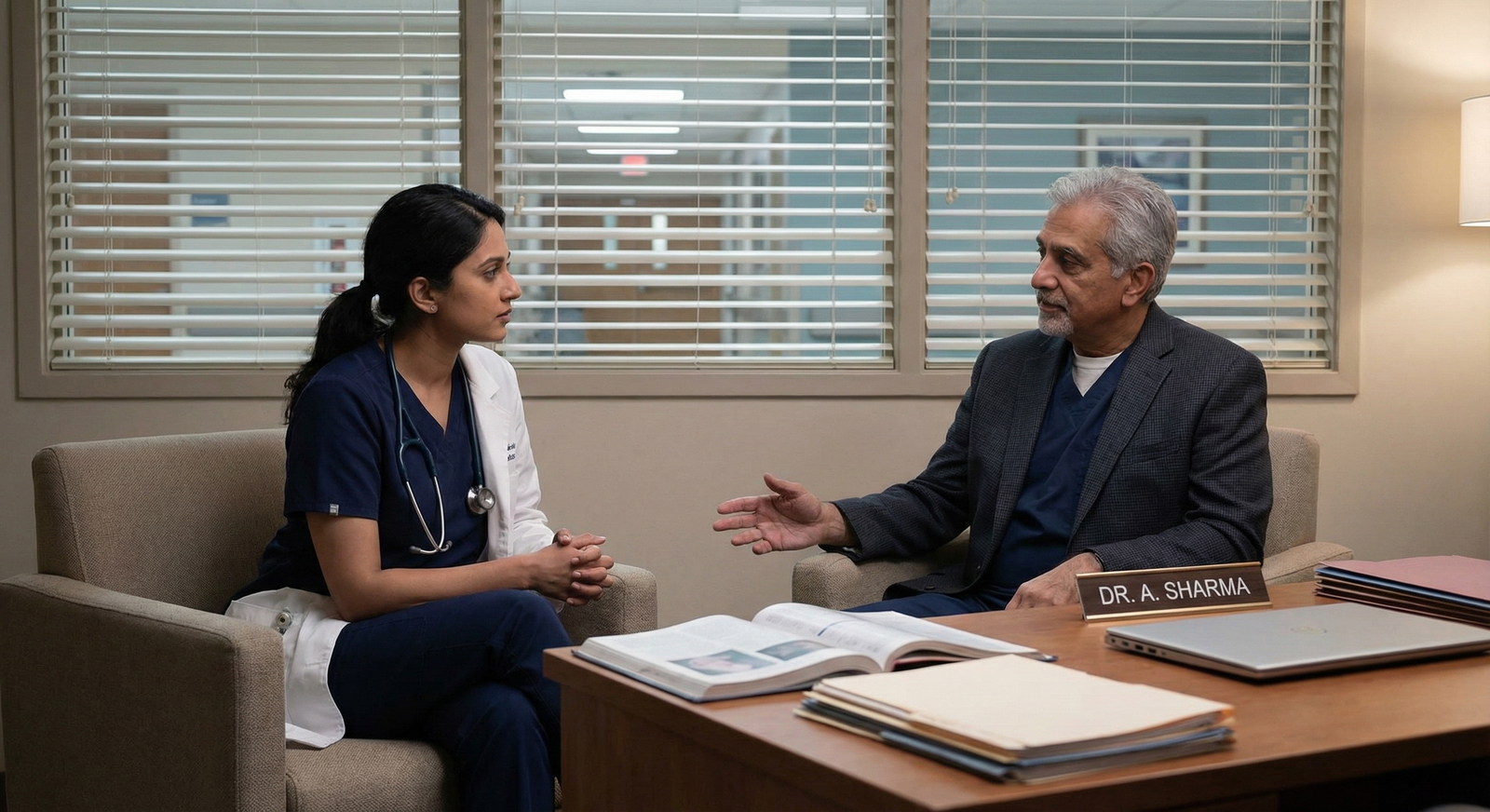
Step 3: Identify Potential Mentors Early
Mentorship in medicine is multi-layered. Consider building:
- Clinical mentors – Faculty anesthesiologists who oversee you in the OR/ICU
- Career mentors – People who help you navigate big decisions: fellowship, practice decisions, research direction
- Near-peer mentors – Senior residents and fellows who recently went through the same stage
Look for mentors who:
- Are approachable and enjoy teaching
- Have interests aligned with yours (e.g., critical care anesthesia, regional, pain, education, global health)
- Are reliable in responding to emails and follow-ups
When you’ve identified someone, you might say:
“Dr. Lee, I’ve really appreciated your teaching on my rotation and your work in cardiac anesthesia. I’m an MD graduate in my first year of anesthesiology and interested in pursuing fellowship eventually. Would you be open to meeting briefly sometime this month to discuss how I can best prepare?”
Conference Networking: Turning Meetings into Meaningful Connections
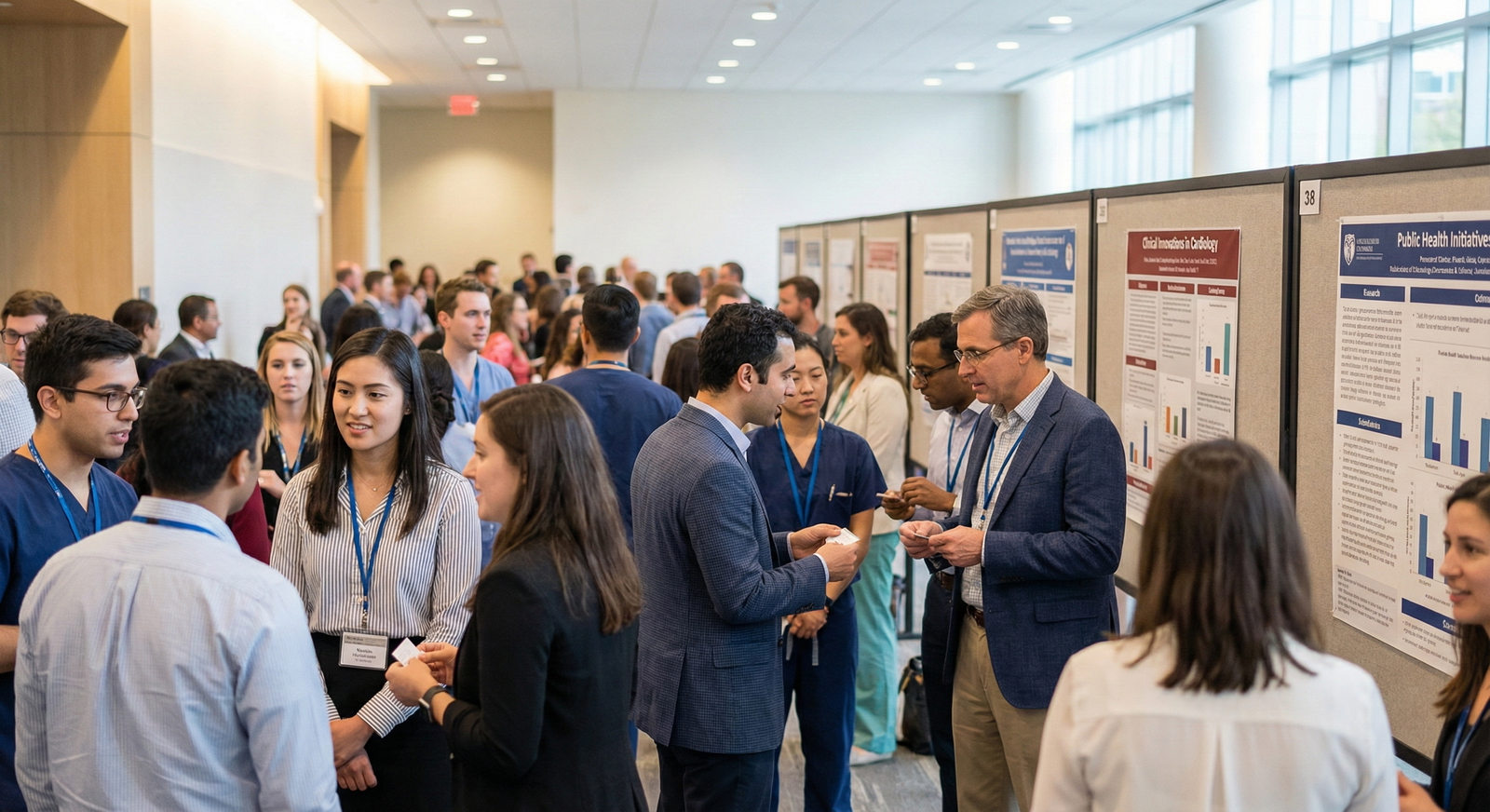
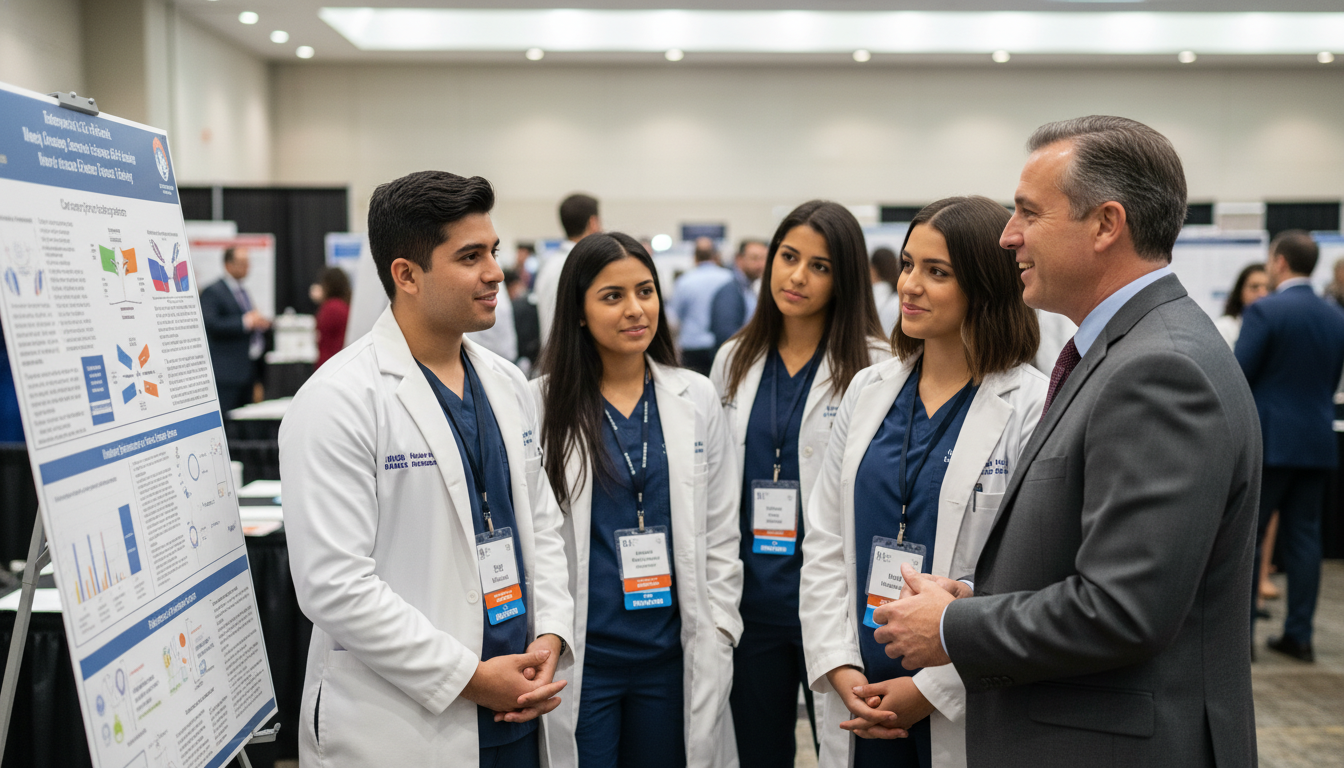
National and regional meetings are some of the most concentrated networking environments in medicine. For an anesthesiology resident or MD graduate, meetings like the ASA (American Society of Anesthesiologists) or subspecialty society conferences (SCA, ASRA, SCCM, SOAP, etc.) are critical opportunities.
Before the Conference: Plan Like a Procedure
Approach conference networking like you’d approach a complex anesthetic case—prepare in advance.
Set clear goals
Examples:- Meet at least three faculty in critical care anesthesia
- Explore fellowship programs in regional anesthesia
- Present a poster and follow up with at least five attendees who ask questions
Review the program and faculty list
- Highlight sessions relevant to your interests
- Identify names of speakers or program directors at institutions of interest
- Note time/location of residency or fellowship program showcases
Pre-emptive outreach (powerful but underused)
Email 1–2 people in advance, using a concise message:
Subject: ASA – brief meeting request (anesthesiology resident, X program)
Dear Dr. Johnson,
I’m an anesthesiology resident and MD graduate from Y, currently at X program, with a strong interest in perioperative critical care and your work on sepsis management in the OR. I’ll be attending ASA this year and saw that you’re speaking on Friday.
If your schedule allows, I’d be grateful for 10–15 minutes sometime during the conference to briefly ask you about fellowship preparation and ways a resident can build skills in this area.
Thank you for considering it,
Dr. [Your Name]
Even if they say no or don’t respond, you’re still on their radar.
During the Conference: Engage Intentionally
Use Your Poster or Presentation as a Networking Magnet
If you’re presenting:
- Print simple business cards with your name, institution, email, and interests (e.g., “Interests: cardiac anesthesia, outcomes research”).
- When someone asks about your poster, end with:
- “I’d love to continue this work—may I email you a copy of the poster or discuss possible collaboration after the conference?”
Approach Senior Physicians Without Awkwardness
Options for starting conversation after a talk:
- “Thank you for your talk, Dr. X. I’m a second-year anesthesiology resident and MD graduate from [institution]. I had a question about… [brief, specific question].”
- Follow up with: “This is an area I’m very interested in. Are there particular skills or experiences you’d recommend residents pursue if they’re considering a career path like yours?”
Leverage Conference Networking Sessions
Most major meetings include:
- Resident and fellow receptions – Ideal for expanding your peer network
- Program director meet-and-greets – Useful if you’re thinking about future fellowship or a future job move
Tips:
- Don’t cluster only with people from your own program. Challenge yourself to meet at least 3–5 new people.
- Ask open-ended questions:
- “What do you like most about your program’s approach to regional anesthesia?”
- “How does your group handle post-op pain management pathways?”
After the Conference: Follow-Up Makes the Connection Real
Within 3–5 days:
Send brief, specific emails, for example:
Subject: Great to meet you at ASA – regional anesthesia
Dear Dr. Hernandez,
It was a pleasure meeting you at the resident reception at ASA. I appreciated your advice about building ultrasound skills early in residency. I’ve already spoken with my program director about helping with an ultrasound-guided PIV workshop for our interns.
If you’re open to it, I’d be grateful to stay in touch as I explore regional anesthesia fellowships in the next year.
Best regards,
Dr. [Your Name]Connect on LinkedIn or other professional platforms if appropriate, adding a short personalized note referencing your conversation.
Maximizing Mentorship in Medicine: From Casual Guidance to Long-Term Support
The anesthesiology MD graduate often underestimates how much structured mentorship can accelerate their career. Instead of waiting for “the perfect mentor,” actively shape a small network of mentors who meet different needs.
Types of Mentors for an Anesthesiology Trainee
Clinical Skills Mentor
- Helps refine your practical anesthesia skills—airway management, regional techniques, line placement, ICU decision-making.
- Typically assigned attendings or those you frequently work with.
- Networking tip: Ask specific for feedback:
- “Could you observe my next spinal anesthetic and give me pointers?”
Academic / Research Mentor
- Guides you on projects, from QI to clinical trials or education research.
- May help you present at conferences or publish.
- Networking tip: Offer concrete help at first: data collection, chart review, editing drafts.
Career / Sponsorship Mentor
- May be a program director, senior faculty, or division chief.
- Speaks on your behalf for fellowships, leadership positions, or jobs.
- Networking tip: Share your goals clearly and update them annually. Sponsors need updated information to advocate effectively.
How to Ask for and Structure a Mentorship Relationship
You might start with a modest request:
“I’ve really benefited from your guidance on rounds this month. I’m an MD graduate with an interest in [subspecialty]. Would you be open to meeting once or twice a year to help me think through fellowship and early career decisions?”
If they agree:
Set a brief agenda before each meeting:
- Updates on your training
- Specific decisions you’re weighing
- Concrete questions (e.g., “Should I do a critical care fellowship before cardiac?”)
Respect their time:
- Come prepared
- Keep meetings focused
- Follow through on advice you plan to use, and report back
When Mentorship Isn’t a Good Fit
If someone:
- Rarely responds
- Cancels repeatedly
- Doesn’t seem engaged with your growth
Then gently diversify. It’s acceptable—and wise—to have multiple mentors and to shift emphasis over time. The healthiest plan is a small “mentorship team” instead of relying entirely on one person.
Digital and Everyday Networking: Small Habits with Big Impact
Not all networking in medicine takes place at national conferences. Much of it is built day-by-day in the OR, ICU, lounges, and online.
Day-to-Day Clinical Networking
Every shift is an opportunity to build your professional brand:
Be consistently prepared.
Staff notice residents who know their patients well, anticipate needs, and communicate clearly.Introduce yourself widely.
Get to know:- Surgeons and proceduralists
- PACU and ICU nurses
- Pharmacists and RTs
Follow up after shared cases.
For example, if you managed a tough airway or resuscitation:- Briefly debrief with the surgeon or ICU attending.
- Use that shared experience to build rapport—this often leads to “I’d be happy to write you a letter” moments later.
Using Social and Professional Platforms Wisely
LinkedIn, professional Twitter/X, and certain closed physician communities can support your anesthesiology network if used strategically.
Optimize your profile
- Clear headline: “Anesthesiology resident | MD graduate | Interested in critical care and perioperative outcomes”
- List research projects, QI efforts, and conference presentations
- Include a professional photo
Engage with content
- Share conference posters you’re involved with
- Comment thoughtfully on anesthesiology articles or discussions
- Avoid posting anything unprofessional or violating patient privacy
Digital presence will rarely secure you a job on its own, but it can:
- Reinforce your interests and expertise
- Keep you connected with people you met at conferences or rotations
- Signal professionalism to potential collaborators or employers
Networking for the Job Search and Beyond
As you approach the later years of residency or fellowship:
Let your network know you’re exploring opportunities:
- “I’ll be finishing my regional anesthesia fellowship next June and am starting to look at positions in [geographic area]. If you hear of any groups that value robust block programs and resident education, I’d be grateful to be kept in mind.”
Ask for informational interviews:
- Short, 15–20 minute conversations with:
- Graduates of your program
- Faculty who previously worked in the region you’re targeting
- Focus on understanding practice culture, case mix, compensation models, and lifestyle implications.
- Short, 15–20 minute conversations with:
Maintain relationships afterwards:
- A brief yearly update to core mentors and sponsors helps them continue advocating for you and can surface unexpected opportunities.
Putting It All Together: A Practical Networking Plan for the Anesthesiology MD Graduate
To convert theory into action, here is a structured plan you can adapt.
Year 1 (Entering Anesthesiology Residency or Match)
- Identify 2–3 potential mentors (clinical, career, research).
- Attend all home department grand rounds and introduce yourself to the chair and PD.
- Complete at least one small project (case report, QI initiative, or educational project) with a faculty member.
- Join the ASA and at least one subspecialty society (e.g., ASRA, SCCM, SCA) as a resident member.
Years 2–3 (Core Training Years)
- Present at least 1–2 posters or talks at regional or national meetings.
- Attend at least one major anesthesiology conference, with 3–5 targeted faculty you hope to meet.
- Schedule annual mentorship check-ins to discuss progress and refine goals.
- Begin exploring fellowship options and meeting program leadership informally.
Final Residency Year / Fellowship Application Phase
Ask mentors to:
- Review your CV and personal statement
- Provide realistic guidance on program competitiveness
- Make targeted introductions when appropriate (emails, informal calls)
Attend conferences with careful planning:
- Seek out fellowship program directors’ sessions and booths
- Follow up quickly with people you meet
Transition to Fellow or Early Attending
Keep relationships alive:
- Update core mentors when you match to fellowship or accept a position
- Offer to help mentor more junior residents—this also strengthens your network
Begin mentoring others:
- Medical students and junior residents will look to you
- Teaching and supporting them further cements your professional reputation
Networking in medicine for an anesthesiology MD graduate isn’t about a single charismatic interaction—it’s about consistent professionalism, targeted engagement, and long-term relationship building. When you align your daily actions with your goals and communicate them thoughtfully, your network naturally grows around your strengths.
Frequently Asked Questions (FAQ)
1. I’m introverted. Can I still be effective at networking in anesthesiology?
Yes. Many excellent anesthesiologists are introverted. Focus on:
- Smaller, one-on-one interactions instead of large receptions
- Prepared questions for faculty or potential mentors
- Listening carefully and following up by email afterwards
You don’t need to be the loudest person in the room. Reliability, curiosity, and follow-through matter more than extroversion.
2. How early should I start networking if I’m planning on the anesthesia match as an MD graduate?
Ideally:
- During clinical years in medical school:
- Do at least one anesthesiology rotation
- Meet potential letter writers
- The year before the anesthesia match:
- Solidify relationships with anesthesiology faculty
- Explore away rotations if needed
- Get feedback on your competitiveness and program list
However, it’s never “too late”—even late networking can help with deciding between programs, preparing for residency, or later fellowship decisions.
3. How do I avoid seeming transactional when I approach faculty or program directors?
To avoid transactional impressions:
- Lead with genuine interest in their work, not immediate requests.
- Offer value first when possible—help with data collection, resident teaching, or QI work.
- Build relationships over time, not just right before you need letters or recommendations.
- Express gratitude and provide updates when their advice helps you.
The more you care about the relationship itself, the more natural and mutually beneficial it becomes.
4. What role does medical networking play in getting an anesthesiology job after residency or fellowship?
Medical networking is often decisive in early job placement:
- Many jobs are never widely advertised; they’re filled through recommendations and word-of-mouth.
- Program directors and senior faculty frequently receive emails asking, “Do you know any good candidates looking for positions in…?”
- If you’ve built a strong reputation and kept mentors updated, your name is more likely to come up in these conversations.
In other words, networking increases the chance that when a great position appears, someone you know will think of you—and confidently recommend you.
By treating networking as an integral part of your professional development—alongside mastering pharmacology, physiology, and procedural skills—you position yourself not just to match into anesthesiology, but to thrive within it. As an MD graduate entering this specialty, the relationships you invest in today will shape your opportunities, your growth, and ultimately your impact on patients and the field.