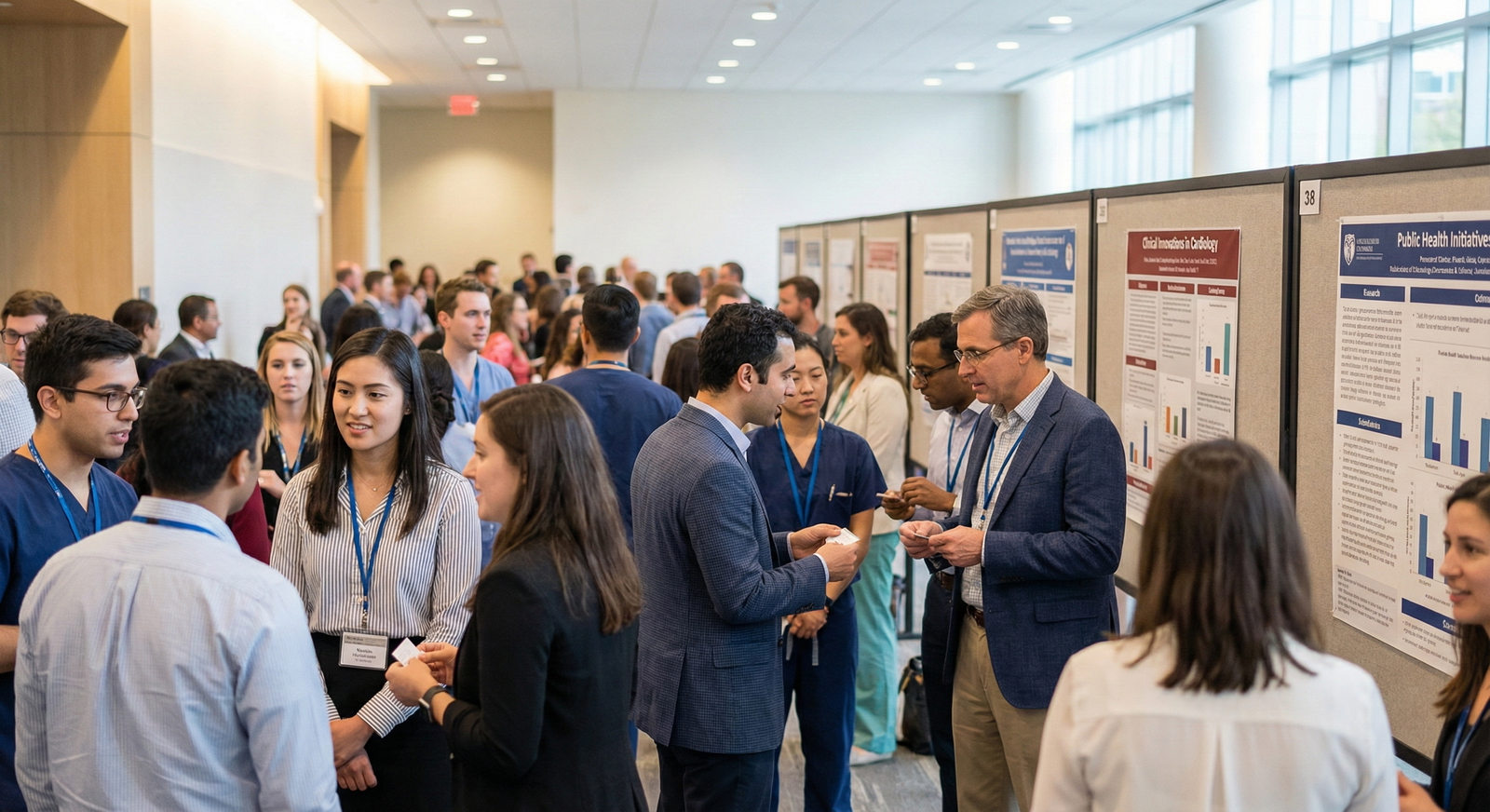
Why Networking Matters So Much in Cardiothoracic Surgery
Cardiothoracic surgery is one of the most competitive and tightly knit fields in medicine. As an MD graduate residency applicant, you’re entering a specialty where who knows you can be just as important as what you know. Strong test scores and solid clinical performance are essential—but they are often not enough on their own.
In cardiothoracic surgery:
- Departments are relatively small compared with internal medicine or general surgery.
- Program directors and faculty frequently know each other across institutions.
- Letters, phone calls, and informal recommendations carry significant weight.
- The field values long-term mentorship and visible commitment to heart surgery training.
Networking in medicine is not about superficial schmoozing. For an MD graduate pursuing cardiothoracic surgery residency, it is about:
- Building authentic relationships with mentors and peers
- Demonstrating your professionalism and reliability
- Positioning yourself for research, away rotations, and fellowship-like opportunities
- Staying connected to the evolving world of heart surgery training, technology, and guidelines
If you graduated from an allopathic medical school and are entering the allopathic medical school match (NRMP), deliberately building your network can significantly strengthen your cardiothoracic surgery residency application and open doors you may not know exist.
Core Principles of Effective Networking for Aspiring Cardiothoracic Surgeons
Before diving into conferences, emails, and mentorship medicine, it helps to clarify what “good networking” actually looks like for an MD graduate residency applicant.
1. Relationship-First, Not Transaction-First
Poor networking feels like:
“Hello Dr. Smith, can you write me a letter and help me match into cardiothoracic surgery?”
Effective networking looks more like:
- Getting to know a surgeon’s work and interests
- Asking thoughtful questions about cases or research
- Helping with manuscripts, QI projects, or educational tasks
- Consistently showing up and following through
Over time, these relationships naturally lead to strong letters and advocacy calls.
Action tip:
Think in 6–12 month horizons. Ask: “If this surgeon looks back a year from now, what would make them genuinely want to help me?” Then act accordingly.
2. Quality Over Quantity
You don’t need 20 cardiothoracic surgeons in your network. For an MD graduate, having:
- 2–3 meaningful faculty relationships
- 1–2 consistent research mentors
- A handful of peers a year or two ahead of you
…is often more powerful than superficial contact with dozens of people.
3. Consistency and Visibility
Especially in a field as small as cardiothoracic surgery, being consistently present matters:
- Showing up at weekly conferences or M&M even when you’re not on that rotation
- Attending journal clubs, grand rounds, and local heart team meetings
- Giving short presentations when invited
This visibility reinforces the message that you are truly committed to cardiothoracic surgery, not casually exploring.
4. Professionalism as Your Brand
In heart surgery training environments, your “networking brand” is simply:
- Do you show up on time—early, actually?
- Do you follow through on tasks and deadlines?
- Do you handle stress, criticism, and long hours with maturity?
- Are you respectful to nurses, perfusionists, and staff?
People recommend those who make them look safe and smart to support. Your professionalism is the foundation of every relationship in this specialty.

Everyday Networking: Leveraging Your Home Institution
If you’re an MD graduate from an allopathic medical school, your home institution is usually the most powerful starting point for networking in medicine. Even if your school doesn’t have its own cardiothoracic surgery residency, you almost certainly have access to cardiothoracic surgeons through clinical affiliations.
1. Identify Key People in Cardiothoracic Surgery
Your first task is to understand the local landscape:
- Cardiothoracic surgery division chief or chair
- Program director (if there is a CT surgery residency or fellowship)
- Surgeons with academic roles (research, education, leadership in societies)
- Surgeons known for mentoring students or residents
You can usually find this via:
- Department website
- Residency program leadership pages
- Asking surgical residents: “Who really supports students interested in CT surgery?”
2. Use Clinical Rotations as Networking Platforms
Every rotation that interacts with cardiothoracic surgery can be a networking opportunity:
- General Surgery: show interest in hearts and thoracic cases; ask to scrub in on related procedures.
- Cardiology: discuss surgical options in valvular or structural disease—as appropriate.
- ICU / Cardiothoracic ICU: understand post-op management, ask thoughtful questions, show up early.
Practical example:
You’re on your general surgery rotation. There’s a combined case with the CT surgery team for a lung resection. Before the case:
- Read the patient’s history and imaging.
- Review the steps of the planned operation.
- Ask your chief resident if you may scrub with the CT team.
- Introduce yourself to the CT attending: “Hi Dr. Lee, I’m Dr. Patel, an MD graduate interested in cardiothoracic surgery. Thank you for letting me join your case today.”
Afterward, send a short email:
Subject: Thank you for allowing me to scrub in today
Dear Dr. Lee,
Thank you for allowing me to observe and assist during today’s lobectomy. I especially appreciated your explanation of the hilar dissection and your approach to lymph node sampling.
I’m an MD graduate applying for cardiothoracic surgery and would be grateful for any opportunities to get more involved in cases or projects.
Sincerely,
[Your Name]
This small interaction is networking: you’ve introduced yourself, shown appreciation, expressed interest, and opened the door for further engagement.
3. Join Research Projects Early
For cardiothoracic surgery residency, research is both a credential and a relationship-builder.
You might:
- Join a registry study on CABG outcomes
- Help with a chart review on ECMO patients
- Assist in a manuscript on minimally invasive valve surgery
- Contribute to case reports of unusual thoracic pathologies
When you join a project:
- Be obsessively reliable with deadlines.
- Communicate proactively.
- Ask to take on roles that lead to authorship (data analysis, drafting sections).
- Ask: “Is there another project I could help with once this is done?”
Over 6–12 months, this makes you known as someone who delivers. When letters are written or calls made on your behalf, this reputation is incredibly valuable.
4. Attend Local Heart Team and Educational Conferences
Ask to attend:
- Cardiothoracic surgery M&M
- Heart team meetings (surgeons + cardiologists + anesthesiologists)
- Journal clubs
- Grand rounds focused on cardiovascular or thoracic disease
At each session:
- Sit toward the front.
- Take notes.
- If appropriate, ask one concise, well-thought-out question.
After a few weeks of consistent presence, faculty begin to recognize you—and that recognition is a cornerstone of networking in medicine.
Conference Networking: Turning Meetings Into Opportunities
Medical networking at conferences is one of the most powerful ways to plug into the broader cardiothoracic community beyond your home institution. For an MD graduate residency applicant, conferences can:
- Expand your exposure to different programs and surgeons
- Let you meet future colleagues and mentors
- Give you a “face” that people remember when reviewing applications
1. Choosing the Right Conferences
For cardiothoracic surgery, consider:
- Society of Thoracic Surgeons (STS) annual meetings
- American Association for Thoracic Surgery (AATS) meetings
- Subspecialty conferences (e.g., congenital, transplant, thoracic oncology)
- Regional or national cardiology/cardiothoracic joint meetings
If cost is a concern (it often is):
- Look for trainee or MD graduate discounts.
- Apply for resident/student travel awards or scholarships.
- Ask your department if they can sponsor part of your trip, especially if you are presenting.
2. Presenting: The Ultimate Icebreaker
Having a poster or oral presentation changes your networking experience:
- People come to you with questions.
- It gives you a credible conversation starter: “I’m presenting on [topic].”
- It signals proactive involvement in heart surgery training and research.
Ask mentors early:
“Are there any projects we could aim to submit to STS or AATS this year?”
3. Before the Conference: Strategic Preparation
To optimize conference networking in medicine:
- Review the program and circle sessions relevant to your interests.
- Identify 3–5 surgeons or programs you’d really like to meet.
- If possible, send a brief email beforehand:
Dear Dr. [Name],
I’m an MD graduate interested in cardiothoracic surgery and will be attending [Conference]. I have been following your work on [specific area]. If you have 10–15 minutes during the meeting, I would be very grateful for any advice on preparing for a career in [adult cardiac / thoracic / congenital] surgery.
Respectfully,
[Your Name]
Even if they don’t respond, you’ve put your name on their radar.
4. At the Conference: How to Approach People
During a session, if a surgeon asks or answers a question you find insightful:
- After the session, approach them and say:
“I appreciated your question about [topic]. I’m an MD graduate applying into cardiothoracic surgery. Do you have any advice for someone at my stage?”
Keep the interaction:
- Short (2–5 minutes)
- Focused (one or two questions)
- Respectful of their time
If the conversation goes well:
- Ask: “Would it be alright if I emailed you a brief question or two in the future?”
- If they say yes, follow up within a week with a concise thank-you email.
5. After the Conference: Consolidate the Network
Within 3–5 days:
- Email people you met:
- Thank them for their time
- Mention a specific detail from your conversation
- If appropriate, attach your CV and ask if they’d be open to staying in touch
Use a simple tracking system (spreadsheet or note app) for:
- Names, institutions, emails
- Where you met
- What you discussed
- Possible next steps (research, away rotation, advice)
This is how conference networking turns into real, ongoing mentorship medicine, not just a stack of business cards.

Finding and Nurturing Mentors in Cardiothoracic Surgery
Mentorship medicine is central to success in cardiothoracic surgery. Most residents can name 1–3 key mentors who shaped their path and advocated for them in the allopathic medical school match.
1. Types of Mentors You Need
As an MD graduate, try to cultivate:
Clinical mentor
- A surgeon who knows your work ethic and OR performance
- Can speak to your readiness for heart surgery training
Research mentor
- Helps you build an academic portfolio
- Introduces you to collaborators and conferences
Career mentor
- Guides big-picture decisions: integrated vs. traditional pathways, program selection, timing of research years
Sometimes one person may be all three; sometimes you’ll have different mentors for each domain.
2. How to Approach a Potential Mentor
Once you’ve interacted with a surgeon on rotation, through research, or at conference and feel a positive connection, you can escalate the relationship.
Email example:
Dear Dr. [Name],
I’ve really appreciated the opportunity to work with you on [clinical service / research project]. I am an MD graduate planning to apply in cardiothoracic surgery.
Would you be willing to meet briefly to discuss my career goals and how I can best prepare for a successful application and heart surgery training? I’d be grateful for any mentorship you could provide.
Sincerely,
[Your Name]
Be clear that you are asking for ongoing guidance, not a one-time chat.
3. Being a Good Mentee
To sustain strong mentorship relationships:
- Respect their time: come prepared with an agenda and specific questions.
- Update them periodically (every 2–3 months) on your progress.
- Follow through on advice they give unless there’s a compelling reason not to—and if you can’t, explain why.
- Offer help: “If you have any projects or tasks where a motivated MD graduate could help, I would love to contribute.”
Mentors invest most in mentees who work hard, communicate well, and demonstrate gratitude.
4. When and How to Ask for Letters of Recommendation
For cardiothoracic surgery residency, letters from surgeons—especially CT surgeons—are powerful. Ask for letters:
- Once they know you well—clinically, academically, or both.
- At least 4–6 weeks before the deadline.
- With clear guidance on your goals.
Suggested approach:
“Dr. [Name], I’m beginning to assemble my application for cardiothoracic surgery residency. Given our work together on [rotations/research], I would be honored if you felt you could write a strong letter of recommendation on my behalf.”
Using the word “strong” gives them a graceful way to decline if they cannot write a supportive letter.
Provide:
- Your CV
- A draft personal statement
- A short summary of your experiences with them
- A bullet list of key points they might emphasize
This is not pushy; it’s helpful. Busy surgeons appreciate structure.
Advanced Strategies: Away Rotations, Social Media, and Nontraditional Paths
Once you’ve established a foundation at your home institution and started some conference networking, you can layer on more advanced strategies.
1. Away Rotations as High-Intensity Networking
An away rotation (sub-internship) in cardiothoracic surgery at another institution is both:
- A month-long audition for their residency (or integrated program), and
- A deep networking opportunity even if you don’t ultimately match there.
To maximize impact:
- Arrive early every day; be the last trainee to leave.
- Know patients thoroughly; anticipate OR needs.
- Read about each case the night before and be ready to answer basic questions.
- Ask residents: “How can I be most helpful to the team?”
At the end of the rotation:
- Meet with the program director or division chief if possible.
- Express your interest clearly:
“This month confirmed that cardiothoracic surgery is the right path for me. I’d be very excited to train here.”
Whether or not you match there, these faculty may speak on your behalf to other programs.
2. Thoughtful Use of Professional Social Media
Used carefully, platforms like LinkedIn and (professional) Twitter/X can extend your network:
- Follow cardiothoracic surgery societies (STS, AATS).
- Follow surgeons whose work you admire.
- Share or comment thoughtfully on major publications and guidelines.
- Highlight your research posters or publications (without overselling).
Guidelines:
- Keep everything professional and respectful.
- Avoid venting about training, patients, or colleagues.
- Assume program directors may see anything you post.
Social media should reinforce your image as a serious, engaged future cardiothoracic surgeon, not distract from it.
3. If You’re Coming from a Less-Connected Background
Not every MD graduate has equal access to a robust CT surgery department. If your allopathic medical school lacks exposure:
- Look for regional mentors at nearby academic centers.
- Ask your dean’s office to help connect you with alumni in cardiothoracic surgery.
- Prioritize away rotations at institutions with strong CT programs.
- Use national conferences as a key networking platform.
Your path may require more initiative, but the core principles remain the same: consistent presence, strong work ethic, respectful outreach, and long-term relationship-building.
Putting It All Together: A Networking Roadmap for the MD Graduate
To make this actionable, here’s a simplified roadmap to guide your networking in medicine as you aim for cardiothoracic surgery residency:
Step 1: Clarify Your Goals (Now–1 Month)
- Decide if you’re strongly committed to cardiothoracic surgery.
- Define interests (adult cardiac, thoracic, congenital, transplant, etc.).
- Prepare a clean, up-to-date CV.
Step 2: Engage at Your Home Institution (1–6 Months)
- Identify CT surgeons and reach out to observe or join research.
- Attend M&M, grand rounds, and heart team meetings regularly.
- Ask for at least one research project with publication potential.
- Start building relationships with residents in cardiothoracic surgery.
Step 3: Seek Mentors Intentionally (3–12 Months)
- After several positive interactions, ask 1–3 surgeons to mentor you.
- Schedule periodic check-ins.
- Follow their advice on rotations, research, and conference networking.
Step 4: Present and Attend Conferences (6–18 Months)
- Aim to submit at least one abstract to STS/AATS or a regional meeting.
- Prepare in advance; schedule meetings with targeted faculty.
- Follow up after the conference with thoughtful emails.
Step 5: Away Rotations and Application Year (Final 12 Months Before Match)
- Complete 1–2 high-quality away rotations in cardiothoracic surgery.
- Use these as opportunities to showcase your work ethic and commitment.
- Solidify letters of recommendation from mentors who know you well.
- Stay in regular, professional contact with your network as you progress through interviews and ranking.
Throughout this entire process, remember: networking is not a one-time event; it is longitudinal professional relationship-building. In cardiothoracic surgery, that’s part of the culture—and learning to do it well will serve you through residency, fellowship, and beyond.
FAQs: Networking in Medicine for Aspiring Cardiothoracic Surgeons
1. I’m shy and introverted. Can I still be effective at medical networking?
Yes. Some of the best networkers in cardiothoracic surgery are quiet, observant, and thoughtful rather than naturally outgoing. Focus on:
- One-on-one conversations rather than big group events
- Asking sincere questions and listening carefully
- Showing reliability through your work and follow-through
You don’t need to be charismatic; you need to be genuine, prepared, and respectful.
2. How much does networking really matter compared with scores and publications?
For an MD graduate residency applicant in cardiothoracic surgery:
- Strong academic metrics are often the entry ticket.
- Networking and mentorship are what differentiates strong candidates with similar numbers.
A respected surgeon calling a program director to advocate for you can be decisive—especially in a small field where trust and reputation are critical.
3. What are common networking mistakes to avoid?
Common pitfalls include:
- Being transactional (“Can you write me a letter?” before a relationship exists)
- Over-emailing or sending very long, unfocused messages
- Failing to follow through on commitments or deadlines
- Acting differently toward faculty than toward nurses and staff (people notice)
- Posting unprofessional content on social media while applying
Professionalism and respect at all levels are non-negotiable in heart surgery training environments.
4. I didn’t match into cardiothoracic surgery on my first try. How can I use networking during a reapplication?
If you need to reapply:
- Meet with your mentors to analyze your application honestly.
- Strengthen your profile with additional research, a dedicated CT research year, or a strong general surgery year.
- Stay engaged with your CT mentors—continue attending conferences and meetings.
- Be transparent but professional with programs: briefly explain your growth and renewed commitment.
Reapplicants have matched successfully when they combine improved credentials with strong, sustained mentorship and advocacy from their cardiothoracic network.
Networking in medicine is not a separate skill from being a good cardiothoracic surgeon—it’s part of the same professional identity. As an MD graduate targeting cardiothoracic surgery residency, every clinic visit, OR scrub, conference poster, and email is a chance to show who you are as a future colleague in this demanding but incredibly rewarding field.