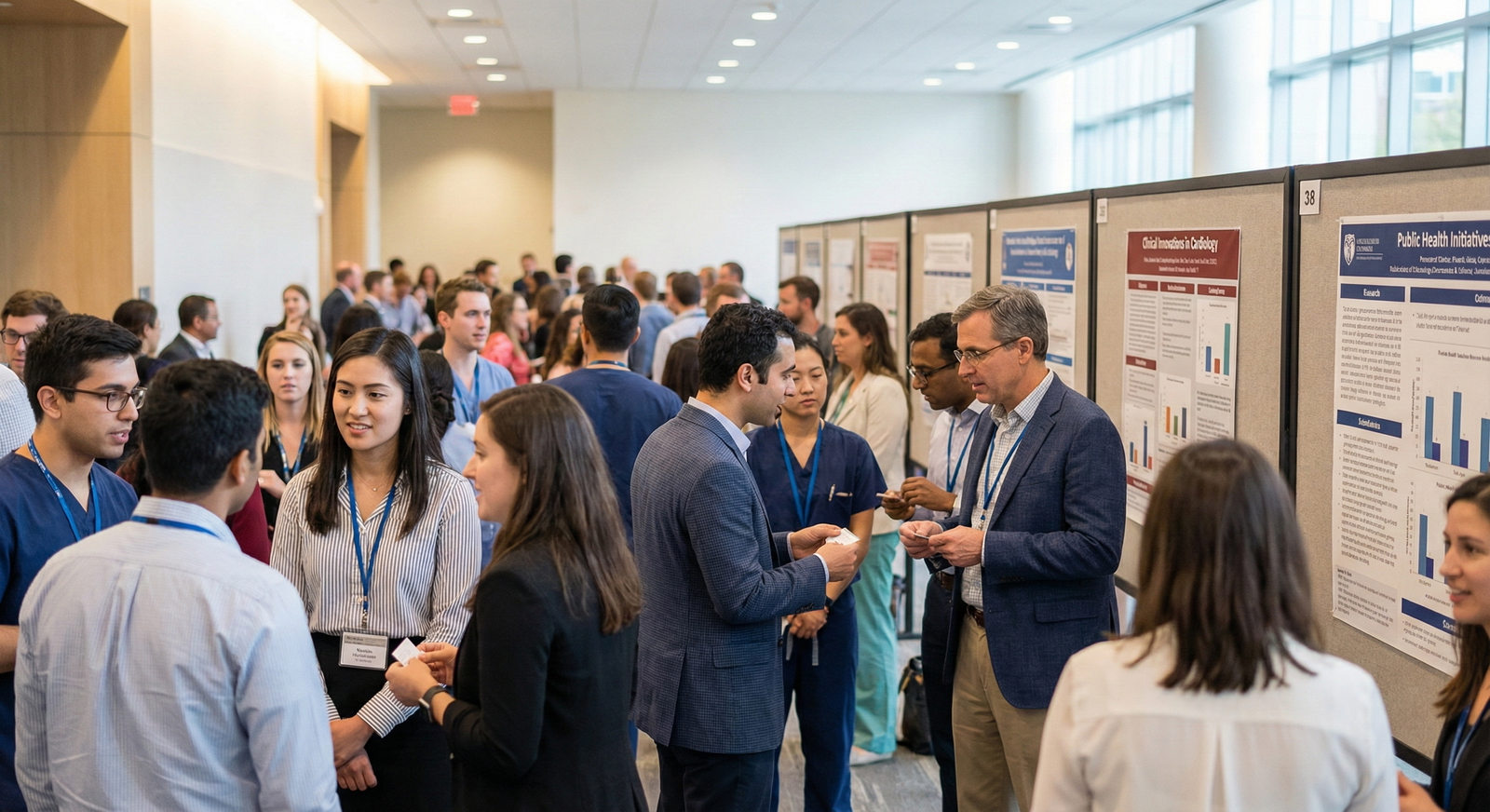
Networking in medicine is not just about collecting business cards or LinkedIn connections; it’s about building real professional relationships that will support your growth throughout training and beyond. As an MD graduate entering (or already in) a family medicine residency, your ability to network thoughtfully can directly influence your allopathic medical school match experience, your clinical opportunities, research projects, mentorship, and even your first attending job.
Below is a comprehensive guide tailored specifically to MD graduates in family medicine who want to become intentional, strategic networkers—without feeling fake or transactional.
Understanding Networking in Medicine as a Family Physician
Networking in medicine is the process of forming and maintaining professional relationships that help you and others achieve clinical, academic, and personal goals. For an MD graduate in family medicine, this includes:
- Residency peers and seniors
- Faculty, program leadership, and staff
- Community physicians and clinic administrators
- Specialists you rotate with
- Researchers, public health professionals, and policy makers
- Alumni from your allopathic medical school and residency
Why Networking Matters More in Family Medicine
Family medicine is unusually relationship-driven, both with patients and colleagues. Some unique factors:
Breadth of practice
You’ll interact with almost every specialty. Having a broad professional network makes:- Referrals smoother
- Informal curbside consults easier
- Care coordination more effective
Community integration
Family physicians often work in community clinics, FQHCs, rural health systems, and academic centers. Getting involved early with local stakeholders—hospital committees, public health departments, school systems—can create job opportunities and leadership roles.Flexible career paths
Family medicine allows clinical practice, academic medicine, hospitalist work, sports medicine, geriatrics, addiction medicine, palliative care, and more. Networking exposes you to paths you might not even know exist.High emphasis on mentorship
Many family medicine leaders are passionate about mentorship medicine. Strong connections can lead to:- Protected time for projects
- Support when pursuing fellowships
- Strong letters of recommendation
- Guidance on work–life integration and burnout prevention
Networking Beyond the FM Match
While you may already have completed the FM match, networking remains essential throughout residency:
- Intern year – learning the system, identifying mentors, finding your “people”
- PGY-2 – building academic, QI, or research projects; exploring fellowship interests
- PGY-3 – planning your first job, interviewing, negotiating contracts, and building a referral base
Think of networking as a longitudinal curriculum you design for yourself, not a one-time event during your allopathic medical school match.
Foundational Networking Skills for MD Graduates
Many residents feel awkward “networking” because it seems transactional. Instead, reframe it as professional relationship-building and refine a few core skills.
1. Your Professional Story: Crafting a Clear Introduction
You’ll repeatedly be asked: “So, tell me about yourself.” Prepare a 20–30 second version that feels natural and can be adapted.
Include:
- Who you are (name, role, training level)
- Where you’re training
- Your areas of interest in family medicine
- What you’re hoping to learn or do
Example:
“I’m Dr. Maria Santos, an MD graduate from an allopathic medical school in New York, and now a PGY-1 in family medicine residency at Riverside Medical Center. I’m especially interested in community-based primary care and women’s health, and I’m hoping to get more involved in quality improvement projects focused on diabetes management.”
Use variants of this at conference networking events, hospital committee meetings, and when meeting new faculty.
2. Asking Better Questions
Good networkers spend more time asking questions than talking about themselves. Some reliable, open-ended prompts:
- “How did you get involved in [your area of work]?”
- “If you were in my position as an MD graduate in family medicine, what would you focus on during residency?”
- “What skills do you think are most important for a family physician who wants to work in [academic medicine/rural practice/public health]?”
- “Are there any projects or committees you think would be good entry points for someone with my interests?”
This approach shows genuine interest and gives the other person something specific to respond to.
3. Following Up and Following Through
The biggest networking failure isn’t a bad conversation—it’s no follow-up.
After meeting someone:
- Send a brief email within 24–72 hours.
- Reference something specific from your conversation.
- If you discussed a concrete next step (sharing a paper, setting up a shadowing day), act on it promptly.
Simple follow-up email template:
Subject: Great speaking with you at [event/clinic]
Dear Dr. [Last Name],
It was a pleasure meeting you at [event] yesterday. I really appreciated your insights on [specific topic]. As a PGY-1 in family medicine interested in [area], I found your description of [detail] particularly helpful.
If you’re open to it, I’d love to schedule a brief meeting to learn more about your path and see if there might be any opportunities to get involved with [project/clinic type].
Thank you again for your time and guidance.
Best regards,
[Full Name], MD
Family Medicine Resident, PGY-[X]
[Institution]
[Email]
Follow-through builds your reputation as someone reliable and professional.

Everyday Networking During Family Medicine Residency
You don’t need a national conference to build a network. Your residency environment is the richest networking ecosystem you’ll have for years.
1. Inside Your Residency Program
Program leadership (PD, APDs, chief residents)
These people are central to:
- Project opportunities
- Letters of recommendation
- Job and fellowship connections
Practical steps:
- Attend and participate in residency meetings and didactics.
- Request a 20–30 minute career check-in with your program director at least annually.
- Let them know your specific interests early (e.g., obstetrics, addiction medicine, sports medicine, rural health).
Faculty preceptors and clinic attendings
Most networking happens one patient encounter at a time.
Tips:
- Ask: “I’m interested in [X]. Are there ways I can get more exposure or help with related initiatives?”
- Volunteer for small tasks: preparing a teaching handout, joining a QI team, drafting a poster abstract.
- After a rotation, send a brief thank-you email and, if appropriate, ask if you can reach out in the future for advice.
Co-residents and other departments
Your peers are your future colleagues, referral sources, and collaborators.
- Develop good working relationships and a reputation for reliability.
- Get to know residents in internal medicine, pediatrics, OB/GYN, psychiatry, and emergency medicine.
- Join cross-departmental committees (e.g., wellness, diversity, QI).
2. Networking in the Clinic and Hospital
Nurses, pharmacists, social workers, and staff
These professionals often know:
- How the system actually works
- Which physicians are strong teachers or collaborators
- Upcoming initiatives that need physician involvement
Treat these relationships as part of your professional network:
- Learn names and roles.
- Ask for their perspective on workflow or patient barriers.
- Collaborate respectfully—your reputation travels.
Community preceptors and rotation sites
Many family medicine programs use community clinics and private practices. These can become:
- Future job sites
- Sources of mentorship
- Places to learn practice management and real-world billing
Show interest by asking:
- “How did you build this practice?”
- “What do you wish you had known as a resident about business aspects of medicine?”
- “How do you maintain work–life balance in this setting?”
3. Using Local and Regional Opportunities
Look for:
- Local county or state medical society meetings
- Family medicine chapter meetings (e.g., state AAFP chapters)
- Hospital system committees (quality, safety, EHR optimization)
Attend regularly enough to be recognized. Consistent presence is quietly powerful networking.
Conference Networking and Professional Organizations
Conference networking can be especially valuable in family medicine, where national and regional meetings are accessible and resident-friendly.
1. Leveraging Family Medicine Conferences
Key meetings include:
- AAFP National Conference (residents and students)
- STFM (Society of Teachers of Family Medicine)
- NAPCRG (North American Primary Care Research Group)
- State AAFP chapter meetings
How to prepare:
- Set specific goals:
Example goals for one conference:- Meet 3 faculty doing work in addiction medicine.
- Talk with at least 2 people who have done a rural fellowship.
- Attend 1 session on negotiation for your first job.
- Study the program:
Identify speakers and sessions aligned with your interests. - Reach out ahead of time:
Email a speaker you admire:“I’m a family medicine resident with an interest in [X] and will be attending your session. If you have 10 minutes after your talk, I’d be grateful for the chance to introduce myself and ask a couple of questions.”
2. Making the Most of Poster and Oral Presentations
If you have a presentation:
- Practice a 1–2 minute “walkthrough” of your poster.
- Keep a few printed copies of your abstract or a QR code linking to the project.
- Invite conversation:
“I’m especially interested in improving [X]. Do you have experience with related projects or see any next steps we should consider?”
After your session, list names and short notes about people who stopped by. Follow up within a week.
3. Professional Societies as Networking Hubs
Joining national and state organizations helps signal commitment and opens doors:
AAFP and your state chapter
- Get involved in committees (education, advocacy, public health).
- Consider resident leadership positions.
Interest-specific groups (e.g., addiction, sports, geriatrics)
Many have resident sections or mentorship programs.Academic networks (STFM, NAPCRG)
Ideal if you see yourself in academic medicine or research.
Actionable approach:
- Pick 1–2 organizations that match your goals (e.g., AAFP + a state chapter).
- Join as a resident member.
- Attend at least one event per year.
- Volunteer for one small role: moderating a session, serving on a committee, or helping with a newsletter.

Mentorship in Medicine: Building Your Support Team
Mentorship medicine is central to long-term success in family medicine. You will likely need more than one mentor, each serving a different role.
1. Types of Mentors You Should Seek
- Clinical mentor – Helps you refine clinical skills and judgment.
- Career mentor – Advises on fellowship, job choices, and long-term planning.
- Academic/research mentor – Guides scholarly projects, posters, and publications.
- Identity- or background-aligned mentor – Shared experiences (e.g., first-gen physician, international background, underrepresented in medicine) can provide nuanced support.
- Peer mentor – Slightly ahead of you (senior resident or recent graduate) and close to your current challenges.
You may find one person covers multiple roles, but don’t expect a single “perfect mentor” to do everything.
2. How to Approach Potential Mentors
Good candidates:
- Faculty you enjoyed working with clinically
- Speakers or researchers whose work resonates with your interests
- Senior residents with a path that mirrors your goals
Initial email structure:
- Briefly introduce yourself (name, PGY level, program).
- Explain why you’re reaching out (specific interest or connection).
- Ask for a short meeting, not long-term mentorship right away.
Example:
“I’m a PGY-2 family medicine resident interested in addiction medicine and was very inspired by your grand rounds on integrating MAT into primary care. Would you be open to a 20-minute meeting to discuss how you developed your clinic model and what steps you’d recommend for a resident interested in this area?”
In the meeting:
- Ask about their career path.
- Share your interests and uncertainties.
- Ask: “Would you be open to occasionally advising me as I work through these goals?” if the conversation goes well.
3. Maintaining Mentoring Relationships
Treat mentorship as an ongoing, bidirectional relationship:
- Come prepared with questions or updates.
- Ask how you can be helpful (assisting with a project, data collection, teaching).
- Send periodic updates (every few months) about your progress.
- Respect their time—schedule in advance and be punctual.
If a mentorship isn’t working, it’s acceptable to shift toward other mentors without burning bridges. Thank them for their guidance and stay cordial.
Digital and Social Networking for Family Medicine Physicians
Networking today extends beyond in-person encounters. Used wisely, digital tools can dramatically expand your reach.
1. LinkedIn and Professional Profiles
As an MD graduate and resident, your LinkedIn (or similar) profile should:
- Include a clear headline:
“Family Medicine Resident | Interested in [X]” - Have a concise summary: 3–5 sentences describing your background, interests, and goals.
- List:
- Education and training (residency, allopathic medical school)
- Projects, presentations, publications
- Languages and relevant skills (e.g., quality improvement, medical education)
Use LinkedIn to:
- Connect with alumni from your medical school and residency.
- Follow institutions and organizations in your areas of interest.
- Send short, personalized connection messages:
“I’m a family medicine resident at [Institution] and noticed you transitioned from residency into [type of practice]. I’d love to follow your work and learn more about that path.”
2. Professional Use of X (Twitter) and Other Platforms
Many family medicine leaders and organizations are active on X (Twitter) and other platforms.
Benefits:
- Learn about new research and guidelines.
- Join hashtag communities (e.g., #MedEd, #FamMed, #PrimaryCare).
- Observe how physician leaders discuss policy and advocacy.
Guidelines:
- Maintain professionalism; assume everything is public.
- Avoid patient-identifiable information.
- Contribute thoughtfully: share articles, comment constructively, highlight your projects.
3. Virtual Conferences and Webinars
Even when you can’t travel:
- Attend virtual grand rounds from academic centers.
- Join webinars from AAFP, STFM, or state societies.
- Engage by asking questions in Q&A, then following up with speakers by email.
This is an efficient form of medical networking for residents with limited time or funds.
Strategic Networking for Your First Job (and Beyond)
As you approach the end of residency, networking becomes critical to your transition into practice.
1. Clarify What You Want
Networking is more effective when you have at least a rough idea of your goals:
- Academic vs. community practice?
- Urban, suburban, or rural setting?
- Full-spectrum (including OB) or more focused outpatient?
- Interest in hospitalist, urgent care, sports medicine, geriatrics, addiction, or palliative?
Share these preferences with:
- Program leadership
- Mentors
- Co-residents and alumni
They can’t connect you to opportunities they don’t know you’re seeking.
2. Tapping into Alumni Networks
Your allopathic medical school match network and residency alumni are often underused resources.
Steps:
- Ask your program for a list of recent graduates and their current practice locations.
- Reach out to alumni working in roles or locations that interest you.
- Request 15–20 minute informational conversations:
- “How did you find your first job?”
- “What would you look for or avoid next time?”
- “How is your work–life balance?”
Many job leads come from these candid, informal conversations rather than job boards.
3. Evaluating Job Opportunities Through Your Network
Use networking to:
- Learn the true culture of potential employers.
- Understand compensation and benefits norms in your region.
- Identify red flags (excessive RVU pressure, poor support staff, high turnover).
Ask trusted mentors:
- “Does this offer seem reasonable for this market?”
- “Do you know anyone who works at [institution] who I could talk to informally?”
4. Sustaining Your Network as an Attending
Networking doesn’t stop once you sign your first contract:
- Stay in touch with residency peers and mentors.
- Continue conference networking and involvement in professional societies.
- Build local relationships with specialists, hospital leaders, and community partners.
This ongoing network will be crucial when:
- You change jobs or locations.
- You want to start a new clinic initiative or research project.
- You take on teaching roles for students and residents.
FAQs: Networking in Medicine for MD Graduate in Family Medicine
1. I’m an introvert and dislike “schmoozing.” Can I still be effective at networking?
Yes. Many excellent networkers are introverts. Focus on:
- One-on-one or small-group conversations instead of large receptions.
- Asking thoughtful questions and listening carefully.
- Following up by email, where you may communicate more comfortably. Reframe networking as building authentic professional relationships, not self-promotion.
2. How early in residency should I start networking for my future career?
Start in your intern year, but keep it low-pressure:
- Get to know faculty and co-residents.
- Identify potential mentors and areas of interest. By PGY-2, be more deliberate with projects and conference networking. By early PGY-3, you should be actively engaging your network about jobs or fellowship options.
3. Is conference networking worth the cost as a family medicine resident?
Often, yes—especially if:
- You present a poster or talk (which can boost your CV).
- You have clear goals (finding a mentor, exploring a subspecialty, seeking job leads).
- You follow up afterward.
Look for resident discounts, institutional funding, or state chapter meetings which are often lower-cost than national gatherings.
4. How do I avoid being transactional or using people just for opportunities?
Adopt a generous, long-term mindset:
- Ask how you can be helpful (e.g., assisting with a project, sharing resources).
- Express genuine appreciation for people’s time and advice.
- Maintain relationships even when you don’t need anything immediately.
Networking in medicine works best when both sides benefit over time—through shared ideas, collaboration, and mutual support.
Intentional, respectful networking will shape your path as a family medicine physician far beyond your FM match and residency years. By building authentic relationships, seeking mentorship, and staying engaged with your professional community, you’ll create a career that is not only successful on paper, but also sustainable, meaningful, and deeply connected.