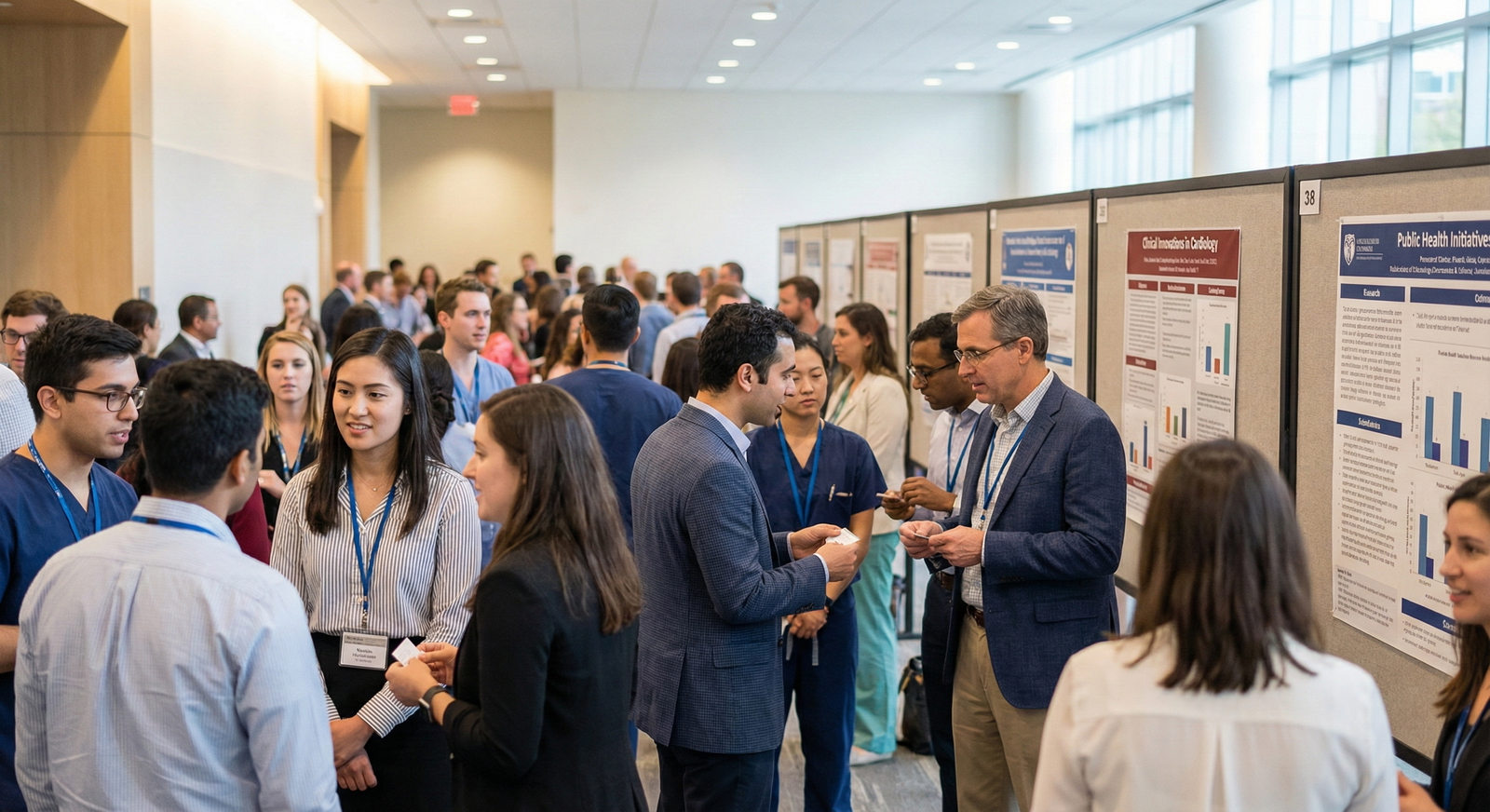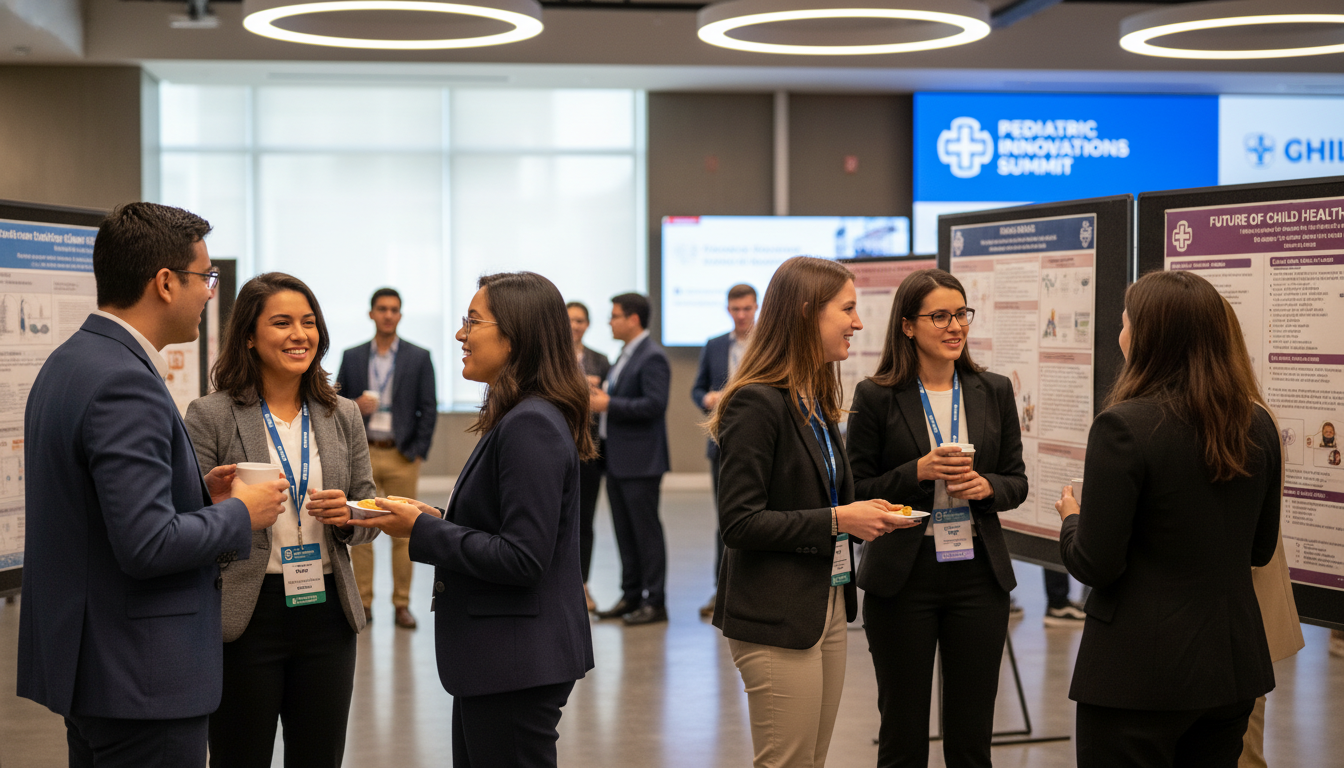
Why Networking in Medicine Matters for the MD Graduate in Pediatrics
For an MD graduate entering pediatrics, clinical knowledge and board scores are essential—but they are not enough. The transition from allopathic medical school to pediatrics residency and beyond is significantly shaped by who knows you, trusts you, and is willing to vouch for you.
Networking in medicine is not about superficial small talk or self-promotion. Done well, it is a professional strategy to:
- Find mentors and sponsors
- Discover research and QI opportunities
- Navigate the allopathic medical school match and later fellowship match
- Build a reputation within your hospital and specialty
- Open doors to leadership, advocacy, and academic roles
In pediatrics, relationships matter even more. Child health is inherently team-based and advocacy-driven, bringing together physicians, nurses, social workers, therapists, community partners, and policy leaders. Your ability to connect across this ecosystem can shape your career trajectory from day one of residency.
This article breaks down practical, step-by-step strategies for MD graduates in pediatrics residency to build a strong, authentic network during training—and leverage that network for career growth.
Understanding the Landscape: Who Should Be in Your Pediatrics Network?
Effective networking begins with clarity: whom are you actually trying to connect with, and why?
Think of your network in concentric circles:
1. The Inner Circle: Immediate Clinical Environment
These are people you see daily or weekly:
- Co-residents and chief residents
- Attendings on your core pediatrics services (wards, nursery, NICU, PICU, continuity clinic)
- Program leadership (Program Director, APDs, Chief Residents, Residency Coordinator)
- Nurses, NPs, PAs, social workers, respiratory therapists, pharmacists
Why they matter:
- They shape your reputation as a team player and clinician.
- They often provide your first letters of recommendation.
- They can connect you to special projects, committees, and local leadership roles.
Actionable steps:
- Learn and use people’s names intentionally—including nurses and ancillary staff.
- Ask attendings at the end of a rotation: “I really enjoyed working with you—would it be okay if I touch base later about career advice in pediatrics?”
- Volunteer for small, visible roles (e.g., resident liaison to nursing council, scheduling committee, EPIC optimization group).
2. The Mentorship and Sponsorship Circle
This group actively supports your professional growth:
- Career mentors (general pediatrics, subspecialties, hospital medicine, community pediatrics)
- Research mentors (PI of your project, QI leads, epidemiologists)
- Sponsors (leaders who say your name in rooms you aren’t in—PDs, division chiefs, fellowship directors)
Mentorship vs sponsorship in medicine:
- Mentor: Gives advice, feedback, and guidance.
- Sponsor: Uses their influence to recommend you for opportunities (fellowship spots, speaking invitations, committee roles).
You need both in pediatrics.
Actionable steps:
- Identify 2–3 mentors: at least one in general pediatrics and one aligned with your long-term interests (e.g., pediatric cardiology, advocacy, global health).
- Schedule brief quarterly check-ins: send a short agenda beforehand (updates, questions, goals).
- When a mentor expresses strong support (“You’re doing great work”), that’s a sign they might become a sponsor—ask explicitly: “If opportunities for X come up, I’d love to be considered.”
3. The Broader Institutional and Regional Network
These are connections beyond your direct clinical team:
- Faculty and fellows in subspecialties you rotate through
- Pediatrics program coordinators and GME staff
- Hospital committee members (QI, diversity & inclusion, patient safety, ethics)
- Local pediatricians in community practices
Why they matter:
- They broaden your exposure to different practice models and career paths.
- They can be future employers and letter writers.
- They may connect you regionally (state AAP chapter, children’s hospital networks).
Actionable steps:
- Ask to join a hospital committee as the “resident representative.”
- Attend your local AAP chapter meetings (often free or discounted for residents).
- After a community preceptor day, send a brief thank-you email and ask if you can shadow again or discuss career paths.
4. The National and International Pediatrics Network
As you aim beyond residency, this circle becomes increasingly important:
- Members of the American Academy of Pediatrics (AAP) sections (e.g., Section on Hospital Medicine, Section on Medical Students, Residents and Fellowship Trainees)
- Leaders in your subspecialty of interest
- Conference speakers, workshop leaders, and poster discussants
- Alumni from your allopathic medical school match programs who are now in fellowship or early practice
Why they matter:
- They influence fellowship selection and leadership pipelines.
- They can help you compare training environments and career options across institutions.
- They offer collaborative research and advocacy opportunities.
Actionable steps:
- Join at least one AAP section aligned with your interests.
- Attend at least one major pediatric or subspecialty conference by PGY-2.
- Connect with speakers on LinkedIn or email after talks you enjoyed.

Building a Network During Pediatrics Residency: Daily, Weekly, and Yearly Habits
Networking becomes sustainable when it is built into your regular workflow rather than added as another “task.” Think in terms of habits at different time scales.
Daily Micro-Networking in the Hospital
You don’t need to attend a conference to build a network. Many crucial connections happen on rounds, in workrooms, or at the nurses’ station.
On rounds and in sign-out:
- Ask thoughtful, concise questions: “Can you walk me through how you frame the workup for FTT in this age group?”
- Offer help: “I have a bit of time—can I help you with your notes or discharges?”
- Show curiosity about others’ roles: “I’ve noticed you’re really effective at comforting toddlers during IVs—what techniques do you use?” (to a nurse or child life specialist).
In the resident room:
- Share useful resources: “I found this great guideline on bronchiolitis—happy to send it around.”
- Be the connector: “You’re interested in global health? Our senior on night float did a rotation in Kenya—want an intro?”
Follow-through: Consistency builds trust. If you say “I’ll email you that article” or “I’d love to talk more about that QI project,” actually do it within 24–48 hours.
Weekly Habits: Intentional Relationship-Building
Set aside a small, recurring block (even 20–30 minutes) each week for intentional networking.
Examples of weekly actions:
- Send 1–2 follow-up emails to attendings or fellows you’ve worked with.
- Write brief thank-yous after a particularly good teaching session.
- Reach out to one person (faculty, alumnus, fellow) for a short “career chat.”
Sample email for a resident reaching out to a faculty member:
Subject: PGY-1 Interested in Pediatric Endocrinology – Would Value Brief Career Advice
Dear Dr. Smith,
I’m a PGY-1 in our pediatrics residency and really enjoyed your teaching on the endocrine consult service last month. I’m exploring possible paths in pediatric endocrinology and would appreciate the chance to hear more about your career journey and any advice you might have for someone early in training.
If you’re open to it, would you have 20–30 minutes in the next few weeks for a brief meeting or virtual chat at your convenience?
Thank you for considering this,
[Your Name], MD
Pediatrics Resident
Being specific, respectful of time, and appreciative goes a long way.
Yearly Habits: Conferences, Committees, and Visibility
Once per year (ideally more), take on larger networking milestones.
1. Present at least one project per year.
This can be:
- A case report in a pediatric subspecialty
- A QI project (e.g., improving asthma discharge education)
- An education project (e.g., new simulation for pediatric resuscitation)
This supports:
- Relationship-building with your mentor(s)
- Visibility among program leadership
- Future fellowship or job applications
2. Attend at least one conference.
Aim for:
- AAP National Conference & Exhibition (NCE)
- Your specialty society’s meeting if you’re leaning toward a subspecialty (e.g., PAS, SPS, SHM Pediatric, subspecialty organizations)
Pre-conference planning:
- Email 3–5 people you’d like to meet (“I’ll be at NCE and admired your work on pediatric obesity—could we meet briefly?”).
- Identify networking sessions, interest group meetings, and resident-focused events.
Post-conference follow-up:
- Within a week, send brief follow-up messages to everyone you met, noting one specific thing you appreciated from your conversation.
Strategic Medical Networking for the Peds Match, Fellowship, and Beyond
Whether you are entering your first pediatrics residency position as an MD graduate, contemplating a transfer, or preparing for fellowship, networking can directly shape your match outcomes.
Leveraging Relationships During the Allopathic Medical School Match (or Rematch)
If you are still close to the MD graduate stage or planning a supplemental offer (SOAP) or re-application:
1. Stay connected with your medical school advisors.
- Your Dean’s office and former clerkship directors often know program directors personally.
- They may be willing to make a call or send a note on your behalf to pediatrics programs where you are applying.
2. Use alumni networks intentionally.
- Identify graduates of your allopathic medical school who are current residents at programs you’re targeting.
- Reach out professionally: ask for insight into program culture, not for them to “get you in.”
- After speaking, it is acceptable to say, “If you feel comfortable, I’d be grateful if you could mention to your chiefs or PD that we spoke.”
3. Communicate updates to key contacts.
If you have meaningful application updates (new publication, award, leadership role), share them with trusted mentors and advisors who might advocate for you.
Preparing for a Pediatrics Fellowship Match Through Networking
Many pediatric subspecialties (e.g., NICU, PICU, cards, heme/onc, GI, endo) are highly competitive. Networking can differentiate you among similarly qualified candidates.
Strategies for the peds match at the fellowship level:
Clarify your “story” early (PGY-1/2).
- Why this subspecialty?
- What themes connect your experiences (research, advocacy, QI, education)?
Identify local champions in your subspecialty of interest.
- Ask to join a research project, QI initiative, or guideline development.
- Request opportunities to present at division meetings or journal clubs.
Connect nationally with potential future programs.
- View fellowship program faculty lists and note who publishes in your area of interest.
- After reading a paper, send a concise email: appreciation + 1 thoughtful question + mention your stage (PGY-2 pediatrics resident exploring X fellowship).
Use conferences for targeted fellowship networking.
- Attend talks given by fellowship program leadership from institutions you’re considering.
- Introduce yourself briefly afterward and mention your interest and training level.
- Keep a record of every program you interact with; this helps tailor your personal statement and interview responses.
Important: Networking is not about trying to “bypass” merit; it is about ensuring that your work, potential, and fit are visible to the right people at the right time.

Conference Networking: Tactics for Introverts and Extroverts
Conferences are high-yield environments for medical networking but can be overwhelming. A structured approach helps regardless of your personality type.
Before the Conference
Define 2–3 goals:
Examples:- Meet at least three pediatric hospitalists to learn about their career paths.
- Get feedback from at least one national expert on my QI project.
- Identify at least two fellowship programs of interest.
Schedule in advance when possible:
If you know leaders in your interest area are attending, email them 2–3 weeks ahead to request a 15–20 minute coffee or hallway chat.Prepare your “30-second story”:
Include:- Who you are (MD graduate, PGY level, institution).
- Your main area(s) of interest (e.g., pediatric emergency medicine and injury prevention).
- What you’re looking for (mentorship, feedback, fellowship guidance, research collaboration).
During the Conference
For introverts:
- Focus on smaller group settings: workshops, breakout sessions, interest group meetings.
- Approach speakers at the end of sessions with one prepared question.
- Use structured networking events (resident receptions, mentoring lunches) where formats are predefined.
For extroverts:
- Be intentional: meaningful conversations are better than collecting dozens of business cards.
- Avoid dominating group discussions—leave space for others.
- Offer help or share resources when appropriate (e.g., “Our institution has a toolkit for that QI issue—I’m happy to connect you”).
Practical phrases you can use:
- “I’m a pediatrics resident interested in [X]. What advice would you give someone early in training who wants to build a career in this area?”
- “I really appreciated your perspective on [topic]. Are there any must-read papers or resources you recommend for someone learning more?”
- “I’m exploring fellowship in [subspecialty]. How did you decide where to train, and what should I look for in a program?”
After the Conference
Within a week, send personalized follow-up messages:
- Mention a specific point from your conversation.
- Express appreciation.
- Suggest a concrete next step if appropriate (e.g., scheduling a follow-up virtual meeting, sharing your abstract, asking about joining a project).
Log your contacts:
- Name, role, institution
- Where you met
- Key discussion points
- Possible next steps
This turns one-off conversations into longitudinal professional relationships.
Digital Networking: LinkedIn, Email, and Professional Online Presence
In modern medicine, your digital presence is part of your professional identity. For an MD graduate in pediatrics, a clean, purposeful online profile supports your credibility and makes it easier for people to find and remember you.
Optimizing LinkedIn for Pediatrics Residency and Beyond
You don’t need to treat LinkedIn like social media—but it can be a powerful online CV and networking tool.
Profile essentials:
- Professional headshot (business casual or clinic attire).
- Headline that reflects your current status and interests:
- “Pediatrics Resident | Interested in Pediatric Infectious Diseases and Global Child Health”
- About section that briefly summarizes:
- Training background (MD graduate from X allopathic medical school, current PGY level).
- Clinical and academic interests.
- Goals (e.g., pursuing pediatric cardiology fellowship, passion for medical education).
How to use it for medical networking:
- Connect with:
- Co-residents, attendings, and fellows.
- Conference contacts and mentors.
- Alumni from your medical school and residency program.
- Occasionally share or re-share:
- Publications, posters, QI initiatives.
- Advocacy campaigns relevant to child health.
- Send personalized connection requests:
- “It was great meeting you at the AAP NCE session on asthma care. I appreciated your insights about community partnerships and would love to stay connected.”
Email Etiquette in Mentorship Medicine
Email remains central to professional communication in medicine.
Tips for effective emails:
- Clear subject lines: “Pediatrics PGY-2 Seeking Mentorship in Pediatric Cardiology”
- Brief, structured messages:
- Introduce yourself and context.
- State the purpose clearly.
- Propose next steps while being flexible.
Response times and follow-up:
- If no response after 7–10 business days, one polite follow-up is acceptable.
- If still no response, move on; not everyone has the bandwidth, and that’s okay.
Professionalism on Other Platforms
- Twitter/X and other platforms: Many pediatricians use these for advocacy, FOAMed, and professional community.
- If you engage, do so with clear boundaries: no patient-identifiable information, maintain professionalism, and separate personal and professional content where possible.
- Research platforms (e.g., Google Scholar, ResearchGate): Helpful to consolidate your scholarly work for those evaluating you for peds match, fellowship, or academic positions.
Common Pitfalls and How to Avoid Them
Networking in medicine can go wrong when it feels transactional or inauthentic. Recognizing common mistakes will help you build stronger, more genuine relationships.
Pitfall 1: Treating People as “Stepping Stones”
If you only reach out when you need a favor (letter, introduction, endorsement), relationships can feel extractive.
Alternative approach:
- Engage regularly, not just when you need something.
- Share updates, papers of mutual interest, or small wins.
- Offer help where appropriate (e.g., student teaching, small data tasks on a mentor’s project).
Pitfall 2: Overcommitting to Impress
Saying yes to every project to “build your CV” often leads to burnout and poor-quality work—which can damage your reputation.
Better strategy:
- Choose 1–2 major projects at a time that align with your goals.
- Before agreeing, ask:
- What is the expected time commitment?
- What is the timeline?
- What will my role be, and will I receive authorship or formal recognition?
Pitfall 3: Neglecting Non-Physician Relationships
In pediatrics, nurses, social workers, child life specialists, and others frequently evaluate residents informally. They often share impressions with program leadership.
Better strategy:
- Treat all team members as colleagues and partners.
- Listen and ask for their input on plans.
- Thank them for their expertise and contributions.
Pitfall 4: Fearing Rejection So Much That You Don’t Ask
You will occasionally be turned down for mentorship, projects, or meetings—but silence guarantees missed opportunities.
Reframe:
- “No” usually means “No, not right now” or “I’m not the right person.”
- Each outreach attempt improves your skills in communication and self-advocacy.
- The right mentors are out there; it may take several tries to find them.
Final Thoughts: Networking as a Professional Skill You Can Learn
For an MD graduate in pediatrics, networking is not an optional extra; it is a core professional competency. It underpins mentorship medicine, career advancement, leadership development, and your ability to advocate effectively for children and families.
If you remember nothing else:
- Be curious, kind, and consistent.
- Follow through on your commitments.
- Seek mentors, cultivate sponsors, and become a connector for others.
- Use conferences, digital tools, and daily micro-interactions to gradually build a broad, supportive professional community.
Over time, this network will not only help you succeed in your pediatrics residency and peds match for future roles—it will also make your work more collaborative, impactful, and fulfilling.
FAQs: Networking in Medicine for MD Graduates in Pediatrics
1. I’m a new PGY-1. When should I start networking?
Start now, but think small and sustainable. Early on, focus on:
- Building strong relationships with co-residents, nurses, and core faculty.
- Identifying 1–2 potential mentors based on rotations you enjoy. You can expand to conferences, national organizations, and targeted fellowship networking as a PGY-2.
2. How many mentors do I actually need in pediatrics?
Aim for a small “mentor panel” rather than a single mentor:
- 1–2 clinical mentors (general pediatrics and/or subspecialty).
- 1 research/QI mentor if you are academically inclined.
- 1 career advisor within your residency leadership. It’s normal for roles to overlap—one person may fill multiple roles.
3. I’m introverted and dislike “schmoozing.” Can I still be effective at networking?
Yes. Many excellent pediatricians and leaders are introverts. Focus on:
- One-on-one or small group conversations.
- Structured settings (mentored lunches, workshops, office hours).
- Prepared questions and thoughtful follow-up emails. Depth of connection matters more than the number of people you meet.
4. How do I ask someone for a letter of recommendation without it feeling awkward?
First, build a working relationship over time (rotations, projects, mentoring meetings). Then ask directly and respectfully:
- “I’ve really valued working with you and your feedback on my growth. I’m applying for [fellowship/job]. Would you feel comfortable writing a strong letter of recommendation for me?” This phrasing gives them an out if they cannot write a strong letter, which ultimately protects you.