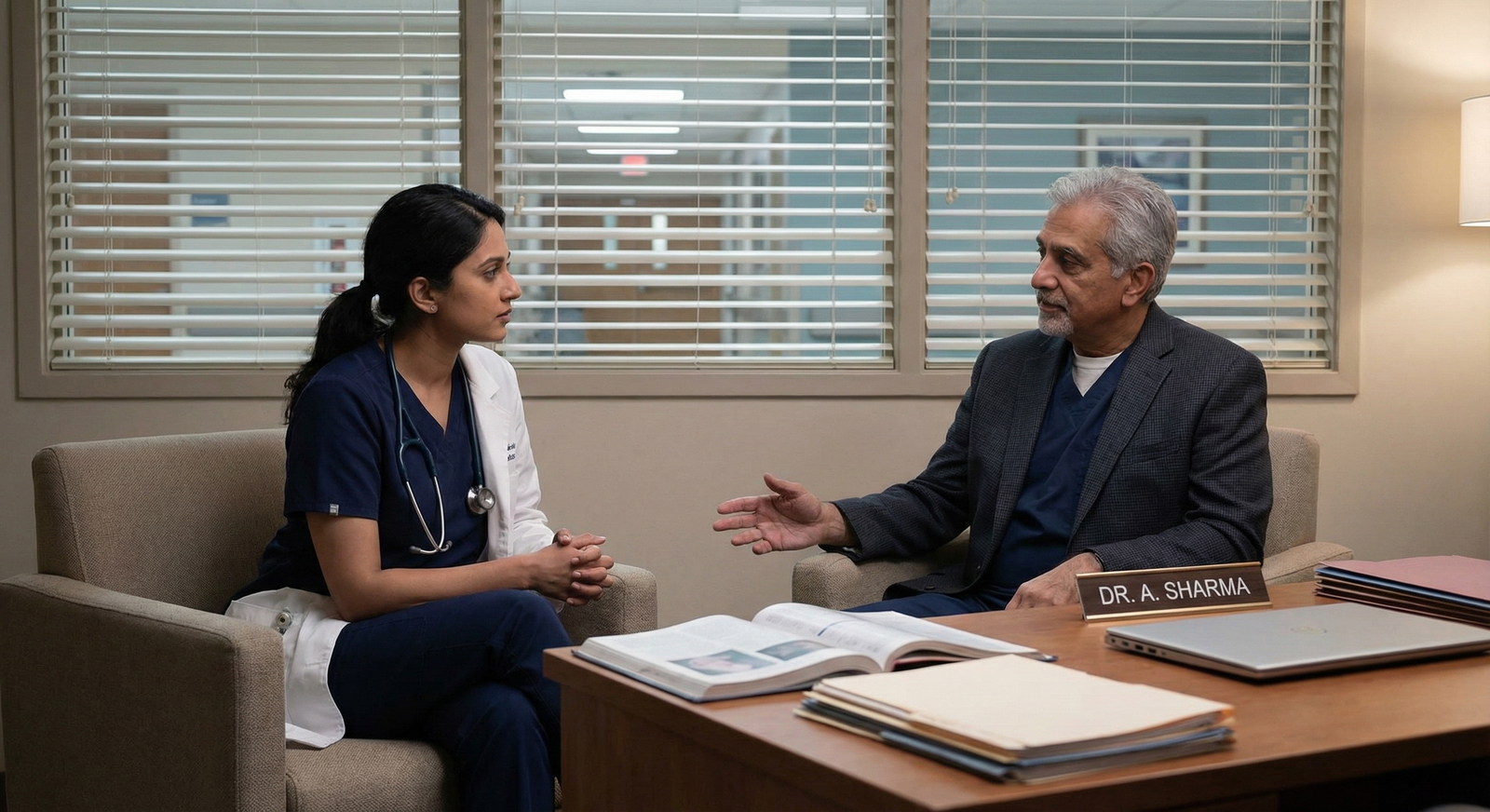
Why Networking in Medicine Matters Even More in Psychiatry
For an MD graduate aiming for psychiatry residency and beyond, clinical excellence and high board scores are not enough. Psychiatry is a relationship-centered specialty—and that culture extends to how careers are built. Who knows you, what they know about you, and how consistently you show up in professional spaces can reshape your trajectory.
Strategic medical networking can:
- Strengthen your allopathic medical school match prospects
- Open doors to psychiatry residency interviews and research
- Connect you to mentors who accelerate your growth
- Help you discover subspecialties, fellowships, and niche careers
- Build a support system for the emotional and ethical challenges of psych
This article walks through a structured approach to networking in medicine tailored specifically to MD graduates in psychiatry—from pre‑match planning and the psych match process to residency and early attending life.
Understanding the Networking Landscape in Psychiatry
Networking in medicine is not about handing out business cards or “using” people. It’s a professional version of what you already do with patients: building genuine, respectful, purpose-driven relationships over time.
Unique Features of Networking in Psychiatry
Psychiatry has characteristics that shape how networking works:
Smaller community than IM or surgery
It’s easier for reputations to spread—both positively and negatively. Professionalism, reliability, and kindness travel quickly.Academic and advocacy-oriented culture
Many psychiatrists are deeply involved in research, policy, education, and community mental health. Networking often blends clinical, academic, and advocacy work.High emphasis on interpersonal skills
Your interactions at conferences, on rotations, and during emails often double as informal “assessments” of your fit for the field.Growing subspecialization
Child and adolescent, addiction, forensic, consult-liaison, geriatric, neuropsychiatry, women’s mental health, and more—each with its own sub-network and conferences.
Core Networking Channels for MD Graduates
For an MD graduate pursuing psychiatry, your primary networking arenas include:
Home institution
- Attendings and faculty in psychiatry
- Residents and fellows
- Research groups and student interest groups
Away rotations / visiting student electives
- Key for building relationships at target programs
- Often heavily weighted in psych match decisions
Professional societies
- APA (American Psychiatric Association) and regional branches
- AACAP (for those interested in child & adolescent)
- AAPL (forensic psychiatry), AAAP (addiction), ACLP (consult-liaison), etc.
Conferences and symposia
- Poster and oral presentations
- Trainee networking events
- Workshops and mentorship sessions
Online platforms
- Email (still the backbone of academic communication)
- LinkedIn for professional presence
- Limited, professional use of X (Twitter) and other platforms to follow leaders, not overshare
Understanding this landscape helps you create an intentional plan rather than networking reactively.

Building a Strong Professional Foundation Before and During the Psych Match
Before you start cold-emailing program directors, you need a clear story and professional identity. Networking is far more effective when others can quickly understand who you are and what you’re aiming for.
Clarify Your Psychiatry Career Narrative
As an MD graduate, define a brief, authentic narrative that ties together your experiences and interests:
- Why psychiatry (beyond “I like talking to patients”)?
- What aspects of mental health are you drawn to (e.g., psychosis, mood disorders, trauma, addiction, health disparities)?
- What have you actually done that supports this interest (research, electives, advocacy, QI, volunteering)?
- Where do you hope to grow in residency (skills, populations, settings)?
Turn this into a 30–60 second “professional introduction” you can adapt for conversations:
“I’m an MD graduate from an allopathic medical school with a growing interest in consultation-liaison psychiatry. During my fourth-year psych rotation, I worked on a QI project to improve depression screening on the medical floors, and I really enjoyed bridging medicine and mental health. I’m hoping to match into a psychiatry residency that values both psychosocial and biologic approaches, with opportunities for teaching and QI.”
This alignment between your narrative and your actions makes your networking interactions coherent and memorable.
Leverage Your Allopathic Medical School Environment
If you’re coming from an allopathic medical school, you already have a rich environment for networking—even if your institution is not “psychiatry heavy.”
Key steps:
Identify 3–5 faculty who can be anchors for you
- Your psychiatry clerkship director
- Faculty you worked with on rotations
- A research mentor, even if their work is only adjacent to psych
- A dean or advisor who understands the allopathic medical school match process
Schedule focused meetings
- Ask about:
- Your competitiveness for psychiatry residency
- Target programs that align with your goals
- Opportunities to get involved (research, QI, teaching)
- Bring:
- An updated CV
- A brief list of questions
- A clear ask (e.g., feedback on strategy, letter of recommendation, connection to a colleague)
- Ask about:
Follow up and maintain contact
- Send brief updates every 3–4 months:
- New publications or posters
- Away rotations scheduled
- Match outcomes
- This converts a one-time meeting into an ongoing relationship.
- Send brief updates every 3–4 months:
Using Your “MD Graduate Residency” Status Strategically
If you’re an MD who has already graduated (e.g., took an extra year, research year, or had a delayed match), networking becomes even more crucial:
- Be ready to explain your timeline clearly and confidently, especially when talking to faculty and program leaders.
- Emphasize:
- Clinical skill maintenance (locums, research involving patient care, observerships)
- Ongoing commitment to psychiatry (courses, volunteering, publications)
- Ask mentors to advise you specifically on:
- Programs historically open to non-traditional or re-applicant candidates
- How to frame your gap time in your application and interviews
Networking can reframe your story from “delayed” to “deliberate.”
Mastering Conference & Event Networking in Psychiatry
Conference networking is one of the highest-yield strategies for psychiatry-bound MD graduates. Done well, a weekend conference can generate months’ worth of opportunities.
Before the Conference: Pre-Planning for Impact
Whether it’s the APA annual meeting, a regional psych society meeting, or a subspecialty conference:
Study the program in advance
- Identify:
- Sessions in your interest area (e.g., early psychosis, women’s mental health)
- Workshops on residency, careers, or mentorship medicine
- Posters by residents or faculty from programs you’re eyeing
- Identify:
Make a short target list
- 3–5 faculty whose work genuinely interests you
- 3–5 programs you want to learn more about
- Any “must-meet” names your mentors recommend
Reach out ahead of time (if appropriate)
- A concise email can set up a quick conversation:
“I’m an MD graduate applying to psychiatry residency this cycle, particularly interested in your work on trauma-informed care. I’ll be attending your session at APA and wondered if you might have 10–15 minutes during the conference for brief career advice.”
- A concise email can set up a quick conversation:
Even if they don’t respond, you’ve put your name on their radar.
During the Conference: Practical Tactics
When you’re on-site:
Attend trainee and early-career events
Many conferences hold networking receptions, mentoring breakfasts, or resident Q&A sessions. These are often the most accessible spaces to meet faculty and residents.Approach speakers with a specific comment or question Instead of, “That was great”; try:
“I appreciated your point about integrating trauma screening into primary care. At my allopathic medical school, we’re seeing similar challenges. How did you get your internal medicine colleagues engaged?”
Use the “3-2-1 rule” per day
- 3: New people you introduce yourself to
- 2: Brief but meaningful conversations
- 1: Follow-up you commit to (e.g., send a paper, email afterward)
Practice a clear introduction
“Hi, I’m Dr. ___, an MD graduate applying to psychiatry this year. I’m particularly interested in [topic]. I really liked your comment about [specific idea]. Do you mind if I ask how you got involved in that area?”
Network laterally, not just upward
- Residents and fellows:
- Can give real insight into program culture
- May become your future co-residents or collaborators
- Other MD graduates:
- Potential co-authors on multi-institutional projects
- Future colleagues in fellowships or faculty positions
- Residents and fellows:
After the Conference: Cementing Connections
Within 72 hours:
Send concise follow-up emails
- Remind them how you met:
“We spoke briefly after your session on psychotic disorders at APA.”
- Mention one specific takeaway
- Make a light, concrete ask if appropriate:
- “Could I email you with a few questions about careers in early psychosis?”
- “May I send you a draft of a related project I’m working on?”
- Remind them how you met:
Connect on LinkedIn where appropriate
- Use a customized note:
“We met at the APA resident networking breakfast. I’m an MD graduate entering the psych match this year and appreciated your advice about X.”
- Use a customized note:
Update your mentors
- A quick email:
“At APA I connected with Dr. X from Program Y; they encouraged me to consider a CL path. Thank you again for suggesting I attend the CL sessions.”
- A quick email:
This completes the loop of conference networking and feeds back into your broader mentorship network.

Mentorship in Medicine: Building Your Personal “Board of Advisors”
Mentorship medicine is one of the most powerful forms of networking in psychiatry. It turns chance interactions into long-term support.
Types of Mentors You Need in Psychiatry
Aim for a small but diverse mentorship circle—think of it as a personal board of advisors:
Clinical mentor (psychiatry)
- Helps shape your approach to patient care
- Advises on subspecialties and fellowships
- Can write strong letters for psych match and beyond
Academic or research mentor
- Guides you through projects, posters, and publications
- Introduces you to collaborators and research networks
- Helps you think about academic careers (if interested)
Career navigator (could be dean, advisor, or senior clinician)
- Understands the allopathic medical school match and residency pathways
- Helps you evaluate offers, contracts, and career transitions
Near-peer mentors
- Senior residents, chief residents, recent graduates
- Provide “just ahead of you” perspective on psych residency life and challenges
No single person will fill all roles; diversification protects you from overdependence and gives you richer guidance.
How to Ask for Mentorship Without Making It Awkward
Instead of saying, “Will you be my mentor?” begin with:
A specific, time-limited ask:
“Would you be willing to meet once to discuss how you chose your path in addiction psychiatry?”
If the relationship grows organically over 3–4 meetings, you can name it:
“You’ve been incredibly helpful over the past few months; would you be comfortable if I reached out periodically for mentorship as I move through residency?”
Mentors appreciate clarity and respect for their time.
Being a Good Mentee: Behaviors That Strengthen Relationships
To sustain mentorship and networking relationships:
Come prepared
- Send your CV ahead of meetings
- Bring 3–5 specific questions or decisions you’re working through
Accept feedback with openness, not defensiveness
- If a mentor suggests adjusting your target programs or expectations, explore why.
Follow through
- If they suggest an article, read it and send a brief thought.
- If they introduce you to someone, contact that person promptly and professionally.
Give updates
- Let them know the outcomes of things they helped influence:
“I took your advice about applying to mid-sized university programs with strong CL services. I matched at ___ and I’m thrilled.”
- Let them know the outcomes of things they helped influence:
Mentors often continue to advocate for mentees who show professionalism, gratitude, and initiative.
Networking Within Psychiatry Residency and Beyond
Once you enter a psychiatry residency, networking doesn’t stop—it evolves. This is where networking directly shapes your day-to-day career.
Internal Networking: Your Own Program and Hospital
Inside your psychiatry residency:
Build strong relationships with co-residents
- They can later become:
- Co-authors
- Fellowship co-trainees
- Referrers for jobs
- Shared call nights and clinical challenges are natural bonding points—nurture them.
- They can later become:
Connect with non-psychiatry colleagues
- Internists, neurologists, emergency physicians, and pediatricians
- This is crucial if you’re interested in:
- Consultation-liaison psych
- Collaborative care models
- Integrated behavioral health roles
Attend departmental events
- Grand rounds
- Morbidity & mortality (M&M) conferences
- Journal clubs
- Departmental retreats or wellness events
Showing up consistently builds your reputation as engaged, reliable, and curious.
External Networking: Fellowships, Jobs, and Beyond
As you progress through residency:
Use electives and away rotations to test subspecialty interests
- Example: A PGY-3 doing an elective at a regional forensic unit
- Network with faculty, ask how they built their careers, and inquire about fellowship expectations.
Present your work
- Aim for at least:
- 1–2 posters at regional or national meetings
- Local hospital or university research days
- Presentations are “conversation starters” in themselves; people will often approach you.
- Aim for at least:
Join committees and sections
- Many organizations have trainee sections:
- APA early career psychiatrist or resident-fellow sections
- Subspecialty society trainee committees
- Committee service introduces you to faculty across institutions.
- Many organizations have trainee sections:
Strategic use of medical networking platforms
- LinkedIn:
- Keep a polished, up-to-date profile
- Highlight psych residency, research, and specific interests
- X (Twitter) or similar:
- Follow thought leaders in psychiatry, but maintain professionalism
- Avoid posting patient details, controversial unprofessional content, or complaints about programs
- LinkedIn:
Handling the Emotional Side of Networking
Psychiatry residents often recognize the emotional labor in networking:
Imposter syndrome
- You may feel “less accomplished” than others. Reframe:
- Conferences and events are for learning and connection, not performance.
- Your questions and curiosity are valuable contributions.
- You may feel “less accomplished” than others. Reframe:
Burnout and capacity
- It’s okay to choose fewer, higher-impact events rather than everything.
- If you’re on a difficult rotation, networking may temporarily be lighter—that’s normal.
Boundaries
- Maintain respect for hierarchy and professional boundaries:
- Don’t overuse mentor personal contact (texts, late-night calls) unless invited.
- Avoid venting about your program or colleagues on social media.
- Maintain respect for hierarchy and professional boundaries:
Psychiatrists, perhaps more than other specialists, understand the psychological load of training. Healthy, honest, and bounded networking is essential self-preservation.
Practical Scenarios and Scripts for Psychiatry Networking
To make this concrete, here are real-world examples you can adapt.
Scenario 1: MD Graduate Emailing a Potential Research Mentor
Subject: MD graduate interested in psych research and CL psychiatry
Dear Dr. Lee,
My name is Dr. Aisha Khan, an MD graduate from [School], currently applying for psychiatry residency in the upcoming cycle. During medical school, I developed a strong interest in consultation-liaison psychiatry and completed a small QI project focused on improving delirium screening on the medical wards.
I read your recent paper on collaborative care models in medically ill patients with depression and found your findings on workflow integration particularly insightful. I’m reaching out to ask whether you might have any opportunities for a motivated trainee to contribute to ongoing research, even in a small role (data collection, chart review, manuscript support).
I’ve attached my CV for your reference and would be grateful for any advice you might have on developing an academic path in CL psychiatry.
Thank you very much for your time and consideration.
Sincerely,
[Name], MD
[Contact information]
Scenario 2: Talking to a Resident at a Conference Poster Session
“Hi, I’m [Name]. I’m an MD graduate applying to psychiatry this year and I’m really interested in early psychosis care. I saw your poster is from [Program Name], which is one of the places I’m considering. Could I ask you what you think distinguishes your program from others in terms of psychotherapy training and supervision?”
This respects their time, is specific, and opens space for authentic dialogue.
Scenario 3: Following Up After a Positive Interaction
Subject: Thank you and quick follow-up from APA
Dear Dr. Ramirez,
It was a pleasure meeting you after your APA talk on integrating trauma-informed practices in inpatient psychiatry. I’m the MD graduate who mentioned working on a QI project related to reducing restraint use at my medical school hospital.
I appreciated your advice on seeking out residency programs that prioritize both psychotherapy and systems-level change. I’ll be applying this fall and will keep your suggestions in mind as I finalize my program list.
If you’re open to it, I’d be grateful to stay in touch as I move through training. Thank you again for your generosity and insight.
Best regards,
[Name], MD
These small, deliberate steps expand your network while preserving authenticity.
FAQs: Networking in Medicine for MD Graduates in Psychiatry
1. How important is networking compared to board scores and grades in the psych match?
Networking will not replace minimum academic standards, but in psychiatry residency it can meaningfully influence:
- Who hears about your application in a positive light
- Whether someone advocates for you to get an interview
- How strongly letters of recommendation portray you
Think of it this way: strong scores get you into the conversation; effective networking often moves your file from “maybe” to “interview.”
2. I’m introverted. Can I still be effective at medical networking?
Yes. Introversion and strong networking are compatible, especially in psychiatry, where thoughtful, reflective conversation is valued. Some tips:
- Aim for one or two quality conversations rather than meeting everyone in the room.
- Come prepared with 3–4 questions you can ask almost anyone.
- Use email follow-up to build on brief in-person contacts.
- Choose smaller spaces—workshops, small group sessions, poster walks—over large receptions if big crowds drain you.
3. What are red flags or mistakes to avoid when networking in psychiatry?
Common pitfalls:
- Being transactional (“Can you help me get into your program?”) instead of building relationships
- Over-sharing personal mental health struggles in early professional interactions (you can be honest but maintain boundaries)
- Poor email etiquette (no greeting, no context, overly casual tone)
- Posting unprofessional content on social media (gossip about programs, patient details, political rants linked to your professional identity)
- Failing to follow through after people invest time in you
Professionalism and reliability are non-negotiable in this relatively small specialty.
4. How early should I start networking if I’m aiming for a psychiatry career?
Ideally:
- Pre-clinical / early clinical years: Attend psych interest group events, meet faculty, explore shadowing.
- Clinical years: Prioritize strong performance on psychiatry rotation; identify potential mentors.
- Fourth year & MD graduate phase: Intensify networking—research, conferences, away electives, mentorship.
If you’re reading this as an MD graduate just entering the psych match process, starting now is still highly worthwhile. Focus on high-yield actions: strengthening a small set of strong relationships, targeted conference networking, and building a coherent career narrative in psychiatry.
Intentional, relationship-centered networking fits naturally with the values of psychiatry. By approaching medical networking as a way to contribute, learn, and grow—not just to “get ahead”—you’ll build a career that is both professionally resilient and personally meaningful.