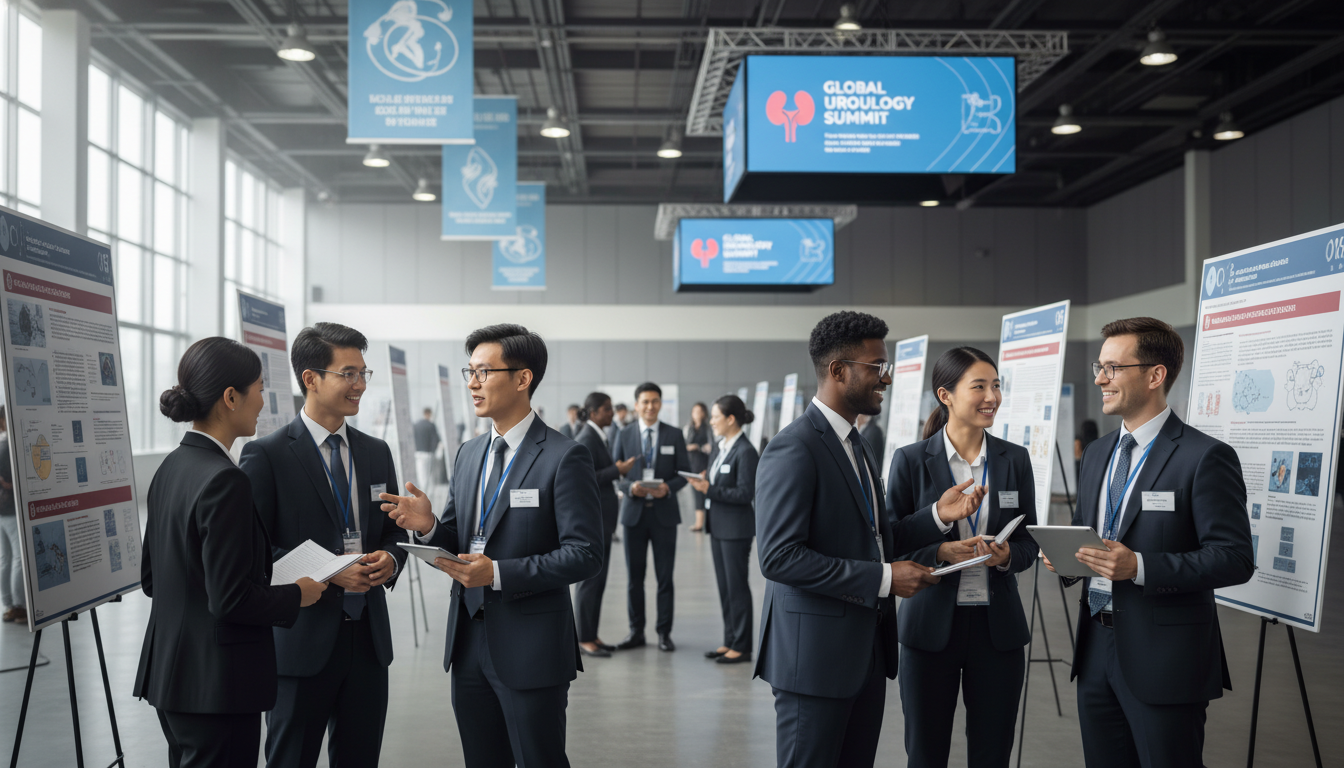
Networking in medicine is one of the most powerful tools you have as a non-US citizen IMG pursuing urology residency in the United States. For a specialty as competitive and relationship‑driven as urology, your network often becomes the bridge between “qualified on paper” and “trusted future colleague.”
This article focuses on how a foreign national medical graduate interested in urology can build, sustain, and strategically use medical networking to improve their chances in the urology match—and to set up a long-term, successful career.
Why Networking Matters Even More for Non-US Citizen IMGs in Urology
Urology is a small, tight-knit specialty. Program directors, faculty, and residents often know each other personally from conferences, research collaborations, and professional societies. For a non-US citizen IMG, this has several implications:
1. Overcoming Limited Initial Visibility
A US medical student at a home urology program automatically benefits from:
- Being seen on clinical rotations
- Receiving informal feedback and coaching
- Gaining “built-in” advocates among home faculty
As a non-US citizen IMG, you may lack:
- A home urology program
- Direct access to US faculty early on
- An established pipeline from your school to US residencies
Networking becomes your way to:
- Bridge the visibility gap
- Convert your CV from a list of achievements into a story people know
- Move from “unknown applicant” to “someone a trusted colleague recommended”
2. The Relationship-Driven Nature of the Urology Match
Urology programs are small; many take 1–3 residents per year. This intensifies the importance of “fit” and reputation:
- Faculty ask: “Would I want to work with this person for the next 5–7 years?”
- Residents ask: “Is this someone I’d be on call with and share cases with happily?”
Letters of recommendation and informal word-of-mouth can carry enormous weight. When programs know you through clinical exposure, conferences, or research, they’re more comfortable ranking you highly—even as a foreign national medical graduate.
3. Visa and Non-US Citizen Status Concerns
Some programs are:
- Unclear about visa processes
- Hesitant about potential delays and paperwork
- Unsure if a non-US citizen IMG will adapt to new systems
Strategic networking helps you:
- Educate potential mentors and program leaders about your visa status early
- Identify programs with a track record of supporting non-US citizen IMGs
- Reassure them (through your professionalism and consistency) that you’re a safe, committed investment
Core Principles of Medical Networking for Non-US Citizen IMGs
Before diving into specific tactics, it helps to frame networking in medicine around a few core principles.
Principle 1: Networking Is Relationship-Building, Not Transaction-Hunting
You’re not “asking everyone for a residency spot.” You’re building:
- Long-term professional relationships
- Mentorship in medicine
- A reputation for being reliable, curious, and collegial
Aim for: “How can I add value to this person’s work or team?” rather than “What can I get from them right now?”
Principle 2: Consistency Beats Intensity
It’s more effective to:
- Send 1–2 thoughtful emails per month
- Stay in touch with 5–10 mentors/sponsors
- Attend a few key virtual and in-person events regularly
…than to send 40 cold emails at once and never follow up.
Principle 3: Your Reputation Is Your Currency
Every interaction contributes to a “mental file” people keep on you. For a non-US citizen IMG, especially in a field like urology, aim to be:
- Punctual and dependable
- Prepared and curious
- Respectful of time and boundaries
- Honest about your goals (including urology match plans and visa needs)
A single strong impression with the right person (who trusts your work) can lead to:
- Research collaborations
- Rotations or observerships
- Strong letters of recommendation
- Advocacy behind closed doors during selection meetings
Where and How to Network: High-Yield Opportunities for Urology
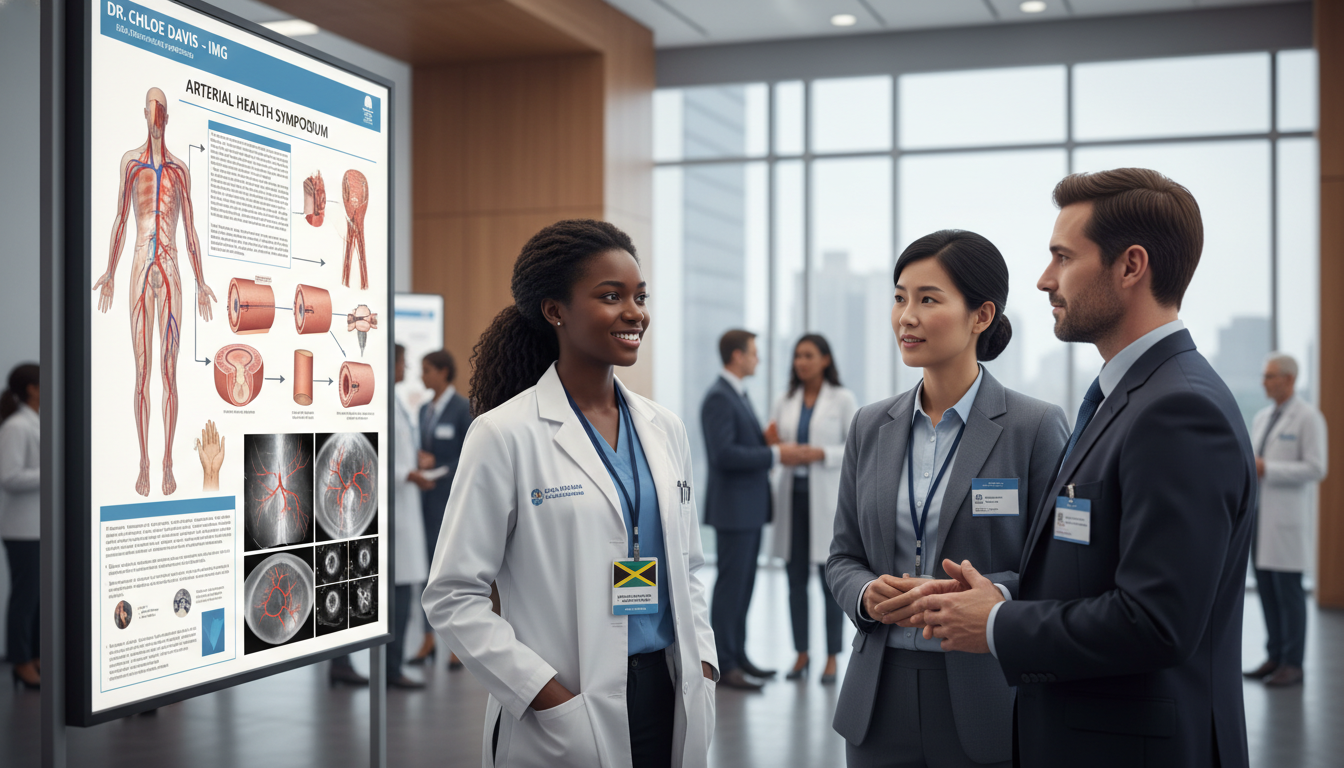
1. Conferences and Meetings: Your Best Networking Arena
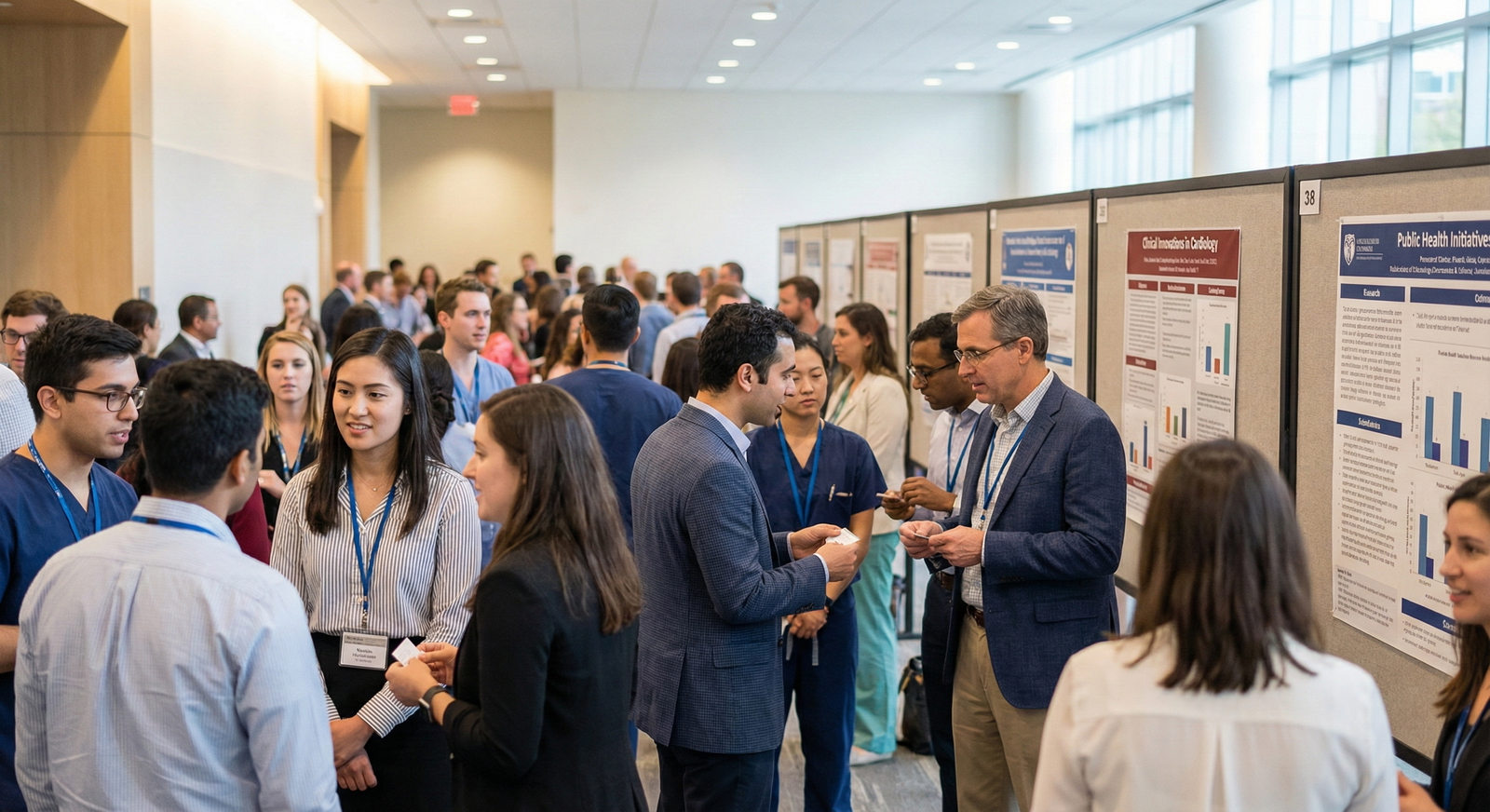
Conference networking is one of the most powerful strategies, especially in a small specialty like urology.
Key Urology Conferences to Know
- AUA (American Urological Association) Annual Meeting
- SUO (Society of Urologic Oncology) meetings
- SUFU (Society of Urodynamics, Female Pelvic Medicine & Urogenital Reconstruction) meetings for subspecialty interest
- Regional AUA sections (e.g., Northeastern, Southeastern, Western)
- Institutional research symposia or resident research days (if you’re doing research in the US)
As a non-US citizen IMG, target at least one major urology conference during your application period, ideally with a poster or oral presentation.
How to Prepare for Conference Networking
Set Specific Goals
- Example goals:
- Meet 3–5 faculty in endourology and introduce my research
- Reconnect with Dr. X who offered to review my abstract
- Learn which programs are IMG-friendly
- Example goals:
Research Attendees in Advance
- Scan conference programs for:
- Program directors and chairpersons
- Faculty at places you plan to apply
- Researchers in your area of interest (e.g., BPH, stones, oncology)
- Follow them on Twitter/X or LinkedIn if they are active
- Scan conference programs for:
Draft Short Self-Introductions
- 15–20 second “professional intro”:
- “My name is Dr. [Name]. I’m a non-US citizen IMG from [country] and currently doing a research year at [institution] focused on [topic]. I’m very interested in urology residency and especially [subspecialty]. I’ve been following your work on [specific paper or topic].”
- 15–20 second “professional intro”:
Prepare Simple Conversation Starters
- “I really enjoyed your talk on [topic]. May I ask how you became interested in that area?”
- “I’m an IMG hoping to apply to urology residency. Do you have any advice for someone in my position?”
- “Does your program work with foreign national medical graduates? I’d love to learn more about how your residents are trained.”
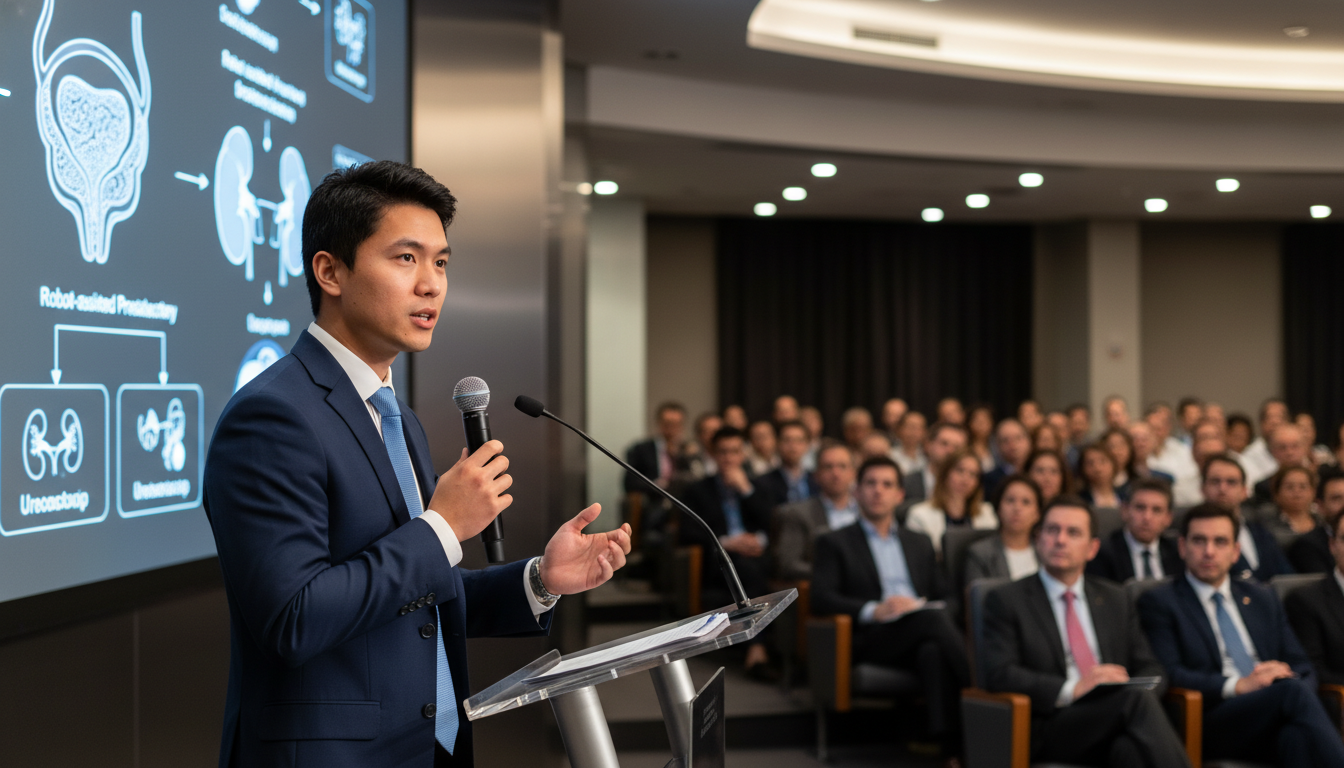
At the Conference: Step-by-Step Approach
Posters and Oral Sessions
- Stand by your poster and engage passersby; introduce yourself and offer a quick 30-second summary.
- When you visit others’ posters, ask 1–2 genuine questions. End with: “May I stay in touch by email or LinkedIn? I’m exploring research in this area.”
Program Showcases / Meet-the-Programs Sessions
- Many specialty meetings have program networking hours.
- Approach program tables with:
- A brief introduction
- 1–2 specific questions (e.g., “How do you view IMGs?” “Do you sponsor J-1 or H-1B visas?”)
- Collect contact information and follow up afterward.
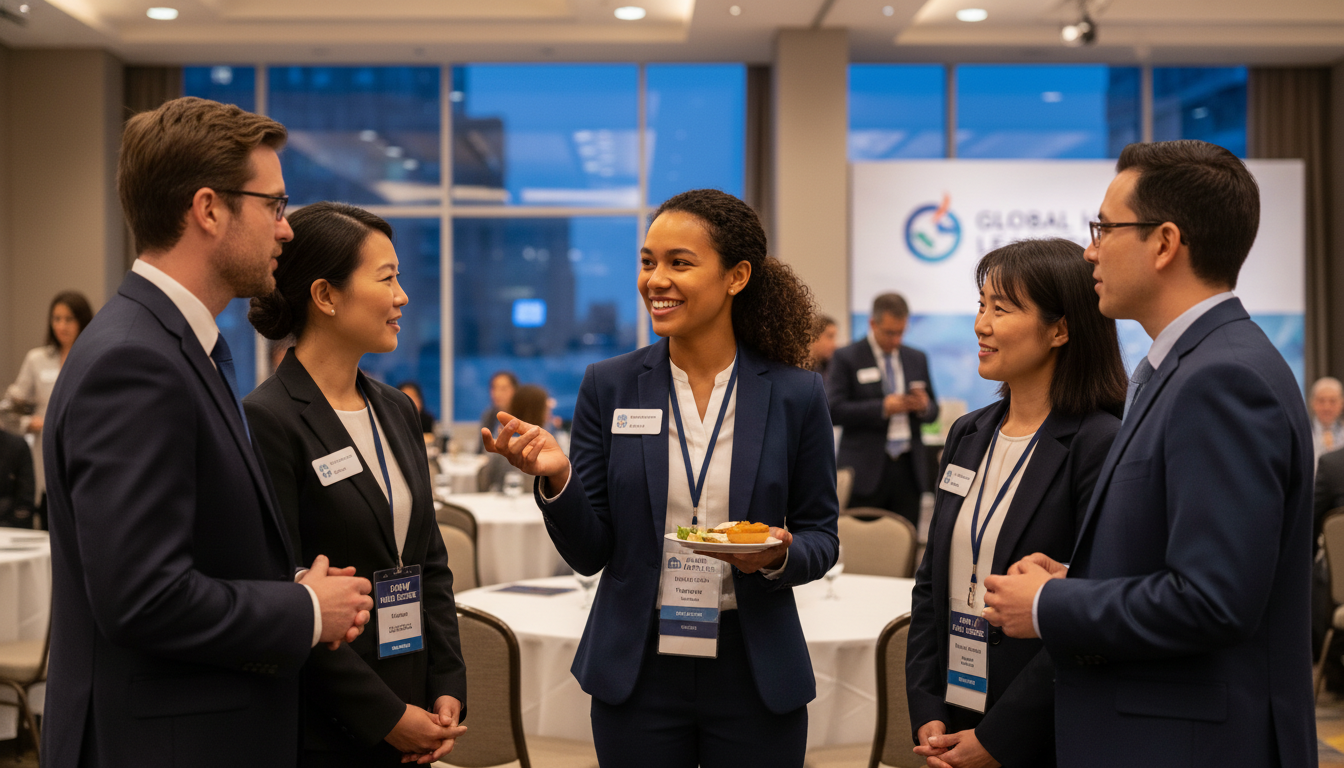
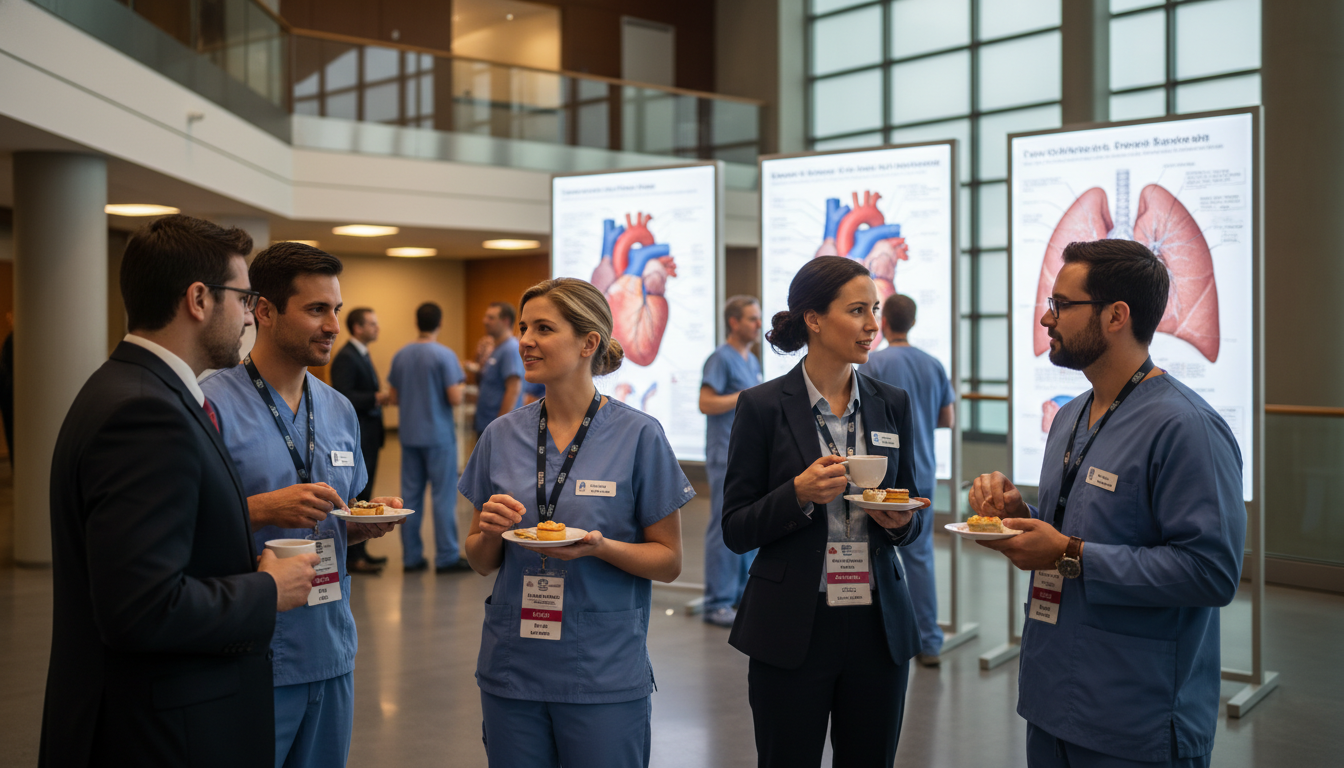
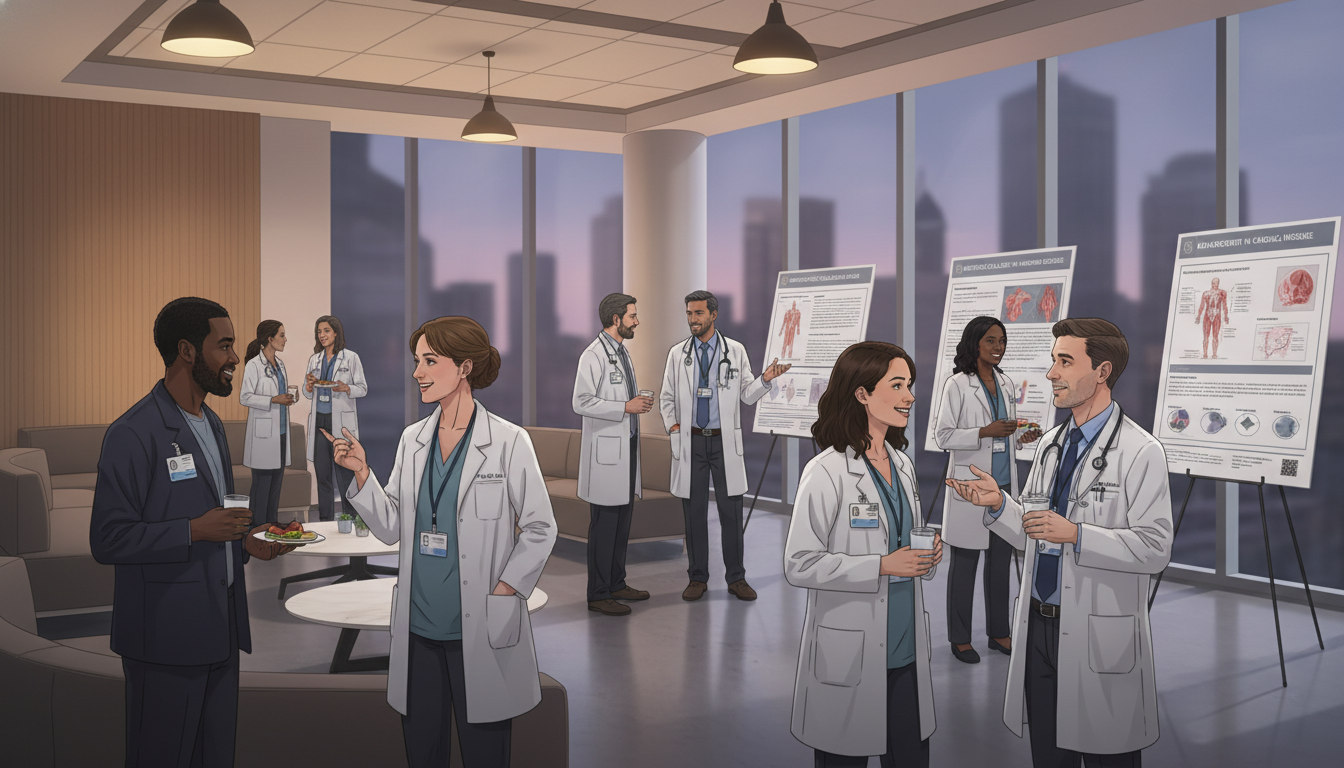
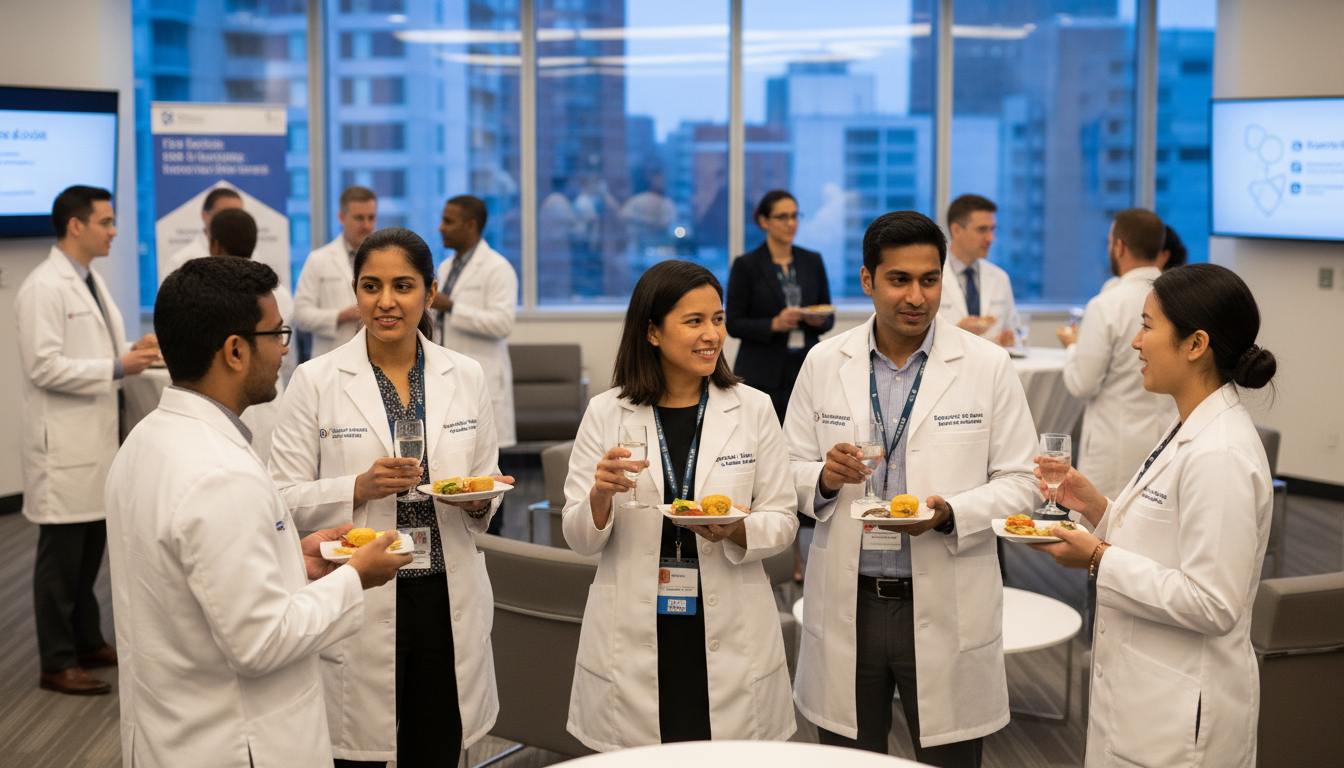
Social Events
- Attend resident socials, trainee networking events, or young urologist receptions.
- These are often more relaxed and allow deeper conversations with residents who can later advocate for you.
2. Digital Networking: Email, Social Media, and Virtual Events
If you’re outside the US or finances limit conference travel, digital medical networking becomes critical.
Email Outreach to Faculty and Researchers
Your aim: connect with urology faculty for:
- Research collaboration
- Mentorship in medicine and career advice
- Potential future letters of recommendation
Sample Email Structure
- Subject:
- “Prospective Urology Applicant – IMG Interested in [Topic] Research”
- Body (short, focused):
- Who you are (non-US citizen IMG, where you trained)
- Why you’re writing (interest in their specific work)
- What you’re asking for (brief meeting, opportunity to help with a project, guidance on next steps)
Example:
Dear Dr. Smith,
My name is Dr. [Name], a non-US citizen IMG from [Medical School, Country], currently [briefly describe your current position or step prep/research]. I have a strong interest in urology, specifically in [topic], and I recently read your article on [short reference] in [journal].
I would be very grateful for the opportunity to speak with you for 15–20 minutes about your work and to ask your advice on how someone in my position can best prepare for a future urology residency in the US. I would also be eager to contribute to any ongoing research projects where you might need assistance with data collection, literature review, or analysis.
Thank you very much for your time and consideration.
Sincerely,
[Name]
[Current position]
[Country]
[Email] | [LinkedIn (optional)]
Send a courteous follow-up after 7–10 days if no response; many busy faculty genuinely miss messages.
Twitter/X and LinkedIn in Academic Urology
Many academic urologists and residents are active on social media:
- Share or comment thoughtfully on urology articles
- Follow urology programs and societies
- Ask brief, specific questions publicly (without oversharing personal details)
Examples of appropriate engagement:
- “Thank you for sharing this great thread on bladder cancer management, @DrX. As an IMG interested in urology, this was very helpful.”
- “Really insightful RCT on BPH outcomes—curious if this has changed your day-to-day practice at your institution?”
Avoid:
- Publicly asking for letters or positions
- Overly personal disclosures
- Aggressive tagging of many people in your posts
Virtual Webinars and Open Houses
Many urology programs now host:
- Virtual open houses
- Resident Q&A sessions
- “Meet the program director” webinars
As a foreign national medical graduate, these are invaluable to:
- Ask if they consider non-US citizen IMGs
- Clarify their visa support policies
- Learn what they value most in applicants
Keep your camera on if possible, ask 1–2 thoughtful questions, and send a thank-you email afterward if contact information is provided.
Mentorship, Sponsorship, and Finding Your Advocates in Urology
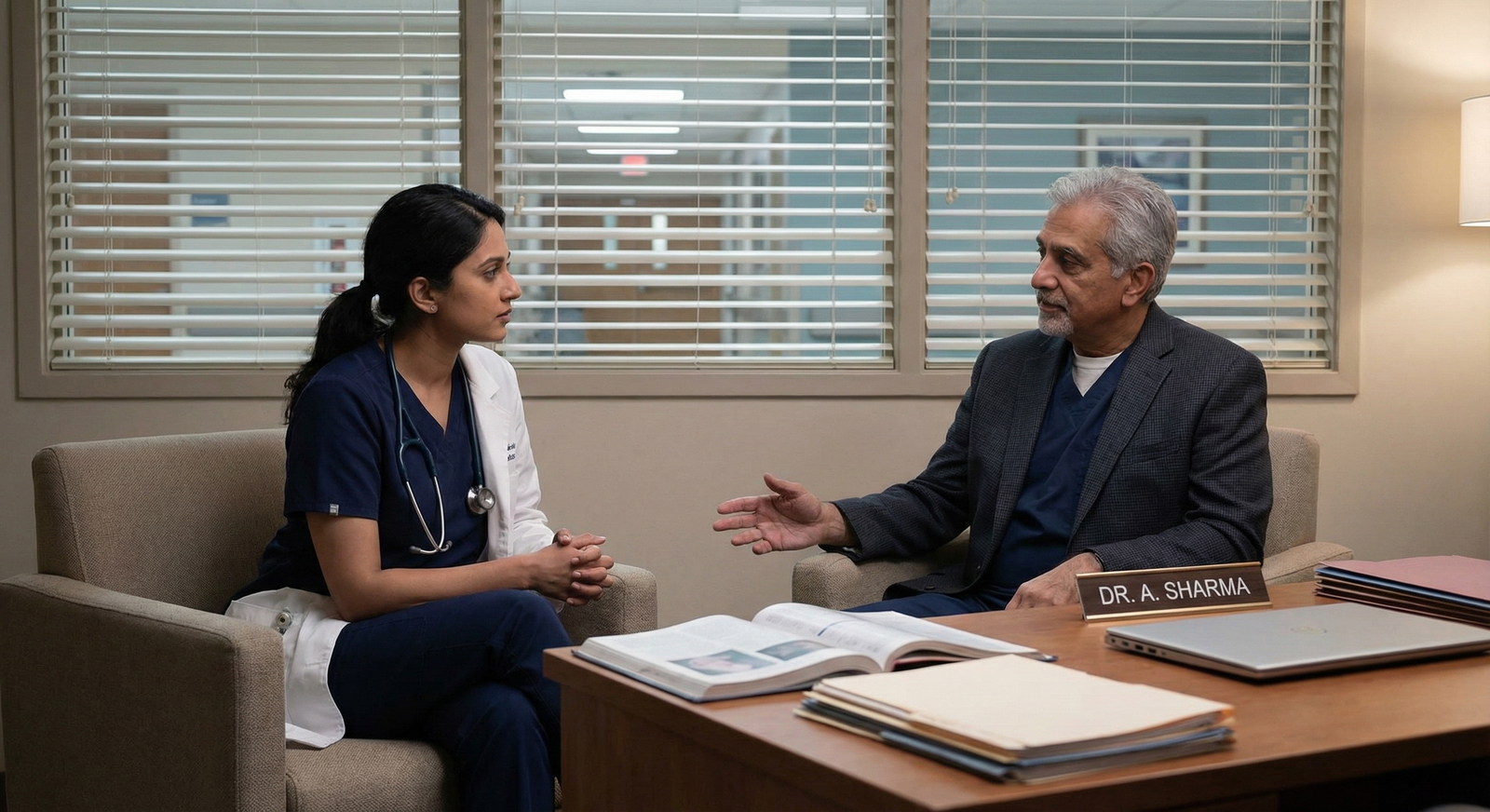
Networking in medicine is not just about meeting people, but about identifying mentors and sponsors.
Mentorship vs Sponsorship in Urology
Mentor:
- Guides you, gives feedback, helps you develop.
- Example: A urology fellow who reviews your CV, helps you plan Step exams, or edits your personal statement.
Sponsor:
- Actively uses their influence to open doors for you.
- Example: A faculty member who invites you onto a research project, picks up the phone to call a program director about you, or fights for you in a rank meeting.
As a non-US citizen IMG, you need both—but sponsors are particularly crucial to overcome systemic biases and unfamiliarity.
How to Find Mentors in Medicine as a Non-US Citizen IMG
Start Local, Then Expand
- If your home institution has any urology or surgical faculty, start there, even if they’re not US-based. They can still help:
- Provide early mentorship in medicine
- Connect you with colleagues abroad
- Support your research foundation
- If your home institution has any urology or surgical faculty, start there, even if they’re not US-based. They can still help:
Research Collaborations in the US
- Secure a US research position (ideally in urology, but related fields like oncology, radiology, or nephrology can also help).
- Show up consistently: be the person who delivers figures early, responds promptly, and takes responsibility.
Professional Societies’ Mentorship Programs
- Some urology and surgical societies have formal mentorship programs for trainees, sometimes including IMGs or international members.
- Explore AUA, SUO, SUFU, and regional societies for trainee membership options.
How to Be a “High-Value” Mentee
To convert casual advisors into genuine mentors and sponsors, demonstrate:
Reliability
- Meet every deadline you commit to
- Communicate early if something will be delayed
Preparation
- Before a meeting, read their recent work
- Bring a list of questions and updates on your progress
Gratitude and Reciprocity
- Acknowledge their time and support
- Offer to help with projects, data collection, or manuscript editing
- Share your successes and give them credit when appropriate
Over time, your mentor is more likely to:
- Introduce you to colleagues
- Help you secure away rotations or visiting positions
- Advocate for you during the urology match

Turning Your Network into Urology Match Success
Networking only achieves its full potential if you connect it strategically to the urology residency application cycle.
1. Using Your Network to Identify IMG-Friendly Urology Programs
Ask mentors, residents, and faculty:
- “Which programs have successfully matched non-US citizen IMGs recently?”
- “Do you know programs that routinely sponsor J-1 or H-1B visas?”
- “Which chairs or program directors are particularly supportive of international trainees?”
Compile a list and cross-check:
- Program websites (look at current/past residents)
- Program social media (residents’ backgrounds and diversity)
- NRMP and AUA supplemental data (if available)
This helps you:
- Target programs more likely to view your application positively
- Avoid wasting money on applications to programs that historically never consider foreign national medical graduates
2. Letters of Recommendation from Your Network
Strong urology letters often come from:
- US-based urology faculty (ideally in academic centers)
- Faculty who know you well over time through research or rotations
- Well-connected mentors whose name is recognized in the field
Your networking efforts should aim to:
- Work closely with at least 2–3 urologists who can assess both your clinical and research abilities
- Provide them with a comprehensive CV and personal statement draft when they agree to write a letter
- Give them ample time (at least 4–6 weeks) before letter submission deadlines
3. Informational Interviews Before Applying
Use your connections to request short, focused conversations with:
- Residents in programs you’re targeting
- Recently matched urology applicants (especially other IMGs)
- Faculty in your research institution with insight into the match
Ask questions like:
- “From your perspective, what stands out in a strong urology applicant?”
- “How did you overcome challenges as a non-US citizen IMG?”
- “Are there particular pitfalls I should avoid during the application season?”
Be clear you’re asking for advice, not favors, unless they explicitly express interest in advocating for you.
4. During Interview Season: Maintaining and Leveraging Relationships
Let close mentors and sponsors know which interviews you received. Some may reach out quietly to programs on your behalf.
Before each interview:
- Review any prior interactions with that program’s faculty (conference conversations, email exchanges, shared projects).
- Mention those touchpoints naturally in interviews:
- “I met Dr. X at AUA last year, and our discussion about your robotic training really stayed with me.”
After interviews:
- Send concise, specific thank-you emails.
- Continue updating your main mentors about your impressions; they may give helpful perspective on program culture.
Common Networking Challenges for Non-US Citizen IMGs (and How to Solve Them)
1. “I Feel Like I Have Nothing to Offer”
You may not have a US degree or home program, but you can still add value:
- Offer to help with data entry, literature reviews, or manuscript preparation.
- Share international perspectives on disease patterns or healthcare systems.
- Be the person who “gets things done” when research groups are overwhelmed.
2. “I’m Afraid of Being Annoying or Pushy”
Guidelines:
- Initial email: fine.
- One follow-up after 7–10 days: acceptable.
- If no response after that: move on (at least for now).
In-person or video conversations:
- Ask if they’re open to staying in touch.
- Respect their boundaries if they seem rushed or noncommittal.
Most faculty appreciate polite, purposeful persistence—within limits.
3. “My Accent / English / Cultural Style Makes Me Self-Conscious”
You do not need perfect English to build strong relationships. Focus on:
- Clarity rather than perfection
- Active listening and thoughtful questions
- Gradual exposure: practice with peers, then mentors, then larger groups
Many US urologists have trained or worked internationally and respect the courage it takes to pursue training abroad as a foreign national medical graduate.
4. “I’m Outside the US and Can’t Travel Much”
Lean heavily on:
- Virtual conferences, webinars, and open houses
- Remote research collaborations
- Social media engagement
- Local mentorship and regional urology or surgical societies in your own country
Even one in-person visit—such as a research year or an away rotation—can then be leveraged to maximize in-person contacts during that period.
FAQs: Networking in Medicine for Non-US Citizen IMGs in Urology
1. How early should I start networking if I want a urology residency in the US?
Ideally 2–3 years before you apply. This gives you time to:
- Build meaningful research relationships
- Attend at least one major urology conference
- Secure strong mentors and sponsors
- Clarify visa issues and target appropriate programs
If you’re closer to your application date, start now—prioritize a few focused relationships over trying to contact everyone.
2. Is it okay to directly ask a faculty member to advocate for me with a specific program?
It’s usually better to:
- Demonstrate consistent work and reliability first
- Allow mentors to offer advocacy when they feel comfortable
However, close mentors know how important sponsorship is. It’s acceptable to say:
- “If you feel you can support me strongly, would you be comfortable reaching out to programs you know well after I receive interviews?”
Always give them an easy way to decline without guilt.
3. Do I need urology-specific mentors, or can other specialties help?
Urology mentors are ideal, but other specialties can still be very valuable:
- Surgeons, oncologists, nephrologists, radiologists—especially if they collaborate with urology
- They can guide your clinical and research development and may know urologists they can introduce you to.
Aim for a mix: at least one or two urology-connected mentors, plus a broader support network in related fields.
4. How can I tell if a program is truly open to non-US citizen IMGs despite what they say publicly?
Use your network to cross-check:
- Ask current or recent residents (especially IMGs) about their real experiences.
- Look at residents’ backgrounds on the program website.
- Ask directly in a respectful way during open houses:
- “I’m a foreign national medical graduate. Does your program currently sponsor J-1 or H-1B visas, and have you had non-US citizen residents in recent years?”
If there is never an IMG in the program and answers seem vague or hesitant, be cautious with your expectations.
By approaching networking in medicine as a long-term, relationship-centered process, you can transform your status as a non-US citizen IMG from a barrier into a distinctive strength. In a small, interconnected field like urology, the colleagues you meet today may be the mentors, collaborators, and advocates who help you thrive for decades to come.