Why Networking in Medicine Matters Even More for Non‑US Citizen IMGs in Addiction Medicine
For a non-US citizen IMG pursuing addiction medicine in the United States, clinical skills and exam scores are necessary—but rarely sufficient. Your visa status, foreign training background, and relative lack of local connections mean that strategic networking in medicine is one of the most powerful tools you have to:
- Secure residency or fellowship positions, especially in addiction medicine fellowships
- Find mentors who understand both immigration and career hurdles
- Access substance abuse training opportunities and research
- Build credibility in a niche specialty where trust and reputation matter
- Transition from residency into academic, clinical, or public health roles
This article focuses on practical, step‑by‑step networking strategies specifically for the non-US citizen IMG interested in addiction medicine—starting from residency and extending into fellowship and early career.
Understanding the Networking Landscape in Addiction Medicine
Networking in medicine is not just trading business cards at conferences. It’s the ongoing process of building mutually beneficial professional relationships over time. In addiction medicine, this takes on some unique characteristics.
Why Addiction Medicine Is a Relationship‑Heavy Field
Addiction medicine is:
- Interdisciplinary: You routinely interact with psychiatry, internal medicine, family medicine, emergency medicine, pain medicine, social work, and public health.
- Policy‑influenced: Much of addiction treatment depends on legal, regulatory, and public health frameworks.
- Stigma‑laden: Misconceptions about substance use disorders remain common—even among clinicians. Having a respected network helps you advocate for patients and for your role as an addiction specialist.
Because of this, the field is relatively small but tightly connected. Program directors, fellowship directors, researchers, and policy leaders often know one another, especially within regional or national circles. A positive impression in one setting can spread far—and so can a negative one.
Unique Barriers for Non-US Citizen IMGs
As a foreign national medical graduate, you face additional challenges:
- Visa restrictions (J-1, H-1B, or pending green card) that may limit job or fellowship options
- Less exposure to US-based substance abuse training models
- Fewer pre-existing US mentors or advocates
- Limited familiarity with US conference networking norms and email etiquette
- Possible accent/language barriers and anxiety about cultural misunderstandings
Recognizing these barriers is not about discouragement; it’s about designing your networking strategy to address them directly.
Core Networking Mindset for IMGs
Adopt three principles:
Value exchange, not self‑promotion
Approach networking as: “How can I contribute, learn, and collaborate?” rather than “How can this person help me get something?”Consistency over intensity
Regular, small touches (emails, brief check‑ins, sending an article of interest) are more effective than one big interaction followed by silence.Visibility plus reliability
You want people to see your work and also trust your follow‑through. In addiction medicine, reliability—showing up for vulnerable patients and teams—speaks louder than any elevator pitch.
Building Your Network Early: From Medical School to Residency
Even if you are still in your home country, you can start networking in medicine for addiction medicine now.
Step 1: Clarify Your Addiction Medicine Story
Before you reach out to anyone, clarify for yourself:
Why addiction medicine?
- Personal or family experience?
- Exposure to the overdose crisis, alcohol‑related disease, or HIV/HCV in your home country?
- Interest in psychiatry, primary care, or public health?
How does your background as a non-US citizen IMG uniquely position you to add value?
- Language skills
- Understanding of cultural barriers to treatment in immigrant communities
- Experience in low‑resource or stigmatized settings
Have a 2–3 sentence narrative ready. For example:
“I trained in internal medicine in [Country], where I often treated patients with alcohol and opioid use disorders but saw very limited access to structured addiction care. I’m pursuing residency and eventually an addiction medicine fellowship in the US because I want to combine clinical care with public health approaches, especially for immigrant communities.”
You will use this in emails, at conferences, and in informal conversations.
Step 2: Use Digital Platforms Strategically (Before You Arrive in the US)
LinkedIn and X (Twitter)
Create or refine a professional profile:
- Headline: “Non-US citizen IMG aspiring addiction medicine physician | Internal medicine resident [or applicant] | Interested in substance use and immigrant health”
- Follow:
- American Society of Addiction Medicine (ASAM)
- AAAP (American Academy of Addiction Psychiatry)
- Leading addiction medicine fellowship programs
- Program directors and faculty whose work you admire
Engage wisely: like, comment, and share content about:
- New addiction medicine research
- Policy updates (e.g., buprenorphine prescribing, harm reduction)
- Cross-cultural challenges in substance use treatment
Keep your comments professional and thoughtful. Over time, these micro‑interactions become part of your networking footprint.
Specialty Societies: Join Early, Even as a Student or International Member
ASAM and other organizations often have:
- Student, resident, or international membership categories
- Free or discounted virtual webinars and journal clubs
- Email listservs where leaders and trainees discuss clinical cases, research, and job opportunities
As a foreign national medical graduate, joining early allows you to:
- Recognize names of leaders before you meet them
- Learn common language and frameworks used in US substance abuse training
- Identify potential mentors well before application season
Step 3: Begin Relationship‑Building with Email
You do not need to be physically in the US to start medical networking.
Whom to Email
- Addiction medicine fellowship directors
- Faculty who publish in areas of your interest (e.g., opioid use in pregnancy, harm reduction, SUD in primary care)
- IM or FM residency program faculty with addiction medicine roles
- Public health professionals working in addiction policy
Structure of an Effective Introductory Email
Subject line examples:
- “Prospective non-US citizen IMG interested in addiction medicine – request for brief advice”
- “Foreign national IMG seeking guidance on addiction medicine pathway”
Email template (adapt to your voice):
Dear Dr. [Last Name],
My name is [Name], and I am a non-US citizen IMG from [Country], currently [completing medical school / working in clinical practice / preparing for residency applications]. I have a strong interest in addiction medicine, particularly [specific focus—e.g., opioid use disorders in primary care, substance use in immigrant communities].
I have followed your work on [specific paper, project, or talk] and found your perspective on [brief comment] very helpful. I am hoping to pursue residency in the US and, eventually, an addiction medicine fellowship.
If you have 15–20 minutes available in the next month, I would be very grateful for any advice you might have on steps I can take as a foreign national medical graduate to prepare for a career in addiction medicine, particularly regarding [e.g., research, electives, or mentorship].
I understand you are busy, and I appreciate any guidance or resources you can share.
Sincerely,
[Full Name]
[Current role, country]
[LinkedIn or professional webpage, if available]
You are not asking for a job; you are asking for advice and opening the door to a relationship.

Maximizing Mentorship and Sponsorship in Medicine
Networking without mentorship is shallow; mentorship without networking is limited. As a non-US citizen IMG, you want to intentionally build both.
Understanding Roles: Mentor, Sponsor, and Peer Network
- Mentor: Offers career advice, feedback, and emotional support. They help you think, not just progress.
- Sponsor: Uses their reputation and connections to open doors (e.g., recommending you for an addiction medicine fellowship, nominating you for a talk).
- Peer network: Other residents, IMGs, and fellows who share information and opportunities with you.
You will likely need a small team of mentors, not just one:
- Clinical mentor – helps you learn US addiction medicine care models
- Academic mentor – guides you in research, writing, and presentations
- Visa/IMG‑savvy mentor – familiar with J-1/H-1B issues and job constraints
- Peer mentor(s) – slightly ahead of you (e.g., senior residents or fellows)
How to Find Mentors in Addiction Medicine
Within your residency program (or intended program)
- Look for:
- Attendings who prescribe buprenorphine or run addiction consult services
- Faculty involved in SBIRT (Screening, Brief Intervention, and Referral to Treatment) initiatives
- Ask chief residents or program leadership: “Which faculty have a strong interest in addiction medicine or substance use disorders?”
- Look for:
Within professional societies
- ASAM often has mentorship programs, trainee sections, and networks for international or IMG members.
- Volunteer for committees (e.g., education, policy, trainee initiatives). Committee participation naturally creates mentor relationships.
Through research collaborations
- Offer to help with chart review, data collection, manuscript drafting, or literature reviews on addiction topics.
- Research supervisors frequently become your most powerful sponsors because they know your work ethic closely.
Making the Most of Mentorship Meetings
Prepare before each mentorship meeting:
- Send a brief agenda 24–48 hours ahead:
- “Brief update on my current situation”
- “Specific questions: (1) Which conferences should I prioritize this year? (2) How can I position myself for an addiction medicine fellowship as a non-US citizen IMG?”
- Bring or share:
- Short CV or updated experiences
- List of programs and fellowships you’re considering
After the meeting:
- Send a thank‑you email summarizing 2–3 key takeaways and any agreed action items.
- Follow through quickly. Reliability strengthens the relationship and makes sponsors more likely to vouch for you.
Conference Networking: Turning Events into Long‑Term Relationships
Conferences are high‑yield opportunities for medical networking—especially in a relatively small specialty like addiction medicine.
Choosing the Right Conferences for Maximum Impact
For a non-US citizen IMG in addiction medicine, consider:
American Society of Addiction Medicine (ASAM) Annual Conference
- Flagship meeting with clinicians, researchers, policy experts
- Often includes trainee‑focused tracks, mentorship events, and career panels
AAAP Annual Meeting (if your interest leans toward addiction psychiatry or co‑occurring disorders)
Regional ASAM or state society meetings
- Smaller, often more accessible
- Easier to meet leaders and faculty from fellowship programs
General medicine conferences (ACP, APA, AAFP) with addiction tracks
- Good for broad networking and demonstrating that addiction medicine bridges multiple disciplines
Look for virtual options if you cannot easily travel due to visa or financial constraints. Many conferences now offer hybrid formats, which can still be beneficial for early network building.
Preparing for Conference Networking as an IMG
Review the attendee list and program
- Identify:
- Addiction medicine fellowship directors
- Speakers from programs that sponsor visas
- Researchers whose work aligns with immigrant health, global addiction issues, or your clinical interests
- Identify:
Reach out in advance
- Short email or message:
“I saw that you’ll be speaking at ASAM this year. I’m a non-US citizen IMG and current [position] with a strong interest in addiction medicine. If you have a few minutes during the conference, I’d be grateful for advice on building a career in this field as a foreign national medical graduate.”
- Short email or message:
Prepare your “30‑second story”
Have a concise self‑introduction ready that covers:- Who you are
- What you’re doing now
- Your interest in addiction medicine
- One specific goal (e.g., “exploring addiction medicine fellowships that sponsor visas”)
Example:
“I’m Dr. [Name], a non-US citizen IMG from [Country], currently an internal medicine resident at [Institution]. I’m very interested in addiction medicine, particularly treating substance use disorders in immigrant and underserved communities. I’m here at ASAM to learn more about addiction medicine fellowships and potential research collaborations.”
How to Approach People at Conferences
- In sessions: Sit near the front, ask thoughtful questions, and introduce yourself to the speaker afterward.
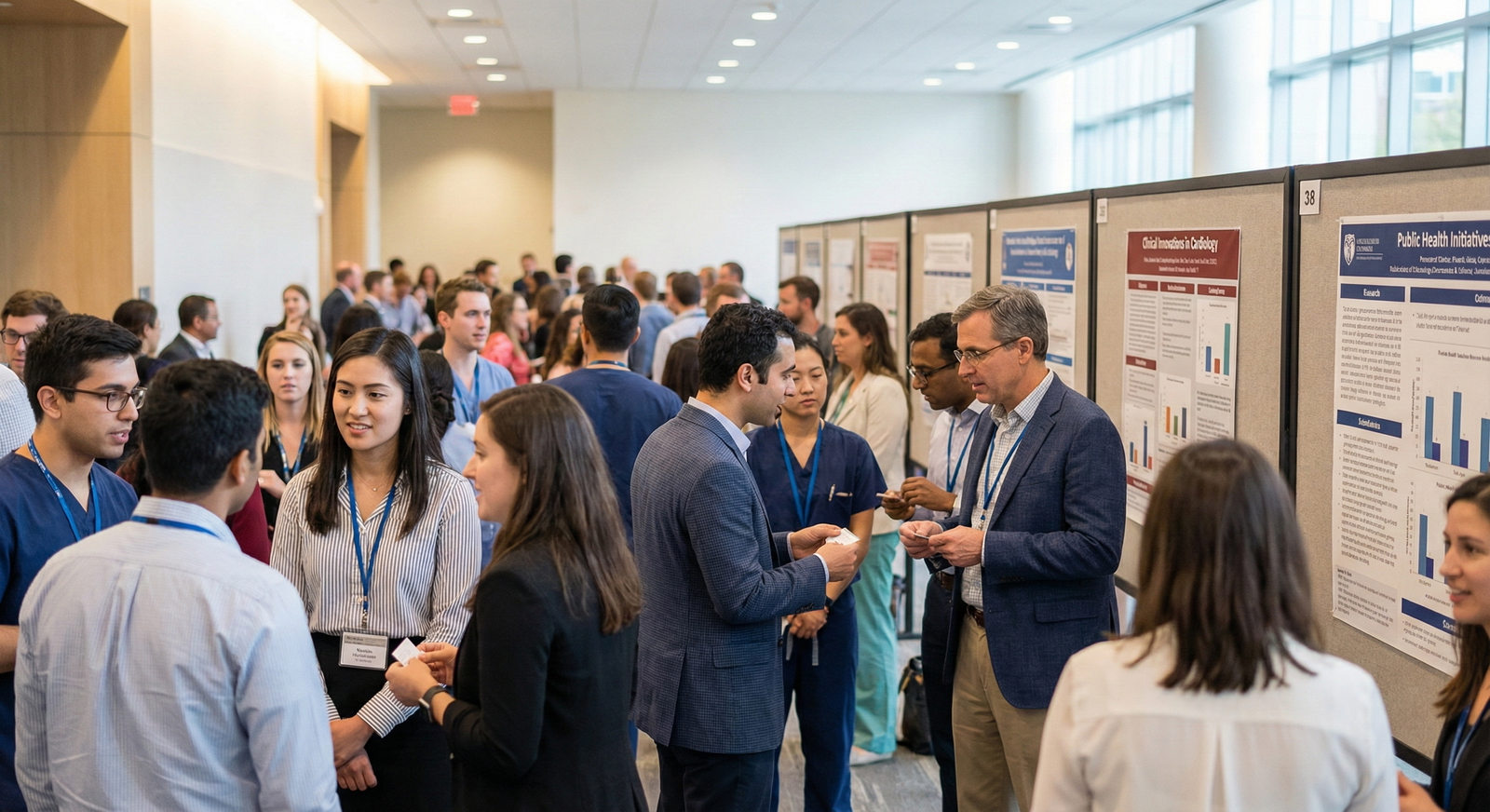
- At poster sessions: Visit posters related to your interest, ask presenters about their methods and challenges, and exchange contact information.
- At networking events: Rotate—don’t stay in one spot the entire time. Aim for quality conversations, not the highest number of business cards.
Practical questions to ask:
- “Which addiction medicine fellowships would you recommend I learn more about, especially those open to non-US citizen IMGs?”
- “What skills do you think are most important to develop during residency if I want to be competitive for addiction medicine fellowship?”
- “Are there any trainee committees or working groups you’d suggest I join?”
Following Up After Conferences
Networking is built in the follow‑up, not just the first meeting.
Within 3–7 days:
- Send personalized emails:
- Mention where you met
- Reference something specific you discussed
- Indicate one clear action (e.g., sending your CV, asking for a brief call, or joining their project)
Example:
Dear Dr. [Last Name],
It was a pleasure meeting you at the ASAM Annual Conference after your session on [topic]. Your discussion of [specific point] resonated with me, particularly as a non-US citizen IMG interested in [area].
As we discussed, I am exploring addiction medicine fellowship options that support foreign national medical graduates. If you are open to it, I’d appreciate the opportunity to schedule a brief 15‑minute call in the coming weeks to ask a few follow‑up questions about training and early career planning.
Thank you again for your time and for the insights you shared at the conference.
Sincerely,
[Name]
Keep track of contacts using a spreadsheet or note system with:
- Name, role, institution
- How you met
- Topics discussed
- Next steps and dates

Leveraging Everyday Clinical Work for Networking and Career Growth
Networking is not limited to formal events—it happens daily in clinics, wards, and academic meetings.
Building a Reputation in Your Residency Program
Your most important network initially is within your own institution.
Ways to stand out as an aspiring addiction medicine physician:
- Volunteer for addiction‑related projects:
- Quality improvement: improving screening for alcohol or opioid use disorders
- Developing or updating hospital protocols for withdrawal management or buprenorphine initiation
- Join or help start:
- An addiction medicine interest group
- A journal club focused on substance use disorders
- Demonstrate consultative strength:
- Become known as the resident who is comfortable handling complex SUD cases
- Ask thoughtful questions about psychosocial, trauma, and cultural factors
When faculty see you consistently engaged and reliable in this area, they naturally think of you when opportunities arise.
Cross‑Disciplinary Networking
Addiction medicine sits at the intersection of multiple fields. Intentionally build relationships with:
- Psychiatrists (co-occurring disorders, medications, psychotherapy)
- Emergency physicians (acute intoxication, withdrawal, ED‑initiated buprenorphine)
- Pain specialists (chronic pain, opioid management)
- Family medicine and internal medicine generalists (continuity and primary care)
- Social workers and case managers (housing, access to care)
- Public health departments (harm reduction, community outreach)
If you show that you can collaborate across disciplines, you become attractive to both residency and addiction medicine fellowship programs that prioritize integrated care.
Turning Routine Interactions into Long‑Term Connections
- After a complex case co‑managed with an addiction specialist, send a brief thank‑you email mentioning what you learned.
- Ask colleagues, “Would you mind if I stayed in touch and occasionally asked for advice as I explore addiction medicine training?”
- Invite interested peers to form a small study or reading group on addiction topics and occasionally invite faculty to join or give short talks. This both builds peer support and provides faculty visibility.
Visa, Fellowship, and Career Strategy: Networking with a Purpose
Your networking should be tied to a concrete plan that accounts for your visa status and long-term goals.
Research Which Addiction Medicine Fellowships Accept Non-US Citizen IMGs
Not all fellowships sponsor visas. Your network can help you identify:
- Programs with a history of sponsoring J-1 or H‑1B visas
- States/institutions more familiar with IMGs and immigration processes
- Fellowships that integrate public health or research, which may open additional funding or visa pathways (e.g., research tracks, NIH-funded positions)
Actionable steps:
- Ask senior IMGs or current fellows: “Which fellowships are traditionally IMG‑friendly?”
- Use conference networking to speak with recent graduates about their experiences.
- Email program coordinators directly to confirm current visa policies (these sometimes change).
Balancing Clinical, Research, and Advocacy Opportunities
Your networking should help you build a competitive profile for addiction medicine:
- Clinical: Rotations in addiction medicine services, inpatient consult teams, or outpatient SUD clinics.
- Research:
- Outcome studies on medication‑assisted treatment (MAT)
- Projects on stigma, access to care, or immigrant populations
- Quality improvement in screening and brief intervention
- Advocacy and policy:
- Collaborate with local public health or harm reduction organizations
- Participate in advocacy days through ASAM or state medical societies
Each of these activities deepens your relationships with mentors and colleagues and strengthens your addiction medicine fellowship applications.
Long‑Term Networking: From Trainee to Colleague
As you move from residency to fellowship and beyond:
- Stay in touch with:
- Former co-residents and fellows (they may become faculty, PDs, or clinic directors)
- Mentors who supervised you early in your career
- Colleagues from committees, conferences, and research projects
Offer value back:
- Share cases (de‑identified) and lessons learned
- Invite them to collaborate on multi-site projects
- Refer patients or trainees appropriately
Your identity evolves from “non-US citizen IMG seeking opportunities” to “addiction medicine colleague and collaborator,” but the relationships remain central.
FAQs: Networking in Medicine for Non‑US Citizen IMGs in Addiction Medicine
1. I’m still outside the US. How can I start networking in addiction medicine before I get residency?
- Join organizations like ASAM as an international or student member.
- Attend virtual conferences and webinars; ask questions in Q&A chats.
- Reach out via email or LinkedIn to addiction medicine faculty whose publications you’ve read, using a concise introductory message.
- Look for local addiction or mental health NGOs in your country to gain relevant experience that you can later discuss with US mentors and programs.
2. I feel nervous about conference networking because of my accent and cultural differences. How can I handle this?
- Prepare and rehearse a short introduction and a few standard questions beforehand.
- Remember that most US physicians are used to working with IMGs; clarity and professionalism matter more than accent.
- Focus on listening and asking good questions rather than delivering a perfect speech.
- Start with smaller groups—poster sessions, trainee events—before approaching high‑profile speakers.
3. How do I ask someone to be my mentor without sounding too forward?
You don’t need a formal “Will you be my mentor?” moment. Instead:
- Start by asking for one‑time advice, then follow up and stay in touch.
- After a few positive interactions, you can say:
“Your guidance has been very helpful over the last few months. If you’re comfortable, I’d be grateful to consider you as a mentor as I navigate my path toward addiction medicine fellowship.”
- Make mentoring easy by coming prepared to meetings and acting on suggestions.
4. What if I don’t have addiction medicine research yet—can I still network effectively?
Yes. While research is helpful, it’s not mandatory to start medical networking:
- Emphasize your clinical interest and willingness to help with ongoing projects (chart reviews, data cleaning, literature searches).
- Show up consistently at addiction-related talks, journal clubs, and committees.
- Ask mentors how you can contribute: “I don’t have prior research experience in addiction medicine yet, but I’m very interested and have time to help. Are there any projects where an extra pair of hands would be useful?”
Your reliability, curiosity, and follow-through will often matter more than your initial CV.
By approaching networking in medicine deliberately—through mentorship, conference networking, everyday clinical work, and strategic planning around visas and fellowships—you can transform the challenges of being a non-US citizen IMG into a distinctive strength in addiction medicine. The relationships you build now will shape your training, your opportunities, and ultimately your impact on patients and communities affected by substance use disorders.