Why Networking Matters So Much for Non‑US Citizen IMGs in Family Medicine
For a non-US citizen IMG aiming for a family medicine residency, networking in medicine is not optional—it is strategic survival. You are competing in the FM match with applicants who often have built-in advantages: US clinical experience, home institutions, and faculty who know program directors personally.
As a foreign national medical graduate, you may:
- Have fewer US-based mentors
- Be unfamiliar with “hidden” norms of US residency recruitment
- Face visa-related hesitations from programs
- Lack local connections for observerships, research, and letters of recommendation
Effective medical networking helps close that gap. Done well, it can:
- Turn a cold application into a familiar name
- Open doors to USCE, research, and quality letters
- Provide inside information on family medicine residency programs
- Help you understand visa-friendly institutions
- Build long-term mentorship in medicine that outlasts the match
Throughout this guide, “networking” does not mean shallow self-promotion. It means building genuine, professional relationships that are mutually beneficial, respectful, and sustainable.
Understanding Networking in the Context of US Family Medicine
Networking in medicine for a non-US citizen IMG is more than attending a conference and collecting business cards. It is a continuous, structured process with specific goals.
The Three Layers of Networking
Information Networking
You build contacts to gain insights:- Which family medicine residency programs sponsor visas?
- What do PDs really care about beyond scores?
- Which observerships are actually meaningful for IMGs?
Opportunity Networking
You connect to create chances:- Being invited to apply for research or QI projects
- Being offered shadowing, observerships, or electives
- Being recommended to a faculty member for a letter
Mentorship Networking
You develop longer-term, deeper relationships:- Faculty or residents who guide your decisions
- Senior IMGs who show you how they matched
- Peers who review your CV and personal statement and practice interviews
For a foreign national medical graduate, all three layers are necessary. The FM match is holistic and community-oriented—programs want people who can work in teams, communicate well, and fit into the culture of family medicine. Networking is where you show them this.
Unique Challenges for Non-US Citizen IMGs
You are not simply an “IMG”; you are a non-US citizen IMG, and that adds specific layers:
- Visa concerns: Programs may worry about sponsorship logistics and long-term retention.
- Limited physical presence in the US: Fewer chances to attend events in person.
- Different communication norms: Email etiquette, hierarchy, and self-advocacy may differ from your home culture.
- Perceived risk: Some programs are unfamiliar with your school or health system.
Your networking strategy should be designed to make you visible, credible, and easy to support, despite those challenges.

Building a Networking Foundation Before You Reach the US
If you are still outside the US—or with very limited US presence—you can and should start networking early. Much of modern medical networking happens online.
Step 1: Clarify Your Personal “Networking Profile”
Before reaching out to anyone, define:
Your identity
- “I am a non-US citizen IMG from [Country], graduating from [School] in [Year].”
- “I am strongly interested in family medicine because [clear, specific reason].”
Your assets
- Prior primary care experience, rural rotations, or community service
- Research, QI, or teaching
- Language skills relevant to US communities (Spanish, Mandarin, Arabic, etc.)
Your ask (short-term goals)
- Guidance on building a competitive FM application
- Feedback on your CV or personal statement
- Advice on obtaining US experience or research
- A 15–20 minute conversation (“informational interview”)
Having this clarity prevents you from sending vague messages like “Please help me with residency” and instead allows targeted, professional communication.
Step 2: Optimize Your Online Professional Presence
Networking in medicine often starts with your digital footprint.
A. LinkedIn
Create or refine a LinkedIn profile:
- Professional photo (simple background, business-casual attire)
- Headline: “Non-US citizen IMG aspiring Family Medicine Physician | [Interests: e.g., Community Health, Preventive Medicine]”
- About section: 3–4 sentences summarizing your story and FM interest
- Experience: Clinical rotations, research, teaching, volunteer work
- Skills: Patient communication, EHR familiarity (if applicable), languages, research skills
B. Other platforms
- Doximity: More used by residents/attendings, but you can create a basic profile.
- ResearchGate/Google Scholar: If you have publications, link them.
- Twitter/X (optional but powerful for academics):
- Follow family medicine organizations and leaders (e.g., AAFP, STFM, prominent FM educators).
- Engage respectfully in conversations about primary care and public health.
Step 3: Join Organizations That Welcome IMGs
Many groups offer membership to IMGs, with strong potential for medical networking:
AAFP (American Academy of Family Physicians)
- Join as an international or student member if you qualify.
- Explore interest groups (e.g., global health, rural medicine).
State Family Medicine Chapters (e.g., California AFP, Texas AFP)
- Some allow international or student membership and virtual event attendance.
Ethnic or regional associations
- Associations of physicians from your country or region (e.g., Pakistani, Indian, Nigerian, Caribbean medical associations in the US).
- These can be powerful support systems and often understand visa and IMG-specific concerns.
Practical Networking Strategies: From Online Outreach to Conference Networking
Networking is a skill set you can learn. Below are concrete strategies tailored to a non-US citizen IMG targeting family medicine.
1. Smart Email and Message Outreach
Who to Contact
- Family medicine program coordinators (for informational questions)
- Faculty listed as “Director of Medical Student Education” or “Clerkship Director”
- Program directors or associate PDs when appropriate
- Current FM residents—especially IMGs and non-US citizens
- Speakers at FM webinars, podcasts, or conference sessions
How to Write a Strong Introductory Email
A useful structure:
- Subject: “Non-US citizen IMG interested in Family Medicine – brief question”
- Greeting: “Dear Dr. [Last Name],”
- Introduce yourself in 2 lines.
- State your purpose clearly.
- Show that you’ve done your homework (mention a talk, paper, or specific program detail).
- Make a small, specific request.
- Be respectful of their time.
Example:
Dear Dr. Smith,
My name is [Name], a non-US citizen IMG from [Country], graduating from [School] in 2025 with a strong interest in family medicine, particularly underserved community care. I recently attended your virtual talk on resident wellness through the [State AFP], and your emphasis on mentoring IMGs resonated deeply with me.
I understand you are very busy, but if you might have 15–20 minutes for a brief virtual conversation, I would be grateful for your advice on how a foreign national medical graduate like myself can best prepare for a competitive family medicine residency application, especially regarding US clinical experience.
Thank you for considering my request.
Sincerely,
[Name]
[LinkedIn URL]
[Email]
This kind of email shows professionalism, clarity, and respect—qualities residency programs value.
2. Conducting Effective “Informational Interviews”
An informational interview is not a request for a residency position; it is a brief conversation to learn from someone’s experience.
Before the call:
- Research the person’s role and institution.
- Prepare 5–7 focused questions, for example:
- “What do you think makes a non-US citizen IMG stand out positively in family medicine?”
- “How do you view observerships vs. hands-on electives for IMGs?”
- “Are there particular conferences or organizations you recommend for an aspiring FM applicant?”
- “What are some common mistakes you see IMG applicants make?”
- “Do you know of any opportunities (volunteering, QI, research) that are open to international graduates?”
During the call:
- Be punctual and professionally dressed (even on video).
- Keep introductions short: 1–2 minutes.
- Listen more than you speak.
- Take notes.
- Don’t overshare your entire life story; keep answers relevant.
After the call:
- Send a concise thank-you email mentioning one or two specific takeaways.
- If they offered to review your CV or introduce you to someone, follow up politely and promptly.
3. Medical Networking Through Conferences and Webinars
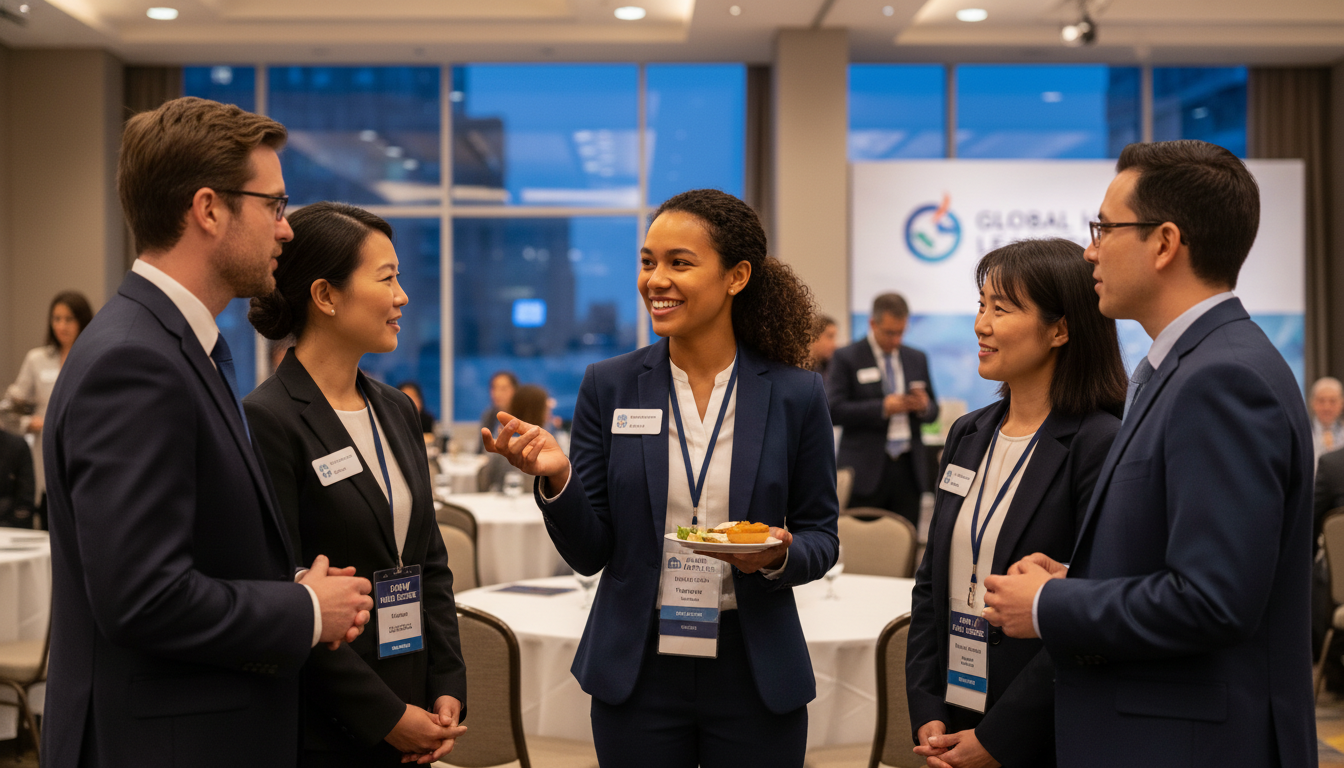
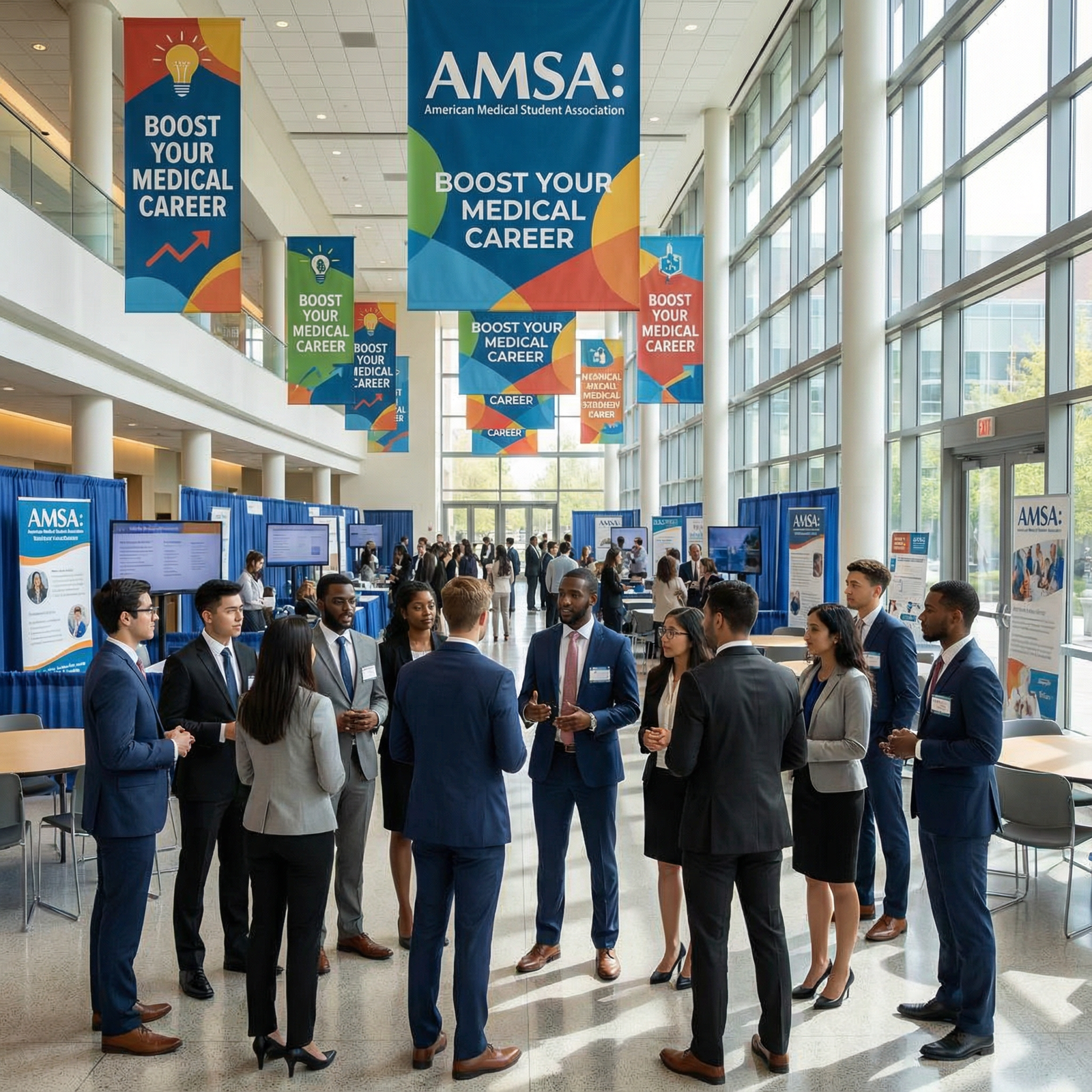
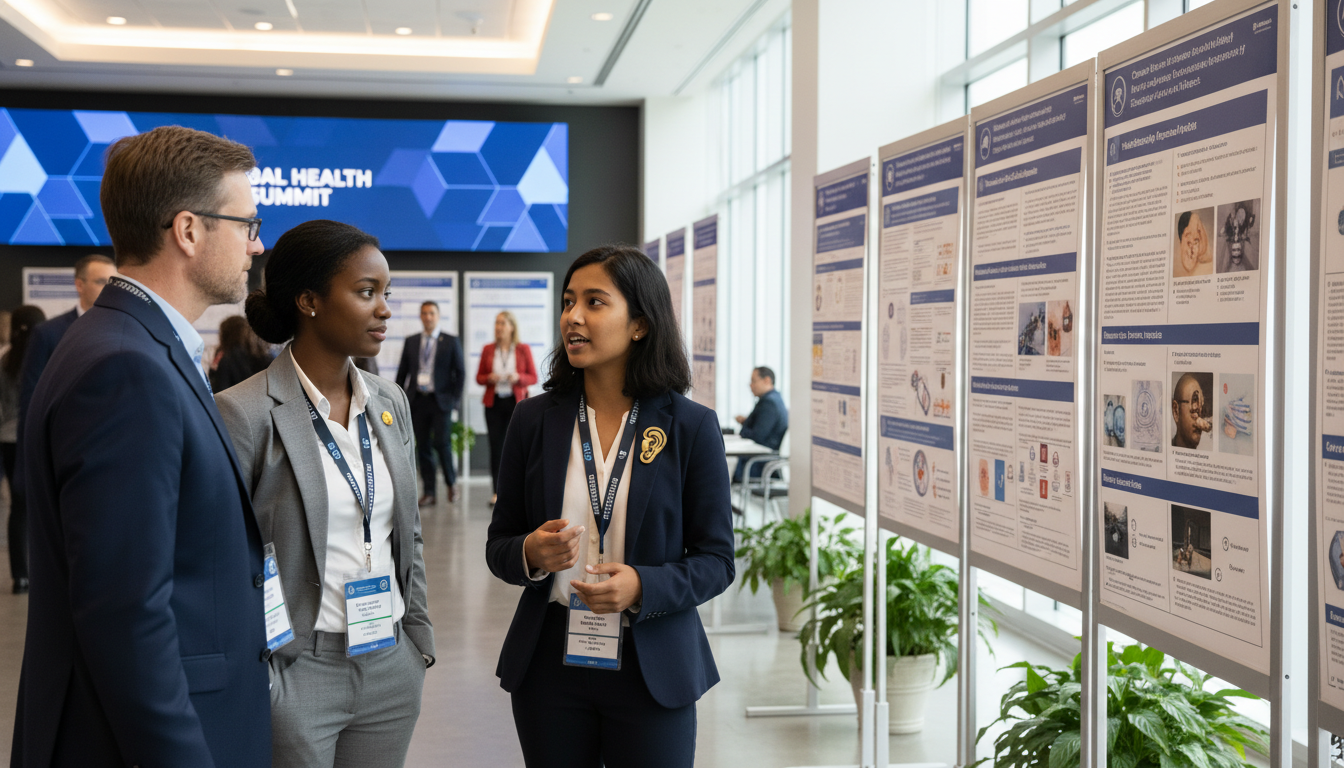
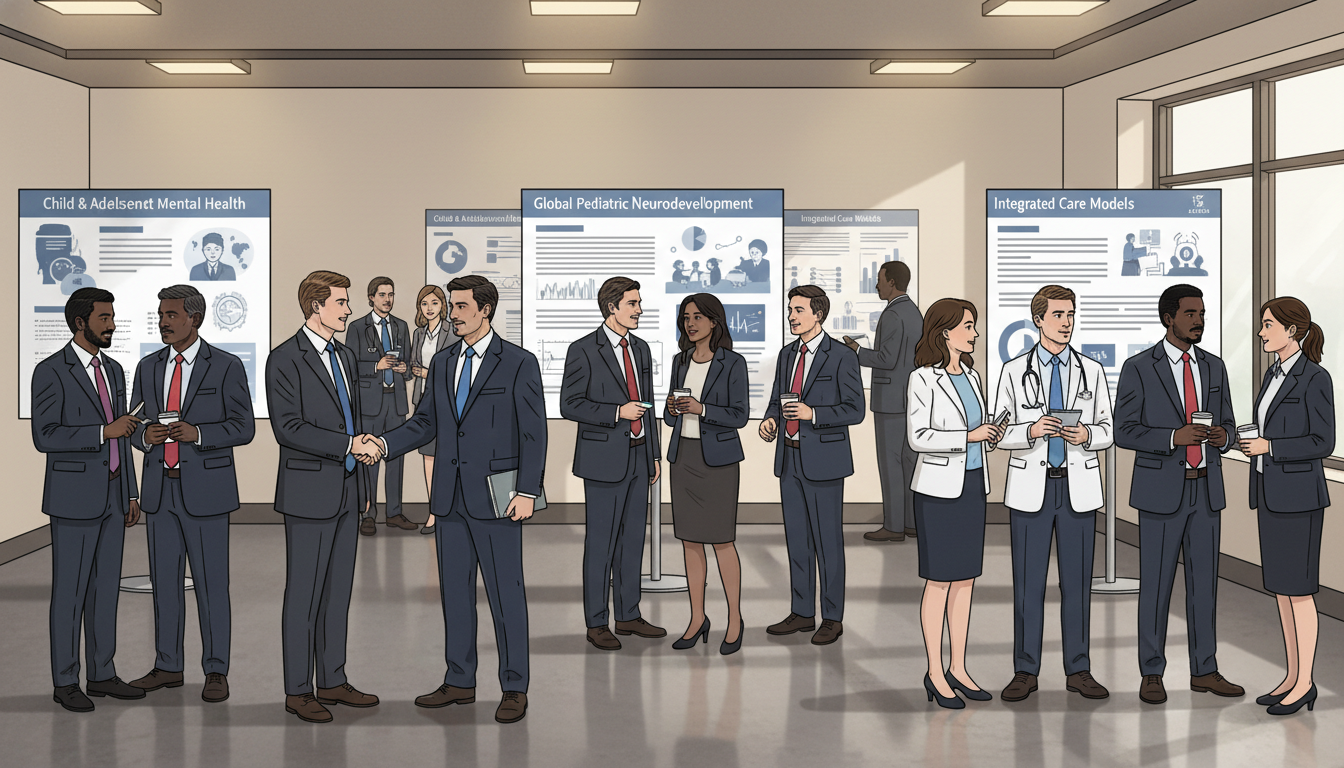
For a foreign national medical graduate, conference networking can be transformative—whether in person or virtual.
Key Events for Family Medicine
- AAFP National Conference of Family Medicine Residents and Medical Students
- STFM (Society of Teachers of Family Medicine) conferences
- State AFP meetings (many now offer virtual or hybrid formats)
- Virtual IMG-focused FM events organized by various programs
If traveling to the US is difficult, prioritize virtual conferences and webinars; many now include breakout rooms or networking sessions.
How to Network at Conferences (In-person or Virtual)
Before the conference
- Review the attendee or faculty list (if available).
- Identify 5–10 people or programs you want to connect with.
- Send brief messages:
- “I’ll be attending your session on [topic]; I’m a non-US citizen IMG interested in FM and would love to briefly introduce myself after the talk.”
During the conference
- Ask one insightful question during Q&A that shows your interest in family medicine.
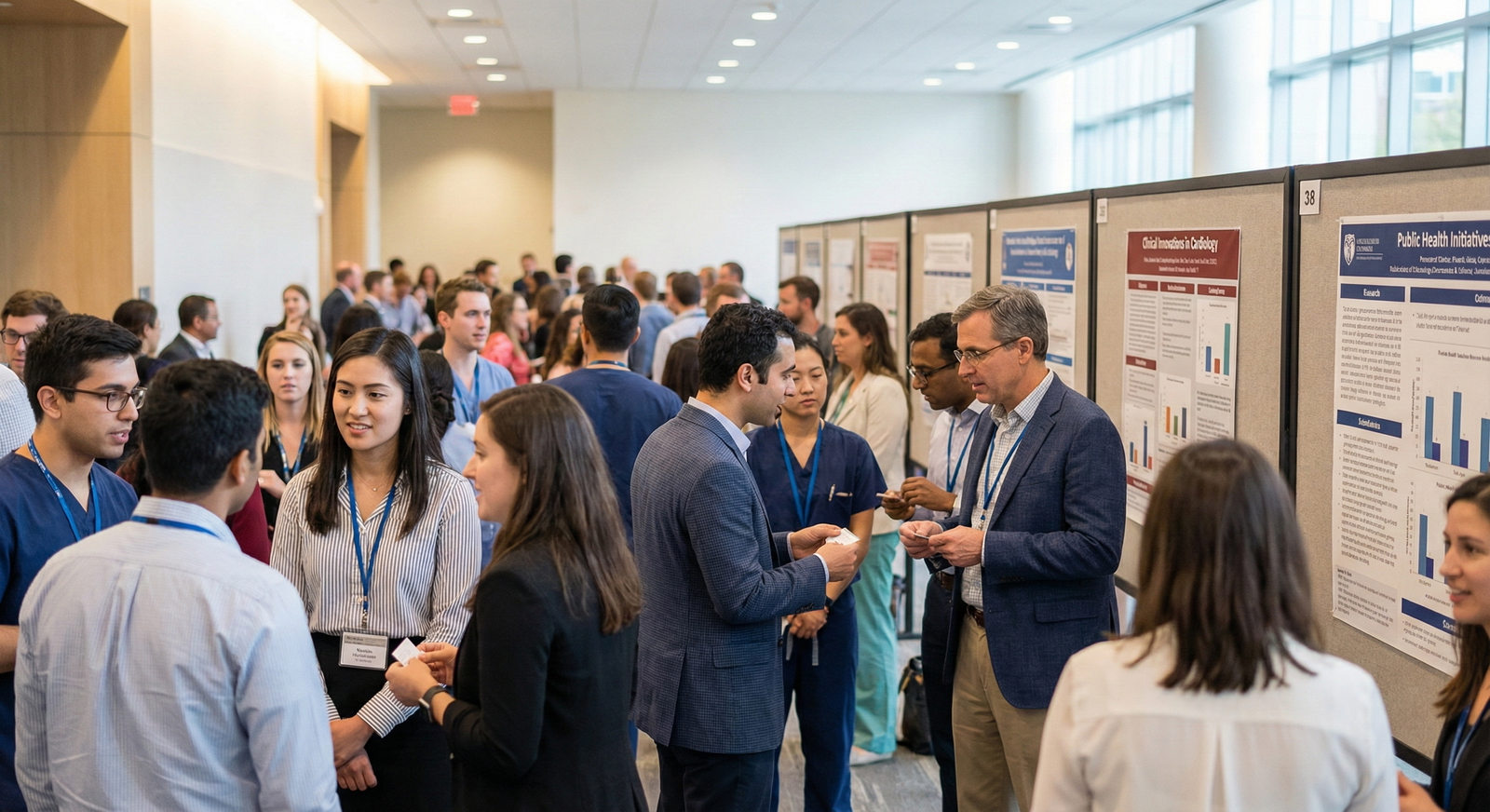
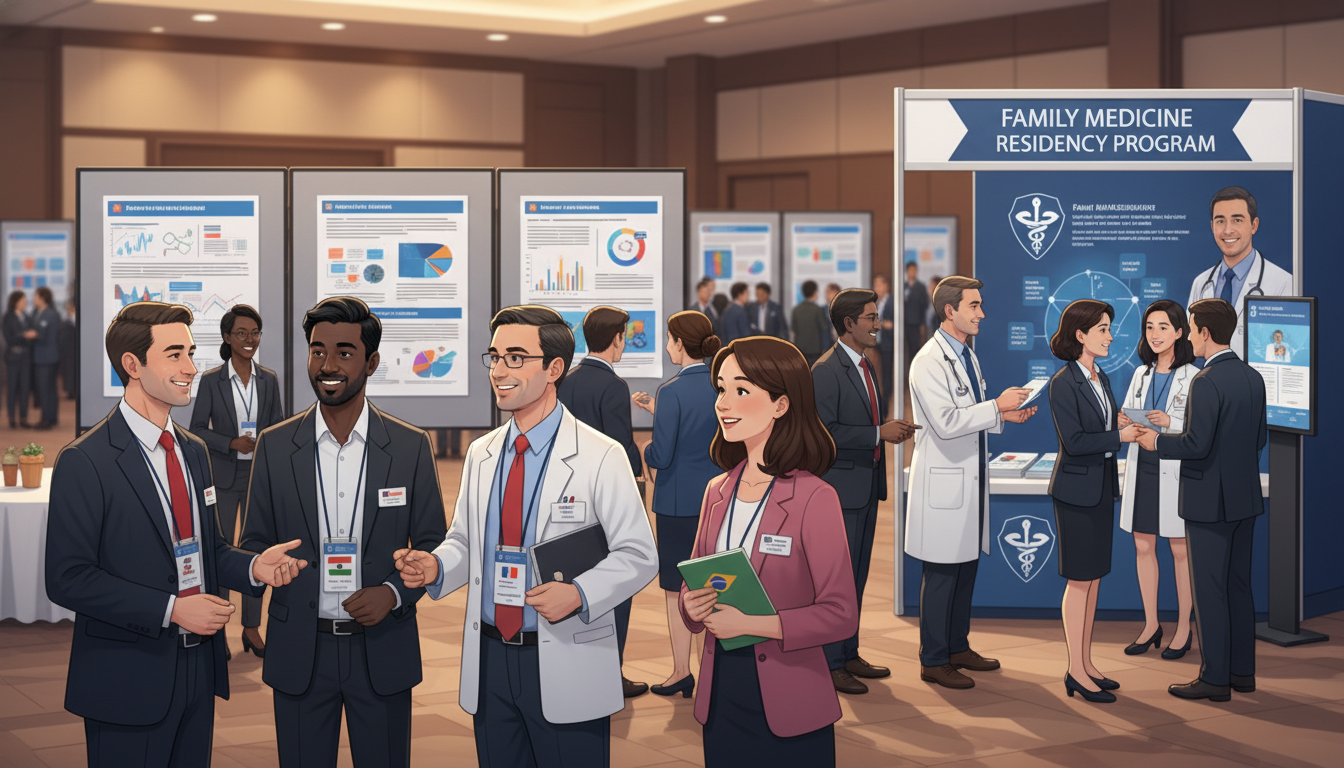
- Visit residency program booths (for in-person events):
- Introduce yourself:
“Hello, I’m [Name], a non-US citizen IMG from [Country], very interested in family medicine with a focus on [interest]. I’m particularly curious whether your program has had experience training foreign national medical graduates.”
- Introduce yourself:
- Collect contact information—but focus on quality conversations rather than the number of business cards.
After the conference
- Within 3–5 days, send follow-up emails:
- Reference how and where you met.
- Mention one concrete thing you learned.
- Ask whether you may stay in touch or follow their work.
- Within 3–5 days, send follow-up emails:
Conference networking is less about convincing someone to “pick you” and more about establishing familiarity and respect.

Cultivating Mentorship and Long-Term Relationships in Family Medicine
Mentorship in medicine is often what differentiates candidates who merely apply from those who apply strategically and successfully.
Types of Mentors You Should Seek
Senior IMGs Who Matched in FM
- They understand your path intimately.
- They can advise on visa-friendly programs, realistic targets, and red-flag issues.
US Family Medicine Faculty
- Especially those involved in recruitment, education, or diversity and inclusion.
- They can give you insider perspectives and possibly letters or advocacy.
Residents in Family Medicine Programs
- They can share current program culture, interview style, and hidden expectations.
Non-physician mentors in healthcare
- Public health professionals, community leaders, or nurse practitioners in primary care who can broaden your understanding of US systems.
How to Turn a Contact into a Mentor
- Start with a small ask (advice, feedback on one document).
- Show you implement their suggestions (e.g., “Based on your advice, I modified my CV and joined my state AFP chapter…”).
- Express gratitude and share progress periodically.
- Maintain boundaries—don’t demand constant feedback or last-minute reviews for everything.
Over time, mentors who see your dedication are more likely to:
- Introduce you to colleagues
- Suggest you for research or clinical opportunities
- Advocate for you during recruitment seasons
Maintaining Your Network Over Time
Think of your network as a long-term, living system, not a one-time transaction.
- Send periodic updates (every 3–6 months) to key contacts:
- “I wanted to share that I recently completed an online course in population health, and I’ve started volunteering with a telehealth community project.”
- Congratulate people on promotions, publications, or awards.
- Share useful resources or articles relevant to their interests.
This transforms you from “someone who needed help that one time” into “a developing colleague.”
Applying Networking to Key Milestones: USCE, Letters, and FM Match Strategy
Networking in medicine should translate into concrete outcomes that strengthen your family medicine residency application.
1. Securing US Clinical Experience (USCE) and Observerships
Many non-US citizen IMGs struggle to find USCE because:
- Official electives are usually for students enrolled in LCME-accredited schools.
- Observerships are often unofficial and poorly advertised.
How networking helps:
- A resident you met at a conference forwards your email to the clerkship coordinator.
- A faculty mentor recommends you to a community clinic for shadowing.
- A physician you followed on LinkedIn announces a new observership opportunity.
When asking about USCE:
- Be clear about your status: graduate vs student, visa situation, and time frame.
- Ask specifically:
“Does your department offer any observership or shadowing opportunities for non-US citizen IMGs? If not directly, are there affiliated clinics or physicians who might?”
2. Strengthening Letters of Recommendation Through Relationships
Letters from US family medicine physicians carry weight, especially if the writer:
- Knows you well
- Has seen you in clinical or research roles
- Can comment on communication, professionalism, and reliability
Networking allows you to:
- Spend enough time with mentors for them to know you beyond a brief observership.
- Demonstrate your work ethic on projects, making letters more specific and powerful.
- Identify letter writers who are respected within FM networks.
When requesting a letter:
- Ask if they can write you a strong letter.
- Provide your CV, personal statement draft, and program list if available.
- Remind them of specific cases or projects you worked on together.
3. Using Your Network to Build a Targeted FM Match List
For a non-US citizen IMG, program selection is strategic:
- You need to know which programs:
- Sponsor H-1B or J-1 visas
- Have a history of accepting foreign national medical graduates
- Truly value diversity in their resident cohort
- Public data is limited; networking fills the gaps.
Ask your network:
- “Have you seen non-US citizen IMGs at this program?”
- “How supportive is the program toward visa-related issues?”
- “Is the culture friendly to IMGs and international graduates?”
Compile this into a structured list with notes:
- Programs highly likely to consider you (visa-friendly, IMG-friendly)
- Programs possible but uncertain
- Programs unlikely (no known visa sponsorship, strong preference for US grads only)
Use these insights to align your application strategy realistically.
4. Leveraging Contacts During Interview Season
During interview season, your existing network can:
- Explain a program’s priorities so you can tailor your talking points
- Help you prepare for common FM interview questions
- Advise on how to discuss visa needs professionally and confidently
After interviews:
- You may ethically send one or two update or interest letters to select programs—especially those where you have mentorship connections.
- Do not ask mentors to pressure programs; instead, let them choose if and how they advocate for you.
FAQs: Networking in Medicine for Non‑US Citizen IMGs in Family Medicine
1. I feel uncomfortable “selling myself.” How can I network without feeling fake?
Networking in medicine is not about exaggeration or self-promotion; it is about curiosity and service:
- Ask thoughtful questions about family medicine, patient care, and training.
- Share your genuine interests (e.g., preventive care, rural health, women’s health).
- Offer what you can—even as a student—such as help with data entry for a project or volunteering in a community health initiative.
Authenticity is valued more than charm. You don’t need to be extroverted; you need to be sincere, respectful, and prepared.
2. How many people should I try to connect with as I prepare for the FM match?
Quality matters more than quantity. A practical goal over 6–12 months:
- 3–5 senior mentors (faculty, residents, or senior IMGs)
- 10–20 professional contacts (residents, coordinators, peers in family medicine)
- A wider circle of loose connections through conferences, webinars, and online platforms
You don’t need to deeply engage with everyone—focus on relationships where there is mutual respect and real guidance.
3. Is it acceptable to mention my visa needs when networking or interviewing?
Yes, but be professional and matter-of-fact. Programs are familiar with non-US citizen IMG applicants. When appropriate:
- Phrase it simply:
“As a foreign national medical graduate, I will require [J-1/H-1B] visa sponsorship to train in the US.” - Don’t apologize for it; instead, show that you understand the process and are committed to long-term contribution in family medicine.
Networking can also help you identify which programs have consistent visa sponsorship patterns, so you don’t waste applications on unsuitable options.
4. I can’t travel to the US for conferences. Can virtual networking still make a real difference?
Yes. Many non-US citizen IMGs succeed using primarily virtual networking:
- Attend online AAFP and state AFP events.
- Join webinars hosted by family medicine residency programs.
- Engage with mentors via Zoom, email, and LinkedIn.
- Participate in online journal clubs, research collaborations, or QI projects.
If you consistently show professionalism, follow-up, and growth, virtual relationships can be just as impactful as in-person ones—especially in a field like family medicine that values communication and community engagement.
By approaching medical networking thoughtfully—as a non-US citizen IMG, targeting family medicine—you transform yourself from a name on a spreadsheet into a real, knowable future colleague. Over time, these relationships will not only improve your chances in the FM match but also support and enrich your entire career in primary care.