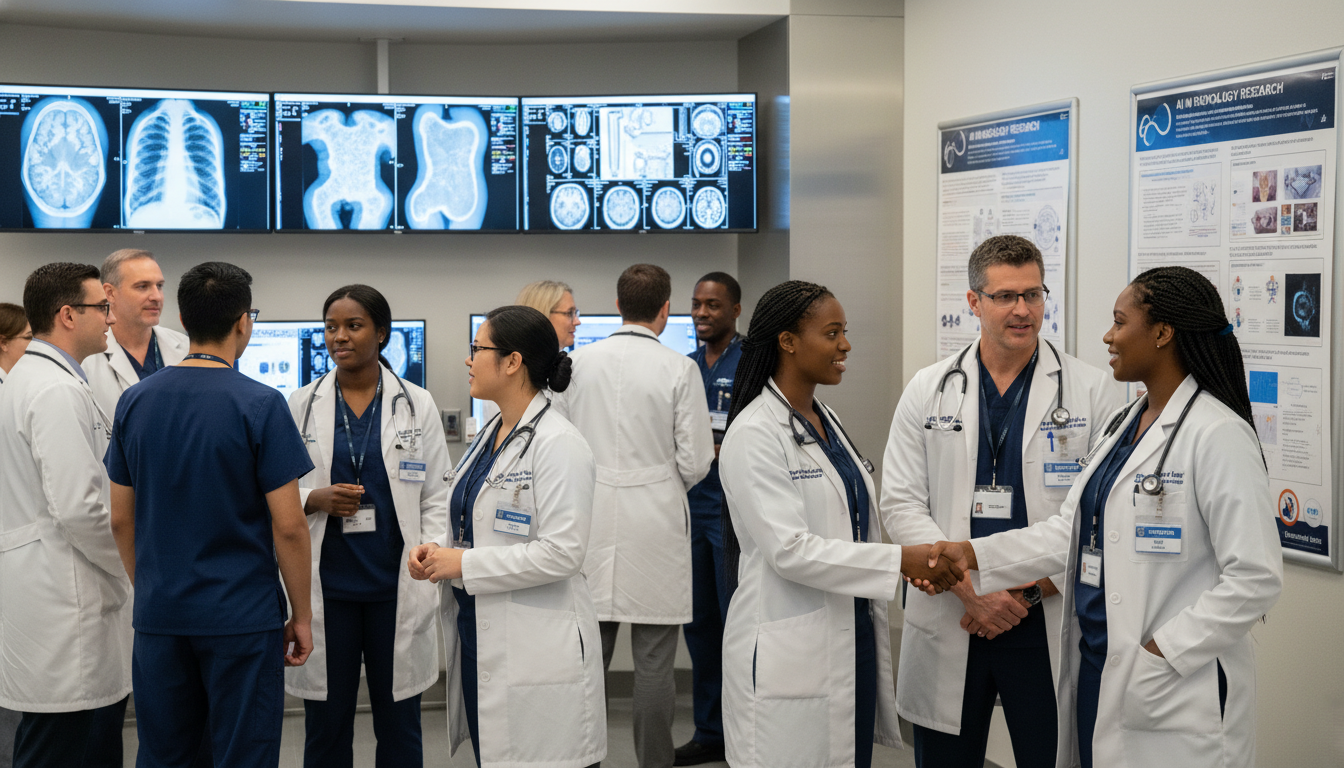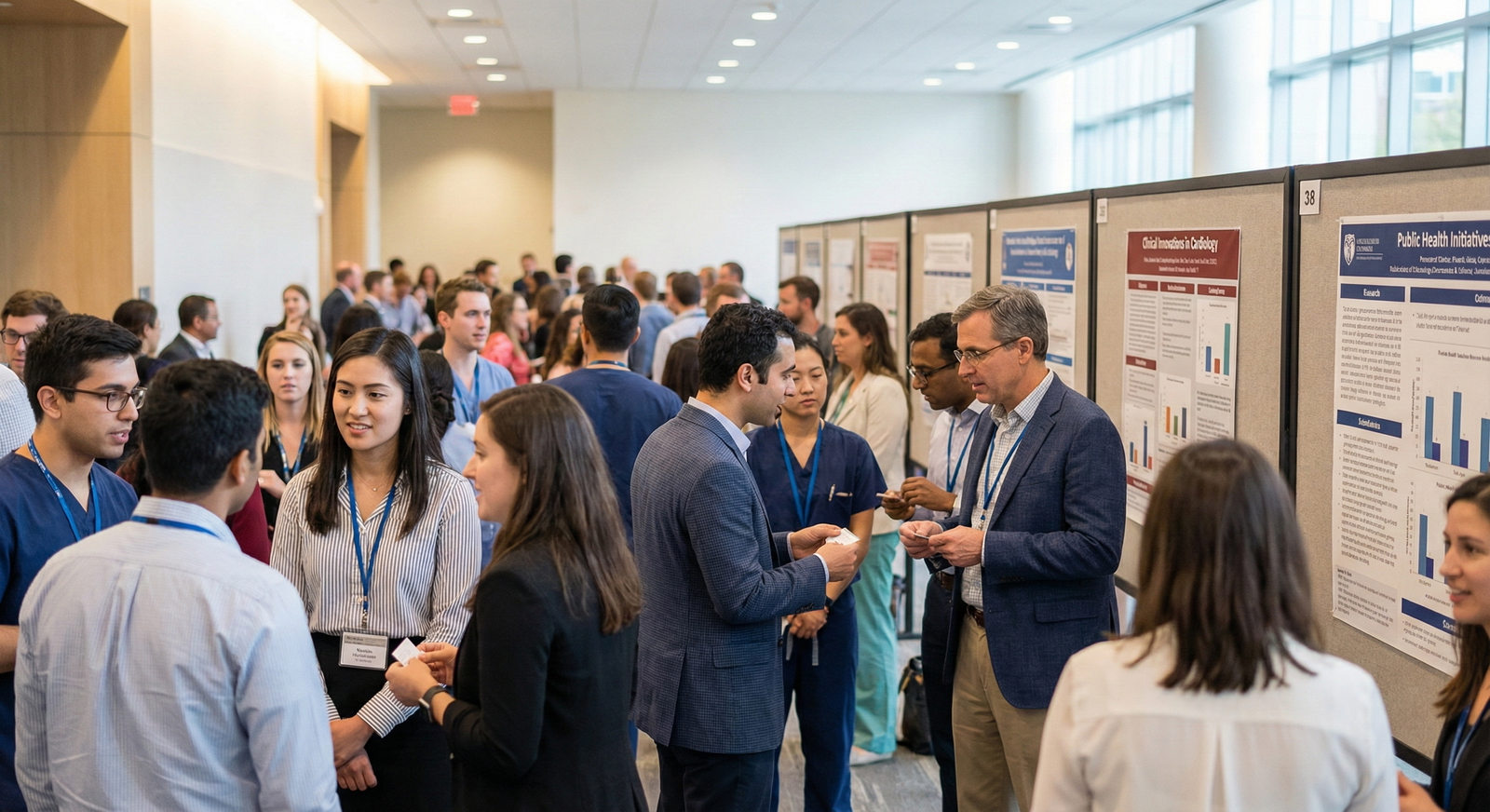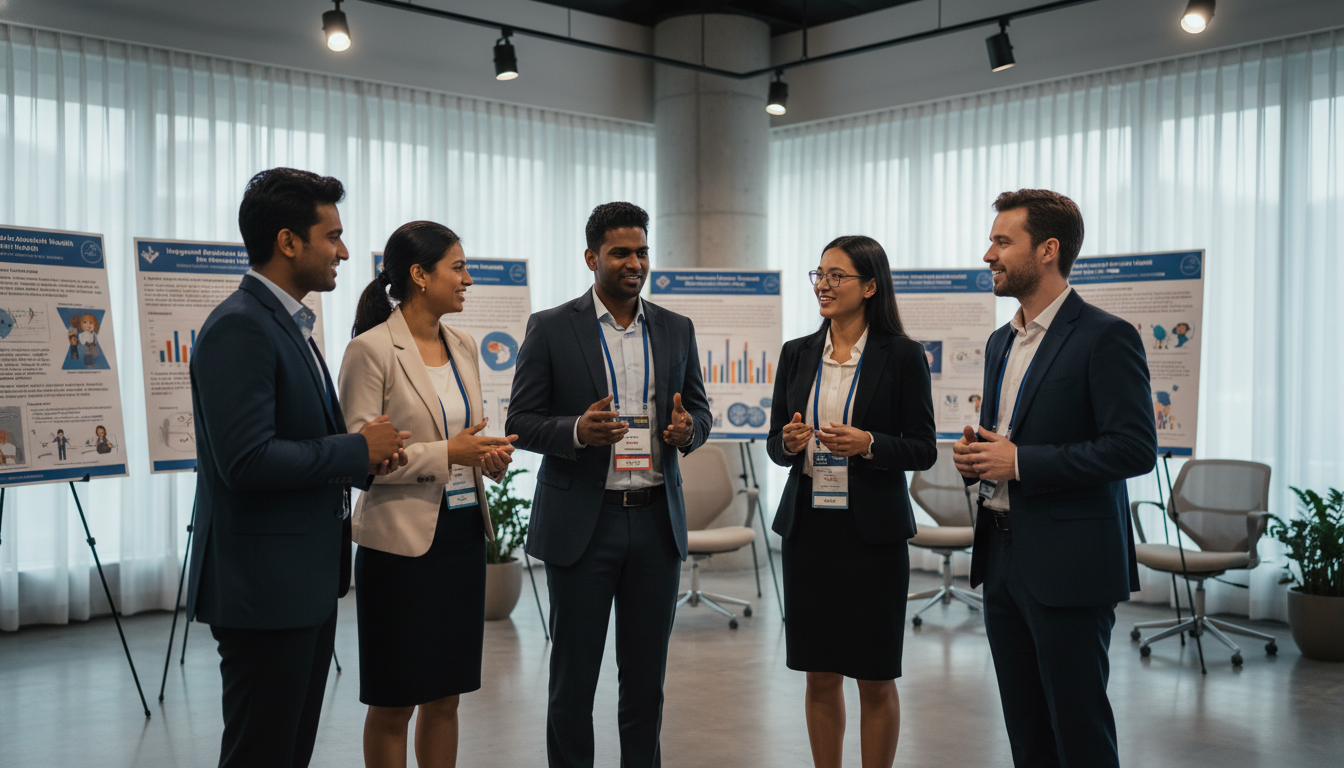
Understanding Networking in Medicine-Psychiatry as a Non-US Citizen IMG
Networking in medicine is not just “knowing people.” It is a deliberate, ethical process of building professional relationships that help you learn, contribute, and grow. For a non-US citizen IMG interested in Medicine-Psychiatry (med psych) residency, medical networking is often the difference between being a strong application on paper and actually getting noticed.
As a foreign national medical graduate, you face unique barriers:
- Immigration and visa concerns
- Limited physical presence in the US
- Fewer built-in alumni connections
- Less familiarity with US clinical culture and etiquette
Yet you also bring tremendous strengths: cross-cultural experience, language diversity, resilience, and often deep exposure to complex medical and psychiatric conditions. Effective networking helps program directors, faculty, and residents see that value.
In the context of Medicine-Psychiatry combined residency, networking is especially important because:
- There are relatively few med psych programs, so each relationship can significantly influence your opportunities.
- The field is inherently collaborative; programs value applicants who already demonstrate integrated thinking and interprofessional communication.
- Many med psych programs are small and close-knit; “fit” and reputation travel quickly through word-of-mouth.
This article breaks down practical, step-by-step networking strategies tailored to non-US citizen IMGs targeting med psych residencies, with a focus on conference networking, online presence, mentorship in medicine, and leveraging every clinical and research interaction you have.
Building a Networking Mindset for the Med Psych Path
Before you send a single email, clarify your approach. Networking in medicine is about relationship-building, not transaction-hunting.
Shift from “What can I get?” to “How can I contribute?”
Adopt this mindset:
- “I want to learn how medicine and psychiatry are integrated in real-world US settings.”
- “I want to understand what programs look for so I can prepare meaningfully.”
- “I want to offer value—through research help, cross-cultural insights, language skills, or dedication to underserved populations.”
People respond more positively when you’re curious, respectful, and clearly invested in the field.
Clarify your med psych story
Successful networking conversations often start with: “Tell me about yourself and your interest in Medicine-Psychiatry.”
Prepare a concise, authentic “med psych narrative”:
- Introduce who you are: “I am a non-US citizen IMG from [Country], currently [doing X—research, observership, exam prep, etc.].”
- Connect your background to med psych:
- e.g., working with medically ill patients with depression, experience in liaison psychiatry, rotations in consultation-liaison services, addiction in medical wards, or chronic illness and mental health.
- Explain your future goal: “I’m aiming for a Medicine-Psychiatry combined residency because I want to practice at the intersection of complex medical illness and psychiatric comorbidity, particularly in [population/setting].”
Keep this to ~30–60 seconds. Practice aloud several times; it will be the backbone of your networking.
Recognize your unique strengths as an IMG
When you introduce yourself and interact with potential mentors:
- Highlight exposure to resource-limited settings or health systems with different structures.
- Emphasize cultural competence and ability to recognize how mental illness presents across cultures.
- If applicable, mention additional languages and how they may help diverse patient populations.
- Show that you understand the US healthcare environment (even if limited) and are actively learning more.
This positions you not as “less than a US grad,” but as a valuable colleague-in-training with complementary expertise.
Strategic Networking Channels for Non-US Citizen IMGs in Med Psych
Networking in medicine can feel overwhelming. It becomes manageable when you break it into key channels and tackle them systematically.
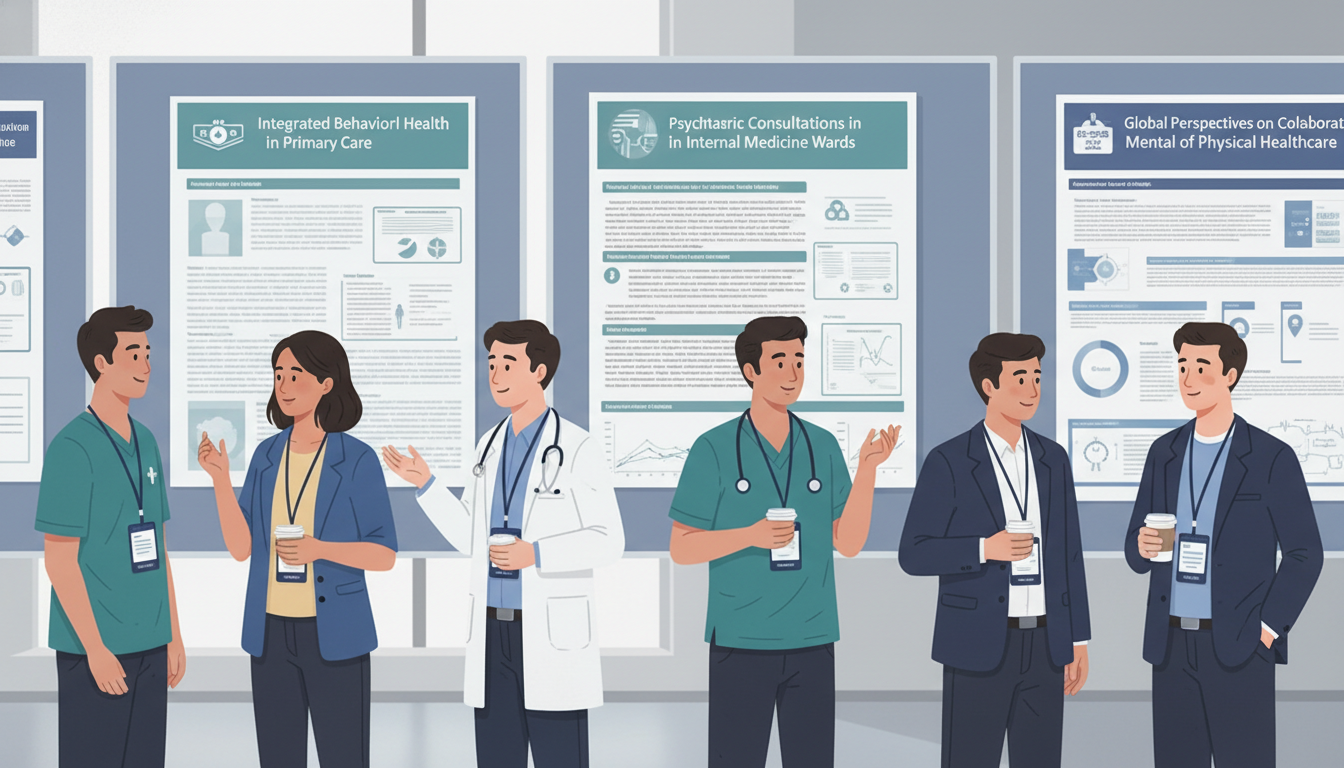
1. Conferences and Professional Meetings
Conference networking is one of the highest-yield strategies for a non-US citizen IMG, especially in a niche field like Medicine-Psychiatry.
Key conferences to target
Look for meetings that combine internal medicine and psychiatry perspectives:
- American Psychiatric Association (APA) Annual Meeting
- Many sessions on consultation-liaison psychiatry, integrated care, and collaborative care.
- American College of Physicians (ACP) Internal Medicine Meeting
- Good for internal medicine networking with people who may know about med psych programs.
- Academy of Consultation-Liaison Psychiatry (ACLP)
- Highly relevant to med psych; strong focus on interface between medicine and psychiatry.
- Local/state psychiatric and internal medicine society meetings
- Often more accessible; smaller size can mean richer one-on-one interactions.
- Some med psych programs also have program-specific webinars or information sessions—these count as networking events too.
If in-person travel is not feasible, attend virtual conferences or hybrid options whenever possible.
How to prepare for conference networking
Before you attend:
Research med psych programs:
- Identify program directors, associate program directors, and faculty involved in med psych or consultation-liaison psychiatry.
- Look them up in the conference program—see if they’re presenting or chairing sessions.
Reach out ahead of time (when appropriate):
Send a short, polite email saying you’ll attend their talk and briefly introduce yourself as an IMG interested in med psych.
Example:
Dear Dr. [Name],
My name is [Name], a non-US citizen IMG from [Country] with a strong interest in Medicine-Psychiatry and integrated care. I noticed you will be speaking at [Conference] on [Session Title], which is closely aligned with my interests in [brief area].
I will be attending the session and would be grateful for the opportunity to briefly introduce myself and learn from your experience in med psych training and practice, if you have a few minutes afterward.
Thank you for your time and for contributing to this important field.
Sincerely,
[Name]
Prepare your materials:
- Updated CV (digital and a few printed copies).
- Professional email signature.
- If allowed in your context: a simple, clean “business card” with name, degree, email, LinkedIn/website.
How to approach people at conferences
During the conference:
- Attend talks, workshops, and poster sessions related to:
- Med psych training
- Consultation-liaison psychiatry
- Integrated primary care and behavioral health
- Serious mental illness with medical comorbidity
- After a session, approach the speaker during Q&A or at the podium:
- Introduce yourself: “Thank you for your talk, Dr. [Name]. I’m [Name], a non-US citizen IMG deeply interested in Medicine-Psychiatry combined training.”
- Reference something specific from their talk.
- Ask one focused question: “Given your experience, what would you recommend an IMG do to prepare for a med psych residency?”
Keep the interaction brief and respectful of time. If it goes well, you can ask:
“Would it be alright if I emailed you later with one or two follow-up questions about career planning in med psych?”
That one sentence opens the door for future mentorship and correspondence.
2. Online Professional Profiles and Platforms
Your online presence is now part of your networking toolkit.
Create or refine your LinkedIn profile:
- Professional photo.
- Headline: e.g., “Non-US citizen IMG aspiring to Medicine-Psychiatry | Interested in consultation-liaison psychiatry and integrated care.”
- About section: Short narrative linking your background, med psych interests, and future goals.
- Experience: Clinical, research, volunteer work relevant to either medicine or psychiatry.
Use LinkedIn to:
- Connect with faculty you have already met (with a personalized note).
- Follow med psych programs and related institutions.
- Comment thoughtfully on posts from leaders in consultation-liaison psychiatry or integrated care.
Research platforms (e.g., ResearchGate, Google Scholar)
If you have publications:
- Maintain an up-to-date profile.
- When someone reviews your CV, they may Google you; a coherent research trail reinforces your credibility.
3. Email Networking and Cold Outreach
Thoughtful cold emails can work for non-US citizen IMGs, especially when:
- You target people whose interests align with yours.
- You clearly respect time and avoid sounding entitled.
A simple framework:
Subject line: Clear and specific
- “IMG interested in Medicine-Psychiatry—seeking brief advice”
- “Inquiry from non-US citizen IMG about med psych training”
Body (short 3–4 paragraphs):
- Who you are (1–2 sentences)
- Why you are contacting them (specific interest, their work/program)
- A clear, reasonable ask (e.g., 15-minute Zoom for career advice, opportunity to observe a clinic if allowed, or general guidance on med psych preparation for IMGs)
- Gratitude and respect for their time
Example:
Dear Dr. [Name],
My name is [Name], a non-US citizen IMG from [Country], currently [brief current role]. I have a strong interest in Medicine-Psychiatry combined residency, particularly in caring for patients with [e.g., chronic medical illness and co-occurring depression].
I recently read your [article/presentation] on [topic], and it closely aligns with the type of integrated career I hope to build. If you have time, I would be very grateful for 10–15 minutes of your advice, especially regarding how a foreign national medical graduate like myself can best prepare for a future in Medicine-Psychiatry in the US.
I understand you are very busy; I completely understand if this is not feasible at the moment. Thank you regardless for your contributions to this field.
Sincerely,
[Name]
[Contact information]
Expect that many emails receive no response; this is normal. But even a small response rate can transform your trajectory.
Mentorship in Medicine-Psychiatry: Finding and Cultivating Mentors
Mentorship medicine is one of the most potent forms of networking for a foreign national medical graduate. A committed mentor can guide your strategy, refine your application, and often advocate for you.

Types of mentors you should look for
Content mentor (clinical/research)
- Expert in integrated care, med psych, or consultation-liaison psychiatry.
- Helps you develop depth in the field (projects, readings, conceptual understanding).
Process mentor (navigation/strategy)
- Understands the US residency system.
- Helps with timelines, ERAS strategy, letters of recommendation, visa considerations.
Advocacy mentor
- Someone who knows you well enough to vouch for you to colleagues and program leadership.
- Often emerges from close collaboration (research, clinical work, longitudinal observership).
Sometimes one person plays more than one role; sometimes you have different mentors for different functions.
Where to find mentors as a non-US citizen IMG
During observerships or clinical experiences:
- Identify attendings who enjoy teaching and take interest in your questions.
- Ask for regular feedback; show that you act on it.
- Over time, you can ask whether they would be open to advising you on your career direction.
Through research collaborations:
- Join a project with a faculty member in consultation-liaison psychiatry or integrated primary care.
- Show reliability: meet deadlines, respond promptly, read background literature.
- Once trust is built, mentors are often willing to guide your med psych pathway.
Via conference networking:
- After an initial conversation, continue meaningful email exchanges.
- Share updates: “I followed your advice about X; here’s how it helped.”
Alumni networks and IMG groups:
- Connect with IMGs from your home country who have entered med psych or related fields in the US.
- They often understand the visa and cultural challenges you face.
How to be a good mentee
Mentorship is a two-way relationship. Increase the likelihood that mentors invest in you by:
- Being prepared for meetings (questions, CV, draft personal statements if relevant).
- Following through on commitments, especially in research.
- Sending concise updates rather than long, unfocused messages.
- Expressing genuine appreciation.
- Respecting their boundaries and time.
When the time comes, it’s appropriate to ask:
“Given our work together and your understanding of my goals, would you feel comfortable writing a strong letter of recommendation for my Medicine-Psychiatry residency applications?”
If they hesitate or say they can only provide a generic letter, thank them—and ask someone who can be more specific.
Turning Everyday Interactions into Networking Opportunities
Networking doesn’t only occur at conferences or through formal mentorship. Every rotation, clerkship, clinical shadowing, and research meeting is a networking moment.
Maximizing clinical opportunities
In any setting—US or abroad—you can showcase traits valued in med psych:
- Curiosity about the mind–body interface: Ask thoughtful questions about how psychiatric conditions affect medical outcomes and vice versa.
- Holistic case presentations: When you present a patient with diabetes, include psychosocial factors, mood symptoms, adherence issues, substance use, and cognitive function.
- Interest in vulnerable populations: Most med psych residents care about complex, underserved patients (e.g., severe mental illness with medical comorbidities, homelessness, substance use, trauma, HIV, chronic pain).
When supervisors see this pattern, they come to associate you with integrated, med psych-style thinking—and later, they can highlight this in recommendation letters and informal references.
Research and quality improvement as networking
For a non-US citizen IMG, research can be a powerful door-opener in competitive niches like med psych:
Join projects on:
- Depression and heart disease or diabetes
- Delirium, dementia, or functional neurological disorders
- Somatic symptom and related disorders
- Substance use disorders in hospitalized patients
- Integrated behavioral health in primary care
Use research meetings as regular points of contact with faculty:
- Ask questions about the clinical implications of findings.
- Offer to handle tasks that show initiative: data cleaning, literature reviews, drafting methods.
These interactions often build deeper relationships than a brief observership.
Informal networking with residents and fellows
Residents can be powerful allies:
Talk to current internal medicine, psychiatry, and med psych residents about:
- How they got their positions.
- What they wish they had known as applicants.
- Which faculty are particularly supportive of IMGs.
Show respect for their time—ask if they’re available for a 15-minute chat after a shift or via Zoom.
Residents frequently share your name with faculty when they see you’re serious, professional, and intellectually engaged.
Presenting Yourself Authentically: Communication, Culture, and Professionalism
As a foreign national medical graduate, you also need to navigate cultural differences in communication style during medical networking.
Communicating clearly and confidently
- Practice brief self-introductions and answers to common questions (“Why med psych?”).
- Work on accent clarity if you’re concerned—this is not about changing who you are, but about helping others understand you easily.
- Be concise; US faculty often prefer clear, direct communication.
Cultural norms to be aware of
- Hierarchy is present but more informal than in many other countries:
- First names may be used among residents and sometimes faculty, but when in doubt, use “Dr. [Last Name]” first.
- Punctuality is critical: Being late for meetings or not responding promptly to emails can harm your reputation.
- Professional boundaries:
- Avoid oversharing personal details early in a professional relationship.
- Focus on clinical and academic interests.
Professionalism online and in person
- Avoid posting anything on social media that could be interpreted as unprofessional (patient-related, political controversies, disrespect to institutions).
- Dress appropriately for conferences and meetings—generally business or business-casual.
Combined, these behaviors help people see you as a future colleague rather than just an outsider applicant.
Putting It All Together: A Stepwise Networking Plan for the Non-US Citizen IMG in Med Psych
To make this actionable, here is a structured plan you can adapt:
Phase 1: Foundation (6–18 months before applying)
- Clarify your med psych story and long-term goals.
- Build your CV with:
- At least some psychiatry and internal medicine exposure.
- If possible, one or more projects related to integrated or consultation-liaison care.
- Create or refine:
- LinkedIn profile
- Updated CV in US-friendly format
- Begin email networking:
- Reach out to potential mentors in consultation-liaison psychiatry or med psych.
- Ask for brief informational meetings—focus on learning, not on requesting LORs or positions.
Phase 2: Expansion (6–12 months before applying)
- Attend at least one major conference (in-person or virtual).
- Present a poster if possible (high-yield for visibility).
- Strengthen mentorship relationships:
- Regular check-ins (e.g., every 1–2 months).
- Show progress on agreed tasks or projects.
- Seek observerships or clinical exposure in psychiatry, internal medicine, or integrated clinics.
Phase 3: Application Preparation (3–6 months before applying)
- Ask mentors for letters of recommendation early.
- Inform your network (mentors, supervisors, residents who know you well) that you are applying to medicine psychiatry combined programs, plus internal medicine and/or psychiatry, as appropriate.
- Request:
- Feedback on your personal statement (especially how you present your med psych interests).
- Interview preparation tips for med psych-specific questions.
Phase 4: Interview Season and Beyond
- During interviews:
- Approach faculty and residents with the same curiosity and professionalism you’ve practiced.
- Ask questions about how their program integrates medicine and psychiatry, and how they support IMGs.
- After interviews:
- Send personalized thank-you emails to key interviewers and mentors.
- Keep long-term relationships alive, regardless of match outcome—you are joining a small, interconnected field.
Over time, you move from being an outsider to being recognized as a genuine member of the med psych community.
Frequently Asked Questions (FAQ)
1. As a non-US citizen IMG, is it realistic to match into a Medicine-Psychiatry combined residency?
Yes, but it is more competitive and requires deliberate planning. The number of med psych programs is small, and not all are accustomed to sponsoring visas. However:
- Strong US-based clinical experience (especially in integrated settings),
- Solid US letters of recommendation,
- Evidence of true commitment to both medicine and psychiatry (e.g., research, electives, projects),
- And thoughtful networking and mentorship
can make you a compelling candidate. Networking helps you identify which programs are IMG- and visa-friendly, and who might be willing to advocate for you.
2. How can I network effectively if I cannot travel to the US for conferences?
Leverage virtual medical networking:
- Attend online sessions of APA, ACP, or ACLP when available.
- Participate in webinars and informational sessions hosted by med psych programs.
- Ask thoughtful questions in chat or Q&A.
- Connect with speakers and panelists afterward via email or LinkedIn, referencing the session.
- Join global psychiatry or internal medicine interest groups that offer virtual events.
Virtual interactions still let you demonstrate interest, curiosity, and professionalism—key traits that mentors and programs value.
3. How soon can I ask someone for a letter of recommendation after meeting them?
Only after they have had sufficient chance to know your work and character. As a guideline:
- For a short observership (2–4 weeks), you may ask near the end if you had substantial, meaningful interactions.
- For research supervisors or long-term mentors, you might wait 2–3 months, after you have contributed reliably to projects or clinical work.
When you ask, be explicit:
“Do you feel you know me well enough to write a strong and detailed letter of recommendation for Medicine-Psychiatry residency programs?”
This gives them a respectful opportunity to decline if they cannot write a supportive letter.
4. What if I am shy or introverted—can I still succeed at networking?
Yes. Networking in medicine does not require being loud or extroverted. Focus on:
- Preparing a few key questions ahead of any meeting or conference.
- Having short, targeted conversations, rather than trying to meet everyone.
- Following up via email, where you may feel more comfortable expressing yourself.
- Building deeper relationships with a few mentors, rather than many superficial contacts.
Introverts often excel at listening and forming thoughtful connections, which is highly valued in med psych and in mentorship relationships.
By approaching networking as a structured, ethical, and relationship-centered process, you can overcome many of the structural disadvantages faced by a non-US citizen IMG. In a field like Medicine-Psychiatry, where integration, empathy, and collaboration are core values, your networking efforts are not just about matching into residency—they are about beginning your lifelong role in a community dedicated to treating the whole person, mind and body.