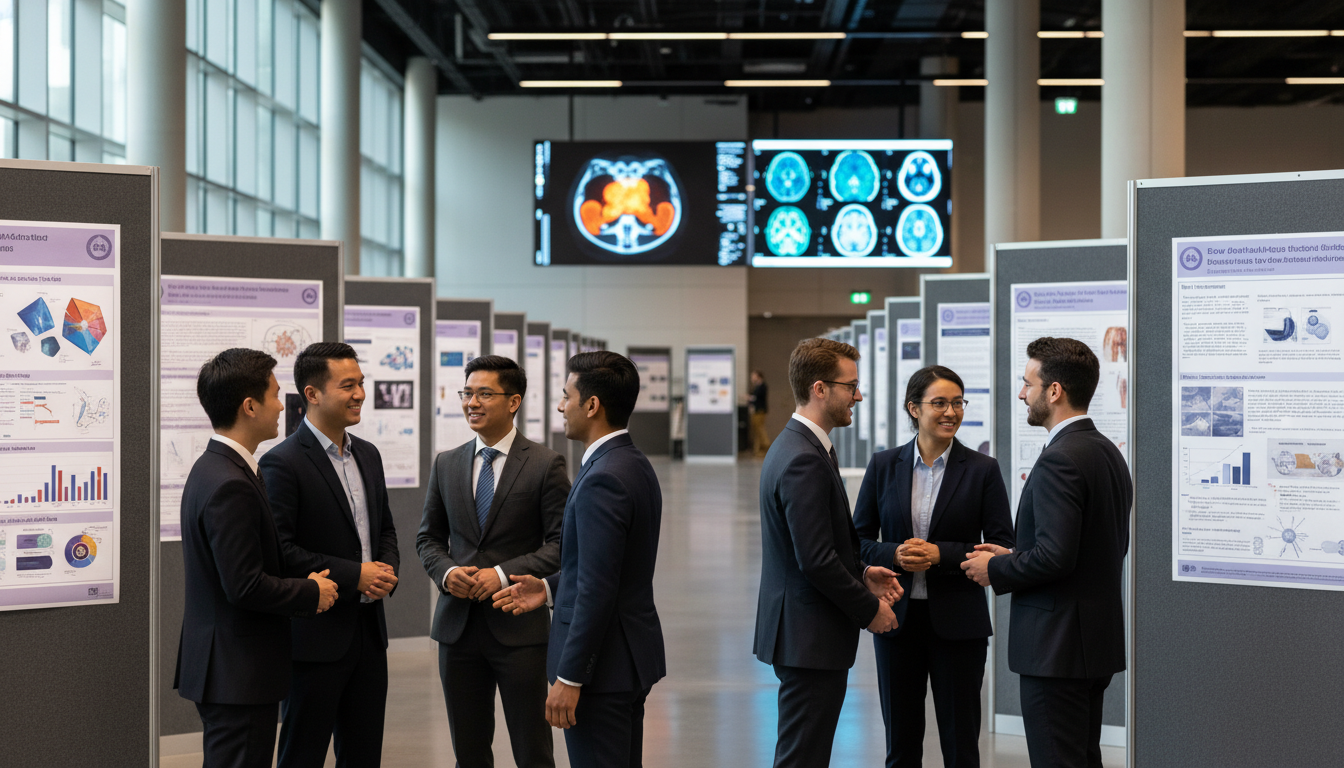
Networking in medicine is not just a “nice-to-have” for a non-US citizen IMG aiming for nuclear medicine residency—it is a core strategic tool that can directly influence interview offers, research opportunities, and ultimately your nuclear medicine match outcome. For a foreign national medical graduate, especially one unfamiliar with the US system, intentional networking can bridge the gap between your qualifications on paper and your potential as seen by decision-makers.
Below is a practical, step-by-step guide focused on networking in medicine specifically for non-US citizen IMGs targeting nuclear medicine residency and fellowship positions in the United States.
Understanding the Role of Networking in Nuclear Medicine for Non-US Citizen IMGs
Networking in medicine is the process of building professional relationships that create mutual value—sharing knowledge, collaborating on research, supporting careers, and opening doors for opportunities. For a non-US citizen IMG pursuing nuclear medicine, networking takes on added significance because:
- You may lack a built-in US medical school alumni network.
- Visa requirements (J-1, H-1B) make program selection and sponsorship more complex.
- Program directors and faculty may be less familiar with your medical school or training system.
- Nuclear medicine is a relatively small specialty, where reputation, word-of-mouth, and personal connections matter greatly.
Why Nuclear Medicine Is Particularly Network-Driven
Nuclear medicine is:
- Highly subspecialized and relatively small – Most people in the field know each other, or know someone who does.
- Research-heavy – Many programs value applicants who’ve participated in imaging, PET/CT, SPECT/CT, theranostics, or dosimetry research.
- Rapidly evolving – New radiotracers, theranostic agents, and AI in imaging make collaboration essential.
In such a field, a strong professional network can:
- Help you learn about unadvertised research opportunities.
- Secure letters from recognized nuclear medicine mentors.
- Get your CV personally forwarded to a program director.
- Clarify which programs are friendly towards foreign national medical graduates and which truly sponsor visas.
Networking Is Not Begging for Favors
Many IMGs fear networking feels like asking for special treatment. Done correctly, it is the opposite:
- You offer value: enthusiasm, hard work, research contributions, diverse perspectives.
- They offer guidance: feedback, introductions, and occasionally opportunities. The most successful networkers in medicine focus on relationships, not transactions.
Core Networking Platforms: Where and How to Show Up
To succeed in nuclear medicine networking as a non-US citizen IMG, you should intentionally use a combination of in-person and online platforms.
1. Conferences: Your Best Networking Accelerator
For nuclear medicine, the two most important US-based conferences are:
- SNMMI (Society of Nuclear Medicine and Molecular Imaging) Annual Meeting
- RSNA (Radiological Society of North America) – Radiology-focused, but with significant nuclear medicine and molecular imaging content
Other relevant meetings:
- Regional SNMMI chapters (e.g., Mid-Atlantic, Pacific Northwest, etc.)
- ASCO or ASTRO if you’re interested in theranostics or oncology imaging
- Local institutional imaging research days / resident research symposia
How to Use Conference Networking Strategically
Prepare beforehand
- Review the conference program and identify:
- Nuclear medicine residency program directors and key faculty
- Sessions on residency training, theranostics, or molecular imaging research
- Mentorship medicine or career development workshops
- Make a short list of:
- 5–10 people you’d like to meet
- 3–5 institutions you’re targeting in the nuclear medicine match
- Review the conference program and identify:
Send short, focused pre-conference emails
Example template:
Subject: SNMMI – IMG interested in Nuclear Medicine Residency at [Institution]
Dear Dr. [Last Name],
I am a non-US citizen IMG from [Country], currently [brief status: e.g., doing observership at X hospital / working on a research project in PET imaging]. I am very interested in nuclear medicine residency and in the work being done at [Institution], particularly in [specific area: theranostics, PET-MRI, cardiac imaging, etc.].
I noticed you will be speaking at the SNMMI session on [session title]. If you have 5–10 minutes during the meeting, I would be grateful for the chance to briefly introduce myself and ask for your advice on preparing for nuclear medicine training in the US as an IMG.
Thank you very much for your time and consideration.
Sincerely,
[Your Name], MD
[Current position]
[Contact info / LinkedIn]Not everyone will reply. Even one or two positive responses are valuable.
At the conference: be visible and intentional
- Attend:
- Nuclear medicine residency or career panels.
- Educational sessions in your target focus (e.g., PSMA PET, Lutetium-177 therapy).
- “Young professionals” or trainees networking sessions.
- Practical habits:
- Sit toward the front; ask thoughtful questions during Q&A.
- Introduce yourself briefly after sessions: “Dr. X, thank you for your talk—may I ask you one quick question about…”
- Carry a simple business card (or a QR code to your LinkedIn / email).
- Attend:
Follow-up within 3–7 days
- Short email reminding them where you met and one key takeaway.
- If appropriate, attach a 1-page CV and ask if they know of any research/observership possibilities.
Conferences are where medical networking and conference networking converge—your in-person presence can “humanize” your application far more than email alone.
Building Mentorship and Finding Advocates in Nuclear Medicine
In a small specialty like nuclear medicine, a single strong mentor can be more powerful than dozens of weak contacts. For a non-US citizen IMG, mentorship medicine is often the key that translates networking into concrete steps.
Types of Mentorship Relationships
Scientific/Research Mentor
- Helps you:
- Join or start imaging projects.
- Co-author manuscripts, abstracts, posters.
- Present at SNMMI or RSNA.
- Impact on nuclear medicine residency:
- Strengthens your academic CV substantially.
- Can write detailed letters highlighting your work ethic and potential.
- Helps you:
Career/Residency Mentor
- Often:
- A nuclear medicine faculty member.
- A radiologist with NM/theranostics focus.
- A senior fellow or chief resident in nuclear medicine.
- Helps you:
- Understand program culture and expectations.
- Target programs that sponsor visas for foreign national medical graduates.
- Decide between pure nuclear medicine vs diagnostic radiology pathways.
- Often:
Peer or Near-Peer Mentor
- Residents or fellows who:
- Recently matched into nuclear medicine residency as non-US citizen IMGs.
- Overcame similar obstacles (e.g., visa issues, limited US experience).
- Value they provide:
- Very practical, step-by-step advice.
- Realistic expectations about which programs are IMG-friendly.
- Residents or fellows who:
Where to Find Mentors
Within your current hospital or institution
- Nuclear medicine department.
- Radiology department’s division of molecular imaging / theranostics.
- Oncology or cardiology imaging collaborations.
Professional societies
- SNMMI “Early Career Professionals” and trainee sections.
- Regional SNMMI chapter leadership.
- Online mentorship programs if available (SNMMI, RSNA, institutional programs).
Online
- LinkedIn: search terms like “Nuclear medicine fellow,” “Molecular imaging,” “Theranostics,” combined with hospital names.
- X (Twitter): many nuclear medicine physicians are active, sharing cases and research.
How to Ask for Mentorship Without Being Awkward
A natural progression is better than an immediate “Will you be my mentor?” request.
Start with a specific, answerable question.
- “I’m a non-US citizen IMG very interested in nuclear cardiology. What would you recommend I focus on in the next 6–12 months to become a stronger applicant?”
Show evidence of initiative.
- Share relevant work: “I recently helped with a retrospective PET/CT study on lymphoma staging. Here’s a one-paragraph summary if you have any suggestions for next steps.”
As the relationship builds, you can ask more directly:
- “You’ve been extremely helpful in guiding my preparation. Would you be comfortable if I occasionally reached out to you for advice as I plan my path toward nuclear medicine residency?”
The ideal mentor eventually becomes an advocate—someone who:
- Emails colleagues to recommend you.
- Invites you onto multi-institutional projects.
- Proactively offers to write letters for nuclear medicine match applications.
Building a Strategic Online Presence as a Foreign National Medical Graduate
In a globalized, digital-first environment, your online presence is often your first impression. For a non-US citizen IMG, being easily “findable” and credible online supports all your other networking in medicine activities.
LinkedIn: Your Professional Anchor
Create or upgrade your LinkedIn profile with a focus on nuclear medicine:
Headline examples:
- “Non-US Citizen IMG | Aspiring Nuclear Medicine Resident | Interested in Theranostics & Molecular Imaging”
- “Foreign National Medical Graduate Focused on Nuclear Medicine & PET Imaging Research”
About section:
- Short paragraph with:
- Your medical school and country.
- Your USMLE status or plan (if applicable).
- Specific nuclear medicine interests (e.g., prostate cancer imaging, neuroimaging, dosimetry).
- A statement about seeking mentorship and research collaborations.
- Short paragraph with:
Experience:
- Include:
- Clinical rotations with imaging or nuclear medicine exposure.
- Observerships or externships in the US.
- Research assistant roles, even if unpaid or short-term.
- Include:
Publications/Presentations:
- Add SNMMI or RSNA posters, case reports, and abstracts.
Then, use LinkedIn to expand your medical networking:
- Connect with:
- Nuclear medicine residents and fellows (especially other IMGs).
- Faculty at your target institutions.
- Researchers frequently publishing in nuclear medicine journals.
- When sending a connection request, add a 2–3 line personalized note:
- “I’m a non-US citizen IMG interested in nuclear medicine and very inspired by your work in [topic]. I’d be grateful to connect and learn from your career path.”
X (Twitter) and Other Professional Platforms
Many nuclear medicine specialists share:
- Interesting imaging cases.
- New tracer research.
- Theranostics updates.
You can:
- Follow key nuclear medicine organizations and figures.
- Reply thoughtfully to a small number of posts (e.g., “This is fascinating—thank you for sharing. Could this tracer have a role in [X scenario]?”).
- Share your own learning journey: reading summaries, anonymized case reflections (always respecting confidentiality and institutional policies).
The goal is visibility with substance: your name gradually becomes associated with genuine interest and growing competence in nuclear medicine.
Turning Connections into Opportunities: Research, Observerships, and the Nuclear Medicine Match
Networking has to translate into actual steps that strengthen your application as a non-US citizen IMG. The three most concrete outcomes are: research projects, observerships/clinical exposure, and support during the nuclear medicine residency match.
1. Research Opportunities
Research is one of the most powerful currencies in networking in medicine, especially in nuclear medicine where imaging and theranostics are research-intensive.
How to Position Yourself for Research
When talking to faculty:
- Express specific interests: “I’m particularly interested in PET tracers in neurodegenerative disease,” not just “I want to do research.”
- Share a concise research snapshot: one paragraph or a 1-page research CV with any prior experience (even non-imaging research can show skills).
Offer practical help:
- Data collection, chart review, image segmentation, literature reviews, protocol development, basic statistics.
- Many busy attendings are more likely to say yes if you clearly describe what you can do and how much time you can commit.
Example Email to Initiate Research Collaboration
Dear Dr. [Last Name],
My name is [Name], and I am a non-US citizen IMG from [Country], currently [brief status]. I am very interested in pursuing nuclear medicine residency in the US, particularly in [e.g., theranostic applications in neuroendocrine tumors].
I read your recent work on [paper title or topic] and found it especially relevant to my interest in [brief connection]. If your team has any ongoing projects where a motivated research assistant could help with data collection, chart review, or literature searches, I would be eager to contribute.
I have attached a brief CV highlighting my previous research experience. Thank you for considering this, and regardless, I appreciate your contributions to the field.
Sincerely,
[Your Name], MD
Even if the initial answer is no, you’ve signaled your interest and professionalism, which can pay off later.
2. Observerships and Clinical Exposure
Clinical exposure to nuclear medicine in the US:
- Demonstrates commitment to the field.
- Helps you understand local workflow (SPECT, PET/CT, radiopharmacy, therapy suites, reporting styles).
- Provides fresh, US-based letters of recommendation.
Your network is the main way to find observerships:
- Mentors may invite you or refer you to colleagues who allow observerships.
- Faculty you met at conferences might know which institutions are open to IMG observers.
- Residents may tell you which hospitals have structured nuclear medicine observership programs.
When asking about observerships:
- Clarify your visa and timeline (tourist visa vs B-1/B-2 vs other).
- Emphasize:
- You understand this is observational only (no direct patient care).
- You are willing to assist with scholarly work (case reports, QA projects, etc.) while you observe.
3. Networking for the Nuclear Medicine Match Itself
Networking should help you:
- Identify programs that:
- Accept non-US citizen IMGs.
- Sponsor J-1 and/or H-1B visas.
- Value research and can leverage your background.
Before Application Season
- Ask mentors:
- “Which nuclear medicine residencies are known to be IMG-friendly?”
- “Which programs have active theranostics or molecular imaging where my skills might fit best?”
- Reach out to current residents/fellows and ask 3–4 targeted questions:
- “What type of profiles does your program usually interview?”
- “Do you know if your program has recently sponsored visas for foreign national medical graduates?”
- “What makes applicants stand out for your faculty?”
During Application and Interview Season
Inform your mentors when you apply:
- Provide them with your program list.
- Politely ask if they feel comfortable sending a short email of support to selected programs where they know the program director or faculty.
Use interviews as live networking:
- Ask about:
- Research opportunities.
- Faculty mentorship structure.
- The role of nuclear medicine in multidisciplinary tumor boards.
- Follow up with a thank-you email that:
- Reiterates your interest.
- Cites a specific aspect of the program that aligns with your goals.
- Ask about:
Strong networking can make the difference between being “just another foreign national medical graduate on the list” and being the IMG applicant specific faculty remember and advocate for.
Practical Tips, Common Mistakes, and a 6-Month Networking Plan
Practical Day-to-Day Networking Tips
- Keep a simple contact log:
- Name, position, institution, when and where you met, last contact, next possible step.
- Prepare a 30-second professional introduction:
- Who you are, where you trained, your interest in nuclear medicine, and one specific goal.
- Respect people’s time:
- Be concise in emails and messages.
- When asking for a meeting, 15–20 minutes by Zoom is often more acceptable than an open-ended request.
Common Networking Mistakes for Non-US Citizen IMGs
Being too generic
- “I want to do research” vs “I’m interested in PET imaging in lymphoma and have basic experience with data collection and retrospective chart review.”
Only reaching out when you need something
- Better: maintain light contact—share your progress, send a brief note when you’ve matched or published something.
Not researching before contacting
- Always read at least one article or watch one talk by the person you’re emailing; reference it in your message.
Focusing only on “famous names”
- Mid-career faculty, junior attendings, and fellows can often invest more time and are closer to the current application landscape.
A Sample 6-Month Networking Plan
Month 1–2
- Create/upgrade LinkedIn profile with nuclear medicine focus.
- Identify 10–15 nuclear medicine faculty or fellows to follow and connect with.
- Reach out to 3–5 people for brief informational conversations.
Month 3–4
- Join SNMMI and explore trainee resources.
- Submit at least one abstract (case report or small retrospective review) if possible.
- Attend at least one virtual or in-person nuclear medicine webinar or mini-conference; participate actively in Q&A.
Month 5–6
- Target 2–3 institutions for research/observership queries.
- Ask your most supportive mentor if they’re comfortable guiding you specifically for the nuclear medicine match.
- Build a prioritized nuclear medicine residency program list and get feedback from mentors or residents.
By following a structured plan, networking in medicine moves from “random interactions” to a coherent strategy that supports your nuclear medicine career goals.
FAQ: Networking in Medicine for Non-US Citizen IMGs in Nuclear Medicine
1. As a non-US citizen IMG with no US contacts, where should I start networking for nuclear medicine?
Start online and local. Build a strong LinkedIn profile and connect with nuclear medicine residents and fellows, especially other IMGs. Simultaneously, identify any nuclear medicine or radiology departments in your current city or country and request to attend conferences, tumor boards, or imaging rounds. From these first contacts, ask for guidance and whether they know anyone in US nuclear medicine who might be open to speaking with you.
2. Is conference networking really worth the cost for a foreign national medical graduate?
If you can afford at least one major meeting (e.g., SNMMI), it can be highly valuable, especially if you go prepared. You gain concentrated exposure to program directors, faculty, and trainees in a short time. However, if travel costs are prohibitive, prioritize virtual conferences, webinars, and online mentorship programs, and try to secure research collaborations that can lead to virtual poster presentations.
3. How important is research networking compared to clinical networking for nuclear medicine residency?
In nuclear medicine, research networking is especially important because the field is highly academic. However, clinical networking (via observerships or rotations) is equally important for letters of recommendation and understanding US practice. Ideally, you combine both: a clinical observer role plus participation in research projects under the same department or mentor.
4. Can networking overcome average scores or gaps in my application as a foreign national medical graduate?
Networking cannot erase major deficiencies, but it can contextualize them and highlight your strengths. A well-informed mentor can advise you on which programs are more flexible, how to present your story, and where your profile may still be competitive. Personal advocacy from a respected nuclear medicine faculty member can sometimes secure interviews that your application alone might not have generated, especially in a small, relationship-driven specialty like nuclear medicine.
By approaching networking in medicine as a deliberate, long-term process—from building an authentic online presence to leveraging conference networking and cultivating real mentorship—you significantly increase your chances of success as a non-US citizen IMG pursuing nuclear medicine residency and a meaningful career in this dynamic specialty.