Understanding Networking in Medicine as a Non‑US Citizen IMG in OB GYN
For a non-US citizen IMG (international medical graduate) aiming for an OB GYN residency in the United States, networking in medicine is not optional—it is strategic survival. You are entering a highly competitive field, from outside the US system, often without built-in institutional support or alumni in influential positions. Thoughtful, sustained medical networking can meaningfully shift your odds in the obstetrics match and open doors you didn’t know existed.
In Obstetrics & Gynecology, where teamwork, communication, and collegiality are critical, program directors consistently value applicants who come recommended by trusted colleagues and who have already engaged with the specialty community. Networking is how you become visible, trusted, and remembered in that community.
This article focuses on practical, concrete approaches tailored specifically to the foreign national medical graduate targeting OB GYN: where to start, whom to approach, what to say, and how to maintain relationships ethically and professionally.
Why Networking Matters More for Non‑US Citizen IMGs in OB GYN
1. Leveling an Uneven Playing Field
Compared with US graduates, a non-US citizen IMG usually faces:
- Limited US clinical experience (USCE) in OB GYN
- Fewer faculty advocates in US institutions
- Visa sponsorship concerns (J-1 vs H-1B)
- Less familiarity with the “hidden curriculum” of the match process
Networking can partly compensate for each of these:
- Faculty advocates: A mentor or sponsor who calls a program director (PD) on your behalf can turn “maybe” into “interview.”
- Information access: Networking gives you real-time intel: which OB GYN programs are IMG-friendly, which accept H-1B, and what each values beyond scores.
- Signal of fit: When people in a department already know you from conferences, virtual meetings, or electives, your application is no longer just a PDF—it’s a person they’ve met and liked.
2. OB GYN is a Small, Relationship-Driven Community
The OB GYN world is smaller than it looks. Program directors, clerkship directors, and fellows attend the same conferences (APGO, CREOG, ACOG, SMFM), sit on the same committees, and talk regularly. A good impression with one faculty member can echo across multiple programs.
Examples of how this plays out:
- A faculty you met during a poster session later serves on the residency selection committee at a different institution.
- A fellow you worked with on a case report becomes chief resident at a program you’re applying to and advocates for your interview.
- A mentor introduces you by email to a colleague at an IMG-friendly institution, who then invites you to participate in a project.
3. Beyond the Match: Long-Term Career Impact
Networking in medicine is not only about matching into an OB GYN residency. It shapes:
- Research collaborations (e.g., multi-center studies on maternal morbidity)
- Fellowship opportunities (MFM, Gyn Onc, REI, FPMRS, MIGS)
- Leadership roles (committee work in ACOG, APGO, or local societies)
- Employment after residency (hospital groups often trust colleagues’ recommendations over cold applications)
For a foreign national medical graduate, these networks are crucial for navigating immigration timelines, first jobs that can sponsor visas, and potential academic careers.
Building Your Foundation: Preparation Before You Network
Intentional preparation makes each networking interaction more impactful and authentic.
Clarify Your Story and Goals
Before you email a faculty member or attend a conference, clearly define:
- Your “why” for OB GYN: Specific experiences that led you here (e.g., managing postpartum hemorrhage in a resource-limited setting, or advocating for women’s health in your home country).
- Your strengths: Clinical skills, languages, research background, teaching experience.
- Your goals:
- Short term: USCE, research, letters of recommendation.
- Medium term: OB GYN residency in the US.
- Long term: MFM fellowship, leadership in global women’s health, academic career, etc.
Having this narrative ready helps you speak confidently and consistently when networking.
Craft a Professional Online Presence
Program directors and faculty may search your name after meeting you. Make sure what they find supports your professional image.
Minimum essentials:
LinkedIn profile
- Professional photo, concise headline: “Non-US citizen IMG pursuing Obstetrics & Gynecology residency – interested in maternal-fetal medicine and global women’s health”
- Clear summary: 4–6 sentences about your background, goals, and interests
- Experience, education, research, volunteer work listed
- Location as “Open to opportunities in the United States”
Conference & academic profiles
- For societies like ACOG, SMFM, or APGO, fill out your member profile completely.
Where possible, also:
- Google Scholar / ResearchGate if you have publications
- Professional email: firstname.lastname.md@gmail.com or similar (never casual addresses)
Documents to Have Ready
Before actively networking, prepare:
- One-page CV (US format, academic focus)
- Extended CV (2–4 pages with detailed research, presentations)
- Professional headshot (neutral background, clinical or business attire)
- Brief bio paragraph (3–4 sentences you can paste into emails or profiles)
These materials let you respond quickly when someone says, “Please send me your CV; maybe we can find a project.”

Concrete Strategies: Where and How to Network in OB GYN
1. Conference Networking: Turning Events into Opportunities
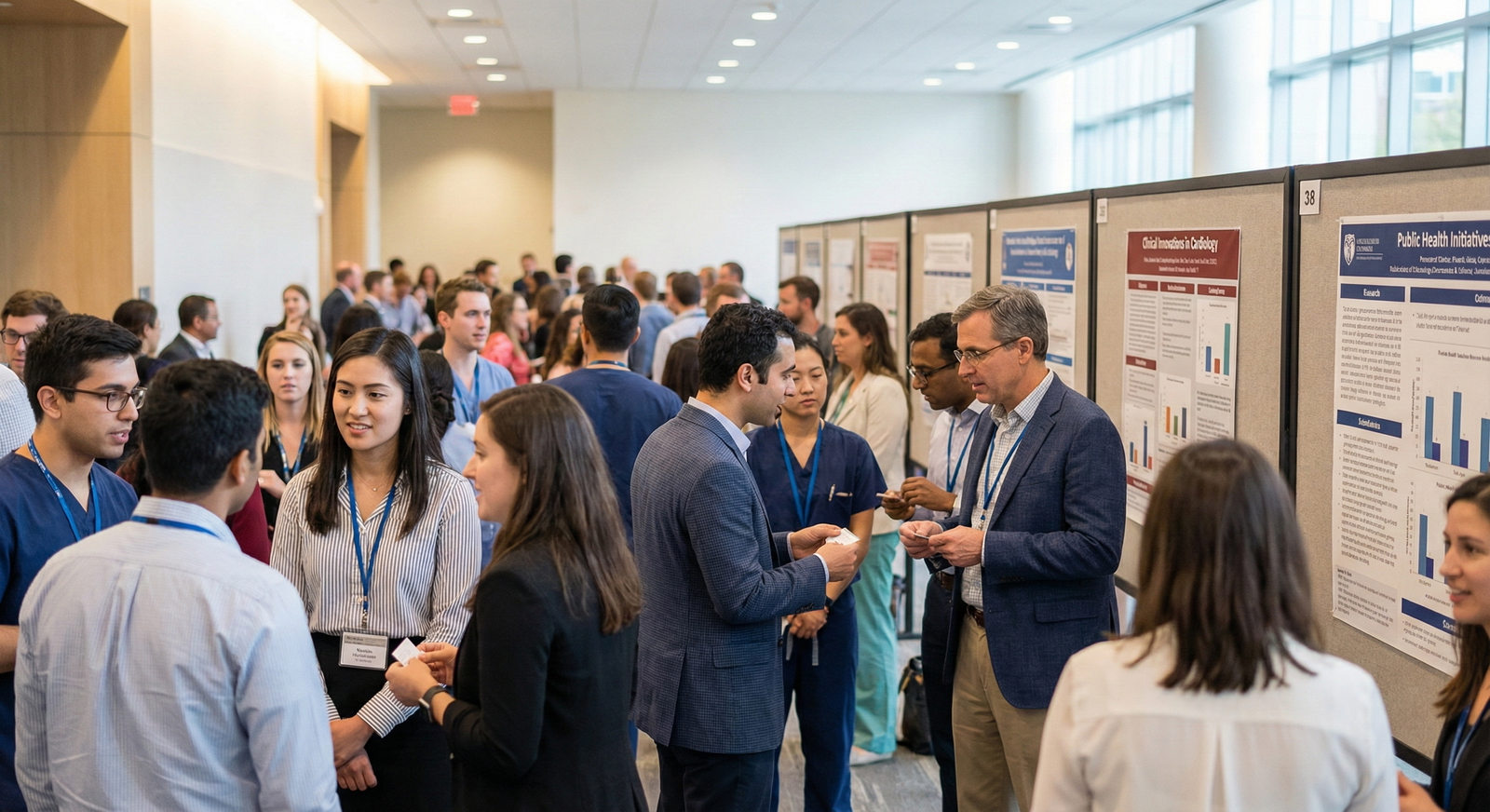
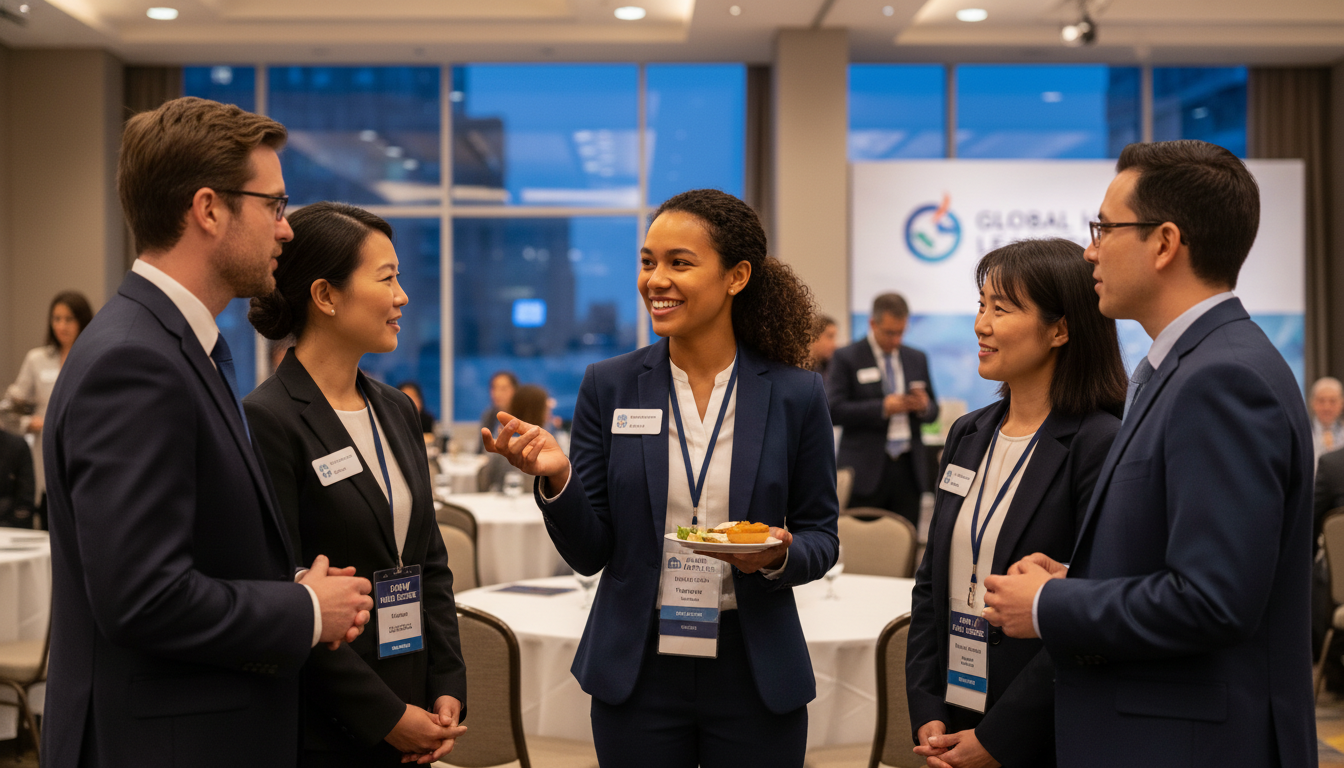
Conference networking is one of the most powerful tools for a non-US citizen IMG, even if you are still abroad. Many major OB GYN meetings now have virtual components, student/trainee discounts, and specific sessions for aspiring residents.
Key conferences and organizations to know:
- ACOG (American College of Obstetricians and Gynecologists) – Annual Clinical & Scientific Meeting
- APGO (Association of Professors of Gynecology and Obstetrics) – faculty-focused, but great for students serious about academics
- CREOG/APGO Annual Meeting – attended by residency leadership and medical educators
- SMFM (Society for Maternal-Fetal Medicine) – if you’re interested in high-risk obstetrics
- AAGL (gynecologic laparoscopy), SGO (gynecologic oncology), etc. for subspecialty interests
Before the Conference
Review the attendee list and program (if available). Identify:
- Program directors and associate PDs of OB GYN programs
- Faculty at programs that are historically IMG-friendly or sponsor visas
- People publishing in your areas of interest (e.g., postpartum hemorrhage, contraception access, etc.)
Prepare an introduction script (30–60 seconds):
- Your name, country of medical school
- Current status (e.g., “I recently completed my internship in [country] and am preparing to apply to OB GYN residency in the US.”)
- Specific interests (“I’m particularly interested in global maternal health and quality improvement in labor management.”)
Set a goal: For example, “I want to have meaningful conversations with at least 5 faculty members and 5 residents in OB GYN.”
During the Conference
Concrete actions:
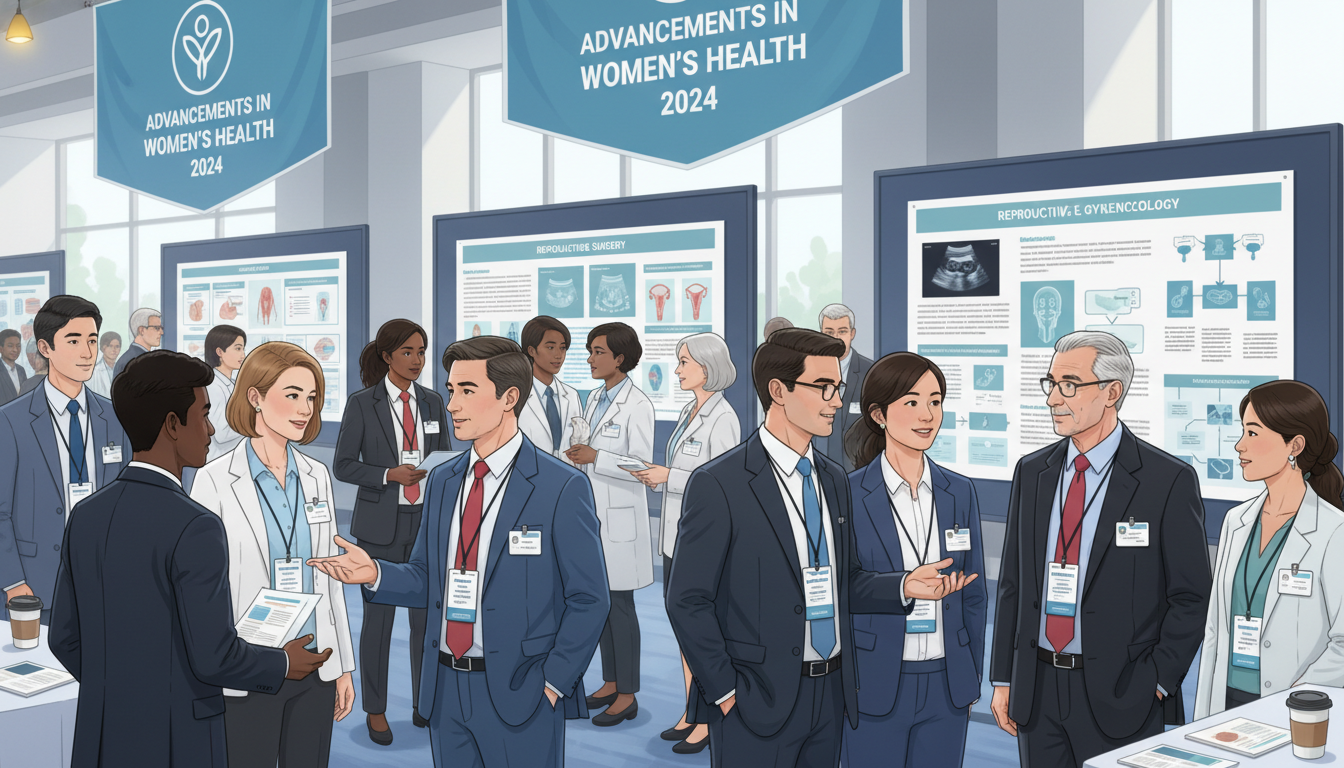
Attend poster sessions and oral presentations in your interest areas.
- Ask 1–2 thoughtful questions at the end: “How do you see this protocol adapting to low-resource settings?”
- Afterwards, introduce yourself briefly:
- “Thank you, Dr. X, I really appreciated your talk. I’m [Name], a non-US citizen IMG interested in OB GYN residency in the US. Your work on [topic] aligns with my interest in [related topic]. Would it be alright if I connect with you by email or LinkedIn?”
Visit residency program booths (if present).
- Talk to residents: “What qualities does your program look for in IMGs?”
- Ask about visa sponsorship and typical IMG profiles.
- Collect contact information (cards, email addresses) and program brochures.
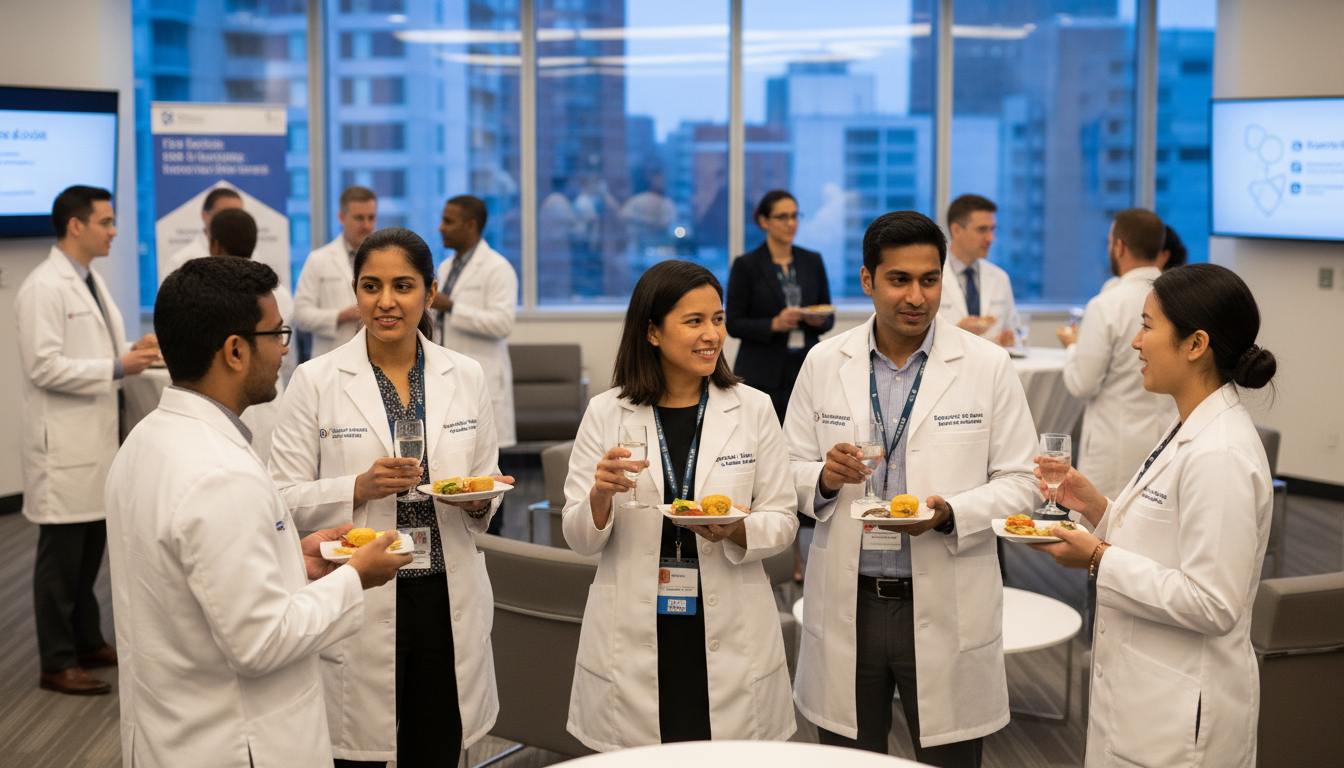
Attend trainee/early-career networking events if available. These are lower-pressure environments to meet faculty and residents.
After the Conference
Within 48–72 hours:
- Send personalized follow-up emails, not generic messages. Reference the actual conversation.
Example:
Subject: Follow-up from ACOG – interested IMG in OB GYN
Dear Dr. [Last Name],
It was a pleasure speaking with you after your presentation on [topic] at the ACOG meeting. I particularly appreciated your discussion about [specific point].
As I mentioned, I am a non-US citizen IMG who completed medical school at [Institution, Country] and am preparing to apply to OB GYN residency in the US. I am very interested in [related interest], and your work has been inspiring.
If possible, I would be grateful for any brief advice regarding pursuing research or observership opportunities in [your area/your department], or more generally for a foreign national medical graduate interested in [subfield].
Thank you again for your time and consideration.
Best regards,
[Full Name, Credentials]
[LinkedIn or email signature]
If no reply after 10–14 days, one polite follow-up is acceptable.
2. Digital Networking: Email, Social Media, and Virtual Events
For many non-US citizen IMGs, especially those still overseas, digital networking is the primary route.
Email Outreach to Faculty
Target:
- Faculty whose research aligns with your interests
- Education leaders (APGO members, clerkship directors)
- OB GYN program coordinators for information about observerships or research positions
Tips:
- Keep emails short (≤200–250 words).
- Show you know who they are (reference a paper, talk, or role).
- Ask for something specific and reasonable (e.g., “a brief 15-minute Zoom call,” “advice on potential research involvement”).
Avoid mass, copy‑paste emails. One good, personalized email is worth ten generic ones.
Professional Social Media: X (Twitter) and LinkedIn
OB GYN has a strong presence on professional social media:
- Follow OB GYN leaders and societies:
- @acog, @smfmnews, @apgonews, and leading program accounts
- Engage thoughtfully:
- Comment on posted papers (“Interesting findings on induction protocols—how might this apply to low-resource settings?”)
- Share articles with brief, professional reflections
- Direct messages (DMs) – Use cautiously and professionally:
- “Dear Dr. [Name], I’m a non-US citizen IMG with interest in OB GYN and have been following your work on [topic]. Would you be open to a brief email conversation about research or mentorship?”
- Move detailed discussion to email, not DMs.
Virtual events (webinars, online journal clubs, Q&A sessions) are often easier to access and excellent for initial exposure.
3. On-the-Ground Networking: USCE, Observerships, and Research Positions
US Clinical Experience (USCE) in OB GYN is both a clinical opportunity and a powerful networking arena.
During USCE or Observerships
Your goals are to:
- Demonstrate professionalism, reliability, and teamwork
- Build trust with residents and faculty
- Earn strong letters of recommendation (LORs)
- Learn about the “culture” of US OB GYN
Strategies:
Arrive early, stay late: Show commitment without being intrusive.
Find small ways to add value:
- Help with patient education handouts
- Ask to assist with literature searches for cases
- Offer to practice presentations and accept feedback
Ask for feedback at the end of the rotation:
- “What would you recommend I focus on to become a stronger candidate for OB GYN residency?”
If feedback is positive, ask if they’d feel comfortable writing a LOR.
Remember: how you treat nurses, midwives, and staff is noticed. OB GYN is deeply team-based.
Research Positions and Networking
Many non-US citizen IMGs enter the US system through research assistant or research fellow roles in OB GYN departments.
Networking advantages:
- Daily contact with faculty and fellows
- Opportunities to co-author papers or abstracts
- Visibility in departmental meetings and conferences
Build relationships by:
- Being reliable with deadlines and data quality
- Volunteering for presentations or abstract writing
- Attending department grand rounds and teaching sessions
- Politely expressing your long-term goal of OB GYN residency, and asking for guidance when appropriate

Mentorship and Sponsorship: Turning Contacts into Champions
Networking is not just collecting business cards; it is building relationships that can grow into mentorship and, eventually, sponsorship.
Understanding Mentorship vs Sponsorship in Medicine
Mentor (mentorship in medicine):
- Provides advice, feedback, and career guidance
- Helps you think through decisions
- May or may not directly influence your match process
Sponsor:
- Uses their reputation and position to actively advocate for you
- Calls or emails PDs on your behalf
- Recommends you for positions or projects
You typically meet many people; a minority become true mentors; a few of those eventually become sponsors.
How to Cultivate Mentorship as a Non‑US Citizen IMG
Start small and specific
- Ask for a 15–20 minute conversation, not immediate long-term mentorship.
- Explain why you’re reaching out to them specifically.
Respect their time
- Send an agenda before the call (e.g., “I’d love your advice on: a) which types of USCE are most valuable, b) how to strengthen my application as an IMG interested in OB GYN research in [topic].”)
- Keep to agreed time.
Follow through
- If they suggest reading an article, joining a society, or emailing another contact, do it and report back briefly.
- This shows reliability and seriousness.
Make it easy for them to help you
- Provide an updated CV, a brief bio, and a clear timeline for your match plans.
- Ask concrete questions: “Would you recommend I apply in this upcoming cycle or strengthen my application first with more USCE?”
Over time, as mentors see your consistency, some may begin to introduce you to colleagues, invite you onto projects, or proactively support your obstetrics match.
Common Networking Pitfalls for Non‑US Citizen IMGs—and How to Avoid Them
1. Being Transactional Instead of Relational
Approaches like “Dear Dr., please help me get into your program” are off-putting. Focus on:
- Shared interests (research topics, global health, education)
- Learning and contributing, not just extracting help
Instead of: “Can you write me a letter?”
Try: “I’m hoping, over time, to contribute meaningfully to your work and earn strong letters of recommendation. Could we discuss how I might get involved?”
2. Over-Emailing or Following Up Too Aggressively
Faculty in OB GYN are extremely busy. Reasonable follow-up:
- Initial email
- One reminder after 10–14 days
- If no answer, move on; do not send repeated emails
Remember: silence often means “no capacity,” not “you are not worthy.”
3. Underestimating Residents, Fellows, and Coordinators
Program coordinators, residents, and fellows can be powerful allies:
- Coordinators know visa policies and application patterns
- Residents can advise what PDs value and share their path as a former foreign national medical graduate
- Fellows often have active research projects seeking help
Treat every interaction with the same professionalism you’d offer the PD.
4. Not Being Honest About Visa and IMG Status
Do not try to hide that you are a non-US citizen IMG or foreign national medical graduate. Instead:
- Be transparent when asked about visa needs (J-1 or H-1B).
- Emphasize your commitment, flexibility with locations, and readiness to adapt.
Ethical, honest communication builds trust.
Putting It All Together: A Strategic Networking Plan for the Obstetrics Match
Below is an example 12–18 month plan for networking in medicine tailored to a non-US citizen IMG targeting OB GYN residency.
Months 0–3: Foundation
- Finalize CV, LinkedIn, professional email, and bio
- Join ACOG as a junior/medical member (if eligible)
- Identify 20–30 OB GYN programs that:
- Have historically accepted IMGs
- Sponsor your visa type
- Begin following OB GYN societies and leaders on X/LinkedIn
- Draft initial outreach emails to 5–10 faculty whose work aligns with your interests
Months 3–6: Exposure and Early Connections
- Attend at least one major OB GYN conference (virtual or in-person)
- Engage during Q&As, poster sessions
- Have 10–15 meaningful conversations; collect contact information
- Apply for USCE, observerships, or research positions in OB GYN departments
- Request 2–3 short informational interviews (Zoom) with faculty, fellows, or advisors
Months 6–12: Deepening Relationships
- Start USCE or research role (if secured)
- Demonstrate excellence and reliability daily
- Attend departmental conferences, grand rounds
- Ask 1–2 faculty if they would consider ongoing mentorship
- Co-author at least one abstract, poster, or paper if possible
- Continue conference networking, this time representing your project or department if you can
Months 12–18: Application and Advocacy
- Confirm LORs from faculty who know you well
- Keep mentors updated with your ERAS progress and program list
- Politely ask mentors if they are comfortable reaching out to specific programs
- Network with residents and fellows at programs on your list via conferences or virtual events
- After interviews, send thoughtful thank-you emails—another form of professional communication and networking
This sustained, structured approach to medical networking positions you not just as “an IMG applying to OB GYN,” but as a known, credible colleague in the making.
FAQs: Networking in Medicine for Non‑US Citizen IMGs in OB GYN
1. Is networking really necessary if I have high scores and good research?
In OB GYN, especially as a non-US citizen IMG, strong scores and publications are necessary but often not sufficient. Networking can:
- Turn “borderline” applications into interview offers
- Help you identify programs truly open to foreign national medical graduates
- Provide context for your file (“I know this applicant—hardworking, great team member”)
You do not need to be extroverted or “political” to network effectively; you need to be consistent, respectful, and prepared.
2. How can I network if I cannot travel to the US before applying?
Focus on:
- Virtual conferences and webinars
- Email outreach to faculty with shared research interests
- Social media engagement with OB GYN societies and educators
- Remote research collaborations (data analysis, systematic reviews, manuscript drafting)
Many OB GYN leaders are now accustomed to working with trainees they have never met in person, especially post‑pandemic.
3. How do I ask for a letter of recommendation without sounding pushy?
Timing and relationship matter. After a positive USCE, observership, or extended research collaboration:
- Ask:
- “Based on our work together, do you feel comfortable writing me a strong letter of recommendation for OB GYN residency?”
- If they hesitate, graciously accept and seek another writer. A lukewarm letter can hurt more than help.
Provide them with your CV, personal statement draft, and a summary of projects you did together to make it easier for them to write.
4. What if English is not my first language and I feel shy speaking up?
Many non-US citizen IMGs share this concern. Strategies:
- Practice your introduction and common discussion questions aloud in advance.
- Start with written networking (email, messages) and gradually move to video calls.
- Join small virtual groups or interest sections where speaking feels less intimidating.
- Remember: clarity, respect, and thoughtfulness matter more than perfect grammar or accent. Many OB GYN leaders are used to working with international colleagues.
Over time, each interaction will build confidence—and your growing network will support you as you progress toward an OB GYN residency and beyond.