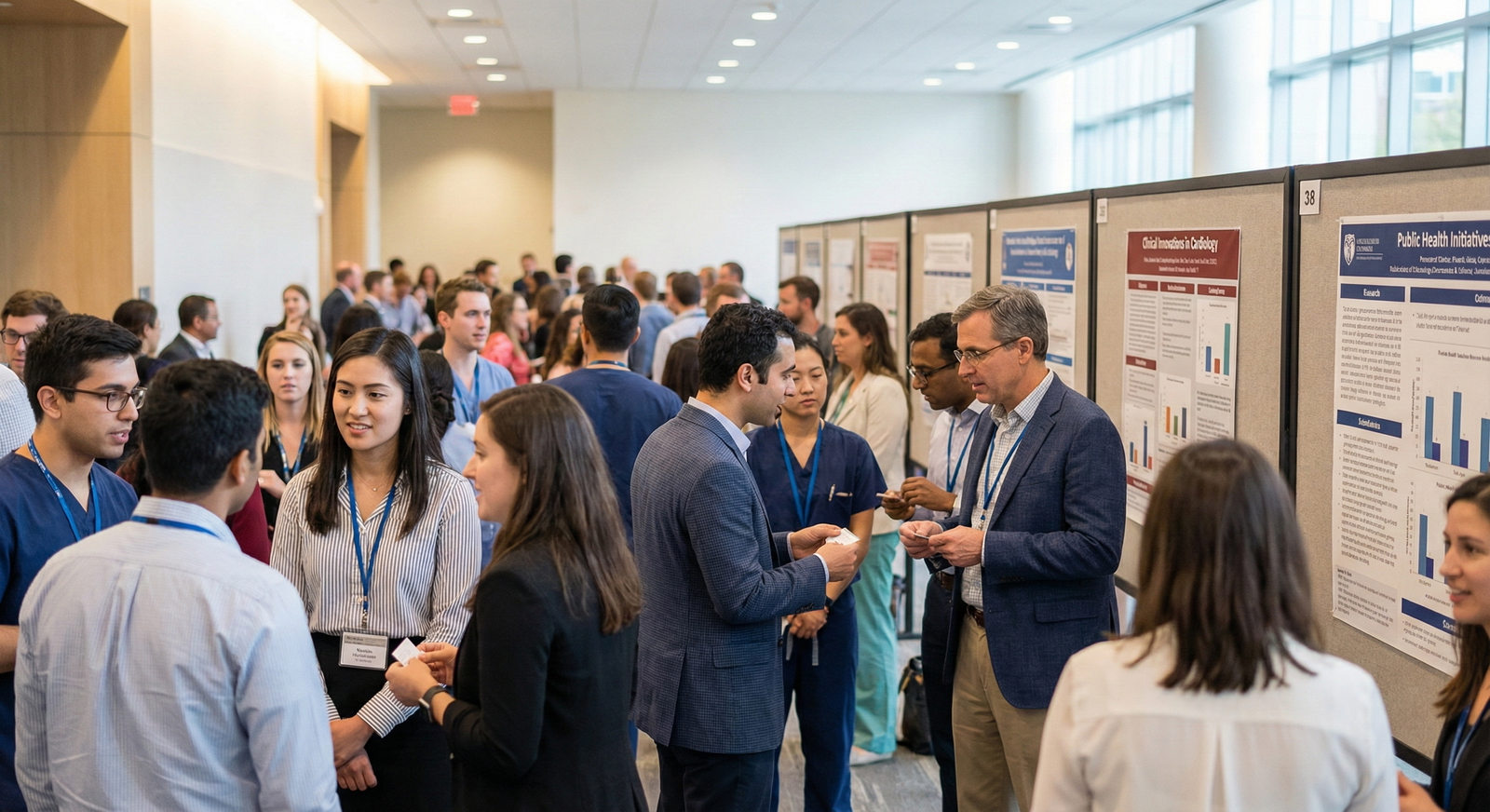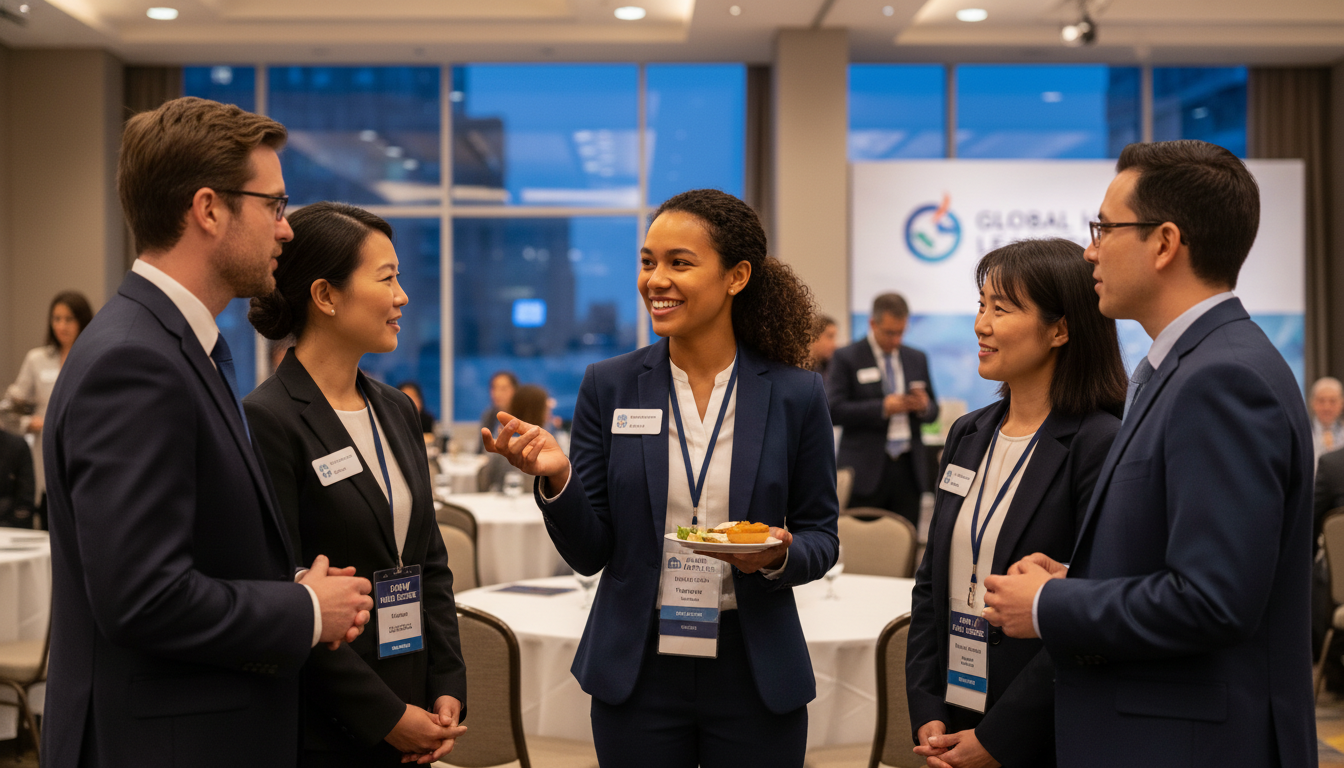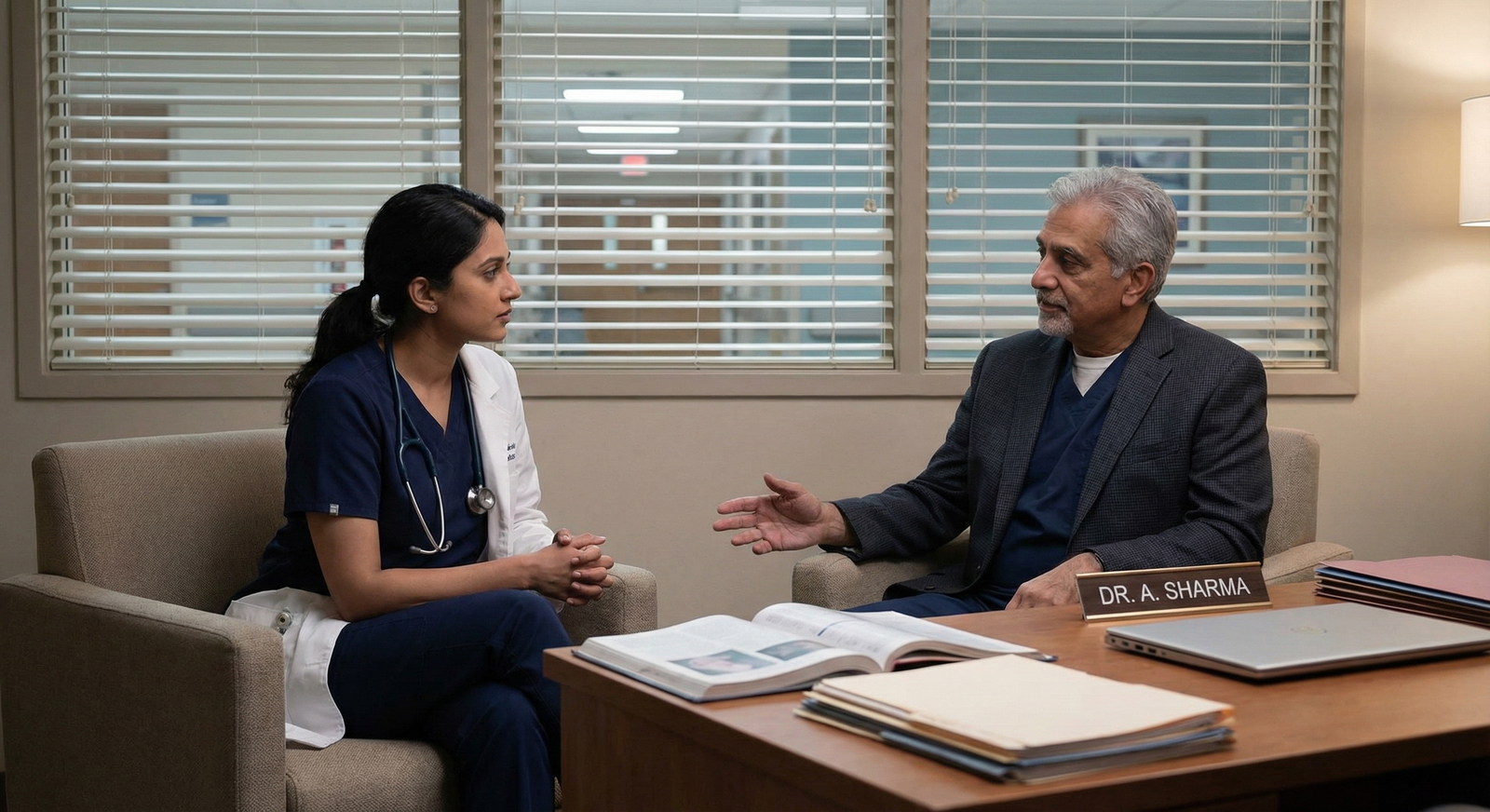
Why Networking in Medicine Matters for Non‑US Citizen IMGs in Pediatrics
For a non‑US citizen IMG pursuing pediatrics residency in the US, networking is not optional—it is strategic, career‑defining work. Many equally qualified applicants compete for limited spots, and program directors often rely on trusted recommendations and personal impressions when deciding whom to interview and rank. Networking is how you become more than just an ERAS application.
For a foreign national medical graduate in pediatrics, networking:
- Helps overcome limited US clinical exposure or lack of home‑program support
- Opens doors to observerships, research, and electives that strengthen your CV
- Builds advocates who can write strong, personalized letters of recommendation
- Provides insider insights into specific pediatrics residency programs
- Connects you with mentors who understand both pediatrics and the IMG journey
- Creates long-term professional relationships that continue well beyond the peds match
This article focuses on practical, step‑by‑step networking strategies specifically tailored to non‑US citizen IMGs aiming for pediatrics residency.
Understanding the Networking Landscape in Pediatrics
Networking in medicine is often misunderstood as self‑promotion or superficial socializing. In reality, especially in pediatrics, it is about building genuine, professional relationships rooted in shared interest in child health, education, and patient advocacy.
The Unique Challenges for Non‑US Citizen IMGs
As a non‑US citizen IMG, you face particular barriers:
- No US medical school alumni network to recommend you to program directors
- Limited organic contact with US pediatric faculty, residents, and program leadership
- Visa considerations (J‑1 vs H‑1B) that may make some programs hesitant
- Time zone and distance issues if you are still abroad
- Less familiarity with “hidden curriculum”—how US trainees informally learn which conferences, committees, and organizations matter most
Networking is how you actively compensate for these structural disadvantages.
Key Networking “Arenas” in Pediatrics
Most networking in pediatrics happens in a few predictable spaces. Understanding these helps you plan:
Clinical environments
- US clinical experiences (USCE), observerships, externships, sub‑internships
- Rounds, clinic days, pre‑clinic conferences, journal clubs, M&M conferences
Academic and research settings
- Research groups and labs
- Quality improvement (QI) teams
- Student or resident‑run interest groups
Professional organizations and conferences
- American Academy of Pediatrics (AAP) and its Sections (e.g., SOIM, SOYP, hospital medicine, neonatology, global health, etc.)
- Regional pediatric societies and subspecialty associations
Digital spaces
- X (Twitter) and other academic social media
- Dedicated mentorship medicine platforms
- Program webinars and virtual open houses
Each arena offers specific approaches and etiquette, which we’ll break down in detail.
Laying the Foundation: Preparing to Network Effectively
Well‑planned networking begins before you attend a conference or send your first email. Preparation signals professionalism and respect for others’ time.
Clarify Your Goals
Instead of a vague goal like “network more,” define specific, realistic objectives:
- “Identify three pediatricians who could serve as mentors for the next 2–3 years.”
- “Secure one or two potential pediatric research or QI opportunities.”
- “Build relationships at 5–8 pediatrics residency programs I’m targeting in the peds match.”
- “Connect with at least one non‑US citizen IMG in pediatrics at each conference I attend.”
Having clear goals makes your outreach more focused and less awkward.
Build Your Professional Identity
Before you can build a network, you need a coherent professional identity: a story that explains who you are and where you’re going.
Craft a concise personal statement summary (spoken version)
A 20–30 second introduction you can use when meeting new people:- Your name and training background
- Your specialty interest (pediatrics, and perhaps an area like neonatology, cardiology, global health, primary care)
- One or two key experiences or interests that define your path
Example:
“I’m Dr. [Name], a non‑US citizen IMG from [Country] with strong interest in pediatric hospital medicine and quality improvement. I completed my medical degree at [School], and I’m currently doing observerships and research focused on reducing readmissions in children with asthma as I prepare for the pediatrics residency match.”Align your documents and online presence
- Update your CV with clear sections for pediatrics‑related experiences.
- Prepare a one‑page academic CV or resume for conferences.
- Optimize your LinkedIn profile and, ideally, a professional X (Twitter) account:
- Headshot with professional attire
- Headline that clearly identifies you: “Non‑US Citizen IMG | Aspiring Pediatrician | Interested in [X]”
- About section that briefly tells your story and pediatrics focus
Prepare a “relationship starter” portfolio
- A list of 3–5 topics you can comfortably discuss (e.g., a small QI project, a pediatric case, a recent article you liked).
- A short list of specific questions you can ask faculty or residents (more on this below).
Mindset: Networking as Mutual Value, Not One‑Way Asking
Effective medical networking is not “Who can give me something?” but “How can I contribute and connect in a meaningful way?” Examples of how you can add value as a foreign national medical graduate:
- Offer to help with data collection, literature reviews, or abstract preparation for a pediatric project.
- Share perspectives on global child health, or how similar conditions are managed in your home country.
- Volunteer in student or trainee committees of pediatric societies.
- Be a connector yourself—introduce other IMGs, students, or residents to opportunities you know.

High‑Impact Networking Strategies in Clinical and Research Settings
Your most powerful networking often comes from working closely with people—on the wards, in clinics, and in research or QI teams.
1. Networking During US Clinical Experiences
For non‑US citizen IMGs, USCE (including observerships) is both an educational and a networking platform.
Show Reliability and Initiative
Faculty and residents are more likely to advocate for you if you demonstrate:
- Punctuality and consistency: always early, prepared with patient information.
- Active learning: ask thoughtful questions, offer to present brief topics.
- Ownership (within your role): follow up on labs, imaging, social work issues.
- Professional communication: clear, respectful, and HIPAA‑compliant exchanges.
Networking tactic:
At the end of a rotation, ask your attending:
“I’ve really appreciated working with you and learning more about pediatrics in the US system. I’m a non‑US citizen IMG preparing for the pediatrics residency match. If it’s okay, I’d love to stay in touch and perhaps occasionally ask for your guidance as I navigate the process.”
If they respond positively, follow up with a brief email:
- Thank them for their teaching
- Reference one specific thing you learned
- Include your updated CV and LinkedIn profile link (if appropriate)
Then, maintain the relationship with periodic, meaningful updates (every few months), not constant asking.
Turning Attendings into Advocates
When a relationship with a pediatrician grows, you can more naturally ask for:
- Advice on your application strategy
- Guidance on which pediatrics residency programs might be a good fit
- A future letter of recommendation, once they know your work well enough
Important:
Ask for a letter only if they’ve seen your clinical or research work over enough time to genuinely assess you. Phrase your request respectfully:
“Would you feel comfortable writing a strong letter of recommendation in support of my application to pediatrics residency?”
If they hesitate, consider that a signal to seek letters elsewhere.
2. Networking Through Research and Quality Improvement (QI)
Research and QI projects are excellent ways for a non‑US citizen IMG to build sustained relationships.
Finding Pediatric Research Opportunities
Potential sources:
- Emails or websites of pediatric departments in US hospitals
- AAP Section listservs or SIGs (e.g., global health, hospital medicine)
- Faculty profiles—look for “multi‑center,” “registry,” or QI‑type projects that can use virtual help
When you reach out:
- Use a short, tailored email (3–4 short paragraphs).
- Show that you’ve read at least one of their recent pediatric publications.
- Mention specific skills (data entry, REDCap, literature review, survey design, basic stats, etc.).
Example structure:
- Who you are (non‑US citizen IMG, background, pediatrics interest)
- Why you’re writing (interest in their specific work)
- How you can help (2–3 concrete skills, time availability)
- Attach CV and politely ask if they’re open to a quick call or email reply
Be prepared for many non‑responses. Persistence and volume—alongside personalization—are key.
Building Long‑Term Relationships via Research
Once you join a project:
- Be extremely responsive and reliable—respond to emails quickly, meet all deadlines.
- Offer to help with abstracts, posters, and manuscripts.
- Ask if you can attend lab meetings (even virtually).
- Volunteer to present your work at internal pediatric grand rounds or journal club.
These research mentors can then:
- Introduce you to their colleagues at conferences
- Advocate for you directly with program directors they know
- Provide detailed letters describing your work ethic and contributions
Conference Networking: From Awkward Small Talk to Strategic Connections
Conferences are concentrated networking events—especially powerful for foreign national medical graduates who may not have a large local network.
Choosing Conferences Strategically
For pediatrics, high‑yield options include:
- AAP National Conference & Exhibition (NCE)
- Subspecialty conferences (e.g., PAS, pediatric cardiology, neonatology, hospital medicine)
- Regional AAP chapter meetings
- Virtual conferences or webinars hosted by pediatric departments
As a non‑US citizen IMG, factor in:
- Cost (registration, travel, visa, accommodation)
- Opportunities for student/IMG discounts or travel grants
- Whether there are career development or mentorship medicine sessions targeted at students/trainees
If attending in person is difficult, prioritize virtual attendance and e‑networking (live Q&A, virtual poster sessions, networking lounges, chat).
Preparing Before the Conference
Three weeks before:
Study the program
- Identify sessions about pediatrics residency, global health, or IMG issues.
- Highlight talks or posters by pediatricians whose work aligns with your interests.
Pre‑conference outreach
- Email 3–5 faculty you hope to meet:
- Brief intro (1–2 sentences)
- Mention that you’ll attend their session or poster
- Ask if they might have 10 minutes for a brief conversation before/after their talk
- Email 3–5 faculty you hope to meet:
Prepare your talking points
- A 20–30 second self‑introduction (as above)
- 2–3 questions specific to each person’s work or session
Bring:
- A one‑page CV or professional card (if feasible)
- A list (digital or paper) of target people and sessions
- A strategy: “I will aim for at least 5 meaningful conversations per day”
During the Conference: Concrete Tactics
At Talks and Panels
- Sit near the front; faculty will notice engaged learners.
- Ask one thoughtful question at Q&A if you genuinely have one.
- After the session:
- Introduce yourself briefly
- Refer to something specific from the talk
- Ask if you can connect on LinkedIn or via email
Example:
“Dr. [Name], I’m [Name], a non‑US citizen IMG aspiring to pediatrics residency with strong interest in your work on [topic]. I appreciated your point about [X]. Would it be okay to connect briefly by email or LinkedIn? I’d love to learn more and, if appropriate, explore ways I might get involved in similar projects.”
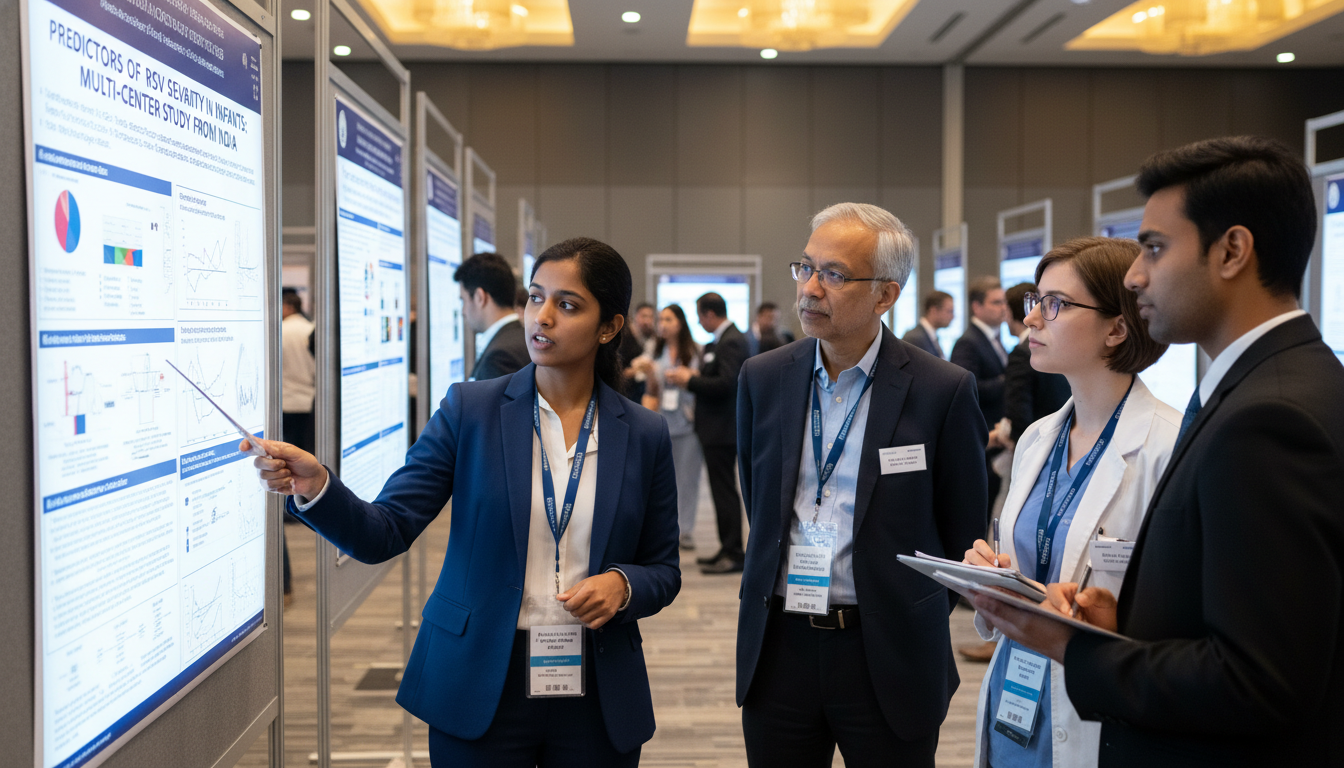
At Poster Sessions
Poster halls are ideal for organic medical networking:
- Visit posters related to your interests (e.g., asthma, neonatology, global child health).
- Ask the presenter:
- “How did you get involved in this project?”
- “What were the biggest challenges?”
- “What are the next steps for this research?”
If the presenter is a resident:
- Ask about their peds match experience and their program.
- Inquire whether their institution is IMG‑friendly and what they look for in applicants.
If they seem receptive, you can say:
“I’m a foreign national medical graduate preparing for pediatrics residency. I’d really value your advice as someone who has successfully navigated training in this environment. Would it be okay if I reached out by email with a few questions?”
Following Up After the Conference
Within 3–7 days:
- Send short, personalized follow‑up emails:
- Remind them how you met (session, poster, networking event)
- Thank them for their time and mention one point you found especially helpful
- Briefly state your goal (e.g., applying for pediatrics residency in [year])
- If appropriate, kindly ask:
- Whether they’d be open to a brief virtual meeting
- Whether they know of any pediatric research or clinical opportunities
Keep follow‑ups concise (5–8 sentences). If you don’t receive a response, one polite follow‑up 2–3 weeks later is acceptable.
Leveraging Digital Networking and Mentorship as a Non‑US Citizen IMG
In recent years, digital platforms have become a powerful equalizer for non‑US citizen IMGs seeking pediatrics residency.
Using Social Media for Academic Branding
For a foreign national medical graduate:
Headline example:
“Non‑US Citizen IMG | Aspiring Pediatrician | Interested in Pediatric Hospital Medicine & QI | ECFMG Certified”About section:
- 2–3 sentences summarizing your background
- 2–3 sentences on your pediatrics interests and goals
- 1–2 sentences on what you’re seeking (research, mentorship, residency guidance)
Connect with:
- Pediatricians at your target residency programs
- Residents/fellows who share your background (IMGs, same country, same medical school)
- Leaders in pediatric research areas that interest you
When sending connection requests:
- Always add a short personal note:
- Who you are
- Why you’re reaching out
- 1 sentence on how you hope to engage (advice, learning from their work, etc.)
X (Twitter) and Other Academic Platforms
Many pediatricians, programs, and societies are active on X:
Follow:
- Pediatric departments and residency programs
- AAP, PAS, subspecialty societies
- Faculty whose work you admire
Engage by:
- Retweeting and briefly commenting on pediatric research or advocacy posts
- Sharing your own learning (e.g., “Key takeaways from today’s pediatric hospital medicine webinar…”)
- Participating in #medtwitter, #peds, and similar hashtag conversations
Aim for professional, positive, and educational content. Avoid controversial or unprofessional topics on your public professional accounts.
Structured Mentorship in Medicine
Many organizations offer formal or semi‑formal mentorship medicine programs:
- AAP Section on International Child Health or IMG‑friendly sections may have mentoring initiatives.
- Hospital departments sometimes pair interested trainees or foreign graduates with faculty mentors.
- Non‑profit groups and IMG communities host mentorship programs for the peds match.
How to approach potential mentors:
- Identify 2–3 people with overlapping interests (e.g., pediatric infectious disease, global health, hospital medicine).
- Request a brief virtual meeting (15–20 minutes) focusing on:
- Learning from their career path
- Asking 3–4 targeted questions
- Use meetings not to immediately ask for opportunities, but to build rapport. Later, you can ask:
“I deeply appreciate your guidance. As I continue preparing for the pediatrics residency match, would you be open to an ongoing mentorship relationship where I could occasionally seek your advice?”
Program‑Specific Virtual Networking
Since COVID‑19, many pediatrics residency programs offer:
- Virtual open houses
- “Meet the residents” sessions
- Social media Q&As
- Webinars on their institution’s culture, curriculum, and community
For a non‑US citizen IMG, these are invaluable:
- You get a sense of whether programs are IMG‑friendly and familiar with visa processes.
- You can ask residents directly about how they perceive the program’s support for foreign national medical graduates.
- Sometimes, your name and engagement are noticed by people involved in the selection process.
Tips:
- Keep your camera on if possible and dress professionally.
- Ask specific, thoughtful questions (avoid what’s clearly on the website).
- Afterward, connect with 1–2 residents on LinkedIn, referencing the session.
Putting It All Together: A Strategic Networking Plan for the Peds Match
To make this concrete, here’s a sample 6–12 month networking roadmap for a non‑US citizen IMG targeting pediatrics residency.
Months 1–3: Foundation and Local Connections
- Polish your CV, LinkedIn, and personal introduction.
- Connect with local or regional pediatricians (even outside the US) to build mentorship relationships and get letters.
- Begin targeted email outreach to US pediatric faculty for research or observerships.
- Join AAP and any pediatric interest groups you qualify for (student, trainee, international).
Months 3–6: Active Engagement and Research
- Secure at least one ongoing research/QI or observership opportunity, even if remote.
- Schedule regular (e.g., monthly) check‑ins with your main mentors.
- Attend at least one virtual pediatric conference or departmental webinar.
- Slowly grow your digital presence by engaging with pediatric content weekly.
Months 6–9: Conference Networking and Program Targeting
If feasible, attend an in‑person or major virtual pediatric conference.
Present a poster if possible (even from work in your home country).
Start making a refined list of pediatrics residency programs:
- Historically IMG‑friendly
- Accept J‑1 and/or H‑1B visas
- Aligned with your interests (community vs academic, global health, etc.)
Engage in program open houses and virtual meet‑and‑greets.
Reach out to current residents who share your background.
Months 9–12: Strengthening and Leveraging Relationships
Update mentors about:
- USMLE scores
- New publications, abstracts, or presentations
- Any changes in your peds match strategy
Ask key mentors for letters of recommendation, giving them:
- Draft of your personal statement
- Updated CV
- A bullet list of experiences they might highlight (optional but often appreciated)
Ask if they know any colleagues at your target programs and if they feel comfortable reaching out on your behalf.
Maintaining Integrity and Balance
Throughout all of this:
- Prioritize ethics and humility—never misrepresent your role or achievements.
- Respect people’s time; don’t send daily messages or pressure anyone.
- Express genuine gratitude when people help you, and pay it forward by helping other IMGs when you can.
FAQs: Networking in Medicine for Non‑US Citizen IMGs in Pediatrics
1. Is networking really that important for the peds match if I have strong scores?
Yes. Strong scores help you pass initial filters, but many programs receive hundreds of qualified applications. For a non‑US citizen IMG, networking:
- Signals commitment to pediatrics in the US
- Helps you stand out as a person, not just a set of numbers
- Can lead to advocates who speak directly to program leadership on your behalf
Program directors routinely report that personal recommendations and impressions are influential, especially when assessing IMGs.
2. How can I network effectively if I’m still abroad and can’t travel to the US?
Focus on what is accessible:
- Join pediatric professional organizations that offer virtual memberships.
- Attend online conferences, webinars, and pediatrics residency open houses.
- Engage actively on LinkedIn and X with pediatricians and residents.
- Seek remote research or QI roles you can fulfill from abroad.
Many faculty are now comfortable supervising remote collaboration, especially for data analysis, literature reviews, or multi‑center projects.
3. How do I avoid coming across as “using” people only for my residency application?
The key is building real, reciprocal relationships:
- Show sustained interest in their work and field, not just your immediate needs.
- Offer tangible help (e.g., research support, volunteer work).
- Stay in touch with updates and thanks, even when you don’t need something.
- Be transparent about your goals and timeline so mentors understand your context.
If you consistently show respect, gratitude, and reliability, most pediatricians will not see you as “using” them but as a motivated trainee they are helping to grow.
4. What if I’m introverted or feel uncomfortable with networking?
Many physicians—including pediatricians—are naturally introverted. Networking doesn’t mean being loud or overly social; it means:
- Preparing a few well‑crafted questions and introductions
- Focusing on one‑on‑one or small‑group interactions
- Using email and written communication, which may be more comfortable
- Setting small goals (e.g., “I will introduce myself to two people at this event”)
Over time, as you repeat these actions, networking will feel more natural. Remember that the core of networking in medicine is curiosity and shared passion for children’s health, not performance.
By approaching networking as structured, ethical relationship‑building, you can transform your position as a non‑US citizen IMG into a story of resilience, initiative, and global perspective—qualities that pediatrics residency programs value deeply.