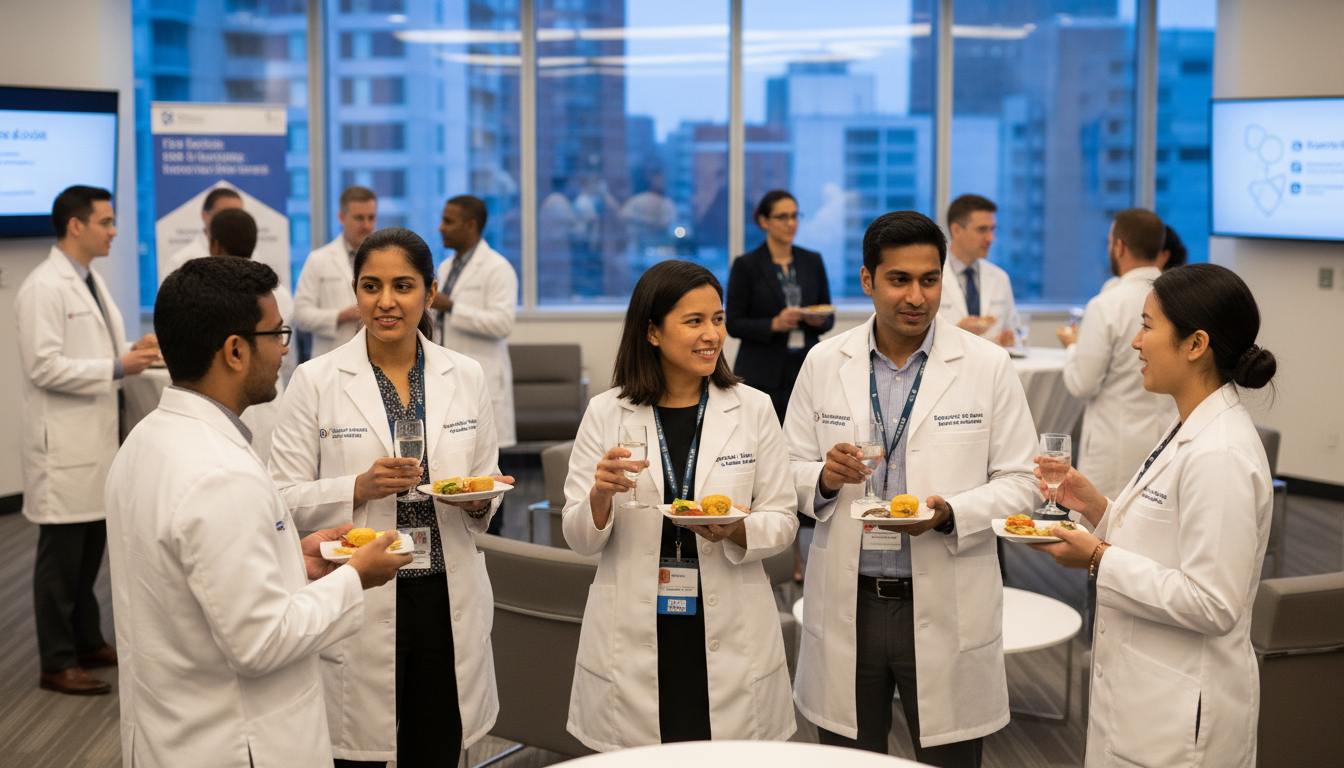
Why Networking Matters So Much for Non‑US Citizen IMGs in Preliminary Medicine
For a non-US citizen IMG in a preliminary medicine year, networking is not a “nice-to-have”—it’s strategic survival.
A preliminary medicine year (prelim IM) is usually one year only, often without a guaranteed PGY‑2 spot. That means:
- You have limited time (12 months) to prove yourself.
- You must re-apply for categorical positions, advanced specialties, or another prelim spot.
- Your immigration status (visa) may depend on your next contract.
- You are often less familiar with US systems, culture, and unspoken rules than US graduates.
Because of this, who knows you, likes working with you, and is willing to vouch for you can directly determine:
- The quality of your letters of recommendation
- Whether attendings pick up the phone on your behalf
- If a PD or fellowship director decides to take a chance on you versus another equally qualified candidate
Networking in medicine isn’t schmoozing at cocktails; it’s about building authentic professional relationships that:
- Open doors to interviews and positions
- Help you navigate visa and immigration complexities as a foreign national medical graduate
- Provide mentorship in medicine from people who understand your specific challenges
- Give you insider perspective on programs, specialties, and institutional politics
For a non-US citizen IMG, especially in a prelim year with a countdown clock ticking, deliberate networking is often the most powerful multiplier of your clinical performance.
Understanding the Networking Landscape in a Prelim Medicine Year
Before you start “networking,” you need clarity on who matters, where to find them, and what each relationship can realistically offer.
Key People in Your Networking Ecosystem
Program Director (PD) and Associate PDs
- Influence: Hiring, letters, internal transfers, research or teaching opportunities.
- For a foreign national medical graduate: They may also advocate for visa sponsorship or extensions.
- Strategy: Respect their time, but ensure they know who you are, your goals, and your progress.
Core Faculty in Internal Medicine
- Influence: Day-to-day evaluators, LOR writers, phone calls to other PDs.
- Strategy: Excel on their rotations, request feedback, and later ask for letters and connections.
Subspecialty Attendings (e.g., Cardiology, GI, Oncology, ICU)
- Influence: Gateway to research projects, subspecialty letters, and word-of-mouth advocacy.
- Strategy: Let them know your interests early, follow up on projects, and consistently show reliability.
Senior Residents and Chief Residents
- Influence: Informal reputation building, introductions to faculty, advice on unspoken rules.
- Strategy: Ask for guidance, offer to help, and show up as a dependable teammate.
Program Administrators and Coordinators
- Influence: Logistics, early awareness of openings, scheduling advantages, communications with PDs.
- Strategy: Be consistently polite and professional—they often know more about opportunities than anyone.
Fellows in Subspecialties
- Influence: Research opportunities, practical advice on how to impress attending in their field.
- Strategy: Ask how they got where they are; offer help with charts, data collection, or small projects.
Alumni and Prior IMGs from Your Program
- Influence: They have lived your path—often know which programs are IMG-friendly and visa-friendly.
- Strategy: Ask your PD or coordinator to connect you, or search LinkedIn for alumni.
Types of Relationships and How They Help
- Sponsors: People with power who will actively promote you (call PDs, push your file to the top).
- Mentors: People who advise and guide you (career path, US culture, strategy).
- Peers: Co-residents, fellows, and friends who share information and emotional support.
- Role Models: Senior physicians whose careers you may want to emulate.
Aim to identify at least:
- 1–2 potential sponsors (often PDs or powerful attendings)
- 2–3 long-term mentors (including at least one IMG or non-US citizen who understands your situation)
- 5–10 peers you regularly connect with

Day-to-Day Networking on Wards and in Clinics
Your clinical work is your strongest networking tool. For a prelim IM resident, every rotation is an audition—for letters, for positions, and for long-term mentor relationships.
How to Turn Routine Work into Networking Capital
Be Reliable and Predictable
- Show up early, finish notes on time, respond to pages promptly.
- For non-US citizen IMGs, reliability also combats subtle bias; it helps people see you first as a strong resident, not as “the foreign national medical graduate.”
Verbalize Your Interests and Goals
- Example scripts:
- “Dr. Smith, I’m a preliminary medicine year resident and a non-US citizen IMG. I’m very interested in staying in internal medicine long term. Do you have any advice on how I can position myself for a categorical spot?”
- “I’m considering cardiology as a future path after internal medicine. If opportunities come up for research or projects, I’d really love to help.”
- This invites faculty to think of you when opportunities arise.
- Example scripts:
Ask for Specific, Constructive Feedback
- Example:
- “Do you have any feedback on how I presented that patient? I want to make sure I’m meeting expectations as a prelim IM resident.”
- People who invest in giving feedback are more likely to feel connected to your success.
- Example:
Follow Up After Rotations
- Send a short thank-you email:
- “Thank you for an excellent month on wards. I learned a lot about managing decompensated heart failure and complex discharges. I’m very interested in internal medicine and would be grateful to stay in touch as I navigate next year’s applications.”
- Attach a current CV if appropriate, or offer to help with projects.
- Send a short thank-you email:
Be the Resident Who Makes Others’ Lives Easier
- Offer to do quick tasks that help the team: tracking down outside records, updating family, preparing sign-out.
- Attendings remember residents who are pleasant and efficient as much as those who are brilliant.
Making a Strong Impression as a Non‑US Citizen IMG
You may face questions—spoken or unspoken—about:
- Your English fluency
- Your familiarity with US medical systems and culture
- Your visa status and long-term plans
Address them through your behavior:
- Over-communicate clearly and succinctly on rounds.
- Learn local documentation styles and EMR shortcuts quickly.
- Be transparent and non-defensive about your visa when appropriate:
- “I’m currently on a J‑1 visa and planning to pursue internal medicine residency and potentially fellowship in the US.”
When faculty see you as clinically strong, culturally adaptable, and transparent, they are far more likely to advocate for you.
Strategic Medical Networking Beyond Your Home Program
The prelim year is short; you cannot rely only on internal contacts. You need a wider network for backup options, information, and opportunities.
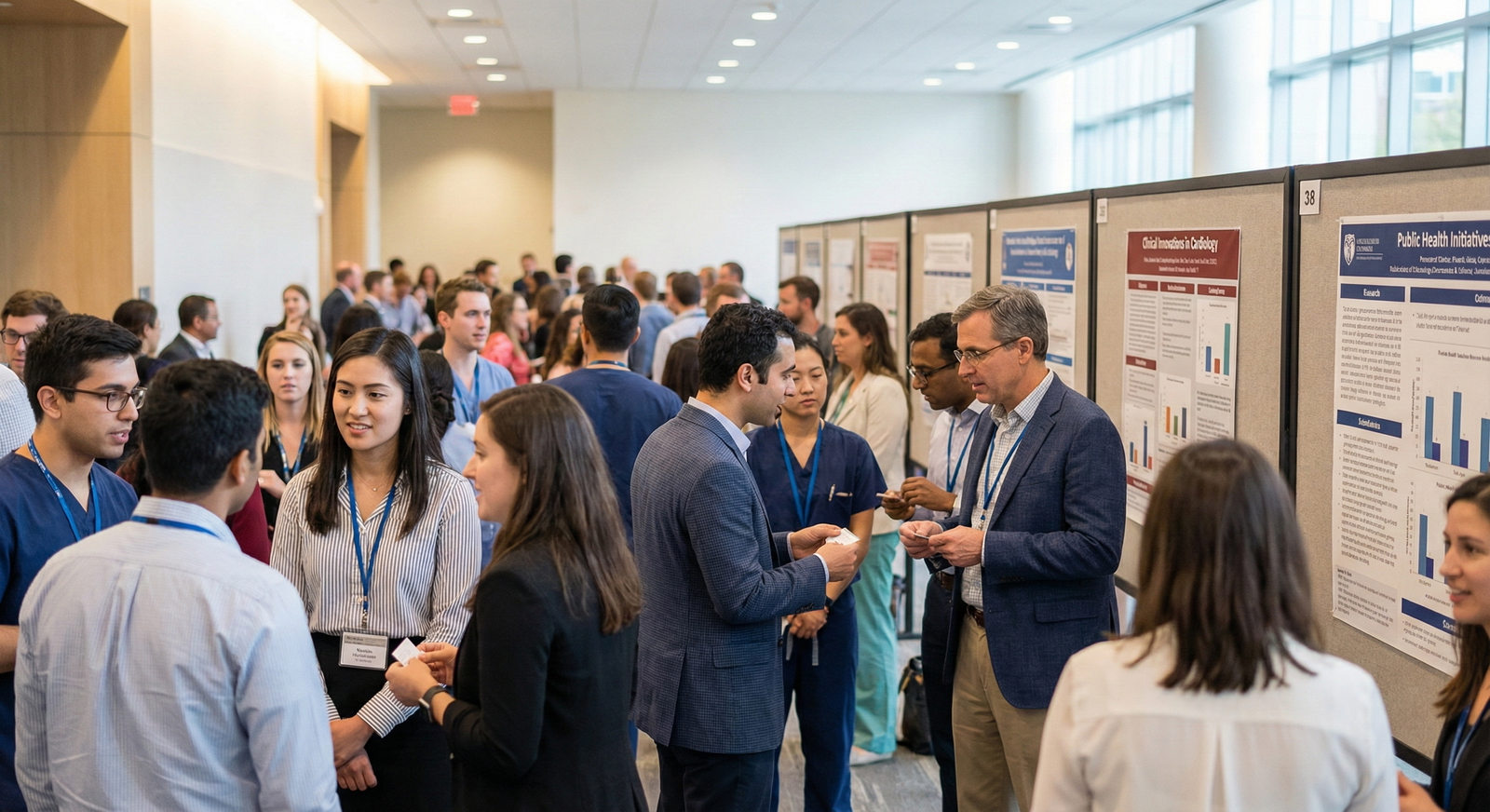
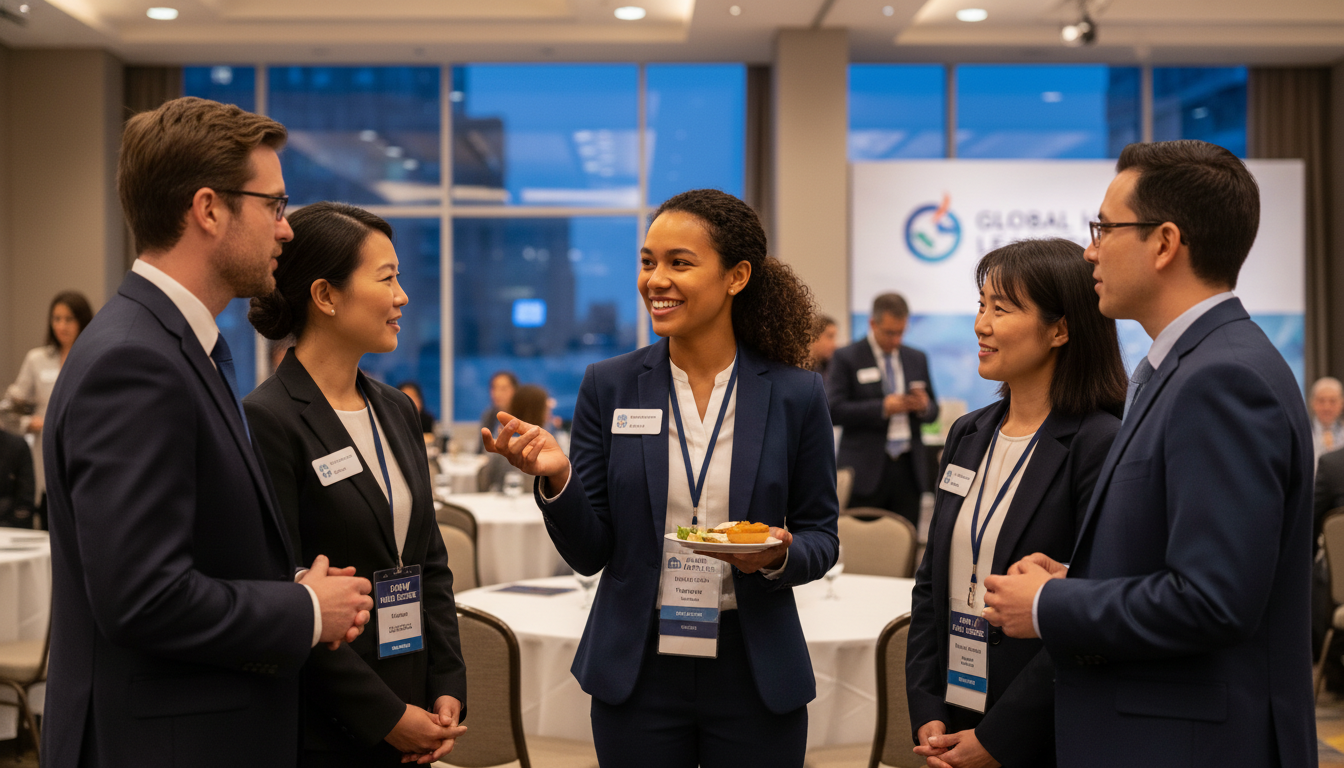
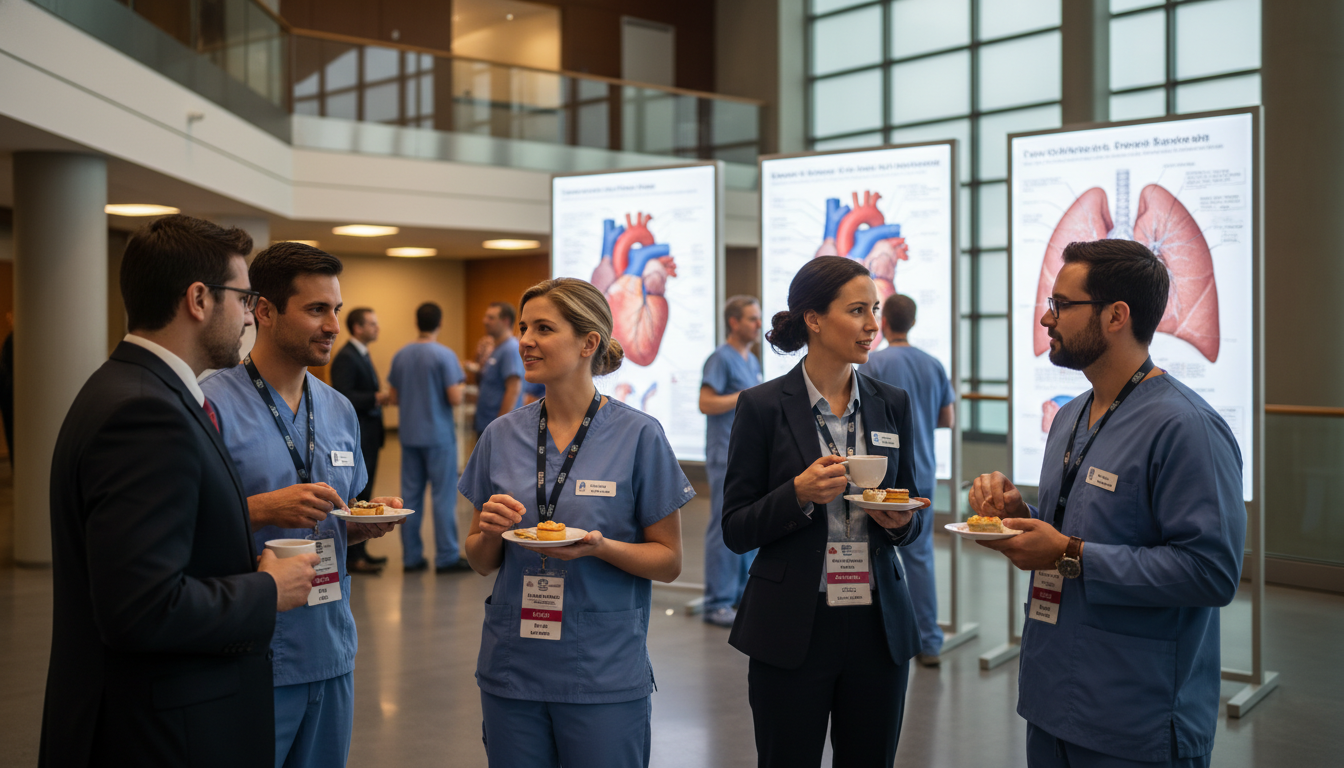
Conference Networking: Turning Meetings into Opportunities
Even as a busy prelim IM resident, you should plan to attend at least one major conference (or virtual equivalent) during your year, if feasible:
- American College of Physicians (ACP)
- Society of General Internal Medicine (SGIM)
- Subspecialty meetings (e.g., ACC, ATS, ASCO) if you are leaning toward a specific field
Before the Conference
Define Your Goal
- Examples:
- Meet at least 3 program directors or associate PDs from IMG‑friendly internal medicine programs.
- Find one potential research collaboration partner in your area of interest.
- Talk to at least 2 physicians who were also non-US citizen IMGs about their path.
- Examples:
Use the Program App or Website
- Identify:
- Sessions with PD panels, career development, or “meet-the-program” events.
- Workshops on mentorship in medicine or IMG careers.
- Note names of speakers and look them up on LinkedIn/department websites beforehand.
- Identify:
Prepare a 20–30 Second Introduction
- Example:
“Hi, I’m Dr. [Name], a preliminary medicine year resident at [Hospital] and a non-US citizen IMG originally from [Country]. I’m very interested in continuing in categorical internal medicine and possibly [subspecialty]. I’ve been involved in [brief project/interest]. I’d love any advice you have on positioning myself for the next match cycle.”
- Example:
During the Conference
Attend “Meet the Program Director” or IMG Sessions
- Ask concise, thoughtful questions:
- “For non-US citizen IMGs in a prelim IM year, what makes an applicant stand out for your categorical spots?”
- “Do you consider mid-year applicants for unexpected PGY‑2 openings?”
- Ask concise, thoughtful questions:
Talk to People After Sessions
- Approach speakers you admire:
- “Your talk on [topic] was very helpful. I’m a prelim resident and foreign national medical graduate. Could I email you later to ask a few questions about building a career path similar to yours?”
- Approach speakers you admire:
Collect Business Cards / Emails and Take Notes Immediately
- Write short notes on your phone: “Dr. X – PD at Y – said they sponsor H‑1B, open to applicants with prior US experience.”
After the Conference
Send Follow-Up Emails Within 7–10 Days
- Reference something specific from your conversation.
- Attach your CV if appropriate, and gently remind them you are a non-US citizen IMG in a prelim year seeking long-term internal medicine training.
Stay Connected
- Connect on LinkedIn with a brief note.
- Update them when you publish something, present a poster, or have a significant milestone.
This mix of conference networking and systematic follow‑up often leads to interviews, research opportunities, and informal advocacy.
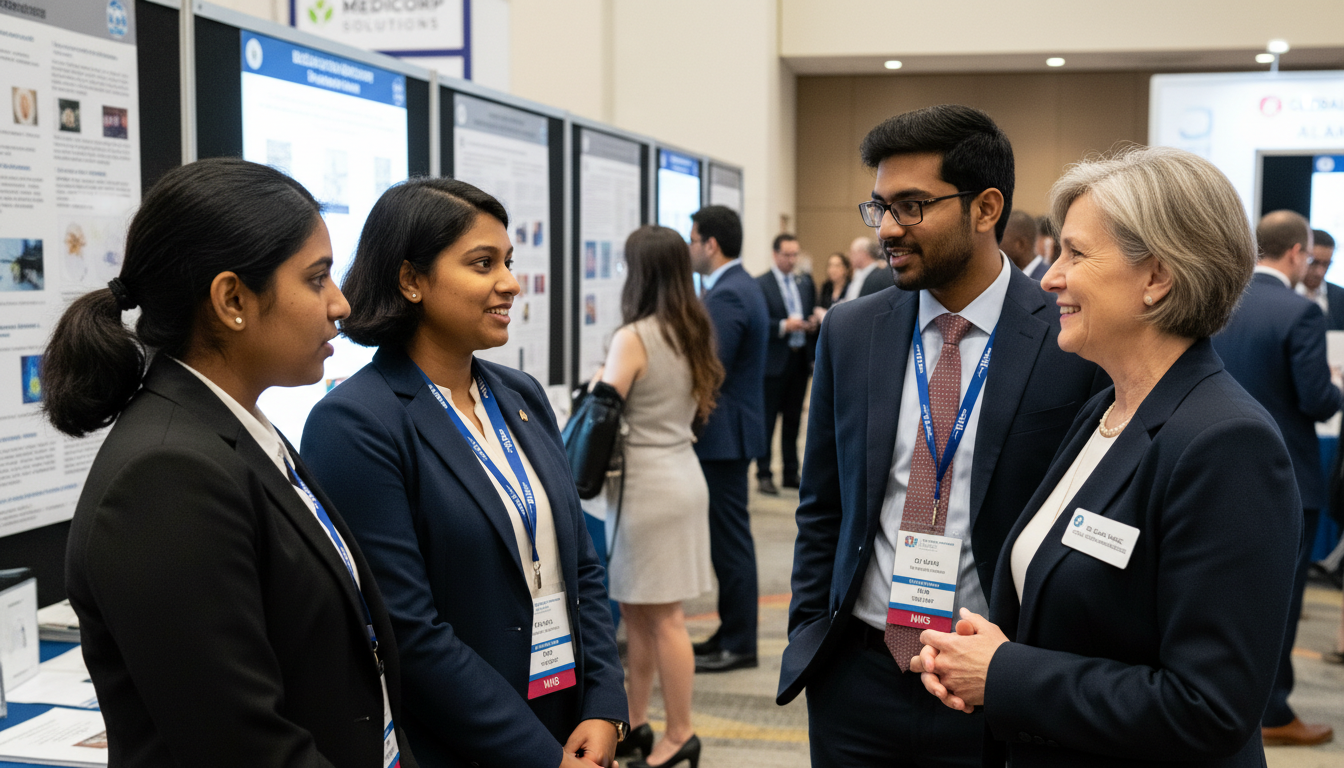
Building Mentorship and Sponsorship as a Non‑US Citizen IMG
For a non-US citizen IMG, mentorship in medicine must be intentional. You need mentors who understand both professional and immigration-related realities.
Types of Mentors You Should Aim to Have
Clinical Mentor (Internal Medicine Faculty)
- Helps you improve as a clinician and secures strong letters of recommendation.
- Can speak to your performance as a prelim IM resident.
Career Strategy Mentor (Often an IMG or Foreign-Trained Physician)
- Understands visa pathways, common pitfalls for non-US citizen IMGs, and strategies for re-applying.
- May not be in your specialty, but knows the system.
Research Mentor
- Offers opportunities to co-author papers, posters, QI projects.
- Strengthens your CV during a short prelim year.
Institutional Insider Mentor
- Someone who understands your hospital’s politics: which divisions are growing, which PDs are open to transferring prelims into categorical positions.
How to Ask Someone to Be a Mentor
You don’t need to formally say “Will you be my mentor?” at first. Start with:
- “Would you be willing to give me some career advice as I navigate my prelim year?”
- “Could I schedule a 20-minute meeting to ask about your career path and get your input on my plans?”
If the relationship develops and they show ongoing interest:
- “You’ve already been very helpful. Would you be comfortable if I checked in a few times a year as a mentee? I really appreciate your guidance as I plan my path as a non-US citizen IMG in preliminary medicine.”
What to Bring to a Mentorship Meeting
- Updated CV
- Short personal statement draft or bullet points about your goals
- A clear list of 3–5 questions, for example:
- “How can I best position myself for categorical IM if I’m currently in a prelim IM slot?”
- “Given my need for visa sponsorship, what types of programs should I target?”
- “How can I convert strong evaluations this year into powerful letters of recommendation?”
Turning Mentors into Sponsors
Sponsors are mentors who also act on your behalf:
- Make phone calls to PDs they know
- Recommend you for internal opportunities
- Advocate for you if a categorical position opens unexpectedly
To help this happen:
- Perform excellently where they can observe you.
- Keep them updated about your achievements and application timeline.
- When the time is right, ask directly:
- “If you feel comfortable, would you be willing to support my application with a strong letter or even a phone call to programs where you have connections?”
Practical Networking Playbook for Your Prelim Year
To make this concrete, here is a month‑by‑month style approach you can adapt.
First 2–3 Months
- Learn the local culture and expectations quickly.
- Identify:
- 2–3 attendings you’ve worked well with
- 1–2 residents or chiefs you trust
- Start subtle networking:
- Let people know you hope to continue in internal medicine.
- Ask for feedback regularly.
Months 3–6
Request formal meetings with:
- Your PD or Associate PD
- At least one potential mentor
Ask your PD:
- “Are there any possibilities for converting prelim residents into categorical positions here?”
- “How have past non-US citizen IMGs from this program moved into categorical roles?”
Join:
- Hospital committees (e.g., QI, patient safety)
- Working groups where faculty from multiple departments participate
Start or strengthen research or QI involvement:
- Even small projects can lead to abstracts and posters, which are useful for both medical networking and your CV.
Months 6–9
Solidify letters of recommendation:
- Ask attendings when you’re fresh in their mind, toward the end of rotations.
- Provide CV and specific talking points (clinical strengths, work ethic, communication).
Intensify external networking:
- Attend at least one conference (even if virtual).
- Reach out to alumni of your program or your medical school who are in US internal medicine or subspecialties.
Clarify your next application target:
- Categorical internal medicine
- Advanced specialties (e.g., neurology, radiology) after prelim
- Another prelim year (only if necessary as a backup)
Months 9–12
Maintain performance—avoiding burnout and mistakes is crucial.
Keep in regular touch with:
- PD and mentors about your application progress.
- Any external contacts who expressed interest in helping.
If you learn of unexpected PGY‑2 or categorical openings:
- Have a “ready to send” package: updated CV, personal statement, standardized email asking about openings.
Navigating Visa and Immigration Issues Through Networking
As a non-US citizen IMG or foreign national medical graduate, visa status is never far from your mind. Networking cannot replace legal advice, but it can:
- Connect you to physicians who navigated similar routes (e.g., J‑1 waiver, H‑1B transitions).
- Identify programs known to sponsor specific visa types.
- Alert you to institutions in underserved areas that are more open to IMGs and visa holders.
How to Talk About Visa Status Professionally
Be factual and brief:
- “I’m currently on a J‑1 visa with interest in staying in internal medicine and potentially pursuing fellowship.”
- “I’m on an H‑1B sponsored by my current institution; I’d like to remain in internal medicine and understand which programs are open to H‑1B transfer.”
Questions you can ask mentors and network contacts:
- “Are you aware of IMG‑friendly or visa‑friendly internal medicine programs you’d recommend I look into?”
- “In your experience, do programs in your region tend to sponsor H‑1B or primarily J‑1?”
Often, other non-US citizen IMGs are your best networking resource here. They will know pragmatic details not always listed on official websites.
Online Networking: LinkedIn, Email, and Professional Societies
In addition to in‑person connections, strategic online networking expands your reach.
Using LinkedIn Effectively
- Create a professional profile:
- Clear headline: “Preliminary Internal Medicine Resident | Non-US Citizen IMG | Interested in Categorical IM and [Subspecialty]”
- Brief summary of training path, visa status (optional), and interests.
- Connect with:
- Faculty you work with
- Alumni from your medical school in US residency
- Physicians who share your specialty interests, especially those who started as IMGs
When sending connection requests, always include a short note:
“Hello Dr. [Name], I’m a prelim internal medicine resident and non-US citizen IMG at [Institution]. I admire your work in [area] and hope to pursue a similar path. I’d be grateful to connect and learn from your experience.”
Email Etiquette for Cold Outreach
You can reach out via email to:
- Alumni from your medical school
- Faculty at conferences you couldn’t speak to in person
- Physicians who have written or spoken on topics relevant to IMGs
Key points:
- Keep it under 200–250 words.
- Introduce yourself, state your goal, ask 1–2 specific questions.
- Respect their time and avoid asking for jobs in the first email.
Example:
Subject: Brief Advice Request from Prelim IM Non-US Citizen IMG
Dear Dr. [Name],
I am a preliminary internal medicine resident at [Institution] and a non-US citizen IMG originally from [Country]. I recently [heard your talk/read your article] on [topic], and it resonated with my own career interests in [area].As I prepare to apply for categorical internal medicine positions next cycle, I would be very grateful for any brief advice you might have for a prelim IM resident in my position, particularly regarding [specific question].
Thank you very much for your time and consideration.
Sincerely,
[Name], MD
[Institution] | [Contact details]
Frequently Asked Questions (FAQ)
1. As a non-US citizen IMG in a prelim IM year, when should I start networking for my next position?
Start immediately but ramp up intensity after the first 2–3 months once you understand your program’s culture. Use the first months to perform well clinically and identify potential mentors and sponsors. By month 4–6, you should be having formal career conversations with your PD and key faculty and beginning external networking.
2. How do I ask an attending for a letter of recommendation without feeling awkward?
Ask toward the end of a strong rotation when your work is fresh in their mind. Use wording like:
“Dr. [Name], I’ve really appreciated working with you on this rotation. I’m applying for categorical internal medicine positions this coming cycle as a non-US citizen IMG, and I hope to highlight my performance during this year. If you feel you know my work well enough, would you be comfortable writing a strong letter of recommendation on my behalf?”
This phrase (“if you feel you know my work well enough” and “strong letter”) lets them decline gracefully if they cannot write a strong letter.
3. Do conferences really help with securing positions, or are they mainly for education?
Conferences serve both roles, but for a prelim IM non-US citizen IMG, they are powerful for conference networking:
- You can meet PDs, faculty, and fellows in person.
- You can present posters, which makes you memorable.
- You can learn which programs are more open to IMGs and visa sponsorship.
They won’t magically create jobs, but the connections you build can translate into interviews, informal recommendations, and research collaborations—all of which improve your odds.
4. Is it better to focus my networking inside my current program or externally?
You need both, but prioritize internal networking first:
- Internal sponsors are more likely to know your work in detail and to recommend you strongly.
- Internal opportunities (e.g., converting a prelim to categorical spot) are often filled quietly through existing relationships.
At the same time, external networking protects you if no internal positions are available and broadens your options geographically and institutionally. A balanced approach—strong internal reputation plus targeted external networking—is ideal for a foreign national medical graduate in a single-year prelim IM role.
By approaching medical networking as a deliberate, structured activity—woven into your daily work, conference attendance, and mentorship relationships—you can transform a time-limited preliminary medicine year into a powerful launchpad for long-term success in US internal medicine, even as a non-US citizen IMG.