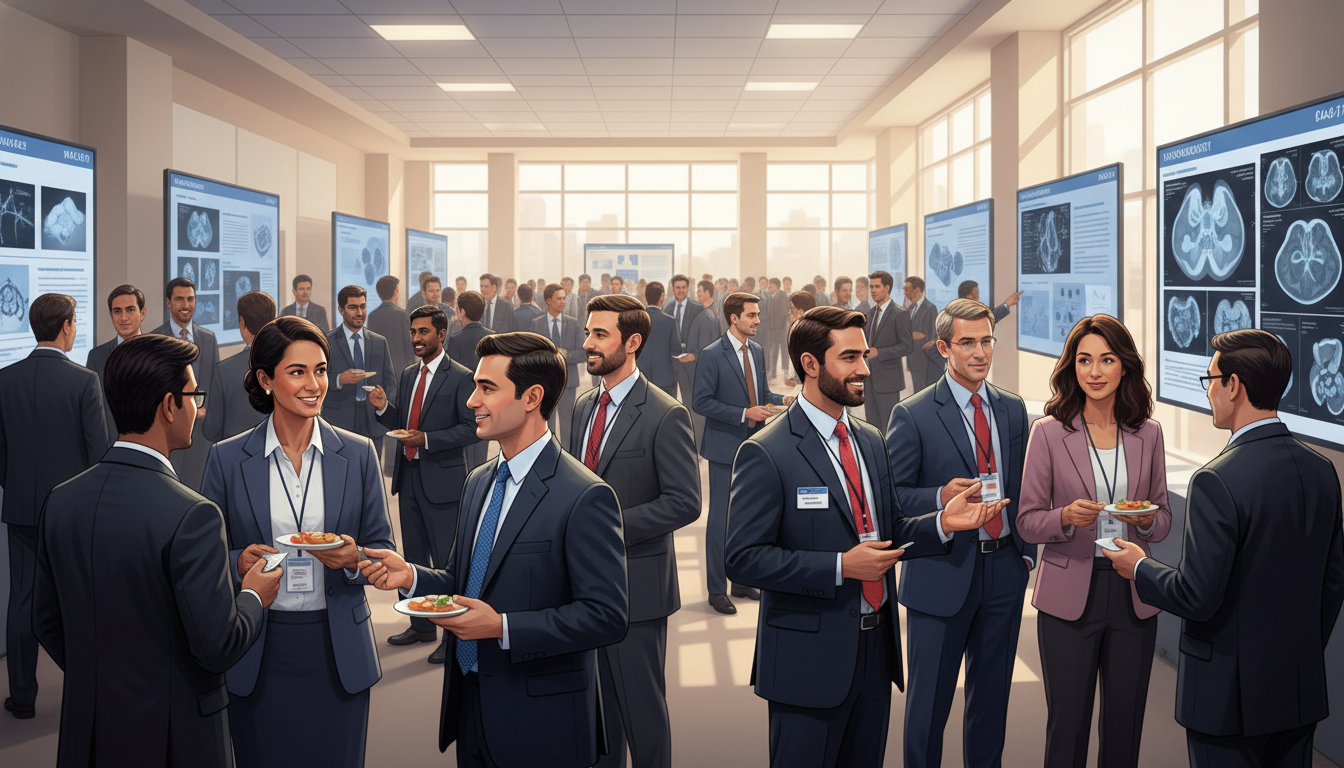
Why Networking Matters So Much for Non‑US Citizen IMGs in Radiology
For a non-US citizen IMG aiming for a radiology residency in the United States, networking in medicine is not optional—it is a core strategy for leveling the playing field.
Diagnostic radiology is a competitive specialty, and foreign national medical graduates face additional challenges:
- Limited or no home-program support in the US
- Visa requirements (J-1 or H-1B)
- Fewer “organic” connections to US faculty and residents
- Possible gaps in US clinical experience (USCE)
In this context, medical networking becomes your way to:
- Make your application more than just a PDF in ERAS
- Turn cold applications into warm introductions
- Access research, observerships, and away rotations
- Find mentors who understand both radiology and the IMG journey
- Learn unwritten rules of the diagnostic radiology match
Think of networking not as “collecting business cards” but as building authentic, mutually respectful professional relationships that help you—and the people you meet—become better clinicians and colleagues.
This article will walk you through:
- How to think strategically about networking in medicine as an IMG
- Specific in-person and online networking tactics that work in diagnostic radiology
- Scripts, examples, and timelines tailored to the radiology residency match
- How to leverage mentorship medicine, conferences, and social media effectively and professionally
Laying the Foundation: A Strategic Networking Mindset
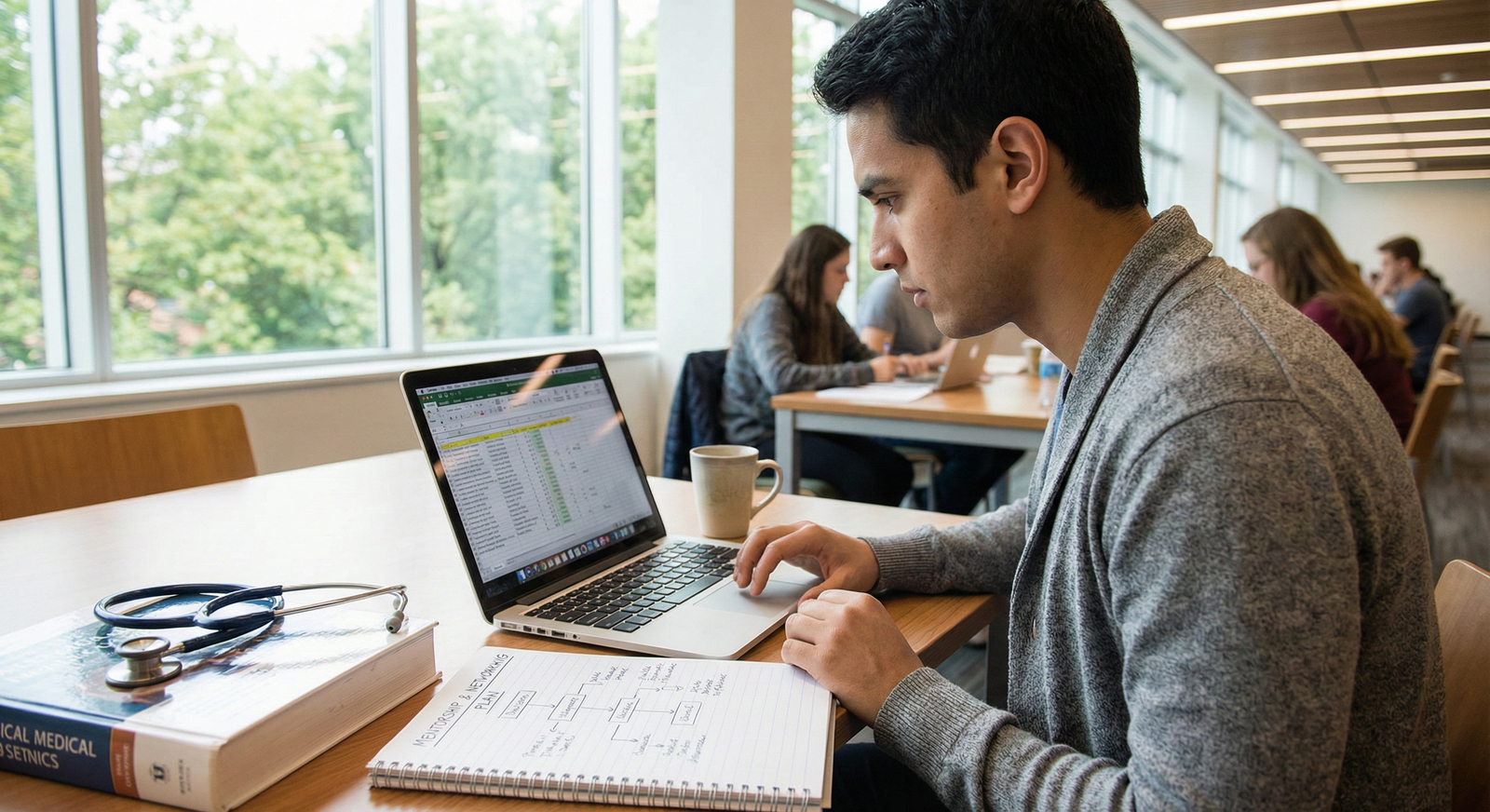
Before jumping into conferences or LinkedIn, you need the right mindset and a basic strategy.
1. Clarify Your Radiology Goals
Networking is much easier when you know what you’re aiming for. For example:
- “I am a non-US citizen IMG interested in diagnostic radiology residency, ideally in an academic program with strong neuroradiology and research opportunities, that accepts J-1 visas.”
- “I want to match into a mid-sized community or hybrid academic center that is IMG-friendly, has strong board pass rates, and is located in [region].”
Once you have clarity, you can:
- Identify relevant programs and faculty to connect with
- Choose the right conferences and online communities
- Present your story consistently when talking to people
2. Understand What You Offer
You are not “just” asking for help. You may bring several strengths to the table:
- Strong clinical skills from your home country
- Unique patient population experience
- Research, especially if already in imaging, AI, oncology, or neurology
- Multilingual abilities and cross-cultural competence
- Strong work ethic and perseverance (critical in busy radiology departments)
Networking becomes less intimidating when you see it as joining a professional community where you have value to contribute.
3. Shift From “Transactional” to “Relational”
A transactional mindset sounds like:
“Can you write me a letter?”
“Can you help me get into your program?”
A relational mindset sounds like:
“I’m interested in your work in abdominal imaging. How did you get involved in this research area?”
“Do you have suggestions on how someone in my position might gain more US-based radiology exposure?”
People respond much better to genuine curiosity and respect than direct requests for favors.
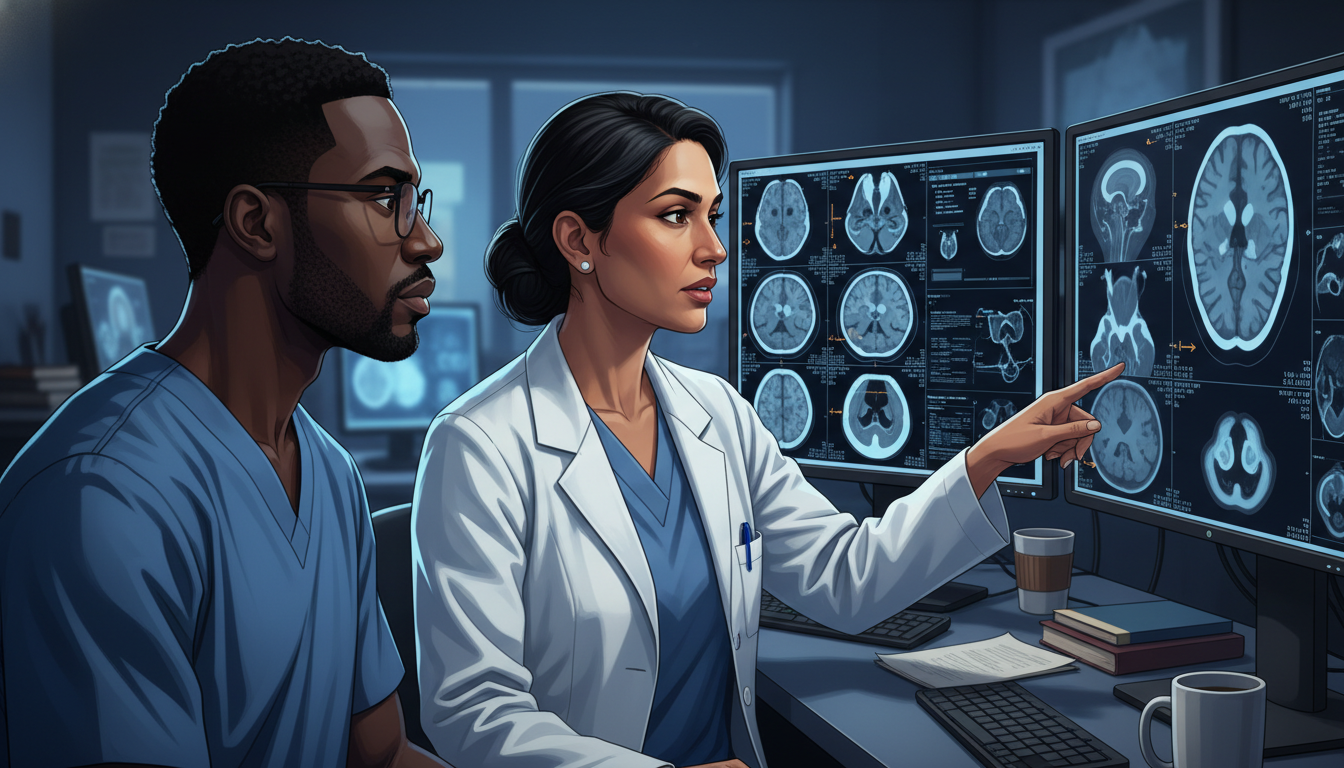
Building Mentorship and Sponsorship in Radiology as an IMG
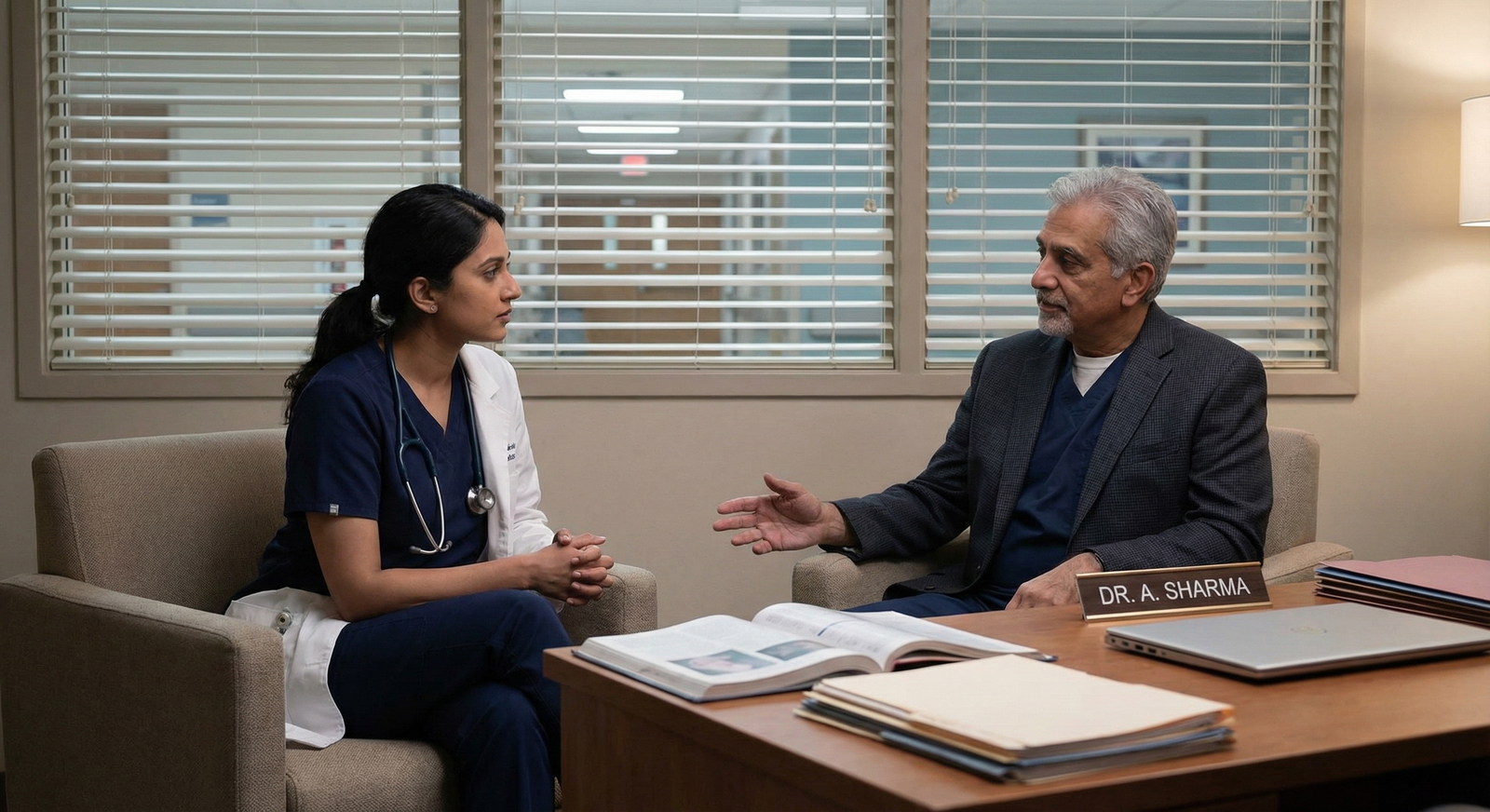
Mentorship medicine is a powerful concept for non-US citizen IMGs. In diagnostic radiology, mentors can open doors to research, observerships, informal case discussions, and letters of recommendation.
Types of Support: Mentor vs. Sponsor
Mentor: Guides you, gives feedback, helps you grow.
- Example: A radiology attending who reviews your CV, advises you on research projects, or discusses program selection.
Sponsor: Actively uses their influence to support your advancement.
- Example: A faculty member who emails the residency program director recommending you, or adds your name to a project because they believe in your potential.
As a foreign national medical graduate, you ideally want both—but they usually come at different stages.
How to Find Mentors in Radiology
Within US Clinical or Research Experiences
- During observerships, electives, or research fellowships, identify radiologists who:
- Enjoy teaching
- Give you feedback
- Show interest in your career trajectory
How to approach:
- “I really appreciate the feedback you’ve given me on cases. Would you be open to meeting briefly to discuss my career goals in diagnostic radiology and how I might strengthen my application?”
- During observerships, electives, or research fellowships, identify radiologists who:
Through Academic Radiology Departments’ Websites
- Look for:
- Faculty whose research aligns with your interests
- Program directors or associate PDs with a history of working with IMGs
- Fellowship directors in your area of interest (e.g., MSK, neuro, IR)
Email template (short and respectful):
Subject: IMG interested in Diagnostic Radiology – Request for Brief Guidance
Dear Dr. [Last Name],
My name is [Your Name], a non-US citizen IMG from [Country] with a strong interest in diagnostic radiology, particularly [subspecialty or topic]. I am currently [brief current status: e.g., completing research in X / planning to apply for the 2026 match].
I have been reading your work on [specific paper/topic] and found [one specific point] particularly insightful. If you have 10–15 minutes sometime in the next few weeks, I would be very grateful for any advice on how someone in my situation might best prepare for a radiology residency application in the US.
I understand you are very busy; even a brief reply would be greatly appreciated.
Sincerely,
[Full Name]
[Medical School, Country]
[USMLE status, if taken]
[LinkedIn or professional website, optional]- Look for:
Through Conferences (In-Person or Virtual)
Approach faculty after talks or during meet-the-expert sessions:
- “Thank you for your talk on [topic]. I’m a non-US citizen IMG interested in diagnostic radiology. May I email you later with a few questions about radiology training pathways?”
Then follow up with a concise email within 48 hours, referencing your brief interaction.
Managing Mentorship Relationships Professionally
- Show up prepared for every call (CV ready, questions written down)
- Follow through on any advice or tasks they suggest (e.g., “Read this article and we’ll discuss”)
- Respect boundaries; don’t demand letters early or pressure them
- Provide updates occasionally, especially when you achieve something they helped with:
- “Thanks again for your advice on [topic]. I followed your suggestion and recently [publication, USCE, conference poster].”
Over time, such mentors may naturally become sponsors—offering letters, introductions, or direct support in your diagnostic radiology match journey.
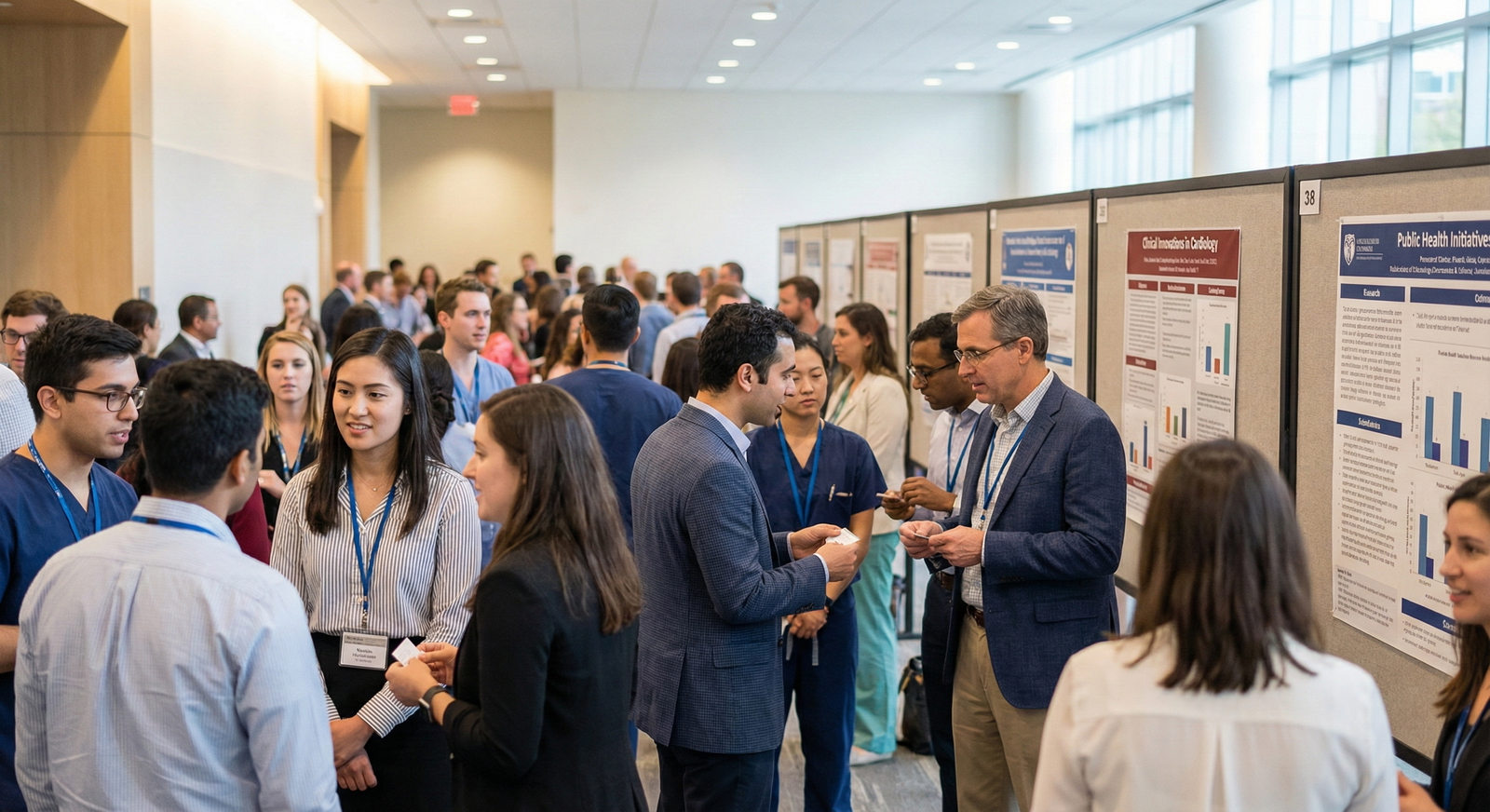
Conference and In‑Person Networking: Turning Events Into Opportunities
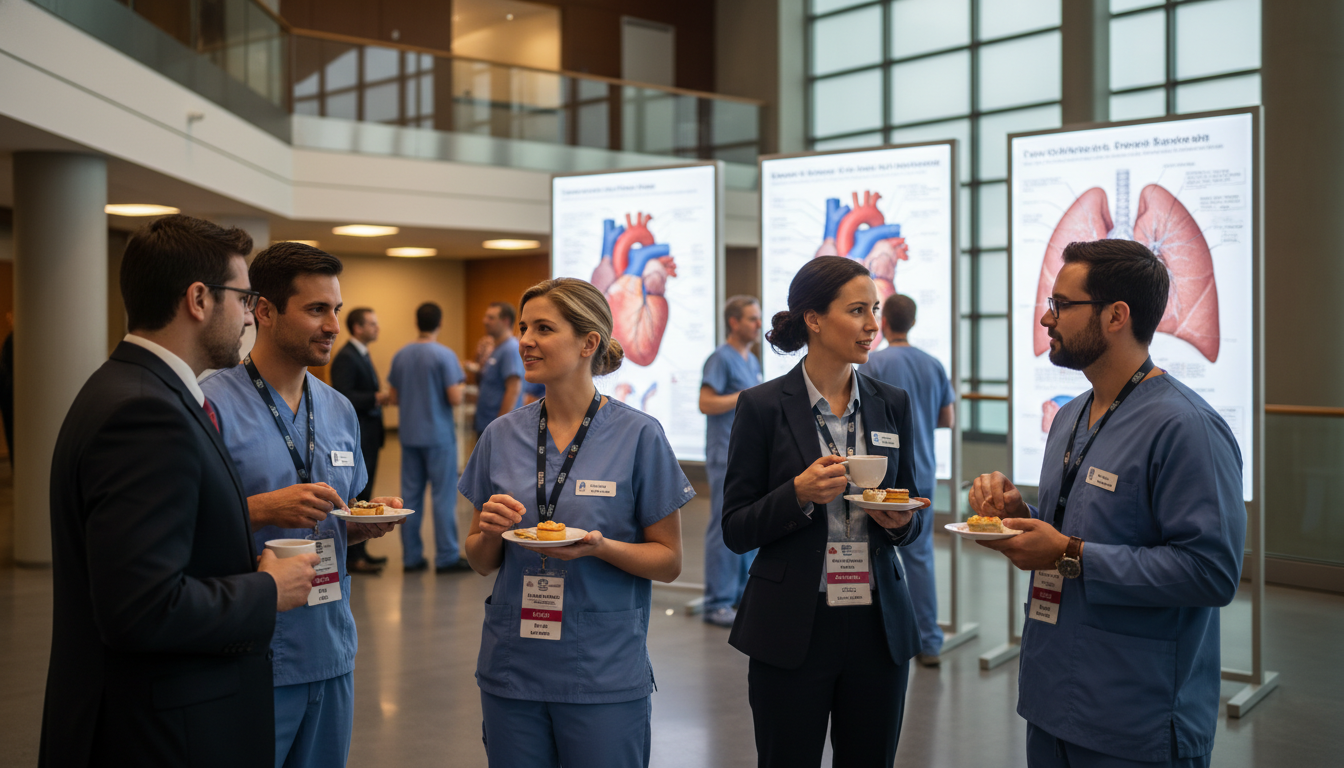
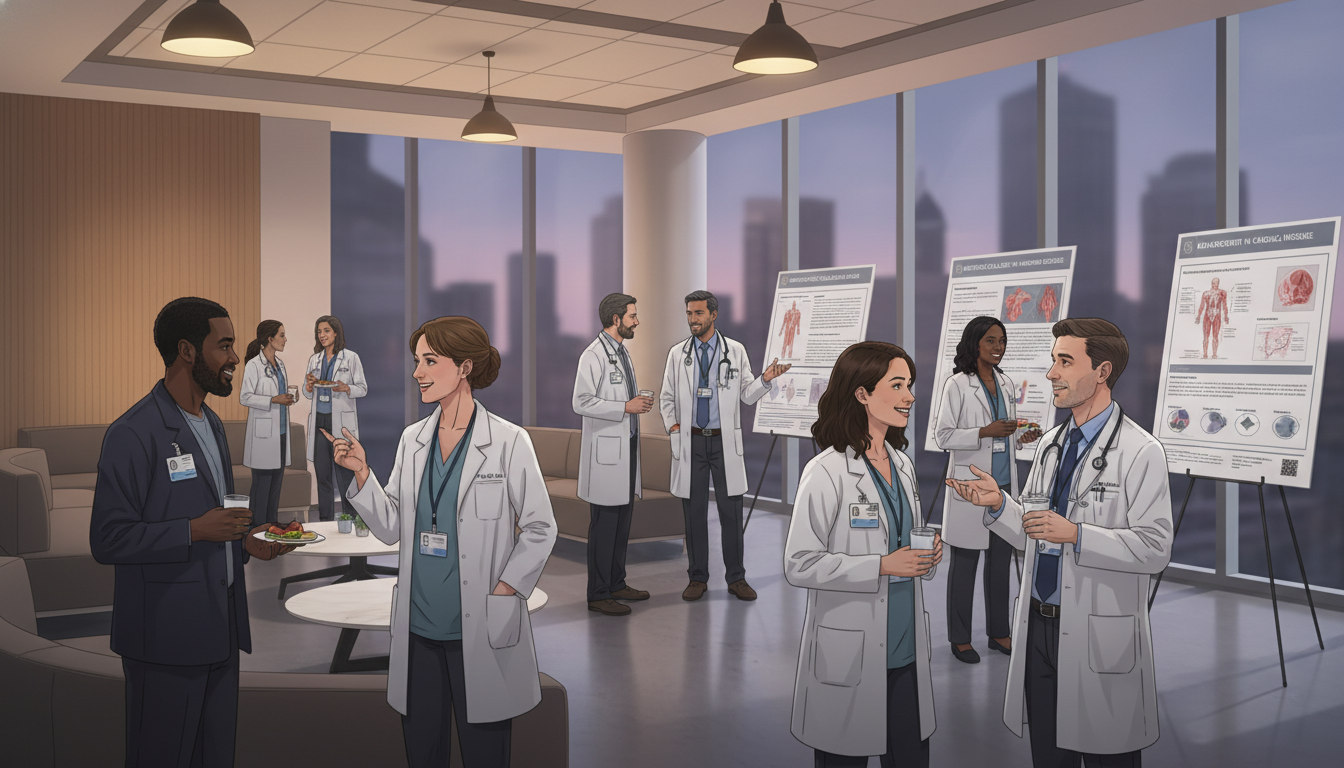
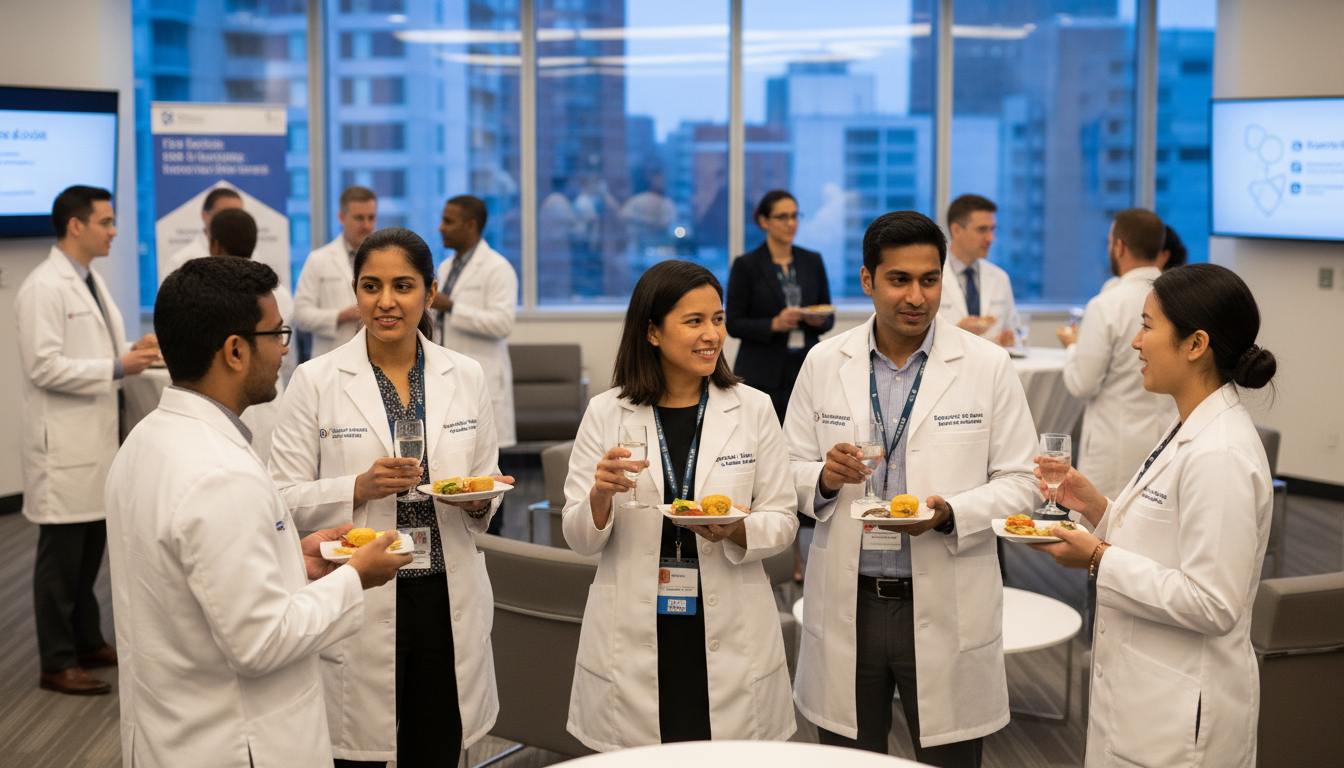
Conference networking is one of the highest-yield strategies for a non-US citizen IMG without a strong US home base. Used well, it can:
- Generate research and observership opportunities
- Put faces to names before ERAS season
- Help you understand how the field is evolving
Which Conferences to Target for Diagnostic Radiology
Consider:
- RSNA (Radiological Society of North America) – very large, global, great for exposure and networking
- ARRS (American Roentgen Ray Society) – academic-heavy, excellent for research-oriented networking
- Subspecialty meetings:
- ASNR (neuroradiology), SSR (musculoskeletal), SAR (abdominal), etc.
- Regional meetings (e.g., state radiology societies) – often smaller and more approachable
If travel cost is a barrier, virtual attendance can still be useful for select sessions and virtual networking rooms.
Prepare Before You Go
Create a simple “professional story”:
- 20–30 second introduction:
- “I’m Dr. [Name], a non-US citizen IMG from [country], currently [status: e.g., completing research in chest imaging at X]. I’m interested in diagnostic radiology residency in the US, particularly [subspecialty or focus].”
- 20–30 second introduction:
Research target people/organizations:
- Programs on your shortlist for radiology residency
- Faculty whose papers you’ve read
- IMG-friendly departments or clinicians active in mentorship medicine
Bring networking tools:
- Clean, simple CV in PDF (on your phone and email)
- Short LinkedIn URL or QR code
- Notepad or notes app to record names and follow-ups
How to Approach People at Conferences
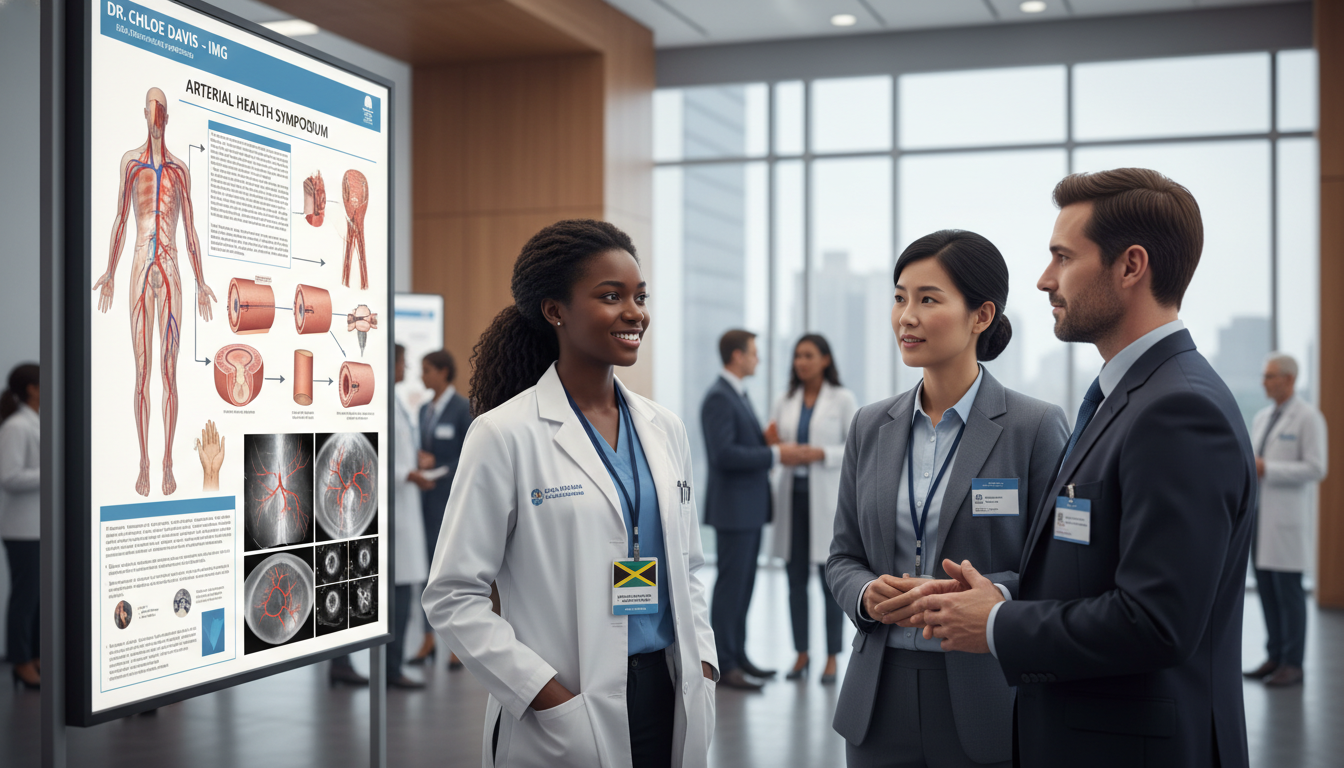
At a poster or talk:
- “Hi Dr. [Name], I really enjoyed your presentation on [topic]. The point about [specific detail] was particularly helpful. I’m a non-US citizen IMG interested in diagnostic radiology. Would it be okay if I email you later with a few follow-up questions about your work and possible ways I could get involved in similar projects?”
At a residency program booth (e.g., at RSNA):
- “Hello, I’m [Name], a foreign national medical graduate interested in diagnostic radiology and particularly your program at [Institution]. Are IMGs eligible to apply, and do you sponsor [J-1/H-1B] visas? Also, are there any suggestions you have for IMGs to get to know your program better?”
Record:
- Name and title of the person
- Key points mentioned (e.g., “email in February about research,” “program accepts J-1 only,” etc.)
Following Up After Conferences
Within 48–72 hours:
Email example:
Subject: Follow-up from [Conference Name] – [Your Name]
Dear Dr. [Last Name],
It was a pleasure briefly meeting you at [conference] after your session on [topic]. I’m [Your Name], the non-US citizen IMG who mentioned my interest in diagnostic radiology residency and [specific area].
Thank you again for taking the time to speak with me. I would be grateful for any advice you may have for IMGs pursuing diagnostic radiology in the US, particularly regarding [research involvement/observerships/application timing].
If appropriate, I would also be very interested in any opportunities to contribute to ongoing research work in your group, even remotely. I’ve attached my CV for your reference.
Sincerely,
[Name]
[Contact info]
This simple, respectful follow-up is often where real opportunities begin.

Online Networking: Social Media, Email, and Professional Platforms
For a non-US citizen IMG who may not always be able to attend in-person events, online networking is essential.
Building a Professional Online Presence
LinkedIn
- Use a clear, professional headshot
- Headline example:
- “Non-US citizen IMG | Aspiring Diagnostic Radiologist | Interested in [Neuroradiology / Body Imaging / AI in Radiology]”
- About section:
- Briefly describe:
- Your medical education
- USMLE status (if applicable)
- Research/clinical interests in radiology
- Your short-term goals (e.g., seeking research or observership opportunities)
- Briefly describe:
X (Twitter) / “MedTwitter”
- Many radiology educators and programs are active here.
- Follow:
- Large radiology societies (RSNA, ARRS)
- Radiology journals
- Radiologists known for education or mentorship
- Interact professionally:
- Comment thoughtfully on educational threads or cases
- Retweet useful content with short reflections
Other platforms
- Program websites, Doximity profiles, and institutional pages
- Radiology-focused communities and forums (e.g., some Slack/Discord groups for radiology learners)
How to Network Online Without Being “Spammy”
- Engage with content before messaging people:
- Like, retweet, or comment on their work in a meaningful way
- After a period of engagement, send a concise DM or email
Example DM:
Dear Dr. [Name],
I’ve been following your posts on [topic], especially your recent thread about [specific detail]. I’m a non-US citizen IMG hoping to pursue diagnostic radiology in the US and found your insights very helpful. Would it be alright if I email you a few questions about how IMGs can best prepare for radiology training?
- Avoid mass-copy messages:
- Personalize each approach (mention a specific paper, talk, or post)
- Keep initial messages short and respectful
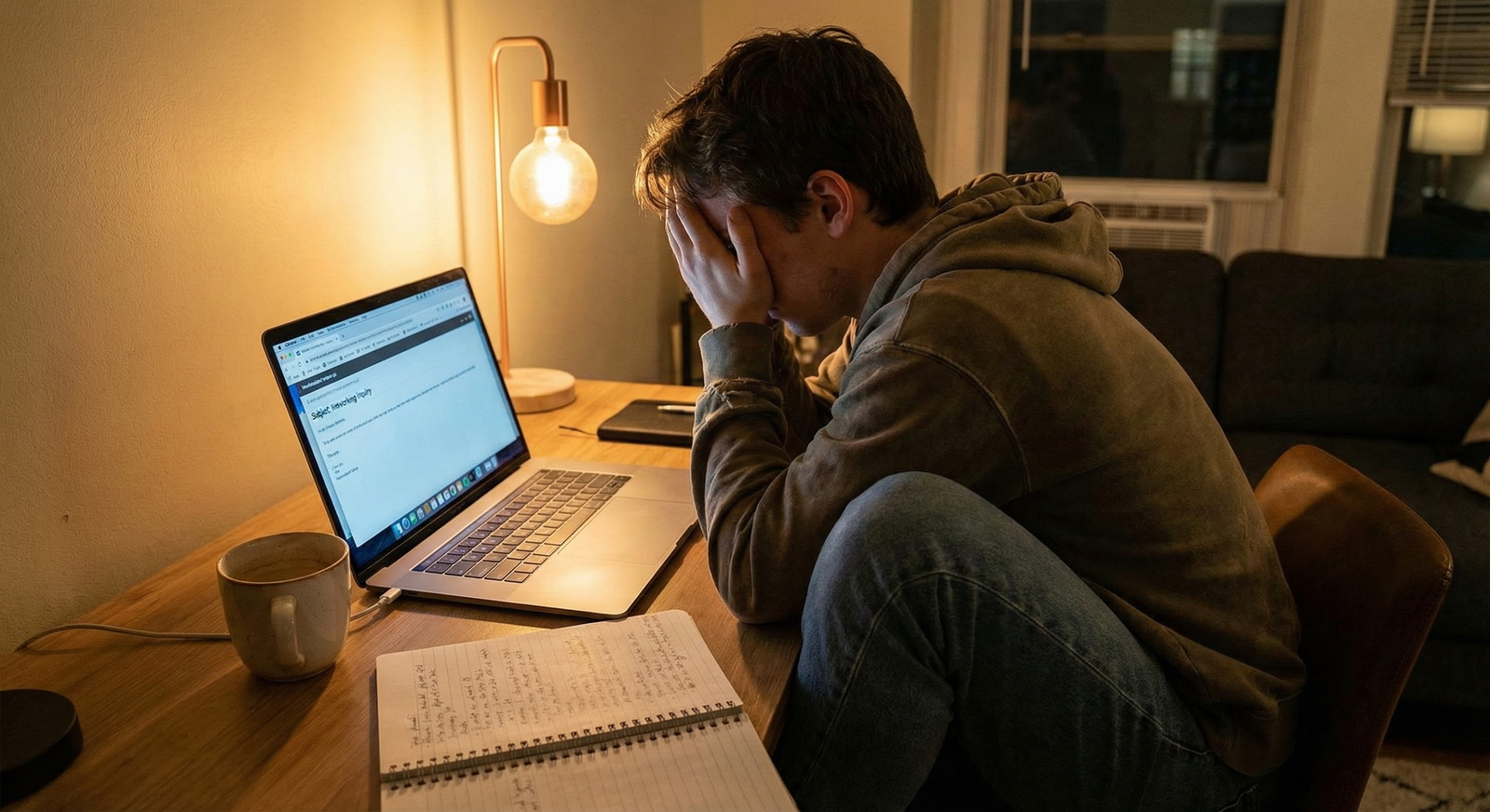
Email Etiquette for Foreign National Medical Graduates
Use clear subject lines: “Non-US citizen IMG seeking advice in diagnostic radiology”
One main ask per email (advice, meeting, or opportunity – not all 3 at once)
Be upfront about your status:
- “I am a non-US citizen IMG currently in [country/US] and plan to apply to the diagnostic radiology match in [year].”
Attach your CV only when relevant
If no response after 2–3 weeks, a single polite follow-up is fine; if still no answer, move on respectfully
Applying Networking to the Diagnostic Radiology Match: A Practical Timeline
To make networking in medicine truly effective, align it with your diagnostic radiology match timeline.
12–24 Months Before Applying
Goals: Exploration + Foundation
- Clarify your interest in diagnostic radiology (vs. other fields like internal medicine or neurology)
- Join radiology societies as a student/trainee member
- Attend at least one radiology conference (even virtually)
- Start connecting with radiology mentors (home-country and US-based if possible)
- Begin or continue radiology-related research (even small case reports or retrospective studies)
Networking tasks:
- Message potential mentors using the email template above
- Start building your LinkedIn and MedTwitter presence
- Ask mentors:
- “What are realistic target programs for a foreign national medical graduate like me?”
6–12 Months Before ERAS Submission
Goals: Visibility + Opportunity
- Solidify 1–3 mentors who know you well
- Try to get involved in at least one project that can be submitted as a poster to RSNA/ARRS
- Seek observerships or other radiology-related US experiences if possible
Networking tasks:
- Stay in touch with mentors every 2–3 months with brief updates
- Contact programs that:
- Accept non-US citizens
- Sponsor your needed visa type (J-1 more common; H-1B at select programs)
- Join webinar and Q&A sessions hosted by radiology residencies and societies
- Ask specific questions:
- “What do successful IMG applicants at your program typically have in their application?”
ERAS Season (Application to Interview Phase)
Goals: Program Insight + Relationship Building
Check if any of your mentors or contacts know faculty at programs you’re applying to
- They may informally mention you to colleagues
Attend any virtual open houses or meet-and-greet sessions
Prepare a brief, clear way to explain your path as a non-US citizen IMG:
- Why radiology?
- Why the US?
- How your background adds value to their program?
Networking tasks:
- After each interview, send a concise thank-you email
- Keep in touch with your main mentors about how interviews are going
- Clarify any program questions through appropriate channels, not excessive emails to faculty
Post-Interview to Rank List
Goals: Clarify Fit + Maintain Professionalism
- You may update mentors on where you feel you fit best
- Some mentors may advise you on rank strategy based on their understanding of programs
- Avoid sending “love letters” that pressure programs; follow NRMP guidelines and your mentors’ advice
Networking tasks:
- Maintain long-term relationships regardless of match outcome
- Inform mentors of your match result; show appreciation for their support
Common Networking Mistakes IMGs Make (and How to Avoid Them)
Only starting networking a few months before ERAS
- Fix: Start at least 12–18 months in advance whenever possible.
Making every interaction about getting a letter
- Fix: Focus on learning, contributing to projects, and building trust; letters then come naturally.
Overly long or generic emails
- Fix: Keep messages short, specific, and personalized.
Ignoring visa discussions until late
- Fix: Ask early (politely) whether programs accept non-US citizens and which visas they sponsor.
Underestimating home-country mentors
- Fix: Even if they cannot directly influence US programs, they can:
- Guide your academic development
- Co-author radiology research
- Help you interpret feedback and make strategic decisions
- Fix: Even if they cannot directly influence US programs, they can:
Being passive at conferences or online
- Fix: Prepare introductions, questions, and follow-up plans. A single well-executed interaction can change your trajectory.
Practical Examples: How Networking Can Directly Help Your Radiology Match
Here are a few realistic scenarios for a non-US citizen IMG:
Scenario 1: From Email to Research to Strong Letter
- You attend RSNA virtually and listen to an abdominal imaging talk.
- You email the speaker afterward with a personalized message and CV.
- They invite you to join a retrospective imaging study you can help analyze remotely.
- You contribute consistently, help with data collection and drafting, and the project becomes a poster.
- Over 6–9 months, you earn authorship, and the mentor knows your work well enough to write a detailed letter.
- That letter and the shared publication significantly strengthen your diagnostic radiology residency application.
Scenario 2: Observership via Conference Networking
- You attend a regional radiology society meeting.
- You speak with an academic radiologist who mentions their program is IMG-friendly and offers observerships.
- You follow up by email, describing your goals and asking about application steps.
- Months later, you complete a 4–8 week observership, gaining:
- US-based radiology exposure
- Understanding of workflow and culture
- Additional faculty contacts and potential letters
Scenario 3: Remote Mentorship Leading to Insightful Guidance
- You connect with a radiologist on Twitter known for supporting IMGs.
- Through DMs and later Zoom calls, they review your CV and personal statement, help refine your program list, and explain how to present your non-traditional pathway.
- They may not write a letter (no direct supervision), but their guidance helps you create a more focused, credible, and realistic application, improving your odds of matching.
FAQs: Networking in Medicine for Non‑US Citizen IMGs in Diagnostic Radiology
1. As a non-US citizen IMG without US contacts, where should I start?
Begin with online networking and society membership:
- Join RSNA or ARRS as a trainee member
- Create or refine your LinkedIn and Twitter profiles
- Start following radiology educators and programs
- Attend virtual webinars and introduce yourself in Q&A or chat
- Reach out via concise, respectful emails to faculty whose work you know
Even one or two positive responses can create the base of your mentorship network.
2. Is it realistic for a foreign national medical graduate to match into radiology mainly through networking?
Networking alone is not enough—you still need:
- Solid USMLE scores (if applicable)
- Strong clinical performance and letters
- Some radiology-related research or scholarly activity, if possible
However, networking can be the difference between:
- Being an unknown applicant in a large pool, and
- Being a known, recommended candidate with advocates in the field.
For diagnostic radiology match decisions, trusted recommendations from faculty often carry strong weight, especially when evaluating IMGs.
3. How can I ask for a letter of recommendation without damaging the relationship?
Timing and context are crucial:
- Only ask someone who has directly supervised your work (clinical, research, or observership)
- Give them an easy way to decline:
- “Would you feel comfortable writing me a strong letter of recommendation for diagnostic radiology residency?”
If they hesitate or are noncommittal, thank them and do not push. It’s better to have fewer, stronger letters than more generic ones.
4. What if I am shy or not naturally outgoing—can I still network effectively?
Yes. Networking in medicine does not require being extroverted. Focus on:
- Preparing a few key questions in advance
- Having a short introduction ready
- Sending thoughtful follow-up emails (written communication can be a strength)
- Building deeper relationships with a small number of mentors, rather than trying to meet everyone
Many successful radiologists are introverts; they network through meaningful academic collaborations and focused mentorship rather than constant social activity.
Networking in medicine as a non-US citizen IMG in diagnostic radiology is challenging, but entirely achievable with a strategic, authentic, and persistent approach. By combining conferences, online presence, thoughtful outreach, and mentorship medicine, you can build a professional network that not only helps you enter the field—but supports you throughout your radiology career.