Understanding Networking in Vascular Surgery as a Non‑US Citizen IMG
Networking in medicine is not just “who you know.” It is a deliberate, long-term process of building professional relationships that help you learn, contribute, and be remembered. For a non-US citizen IMG aiming for vascular surgery residency—especially an integrated vascular program—networking is often the single most powerful factor after exam scores and clinical performance.
As a foreign national medical graduate, you start with unique challenges:
- Limited organic access to US mentors and vascular surgeons
- Visa considerations that make programs more selective
- Fewer chances to attend US medical school events or student interest groups
- Less familiarity with unspoken US professional norms
Effective medical networking helps you:
- Get clinical and research opportunities in vascular surgery
- Obtain strong, personalized letters of recommendation
- Be remembered positively during application review
- Learn which programs welcome IMGs and sponsor visas
- Find guidance on exams, timelines, and strategic decisions
This article will walk you through a step-by-step networking strategy tailored specifically for non-US citizen IMGs interested in vascular surgery residency, blending online tools, conference networking, mentorship medicine, and day-to-day relationship building.
Laying the Foundation: Clarify Goals, Story, and Brand
Before you send emails or attend conferences, get clear on what you’re aiming for. Networking without clarity can feel scattered and inauthentic.
Define Your Vascular Surgery Goals
Ask yourself:
- Do I want an integrated vascular program (0+5) right after graduation, or an independent fellowship after general surgery?
- Am I open to prelim general surgery or research positions as stepping stones?
- Am I geographically flexible, or limited by family/visa considerations?
Your answers guide which physicians, programs, and opportunities you prioritize.
Craft Your “Professional Story”
You need a concise, honest way to explain who you are and why vascular surgery:
Example 20-second introduction:
“I’m Dr. [Name], a non-US citizen IMG from [Country] with strong interest in vascular surgery. I’ve worked on research in peripheral arterial disease and really enjoyed the combination of complex decision-making and long-term patient follow-up. I’m hoping to pursue an integrated vascular program in the US and am actively looking for mentorship and research opportunities.”
Refine and practice this until it feels natural. You will use it in emails, at conferences, and during informal introductions.
Build a Basic Professional Brand
Your “brand” is how others remember you. Aim for:
- Consistent message: non-US citizen IMG, committed to vascular surgery, hardworking, reliable, and curious.
- Visible online presence: at minimum, a professional LinkedIn and updated email signature.
- Evidence of commitment: any vascular surgery electives, research, quality improvement projects, or case reports.
A clear brand makes busy surgeons more likely to invest in you.

Strategic Online Networking: LinkedIn, Email, and Digital Presence
For a foreign national medical graduate outside the US, online networking is often your first and most powerful tool.
Build a Targeted LinkedIn Profile
LinkedIn is underrated in medicine, but for IMGs it’s an accessible, global platform to start medical networking.
Profile must-haves:
- Professional photo: neutral background, good lighting, business-casual or white coat.
- Headline example:
“Non-US citizen IMG | Aspiring Vascular Surgeon | Interested in Integrated Vascular Program & PAD Outcomes Research”
- About section: 5–7 lines explaining your background, vascular surgery interest, and current goals.
- Experience & education: medical school, internships, research fellowships, volunteer work.
- Featured section: link to any publications, posters, or presentations (even local).
Use LinkedIn to Identify Vascular Surgery Contacts
Search terms to use:
- “Vascular surgery resident”
- “Integrated vascular surgery”
- “Vascular surgery program director”
- “Vascular surgeon [state/region]”
Filter by location (United States) and by institution (programs you’re interested in). Prioritize:
- Program directors and associate program directors
- Vascular surgery faculty with academic or research interests similar to yours
- Current or recent vascular surgery residents, especially IMGs
Connect with a short, customized note:
“Dear Dr. [Name], I am a non-US citizen IMG from [Country] with a strong interest in vascular surgery, particularly [brief interest area]. I admire the vascular training at [Institution] and would be grateful to follow your professional updates and learn from your work.”
Email Outreach: How to Write Messages That Get Responses
For research, observerships, and mentorship, cold emailing is essential.
General principles:
- Short (150–250 words)
- Personalized to the surgeon and institution
- Clear ask (e.g., research collaboration, advice, observership)
- Easy to respond (yes/no or short reply)
Template: Research interest email
Subject: Non-US IMG interested in vascular surgery research at [Institution]
Dear Dr. [Last Name],
My name is [Name], and I am a non-US citizen IMG from [Country] with a strong interest in vascular surgery. I recently read your work on [specific paper/topic] and was particularly interested in [1–2 sentence genuine reaction].
I am planning to apply for vascular surgery residency in the US, ideally an integrated vascular program, and I am currently seeking remote or in-person research opportunities in vascular surgery. I would be very grateful for any chance to assist with data collection, chart review, abstract preparation, or manuscript drafting in your ongoing projects.
I am comfortable with [mention skills: statistics, R/SPSS, REDCap, literature review, etc.] and can commit [X] hours per week. I would be happy to send my CV or meet briefly via Zoom at your convenience.
Thank you very much for considering this request.
Sincerely,
[Full Name, Degrees]
[Current position, institution]
[Email] | [LinkedIn link]
Expect a low response rate; success often comes after 30–100 well-targeted emails.
Maintain a System
Use a simple spreadsheet:
- Name, title, institution
- Role (faculty, PD, resident)
- Date contacted
- Response (yes/no/no response)
- Follow-up date
Follow up politely after 10–14 days if there is no reply. One follow-up is usually enough.
Conference Networking: Turning Events into Long-Term Relationships
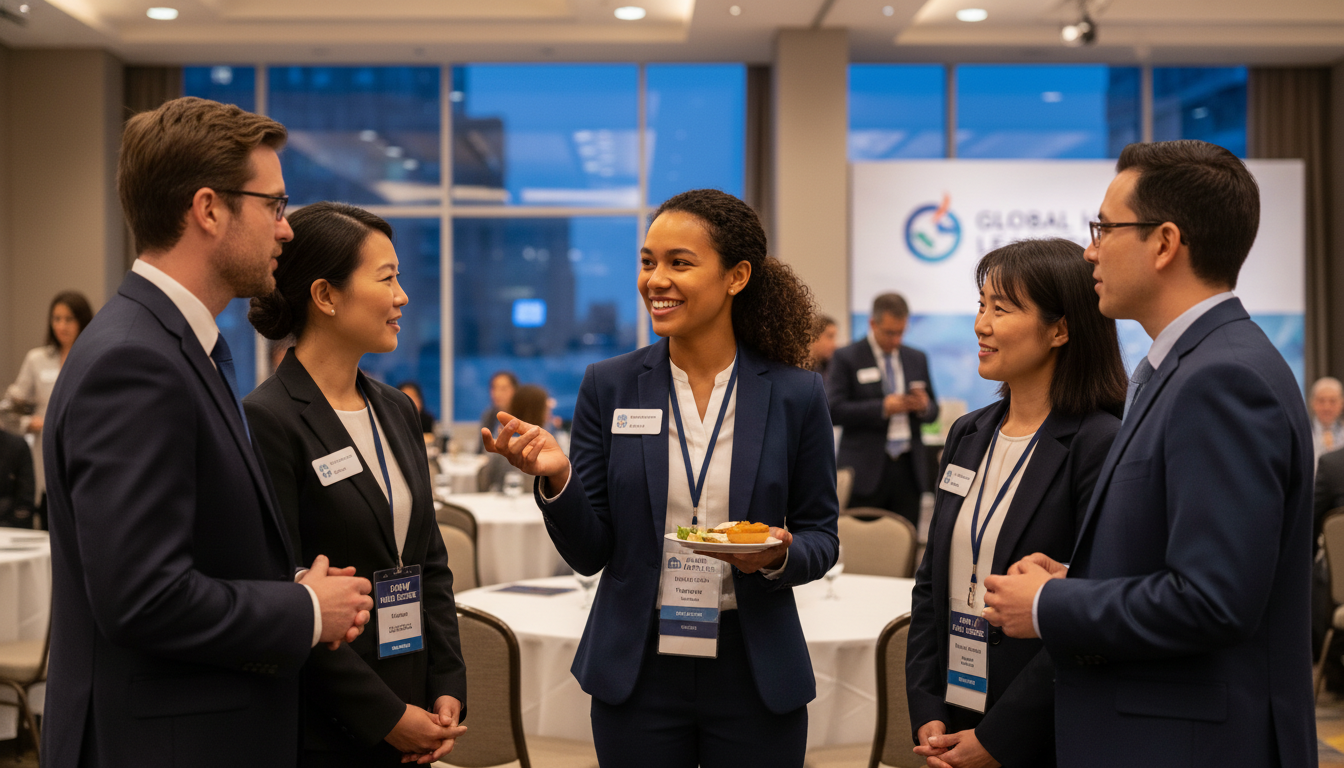
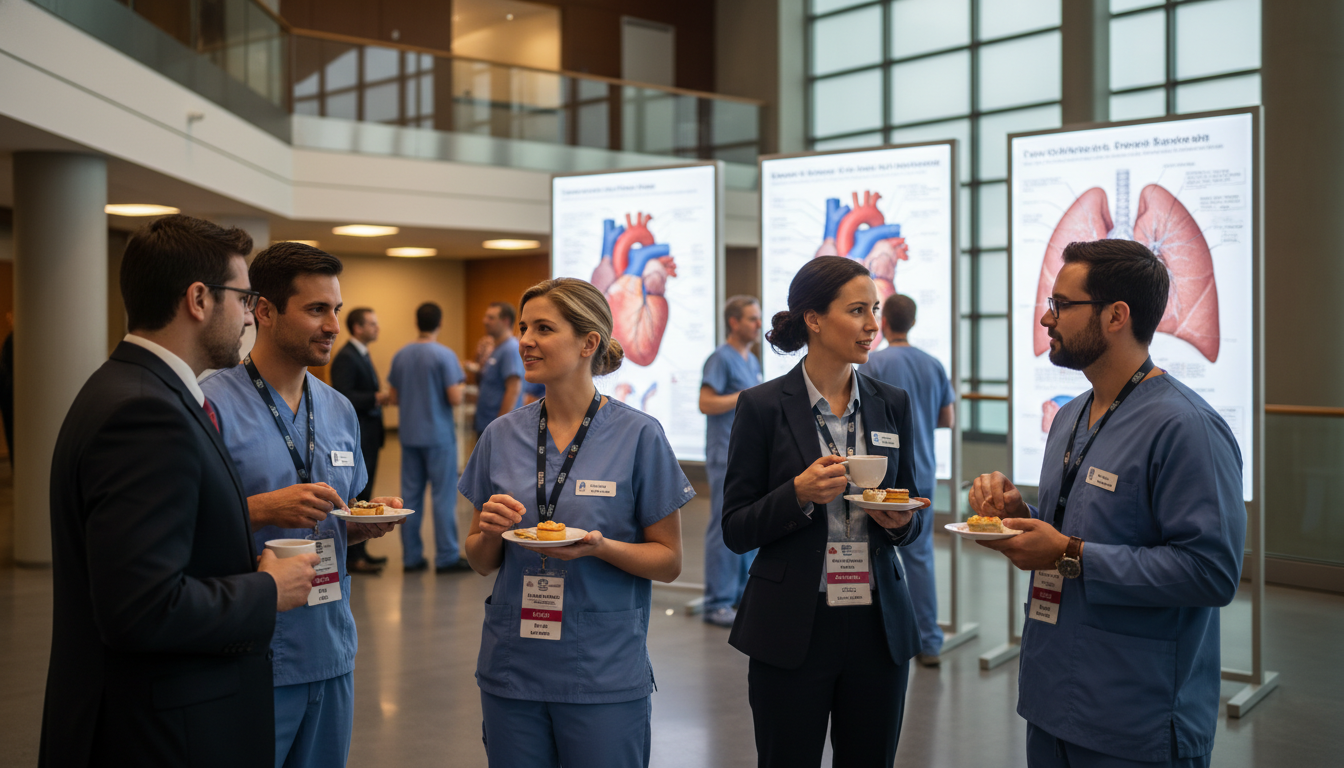
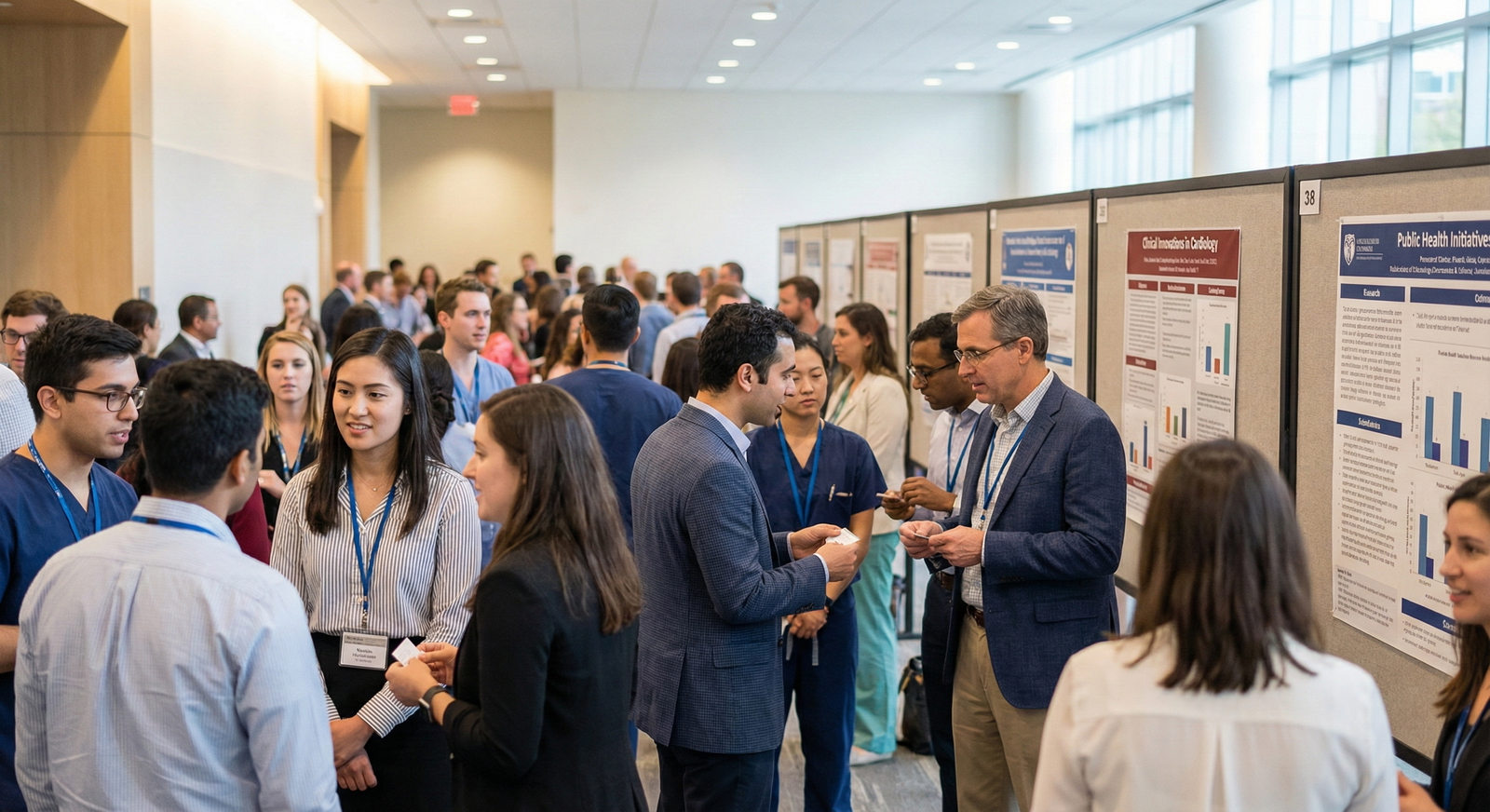
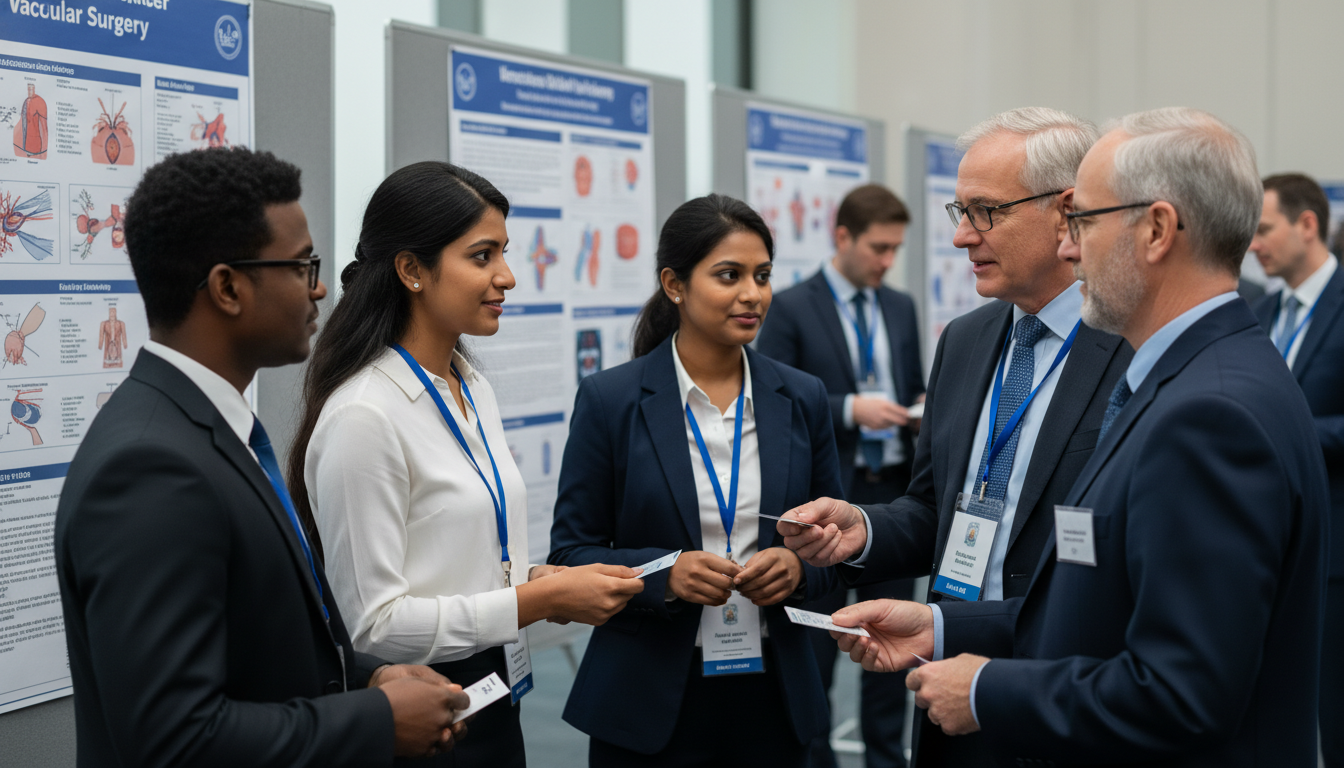
Conference networking is one of the fastest ways to gain visibility in a small specialty like vascular surgery. For a non-US citizen IMG, in-person presence can compensate for not training in the US system.
Choose the Right Conferences
Prioritize vascular surgery-focused meetings:
- Society for Vascular Surgery (SVS) Vascular Annual Meeting (VAM) – flagship US meeting
- Regional vascular societies (e.g., Eastern, Western, Midwestern Vascular Society)
- Related specialty meetings with vascular tracks (e.g., American College of Surgeons Clinical Congress)
As a foreign national medical graduate, consider:
- Visa requirements for travel
- Abstract deadlines (often 6–9 months before the meeting)
- Opportunities for trainee/student sections or IMG sessions
Before the Conference: Prepare Intentionally
- Register early and review the program.
- Identify:
- Program directors of integrated vascular programs
- Institutions that sponsor J-1 or H-1B visas
- SVS committees or interest groups (e.g., young surgeons, diversity & inclusion)
- Email ahead to set brief meetings:
“I will be attending the SVS Vascular Annual Meeting and would greatly appreciate 10 minutes of your time during the conference to briefly introduce myself and ask for your advice as a non-US citizen IMG interested in vascular surgery.”
- Prepare:
- 2–3 thoughtful questions about their career or program
- A 30-second self-introduction
- Digital copy of your CV and LinkedIn ready to share
During the Conference: How to Actually Network
Where to network:
- Poster sessions
- Resident or trainee lounges
- Program director or training program sessions
- Hallways and coffee breaks
- Social events or receptions
Approach strategy:
Identify name badges (faculty vs. resident vs. student).
Start with residents—they’re often more approachable and can introduce you to faculty.
Use context to open the conversation:
- “I enjoyed your talk on endovascular approaches to CLTI.”
- “I’m considering applying to your integrated vascular program. Could I ask you briefly about…?”
Use your prepared story, but adapt it naturally.
Ask for specific, answerable advice:
- “What would you recommend for a non-US citizen IMG to make a strong application to your program?”
- “Are there particular types of research or rotations that you value highly?”
If the interaction goes well, ask:
- “Would it be alright if I follow up by email with a few more questions?”
- “Is there anyone you’d recommend I speak with about research or observerships?”
After the Conference: Follow-Up and Relationship Building
Within 48–72 hours:
- Send personalized thank-you emails, referencing specific parts of your conversation.
- Connect on LinkedIn with a short message: “Thank you again for taking the time to speak with me at VAM.”
- If they invited you to send a CV or discuss research, do it promptly and professionally.
Example follow-up:
Dear Dr. [Name],
Thank you again for speaking with me at the SVS Vascular Annual Meeting about training opportunities for non-US citizen IMGs. Your advice about focusing on clinical research in PAD and seeking a formal research fellowship was extremely helpful.
As you suggested, I am attaching my CV for your reference. If there are any ongoing vascular surgery projects at [Institution] where I could contribute remotely or in person, I would be honored to be considered.
I look forward to staying in touch and learning more from your work.
Sincerely,
[Name]
Consistent, professional follow-up is what turns brief conference networking into long-term connections.

Mentorship in Medicine: Finding and Nurturing the Right Mentors
Mentorship medicine is at the heart of progress in a small, procedural specialty like vascular surgery. As a non-US citizen IMG, your mentors may be scattered geographically and even be in different countries—but they can still transform your journey.
Understand the Different Types of Mentors
You may need several mentors, each playing different roles:
- Career mentor: long-term guidance about specialty choice, steps toward vascular surgery, alternative pathways if needed.
- Research mentor: helps you produce posters, papers, and presentations.
- Application mentor: familiar with the US match system, helps craft your ERAS application, personal statement, and program list.
- Peer mentor: slightly ahead of you in training (e.g., vascular surgery resident who was an IMG), sharing recent, practical advice.
Expect one person to fill 1–2 of these roles; rarely all.
Where to Find Mentors as a Foreign National Medical Graduate
- Home-country vascular surgeons: even if they trained outside the US, they can guide your early steps and possibly connect you to colleagues in the US.
- US research supervisors: if you secure a research position in vascular surgery, your PI can become your primary mentor.
- Conference encounters: a brief but meaningful conversation at a meeting can evolve into mentorship.
- Online communities:
- SVS trainee sections
- Specialty discussion groups
- Alumni networks from your medical school
- Current IMGs in US training: search LinkedIn for “[School Name] + vascular surgery” or “[Country] vascular surgery resident” and reach out respectfully.
How to Ask Someone to Be Your Mentor
You do not need to ask formally, “Will you be my mentor?” at the start. Let the relationship grow first.
- Start with a request for advice about a specific decision (e.g., research vs. clinical observership, exam timing).
- If they respond kindly and helpfully, follow up occasionally with updates and brief questions.
- After some time, you can say:
“Your guidance over the past few months has been incredibly helpful for me as a non-US citizen IMG aiming for vascular surgery. If you are comfortable, I would be honored to consider you a mentor as I continue this journey.”
Be a Good Mentee
Mentorship is a two-way relationship. You increase the chance of sustained support by:
- Being reliable and following through on tasks (especially in research).
- Respecting their time—arrive prepared to meetings, send an agenda.
- Updating them on outcomes (papers accepted, interviews received, match results).
- Offering help where possible (e.g., assisting with literature review, sharing data organization, mentoring juniors later).
A mentor who trusts your work ethic is much more likely to:
- Advocate for you with colleagues
- Help you get into research positions or observerships
- Write strong, detailed recommendation letters, which matter enormously for competitive vascular surgery residencies
From Networking to Match: Applying It Directly to Vascular Surgery Residency
All this networking should be connected to the practical goal: improving your chances to match into vascular surgery as a non-US citizen IMG.
Use Networking to Identify IMG-Friendly Vascular Programs
Not all integrated vascular programs are equally open to foreign national medical graduates or willing to sponsor visas. Through networking, you can learn:
- Which programs have current or recent IMGs
- Which programs regularly sponsor J-1 (most common) or H-1B visas
- Which faculty are particularly supportive of trainees from diverse backgrounds
Ways to gather this information:
- Ask residents directly: “Do you have any non-US citizen IMG residents or fellows in your program currently?”
- Observe conference rosters and program websites for international backgrounds.
- Use alumni networks and online forums carefully (but prioritize first-hand information from residents and faculty).
Strengthen Your Application with Network-Driven Achievements
A strong network can lead to:
- Research output: abstracts, posters, manuscripts under US-affiliated institutions.
- Presentations at US conferences: visible proof of involvement in the field.
- US-based letters of recommendation: particularly from vascular surgeons known in the community.
- Clinical observerships or hands-on experience (depending on institutional policies).
These elements show programs that you are not only interested in vascular surgery but are already contributing to the field.
Interview Season: Activating Your Network
When you receive invitations:
- Inform your mentors; they may reach out to their contacts at those programs.
- Ask residents you know at those institutions for informal tips:
- What do they value in candidates?
- Any specific questions or themes common in their interviews?
- Program culture and expectations?
During interviews, medical networking continues:
- Be prepared to briefly mention mentors and research supervisors and how they shaped you.
- If you met interviewers previously at conferences, reference that encounter.
- Maintain professionalism and warmth with residents—your interactions with them matter in ranking decisions.
If You Don’t Match: Protect and Use Your Network
Not matching, especially as a non-US citizen IMG in a competitive field like vascular surgery, is painful but not uncommon.
How your network helps:
- Mentors can guide you toward:
- Research fellowships in vascular surgery
- Prelim general surgery spots with strong vascular exposure
- Structured gap years with high research productivity
- Faculty may directly know of open positions and recommend you.
- Residents can share which pathways worked for IMGs they know.
Be honest with mentors about your results, reflect on feedback, and adjust strategy while maintaining those relationships.
FAQs: Networking in Medicine for Non-US Citizen IMGs in Vascular Surgery
1. As a non-US citizen IMG, when should I start networking if I want vascular surgery?
Ideally 2–3 years before you plan to apply to an integrated vascular program. This gives time to:
- Build relationships with mentors
- Produce vascular surgery research
- Attend at least one major conference
- Understand which programs are realistic for your profile and visa status
If you are already closer to application time, start now—prioritize high-yield actions like contacting potential research mentors and engaging with residents at target programs.
2. I live outside the US and can’t easily attend conferences. How can I still network effectively?
Focus on:
- Online networking: LinkedIn, email, virtual meetings with faculty and residents.
- Virtual conference options: many societies offer online access or hybrid formats; present posters virtually if possible.
- Remote research: help with data analysis, systematic reviews, or multicenter studies from abroad.
- Local vascular mentors: who may have international contacts and can help you connect.
Strong digital communication and consistent contributions to research can still build a powerful network without in-person presence.
3. How do I approach a vascular surgeon without feeling like I’m just asking for favors?
Frame your contact in terms of interest, effort, and contribution, not just need:
- Show that you’ve read their work and explain why it resonates with you.
- Clarify that you’re willing to work hard (data collection, literature review, etc.).
- Ask initially for advice or opportunities to contribute, rather than immediately for letters or positions.
Over time, as you prove reliability, mentors naturally become more invested in helping you succeed.
4. Is it worth doing a research year in vascular surgery as an IMG?
For many non-US citizen IMGs targeting vascular surgery, a dedicated research year (or more) in the US can be extremely valuable:
- You gain US-based mentors in vascular surgery.
- You can produce multiple abstracts and papers, boosting your CV.
- You demonstrate commitment to the specialty.
- You may receive strong US letters of recommendation from vascular surgeons.
However, consider funding, visa logistics, and living costs carefully. Discuss with mentors whether a research year is the best next step based on your current profile and timelines.
Deliberate, consistent networking in medicine—especially through conferences, online platforms, and mentorship medicine—can transform the odds for a non-US citizen IMG aspiring to vascular surgery. Focus on genuine relationships, visible contributions, and long-term engagement with the vascular surgery community, and your chances of joining an integrated vascular program or related pathway will increase substantially.