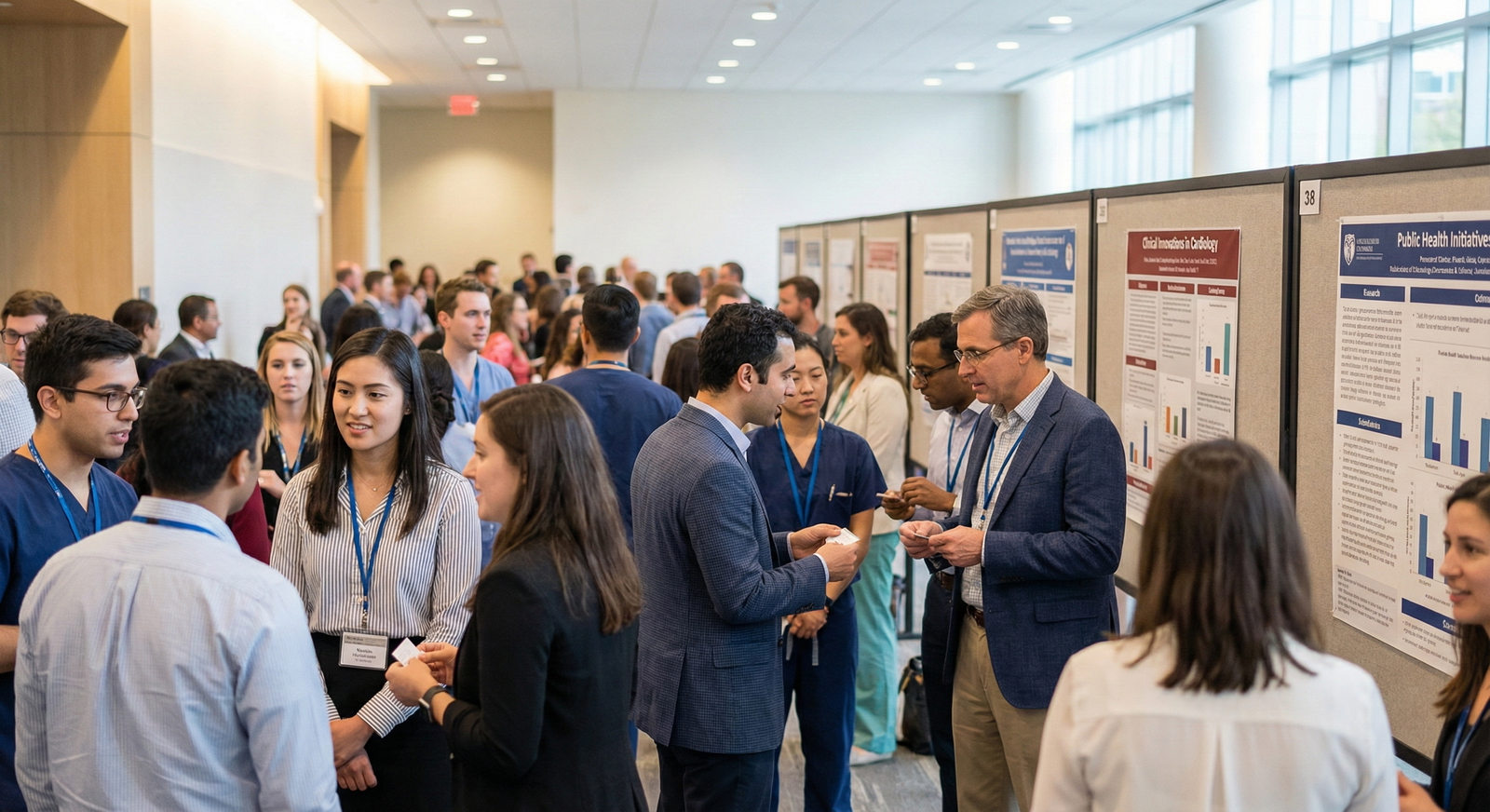
Why Networking Matters So Much in Pathology
Networking in medicine is often discussed in the context of more “outward-facing” specialties, but it is just as critical—if not more so—in pathology. Because pathology is a relatively small, interconnected field, your reputation, relationships, and visibility can significantly influence your pathology residency applications, fellowship prospects, job opportunities, research collaborations, and leadership roles.
Some realities specific to pathology:
- Smaller specialty = tighter network. Program directors and department chairs frequently know each other, especially within subspecialties (e.g., hematopathology, cytopathology).
- Many jobs are never widely advertised. Positions are often filled through informal channels: “Do you know anyone who might be a good fit?”
- Letters and phone calls carry real weight. A call from a trusted mentor can elevate an application from the middle of the pile to the short list.
- Subspecialization starts early. Connections in areas such as molecular pathology, GI, or transplant pathology can shape your future opportunities.
For students and residents, effective medical networking is less about “schmoozing” and more about:
- Being known as reliable, curious, and collaborative
- Building a small set of strong, long-term professional relationships
- Creating a feedback loop of mentorship in medicine—receiving guidance now and offering it later
If you’re aiming for a strong pathology residency match or preparing for life during and after residency, treating networking as a deliberate, skill-based process will pay off throughout your career.
Building Your Network Early: Medical School and Pre-Residency Stage
Your pre-residency years are an ideal time to start laying the groundwork. You do not need to know for certain that you’ll choose pathology to begin cultivating useful relationships.
1. Leverage Your Home Pathology Department
Even if you attend a school with a small or less well-known pathology department, the faculty there are your easiest entry point into the pathology community.
How to start:
- Request a brief introductory meeting with the residency program director, vice chair for education, or a faculty member whose work interests you.
- Sample email:
“I’m a [MS2/MS3] interested in learning more about pathology as a career. Would you be willing to meet for 20–30 minutes to discuss your path in pathology and any advice you have for students exploring the field?”
- Sample email:
- Ask for a lab or shadowing experience. Even a 2–4 week elective can yield:
- Real insight into daily practice
- A future letter writer
- Someone who can introduce you to colleagues at other institutions
Networking goal: Be remembered as the student who shows up prepared, asks thoughtful questions, and follows through.
2. Join Pathology Interest Groups and National Organizations
If your school has a pathology interest group, get involved. If not, consider starting one in partnership with your pathology department. Nationally, look into:
- College of American Pathologists (CAP) – Offers student memberships, webinars, and mentorship programs.
- United States and Canadian Academy of Pathology (USCAP) – A major venue for residents and faculty, with student-friendly activities.
- American Society for Clinical Pathology (ASCP) – Involved in both lab and anatomic pathology, with robust educational resources.
- Local/state pathology societies – Easier to access, often more intimate networking.
Practical steps:
- Attend at least one virtual or in-person meeting per year.
- Introduce yourself briefly to one or two pathologists after sessions.
- Follow up with a short email: what you learned from their talk and a simple thank you.
3. Use Research as a Networking Engine
Research is one of the strongest and most organic ways to build lasting connections in pathology.
Where to look:
- Ask faculty in pathology, hematology/oncology, radiology, or surgery if they have:
- Case reports
- Quality improvement projects
- Small retrospective studies
- Look for projects that clearly need a motivated person more than complex prior experience.
Why research matters for networking:
- You gain a research mentor who can:
- Write a detailed, credible letter for your pathology residency applications
- Introduce you to collaborators at other institutions
- Invite you to present at departmental or regional meetings
- Co-authors often become future points of contact for residency and fellowship advice.
If you end up presenting at a regional or national conference, treat it as a networking opportunity just as much as a CV line (we’ll cover conference networking in detail later).
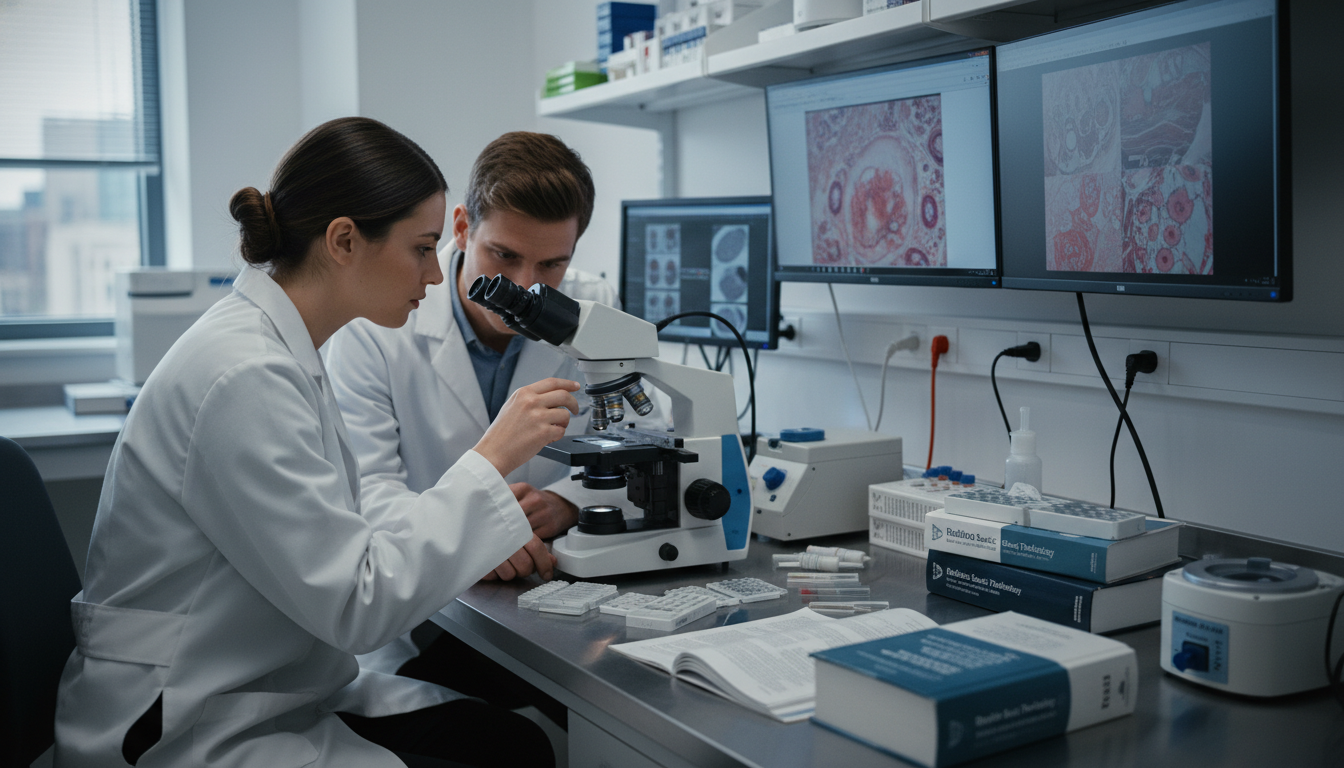
Networking During Pathology Residency: Daily Habits That Matter
Once you’re in a pathology residency, your networking in medicine becomes even more powerful and tangible. You have consistent access to attendings, fellows, other residents, and multidisciplinary colleagues—each a potential source of mentorship, collaboration, and future opportunities.
1. Internal Networking: Inside Your Own Department
Internal relationships often have the greatest long-term impact. These people know your work habits, communication style, and growth trajectory.
Be intentionally visible for the right reasons
You do not need to be the loudest person in conference to be noticed. Instead:
- Come prepared for sign-out or tumor board:
- Review slides and reports in advance
- Write down 2–3 questions per complex case
- Volunteer strategically:
- Offer to help with a small educational or QI project
- Assist in preparing a conference presentation or pathology unknowns set
- Follow through reliably:
- If you agree to draft a case report or literature review, deliver it by the deadline
- Communicate early if you need more time
Faculty often recommend residents not just for their intellectual strength but for being dependable.
Build relationships across training levels
- Senior residents and fellows:
- Ask them how they approached the fellowship application process
- Request to review difficult cases together at the scope
- Offer help with their ongoing projects (data abstraction, literature search)
- Junior residents and medical students:
- Teach them key concepts—this marks you as someone who contributes to the educational mission
- Being a “go-to” senior is noticed by leadership and can result in leadership roles and stronger letters
Networking is multi-directional; being supportive of those behind you reinforces your reputation across the department.
2. Cross-Disciplinary Networking: Beyond Pathology
Pathologists are central to multidisciplinary care, even if often behind the scenes. Robust relationships with clinicians and allied health professionals matter greatly.
Where and how to connect:
- Tumor boards and multidisciplinary conferences
- Arrive early, introduce yourself to oncologists, surgeons, and radiologists.
- Ask, “Is there anything we can do from the pathology side to make these discussions more useful for your team?”
- Lab medicine committees or quality meetings
- If you rotate in clinical pathology, volunteer for small projects that affect patient care (e.g., blood utilization review, test utilization protocols).
- Informal interactions
- When you consult with a clinician about an unusual case, take a moment to introduce yourself and explain the diagnostic complexities.
- A simple “I’m the pathology resident on this case; let me know if you ever want to review findings together at the scope” can plant seeds for future collaboration.
Over time, these relationships can lead to:
- Case series or research projects
- Invitations to present at departmental grand rounds
- Job tips when clinicians hear about open positions involving pathology services
3. Digital Networking: LinkedIn, Email, and Professional Presence
Medical networking today also happens online. For pathology, where the community is small and often active on professional platforms, a thoughtful digital presence can amplify your reach.
Optimize your LinkedIn (or equivalent) profile:
- Use a professional headshot and your current title (e.g., “PGY-2 Pathology Resident”).
- Highlight:
- Research interests (e.g., “GI and liver pathology,” “molecular pathology,” “transfusion medicine”)
- Presentations, posters, and publications
- Committee or society involvement
Use email carefully and effectively:
- Keep messages brief, specific, and respectful of time.
- For mentorship medicine:
- “I’m a PGY-1 resident interested in forensic pathology. Would you be open to a 20-minute call to discuss how you chose this path and any advice for early training?”
- Always end with a clear, low-friction next step: a short call, a meeting at a conference, or permission to follow up with 1–2 specific questions.
Engage with pathology communities:
- Professional societies’ member platforms
- Select, reputable social media channels (e.g., #pathology on X/Twitter, specific pathology education accounts on Instagram or YouTube)
- Always maintain professionalism: no identifiable patient information, no disparaging comments about colleagues/institutions.
Conference Networking: Turning Meetings into Career Catalysts
Conference networking is extremely powerful in pathology, because major specialty meetings bring together residency program directors, fellowship leaders, and hiring groups in one place. If you’re strategic, each meeting can significantly expand your network.

1. Choose Meetings Thoughtfully
For the pathology residency and early-career period, high-yield meetings include:
- USCAP Annual Meeting
- CAP Meetings
- Subspecialty conferences: e.g., hematopathology, neuropathology, cytopathology societies
- Regional/state pathology societies (often less intimidating, easier to meet leaders)
If you’re earlier in training:
- Look for discounted trainee registration and travel scholarships.
- Submit even small projects—case reports, education abstracts—to get your foot in the door.
2. Prepare Before You Go
Approach conferences like a targeted project in medical networking, not just “showing up.”
Before the meeting:
- Review the program and mark:
- Sessions led by people in your subspecialty of interest
- Panels on career development or pathology match pathways
- Make a short list (5–10 names) of:
- Program directors or faculty at programs you’re interested in
- Authors whose work you’ve read
- Experts in your potential subspecialty
- Reach out briefly:
- “I see you’re speaking at USCAP on [topic]. I’m a PGY-2 interested in [subspecialty] and plan to attend your session. Would you be open to a 10-minute conversation after your talk if time allows?”
Not everyone responds, but a few meaningful connections can shape your path.
3. At the Conference: How to Start Conversations
Many trainees feel awkward about “walking up to strangers.” Focus on shared context.
At poster sessions:
- Approach posters in your area of interest (e.g., dermatopathology).
- Ask the presenter:
- “How did you select this project?”
- “What were the biggest challenges in your data collection?”
- “What are your next steps with this work?”
- If they’re from a program you’re considering:
- “I’m applying for pathology residency/fellowship this year. What do you enjoy about your program’s training in this area?”
At talks and panels:
- Sit near the front and stay afterward for a quick interaction.
- Introduce yourself:
- “Thank you for your talk on [topic]. I’m a PGY-1 at [institution] and especially interested in [specific aspect they discussed]. Could I email you with a follow-up question or two?”
- Try to end each substantial conversation with a business card exchange or a note in your phone with their name, institution, and what you discussed.
4. Make the Poster or Oral Presentation Work for You
If you’re presenting:
- Be at your poster early, and stay as long as your session allows.
- Prepare:
- A 2-minute overview of your project for busy passersby
- A more detailed explanation for interested specialists
- If a pathologist from a program you admire spends time at your poster, ask:
- “May I stay in touch and reach out if I have questions about career paths in this area?”
Presentations give you a legitimate reason to follow up later:
- “You visited my poster on [topic] at CAP. Thank you for the feedback. I’ve been thinking about applying for [type of fellowship/position], and I’d appreciate any advice you might have.”
5. Follow-Up: Where Many People Drop the Ball
The real effect of conference networking comes from smart follow-up.
Within 5–7 days of the meeting:
- Send concise thank-you emails:
- Remind them who you are and where you met.
- Reference something specific you discussed.
- Propose a small, concrete next step only if appropriate (e.g., a brief Zoom call, sharing a draft if they offered to review).
- Add these contacts to your:
- Running list of mentors/contacts with brief notes (role, interests, last contact date)
Consistent, spaced follow-up over months to years—without overwhelming the person—is how short interactions evolve into real mentorship.
Mentorship in Pathology: Finding, Growing, and Being Mentored
Mentorship medicine is a core pillar of effective networking. In pathology, a few engaged mentors can accelerate your development more than dozens of superficial contacts.
1. Types of Mentors You Need
Think in terms of a mentorship team, not a single “everything mentor.”
You will benefit from:
- Career mentor
- Helps you plan your training path: initial pathology residency, subspecialty focus, fellowship options, and first job.
- Research mentor
- Guides your projects, publications, and conference abstracts.
- Sponsoring mentor (or sponsor)
- Actively uses their influence to recommend you for speaking roles, committees, fellowships, or jobs.
- Peer mentor
- Slightly ahead of you (e.g., senior resident, recent graduate) who remembers the pressures you face and can offer timely, practical advice.
One person can fill more than one role, but rarely all four.
2. How to Invite Mentorship (Without Being Awkward)
You don’t need to say, “Will you be my mentor?” Instead, build organically:
- Start with small, specific asks:
- “Could I get your feedback on this abstract I’m preparing?”
- “Do you have 15 minutes to help me think through subspecialty choices?”
- If the relationship feels positive after a few interactions, you can say:
- “Your advice about [topic] has been really helpful. Would it be okay if I checked in with you a few times a year as I plan my training and career?”
Signs of a good fit:
- They respond reasonably promptly (given their schedule).
- They show interest in your growth, not just your output.
- They speak honestly about the realities of pathology: job market, compensation, academic vs. private practice options.
3. How to Be a Good Mentee
Effective mentorship is a two-way relationship. You build your reputation through how you manage it.
Key behaviors:
- Come prepared.
- Send an agenda or list of questions before a meeting.
- Update them briefly on your progress since the last conversation.
- Respect boundaries and time.
- Ask, “How much time works best for you for these check-ins?”
- Avoid last-minute requests whenever possible.
- Act on feedback and close the loop.
- If they suggest you apply for a travel award or write up a case, follow through.
- Later, update them: “I took your advice and submitted the abstract. Thank you—that guidance made a real difference.”
Over time, mentors become strong advocates in your pathology match process, fellowship applications, and job searches.
4. Transitioning from Mentee to Mentor
As you progress (late residency, fellowship), you become a mentor yourself:
- Offer guidance to:
- Junior residents about rotation strategies and exams.
- Medical students exploring pathology as a career.
- Small acts—reviewing a CV, reading a personal statement, discussing the pros and cons of pathology—build your own professional identity as a contributor to the field.
This mentoring mindset strengthens your own network and reputation and reflects well on the environment you help create.
Using Networking Strategically for the Pathology Match, Fellowships, and Jobs
Networking in medicine is most obviously tested when you’re applying: to pathology residency, then to fellowships and attending positions. Your relationships do not replace merit, but they can amplify it.
1. For Medical Students: Pathology Residency Match
Key ways networking helps your pathology match:
- Better-informed program list.
- Conversations with residents and faculty help you target programs aligned with your interests (AP/CP balance, research intensity, subspecialty exposure).
- Stronger letters and reputational “buzz.”
- Faculty who know you can write detailed, credible letters.
- At interviews, faculty may already have heard: “We have a strong applicant from [your school]; I’ve worked with them on a project.”
- Away rotations and sub-internships.
- Networking can help you secure rotations at programs of interest.
- Performing well there lets you showcase your abilities in person.
When reaching out to programs before application season, keep it professional and brief. Focus on:
- Genuine interest (specific features of the program)
- Appropriate questions (structure, case mix, educational philosophy)
- Avoid appearing as though you expect special treatment.
2. From Residency to Fellowship
For fellowship, medical networking becomes even more targeted:
- Talk early with subspecialists at your home institution.
- Ask about the reputation and strengths of various fellowship programs.
- Leverage national society connections.
- Subspecialty societies often have listservs, mentorship programs, and informal channels about openings or upcoming positions.
- Work with sponsors.
- If a senior pathologist offers to “make a call for you,” that may substantially elevate your application, especially in competitive subspecialties.
Keep in mind: even with connections, you must present a polished application, solid letters, and strong clinical performance.
3. Finding Your First Job
The pathology job market is highly influenced by networking:
- Many roles are filled quietly.
- Group practices and hospital labs reach out through their own networks before advertising broadly.
- Professional reputation matters.
- A brief phone call from someone who trusts your mentor can differentiate you from other candidates with similar CVs.
- Conferences and society service are pipelines.
- Service on CAP or USCAP committees exposes you to leaders in both academic and community practice, who may be future colleagues or employers.
To prepare effectively:
- Maintain an updated CV and concise “career snapshot” you can share quickly.
- Stay in intermittent contact (once or twice a year) with mentors and senior colleagues, updating them on:
- Training progress
- Subspecialty focus
- Geographic preferences
When you’re actively searching, you can say:
- “I’m completing my GI pathology fellowship this year and am beginning to explore positions in [region]. If you hear of any groups looking for someone with my background, I’d be grateful for any leads.”
Frequently Asked Questions (FAQ)
1. I’m introverted and don’t like “networking.” Can I still be successful in pathology?
Yes. Many pathologists are naturally introverted. Medical networking isn’t about being the most outgoing person in the room; it’s about building genuine, respectful, and reliable professional relationships. You can:
- Schedule one-on-one conversations instead of large social events.
- Prepare a few questions in advance to reduce anxiety.
- Focus on shared interests: specific cases, subspecialties, or research topics.
Consistency and follow-through matter far more than being charismatic.
2. How many conferences should I attend as a pathology resident?
There’s no fixed number, but aiming for 1–2 meaningful meetings per year is a reasonable goal, especially if you are presenting. Prioritize:
- At least one major national meeting during residency (e.g., USCAP or CAP).
- One subspecialty or regional meeting aligned with your interests, if possible.
Quality of engagement—presentations, conversations, follow-up—matters more than quantity of conferences.
3. What if I don’t have a pathology department at my medical school?
If you lack a strong or local department:
- Seek out external electives at academic centers with reputable pathology departments.
- Join national societies (CAP, USCAP, ASCP) as a student member and attend virtual or in-person events.
- Connect with pathologists through:
- Alumni networks from your school
- Virtual mentorship programs offered by societies
- Email introductions from non-pathology faculty who know colleagues in pathology
You can still build a robust network with some extra intentionality.
4. How do I avoid coming across as using people just for the pathology match or jobs?
Focus on long-term, mutual respect and genuine engagement:
- Ask about their career path and experiences, not just “What can you do for me?”
- Share your own progress and express gratitude for advice you implement.
- Give back when you can—help organize resident events, mentor juniors, share useful resources.
Over time, people recognize you as a colleague who contributes to the field, not just as an applicant seeking favors.
Networking in medicine, especially within the close-knit world of pathology, is a skill set you can learn and refine. By building authentic relationships, seeking and offering mentorship, and using conferences and digital tools strategically, you create a robust professional ecosystem that supports you from medical school through residency, fellowship, and beyond.