Why Networking Matters More Than You Think in Diagnostic Radiology
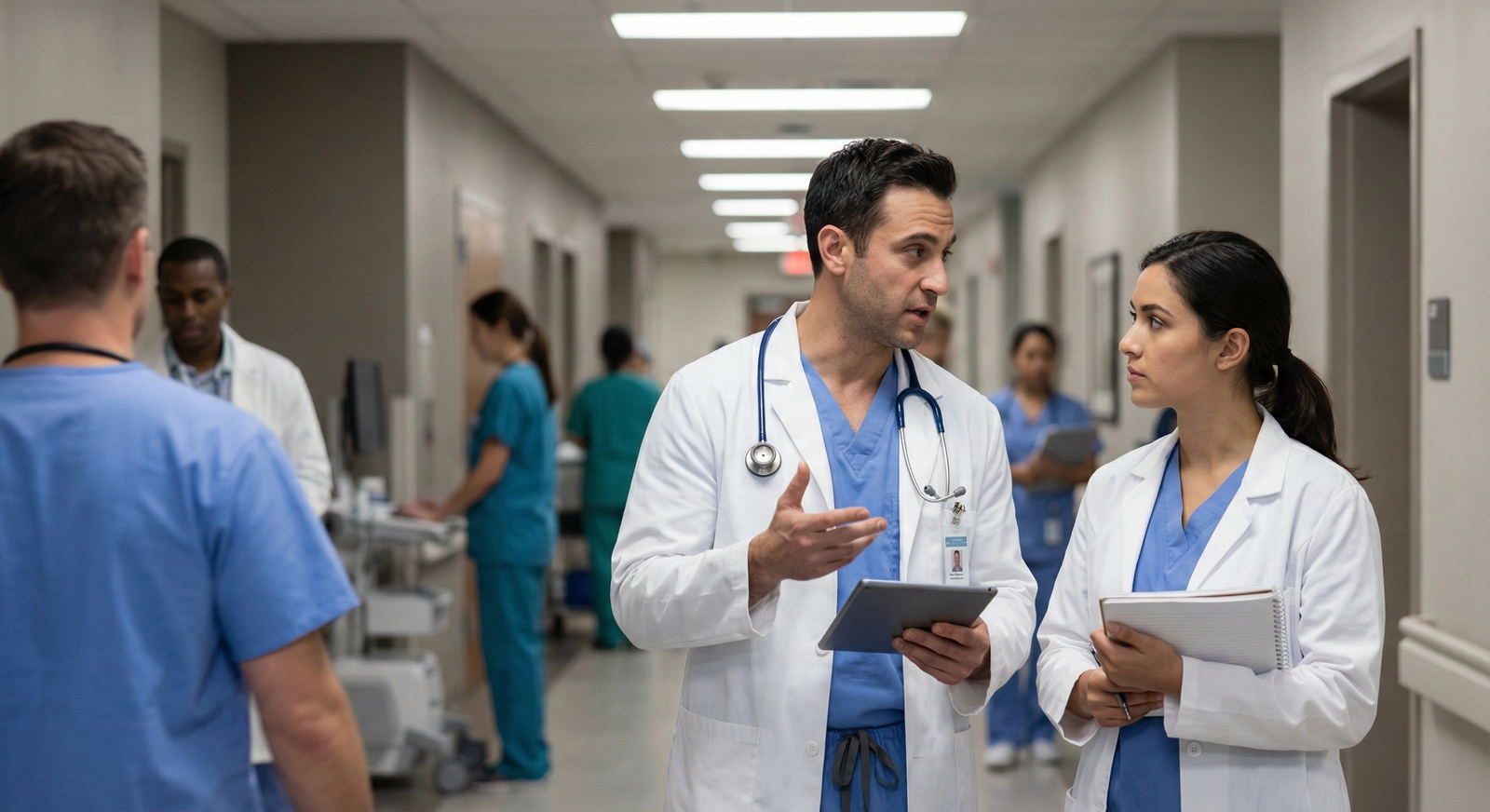
Networking in medicine can feel awkward, mysterious, or even unnecessary—especially in a specialty like diagnostic radiology where you may spend long hours in dark reading rooms rather than on busy hospital wards. Yet, in modern academic and private practice environments, your professional network can be as important as your CV.
For medical students and residents aiming for or already in a radiology residency, networking is not about superficial self-promotion. It is about building authentic professional relationships that:
- Strengthen your diagnostic radiology match prospects
- Open doors to research, electives, and letters of recommendation
- Support your growth through mentorship medicine
- Help you transition into fellowship and attending roles
- Keep you plugged into evolving technology, AI, and practice models
This article provides a comprehensive, practical roadmap to networking in medicine specifically tailored to diagnostic radiology—what to do before you match, during radiology residency, and as you plan your future career.
Understanding Networking in Diagnostic Radiology
What “Networking” Actually Means in Medicine
In diagnostic radiology, networking is best defined as:
The ongoing process of building and maintaining professional relationships that support mutual learning, collaboration, and career development.
Key features:
- Mutual benefit – You’re not only asking; you’re also offering value (e.g., time, curiosity, help with projects).
- Long-term – One conversation at a conference is a starting point, not the end.
- Reputation-based – Your work ethic, reliability, and professionalism “network” for you even when you are not physically present.
Networking happens in multiple settings:
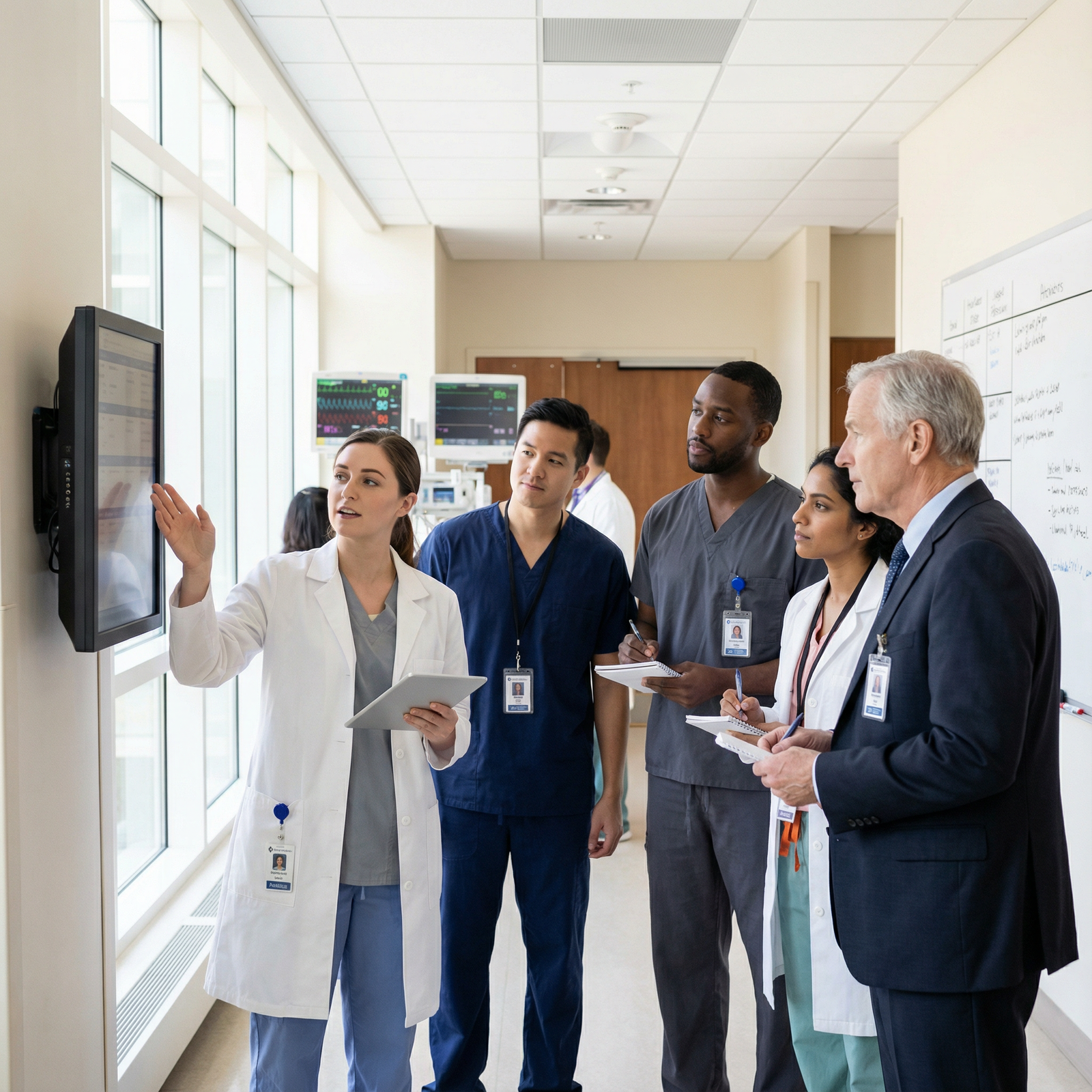
- Within your home institution (reading rooms, tumor boards, teaching conferences)
- Across institutions through visiting electives and away rotations
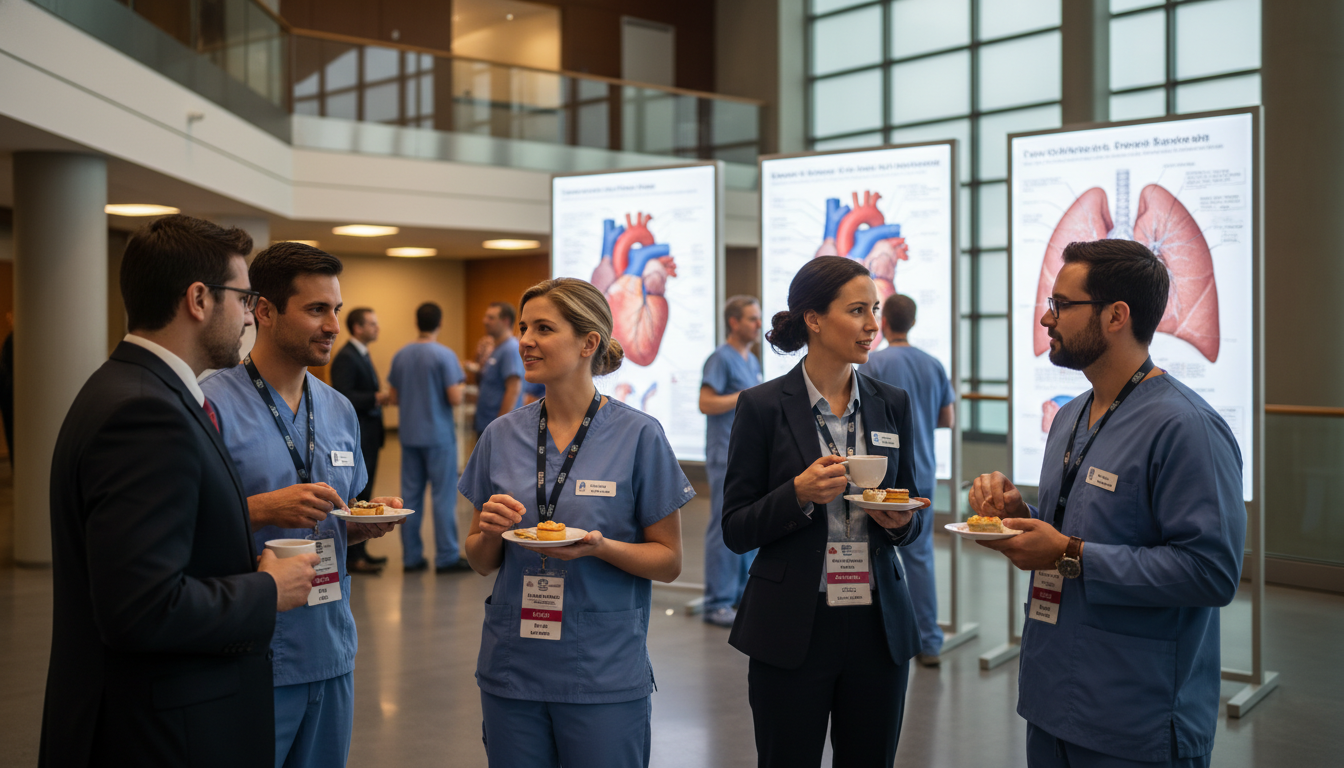
- At regional, national, and international conferences
- On digital platforms such as email listservs, X (Twitter), LinkedIn, and society portals
Why Networking is Especially Important in Radiology
Unlike some other specialties, diagnostic radiology is:
Highly sub-specialized
Body imaging, neuroradiology, MSK, IR, breast, pediatric, emergency radiology, cardiothoracic, nuclear medicine—all with their own national societies, leadership, and fellowship pipelines. Networking helps you navigate this landscape early.Rapidly evolving technologically
AI, advanced imaging techniques, structured reporting, and teleradiology change quickly. A strong network helps you stay in the loop and pivot your interests strategically.Tight-knit at the top
Many program directors, fellowship directors, and society leaders know each other well. Relationship-based recommendations and informal feedback often influence interview offers and ranking decisions.**Project-intensive
Research collaborations, multi-center trials, imaging registries, and education initiatives frequently cross institutions. Knowing people increases your chances of being invited or considered.
Building a Network Before the Diagnostic Radiology Match
If you’re a medical student targeting radiology residency, your networking strategy should intentionally support your diagnostic radiology match prospects.
Step 1: Start with Your Home Institution
Even if your school doesn’t have its own radiology residency, there are often affiliated radiologists or visiting faculty.
Concrete actions:
Shadow early and often
- Email a faculty radiologist: “I’m a first/second-year medical student interested in diagnostic radiology. Could I shadow you in the reading room for a few hours one morning?”
- Show up on time, take notes, ask 2–3 thoughtful questions, and follow up with a short thank-you email.
Attend teaching conferences
- Noon conferences, case conferences, tumor boards, journal clubs.
- Introduce yourself briefly: name, year, interest in radiology, and one line about what you found interesting.
Find a “primary mentor”
- Look for someone approachable who works with students frequently.
- Ask for a brief 20–30 minute meeting: “I’d love your advice on exploring a career in diagnostic radiology.”
- Prepare 3–5 questions (e.g., how they chose their subspecialty, what they look for in applicants, how to get involved with research).
Networking goal at this stage:
Be a familiar, reliable face to a few radiologists who can later write strong letters and connect you with others.
Step 2: Leverage Research as a Networking Tool
Research is both a CV builder and a networking accelerator.
How to strategically use research for networking:
Ask mentors about ongoing projects
- “Are there any small projects I could help with—literature review, data collection, or figure formatting?”
- Starting small and doing it well builds trust.
Aim for collaborative work
- Multi-author projects naturally introduce you to fellows, residents, and other attendings.
- Volunteer for cross-disciplinary work (e.g., radiology–oncology, radiology–surgery) to expand your network beyond radiology.
Present your work
- Even a poster at a regional meeting gives you a reason to talk with others: “I have a poster on X—could I get your thoughts on our approach?”
Each project can lead to new contacts: co-authors, reviewers, collaborators, or conference attendees who share your interests.
Step 3: Thoughtful Use of Visiting Rotations and Electives
If you do away rotations or visiting electives in diagnostic radiology, think of them as “month-long interviews + networking opportunities.”
Key strategies:
Be consistently present
- Arrive on time, stay engaged, ask to read cases independently when appropriate.
- Attend teaching sessions even when not mandatory.
Identify potential advocates
- Residents who enjoy teaching
- Fellows in your target subspecialty
- Faculty who staff with you multiple times
- Ask for feedback: “Do you have any advice on how I can improve during the rest of my rotation?”
Stay in touch after the rotation
- Send a brief thank-you email to a few key people.
- Periodically share updates (“I matched at X; I’m working on Y project we discussed.”).
- This helps maintain your network even if you don’t match at that institution.
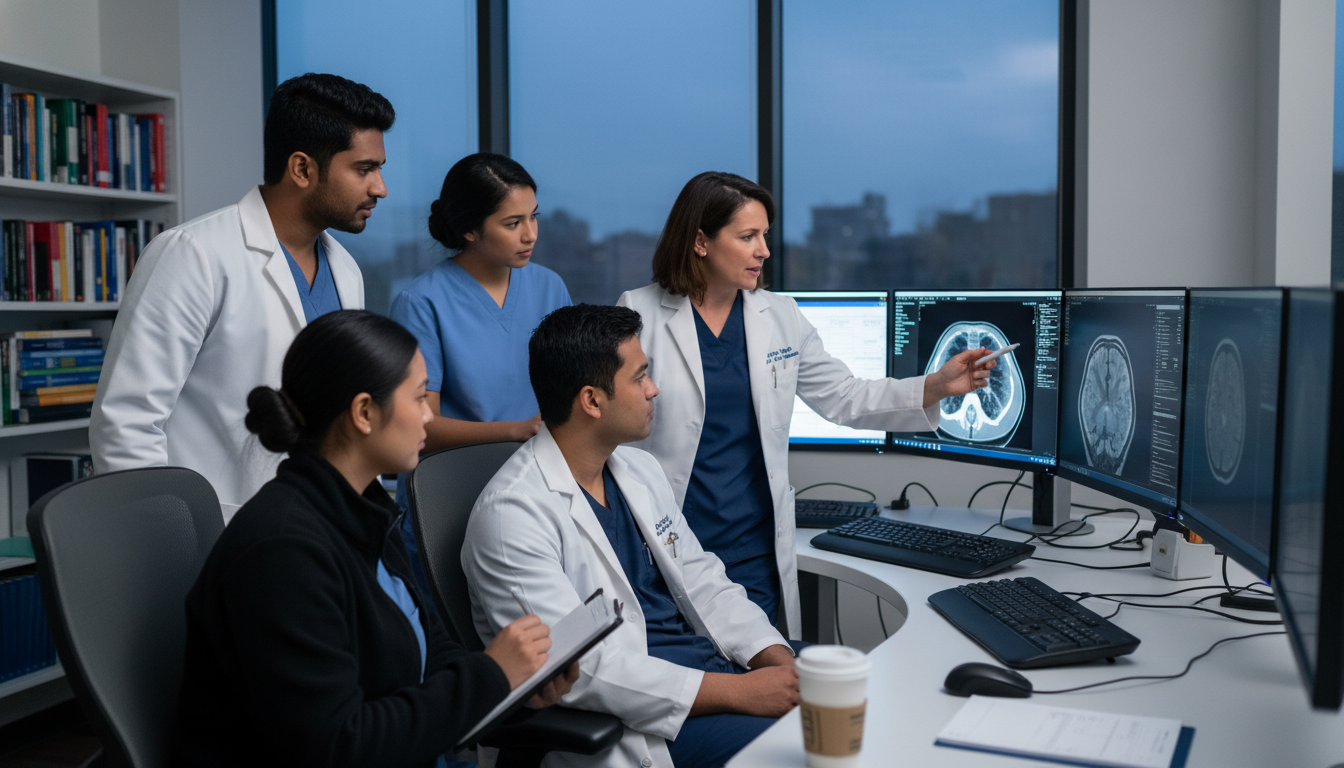
Maximizing Medical and Conference Networking as a Radiology Resident
Once you’re in a radiology residency, your networking opportunities expand significantly. The challenge is balancing them with clinical responsibilities and exams.
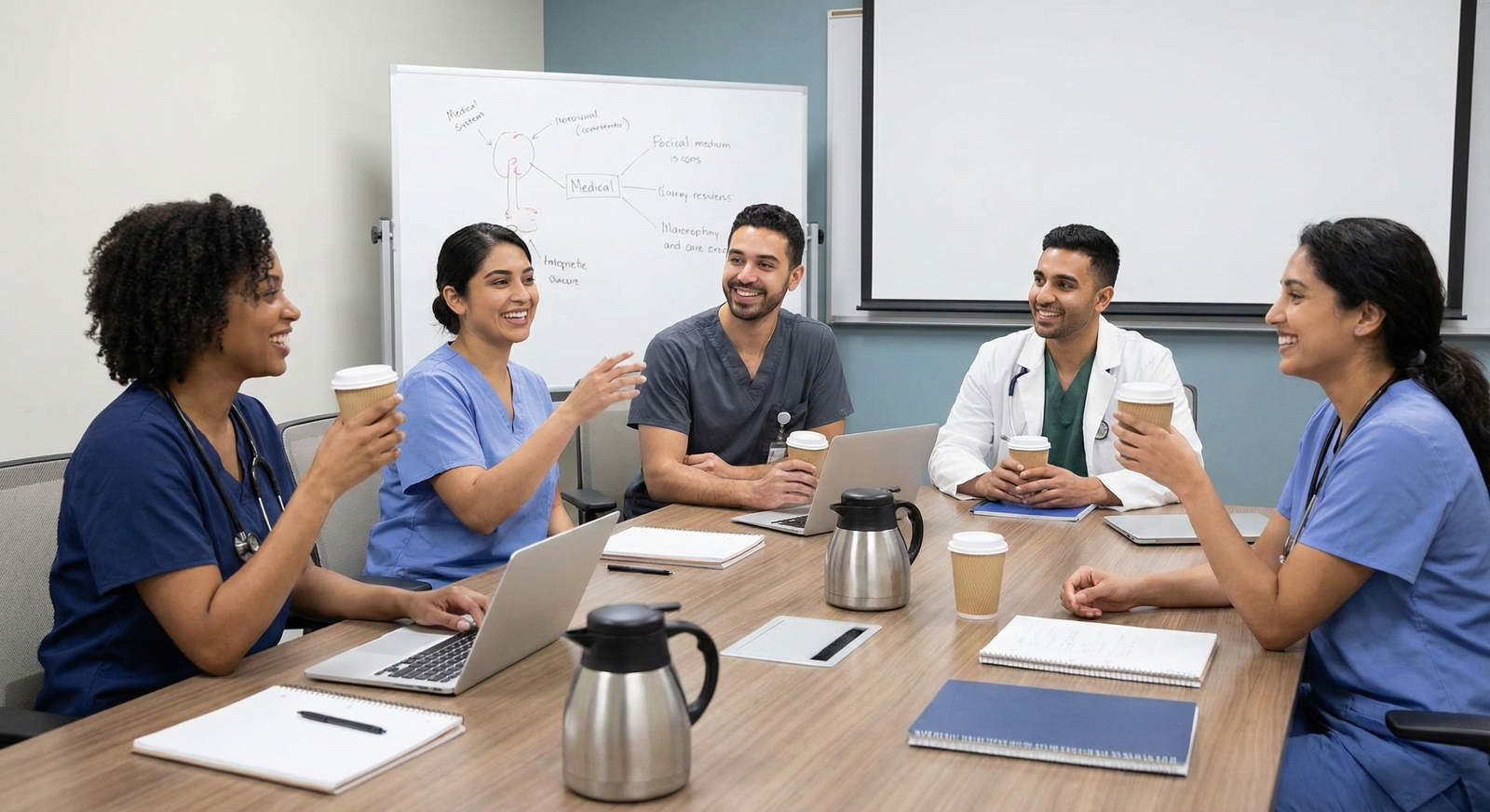
Networking Within Your Residency Program
Your first and most important network is internal.
Residents and Fellows:
- Your co-residents are your future colleagues and referral sources.
- Fellows may soon become attendings at other institutions and can:
- Recommend you for fellowships
- Alert you to job openings
- Invite you to collaborations
How to network meaningfully with peers:
- Offer help (swap call, help prep a talk, share study resources).
- Co-author educational cases or teaching files.
- Join or start resident-led projects (wellness, QA, teaching sessions for medical students).
Faculty:
- Make sure multiple attendings know your name, strengths, and interests, not just your main mentor.
- Ask: “I’m interested in neuroradiology; is there anything I can work on that would be helpful for the section?”
- Show your reliability: submit drafts on time, follow through on promises, and be honest about your bandwidth.
Over time, your “reputation network” within the program becomes a powerful asset when letters, fellowship recommendations, or job calls come up.
Conference Networking: From Passive Attendee to Active Participant
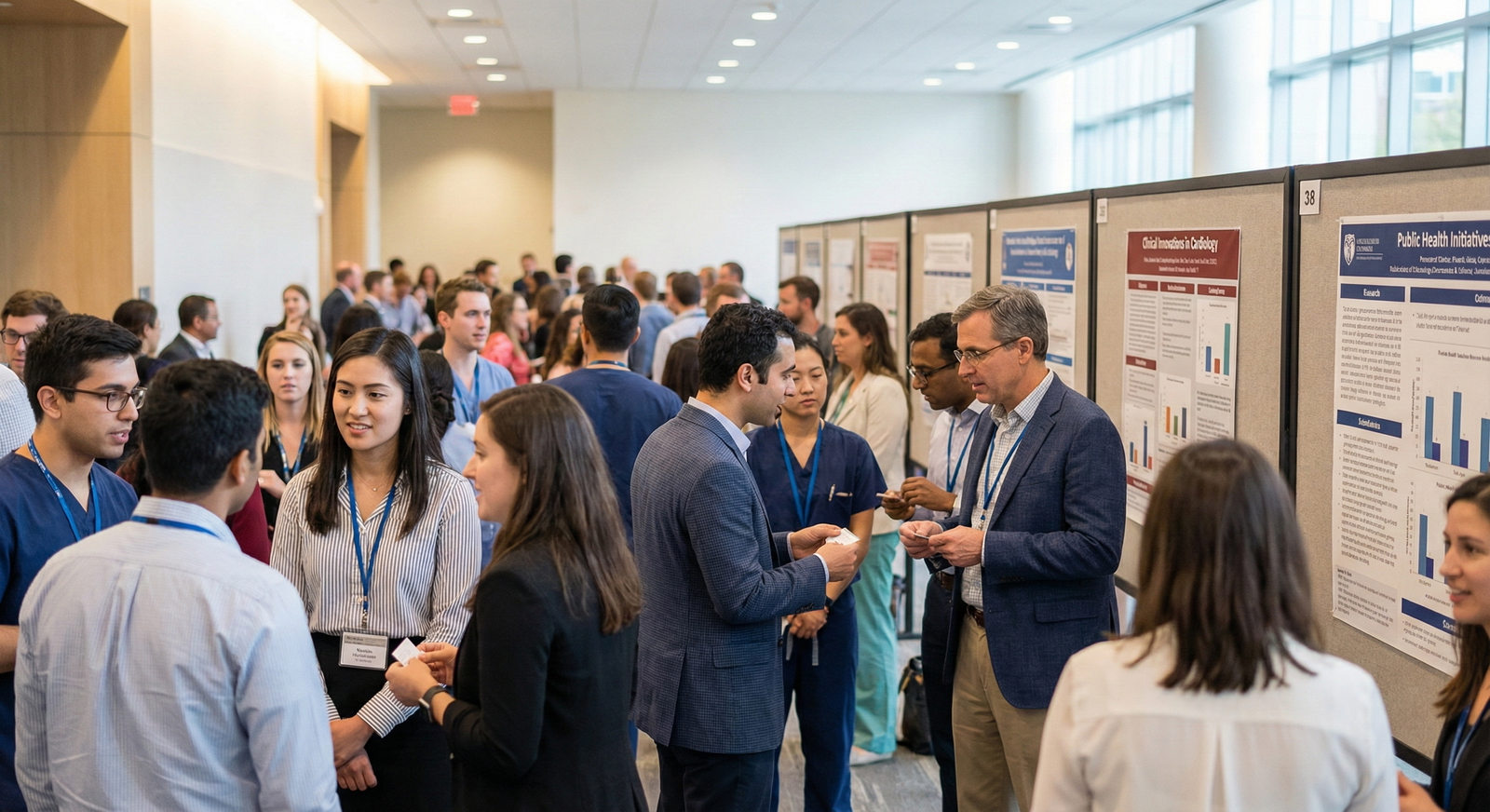
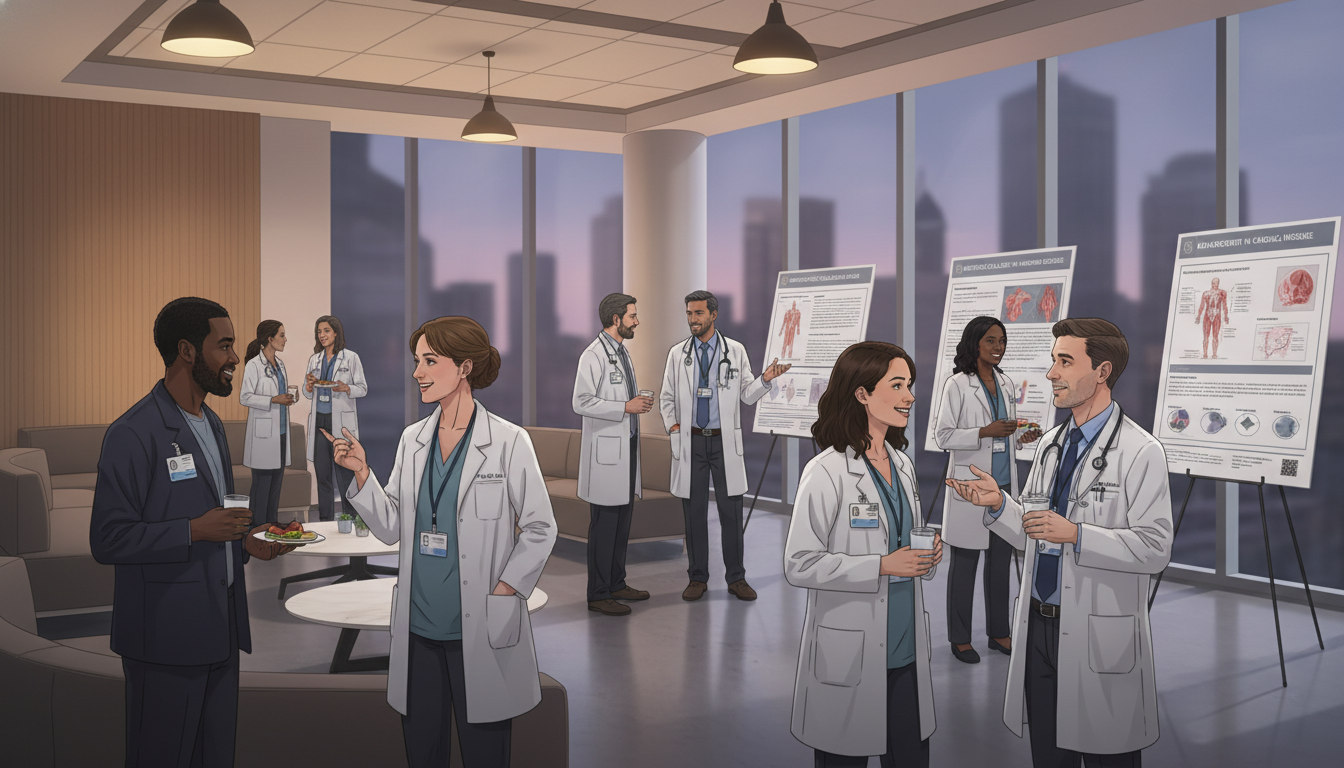
Conferences are central to medical networking in radiology. Think RSNA, ARRS, AUR, subspecialty meetings (ASNR, SCBT-MR, STR, SAR, SSR, SPR, etc.).
Before the Conference
Set clear objectives
- Examples: meet 3 people in body imaging at academic programs; learn about AI in chest imaging; explore global radiology opportunities.
Identify targets
- Look at the program schedule:
- Who is speaking on topics that interest you?
- Which institutions you might want to apply to for fellowship or jobs?
- Look at the program schedule:
Reach out in advance (when appropriate)
- A short, respectful email:
- “I’m a PGY-3 radiology resident interested in emergency radiology. I’ll be at [Conference]. Would you have 10–15 minutes for a brief conversation about career paths in your subspecialty?”
- A short, respectful email:
Prepare your “micro-introduction”
- Name, current role, institution
- Level (MS3/MS4, PGY year, fellow)
- Interests (e.g., breast imaging, AI in radiology education, MSK intervention)
- One current project or goal
During the Conference
Use the “3 Lenses” approach: Learn, Listen, Link
Learn
- Attend a mix of educational and networking sessions (meet-the-professor, trainee lunches, early-career panels).
- Take brief notes on who said what and what resonated with you.
Listen
- Ask open-ended questions: “How did you choose your subspecialty?” “What trends are you seeing in your practice?”
- Let others talk more; you’ll learn and leave a better impression.
Link
- After a talk you enjoyed, introduce yourself:
- “Thank you for your presentation on X. I really liked your point about Y. I’m [Name], a PGY-3 at [Institution] interested in Z. Could I email you about some related work we’re doing?”
- Exchange business cards or connect via LinkedIn/X afterwards.
- After a talk you enjoyed, introduce yourself:
Practical tips for conference networking:
- Attend trainee and young physician events—they are designed for approachable networking.
- Don’t underestimate poster sessions—great for casual, low-pressure conversation.
- Limit alcohol at social events; professionalism and clear memory of conversations matter.
After the Conference
Follow-up is where conference networking becomes long-term relationships.
- Send short, specific emails within 3–7 days:
- Remind them briefly of where you met.
- Mention one specific thing you appreciated from the conversation.
- Include any promised materials (abstracts, slides, CV if requested).
- Connect on LinkedIn or X:
- Add a short note: “Pleasure meeting you at [Conference]; I enjoyed our discussion about [Topic].”
Mentorship, Sponsorship, and Digital Networking in Radiology
Mentorship in Medicine: Finding and Using Good Mentors
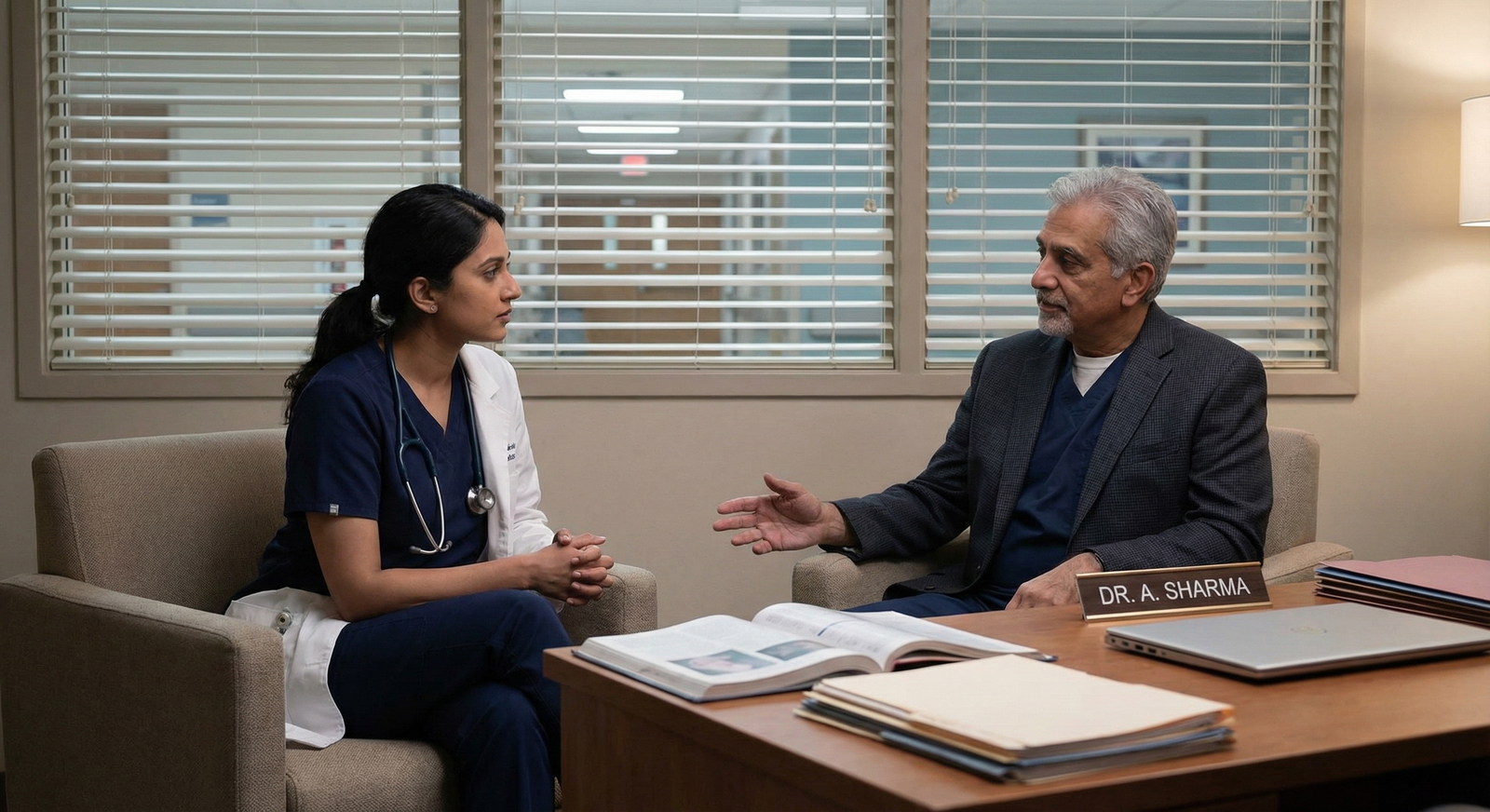
In mentorship medicine, three types of mentors are especially useful in radiology:
- Career mentors
- Help you choose between private practice vs academics, subspecialties, and fellowships.
- Project mentors
- Work with you on research, QA, or education projects.
- Peer mentors
- Slightly more advanced trainees who recently passed through the stage you’re in.
How to approach potential mentors:
- Start small: ask for a short meeting to seek advice, not a long-term commitment.
- Be specific about what you’re looking for:
- “I’m choosing between neuroradiology and MSK—could you share your perspective?”
- “I’m trying to get involved in AI-related radiology research; do you know any ongoing projects?”
- Demonstrate follow-through:
- When you act on their advice and report back, mentors become more invested.
Sponsorship: The Next Level
Sponsors use their influence to advocate for you when you’re not in the room:
- Suggest you as a co-author or speaker
- Recommend you for committees or leadership roles
- Alert you to job and fellowship opportunities
Sponsorship is usually built on a foundation of trust + observed performance:
- Do excellent, reliable work on projects.
- Show professionalism on rotations and in conferences.
- Be visible: present, volunteer, and engage.
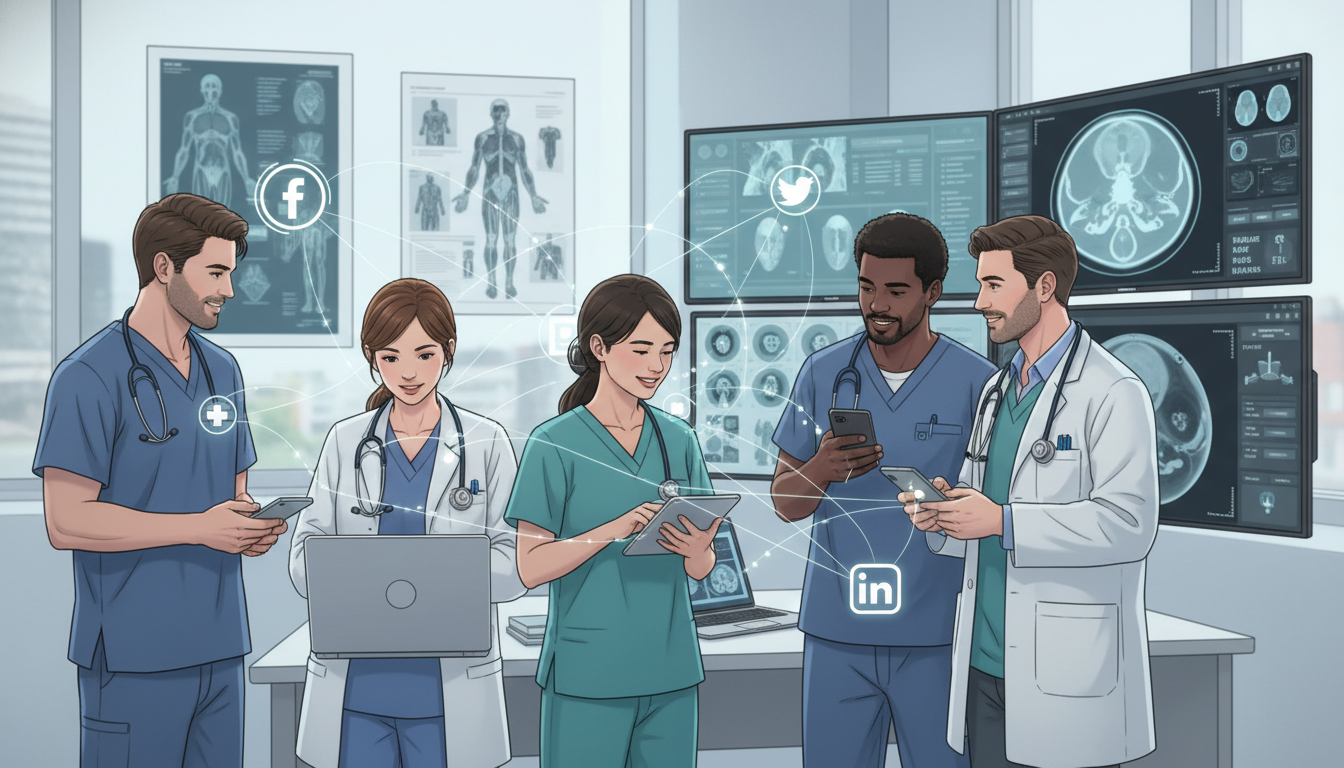
Digital Networking: X (Twitter), LinkedIn, and Beyond
Radiology has a strong presence on social media, especially X (formerly Twitter).
Using X effectively:
- Follow:
- Radiology societies (e.g., RSNA, ACR, subspecialty organizations)
- Influential educators and researchers in your area of interest
- Engage:
- Like and thoughtfully comment on interesting cases or threads.
- Share learning points (while rigorously de-identifying any clinical content).
- Avoid:
- Patient-identifiable information, venting about colleagues, unprofessional posts.
Using LinkedIn:
- Keep your profile updated:
- Training level, institutions, research interests, and publications.
- Connect:
- After conferences or virtual meetings, send a personalized connection request.
- Use it for:
- Tracking your academic portfolio.
- Informational interviews with radiologists in various practice settings.
Email etiquette in digital networking:
- Keep messages short, polite, and purposeful.
- Use a clear subject line: “PGY-2 at [Institution] – Interest in Pediatric Radiology Research.”
- Don’t attach your CV unsolicited unless relevant or requested; instead offer it: “Happy to share my CV if helpful.”
Long-Term Strategy: From Residency to Fellowship and Beyond
Networking for Fellowship
Your network directly affects your fellowship prospects.
How networking supports the fellowship process:
- Your mentors may:
- Personally contact fellowship program directors on your behalf.
- Recommend which programs fit your goals and personality.
- Conference networking:
- Many fellowship interviews and opportunities grow out of interactions at national meetings.
- Peer and fellow connections:
- Current fellows from your program who move to other institutions become invaluable resources:
- Honest insight about program culture.
- Gentle advocacy when your application is reviewed.
- Current fellows from your program who move to other institutions become invaluable resources:
Actionable steps:
- Tell your key mentors your tentative subspecialty interests by PGY-3.
- Ask: “Who would you recommend I speak with at [Target Institution] about their [Subspecialty] fellowship?”
- Ask previous graduates for introductions or advice on particular programs.
Networking for Jobs: Academic and Private Practice
When you’re approaching the end of training, networking becomes crucial again—but the style depends on your goals.
Academic Radiology:
- Strong emphasis on:
- Conference visibility
- Publications and presentations
- Committee service and society involvement
- Your academic network:
- Senior mentors may know division chiefs and chairs at your target institutions.
- Sponsors can invite you for visiting lectures or joint projects.
Private Practice:
- Word-of-mouth matters:
- Attendings and alumni may recommend you to groups they know are hiring.
- Networking at regional society meetings is particularly helpful.
- Strategic informational interviews:
- Ask contacts about practice structure, call, compensation models, and work culture.
For both paths:
- Maintain professionalism with everyone—you don’t know who might later be asked for informal feedback about you.
- Keep your CV and a short “career goals” paragraph ready to share.
Sustaining and Growing Your Network Over Time
Think of networking as maintenance, not just acquisition.
Simple habits:
- Send holiday or end-of-year updates to close mentors and sponsors.
- Congratulate contacts on promotions, awards, or major publications (e.g., via email or social media).
- Check in occasionally even when you don’t “need” something—relationships built only on requests tend to fade.
Your goal: cultivate a broad, shallow network (many acquaintances) layered with a small, deep network of trusted mentors, collaborators, and friends.
Common Pitfalls and How to Avoid Them
Mistake 1: Treating Networking as Transactional
If you approach people only when you need a letter, a position, or a favor, your relationships will be fragile.
Fix:
Focus on curiosity and learning. Go into conversations asking, “What can I learn?” and “How can I be helpful?” rather than “What can I get?”
Mistake 2: Over-networking at the Expense of Competence
In radiology, your clinical skills and interpretive accuracy are non-negotiable. A strong network cannot compensate for weak fundamentals.
Fix:
See networking as a complement—not a substitute—for clinical excellence. Your best networking asset is being known as competent, reliable, and pleasant to work with.
Mistake 3: Ignoring Non-Radiology Networks
Surgeons, oncologists, internists, emergency physicians, hospital administrators—they all influence radiology’s future and your career.
Fix:
Engage in multidisciplinary tumor boards, cross-departmental research, and hospital committees when feasible. These broaden your opportunities and perspective.
Mistake 4: Underestimating the Power of Follow-up
Meeting someone once and never contacting them again wastes opportunities.
Fix:
Develop a simple system:
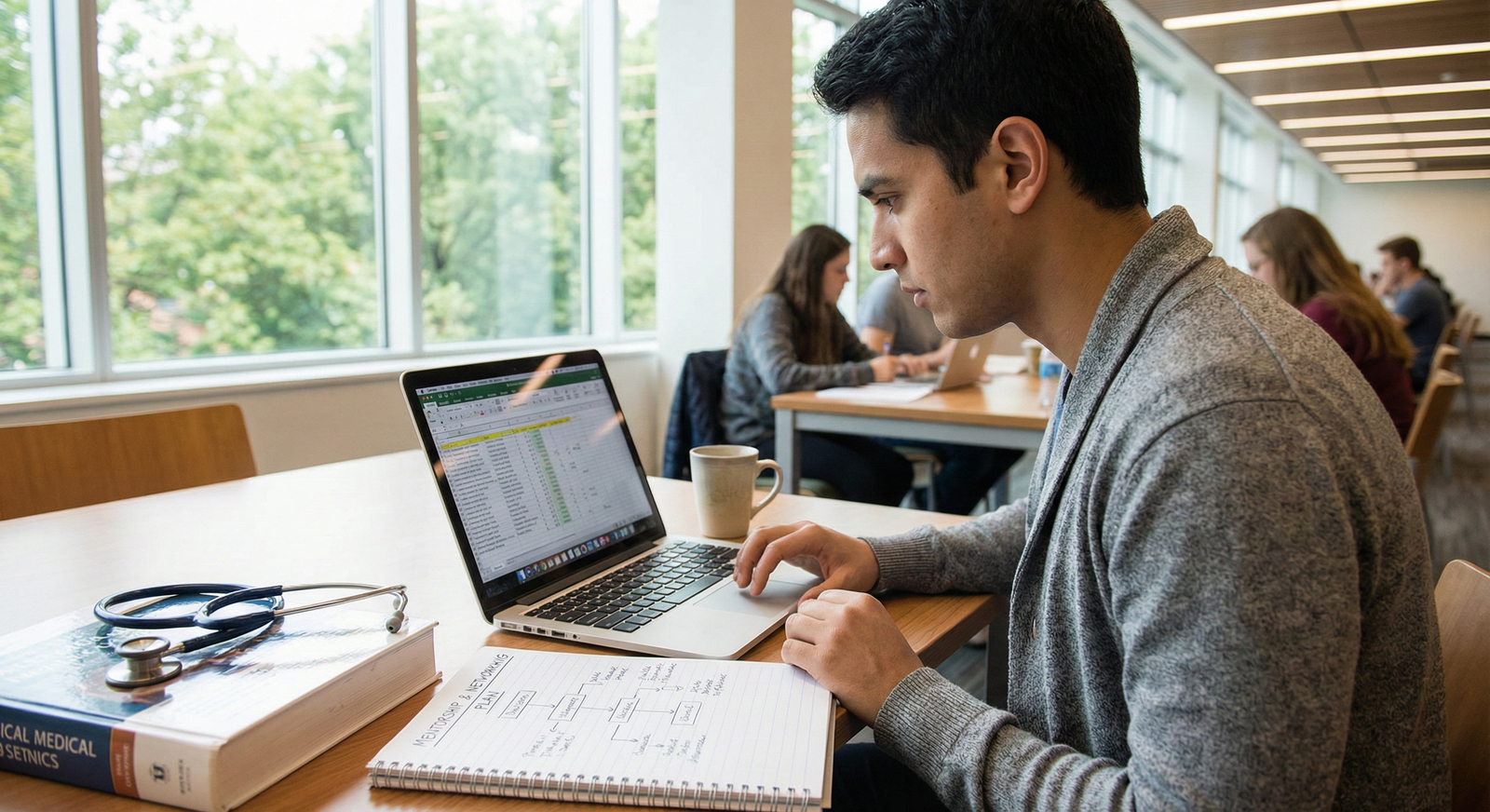
- Keep a small contact log (spreadsheet or app).
- After each conference or key interaction, note:
- Name, role, institution
- Where you met
- Follow-up task and date
FAQs: Networking in Diagnostic Radiology
1. Do I really need to network to match into a radiology residency?
You can match without heavy networking, especially if you have solid scores, strong letters, and good clinical performance. However, smart networking can significantly improve your diagnostic radiology match odds by:
- Helping you find mentors who write detailed, personalized letters
- Opening doors to research or leadership roles
- Giving you insight into specific programs so you can tailor your applications and interviews
Even minimal networking—getting to know a few radiology faculty at your home institution—is highly recommended.
2. I’m introverted and find networking uncomfortable. What can I do?
Introverts often make excellent networkers because they tend to listen carefully and build deeper connections. To make it manageable:
- Set small goals (e.g., talk to 2 new people per conference day).
- Prepare a few go-to questions and your micro-introduction in advance.
- Use email and one-on-one meetings rather than big social events when possible.
- Focus on long-term, authentic relationships rather than collecting many superficial contacts.
3. How do I ask busy attendings for mentorship without bothering them?
Respect their time and be specific:
- Request a short (20–30 minute) meeting with a clear purpose.
- Prepare 3–5 questions so the conversation is focused.
- Follow through on any advice or opportunities they provide. Many radiologists enjoy mentoring motivated trainees; your preparation and respect signal that their time will be well used.
4. What if I don’t have a radiology department at my medical school?
You can still build a strong radiology network:
- Use virtual conferences, webinars, and society membership (RSNA, ACR, subspecialty organizations).
- Seek remote research or case-based projects through email outreach to academic faculty.
- Attend regional or national meetings where medical students are welcome.
- Reach out to alumni from your school who went into radiology.
Proactive digital networking can partly offset the lack of a home department.
Networking in medicine—especially in diagnostic radiology—is not about being the loudest person in the room. It’s about consistently showing up as a curious, reliable, and collegial professional, and letting meaningful relationships grow from there. Over time, this network becomes one of your most valuable assets in training, practice, and beyond.