Why Networking Matters Even More for the US Citizen IMG in Anesthesiology
For a US citizen IMG, especially an American studying abroad, the anesthesiology residency pathway is absolutely achievable—but it is also competitive and relationship‑driven. Program directors frequently cite personal knowledge of an applicant, trusted recommendations, and demonstrated commitment to anesthesiology as key reasons to offer interviews and rank applicants highly.
Networking in medicine is how you intentionally build those relationships.
For US citizen IMGs in anesthesiology, effective medical networking:
- Compensates for disadvantages in name recognition of your school
- Helps you secure high‑value US clinical experience and letters
- Opens doors to research, quality improvement, and leadership activities
- Gives you insider information about the anesthesia match at specific programs
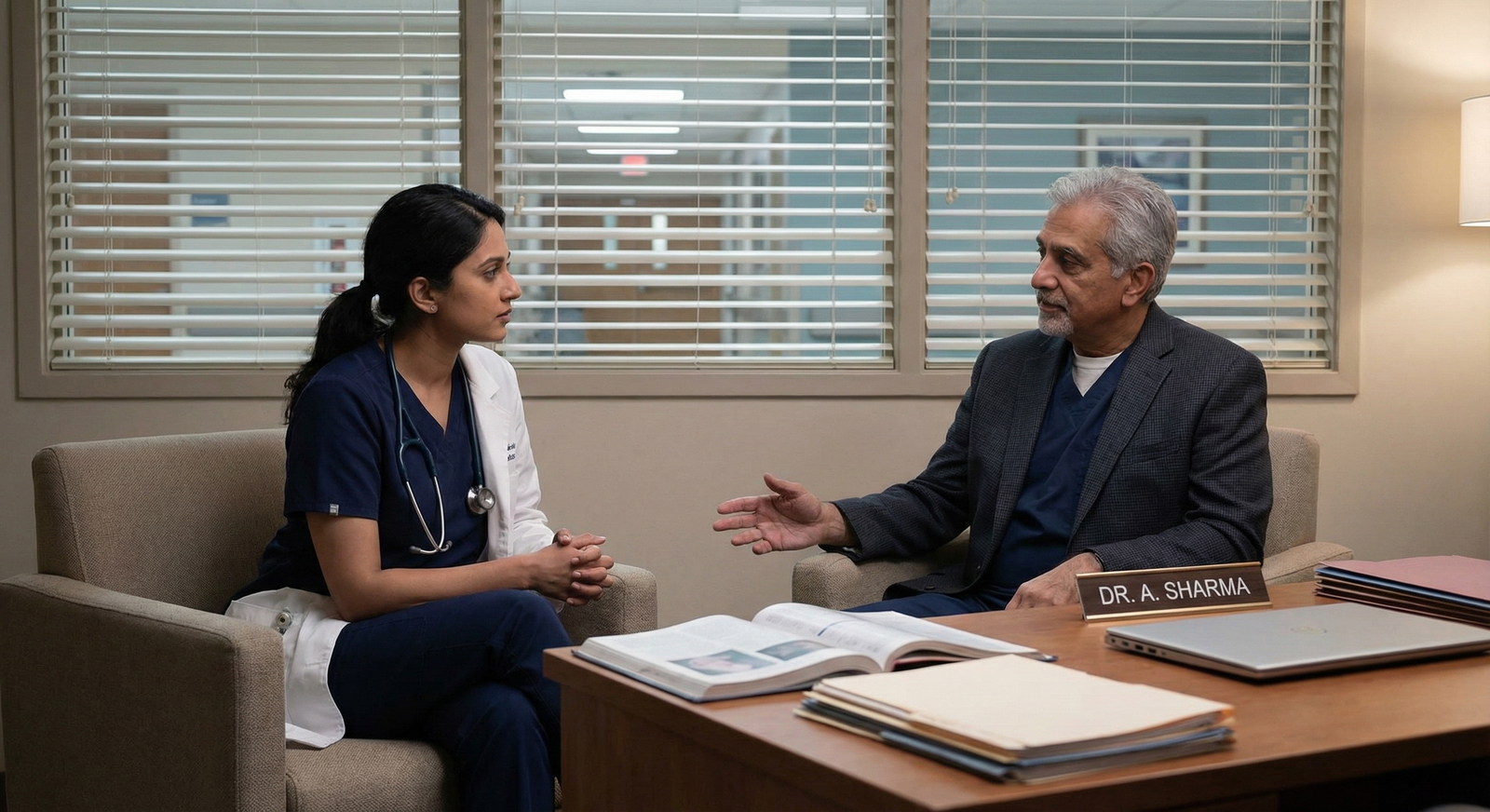
- Connects you with mentors who understand both anesthesiology and the IMG journey
This article breaks down, in a practical way, how an American studying abroad can build a strong anesthesiology network from M3 through the application cycle, and even into residency life and challenges.
Understanding the Networking Landscape in Anesthesiology
Before building a plan, you need to understand who matters and how they influence the anesthesia match.
Key Stakeholders in Your Anesthesiology Network
Anesthesiologists in Academic Departments
- Program Directors (PDs)
- Associate/Assistant PDs
- Clerkship Directors
- Faculty with education or recruitment roles
Impact: Decide interview offers, rank lists, and letters of recommendation.
Community Anesthesiologists
- Group practice physicians
- Private practice faculty affiliated with smaller programs
Impact: Provide US clinical exposure, informal mentoring, and strong narrative letters.
Anesthesia Residents and Fellows
- Chief residents
- Senior residents
- Pain, critical care, or cardiac anesthesia fellows
Impact: Advocate for you during rank meetings, provide inside knowledge and honest feedback, and help shape your application strategy.
Non‑Anesthesia Physicians and Surgeons
- ICU attendings
- Surgeons you work with during rotations
Impact: Offer cross‑disciplinary letters that highlight teamwork, communication, and clinical acumen—qualities highly valued in anesthesiology.
Allied Health Professionals in the OR
- CRNAs
- Anesthesia techs
- OR nurses
Impact: Provide informal feedback to attendings and residents about your teamwork, professionalism, and work ethic.
Academic and Professional Organizations
- ASA (American Society of Anesthesiologists)
- State anesthesiology societies
- Anesthesiology subspecialty societies (SCCM, ASRA, SOAP, etc.)
Impact: Offer formal platforms for medical networking, conference networking, research collaborations, and leadership opportunities.
Unique Networking Challenges for US Citizen IMGs
As a US citizen IMG, you sit at a unique crossroads:
- You have US cultural familiarity—but your medical education is abroad.
- You often have shorter windows for US clinical experiences and electives.
- Your home school faculty may have limited connections to US anesthesiology residency programs.
- Some program directors still have unconscious biases about IMGs.
Networking can strategically counter these challenges by:
- Placing you in front of decision‑makers multiple times (email, conferences, rotations, follow‑up)
- Providing trusted intermediaries—mentors who will vouch for you
- Allowing you to demonstrate commitment to anesthesiology beyond test scores
Your goal is not to “collect contacts,” but to create a small number of strong advocates who know your work well and will support you vigorously.

Building a Networking Strategy While Still Abroad
Many American students studying abroad worry that physical distance from US hospitals prevents effective networking in medicine. It doesn’t—you just need a structured approach.
Step 1: Map Your Existing and Potential Connections
Start by making a connection map:
- Alumni from your international medical school now in US anesthesiology residencies
- Alumni in other US specialties but at hospitals with anesthesia programs
- US‑based physicians you shadowed during undergrad or post‑bacc
- Family friends or community contacts who are physicians, CRNAs, or OR nurses
- Faculty at your foreign medical school with any US training or collaborations
Actionable tip:
Create a simple spreadsheet with columns:
- Name
- Role / Specialty
- Institution
- Connection source (alumni, family friend, etc.)
- Contact info
- Last contact date
- Follow‑up plan
Your first networking step is often reactivating dormant connections—people who already like you and are open to helping.
Step 2: Use Email Strategically (Without Being Spammy)
For US citizen IMGs, email is often your first networking channel. But many students send unfocused, generic messages that get ignored.
Here’s a structure that works:
Subject line ideas:
- “US citizen IMG seeking anesthesiology advice (alumni of [School])”
- “American studying abroad interested in anesthesiology – request for brief guidance”
- “Prospective anesthesia applicant hoping to learn about [Institution]”
Sample message framework:
- Brief introduction (1–2 lines): who you are, where you study, that you’re a US citizen IMG
- Clear goal: “I’m planning to apply for anesthesiology residency in the 202X match.”
- Specific ask:
- 15–20 minute Zoom or phone call
- Advice about electives/away rotations
- Guidance on research or mentorship in medicine
- Concrete time frame: propose 2–3 date/time options or say, “I’m flexible and can work around your schedule.”
- Attach or link: 1‑page CV (not your entire ERAS‑style CV)
Keep it short, respectful, and flexible. Networking in medicine works best when you show that you value and protect the recipient’s time.
Step 3: Engage in Virtual Anesthesiology Communities
The pandemic normalized virtual education and, by extension, virtual networking.
Look for:
- ASA resident and medical student sections – many offer free or low‑cost virtual events
- Institutional anesthesiology department webinars open to external students
- Specialty interest groups:
- SCCM (critical care) webinars
- ASRA (regional anesthesia) virtual meetings
- SOAP (obstetric anesthesia) online educational sessions
Your strategy:
- Register using your full name and medical school.
- Keep your camera on when appropriate; engage respectfully in the chat.
- Ask 1–2 thoughtful questions related to the talk, not your application.
- After the event, email the speaker or organizer:
- Thank them briefly
- Reference something specific you learned
- Ask for one piece of targeted advice or a recommended resource
- Politely ask if they know of any opportunities for a motivated medical student to assist with research, quality improvement, or educational projects
Consistency—showing up to multiple events over months—builds name recognition.
Maximizing Conference Networking as a US Citizen IMG
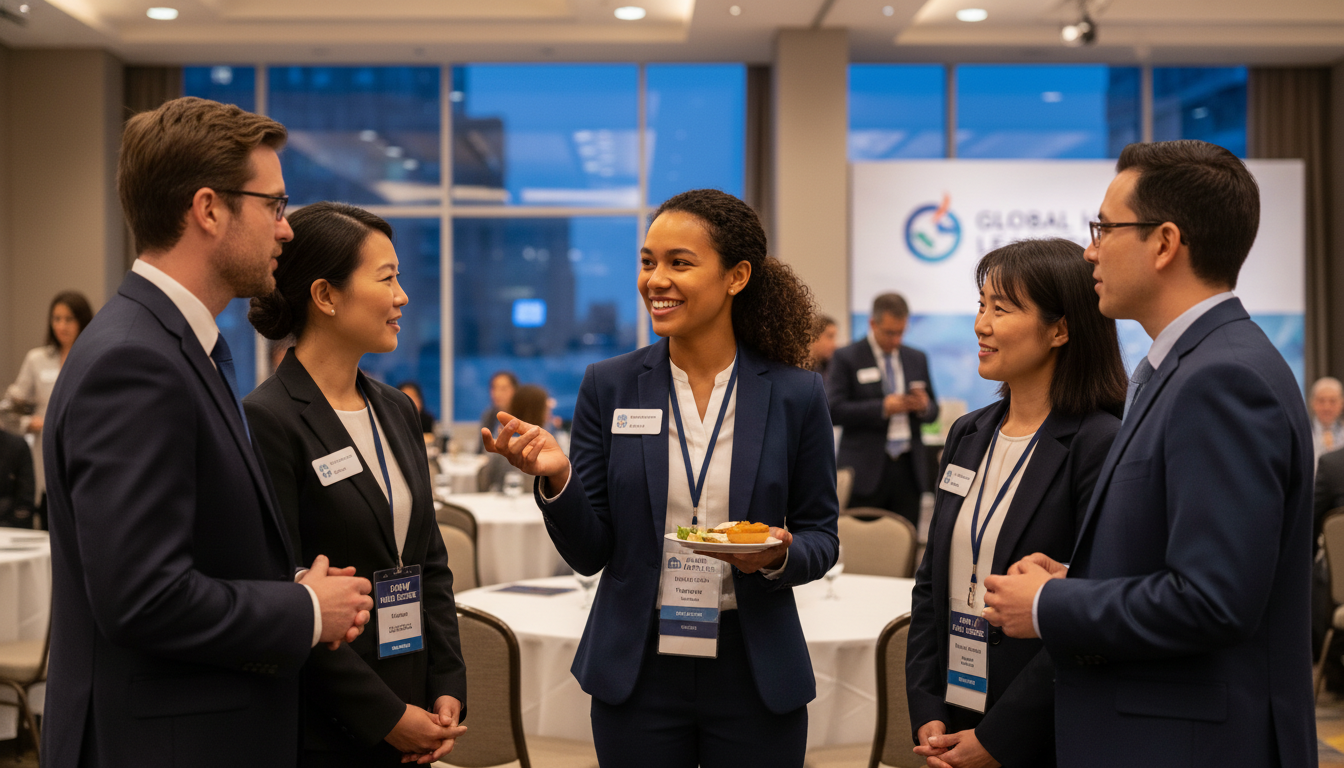
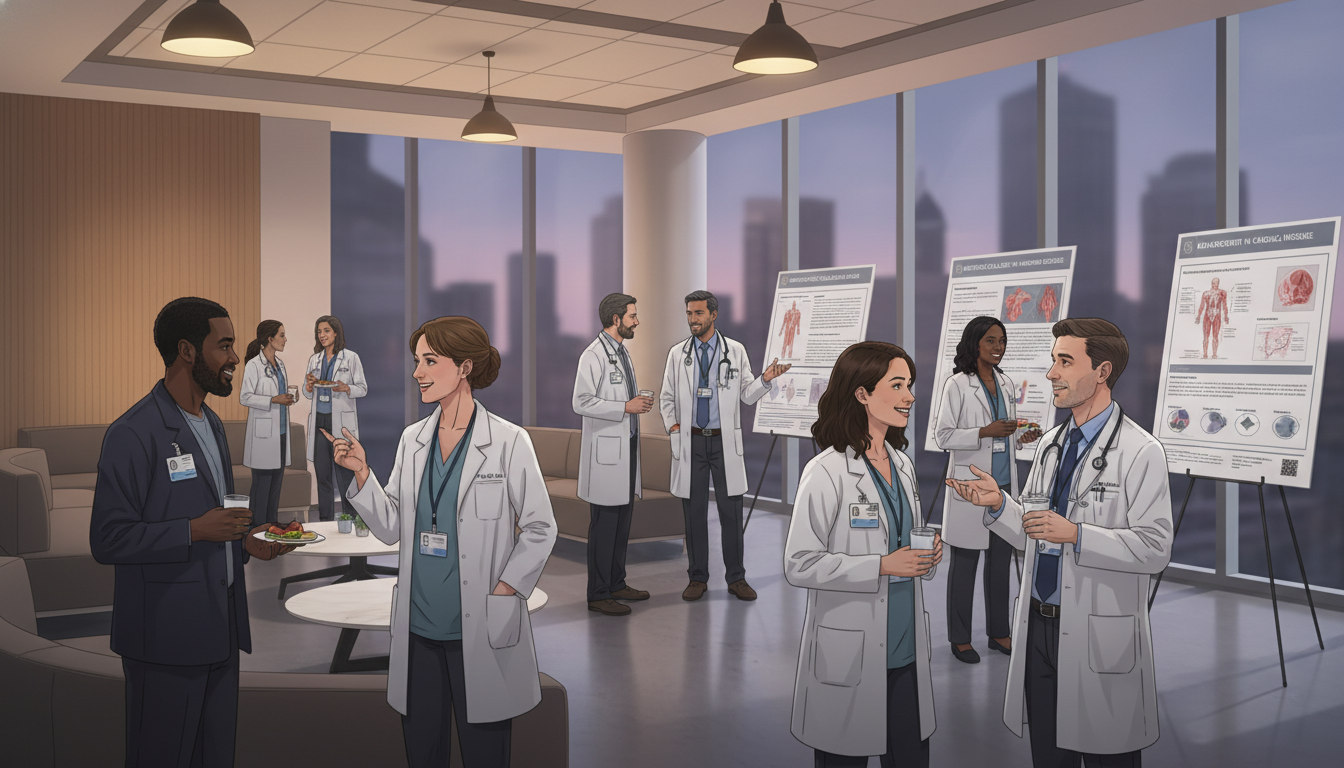
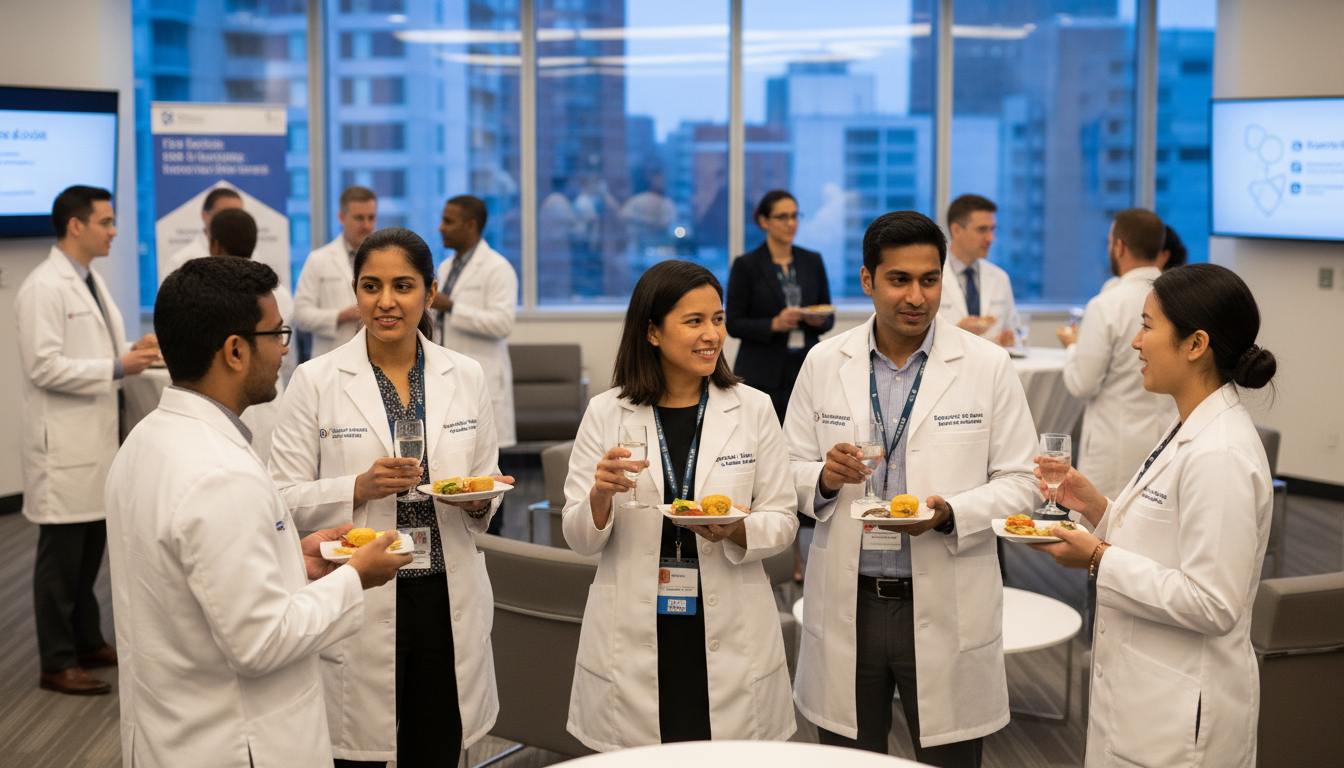
Conference networking is one of the highest-yield ways to expand your anesthesiology network quickly. As a US citizen IMG, approaching conferences with a plan can dramatically shift your trajectory.
Choosing the Right Conferences
Consider prioritizing:
National Conferences
- American Society of Anesthesiologists (ASA) Annual Meeting
- Subspecialty meetings (ASRA, SCCM, SOAP, SCA) if you have focused interests
Regional and State Conferences
- State anesthesiology society meetings (e.g., New York, Texas, California)
- Often smaller and more accessible; easier to have meaningful conversations.
Student/Resident Oriented Events
- ASA medical student programs
- Residency fairs tied to conferences
If budget is limited, aim for one major meeting that you attend strategically.
How to Prepare Before the Conference
Secure a Poster or Abstract if Possible
- Even a case report or small retrospective review is useful.
- Work with any US or international anesthesiology mentor to submit.
Research Participating Programs and Faculty
- Identify 5–10 programs where you’d realistically like to match.
- Look up PDs, APDs, and core faculty from those institutions.
Pre‑Conference Outreach Send short emails like:
“I’ll be attending the ASA meeting as a US citizen IMG interested in anesthesiology and your program specifically. If you have 10 minutes at any point during the conference, I’d be grateful for the chance to briefly introduce myself and hear your thoughts on how an American studying abroad can best prepare for the anesthesia match.”
Not everyone will respond—but a few meaningful conversations are all you need.
Prepare a 30‑Second and 2‑Minute Pitch
- 30‑second: Who you are, current stage, why anesthesiology, 1 highlight (research, USMLE, leadership), and your near‑term goal (e.g., seeking rotations or research).
- 2‑minute: Slightly more depth about your clinical and academic profile, plus 1–2 advanced questions about their program or the specialty.
Effective Conference Networking Behaviors
- Wear professional attire with your badge visible and facing forward.
- Attend:
- Residency program fairs
- Sessions related to your interests (ICU, airway, regional, etc.)
- Trainee networking receptions
- Approach faculty and residents during:
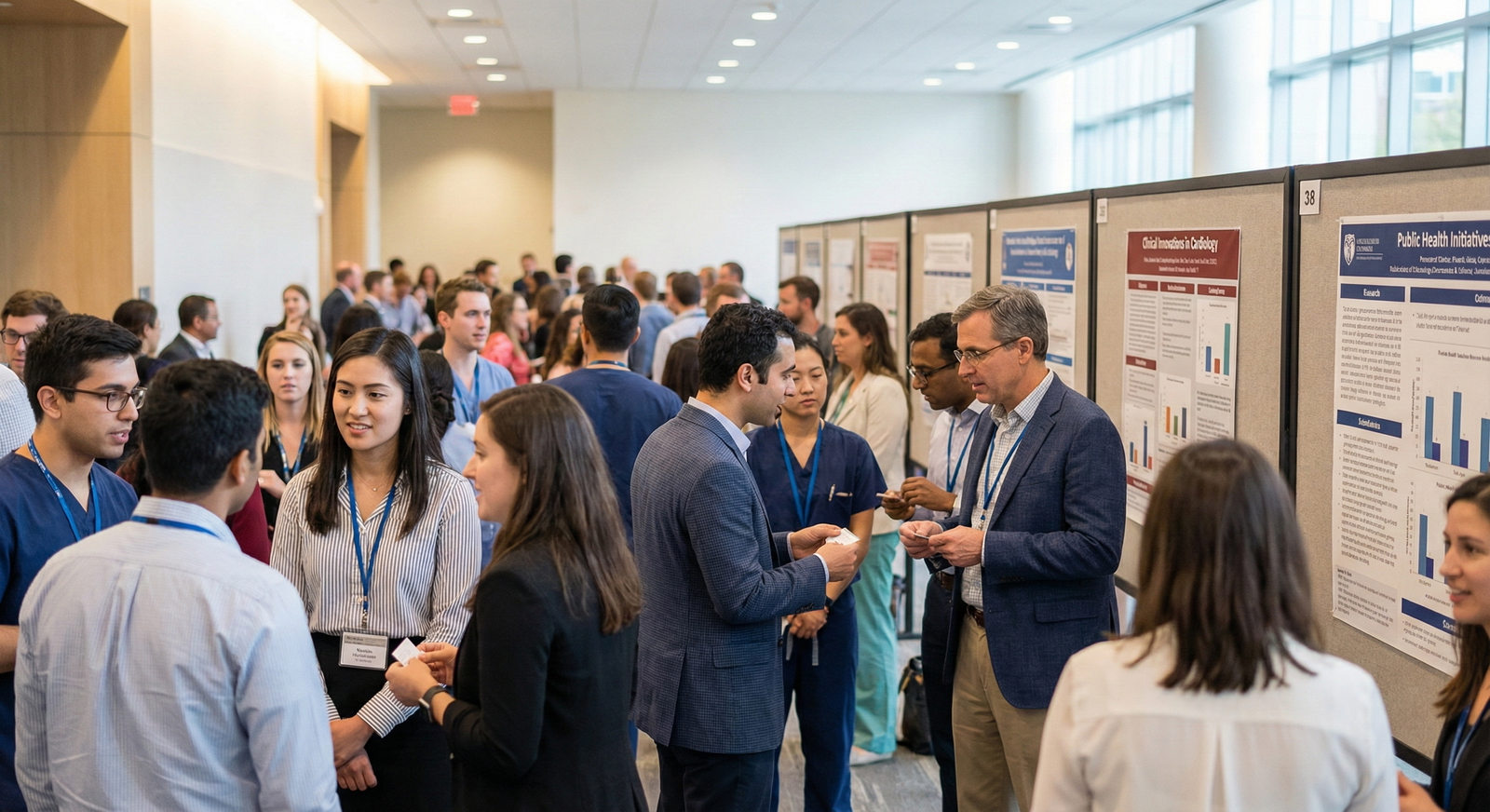
- Poster sessions
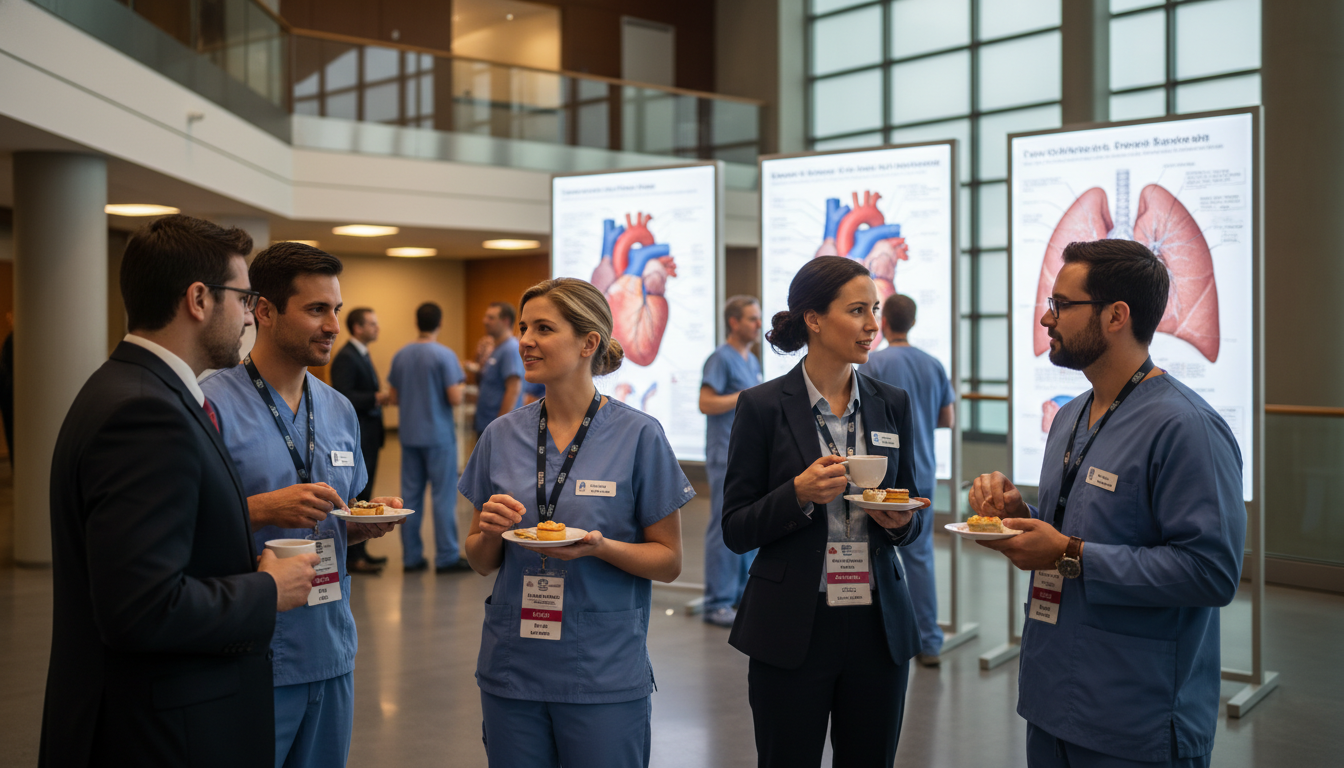
- Coffee breaks
- Immediately after talks
When you meet someone:
- Use your 30‑second pitch.
- Ask 1–2 specific questions:
- “What qualities make applicants stand out in your program?”
- “How do you view US citizen IMGs in your applicant pool?”
- Respect time: if they’re clearly busy, keep it short and ask for a business card or email.
Post‑Conference Follow-Up
Within 72 hours:
- Email contacts individually:
- Reference where you met
- Highlight something specific from your conversation
- Attach your 1‑page CV if not already shared
- If appropriate, ask a single action‑able question (e.g., “Would your department consider external students for an anesthesia elective?”)
Maintaining these relationships turns one‑time conference networking into ongoing mentorship in medicine.

Clinical Rotations, USCE, and Everyday Networking in the OR
Once you secure US clinical experience (USCE), every day in the operating room becomes a networking opportunity. This is where your reputation is built.
How to Stand Out on Anesthesiology Rotations
Be Early, Be Prepared
- Arrive before your resident/attending.
- Pre‑read about common cases of the day.
- Know basic drug doses, induction sequences, and airway plans.
Make the Resident Look Good
- Politely ask how you can help them.
- Offer to set up rooms, prepare drugs under supervision, pull labs.
- Anticipate needs: consent forms, transport, positioning.
Residents who like working with you are more likely to advocate for interviews later.
Demonstrate Curiosity Without Being Annoying
- Cluster questions at natural break points (post‑intubation, end of case).
- Ask higher‑order “why” questions, not only “what is this?” questions.
- Example: “Why did we choose this particular induction agent given this patient’s comorbidities?”
Show Commitment to Anesthesiology
- Mention prior anesthesia‑related experiences (shadowing, research).
- Ask about career paths within anesthesiology (ICU, regional, pain).
Being perceived as “genuinely invested in anesthesiology” is critical; PDs worry about applicants seeing anesthesia as a fallback. Your behavior and conversations should leave no doubt.
Turning Rotation Faculty into Advocates
Your objective is to leave each anesthesiology rotation with:
- At least one faculty who knows you well enough to write a strong letter.
- At least one resident willing to informally recommend you to the PD or program.
How to do this:
Identify Potential Champions
- Attendings who appreciate your curiosity and work ethic.
- Residents who involve you actively and give you feedback.
Ask for Feedback Mid‑Rotation
- “I’m very interested in applying to anesthesiology. Could you give me honest feedback on what I’m doing well and what I should improve during this rotation?”
Request Letters Thoughtfully
- Ask near the end: “Based on what you’ve seen of my work, would you feel comfortable writing a strong letter of recommendation in support of my anesthesiology residency application?”
Stay in Touch After the Rotation
- Send a thank‑you email summarizing what you learned.
- Update them when you take Step exams, complete research, or secure interviews.
- When ERAS opens, send a polite reminder with your CV and a bullet list of key points they might emphasize.
These continuing communications keep you on their radar during the anesthesia match cycle.
Digital Networking: LinkedIn, Email, and Online Presence
For a US citizen IMG, your online presence can extend your reach beyond geography and time zones, especially when you’re back abroad between US rotations.
Optimizing Your LinkedIn Profile for Anesthesiology
- Professional headshot in plain background
- Headline: “US citizen IMG | [Medical School] | Aspiring Anesthesiologist – 202X Match Applicant”
- About section:
- 3–4 sentences on your story:
- Being an American studying abroad
- Interest areas within anesthesiology (airway, ICU, regional, etc.)
- Any research or leadership experience
- 3–4 sentences on your story:
- Experience:
- Clinical rotations (especially US anesthesia and ICU)
- Research projects
- Teaching or leadership roles
- Skills:
- Clinical skills (appropriately modest)
- Communication, teamwork, problem‑solving
- Any language skills
Use LinkedIn to:
- Connect with alumni now in anesthesia programs
- Follow anesthesiology departments and professional societies
- Engage with posts from residents, attendings, and programs (comment thoughtfully, not excessively)
Email Updates to Your Mentors
Maintain a small circle of key mentors (3–8 people). Every 3–4 months send a brief progress update:
- New rotations completed
- USMLE Step scores (when available)
- Any new publications, abstracts, or posters
- Your current plan for away rotations or the anesthesia match timeline
Example structure:
- 1–2 sentence greeting and reminder of who you are
- 3–5 bullet points about updates
- 1–2 sentence thank‑you and/or targeted question
Mentorship in medicine works best when you make it easy for mentors to stay informed and help you strategically.
Putting It All Together: A Timeline for US Citizen IMG Networking in Anesthesiology
Every student’s path is unique, but here’s a sample framework tailored to an American studying abroad.
Pre‑Clinical / Early Clinical (Year 2–3 Abroad)
- Join ASA medical student section and your state anesthesia society if possible.
- Identify and connect with alumni in anesthesiology.
- Start basic anesthesia‑related research or case reports with any willing mentor.
- Attend at least one virtual anesthesiology webinar per month.
- Begin building LinkedIn and email presence.
Clinical Years / Core Rotations
- Excel in medicine, surgery, and ICU—these rotations give foundational letters.
- Seek any local anesthesia shadowing even if outside the US.
- Submit abstracts to ASA or related conferences; aim for at least 1 accepted presentation.
- Map out potential US clinical experiences for anesthesia and ICU.
US Rotations (Ideally 4th Year)
- Prioritize at least one anesthesia elective at a program with a reputable department.
- Treat each day as both an audition and a networking session.
- Identify key faculty and residents and ask for feedback and mentorship.
- Attend local or regional meetings if they coincide with your US stay.
6–12 Months Before ERAS Submission
- Decide on a realistic list of programs considering:
- Level of IMG‑friendliness
- Geographic preferences
- Your academic profile
- Intensify contact with mentors to discuss program targeting and application strategy.
- Attend at least one national or regional meeting if financially possible.
- Secure 3–4 strong letters of recommendation, at least 2 from anesthesiologists in the US.
During the Anesthesia Match Season
- Keep mentors updated about interview invitations and ask for targeted advocacy where appropriate.
- At interviews, continue networking with:
- Residents (esp. chiefs and senior residents)
- APDs and PDs
- Send thoughtful, personalized thank‑you emails to interviewers.
Networking doesn’t end after you submit ERAS; it continues through the interview season and into residency life and challenges.
Frequently Asked Questions (FAQ)
1. As a US citizen IMG, how many anesthesiology conferences should I attend to make networking worthwhile?
Quality matters far more than quantity. For most American students studying abroad, one major conference (like ASA) plus possibly one regional/state meeting is enough—if you:
- Present at least one poster or abstract
- Prepare in advance (research programs, pre‑email contacts)
- Actively engage during the meeting
- Follow up with new contacts afterward
If your budget is extremely limited, choose the single highest‑yield meeting based on where most of your target programs or mentors will be.
2. Can strong networking overcome a lower Step score for anesthesiology?
Networking cannot erase serious academic concerns, but it can:
- Get your application looked at more seriously despite borderline numbers
- Provide context for any red flags through trusted mentors
- Help you target programs that are more IMG‑friendly and holistic
Program directors are more willing to “take a chance” on an applicant if a trusted colleague enthusiastically advocates for them and can attest to their clinical ability, professionalism, and fit for anesthesiology. Still, you must combine networking in medicine with your best possible exam performance.
3. How is networking different for a US citizen IMG versus a non‑US IMG?
As a US citizen IMG, you:
- Don’t face visa or sponsorship concerns, which makes some programs more open to interviewing you.
- Often have easier cultural and logistical alignment with US healthcare systems.
- May have pre‑existing US educational or work experiences that you can use for networking.
However, your medical school name may still be less recognized. You must lean more heavily on personal relationships, strong letters, and visible commitment to anesthesiology through research, conferences, and clinical performance—similar to non‑US IMGs, but with fewer visa-related barriers.
4. What’s the single most important networking step I should take in the year before I apply?
If you have to choose one, prioritize a high‑quality US anesthesiology elective at a program that frequently interviews or matches IMGs, and then:
- Perform exceptionally well on that rotation
- Ask for specific feedback throughout
- Secure a strong letter
- Build an ongoing relationship with one attending and one resident who can advocate for you
This combines clinical excellence, visibility, and relationships—all of which strongly influence anesthesiology residency decisions.
Networking in medicine is not about being extroverted or “sales‑y.” For the US citizen IMG aiming for anesthesiology, it’s about consistent, authentic relationship‑building—showing up prepared, contributing value, and letting your dedication to patients and to the specialty speak for itself through people who know you well.