Why Networking Matters Even More for US Citizen IMGs in Radiology
For a US citizen IMG, matching into a competitive field like diagnostic radiology is absolutely possible—but the path is steeper and more opaque than it is for many US MD seniors. Your clinical rotations may be spread across countries, your school may not be well-known to program directors, and you might not have easy access to US-based mentors.
That’s where networking in medicine becomes one of your most powerful tools.
Networking is not about being fake or “political.” In medicine, it’s about:
- Making sure people know who you are and what you bring
- Finding mentors who can guide your strategy and open doors
- Understanding the hidden culture of diagnostic radiology programs
- Getting real-time insight about how programs view US citizen IMGs
- Creating advocates who will vouch for you when your application is reviewed
For an American studying abroad, your CV and scores matter—but your relationships often make the difference between being “just another application” and being a real contender in the diagnostic radiology match.
In this article, we’ll walk through:
- The specific networking challenges and opportunities for US citizen IMGs
- A step-by-step strategy for building a radiology-focused professional network
- How to use conferences, social media, and email effectively
- Ways to turn short interactions into long-term mentorship in medicine
- Scripts and examples you can adapt immediately
Understanding Your Unique Position as a US Citizen IMG in Radiology
Before you plan your networking strategy, you need to understand how you are perceived and what problems networking can solve for you.
Common Challenges for US Citizen IMGs in Diagnostic Radiology
Less name recognition of your medical school
Many diagnostic radiology programs are more comfortable with schools and clinical environments they already know. If your school is newer or international, there may be uncertainty about:- Clinical training quality
- Grading systems
- Exam rigor
Fewer organic networking opportunities
US MD students often:- Rotate at the same hospitals where they’ll apply
- Attend specialty interest groups and departmental events
- Have built-in connections through alumni networks
As an American studying abroad, you must deliberately create these touchpoints.
Program policies toward IMGs are variable and opaque
Diagnostic radiology programs differ widely in:- Their willingness to consider IMGs
- Requirements for US clinical experience (USCE)
- Visa sponsorship (less of an issue for you as a US citizen, but their general IMG philosophy still matters)
Limited access to in-person mentorship
If your school doesn’t have a strong radiology presence or US-trained radiologists, you might:- Lack guidance on how competitive you really are
- Not know which conferences, electives, or research projects matter most
- Miss subtle norms and expectations in the specialty
How Strategic Networking Changes the Equation
Effective medical networking helps you:
Build trust and familiarity
When faculty, fellows, or residents know you personally, they can contextualize your background and school.Get honest feedback and targeted advice
Instead of generic online advice, you get specific input:- “With your scores and background, these 3 tiers of programs make sense.”
- “This region is more IMG-friendly for diagnostic radiology.”
- “Here’s how to frame your IMG story during interviews.”
Access hidden opportunities
Networking often leads to:- Short research projects you can complete remotely
- Observerships or informal shadowing
- Personal introductions to program coordinators or PDs
- Strong, detailed letters of recommendation
Create advocates
In radiology, many applications look similar on paper. A short email from a trusted faculty member saying,
“This US citizen IMG is outstanding—please take a close look at their application,”
can move you from the “maybe” to “interview” pile.
Building Your Radiology Network from Scratch: Step-by-Step
You don’t need a big personality to be successful at networking in medicine. You need a system. Here’s a deliberate approach tailored for US citizen IMGs interested in diagnostic radiology.

Step 1: Clarify Your Radiology Story and Goals
Before reaching out to anyone, be clear on:
- Why diagnostic radiology?
- What specific aspects interest you? (e.g., emergency radiology, MSK, neuroradiology, breast imaging)
- Your broad timeline and stage:
- Preclinical
- Clinical years abroad
- Final year / applying soon
- Gap year / research year
Write a brief 3–4 sentence “professional snapshot” you can adapt for cold emails, conference introductions, or LinkedIn messages. For example:
“I’m a US citizen IMG in my clinical years at [School] in [Country], strongly interested in diagnostic radiology, particularly emergency imaging. I’ve completed USMLE Step 1 and Step 2 CK, and I’m actively seeking opportunities to get involved in radiology research and US clinical exposure. I’d be grateful for any advice on aligning my experiences with radiology residency expectations.”
Having this prepared makes every interaction smoother.
Step 2: Build Your Digital Professional Presence
For US citizen IMGs, your online footprint often serves as your first impression.
Create or refine a professional LinkedIn profile:
- Clear, professional photo
- Headline:
“US Citizen IMG | Aspiring Diagnostic Radiology Resident | [School, Country]” - Summary including:
- US citizen IMG status
- Radiology interest areas
- Research or leadership highlights
- Add relevant connections:
- Alumni of your school in US residencies
- Radiology residents and faculty at programs you’re targeting
- Speakers or attendees from radiology webinars/conferences you join
X (Twitter) and Radiology-specific Communities
In diagnostic radiology, Twitter/X has become a major networking hub:
- Follow:
- @Radiology societies (RSNA, ACR, ARRS)
- Program accounts
- Residents and fellows who post cases and advice
- Radiology education accounts
- Engage respectfully:
- Ask thoughtful questions on case posts
- Thank speakers after webinars and tag them
- Share your own learning journey (e.g., “Reviewing chest imaging today using [resource]—appreciating how subtle early consolidation can be…”)
This is low-pressure, high-visibility networking, especially valuable if you’re overseas.
Step 3: Map Out Your Networking Targets
Be strategic, not random. Create a simple spreadsheet with columns like:
- Institution / Program
- Person (role: PD, APD, resident, fellow)
- How you found them (conference, social media, alumni, paper)
- Status of contact (not contacted / emailed / call completed / ongoing)
- Follow-up date
Prioritize:
US radiology programs with a history of matching IMGs
Look at:- Program websites and current residents
- NRMP “Charting Outcomes” and match lists from your school
- Online forums (with caution) for anecdotal patterns
Programs in regions where you have ties
Geographic connection helps:- Grew up nearby
- Family is there
- Undergrad there
- Prior work experience in that city or state
Programs where you have even a weak connection
Examples:- An attending from your home country trained there
- A resident who came from your medical school or similar IMG pathway
- A radiologist you met at a conference who mentioned that program
You’re not just networking “in radiology”—you’re targeting the ecosystem that is most likely to consider a US citizen IMG.
Step 4: Learn the Basics of Effective Cold Outreach
Well-crafted cold emails are a cornerstone of medical networking for IMGs.
Principles of a Good Email
- Short and respectful
- Specific about why you’re contacting this person
- Easy for them to say “yes” to something small (e.g., 15-minute call)
- No assumption they can offer research or a rotation immediately
Sample email for an attending radiologist:
Subject: US Citizen IMG Interested in Diagnostic Radiology – Seeking Brief Advice
Dear Dr. [Last Name],
My name is [Name], and I am a US citizen IMG in my [X] year at [School] in [Country]. I’m strongly interested in diagnostic radiology and particularly drawn to [specific area or aspect of their work or institution].
I came across your profile through [their paper / conference talk / program website] and was impressed by [one sentence about their work or role].
I’m currently planning my path toward the diagnostic radiology match and would be very grateful for any brief advice you might have about how a US citizen IMG can best prepare to be a competitive applicant, especially in terms of [USCE / research / electives].
If you are open to it, I’d appreciate the opportunity to speak with you for 10–15 minutes at your convenience by Zoom or phone. I understand you have a busy schedule and would be thankful for any guidance you can offer.
Best regards,
[Full Name]
[Medical School, Country]
[USMLE status if relevant]
[Email] | [LinkedIn or X handle, optional]
Aim for 1–2 such emails per week consistently, not 10 in one burst. Track politely and follow up once after ~10–14 days if no response.
Step 5: Turn Short Conversations into Ongoing Relationships
When an attending or resident agrees to talk:
Prepare 3–5 specific questions, such as:
- “What do you think are realistic target programs for a US citizen IMG with my profile?”
- “What kind of radiology research is most feasible from overseas?”
- “How do you recommend I use electives or observerships to strengthen my application?”
- “Are there particular conferences or societies you think are must-attend for someone in my position?”
End the call with a small next step
For example:- “If I prepare a brief CV, would you be willing to glance at it and suggest improvements?”
- “Could I follow up with you after I take Step 2 to update you on my plans?”
- “Are there any residents or fellows you recommend I speak with to learn more about your program?”
Send a follow-up thank you email the same day or next.
Over time, some of these contacts will naturally evolve into mentorship in medicine—people who:
- Offer to review your personal statement
- Suggest programs where you’d be a good fit
- Put in a kind word on your behalf
Using Conferences and Events for High-Impact Networking
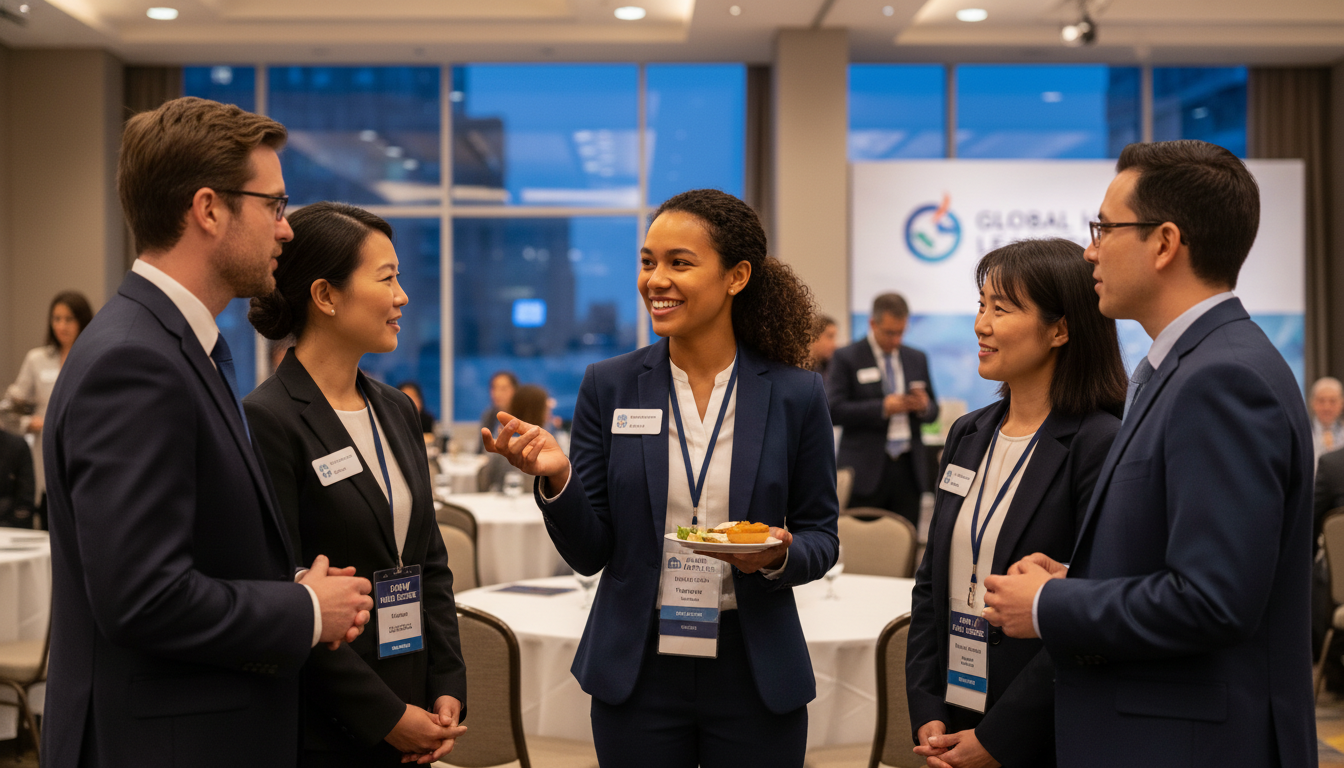
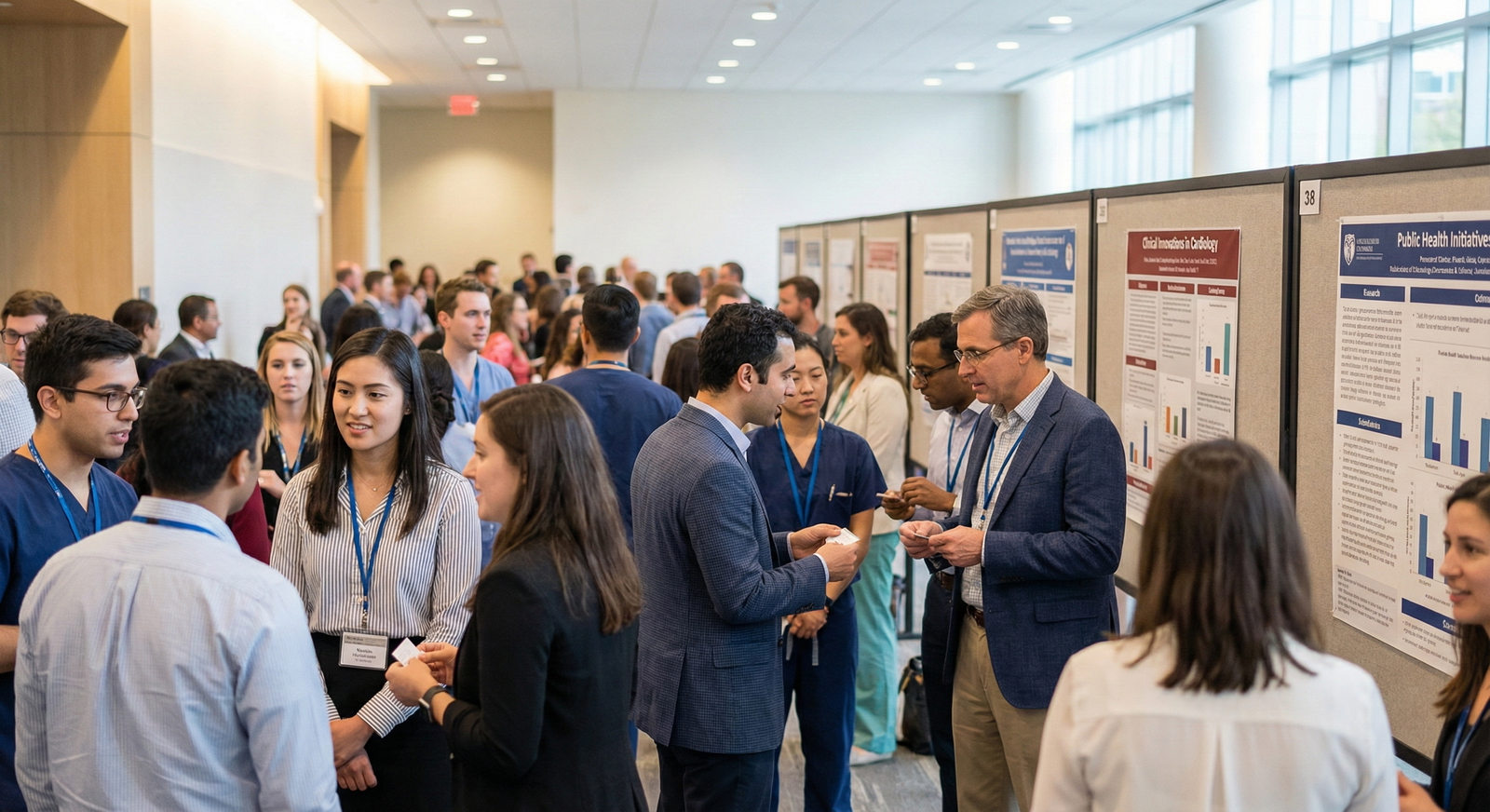
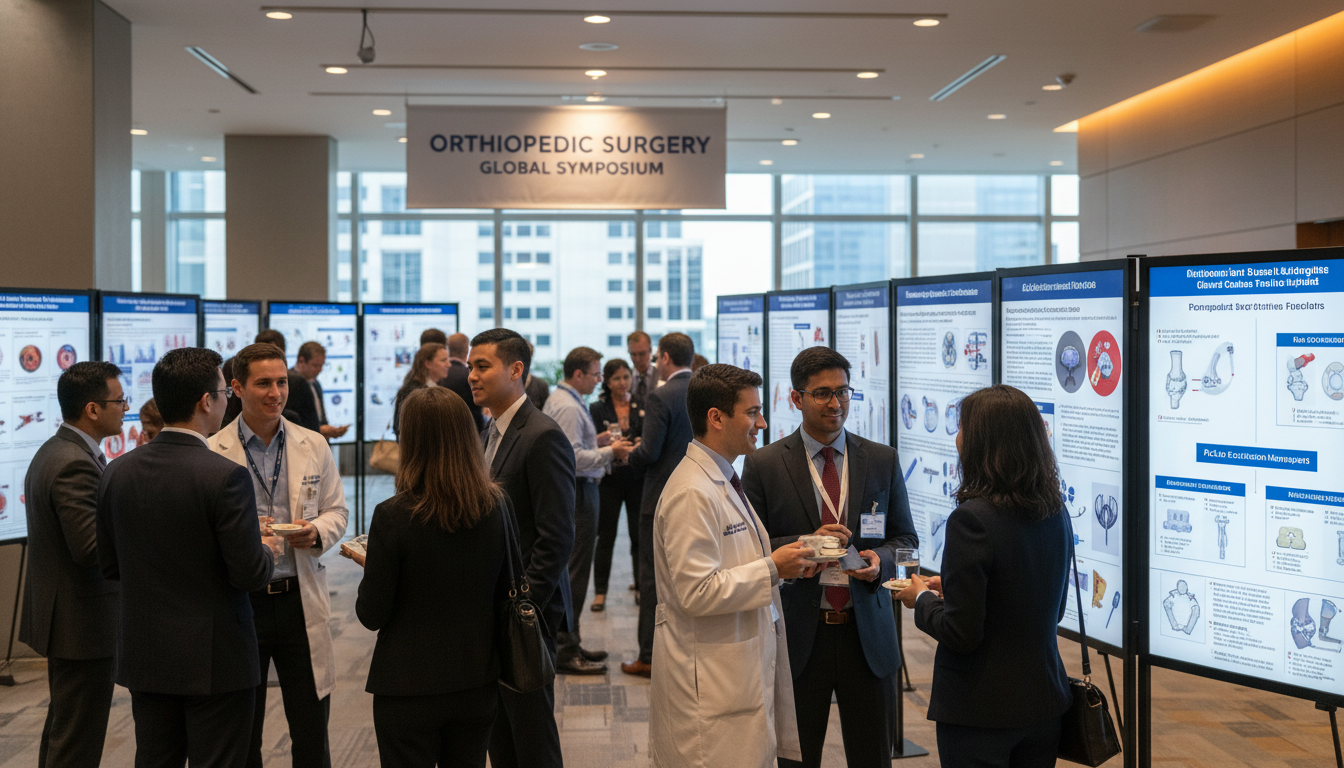
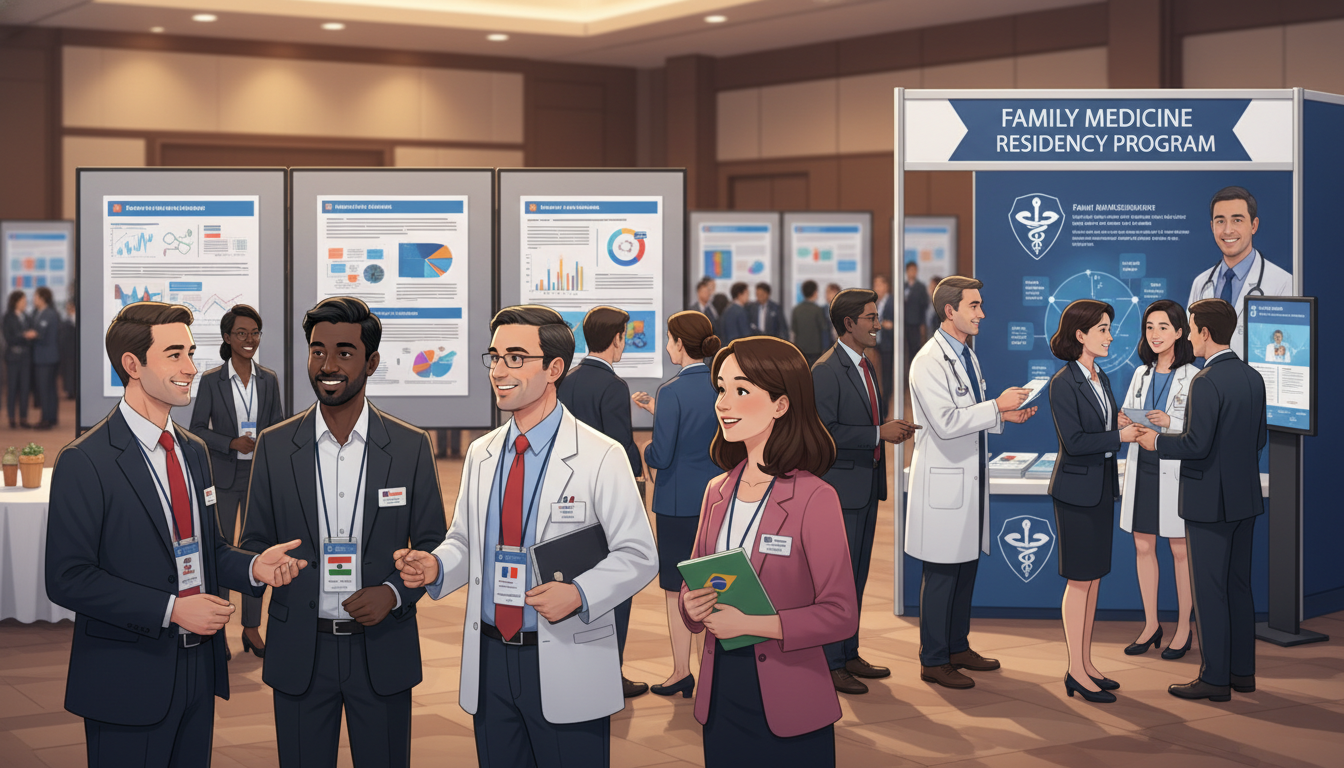
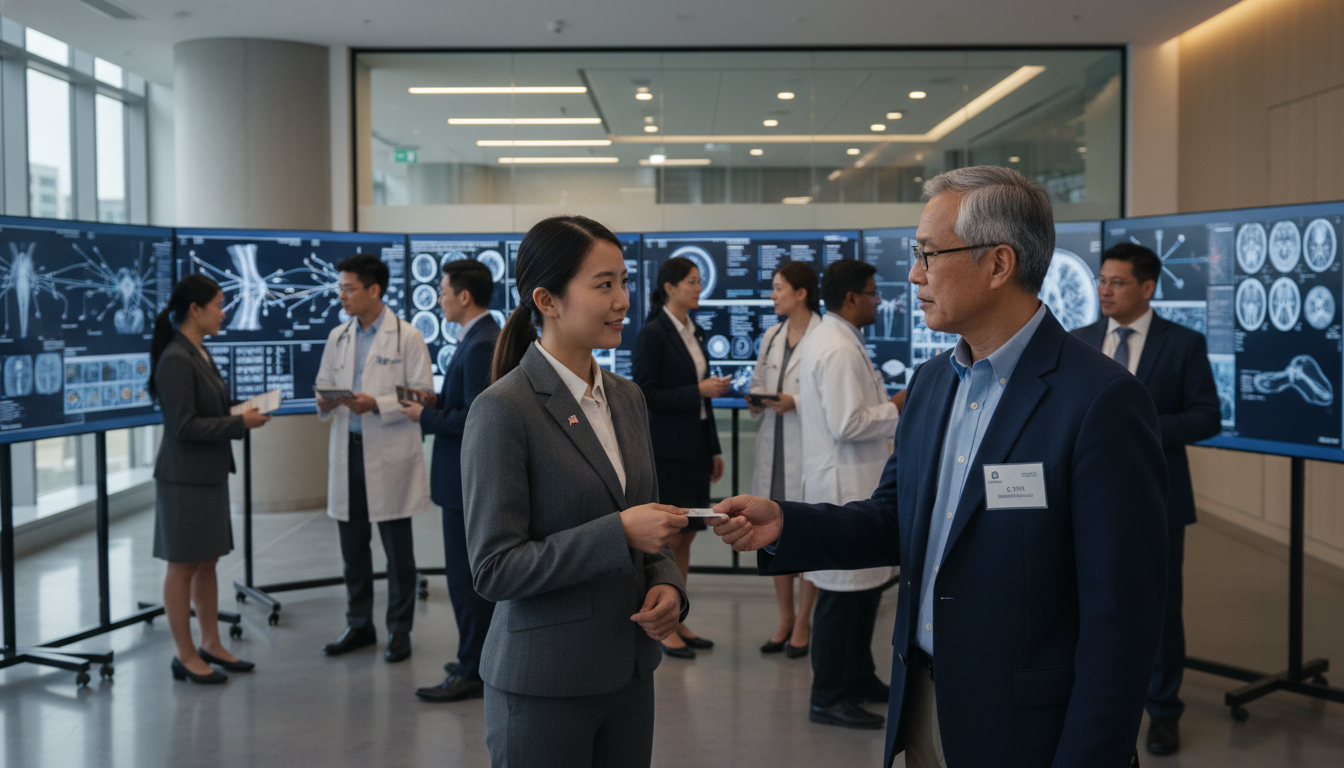
Conference networking is one of the fastest ways to grow your radiology network, especially if you’re an American studying abroad and have limited in-person access to US departments.

Choosing the Right Conferences as a US Citizen IMG
Prioritize:
- Major radiology meetings (especially if you can present):
- RSNA (Radiological Society of North America)
- ARRS (American Roentgen Ray Society)
- ACR (American College of Radiology) Annual Meeting
- Subspecialty or regional meetings:
- Society of Thoracic Radiology, Society of Skeletal Radiology, etc.
- State radiology society meetings (often more intimate, easier to meet PDs/residents)
- Virtual webinars and online symposia from:
- Academic radiology departments
- Radiology education platforms
- Student/trainee radiology interest groups
As a US citizen IMG, you may not always afford frequent travel. One major US-based conference plus several virtual events per year can be a powerful combination.
How to Network at In-Person Radiology Conferences
Think of conferences as concentrated networking environments. A few focused hours can create connections that might take months to build online.
Before the Meeting
- Review the program:
- Circle sessions led by PDs or APDs from IMG-friendly or target programs.
- Identify “Meet the Professor,” trainee networking, or mentorship events.
- Reach out in advance:
- Email 2–3 people you want to meet:
“I’ll be attending [Conference] and noticed you’ll be speaking on [topic]. As a US citizen IMG interested in diagnostic radiology, I’d appreciate 5–10 minutes of your time during the meeting if your schedule allows.”
- Email 2–3 people you want to meet:
During the Meeting
Aim for quality over quantity:
- 3–5 meaningful conversations > 30 rushed card exchanges.
Use simple, confident intros:
“Hi, I’m [Name]. I’m a US citizen IMG studying at [School] and very interested in diagnostic radiology. I really enjoyed your talk on [topic]. Would you mind if I ask you a quick question about [X]?”
Ask targeted questions:
- “What advice do you have for US citizen IMGs who want to match into programs like yours?”
- “Are there opportunities for remote or short-term research with your group?”
- “Do you find your program tends to consider IMG applicants? What helps them stand out?”
Capture notes immediately after each conversation:
- Where they work
- What you talked about
- Anything specific they offered (e.g., “email me in July about research project”)
After the Meeting
- Within 48 hours, send a short, specific thank you email:
“Dear Dr. [Name],
It was a pleasure meeting you at [Conference] after your session on [topic]. Thank you for taking the time to discuss pathways for US citizen IMGs in diagnostic radiology. I especially appreciated your suggestion to [advice they gave].
I’ll follow up in [time frame] about [any specific next step mentioned].
Best, [Name]”
This is conference networking with intention, not just socializing.
Creating and Sustaining Mentorship in Medicine as a US Citizen IMG
Mentorship is not a one-time conversation; it’s an evolving relationship. For an American studying abroad, cultivating radiology-focused mentors in the US is critical.
Types of Mentors You Should Aim For
Content Mentor (Radiology Skills & Knowledge)
- Helps you understand imaging, cases, and reading rooms.
- May supervise you in electives or observerships.
- Gives perspective on what a radiologist’s day looks like.
Career Strategy Mentor
- Understands the residency landscape.
- Helps you decide where and when to apply.
- Reviews your CV, ERAS entries, and personal statement.
- Ideally, familiar with IMGs or international training pathways.
Sponsor / Advocate
- A more senior person (often an attending or PD).
- May say your name in selection meetings or email colleagues.
- Often emerges from earlier mentorship once they trust you.
You may never explicitly label them, but keeping these roles in mind helps you recognize when a relationship is evolving.
How to Be a “Good Mentee”
People are more willing to mentor you if:
- You are reliable (show up on time, meet deadlines)
- You are prepared (read about their work before meeting)
- You are selective in your asks (small, reasonable requests most of the time)
- You update them on your progress periodically
For example, three months after a call where they advised you, you might send:
“I wanted to thank you again for our conversation in March. I followed your suggestion to [do X]. Since then, I [completed Step 2 / started a small radiology research project / secured a US elective]. Your advice has been extremely helpful. I’ll be applying to diagnostic radiology in the upcoming cycle and would value any additional thoughts you may have as I finalize my program list.”
Over time, this creates trust and investment. When they see you act on advice, they become more willing to go to bat for you.
Common Networking Pitfalls for US Citizen IMGs—and How to Avoid Them
Even well-intentioned networking can go wrong. Being aware of typical mistakes can save you time and friction.
Pitfall 1: Treating Networking as Transactional
Signs:
- Asking for a letter of recommendation in your first email
- Leading with “Can you get me an interview?” instead of “I’d value your insight”
- Only contacting someone when you need something
Fix:
- Focus on learning and building genuine connections.
- Let offers of help or advocacy arise organically out of repeated interactions.
Pitfall 2: Over-emailing or Following Up Too Aggressively
Faculty, PDs, and residents are busy. Sending repeated emails every 3–4 days can hurt your image.
Fix:
- Follow up once after 10–14 days.
- If no response, move on; don’t take it personally.
- Spread your outreach across multiple people and institutions.
Pitfall 3: Over-sharing or Being Negative
Complaining about:
- Your medical school
- Prior supervisors
- “Unfair” aspects of the match
…can make people hesitant to attach their name to yours.
Fix:
- Maintain a professional, forward-looking tone.
- Acknowledge challenges, but frame them around resilience and growth.
Pitfall 4: Neglecting Your Existing Network
You may already have:
- Alumni from your undergrad in medicine
- Friends or relatives working in US healthcare
- Local radiologists in your home country with US connections
Fix:
- Systematically ask: “Who do I already know—or who do they know—connected to diagnostic radiology in the US?”
- A warm introduction from someone you already know is often more effective than a pure cold email.
FAQs: Networking in Medicine for US Citizen IMGs in Diagnostic Radiology
1. How early should I start networking as a US citizen IMG interested in radiology?
Earlier is better. In preclinical years, focus on:
- Learning about the field
- Attending online radiology talks
- Connecting lightly on LinkedIn/X
By clinical years, start: - Reaching out to residents and attendings
- Looking for small research projects
At least 12–18 months before you apply, you should have: - A few faculty who know you
- Some US-based contacts in diagnostic radiology
- A sense of which programs may be realistic for you
2. I feel awkward “selling myself.” How do I network without feeling fake?
Think of networking as:
- Giving people the information they need to help you
- Asking for advice, not favors
- Showing genuine curiosity about their path and work
Keep interactions simple, honest, and direct. Authentic curiosity about diagnostic radiology is one of your greatest assets.
3. Is conference networking worth the cost for an American studying abroad?
If finances allow even one major US radiology conference during medical school or a research year, it can be extremely valuable, especially when combined with:
- Presenting a poster (even a small project)
- Pre-arranged short meetings with 3–5 people
- Attending trainee or mentorship events
If travel is difficult, use virtual conferences and webinars aggressively and treat chat features and Q&A as networking opportunities.
4. How can I tell if a program is open to IMGs and worth my networking effort?
Look for:
- Current or recent IMGs in the program’s resident list
- Public data or anecdotal evidence that IMGs have matched there
- Conversations with residents: ask, “Does your program consider US citizen IMGs?”
If a program has zero history of IMGs and the PD/residents gently signal that it’s very unlikely, don’t over-invest networking time there. Focus on programs where your US citizen IMG status can be an asset rather than a barrier.
Networking in medicine, especially in a competitive field like diagnostic radiology, is not about being lucky or extroverted. It’s about being intentional, respectful, and persistent. As a US citizen IMG, you bring valuable perspectives and resilience to the specialty. Thoughtful medical networking—through conferences, digital platforms, and mentorship in medicine—helps ensure that the right people see that clearly, long before your ERAS application hits their inbox.