Networking in medicine is not a vague “nice-to-have” for US citizen IMGs interested in general surgery—it is a core strategy that can directly influence interview offers, letters of recommendation, and ultimately your chances in the surgery residency match. For an American studying abroad, especially in a competitive field like general surgery, your network often becomes the bridge between “on paper” credentials and real opportunities.
Below is a detailed, practical guide focused specifically on US citizen IMGs pursuing general surgery—how to think about networking, where to start, and what concrete actions to take at each stage of your journey.
Understanding the Networking Landscape as a US Citizen IMG
Networking in medicine can feel intimidating, particularly when you’re training outside the US. To make it manageable, it helps to understand what networking really means in the context of general surgery residency.
What “Networking in Medicine” Really Is
In this context, networking is:
- Building authentic professional relationships
- Creating a reputation for reliability, curiosity, and work ethic
- Learning about opportunities early (research, externships, observerships, away rotations, jobs)
- Finding mentors and sponsors who advocate for you
It is not about:
- Name-dropping without substance
- Sending mass generic emails
- Collecting business cards without follow-up
For a US citizen IMG, networking helps overcome the “distance” between your international school and US academic surgery programs. You need people who:
- Know you personally
- Understand your context as an American studying abroad
- Can credibly say, “This person will fit well into our surgical residency environment.”
Why Networking Matters More in General Surgery
General surgery is relationship-driven:
- Program directors and faculty value trusted recommendations: When they are unsure about an applicant’s training environment, they lean heavily on personal referrals.
- Team-based specialty: Surgeons spend years working closely together; they want colleagues who fit the culture and work hard.
- Research and academic advancement in surgery often happen within tight-knit teams and labs.
For a US citizen IMG, strong networking can:
- Get your application a second look even if your school isn’t well known.
- Help you secure US-based clinical experience in surgery, which is crucial.
- Turn a brief rotation into concrete advocacy during rank meetings.
Unique Advantages of Being a US Citizen IMG
You also have specific strengths:
- No visa sponsorship needed – a significant plus for programs wary of immigration complexity.
- Cultural familiarity – you likely understand US communication styles, hierarchy, and professionalism.
- Geographic/family ties – you can genuinely explain why you want to return to specific regions.
Use networking to ensure programs actually notice these advantages rather than only seeing you as a generic “IMG.”
Core Networking Principles for American Students Studying Abroad
Before diving into conferences or emailing surgeons, you need a solid strategy grounded in a few core principles.
Principle 1: Give Before You Ask
Networking works best when you approach people with the mindset:
“How can I make this person’s work easier, more efficient, or more successful?”
For example:
- Offer to help with data collection on a research project.
- Volunteer to update a quality improvement (QI) database in a surgical department.
- Help a resident edit a manuscript or prepare a conference poster.
Showing value early makes later asks (e.g., LORs, introductions, away rotation support) feel earned, not transactional.
Principle 2: Consistency Beats Intensity
Networking is not a one-time push. For a US citizen IMG in general surgery:
- Start at least 18–24 months before you plan to apply.
- Stay in light, consistent contact with mentors, residents, and faculty.
- Share periodic updates: new publications, Step scores, rotation experiences.
Short, focused updates every 3–4 months keep you on people’s radar without becoming annoying.
Principle 3: Be Specific in Your Identity and Goals
When people understand you clearly, they’re more likely to remember and help you. Your “identity statement” might sound like:
“I’m a US citizen IMG at [School] interested in general surgery, especially acute care and trauma, planning to apply in [Year]. I’m looking for ways to get involved in surgical research and US-based clinical exposure.”
Use versions of this statement in emails, at conferences, and when meeting new faculty.
Principle 4: Document and Track Your Network
Treat networking like a project:
Create a simple spreadsheet with:
- Name, role (e.g., PGY-3 general surgery resident, trauma surgeon, PD)
- Institution
- How you met (conference, email intro, rotation)
- Last contact date
- Topics discussed / projects
- Next planned follow-up
This helps transform “random encounters” into intentional relationships.

Building Your Network from Abroad: Foundations Before US Rotations
Even before you set foot in the US for clinical rotations, you can start strategic networking tailored to general surgery.
Leverage Your Home Institution’s Network
Even if your school is outside the US:
- Identify alumni who matched into general surgery residency in the US.
- Ask the dean’s office, alumni office, or student affairs if they have:
- Match lists
- Alumni contact directories
- Visiting faculty from US institutions
When you find an alumnus:
- Send a short, respectful email:
- Who you are (US citizen IMG, school, year)
- Your interest in general surgery
- One specific question (e.g., how they got research, which rotations were most valuable)
- Request a 15–20 minute video call, not an hour-long meeting.
- End with:
“If there’s any lab or faculty you think I might reach out to for research or shadowing, I would really appreciate your advice.”
Sometimes alumni directly introduce you to research mentors in the US—a powerful connection pathway.
Early Involvement in Surgical Research
Research is more than a CV item; it’s a strong medical networking tool.
Ways to start from abroad:
- Email general surgery faculty who are:
- Affiliated with your school as adjunct faculty
- Alumni of your school
- Connected through friend-of-a-friend introductions
Target surgeons with a clear research footprint:
- Published in general surgery, trauma, surgical oncology, colorectal, vascular, etc.
- Affiliated with academic institutions with residency programs.
In your email:
- Brief intro: US citizen IMG, school, year, interest in general surgery.
- Highlight a relevant skill: data entry, statistics, literature review, systematic review experience.
- State availability: number of hours/week, time zone.
- Ask for remote projects: chart reviews, retrospective studies, database projects, case reports.
Once on a project:
- Communicate regularly and professionally.
- Ask to present remotely at lab meetings.
- If reasonable, ask mentors whether their departments offer future visiting student rotations—this bridges research into clinical exposure.
Social Media and Professional Online Presence
For American students studying abroad, online platforms can be a significant equalizer.
Optimize Your LinkedIn
- Professional headshot.
- Headline: “US citizen IMG | [Med School] | Aspiring General Surgery Resident | Class of [Year].”
- About section: 3–4 sentences on your story and interests.
- List:
- Research projects
- Conference presentations
- Surgical interest group leadership
Connect with:
- General surgery residents and faculty (especially US citizen IMGs).
- People you meet at conferences or rotations.
- Alumni from your school in US surgery programs.
Consider Professional Use of X (Twitter) / Threads
Many surgeons are active here:
- Follow general surgery departments, journals, and leaders (e.g., ACS, specialty societies).
- Share:
- Accepted abstracts
- Reflections on surgical topics
- Articles you read (with a thoughtful sentence or two).
This builds a visible academic identity and can organically expand your mentorship medicine opportunities.
High-Yield Networking Opportunities: Conferences, Rotations, and Away Electives
Once you’re closer to applying, you’ll transition from remote efforts to in-person networking—especially through conference networking and US rotations.
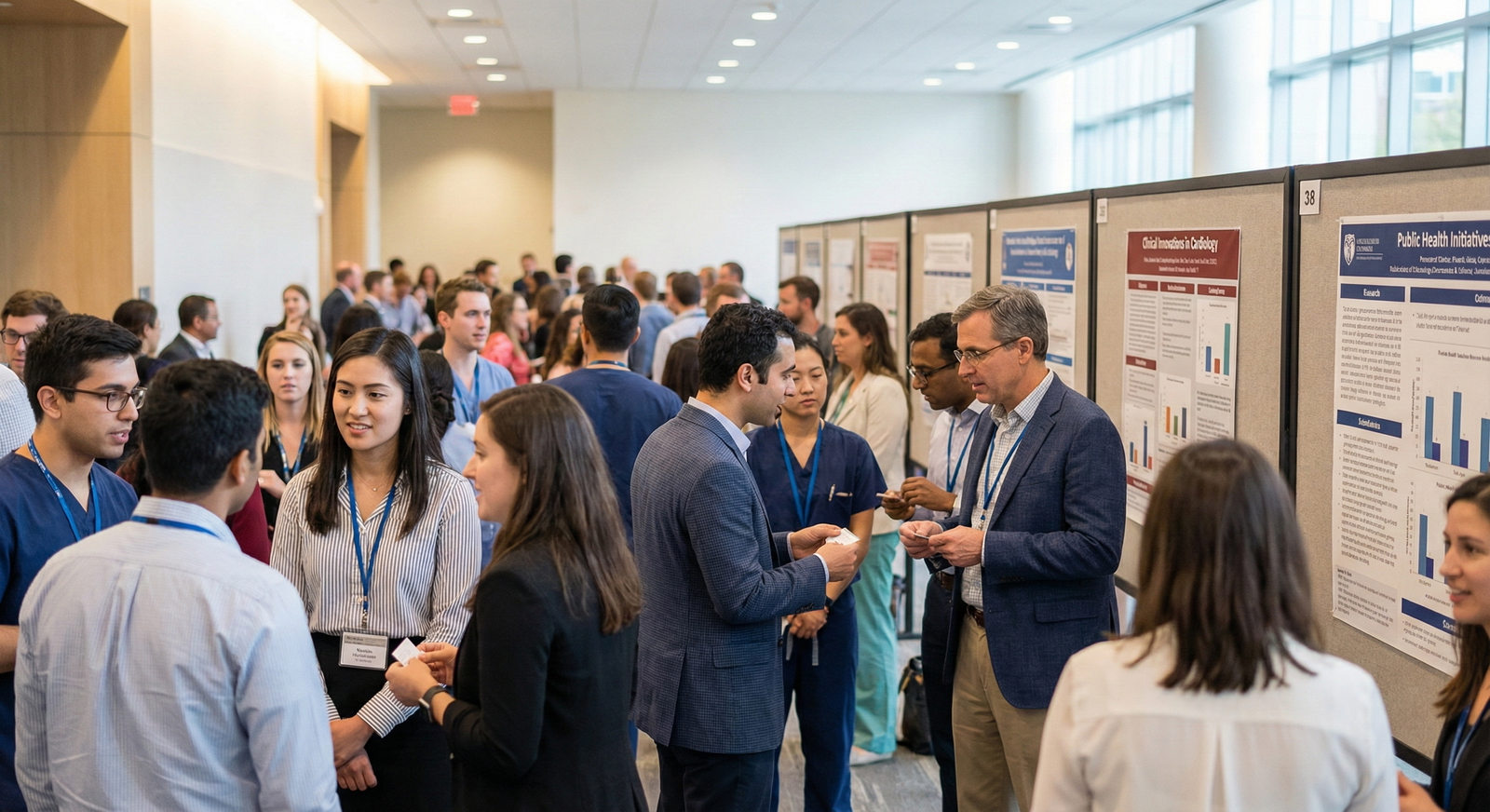
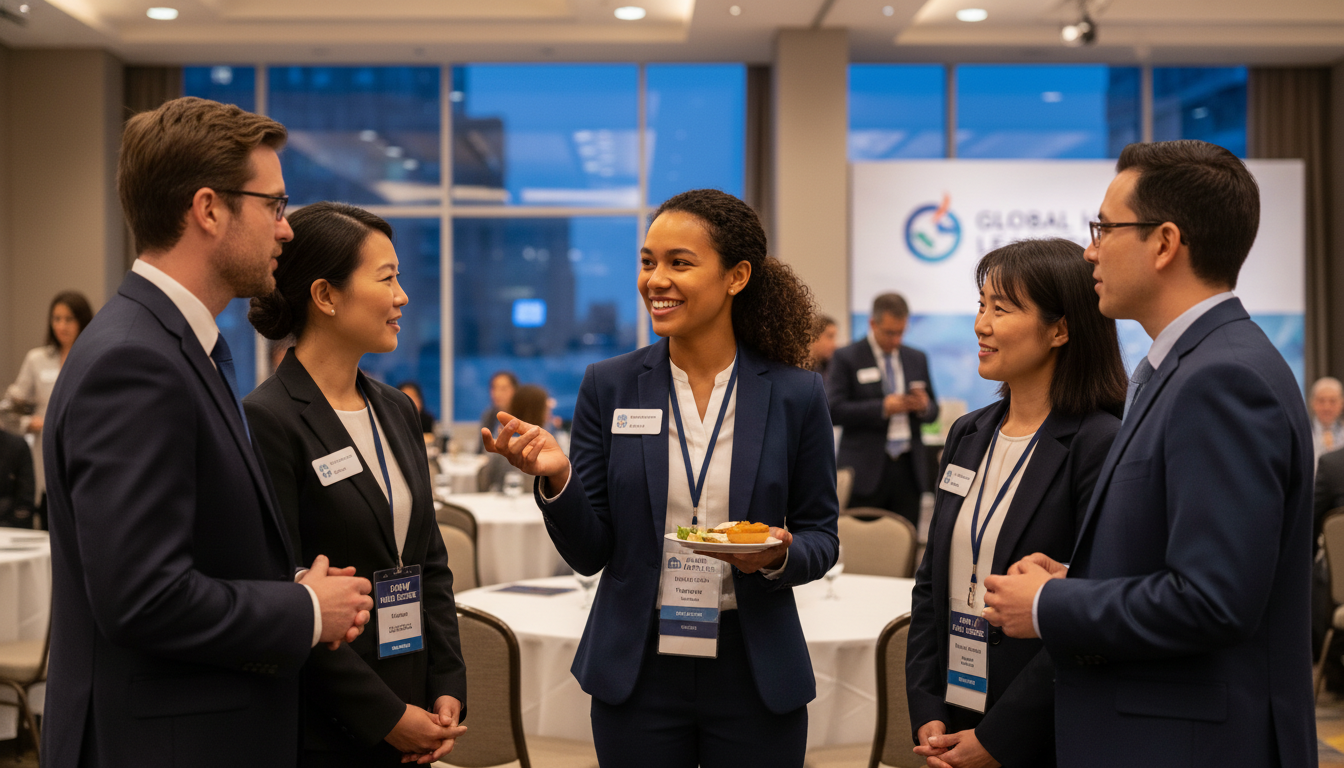
Conference Networking: Turning Events into Relationships
For a US citizen IMG in general surgery, targeted conferences can be powerful:
- American College of Surgeons (ACS) Clinical Congress
- Eastern Association for the Surgery of Trauma (EAST)
- American Society of Colon and Rectal Surgeons (ASCRS)
- Society of American Gastrointestinal and Endoscopic Surgeons (SAGES)
- State and regional surgical societies
Before the Conference
Check attendee lists (if available) for:
- Program directors
- Associate PDs
- General surgery residents from programs of interest
Reach out briefly:
“I’m a US citizen IMG interested in general surgery, attending [Conference]. I admire your work on [topic]. If you have a few minutes for advice about a career in [subspecialty], I’d be grateful to briefly introduce myself at the meeting.”
Print simple business/contact cards:
- Name, “US citizen IMG – [School]”
- LinkedIn URL
During the Conference
- Attend:
- Medical student or trainee sessions
- Poster sessions relevant to your interests
- Approach speakers after talks:
- Introduce yourself with your identity statement.
- Ask one thoughtful question about their work or career path.
- If you have a poster:
- Use it as a magnet: invite passersby to discuss your project.
- Ask surgeons who show interest:
“Are there opportunities for medical students to get involved in projects with your group?”
Always follow up within 48–72 hours:
- Brief email:
- Thank them for their time.
- Mention one point from your conversation.
- Express interest in staying in touch or helping with a project.
This is conference networking with intent and outcomes, not just attendance.
Clinical Rotations and Externships: Networking with the People Who Evaluate You
US-based clinical experience—especially in surgery—is critical for your surgery residency match prospects. These rotations also double as intensive networking opportunities.
Core Networking Actions on Rotations
During each rotation:
Be reliable and visible
- Arrive early, know your patients, anticipate tasks.
- Be the student residents trust for notes, labs, and follow-up.
Identify potential mentors
- A resident who teaches you frequently.
- An attending who gives you meaningful feedback.
- A research-active faculty who seems engaged with teaching.
Ask for advice before asking for letters
- Midway through a rotation:
“I’m a US citizen IMG interested in general surgery residency. Based on how things have gone so far, do you have any advice on how I can strengthen my application?”
- This conversation often leads to guidance, potential research, and later, strong letters.
- Midway through a rotation:
Express genuine interest in the program
- Learn about their case mix, resident culture, and research structure.
- Ask residents:
- Why they chose that program
- What they wish applicants knew about it
Away Rotations as Extended Interviews
For US citizen IMGs, away rotations at target programs can be the single most important networking tool:
- Treat them as month-long interviews.
- Make sure your performance aligns with your desired narrative: hardworking, teachable, resilient, and a good teammate.
Near the end of the rotation:
- Approach a faculty mentor:
“I really enjoyed working with your team and could see myself thriving here. Do you think my application would be competitive at your program, and is there anything I might do to strengthen it further?”
This kind of direct but respectful communication not only improves your application—it ensures people remember you when reviewing it.

Mentorship and Sponsorship: From Connections to Advocates
Networking is not just about knowing people—it’s about developing mentors and ultimately sponsors who actively help you move forward.
Understanding Mentorship vs Sponsorship in Medicine
- Mentor: Advises you, reviews your CV, gives feedback.
- Sponsor: Uses their influence to:
- Recommend you to program directors
- Add you to high-impact research
- Advocate for you during selection discussions
As a US citizen IMG aiming for general surgery, you need both:
- A core mentor who understands your full story.
- Sponsors at US institutions—especially places where you’ve done research or rotations.
How to Build Effective Mentoring Relationships
Start with small asks
- “Could you review my CV for surgery residency?”
- “Would you be willing to meet once or twice to discuss my application strategy?”
Come prepared
- Draft of your CV, personal statement ideas, and a short list of programs.
- Clear questions (e.g., “Should I prioritize trauma-heavy programs?” “Is a prelim year a reasonable pathway?”).
Follow through
- If they advise you to contact a certain person, do it and circle back with outcomes.
- This builds trust and shows you value their time.
Shift to sponsorship naturally
- As they get to know you (through research, rotation, or regular meetings), they will often:
- Offer to write letters
- Introduce you to colleagues
- Mention you when they hear of open opportunities
- As they get to know you (through research, rotation, or regular meetings), they will often:
When asking for a letter of recommendation:
“You’ve seen my work in [context]. I’m applying to general surgery residency and would be honored if you’d feel comfortable writing a strong letter of recommendation on my behalf.”
The word “strong” gives them space to decline if they cannot truly advocate.
Networking Strategically Through the Application and Match Process
Closer to application time, your networking efforts should become increasingly focused on the surgery residency match itself.
Before Applications Open
- Share updated CV and personal statement with key mentors.
- Ask:
- “Would you feel comfortable reaching out to any program directors or faculty you know at programs where I’m applying?”
- Identify realistic range of programs:
- Academic vs community
- Geographic preferences
- Programs with a history of taking IMGs and US citizen IMGs
After Submitting ERAS
Your network can now help in key ways:
- Some mentors may email program directors where you’ve applied:
“I’m writing to recommend [Name], a US citizen IMG we’ve worked with on several surgical projects. They’re an exceptionally hardworking and reliable applicant, and I think they’d be a strong fit for your residency.”
- Attend any virtual open houses:
- Introduce yourself in the chat or small groups.
- Follow up with brief emails to faculty who led sessions.
During Interview Season
Networking continues:
- Send a short thank-you email after interviews:
- Mention specific topics you discussed.
- Reiterate your interest, especially for top-choice programs.
If a program where you rotated or did research seems especially important to you:
- Near the end of interview season, update supportive mentors:
- Share which programs are your top choices.
- Ask, respectfully, if they’d feel comfortable reaffirming your interest to those programs.
Post-Match: Maintaining and Expanding Your Network
No matter the outcome—matched, unmatched, or SOAP—your network remains essential:
If matched:
- Continue relationships with research mentors; they can help you in fellowships and beyond.
- Offer advice to more junior US citizen IMGs, becoming part of the support chain.
If unmatched:
- Use your network to:
- Find research years
- Secure prelim general surgery positions
- Get targeted feedback and a recovery plan
- Use your network to:
Networking isn’t just for getting into residency; it’s a lifelong resource in mentorship medicine and career development.
Practical Networking Scripts and Examples for US Citizen IMGs
To lower the barrier to action, here are simple templates tailored to your situation.
Cold Email to a Surgeon for Research
Subject: US citizen IMG seeking general surgery research experience
Body:
Dear Dr. [Last Name],
My name is [Name], and I am a US citizen IMG in my [Year] at [Medical School] with a strong interest in general surgery, particularly [area if applicable]. I came across your work on [specific paper/topic] and was impressed by [brief insight].
I am hoping to gain research experience in general surgery and would be grateful for any opportunity to assist with ongoing or upcoming projects. I have experience with [chart review / basic statistics / literature searches], can commit approximately [X] hours per week, and am very comfortable working remotely across time zones.
If you think there might be a way I could be helpful to your team, I would greatly appreciate the chance to speak briefly at your convenience.
Thank you for considering this request.
Sincerely,
[Name]
US citizen IMG, [Medical School], Class of [Year]
[Email] | [LinkedIn]
Short Post-Conference Follow-Up
Subject: Thank you – [Conference Name] discussion
Dear Dr. [Last Name],
It was a pleasure meeting you at [Conference] after your session on [topic]. I appreciated your insight about [specific point]. As a US citizen IMG interested in general surgery and planning to apply in [Year], your perspective on [topic] was especially helpful.
Thank you again for taking the time to speak with me. I hope to stay in touch and follow your work.
Best regards,
[Name]
FAQs: Networking in Medicine for US Citizen IMGs in General Surgery
1. As a US citizen IMG, is networking really that important for general surgery, or will my scores and CV be enough?
For general surgery, networking can be decisive—especially for IMGs. Strong scores and a solid CV are necessary, but not always sufficient. Program directors trust recommendations from colleagues and are more comfortable ranking applicants they feel they “know,” directly or indirectly. Networking helps you get seen, remembered, and advocated for, which can separate you from many similarly qualified applicants.
2. How early should I start networking if I want a general surgery residency?
Ideally 18–24 months before you apply. Start with alumni contacts, remote research, and building a professional online presence. As you get closer (6–12 months before application), prioritize in-person networking through US rotations, away electives, and relevant conferences. The earlier you start, the more time potential mentors have to truly know your work.
3. I feel awkward about “networking.” How can I make it feel more natural?
Shift your mindset from “selling yourself” to building genuine professional relationships and offering help. Come prepared with thoughtful questions, listen more than you talk, and look for ways to contribute (projects, presentations, quality improvement). When your focus is learning and contributing, networking feels like collaboration rather than self-promotion.
4. What if I don’t have access to big conferences or can’t afford travel?
You can still build an effective network:
- Join virtual conference sessions—many societies have hybrid options.
- Get involved in remote research with US-based surgeons.
- Connect through alumni, online interest groups, and social media (LinkedIn, professional X).
- Target virtual open houses and webinars hosted by general surgery programs.
While in-person contact helps, consistent remote engagement can still yield mentors, collaborators, and advocates who support your surgery residency match journey.
By starting early, being intentional, and focusing on genuine contributions, you can turn the fact that you are a US citizen IMG and American studying abroad into a story of resilience, initiative, and maturity—qualities highly valued in general surgery. Networking is the tool that allows that story to reach the people who can open doors.