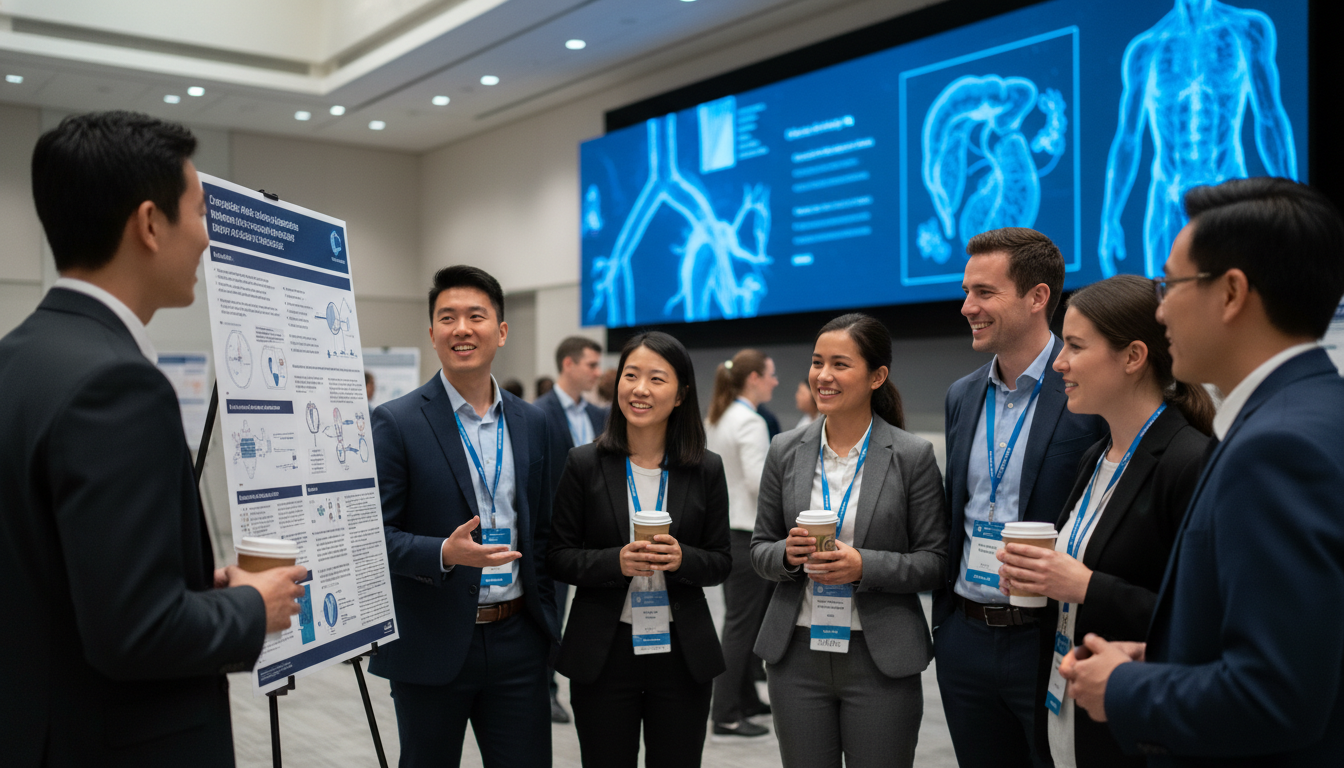
Why Networking Matters Even More for US Citizen IMGs in Interventional Radiology
For a US citizen IMG (American studying abroad), networking in medicine is not optional—it is a strategic necessity, especially if your goal is an interventional radiology residency. Interventional radiology (IR) is still relatively small, highly competitive, and heavily relationship‑driven. PDs, faculty, and fellows often know each other across programs; strong endorsements and trusted recommendations carry real weight in the IR match.
As an American studying abroad, you face specific challenges: less access to US clinical rotations, fewer in‑person introductions, and a limited local alumni network. But you also have advantages—fluent English, cultural familiarity with the US system, and often stronger motivation and planning. Effective medical networking can help you:
- Compensate for limited “home program” connections
- Access IR mentors early for guidance and letters
- Secure US-based electives, research, and observerships
- Be “on the radar” of programs before ERAS even opens
- Navigate nuances of the IR match as a US citizen IMG
This article focuses on practical, step‑by‑step networking strategies tailored to US citizen IMGs pursuing interventional radiology residency, with an emphasis on conference networking, mentorship in medicine, and building a reputation even from abroad.
Understanding the Networking Landscape in Interventional Radiology
Interventional radiology is a small world but a deeply networked one. To be intentional, you need to understand who is in that world and how people are connected.
Key Stakeholders in the IR Networking Ecosystem
IR Faculty and Program Directors (PDs)
- Make decisions on interviews and rank lists
- Influence who gets research and rotation slots
- Often know each other across institutions
IR Fellows and Senior Residents
- More accessible than attendings
- Can give honest program insight and advocate for you internally
- Often run student interest groups and research projects
Diagnostic Radiology (DR) Faculty with IR Interest
- May collaborate with IR or co‑supervise projects
- Important because IR is closely tied to DR in training structure
Medical Students and Residents Interested in IR
- Peer support and accountability
- Co‑authors on research, conference abstracts, and presentations
- Future colleagues across different programs
National and Regional IR Societies
- Society of Interventional Radiology (SIR)
- SIR Medical Student Council and Student Interest Groups
- Regional radiology/IR societies (e.g., state or regional chapters)
Alumni Networks (Formal and Informal)
- Other US citizen IMGs who have matched into IR or DR/IR
- Graduates of your Caribbean or international school now in US residency
- US undergrad or post-bacc alumni now in medicine
How Decisions are Really Made in IR Match
Networking influences:
- Who gets invited for away rotations (when slots are limited)
- Which applications get a closer look, especially when scores or experiences are borderline
- Who gets flagged as “known quantity” or “strongly recommended by X"
- Who is remembered positively after interviews or conferences
For a US citizen IMG, being a “known quantity” can be the difference between getting filtered out and getting serious consideration.
Laying the Foundation: Building Your Professional Identity Early
Before you start reaching out, you need a coherent, visible professional identity that tells people: “I’m serious about interventional radiology and worth investing in.”
Step 1: Create a Clean, IR-Focused Online Presence
- Headline:
- “US citizen IMG aspiring Interventional Radiologist | Medical Student at [School]”
- About section:
- 3–5 lines summarizing your background, IR interests, and goals
- Experience:
- Clinical rotations, research assistantships, leadership roles in IR or radiology groups
- Skills:
- Medical imaging, research methods, statistics/analysis software (R, SPSS), teaching, languages
Professional Email Identity
Use a simple format:
firstname.lastname.med@gmail.comor school emailEmail signature (important for networking and conference follow-ups):
[Full Name], MS4 (US Citizen IMG)
Medical Student, [School Name]
Aspiring Interventional Radiologist
Email: [address] | LinkedIn: [URL]
This immediately signals your background and specialty interest.
Step 2: Craft a 20–30 Second “IR Pitch”
You will use this everywhere—conferences, Zoom meetings, emails, Twitter/X, and elevator conversations. Example tailored for an American studying abroad:
“I’m [Name], a US citizen IMG in my [X] year at [School] with a strong interest in interventional radiology. I completed my undergrad in the US at [University] and I’m especially drawn to image‑guided oncology and minimally invasive procedures. I’m working on getting more involved in IR research and US-based rotations, and I’d value any advice on navigating the IR match as a US citizen IMG.”
Memorize a version that feels natural. It quickly gives people the context they need to help you.
Step 3: Identify Your “IR Brand” Interests
You don’t need to lock in a niche, but having a few themes makes networking conversations more concrete:
- Interventional oncology (Y-90, TACE, ablations)
- Peripheral arterial disease and limb salvage
- Venous disease and DVT/PE interventions
- Women’s health (fibroids, pelvic congestion)
- Trauma and emergency IR
Then, when you contact mentors, you can say, “I’m especially interested in interventional oncology and image-guided cancer therapies,” instead of a vague “I like IR.”
Strategic Conference Networking for US Citizen IMGs
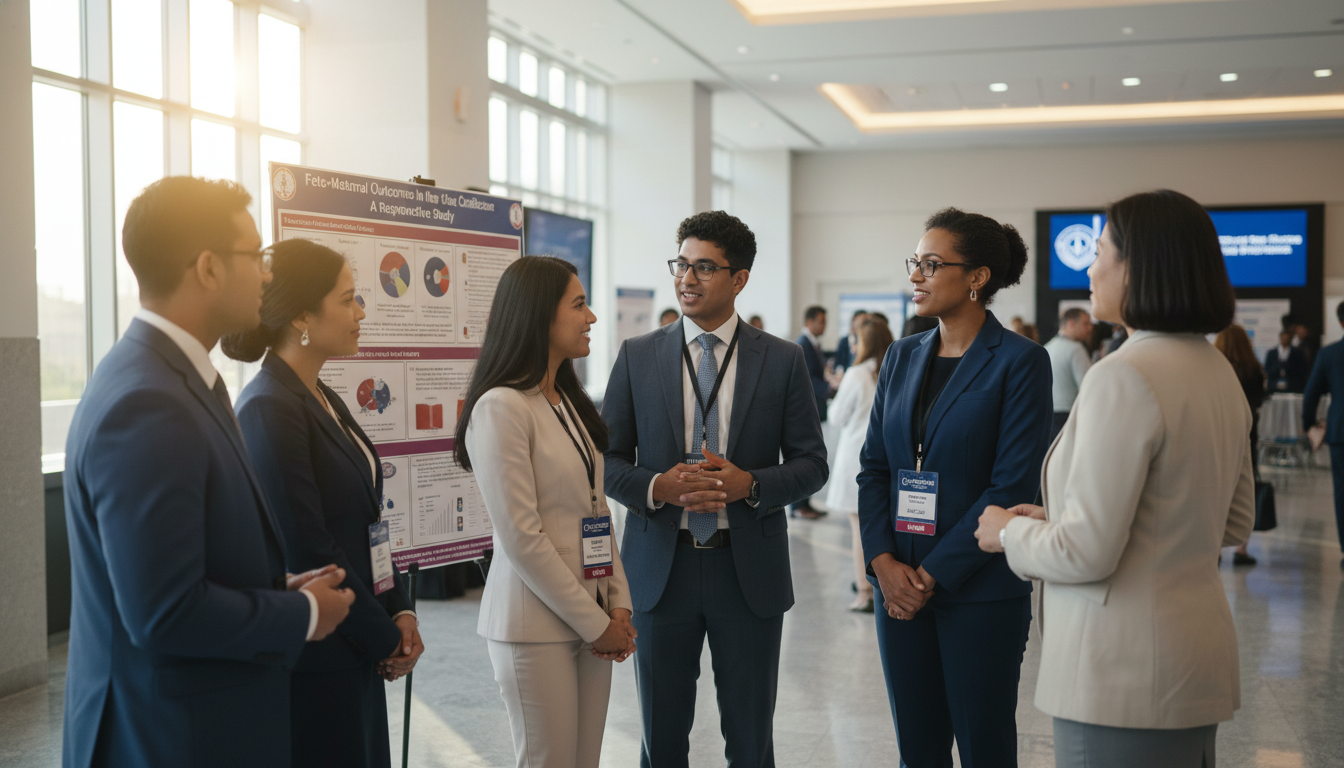
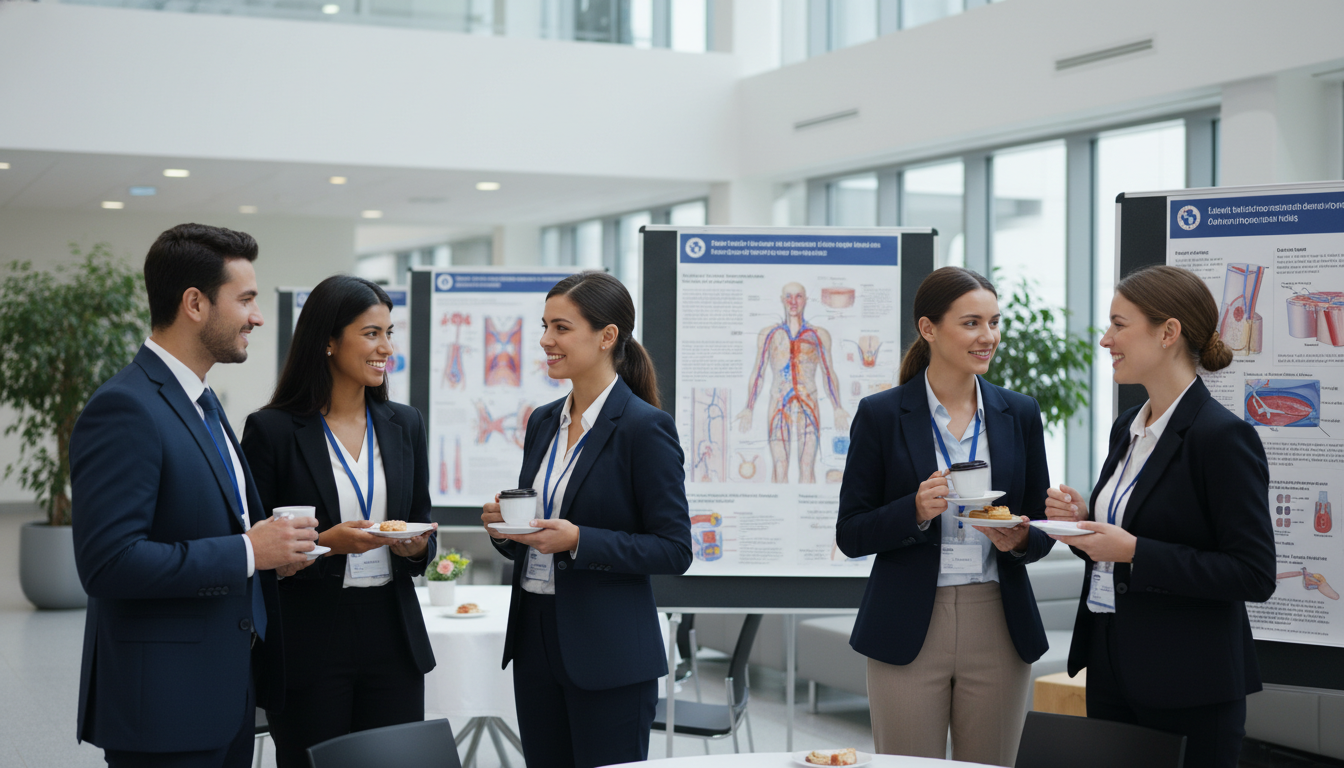
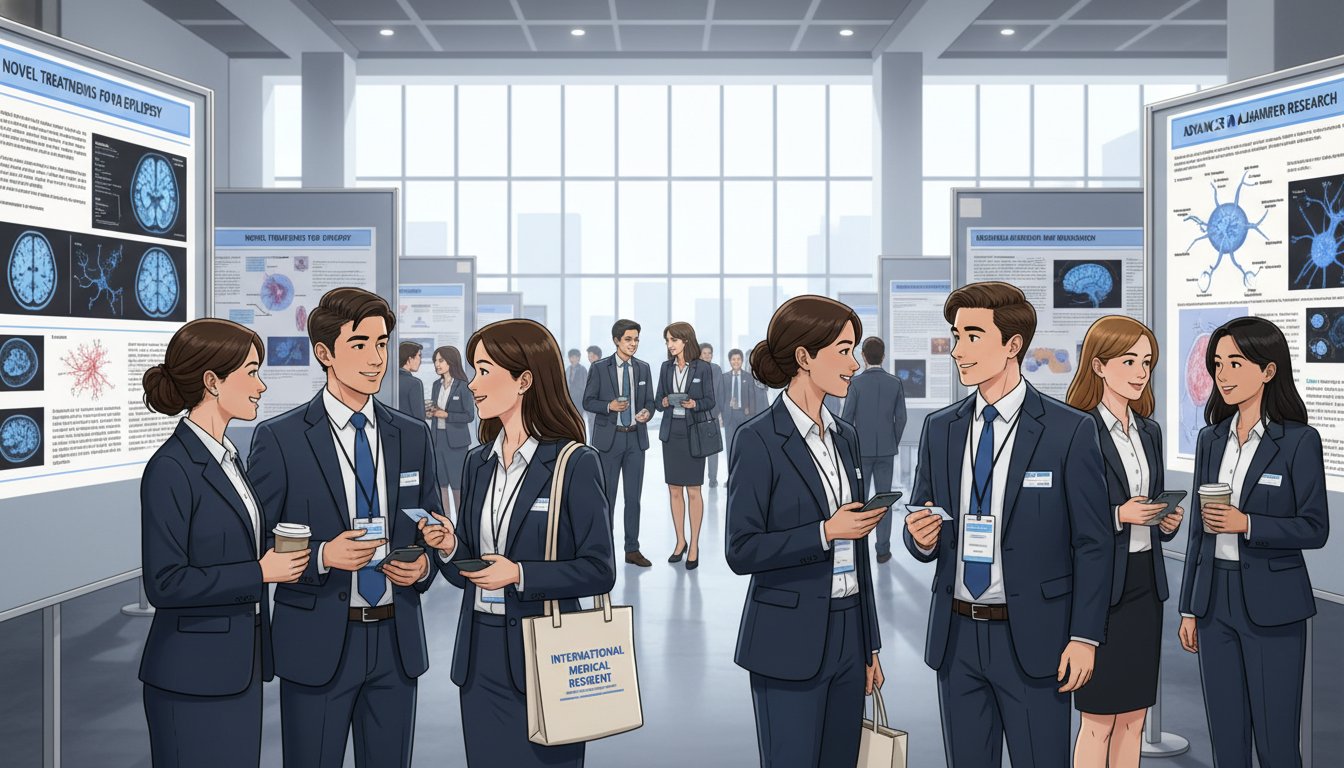
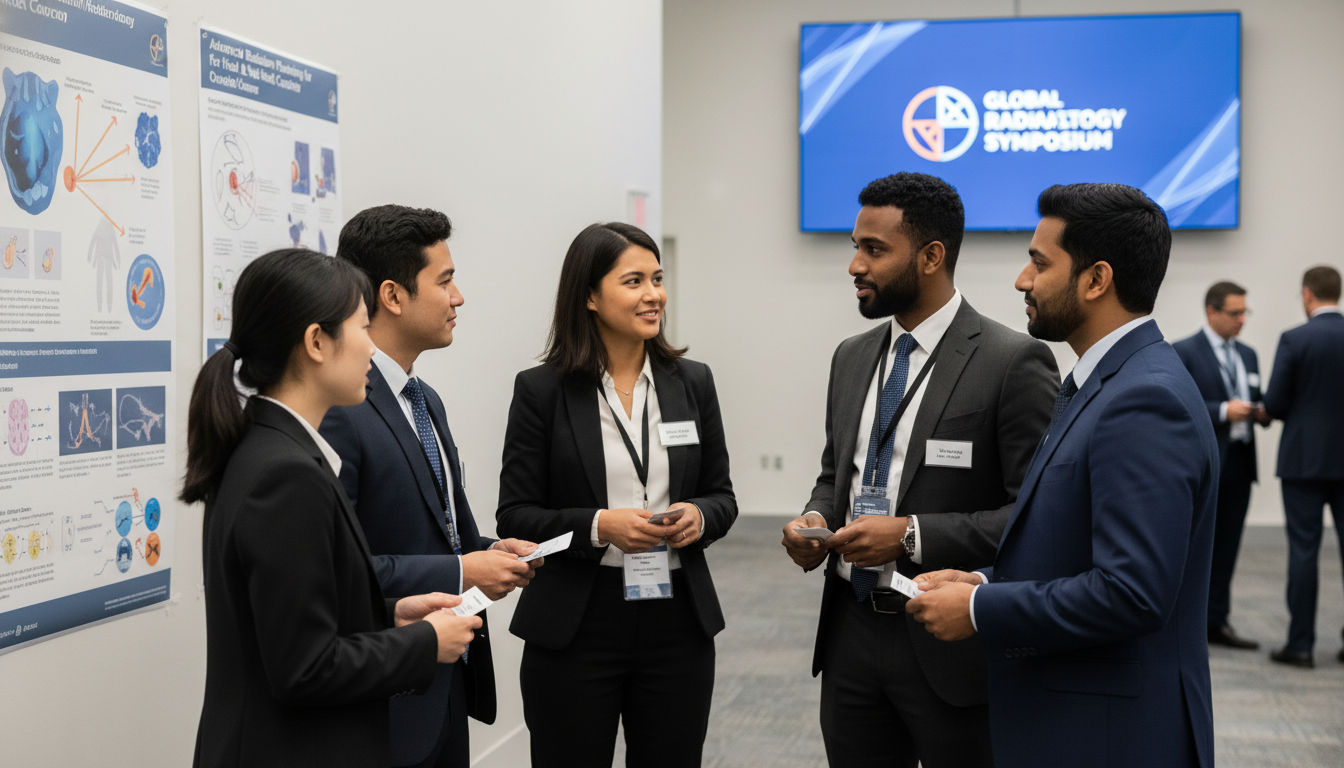
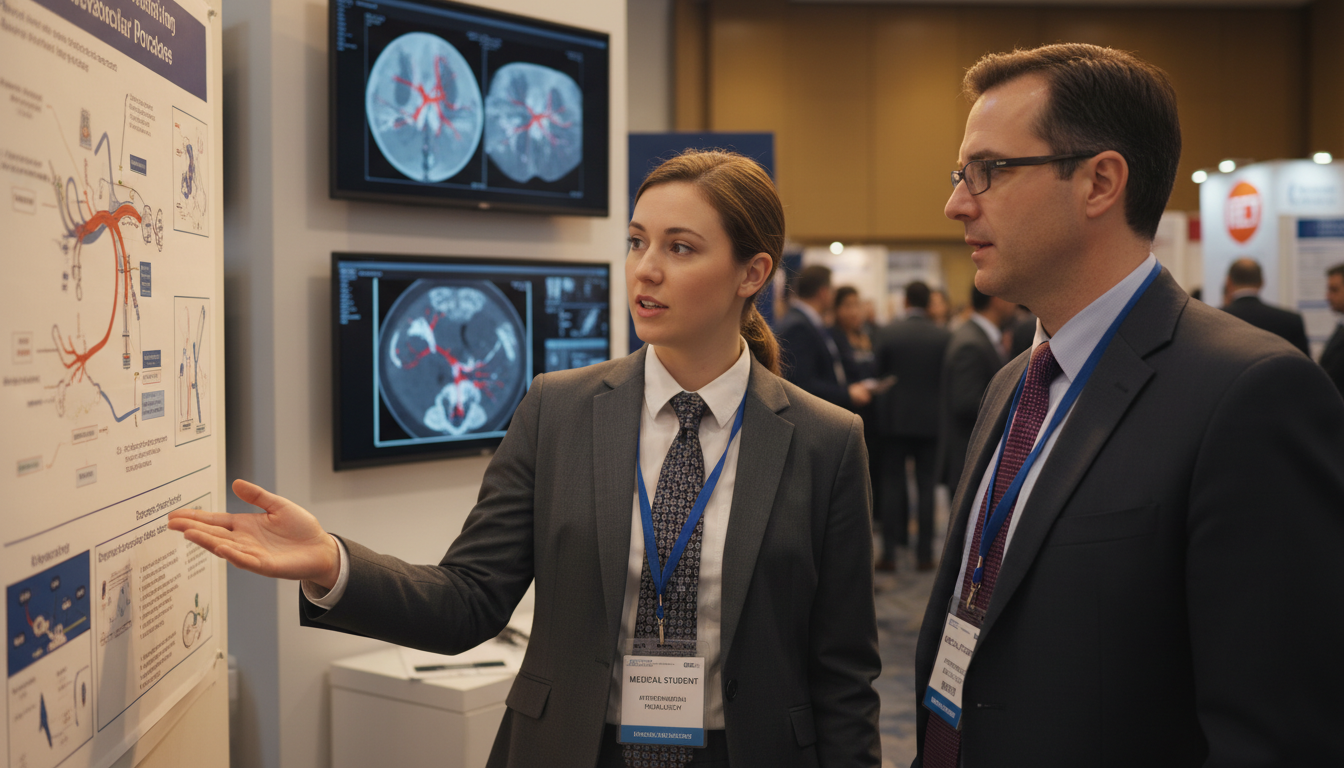
Conference networking is one of the most powerful tools in medicine, and it is especially valuable when you do not have a strong home program presence. For IR, the primary arena is SIR (Society of Interventional Radiology) and its associated events.
Choosing the Right Conferences
Prioritize:
SIR Annual Scientific Meeting
- Flagship IR conference with students, residents, fellows, and attendings
- Student/resident programming, including mentoring sessions and IR match panels
- Great for deep immersion in IR culture and meeting potential mentors
SIR Medical Student Council Events & Regional Meetings
- Smaller scale, easier to stand out
- Often include dedicated mentorship medicine programs and networking workshops
Local/Regional Radiology or IR Meetings
- State radiology societies, academic medical center symposia
- Easier access to faculty with fewer competing trainees
If your budget is tight, apply for student travel scholarships through SIR and your school. As a US citizen IMG, highlight your unique position and strong motivation.
Pre-Conference Preparation: The 2–3 Week Plan
1. Study the Program in Advance
- Identify:
- Workshops on “IR residency,” “IR match,” or “career development”
- Sessions given by PDs or major program leaders
- Student/fellow events and networking mixers
2. Make a Target List of People to Meet
Create a spreadsheet with:
- Name, title, institution
- How they’re relevant (IR PD, research in your area of interest, program you’ll apply to)
- Where you might encounter them (talk, panel, poster session)
3. Reach Out Before the Conference (Optional but Powerful)
Short email or LinkedIn message:
Subject: US citizen IMG aspiring IR – hoping to briefly meet at SIR
Dear Dr. [Last Name],
I’m [Name], a US citizen IMG and medical student at [School], strongly interested in interventional radiology. I’ll be attending SIR this year and noticed you’re speaking on [topic] and involved with [program/role].I’m particularly interested in [brief IR area], and would be grateful for 10–15 minutes of your advice on how someone in my position (US citizen IMG without a strong home IR program) can best prepare for IR residency.
If you’re available for a brief conversation during a break or after your session, I’d really appreciate it.
Sincerely,
[Name], MS[year]
[School] | Aspiring Interventional Radiologist
[Email] | [LinkedIn link]
Not everyone will respond, but even a couple of meetings can significantly expand your network.
How to Network Effectively During the Conference
1. Use the “3–2–1” Rule Daily
- Talk with 3 faculty/fellows
- Talk with 2 students/residents
- Have 1 substantial conversation (10+ minutes)
2. Approach People Naturally
Good openers:
- “Hi Dr. [Name], I’m [Name], a US citizen IMG medical student really interested in IR. I really enjoyed your talk on [topic]. Can I ask a quick question about…?”
- At posters: “I’m a student interested in IR and this topic. Could you walk me through your main findings?”
3. Ask Smart, Memorable Questions
Avoid: “How do I match into IR?”
Try instead:
- “As a US citizen who studied abroad, I’m curious: what are the most important things I should do in the next 12–18 months to be a credible IR residency applicant?”
- “How do you view away rotations for applicants from schools without strong IR exposure?”
- “What distinguishes the strongest IR residents you’ve worked with during their med school years?”
4. Clearly Express Interest in Staying in Touch
Before leaving a conversation:
“This has been very helpful. Would you be open to my sending you a brief email with a couple of follow‑up questions? I’d really appreciate staying in touch as I plan my path toward IR.”
Then get a business card or confirm email spelling.
Post-Conference Follow-Up: Where Most People Drop the Ball
Within 3–5 days:
- Send concise, personalized emails:
- Reference where you met
- Mention one specific thing they said that helped you
- State 1–2 concrete next steps you’re taking
Example:
Dear Dr. [Last Name],
It was great speaking with you at the SIR student-faculty mixer about IR training pathways. I especially appreciated your advice about prioritizing early US-based radiology electives and starting a small but focused research project.
I’ve already contacted [X] about a potential IR-related project at [institution] and am working with my school to confirm a US clinical rotation in radiology. If you’re open to it, I’d be grateful to occasionally update you on my progress and ask for guidance, especially as I move closer to the IR match.
Thank you again for your time and insight.
Sincerely,
[Name]
Maintain a simple contact log and send a brief update every 3–4 months, especially when you have good news (accepted abstract, rotation scheduled, USMLE milestone).
Building Mentorship and Research Relationships from Abroad
Effective mentorship in medicine isn’t just “finding a mentor once.” It’s building a small, diverse team of people who advise you on different aspects: IR, US residency system, exams, research, and personal wellness.
Types of Mentors You Should Aim For
IR Content Mentor
- IR faculty or fellow with expertise in your area of interest
- Helps shape your IR-specific knowledge, research, career decisions
Process Mentor for US Citizen IMG Issues
- Could be another IMG who matched into IR or DR/IR
- Helps with strategy: USMLE, visas (if not US citizen, but you are), timing, away rotations
Professional Development Mentor
- May not be in IR; could be an academic physician or research supervisor
- Guides you on writing, presentations, professionalism, networking skills
Where to Find Mentors as an American Studying Abroad
- SIR Medical Student Council & Mentorship Programs
- Many have formal sign-up systems pairing students with IR mentors
- IR Interest Groups (even if not at your school)
- Join online/virtual IR student groups hosted by US schools
- Twitter/X and LinkedIn (Medical Networking Online)
- Many IR attendings and fellows are active, share cases, and offer open Q&As
- Your US Clinical Electives and Rotations
- Radiology or vascular surgery electives can lead to IR connections
- Alumni Networks
- Ask your school’s alumni office specifically for US-based graduates in IR or DR
How to Make a Cold Mentorship Request
Keep it short, respectful, and specific:
Subject: US citizen IMG interested in IR – seeking brief mentorship advice
Dear Dr. [Last Name],
I am a US citizen IMG, currently a [year] medical student at [school], with a strong interest in interventional radiology, particularly in [area]. I found your profile through [SIR/LinkedIn/Twitter/your publication on X].Because my school has limited IR exposure and I am studying abroad, I’m looking for guidance on how to best prepare for an IR or DR/IR residency, including research and US clinical experiences. If you are open to it, I’d be very grateful for a brief 15–20 minute Zoom call at your convenience to ask a few targeted questions about building a competitive IR application as a US citizen IMG.
Thank you for considering this—your perspective would be extremely valuable to me.
Sincerely,
[Name]
[School] | Aspiring Interventional Radiologist
[Email] | [LinkedIn]
If they agree, prepare 3–5 focused questions and end by asking whether you can occasionally update them on your progress.
Turning Mentors into Potential Letter Writers
To be a strong letter writer, a mentor needs to:
- Know you over time (ideally 6+ months)
- See your work ethic and reliability (research, clinical, or advocacy)
- Understand your IR interest and US citizen IMG context
How to move toward that:
- Take on a small, completable research task first (lit review, data entry, creating figures) and deliver early.
- Volunteer for presentations (case conferences, journal clubs).
- Send occasional updates showing growth: step scores, new projects, conference posters.
Then, when the time comes to ask for a letter:
“Given that we’ve worked together on [X] and you’ve had the chance to see [Y about my work], would you feel comfortable writing a strong letter of recommendation for my IR/DR residency applications?”
The word “strong” gives them an honest exit if they can’t.

Networking Tactics During US Rotations and the IR Match Season
Many US citizen IMGs secure key relationships during US-based clinical rotations and away electives. These are also real‑time auditions for the IR match.
Maximizing Radiology and IR-Facing Rotations
Even if you cannot get a formal IR elective early on:
- Start with diagnostic radiology rotations at institutions with IR programs
- Show up early, be prepared, ask thoughtful questions, and stay late when possible
- Express your IR interest clearly from day one:
“I’m hoping to pursue IR, and as a US citizen IMG I’d really value any feedback on how to navigate that path.”
Ask about:
- Opportunities to spend a day or two in the IR suite
- IR or DR faculty who are open to working with students on projects
- Resident or fellow “near-peer” mentors you can connect with
How to Network Without Seeming Pushy
Your posture should be: curious, hardworking, and appreciative, not entitled.
Examples of low-pressure questions:
- “Do you know if there are any IR conferences or tumor boards I can quietly sit in on while I’m here?”
- “If I do well on this rotation, what would be the next step to get more involved with IR at this institution?”
- “As someone without a home IR program, what would you recommend as my top priorities in the next 6–12 months?”
Document names, titles, and email addresses. Send thank-you notes at the end of the rotation and occasional updates later.
Staying on Programs’ Radar Before and During the Application Cycle
From an IR match perspective, networking with programs can:
- Trigger an interview where you might otherwise be overlooked
- Strengthen your standing if you’re invited but borderline on the rank list
- Help programs contextualize your IMG background and US citizen status
Tactics:
- Send a pre-ERAS“update + interest” email to mentors and programs where you’ve rotated or connected:
- Briefly summarize: step scores, clinical year, IR interest, and why that program fits you
- Attend virtual open houses for IR and DR residencies; introduce yourself in Q&A
- Connect with current residents or fellows at target programs via LinkedIn/Twitter:
- “I’m a US citizen IMG planning to apply to [your program]. Would you be open to a brief chat about your experience there and any advice for applicants from non‑US schools?”
Always frame your IMG status neutrally/factually and emphasize your US citizenship as it resolves visa concerns:
“As a US citizen who attended medical school abroad, I’m acutely aware of the need to be proactive and well-prepared. I’ve focused on building US clinical experience and IR exposure so I can hit the ground running in residency.”
Pitfalls to Avoid and Mindsets to Adopt
Networking in medicine, especially in a tight field like IR, is as much about character and consistency as it is about tactics.
Common Pitfalls for US Citizen IMGs
Only Networking Upwards
- Don’t ignore peers. Your fellow students and residents are future IR fellows, attendings, and collaborators.
Taking Without Giving
- Always look for ways to add value:
- Help with data collection or abstract prep
- Volunteer for committee or student group work
- Share resources, notes, or opportunities with others
- Always look for ways to add value:
Over-Relying on Mass Emails
- Generic messages get ignored. Personalization—even two specific sentences—dramatically improves response rates.
Inconsistent Follow-Up
- Ghosting mentors after they help you, or only emailing when you need something, damages trust.
Being Defensive about the IMG Label
- Own your path calmly. Focus on how you’ve turned structural disadvantages into resilience and deliberate preparation.
Productive Mindsets for Long-Term Success
“Plant many seeds, don’t chase quick wins.”
Networking may not lead to an immediate rotation or research project, but those relationships can pay off years later.“I’m building a community, not just a contact list.”
Aim for genuine professional connections, not transactional interactions.“My IMG status is context, not a flaw.”
You offer international perspective, adaptability, and evidence of determination.“Reputation accumulates quietly.”
Showing up early, doing quality work, being reliable, and being kind: these behaviors travel through the IR community.
FAQs: Networking in Medicine for US Citizen IMGs in IR
1. I’m early in medical school abroad. Is it too soon to start networking for interventional radiology?
No. For IR, early exposure and long-term relationships are major advantages. In pre-clinical or early clinical years you can:
- Join SIR and local or virtual IR interest groups
- Attend virtual IR talks and national conference sessions (often discounted or free for students)
- Reach out for informational interviews with IR residents, fellows, and a few faculty to learn the landscape
- Start exploring research, even if it’s non‑IR, to build methodological skills and a track record
You don’t need a complete CV before you talk to people; you need curiosity, honesty, and follow-through.
2. How important is conference networking compared to scores and research for the IR match?
Scores and research are essential, but networking is what often converts your paper profile into an interview and strong ranking. In a competitive field like interventional radiology residency, many applicants have good scores and some research. Being known, trusted, and personally recommended can:
- Overcome concerns about your IMG background
- Highlight your work ethic and communication skills
- Make faculty more comfortable advocating for you in selection meetings
Think of networking as the amplifier of your other achievements, not a replacement for them.
3. I feel awkward networking and don’t want to seem like I’m “using” people. How do I handle that?
Networking in medicine should be mutual and respectful, not manipulative. Practical tips:
- Be transparent: say you’re a US citizen IMG trying to learn how to navigate IR training
- Ask for advice and feedback, not favors
- Do what you say you’ll do—submit drafts on time, prepare for meetings, send updates
- Look for ways to help: share useful articles, connect peers, volunteer for tasks
Over time, you’ll realize mentors actually want serious, hardworking mentees; you’re not an imposition if you respect their time and follow through.
4. Are online platforms (Twitter/X, LinkedIn) really useful for IR networking, or is in-person still king?
Both matter, and as an American studying abroad, online platforms level the playing field:
- Twitter/X has an active IR community sharing cases, research, and career advice
- LinkedIn is excellent for professional introductions and following IR faculty careers
- Online seminars, SIR webinars, and virtual open houses let you meet faculty you’d never access locally
In-person conferences and rotations are still invaluable for deeper bonds, but many of those opportunities start with online medical networking: a message, a comment on a post, or a reply to a public invitation to connect.
By approaching networking as a deliberate, long-term strategy—built on curiosity, consistent effort, and professionalism—you can turn the perceived disadvantage of being a US citizen IMG into a distinctive story of resilience and initiative. In a small, highly relational field like interventional radiology, those qualities are exactly what many programs are looking for in their future colleagues.