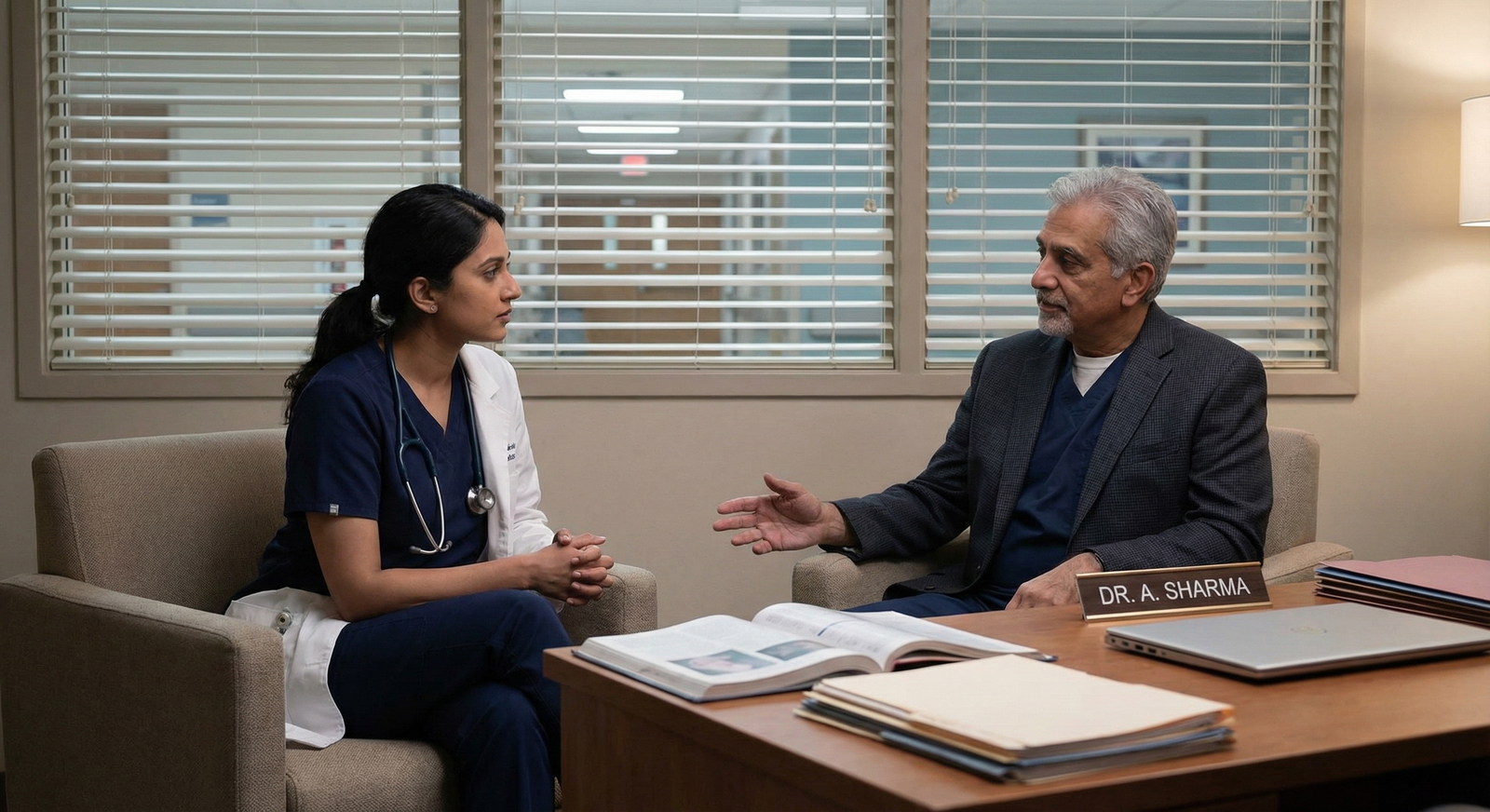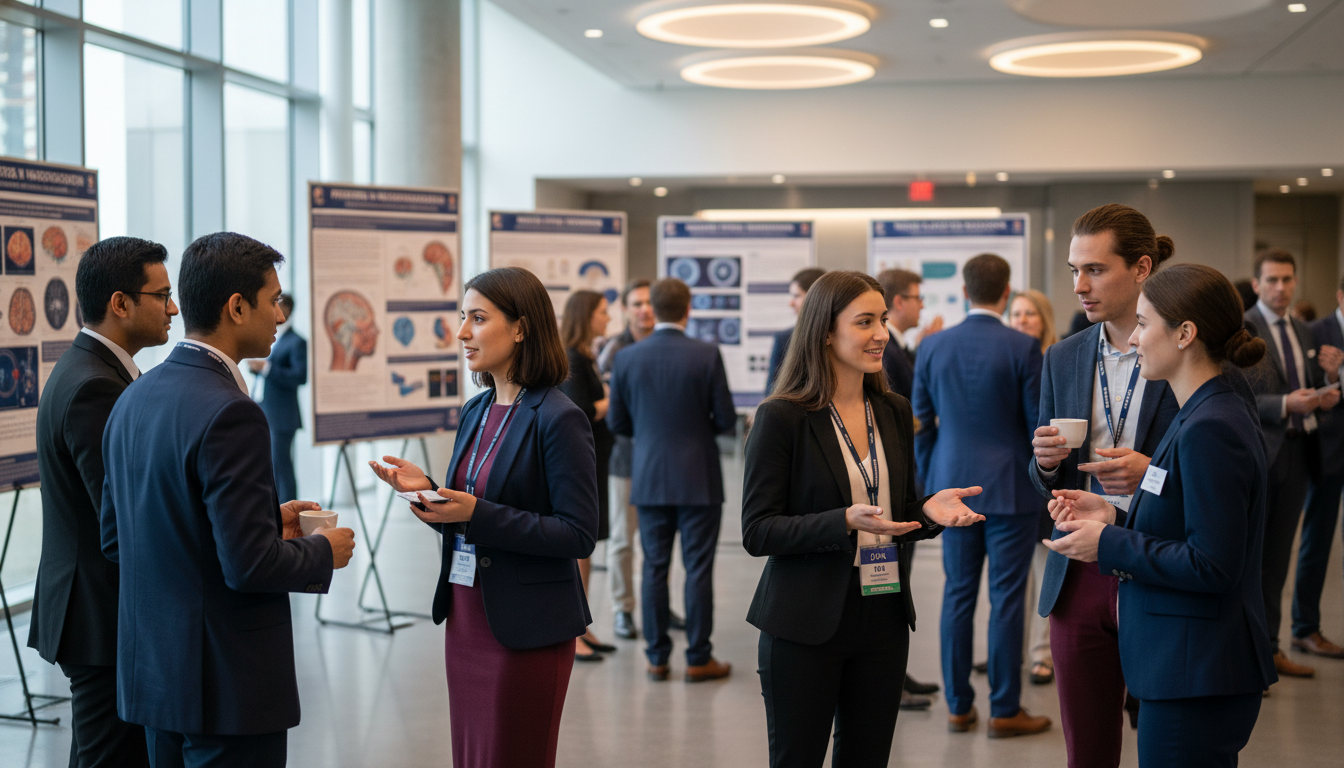
Why Networking Matters So Much for a US Citizen IMG in Neurology
As a US citizen IMG and an American studying abroad, you’re walking a more complex path to neurology residency than many of your US MD peers. You’re competing in a specialty that values academic curiosity, continuity of mentorship, and strong letters of recommendation. While exams, research, and clinical performance are critical, medical networking is the glue that connects all of these pieces into a compelling neurology residency application.
For a US citizen IMG trying to secure a neurology residency and navigate the neuro match successfully, networking is not optional—it’s a strategic necessity. It helps you:
- Gain US clinical experience and neurology-specific electives
- Access research and QI projects that lead to abstracts and publications
- Earn strong, personalized letters of recommendation from US neurologists
- Learn about program culture and expectations before you apply
- Find mentors and sponsors who will advocate for you
- Discover unadvertised opportunities (observerships, short projects, visiting rotations)
This article breaks down a practical, step-by-step networking plan tailored specifically for a US citizen IMG pursuing neurology. It focuses on what you can do before, during, and after clinical rotations and conferences, and how to build a mentor network that actually changes your match trajectory.
Understanding the Networking Landscape for Neurology as a US Citizen IMG
Networking in medicine, especially in neurology, is fundamentally about relationships, not transactions. For US citizen IMGs, it is also about overcoming common barriers:
- Limited presence in the US medical system
- Fewer built-in alumni connections to US neurology departments
- Misconceptions about the quality of international training
- Lack of visibility in the eyes of US program directors
You’re not just “an IMG”; you are a US citizen IMG in neurology with three major advantages you should leverage:
Visa is (usually) not a barrier
Programs don’t have to worry about visa sponsorship; this simplifies their decision-making.Cultural familiarity
You likely understand US healthcare expectations, communication styles, and patient-centered care norms, which helps in clinical settings and interviews.Flexibility to come to the US early
You can more easily arrange early observerships, research blocks, and conferences during medical school breaks.
Your networking strategy should systematically convert those advantages into tangible outcomes: neurology rotations, research, recommendation letters, and interview invitations.
Building Your Neurology Network Early: MS1–MS3/Pre-Final Year
Even if you are studying abroad and far from US campuses, you can start networking in medicine well before your final year. For an American studying abroad, earlier preparation often means a smoother neuro match later.
1. Clarify Your Neurology Story
Neurology programs like applicants who can clearly answer: “Why neurology?” A strong narrative helps you connect with potential mentors.
Action steps:
- Reflect on:
- A neurology patient encounter that moved you.
- A neuroscience course or project that sparked your interest.
- Personal/family experiences with neurologic disease.
- Draft a 1–2 paragraph “neurology origin story” you can adapt for:
- Emails to neurologists
- Personal statements
- Informal conversations at conferences
A clear story makes networking conversations feel genuine instead of opportunistic.
2. Start Virtual Networking With US Neurologists
You do not need to be physically in the US to start building your neurology residency–relevant network.
Practical online platforms:
- LinkedIn – for broad professional visibility
- Twitter (X) – many neurologists are active here, especially in #NeuroTwitter
- Doximity – more US-physician oriented, good for understanding program structures
- Institutional websites – faculty pages often list interests, contact emails, and current research
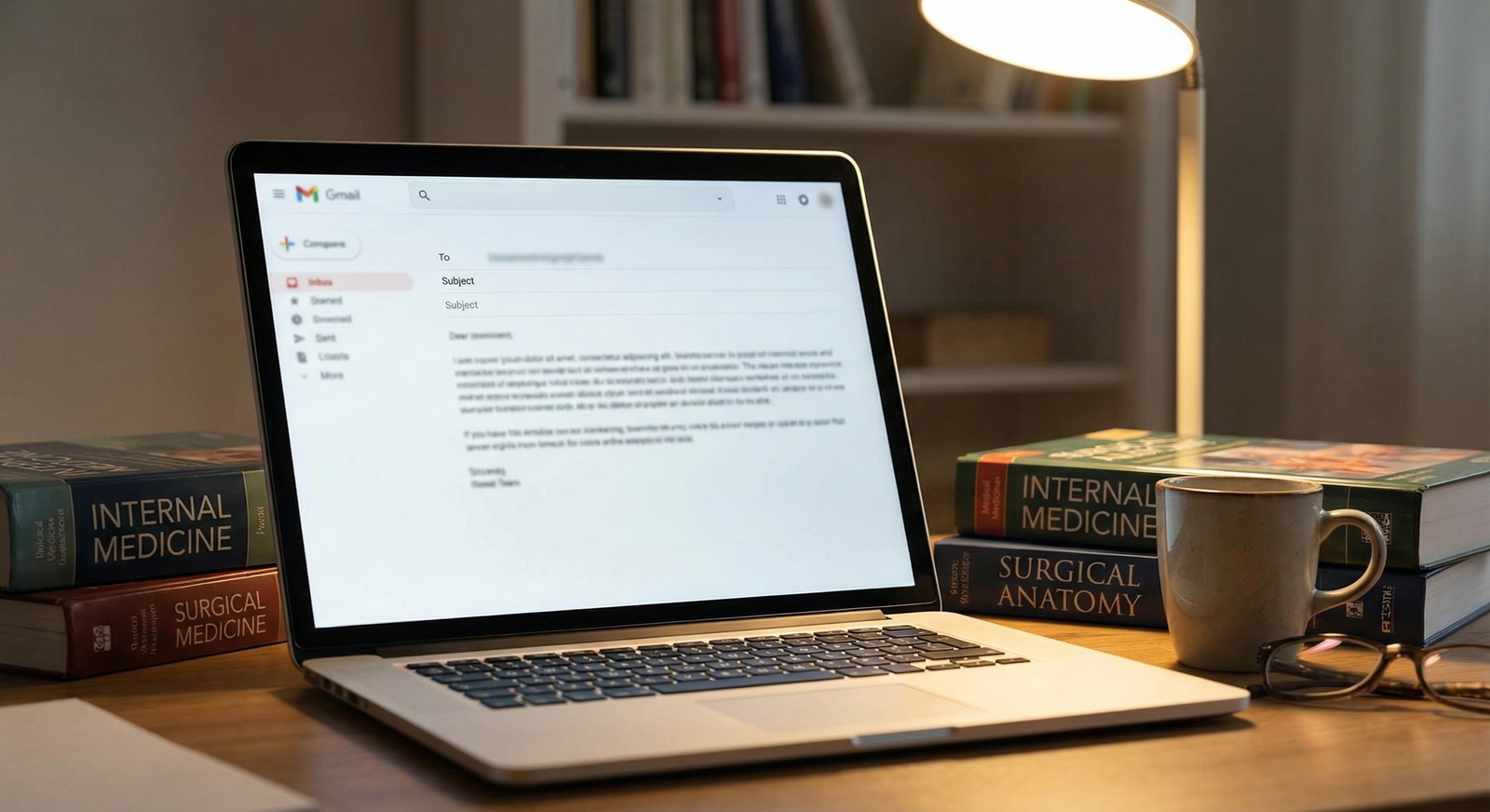
How to reach out (email template):
Subject: US citizen IMG with interest in neurology – seeking advice
Dear Dr. [Name],
My name is [Your Name], a US citizen medical student currently studying at [Your School] abroad and planning to apply for neurology residency in the US. I am particularly interested in [your interest: stroke, epilepsy, neuroimmunology, etc.], and I noticed your work in [specific project, paper, or clinic from their profile].
I’m hoping to learn more about pathways into neurology for US citizen IMGs and would greatly appreciate 10–15 minutes of your time for brief advice over Zoom or email, whenever convenient for you.
Thank you for considering my request.
Best regards,
[Your Name]
[Medical School, expected graduation year]
[Email] | [LinkedIn (optional)]
Key points:
- Be specific about why you’re reaching out.
- Ask for advice, not for a rotation or a letter in the first email.
- Follow up politely once if no response after 10–14 days.
3. Join Neurology and IMG-Focused Organizations Early
Many organizations facilitate medical networking and mentorship in medicine:
American Academy of Neurology (AAN)
- Join as a student member (often discounted or free for trainees).
- Access to:
- Student Interest Groups in Neurology (SIGN)
- Online mentorship programs
- Webinars about neurology residency
American Academy of Neurology – Section for Medical Students & Residents
- Look for mentorship lists, online forums, and specialty interest groups.
ECFMG/IMG organizations and American-IMG groups
- Some offer mentorship programs pairing you with residents or attendings who were also US citizen IMGs.
Goals in this phase:
- Have a short list (3–5 names) of neurologists who know you by name.
- Join at least one formal mentorship program related to neurology.
- Begin following neurology departments and residency programs on social media.

Making the Most of Conferences: Turning Conference Networking Into Concrete Opportunities
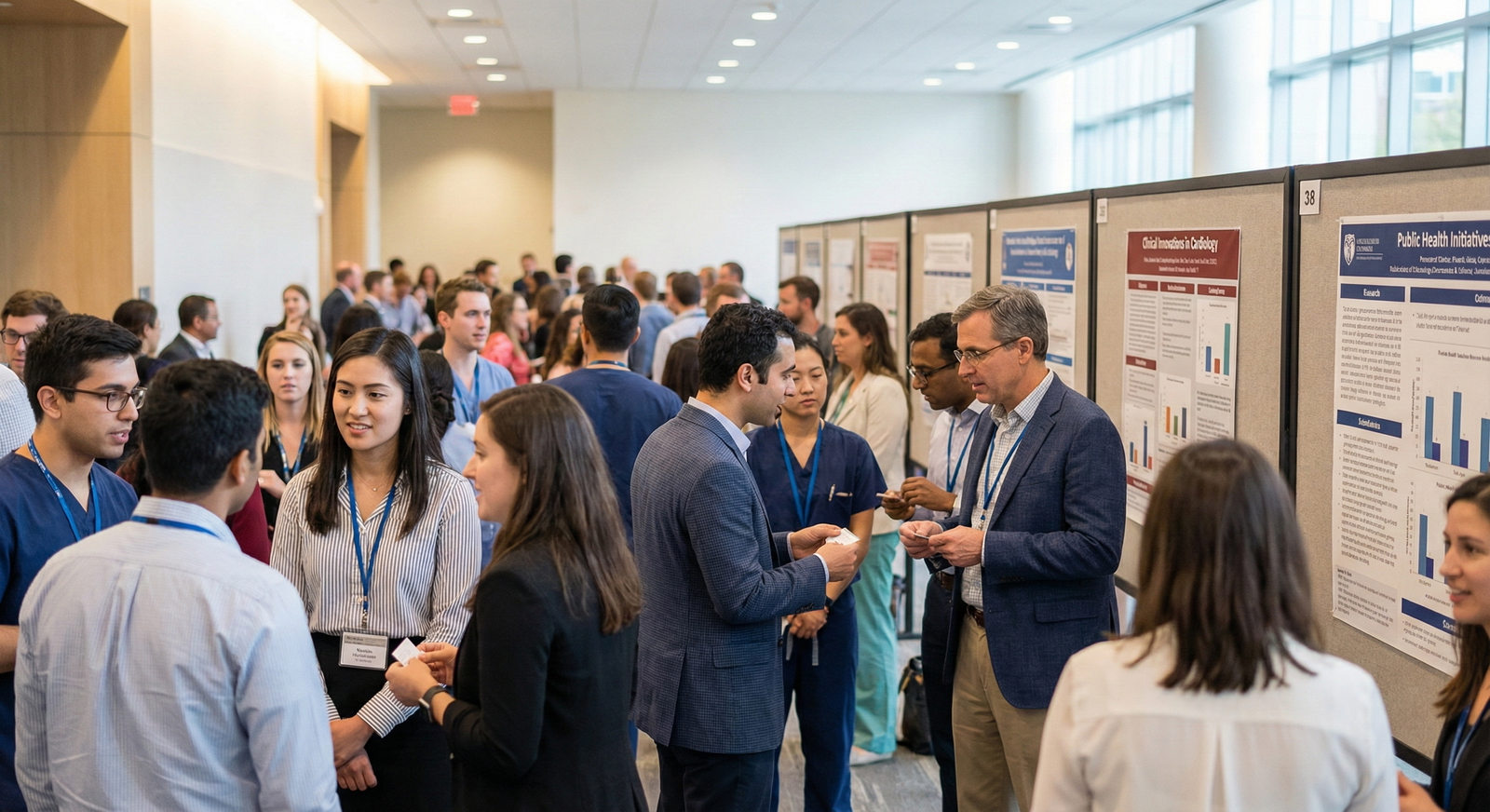
Conference networking is one of the most powerful tools for a US citizen IMG in neurology, especially because it compresses exposure to many faculty and residents into a few days.
1. Choosing the Right Conferences
Priority neurology conferences for networking:
American Academy of Neurology (AAN) Annual Meeting
- High-yield for networking in medicine across subspecialties.
- Student rates and travel scholarships sometimes available.
Subspecialty conferences, if you already lean toward an area:
- American Epilepsy Society (AES)
- American Heart Association/American Stroke Association (AHA/ASA) – International Stroke Conference
- Movement Disorder Society, etc.
Try to attend at least one major US neurology conference before applying, ideally with some form of academic contribution (poster/abstract).
2. Preparing Before You Go
Conference networking is most successful when it’s planned, not improvised.
Before the conference:
Scan the program and list:
- Posters and sessions related to your interests.
- Sessions titled “How to Match in Neurology” or “Neurology Training Pathways.”
- Events clearly intended for students and residents.
Email 3–6 people in advance:
- Neurology residents
- Program directors (if appropriate)
- Faculty who share your interests
Example pre-conference email:
Dear Dr. [Name],
I’m a US citizen IMG medical student (Class of [Year]) studying at [School], strongly interested in neurology and planning to apply for the upcoming neuro match cycle. I saw that you will be presenting on [topic] at AAN this year.
I will be attending the conference and would be very grateful for a few minutes to introduce myself and ask a couple of questions about training pathways and opportunities for US citizen IMGs at your program.
If you are available at any time between [dates], I would gladly adapt to your schedule.
Thank you for your time and consideration.
Sincerely,
[Your Name]
Bring:
- 10–20 simple business cards (name, email, medical school, “US citizen IMG – aspiring neurologist”)
- Updated 1-page CV (print a few copies, but mainly have a PDF ready to email)
3. How to Network at the Conference (Without Feeling Awkward)
At the conference, you’re not “bothering people.” Conferences are designed for collaboration and meeting future colleagues. Focus on curiosity and respect.
Practical behaviors:
Attend student/resident mixers and “meet the faculty” sessions.
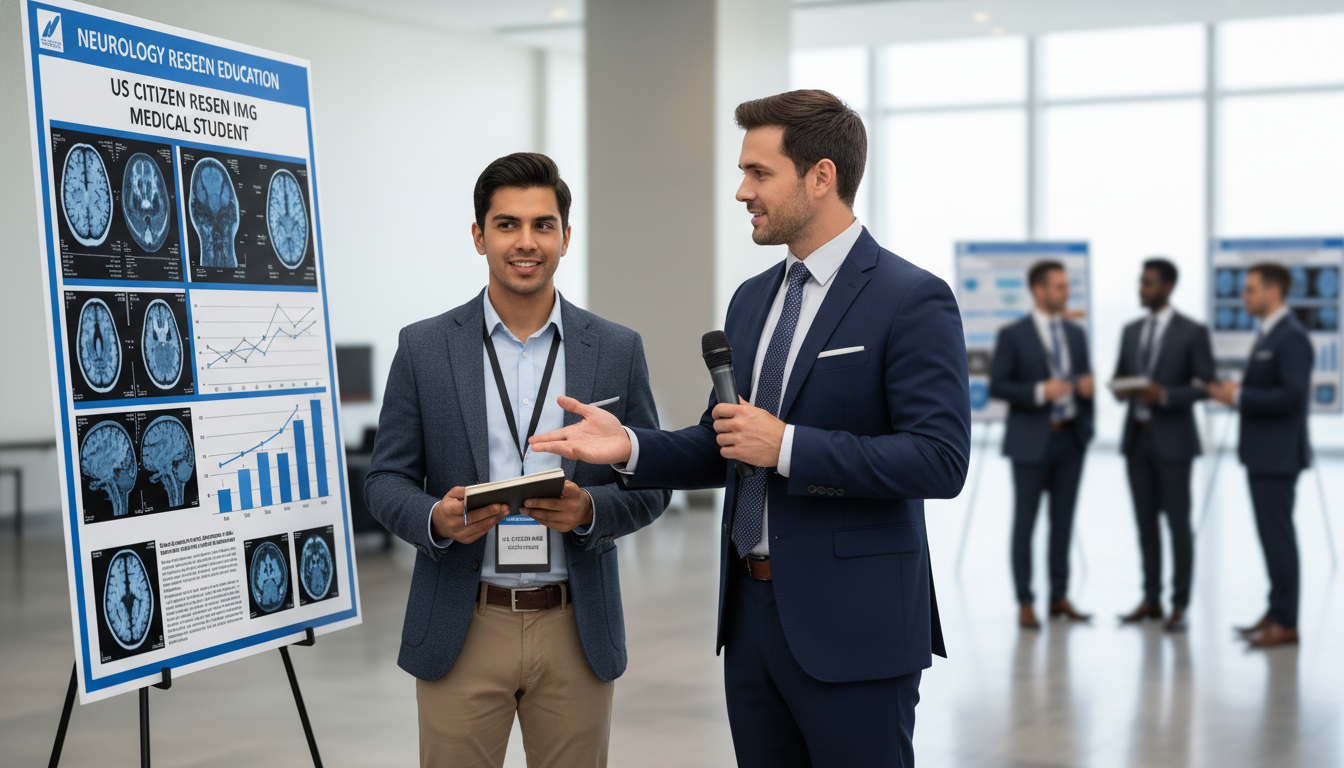
Approach poster presenters in your interest area:
- Introduce yourself.
- Ask 1–2 specific questions about their work.
- If the conversation goes well, say:
“I’m a US citizen IMG planning to apply in neurology. Would it be okay to keep in touch or ask for advice as I go through the process?”
When talking to residents or fellows:
- Ask what their program values.
- Ask what helped them successfully match.
- Ask if their program has taken US citizen IMGs before.
Simple introduction script:
“Hi, I’m [Name]. I’m a US citizen IMG medical student studying at [School] and very interested in neurology, especially [subspecialty if applicable]. I really enjoyed your poster/session on [topic]. Can I ask you a quick question about your work and your path into neurology?”
4. Following Up After the Conference
The follow-up is where many US citizen IMGs lose potential connections.
Within 48–72 hours:
- Email each person you had a meaningful conversation with:
- Thank them for their time.
- Reference something specific you discussed.
- If appropriate, ask one actionable question (e.g., about rotations, research, or general advice).
Example follow-up:
Dear Dr. [Name],
It was a pleasure meeting you at the AAN Annual Meeting after your session on [topic]. I appreciated your insights about [specific point].
As a US citizen IMG planning to apply for neurology residency, I found your advice about [specific advice] very helpful. If you don’t mind, I’d love to stay in touch and perhaps reach out later this year as I plan my US rotations and neuro match strategy.
Thank you again for your time and guidance.
Best regards,
[Your Name]
This transforms brief interactions into ongoing mentoring relationships.
Rotations, Observerships, and Research: Networking Where It Matters Most
The strongest neurology residency applications grow out of real, sustained work with neurologists. Networking in medicine is most impactful when tied to clinical performance and scholarly work.
1. US Clinical Neurology Rotations: Your Primary Networking Arena
As a US citizen IMG, doing US-based neurology electives or sub-internships is essential whenever possible.
How to maximize networking during a rotation:
Arrive prepared
- Know the common neurological conditions seen in that clinic (stroke, epilepsy, MS, movement disorders).
- Read basic guidelines relevant to that rotation.
Be consistently reliable
- Be on time or early every day.
- Offer to help with notes, follow up on labs, or prepare case presentations.
Show genuine interest in neurology
- Ask thoughtful questions, not just to impress but to understand reasoning.
- Volunteer to present a short topic at morning report or journal club.
Build personal connections
- Get to know:
- Attendings
- Residents and fellows
- Program coordinators (key allies when it’s time to apply)
- Politely request feedback on your performance mid-rotation, not just at the end.
- Get to know:
How to request a letter of recommendation:
- Near the end of the rotation, if you have worked closely with an attending, say:
“Dr. [Name], I’ve really appreciated learning from you this month, and I’m very interested in neurology. As a US citizen IMG, I know strong letters from US neurologists are essential. If you feel you know my work well enough, would you feel comfortable writing a letter of recommendation for my neurology residency applications?”
If they hesitate, respect that. A lukewarm letter can hurt. Your goal is 2–3 enthusiastic neurology letters.
2. Observerships and Shadowing: Turning Limited Roles Into Real Connections
Even if you can’t secure hands-on electives, observerships can still be powerful for networking.
To make observerships count:
- Show up consistently with a positive attitude.
- Even if you can’t write notes, you can:
- Summarize cases verbally.
- Read about patients’ conditions and discuss them.
- Offer to help with literature searches for teaching sessions.
Ask toward the end:
“I know my role has been observational, but I’ve learned a lot about neurology on this team. Are there any small projects, case reports, or QI initiatives I might be able to help with remotely after I return to school?”
This is how observerships can organically lead to research or case report opportunities and extend the relationship.
3. Research and Scholarly Work: Building a Reputation in Neurology
Research is not mandatory for every neurology applicant, but for a US citizen IMG, scholarly activity can:
- Demonstrate academic engagement.
- Provide concrete reasons for faculty to remember you.
- Lead to conference presentations, further boosting your medical networking.
How to get involved:
Ask faculty you met via email or at conferences:
- “Are there any ongoing neurology projects where a motivated student could assist with data collection, chart review, or literature review, even remotely?”
Look for:
- Case reports from interesting patients you saw.
- Retrospective chart reviews.
- Small QI projects (e.g., stroke pathway improvements).
Networking benefits of research:
- Multiple emails and meetings during a project deepen relationships with mentors.
- Co-authorship naturally leads to long-term professional ties.
- When that mentor later gets an email from a program director asking about you, they have real experiences to draw on.
Mentorship, Sponsorship, and Digital Presence: Long-Term Networking Strategy
To succeed in neurology residency applications, you need more than casual contacts. You need mentorship in medicine and ideally sponsors who will actively advocate for you.
1. Differentiating Mentors and Sponsors
- Mentor – guides you, advises you, helps you grow.
- Sponsor – uses their reputation to open doors for you (e.g., calling a program director on your behalf, recommending you for an elective or research position).
As a US citizen IMG in neurology, your ideal network includes:
- 1–2 neurologist mentors (attendings, sometimes fellows).
- 1–2 resident mentors (people who went through the neuro match recently).
- At least 1 faculty sponsor who can actively advocate when your application is under review.
2. How to Be a Good Mentee
To maintain strong mentoring relationships:
- Be organized and respectful of time.
- Come to meetings with a clear agenda (e.g., “Review my application strategy and program list”).
- Send a short email summary after meetings:
- What you learned.
- Action items you’ll take.
- Update mentors periodically:
- When you pass a major exam (Step 2 CK).
- When you have an abstract accepted.
- When you secure key rotations or interviews.
These updates help them feel invested in your progress and more likely to help when it matters.
3. Using Social Media and Online Profiles Strategically
Your digital footprint can either support or undermine your neurology networking.
Improve your online presence:
LinkedIn
- Add a professional photo.
- List “US citizen IMG – Neurology Residency Applicant.”
- Include clinical experiences, neurology electives, research, and conference posters.
- Connect with:
- Neurology residents
- Faculty you have met
- Other US citizen IMG peers in neurology
Twitter (X) / #NeuroTwitter
- Follow neurology leaders, residency programs, and organizations like AAN.
- Occasionally share:
- Conference experiences
- Articles you read (with short, thoughtful commentary)
- Milestones like “grateful to present our poster on [topic] at [conference]”
Be professional at all times; assume program directors may see anything you post.
4. When and How to Ask for Help in the Neuro Match
As neuro match season approaches, you may want to ask mentors and sponsors for specific support:
- Application review (personal statement, program list).
- Informal feedback about your competitiveness.
- Strategic emails or calls to programs where you are a particularly strong fit.
How to phrase it:
“Dr. [Name], I’m finalizing my neurology residency applications as a US citizen IMG. Based on our work together, I’m hoping you might feel comfortable recommending me to [specific program/your home program] if you think I would be a good fit. I understand if that’s not possible, and I’m very grateful for all the guidance you’ve already provided.”
Always leave room for them to say no without guilt. Sponsors must genuinely believe in you to be effective.
Common Pitfalls in Networking for US Citizen IMGs (and How to Avoid Them)
1. Being Transactional Instead of Relationship-Focused
Red flag behaviors:
- First email: “Can you give me a letter?” or “Can you get me an elective?”
- Attending a single event and expecting instant mentorship.
Fix:
- Aim to give value where possible:
- Offer help with small projects.
- Show long-term commitment.
- Ask for advice first, not favors.
2. Over-Reliance on One Mentor
If that one mentor becomes busy or leaves, your entire networking base collapses.
Fix:
- Aim for a small, diverse network: at least 3–5 people in your “inner circle”:
- 1–2 attendings
- 1–2 residents or fellows
- 1 peer or recent graduate
3. Poor Follow-Up
Meeting someone once at a conference and then never emailing them again wastes opportunities.
Fix:
- Keep a simple contact log (spreadsheet or note):
- Name
- Role (resident, attending, coordinator)
- Where you met
- Last contact date
- Next step
4. Not Owning Your Identity as a US Citizen IMG
Some applicants try to hide their IMG status, which can come off as insecure or evasive. In reality, many programs have successfully matched US citizen IMGs in neurology and respect those who navigate this challenging path.
Instead:
- Acknowledge it calmly and confidently.
- Emphasize the strengths of your journey:
- Adaptability
- Cross-cultural experience
- Motivation to proactively seek US clinical exposure and mentorship
Putting It All Together: A Sample Timeline for Networking in Neurology as a US Citizen IMG
Below is a simplified roadmap. Adjust based on your school’s structure and your personal circumstances.
1–2 years before application (early clinical years):
- Join AAN and other relevant societies.
- Start virtual networking with neurologists.
- Obtain at least one neurology-focused mentor.
- Attend your first neurology webinar or (if possible) a smaller conference.
12–18 months before application:
- Secure US-based neurology observerships or electives.
- Begin at least one small research, case report, or QI project if possible.
- Attend a major conference (AAN if you can) and practice conference networking.
- Polish LinkedIn and online presence.
6–12 months before application:
- Complete one or more US neurology rotations.
- Ask for strong letters of recommendation.
- Deepen relationships with mentors; discuss program list and strategy.
- If you have an academic product, submit to a conference or journal.
Application season:
- Inform mentors when you submit ERAS.
- Provide updates about interview invitations.
- Politely ask sponsors if they can reach out to selected programs where you are a strong fit.
Interview season:
- Use interviews themselves as networking opportunities:
- Ask thoughtful questions.
- Stay in touch with residents you particularly connect with.
- Send targeted thank-you emails post-interview.
Over time, this approach transforms you from a name on a file to a known, trusted future colleague in neurology.
FAQs: Networking in Medicine for US Citizen IMG in Neurology
1. As a US citizen IMG, is networking really that important for neurology residency?
Yes. Neurology is a specialty where program directors heavily weigh letters of recommendation, clinical performance, and perceived fit. Networking increases your chance to:
- Obtain strong US neurology letters.
- Secure rotations in reputable departments.
- Be remembered positively when your application is reviewed. For a US citizen IMG, networking often makes the difference between an average application and a compelling, interview-generating one.
2. I’m an American studying abroad with limited time in the US. How can I network effectively from overseas?
Focus on:
- Virtual mentorship (Zoom/Teams with neurologists and residents).
- Attending online AAN events and webinars.
- Engaging with neurology communities on social media (e.g., #NeuroTwitter).
- Planning high-yield, concentrated trips to the US:
- Combine a neurology conference with a short observership.
- Schedule rotations back-to-back.
Even from overseas, consistent, thoughtful communication can build real relationships.
3. How many conferences should I attend before the neuro match?
Quality matters more than quantity. For most US citizen IMGs:
- Aim for at least one major neurology event (like the AAN Annual Meeting).
- If possible, present a poster or abstract, even a case report. If finances are tight, prioritize:
- Student discounts, travel grants, and scholarships.
- The conference that offers the most direct access to residents and faculty in the programs you’re targeting.
4. What should I do if a mentor stops responding or seems too busy?
This is common and not necessarily personal. Try the following:
- Send one brief, polite follow-up after a couple of weeks.
- If still no response, diversify your mentorship network:
- Reach out to other neurologists you’ve met.
- Join formal mentorship programs through AAN or IMG organizations.
- Maintain respect for their time; mentors’ availability fluctuates with clinical demands.
Always view your network as an ecosystem, not a single lifeline. Multiple mentors mean greater resilience and more perspectives as you navigate the neurology residency journey.
By approaching networking in medicine deliberately—through conferences, clinical rotations, research, and mentorship—you can turn the label “US citizen IMG” from a perceived disadvantage into a story of initiative, resilience, and genuine commitment to neurology.