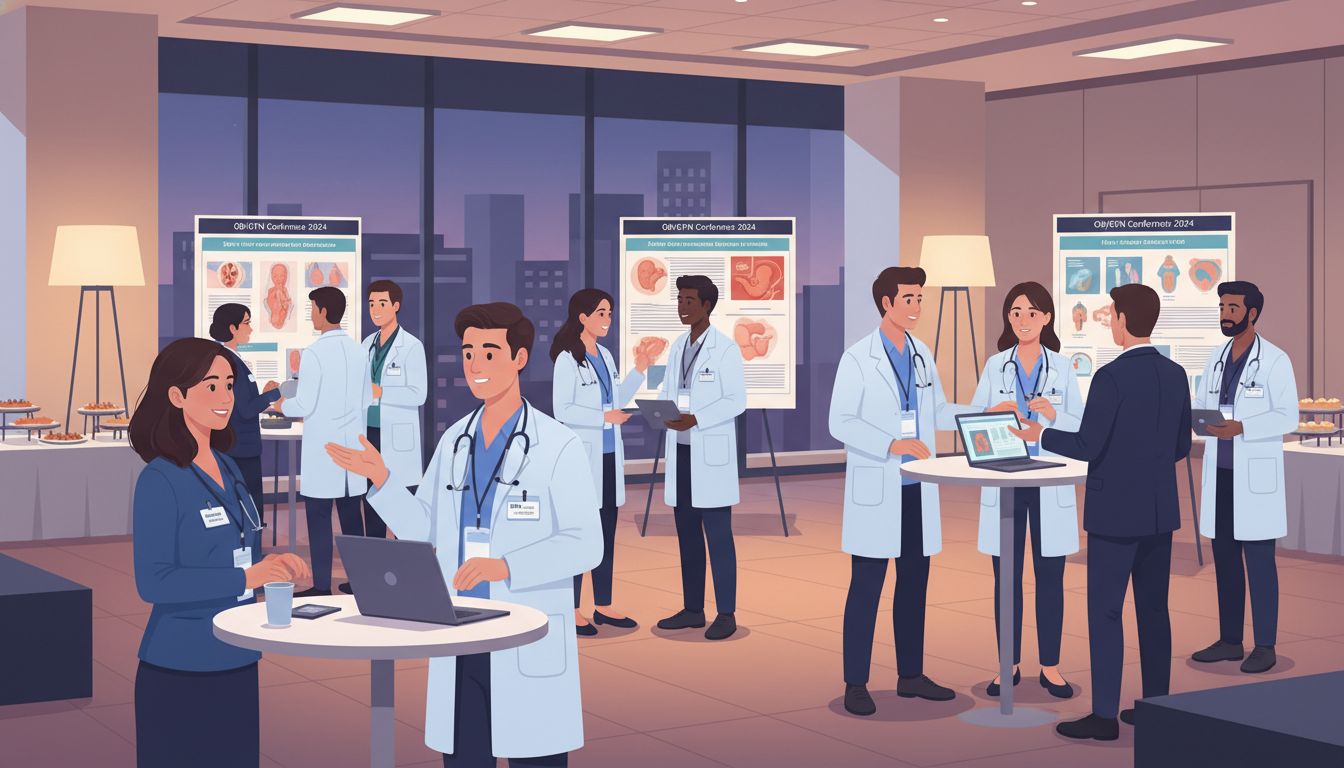
Understanding Networking as a US Citizen IMG in OB GYN
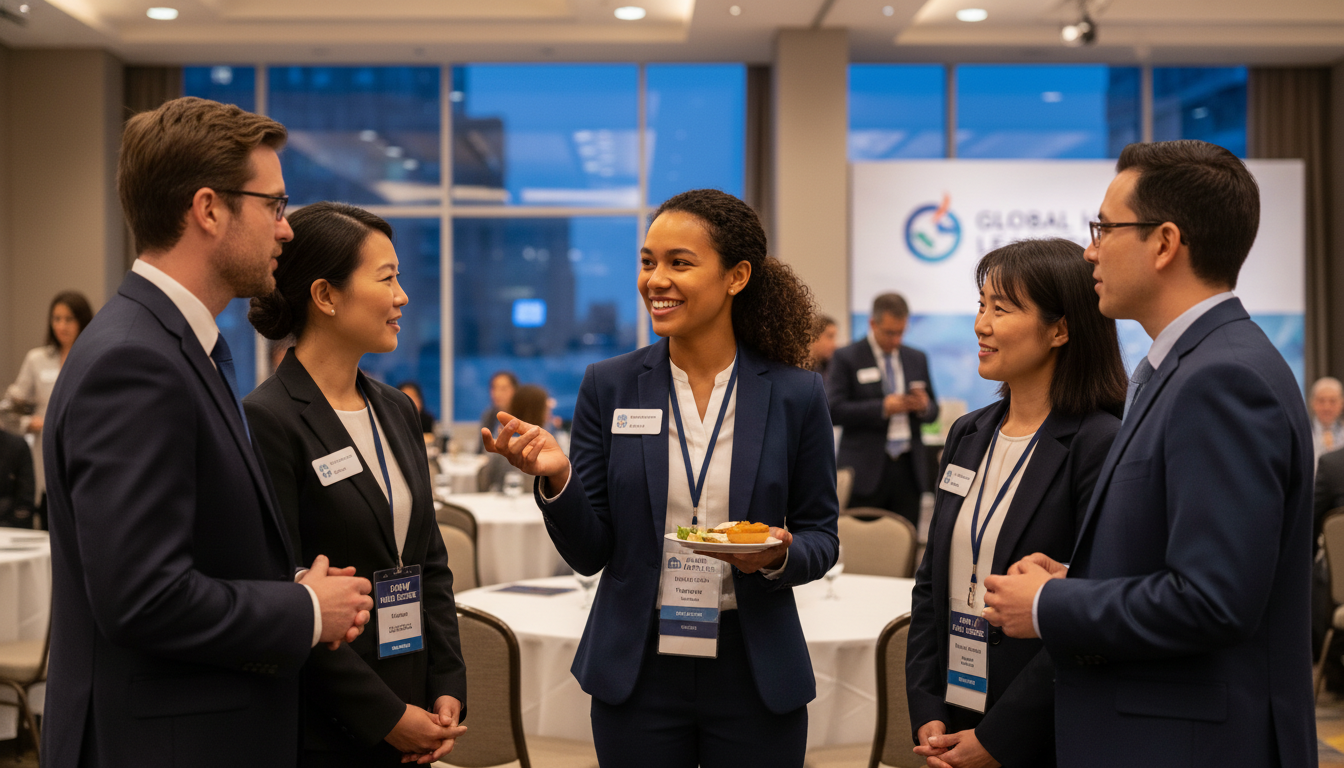
Networking in medicine is not about collecting business cards or adding random people on LinkedIn. It is about building trusting, long-term professional relationships that can open doors to opportunities, credibility, and mentorship.
For a US citizen IMG—especially an American studying abroad—networking is often the differentiator in a competitive OB GYN residency landscape. Program directors are used to seeing excellent scores, but they often know less about international schools. Strategic networking helps answer their biggest questions:
- Can this applicant function well in a U.S. clinical environment?
- Will they be a reliable team member on call, in the OR, and on L&D?
- Do trusted colleagues or mentors vouch for them?
- Have they shown genuine commitment to obstetrics and gynecology in the U.S. system?
As a US citizen IMG, you have one big advantage: you understand U.S. culture, communication norms, and the residency system better than many non-US IMGs. When combined with intentional medical networking, you can position yourself as a safe, appealing choice for the obstetrics match.
This article will walk through a structured strategy for networking in OB GYN as a US citizen IMG:
- How to prepare your professional “brand” before you network
- Where and how to network effectively (in-person and online)
- How to leverage mentorship in medicine for OB GYN
- How to turn connections into interviews, rotations, and advocacy
- How to maintain relationships and avoid common networking mistakes
Throughout, you’ll see specific examples tailored to OB GYN and to Americans studying abroad.
Laying the Groundwork: Your Professional Identity and Story
Before you start reaching out to people, you need a clear, consistent professional identity. This makes it much easier for others to remember you, recommend you, and see where you “fit.”
Crafting a Clear Professional Narrative
Your narrative as a US citizen IMG in OB GYN residency should answer:
- Who you are
- “I’m a US citizen IMG from [state], studying at [medical school] in [country].”
- Why OB GYN?
- Personal, meaningful, patient-centered reason (not just “I like surgery and continuity of care”—everyone says that).
- What you’ve already done to pursue OB GYN in the U.S.
- US clinical experiences, electives, observerships, research, online courses, conferences.
- What you’re looking for now
- Advice, mentorship, research collaboration, electives, or shadowing.
Example 30-second “networking intro” you can adapt:
“I’m an American studying medicine in Poland, originally from New York. I became interested in OB GYN after working as a doula during college and seeing how much impact good communication and evidence-based care have on birth experiences. I’m applying to OB GYN residency in the upcoming match and have completed two U.S. electives, including a high-volume L&D service. I’m particularly interested in patient safety and disparities in maternal outcomes. I’d really appreciate your advice on strengthening my application as a US citizen IMG, especially in terms of research and U.S.-based clinical exposure.”
Practice versions of this for:
- Conferences (short and polished)
- Emails (a bit more detail)
- Casual situations (more conversational)
Build a Professional, Searchable Online Presence
Networking today is hybrid: in-person and digital. You want people to be able to quickly see who you are and why you’re serious about OB GYN.
Essential elements:
LinkedIn profile
- Professional headshot (clean background, clinical attire or business casual).
- Headline: “US citizen IMG | Aspiring OB GYN Resident | [Your Med School]”
- About section: 3–5 short paragraphs capturing your narrative, interests in obstetrics, and main experiences.
- Experience: List clinical electives, research, leadership positions, teaching.
- Skills: Add “Obstetrics and Gynecology,” “Women’s Health,” “Medical Education,” “Clinical Research.”
Updated CV (U.S.-style)
- One consistent, clean format.
- Sections: Education, Exams, Clinical Experience (highlight U.S. rotations), Research & Publications, Presentations, Leadership, Volunteering, Languages.
- Save as “Lastname_Firstname_CV_OBGYN_USIMG.pdf”
Optional: Professional Twitter (X) or Instagram
- If you’re comfortable, you can follow OB GYN programs, faculty, and professional societies.
- Occasionally share or comment on educational content (not personal opinions on controversial topics during application season).
Action step:
- Before major conference networking, ensure your LinkedIn and CV are updated. Many people will check them after meeting you.
Strategic In-Person Networking: Rotations, Conferences, and Away Experiences
In-person impressions are powerful—especially in OB GYN, where teamwork and communication in high-stress situations are essential.
Networking Through U.S. Clinical Rotations
For a US citizen IMG, U.S.-based OB GYN clinical exposure is critical. These settings are your best early opportunity to:
- Show you can function like a sub-intern
- Build strong relationships with attendings and residents
- Earn strong letters that reassure programs about your readiness
How to turn a rotation into a networking opportunity:
- Day 1: Introduce yourself with clarity and humility
- “I’m [Name], a US citizen IMG from [School, Country]. I’m really excited to learn from your team in OB GYN and I’m especially interested in [e.g., maternal-fetal medicine, minimally invasive gynecologic surgery, or family planning]. I’d really value any feedback you have as we go.”
- Be consistently reliable
- Show up early, stay engaged, volunteer for tasks (notes, discharge summaries, patient education).
- On L&D, offer to help with triage, consents, updates to families when appropriate.
- Ask for educational moments
- “Could I present a short case-based topic tomorrow on [e.g., management of preeclampsia] for feedback?”
This showcases initiative and interest.
- “Could I present a short case-based topic tomorrow on [e.g., management of preeclampsia] for feedback?”
- Identify potential mentors and advocates
- Attendings or senior residents who take extra time to teach you or comment positively on your performance.
How to follow up and maintain connections:
- Near the end of the rotation:
“I’ve really appreciated learning from you this month. As a US citizen IMG planning to apply in OB GYN, I’d be very grateful for any feedback on how I can be a stronger applicant. Would you feel comfortable if I contacted you later with updates or questions?” - After the rotation:
- Send a brief thank-you email.
- Connect on LinkedIn with a personalized message.
- Send an occasional update (e.g., “I’m presenting our case at [conference]”; “I’ve scheduled Step 2 and secured another OB GYN elective”).
This is medical networking at its most powerful: you are not asking for favors; you are showing growth, professionalism, and gratitude.

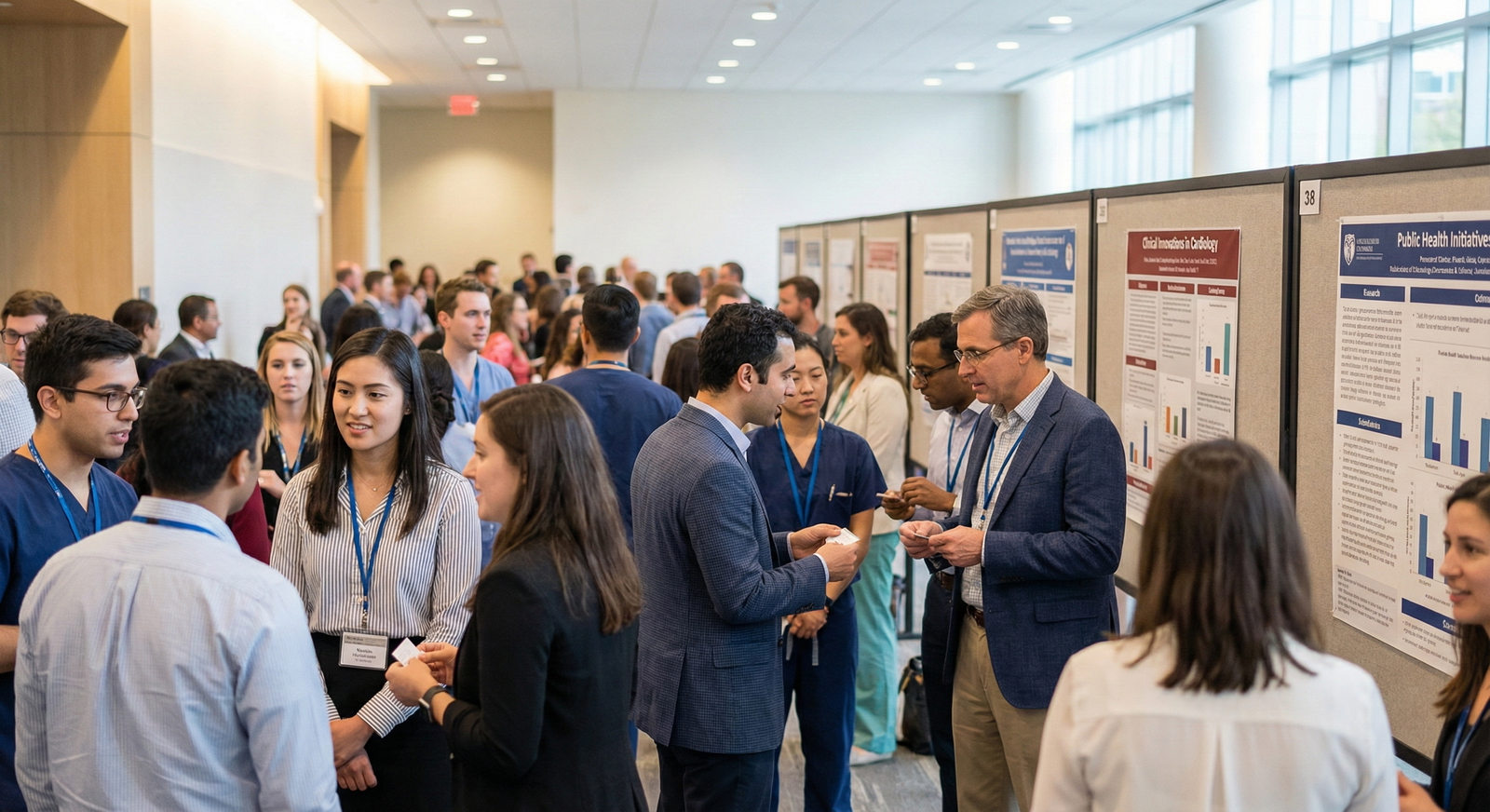
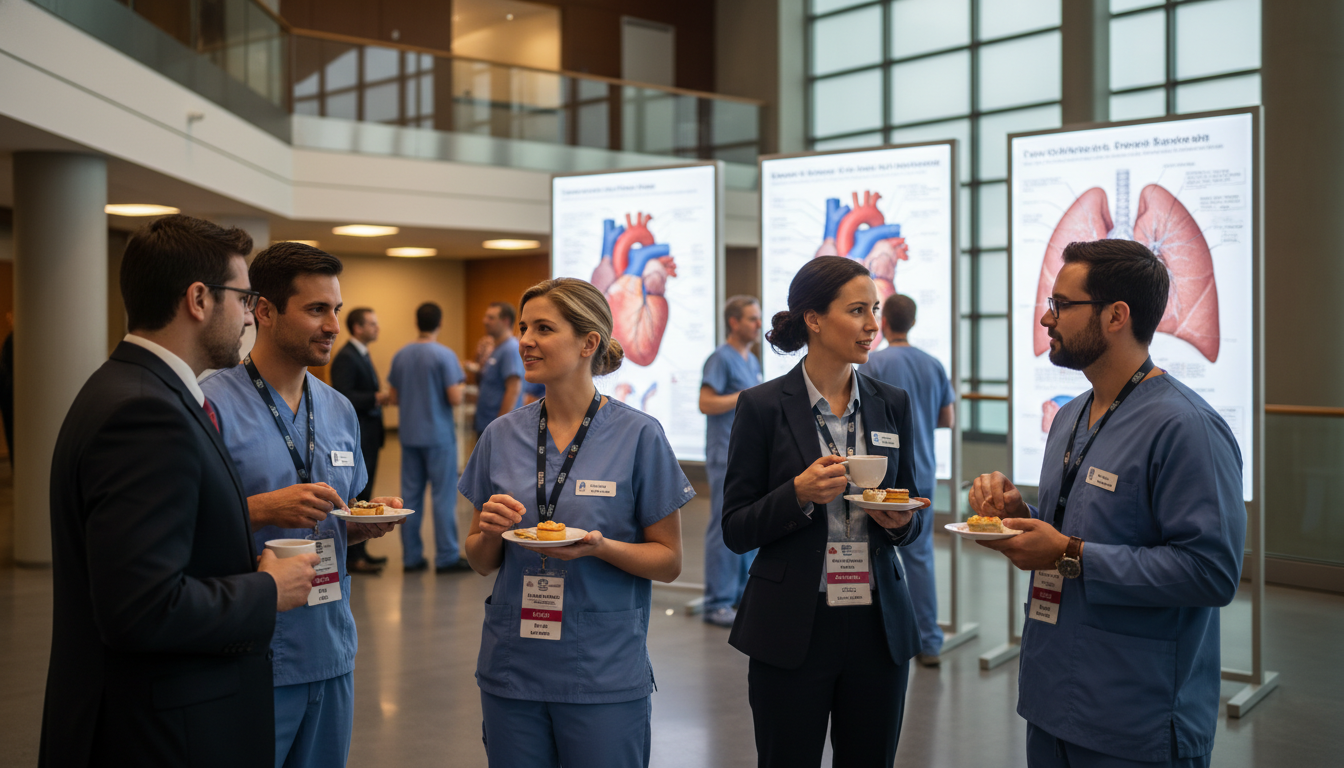
Conference Networking: Making the Most of OB GYN Meetings
Conference networking is particularly valuable for an American studying abroad who may feel geographically distant from U.S. academic centers.
Major OB GYN conferences to consider:
- ACOG Annual Clinical & Scientific Meeting
- APGO (Association of Professors of Gynecology and Obstetrics) Medical Education Conference
- Subspecialty conferences: SMFM (Maternal-Fetal Medicine), SGO (Gynecologic Oncology), AAGL (Minimally Invasive Gynecology)
If resources are limited, aim for at least one major conference before you apply, especially if you can present research or a poster.
Before the conference:
- Register early and look for:
- Student/trainee discounts
- Travel scholarships or IMG-focused awards
- Study the program and attendee list
- Highlight sessions related to your interests (e.g., maternal health disparities, global women’s health, surgical simulation).
- Note which OB GYN residency programs are presenting or sponsoring.
- Reach out to potential connections in advance
- Email a faculty member whose work interests you:
- Compliment a specific paper or project.
- Mention you’ll attend their talk.
- Ask if they would be open to a brief conversation after their session.
- Email a faculty member whose work interests you:
At the conference:
- Attend trainee-focused sessions and networking events.
- Sit toward the front, ask thoughtful questions at talks (if appropriate), introduce yourself to speakers afterward.
- Use a short version of your narrative: who you are, your interest in OB GYN, and what you’re seeking (e.g., research, mentorship, electives).
Example introduction at a poster session:
“Hi Dr. [Name], my name is [Name]. I’m a US citizen IMG studying at [School] in [Country] and I’m planning to apply in OB GYN. I’m really interested in your work on postpartum hemorrhage management because I saw several challenging cases during my L&D rotation. I’d love to hear your thoughts on how someone with my background could get involved in similar quality-improvement projects.”
After the conference:
- Send brief follow-up emails within 3–5 days:
- Thank them for their time.
- Mention a specific part of your conversation.
- Attach your CV only if they asked for it or if it’s clearly relevant.
- Connect on LinkedIn with a personalized note:
- “Thank you for speaking with me about your research on [topic] at ACOG. I’m a US citizen IMG applying to OB GYN and appreciated your advice on [specific point]. I’d love to stay connected and update you on my progress.”
Building Mentorship in Medicine: Finding and Nurturing Guides in OB GYN
In a field as relationship-driven as OB GYN, mentorship in medicine often shapes your career trajectory more than any single exam score.
Types of Mentors You Should Seek as a US Citizen IMG
Career Mentor (Long-term guide)
- Helps you plan your overall path in obstetrics and gynecology.
- Advises on which programs to target, subspecialty vs generalist careers, timing of exams and applications.
Sponsoring Mentor (Advocate)
- Not only advises, but also actively promotes you:
- Introduces you to colleagues.
- Helps you obtain observerships or electives.
- Writes powerful letters of recommendation.
- Mentions your name when programs ask about strong applicants.
Peer Mentor
- A recent graduate, current OB GYN resident, or older student (especially another US citizen IMG) who recently navigated the process.
- Offers practical, up-to-date insights into the obstetrics match: ERAS strategies, program lists, interview styles.
Research Mentor
- Guides you through projects that can lead to abstracts, posters, or publications.
- Particularly helpful if your school has limited research infrastructure.
How to Approach Potential Mentors
You don’t need to use the word “mentor” right away. Start with a smaller ask:
- “Would you be willing to provide brief advice on my plan as a US citizen IMG interested in OB GYN?”
- “Could we schedule a short call to discuss how I can get more involved in research in your area?”
Key principles:
- Be respectful of time: propose 15–20 minute calls.
- Send your CV in advance only if they offer or if it’s customary in that context.
- Come prepared with specific questions:
- “How can I strengthen my application given that I have only one US OB GYN elective so far?”
- “What types of research are most accessible to someone in my situation?”
- “Are there particular conferences or societies you recommend I join?”
Maintaining Mentorship Relationships
- Send periodic updates (every few months):
- Exams taken and scores.
- New rotations, research, or presentations.
- Progress toward application deadlines.
- Show that you act on advice:
- “Based on your suggestion, I reached out to Dr. X about [topic], and now I’m helping with data collection.”
- Express genuine gratitude:
- A short email acknowledging their impact can go a long way.
Over time, these mentors may:
- Help shape your personal statement.
- Offer honest feedback on your program list.
- Advocate for you in selection meetings, especially if they know program directors.

Digital Networking: Email, Social Media, and Virtual Events
For an American studying abroad, digital channels are essential to compensate for physical distance.
Professional Email Outreach That Gets Responses
You can use cold or warm emails to:
- Request short advice calls.
- Explore research opportunities.
- Ask about observerships or visiting rotations.
Basic structure of a good networking email:
Subject line – clear and specific
- “US citizen IMG interested in OB GYN – brief advice request”
- “Student interested in your work on maternal health disparities”
Opening – who you are
- Name, school, US citizen IMG status, intended specialty.
Why them – show you’ve done your homework
- Reference a paper, project, talk, or role.
- Brief, specific compliment or interest.
Your ask – small, reasonable, time-limited
- 15–20 minute Zoom/phone call for advice.
- Ask if they know of any students helping on their project.
- Inquire whether their department accepts visiting students or observers.
Close – gratitude and flexibility
- Acknowledge their busy schedule.
- Offer a few specific time windows or say you’ll accommodate their availability.
Example:
Subject: US citizen IMG interested in OB GYN – brief advice request
Dear Dr. [Last Name],
My name is [Name], and I am a US citizen studying medicine at [School] in [Country]. I am planning to apply for OB GYN residency in the upcoming obstetrics match and am particularly interested in [e.g., improving care for high-risk pregnancies].
I recently read your article on [short title] in [journal] and was struck by your work on [specific point]. As someone interested in contributing to similar research and clinical care in the future, I would greatly value your perspective.
If you are willing, I would be very grateful for a brief 15–20 minute Zoom or phone conversation to ask for your advice on how a US citizen IMG like myself can best prepare for OB GYN residency and potentially become involved in related projects. I recognize how busy you are and would be happy to accommodate any time that works for you.
Thank you for considering my request.
Sincerely,
[Full Name]
[Medical School, Expected Graduation Year]
[LinkedIn URL]
[Email | Phone]
Using Social Media and Virtual Events Wisely
Many OB GYN residency programs and faculty now use:
- Twitter (X)
- Virtual open houses and webinars
How to engage professionally:
- Follow OB GYN departments and key faculty.
- Like and occasionally comment on posts:
- Keep comments educational, appreciative, or question-focused.
- Avoid controversial, highly political topics while in the application process.
- Attend virtual residency program open houses and town halls:
- Introduce yourself briefly in chat if invited (“US citizen IMG at [School] interested in OB GYN, excited to learn about your program.”).
- Jot down names of faculty and residents you connect with.
After a virtual event, it’s appropriate to:
- Connect on LinkedIn with a short note:
- “Thank you for answering questions during your program’s open house. As a US citizen IMG applying in OB GYN, I really appreciated your discussion of how your program supports diverse trainees.”
- Send brief follow-up emails in select cases (such as a strong interaction in a breakout room).
Turning Connections Into Opportunities and Match Success
Networking should lead to concrete outcomes, especially for a US citizen IMG aiming for OB GYN:
- Clinical experiences in the U.S.
- Research collaborations
- Strong letters of recommendation
- Program visibility and interview invitations
From Networking to Research
If a faculty member seems receptive, you can gently explore research possibilities:
- “If you or your team ever need help with data collection or literature review for your projects in [topic], I would be happy to assist remotely.”
- Be honest about your schedule and skills (e.g., Excel, basic statistics, literature search).
You can also:
- Ask current residents:
- “Are there any ongoing quality improvement or educational projects students can help with?”
- Use remote-friendly roles:
- Chart reviews, database cleanup, abstract drafting, reference management.
Even a small project that leads to:
- A poster at ACOG or a regional meeting
- A co-authored abstract or paper
…can significantly strengthen your profile and give you a reason to maintain contact with your mentor.
From Networking to Clinical Exposure
Potential pathways:
Electives and away rotations
- Use mentors, conference connections, and faculty at your home school to identify:
- US programs that accept IMGs for visiting electives.
- Institutions open to observerships if electives aren’t possible.
- Use mentors, conference connections, and faculty at your home school to identify:
Shadowing/observerships
- Not as strong as official electives, but better than no U.S. OB GYN exposure.
- Useful for understanding workflow and building relationships.
Non-OB GYN rotations at OB GYN-heavy institutions
- For example, internal medicine or surgery electives at hospitals with large OB GYN departments; networking can still lead to introductions.
In each case, your goal is to:
- Show strong work ethic.
- Earn advocates who can speak specifically about your performance and professionalism.
Networking During Interview Season
Once you receive interviews, networking becomes more program-specific:
- Attend pre-interview social events and meet-and-greets.
- Prepare questions that reflect genuine interest in:
- How residents are supported (especially as IMGs).
- Educational structure (simulation, surgical training, continuity clinics).
- Culture on L&D and in the OR.
When appropriate, you may mention that you’re a US citizen IMG and ask:
- “Do you currently have any IMGs or US citizen IMGs in your program? How has their experience been?”
- This signals awareness of your unique status and allows you to assess program openness to IMGs.
After interviews:
- Thoughtful, specific thank-you notes can reinforce positive impressions.
- Keep in touch with mentors who may reach out to programs on your behalf—with your permission and within NRMP guidelines.
Common Networking Mistakes for US Citizen IMGs—and How to Avoid Them
Being transactional too early
- Asking for letters, electives, or positions in the first email or meeting.
- Instead: Start with advice, learning, and contributions.
Sending generic, copy-paste messages
- Faculty can sense when messages are mass-produced.
- Instead: Include at least one specific detail about their work or talk.
Overemphasizing “IMG disadvantage”
- It’s fine to acknowledge challenges, but don’t make your identity solely about being an IMG.
- Emphasize your strengths: adaptability, international perspective, bilingual skills, maturity.
Not following up
- You meet someone at a conference and never email them.
- Instead: A short thank-you and a LinkedIn request at minimum.
Underestimating peer networking
- OB GYN residents often have significant influence on who gets interviews and how applicants are perceived.
- Be kind, collaborative, and professional with everyone, including other students.
Ignoring boundaries
- Repeatedly emailing if someone doesn’t respond.
- Pushing for opportunities when they’ve politely declined.
- Instead: Accept non-responses or “no” gracefully and move on.
FAQs: Networking in Medicine for US Citizen IMG in OB GYN
1. As a US citizen IMG, is networking really that important for the OB GYN match?
Yes. Strong exam scores and a solid application are necessary but often not sufficient, especially in OB GYN residency where programs receive many more qualified applicants than spots. Networking:
- Helps programs see you as a known, trusted quantity.
- Compensates for limited name recognition of some international schools.
- Leads to meaningful letters from U.S. attendings and involvement in research or QI projects.
- Gives you advocates who can explain your path as an American studying abroad.
2. How early in medical school should I start networking if I want OB GYN?
Start as soon as you’re reasonably sure about your interest in obstetrics and gynecology—ideally by the middle of medical school. Early steps:
- Join OB GYN interest groups at your school (or virtual equivalents).
- Attend at least one OB GYN-related conference or webinar each year if possible.
- Seek early mentors—even if they’re not OB GYN at first—who can guide you toward later opportunities.
It’s never too late, but earlier networking gives you more time to grow relationships, gather meaningful experiences, and build a coherent story.
3. I don’t have many OB GYN contacts in the U.S. How do I start from zero?
You can build a network from scratch using a few channels:
- Leverage any connection you do have: family friends in medicine, alumni from your school in the U.S., or physicians in related fields (family medicine, internal medicine, pediatrics).
- Email faculty whose research you genuinely admire and ask for a short advice call.
- Attend virtual OB GYN program open houses and conferences; use these events as structured networking opportunities.
- Connect with OB GYN residents who are US citizen IMGs via LinkedIn or your school’s alumni network and ask for short informational conversations.
Think of networking as a series of small, respectful steps, not a single big leap.
4. How do I balance networking with studying for exams like Step 2?
Prioritization is critical. For an IMG, a strong exam performance is still foundational. Possible approach:
- During intense study periods: limit networking to maintaining existing relationships (occasional quick updates or check-ins).
- During lighter periods: actively schedule networking calls, conferences, and research activities.
- Combine activities when possible:
- Use clinical rotations as both learning and networking experiences.
- Turn required academic projects into OB GYN-focused work that can be shared at conferences.
Ultimately, think of networking as part of your long-term investment in your career—not an optional extra, but something that can be scaled up or down according to your exam schedule.
Thoughtful, consistent networking—grounded in authenticity, curiosity, and professionalism—can transform your path as a US citizen IMG pursuing OB GYN residency. By combining your unique international training with strong U.S. relationships, you can become a compelling candidate in the obstetrics match and build a foundation for a fulfilling career in women’s health.