Why Networking Matters So Much for US Citizen IMGs in Pediatrics
For a US citizen IMG (American studying abroad) pursuing pediatrics, networking in medicine is not optional—it’s strategic survival.
Pediatrics is friendly, but it is also competitive and relationship‑driven. As a US citizen IMG, you are often not on program directors’ radars the way US MD seniors are. Strong scores and solid clinical performance are necessary, but not always sufficient. What often separates a candidate who gets interviews and ranks well from one who doesn’t is:
- Who knows you
- What they can say about you
- Whether they trust your training and professionalism
Networking in medicine, when done well, is not about being fake or pushy. It is about:
- Building genuine professional relationships
- Making your work and character visible to people who can advocate for you
- Learning from mentors who know how the pediatrics residency and peds match process really work
- Positioning yourself as a colleague, not just an applicant
For American students studying abroad, this is especially critical because:
Limited US clinical exposure compared to US MDs
– Fewer built‑in opportunities to meet program leadership
– Less access to home program advocacy and institutional reputationBias and unfamiliarity
– Some programs are unsure about the variability of international training
– Strong personal recommendations and direct impressions can counteract thisNeed for targeted visibility
– You may need to “introduce” yourself and your school to US pediatric departments through your own initiative
The good news: pediatrics is a relationship‑oriented specialty. If you approach medical networking intentionally and authentically, you can build a powerful support system that directly strengthens your pediatrics residency application.
Laying the Foundation: Your Professional Brand as a US Citizen IMG
Before you dive into conference networking and cold emails, you need a clear, consistent professional identity. This “brand” is not marketing spin—it’s a focused story that helps others remember who you are and how they might help you.
Step 1: Clarify Your Core Message
Ask yourself:
- Who am I professionally right now?
- “US citizen IMG, final‑year medical student at [School], interested in pediatrics.”
- What makes my path or interests distinctive?
- Neonatology, community pediatrics, advocacy, global child health, medical education, etc.
- What am I looking for?
- Letters, clinical electives, research, mentorship, advice on the peds match.
Example of a clear “one‑line identity” you can use in conversations:
“I’m a US citizen IMG studying at [University] with a strong interest in general pediatrics and child advocacy, and I’m planning to apply for pediatrics residency in [Match Year].”
Keep this short, honest, and repeatable.
Step 2: Build a Professional Online Presence
Even in pediatrics, people will look you up.
1. LinkedIn
- Professional headshot (plain background, clinical or business‑casual attire)
- Headline example:
- “US Citizen IMG | Future Pediatrician | [Med School, Country] | Applying to Pediatrics [Year]”
- Fill in:
- Education, exam status (USMLE Step 1/2), relevant electives, research, volunteer work
- Add a brief “About” section describing your pediatrics interests and long‑term goals
2. Email professionalism
- Create a simple professional email:
firstname.lastname.md@gmail.comor similar - Use a consistent signature:
- Name
- “US citizen IMG, [Med School], Class of [Year]”
- US phone (if available), email
- LinkedIn URL (optional but helpful)
3. CV and personal statement drafts
You don’t need perfection early, but you do need a polished CV. Many networking encounters will end with:
“Send me your CV and I’ll see what I can do.”
Have:
- Updated CV in US format (1–2 pages ideally for students)
- Working draft of your pediatrics‑focused personal statement (useful when people ask about your motivations)
Step 3: Practice a Brief “Professional Introduction”
Networking goes far better when you’ve rehearsed how to introduce yourself.
Structure:
- Who you are (name, school, US citizen IMG status)
- Training stage (MS4, recent graduate, etc.)
- Pediatrics interest (specific areas if relevant)
- What you’re exploring/looking for
Example:
“My name is Sarah Khan. I’m a US citizen IMG in my final year at [School] in [Country], and I’m very interested in pediatrics, particularly hospital medicine and quality improvement. I’m planning to apply for pediatrics residency in the US for the [Year] peds match and I’m trying to learn more about how IMGs can build strong applications and get meaningful US clinical experience.”
This kind of concise, clear introduction makes it easier for people to help you.

High-Impact Networking Channels for US Citizen IMGs in Pediatrics
Not all networking in medicine is equally useful. As a US citizen IMG targeting pediatrics residency, prioritize channels that get you face‑to‑face or directly connected with US pediatricians and residency leaders.
1. US Clinical Rotations and Away Electives
Your most powerful networking tool is often your performance during US clinical experiences.
Why this matters
- Direct observation → strong, personalized letters of recommendation
- Face‑time with attendings, fellows, chief residents, program directors
- They see how you function in the US healthcare system
Action steps
- Apply early for US pediatric electives or sub‑internships at:
- University‑affiliated hospitals
- Community programs that are IMG‑friendly
- Treat every day as an audition:
- Show up early; stay engaged
- Take ownership of patients where appropriate
- Ask thoughtful questions; volunteer for presentations
- Ask for feedback mid‑rotation so you can improve in real time
How to turn rotations into networking opportunities
Identify 1–3 attendings or senior residents you connect with
Near the end of the rotation, say:
“I’ve really appreciated working with you this month. As a US citizen IMG planning to apply for pediatrics, I’d be grateful for any advice you have about strengthening my application. Would it be okay if I stayed in touch by email?”
Follow up with:
- Thank‑you email
- Brief update a few weeks to months later (scores released, research progress, match season approaching)
These “small” follow‑ups build familiarity over time and can lead to advocacy during the peds match.
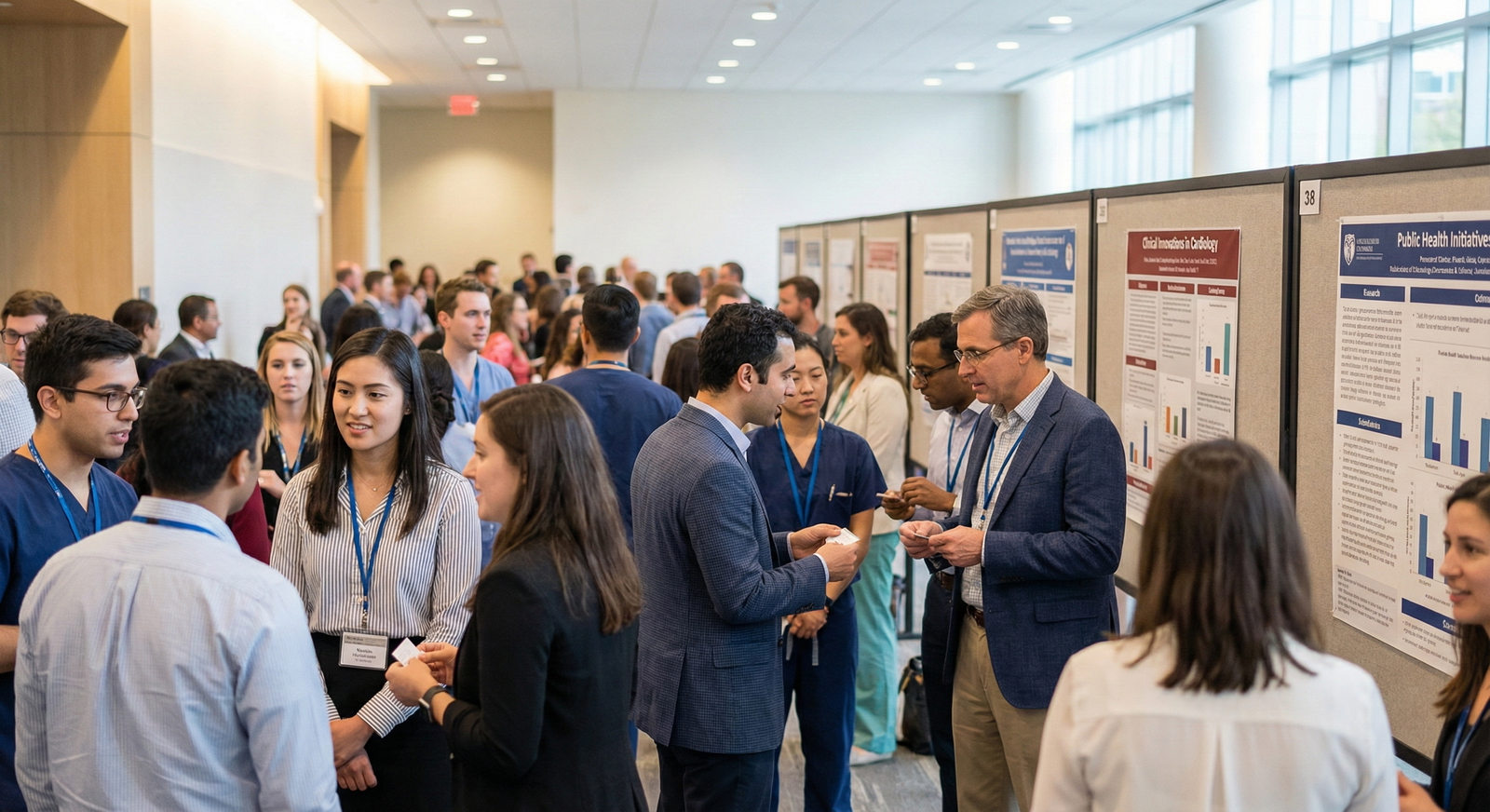
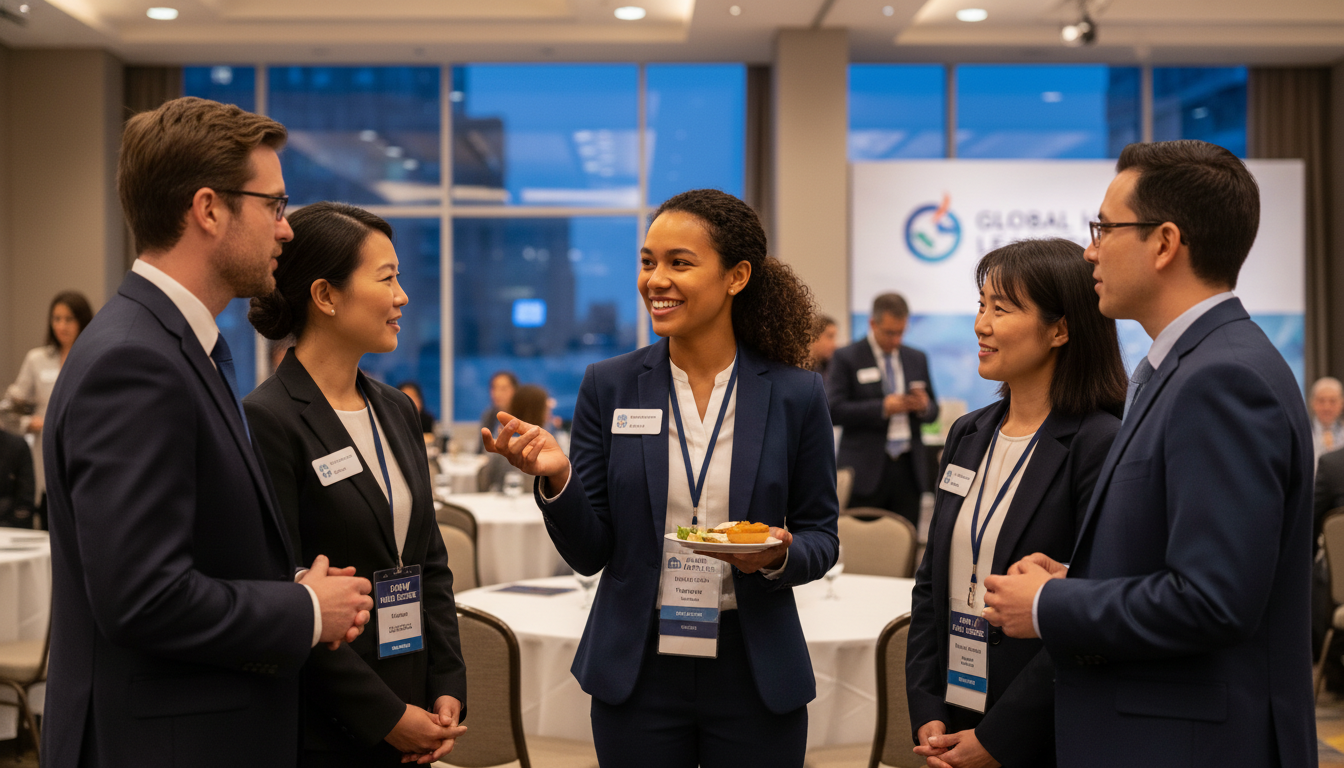
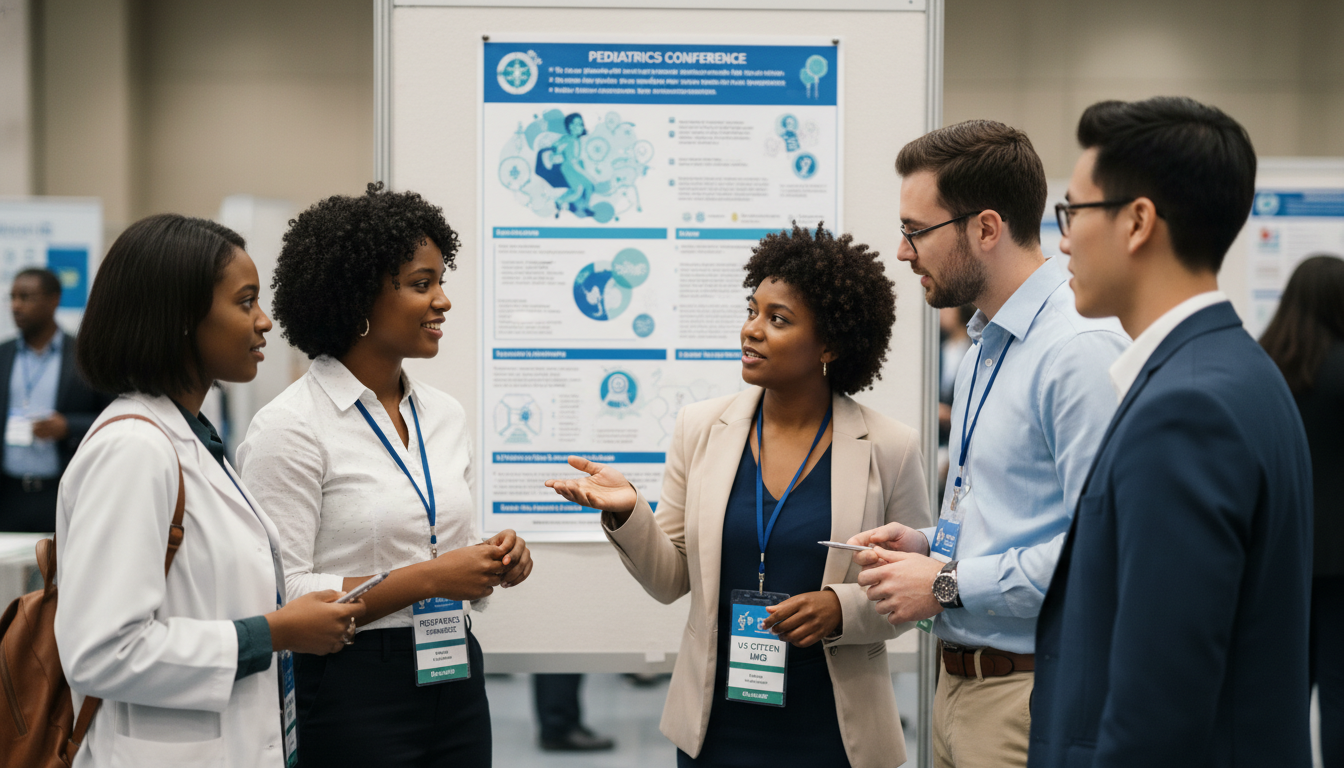
2. Medical and Pediatrics Conferences: Making the Most of Conference Networking
Conference networking is often underused by IMGs, but it can be game‑changing if done right.
Key targets for pediatrics:
- American Academy of Pediatrics (AAP) National Conference & Exhibition
- Regional AAP meetings
- Pediatric subspecialty conferences (e.g., PAS, if presenting research)
- State pediatric society meetings near where you have electives or family
Before the conference
- Review the program:
- Look for sessions with residency program directors, “Careers in Pediatrics,” “Residency Application” panels
- Identify speakers from pediatric programs known to accept or support IMGs
- Reach out in advance if possible:
- Short email: introduce yourself, mention you’re a US citizen IMG interested in pediatrics, say you’ll be attending their session and would value a few minutes to ask questions afterward
During the conference
Attend residency‑related and education/mentorship sessions
Ask concise, relevant questions during Q&A:
- “As a US citizen IMG interested in pediatrics, what are the best ways to demonstrate readiness for a US residency program?”
After sessions, approach speakers:
- Use your practiced introduction
- Ask 1–2 targeted questions
- If they seem receptive, say:
“This has been really helpful. Would you mind if I emailed you to ask a couple of follow‑up questions about pediatrics residency as a US citizen IMG?”
Collect business cards or contact details, or connect on LinkedIn right away
After the conference
- Within 3–5 days, send a short, personalized email:
- Thank them for a specific point they made
- Briefly restate who you are (US citizen IMG interested in pediatrics)
- Ask 1–2 specific follow‑up questions or request general guidance
This is classic conference networking: respectful, specific, and low‑pressure.
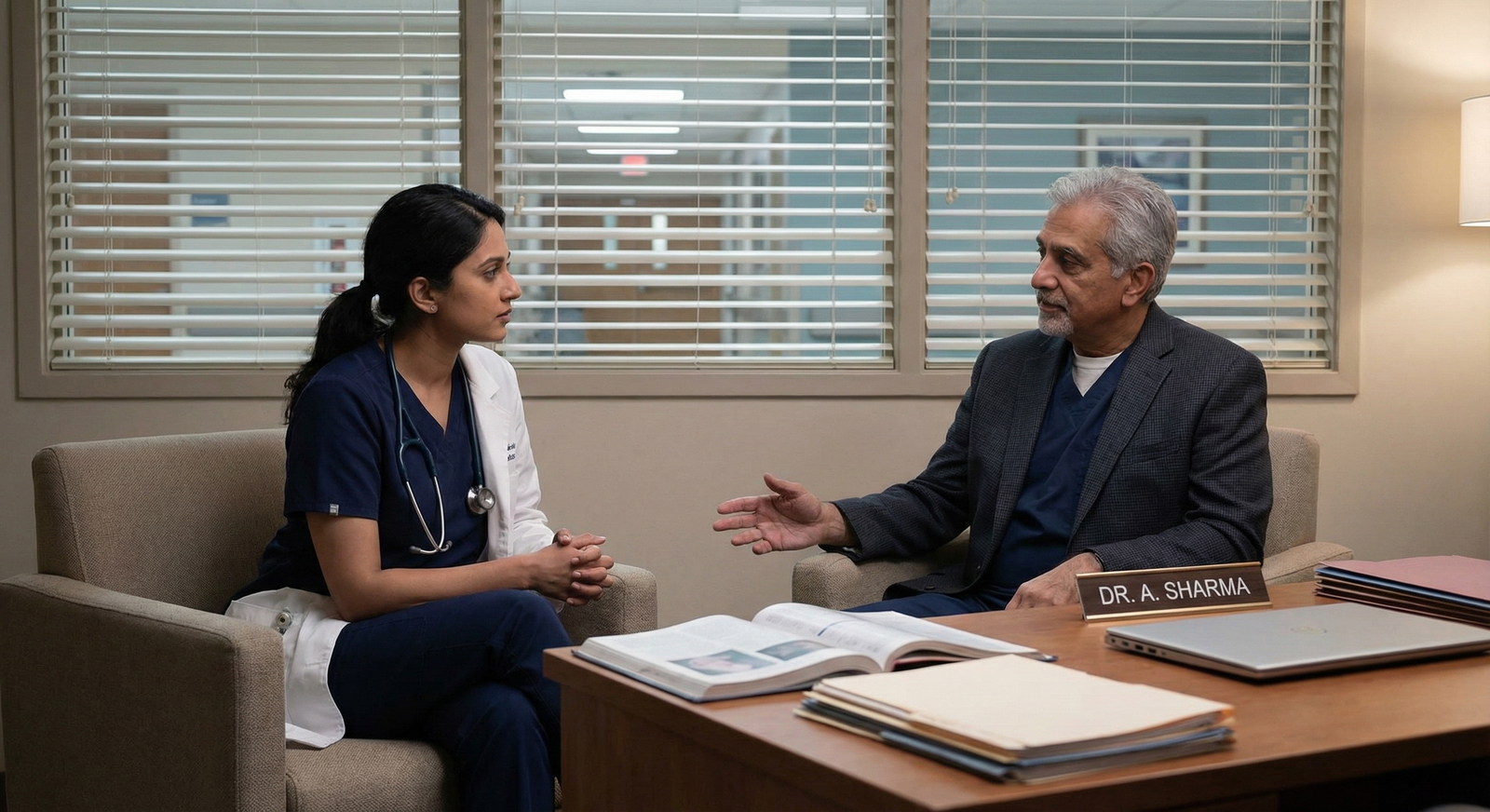
3. Formal Mentorship in Medicine: Finding and Using Mentors Well
For US citizen IMGs, mentorship in medicine can replace some of the “hidden curriculum” you miss by being outside a US med school.
Types of mentors you should seek:
- Clinical mentors – pediatricians who can advise on training, letters, and program selection
- Research mentors – faculty who can involve you in pediatric projects
- Career mentors – people who understand navigating the peds match as an IMG
- Peer mentors – residents or fellows who were once US citizen IMGs or non‑US IMGs
Where to find mentors
- US clinical rotations (attendings, chief residents)
- AAP sections and interest groups (e.g., Section on Medical Students, Residents & Fellowship Trainees)
- Your own faculty abroad with US connections
- Alumni networks: older graduates from your school now in US pediatrics
- Online mentorship programs (some IMG groups and pediatric societies have formal or informal mentorship tracks)
How to approach potential mentors
- Use a short, respectful email:
- Introduce yourself (US citizen IMG, school, year)
- Explain your interest in pediatrics briefly
- Ask for a 15–20 minute conversation for advice, not for a favor
Example:
“I’m a US citizen IMG in my final year at [School] in [Country], with a strong interest in pediatrics residency in the US. I’ve been following your work on [topic] and would really value 15–20 minutes of your time to ask a few questions about how to best prepare and navigate the peds match as an IMG. I understand you’re very busy, so I’d be grateful for any time you can spare.”
How to be a good mentee
- Come prepared with specific questions (don’t ask things easily found on Google)
- Take notes and act on their advice
- Update them periodically on your progress and outcomes:
- Exam results, research accepted, interviews obtained, match result
- Express genuine gratitude; mentors invest emotionally in your success
Over time, mentors can:
- Provide strong letters of recommendation
- Introduce you to other pediatricians
- Recommend specific programs likely to consider IMGs
- Help troubleshoot setbacks in your application
Practical Networking Strategies You Can Start Today
Effective networking in medicine is built from many small, consistent actions. For a US citizen IMG facing the peds match, here are concrete strategies you can implement now.
Strategy 1: Intentional Email Outreach to Programs
Cold emailing can be useful if done professionally and sparingly.
When to email
- Before electives to ask about opportunities for visiting students
- When you have a genuine connection or reason:
- You published or presented pediatric research
- A mentor suggested you contact a specific faculty member
- You have a strong geographic tie (family in the area, previous degree, etc.)
How to structure your email
Subject line: clear and honest
- “US Citizen IMG Interested in Pediatrics Elective at [Hospital]”
- “Prospective Pediatrics Applicant (US Citizen IMG) Seeking Advice”
Opening:
- Name, status (US citizen IMG, med school, year), specific interest in pediatrics
Body:
- Why you’re reaching out to them specifically
- Briefly what you’ve done (exam status, any pediatric experience)
- Clear, modest request (advice, information about electives, etc.)
Closing:
- Gratitude, mention attached CV if appropriate
Keep it short (10–15 lines). Respect their time.
Strategy 2: Structured Use of LinkedIn for Medical Networking
LinkedIn can support your in‑person networking in pediatrics.
Connect with:
- Attendings and residents you rotated with
- Speakers you met at conferences
- Alumni from your school in US pediatrics
Add a short personalized note when you connect:
“It was great meeting you at the AAP conference session on residency applications. I’m a US citizen IMG interested in pediatrics and would like to stay connected.”
Share occasional, professional updates:
- “Grateful to have completed a pediatric elective at [Hospital].”
- “Our project on [topic] was accepted as a poster at [meeting].”
These small updates passively remind your network of your ongoing engagement with pediatrics.
Strategy 3: Research and Scholarly Networking
Participating in research can be particularly valuable for an American studying abroad, as it:
- Demonstrates academic ability
- Creates natural reasons to interact with US pediatricians
- Provides content for conference posters (and thus, more networking)
If your school has limited resources:
- Ask pediatric faculty at your school if they collaborate with US institutions
- Look for remote roles: data analysis, literature reviews, chart reviews (when feasible with IRB rules)
- Ask mentors:
“Do you know of any ongoing pediatric projects where an extra set of hands would be useful, even in a remote capacity?”
Show reliability:
- Meet deadlines, over‑communicate if delays arise, and produce clean work
- Good research collaborators become strong advocates
Strategy 4: Family, Community, and Informal Networks
Networking in medicine doesn’t only happen in hospitals and conferences.
Use existing connections:
- Family friends who are pediatricians or physicians in related fields
- Community physicians you volunteered with in high school or college
- Alumni from your college now in pediatric residency or practice
Ask for advice, not favors:
“As a US citizen IMG preparing for pediatrics residency, I’d love to hear your perspective on how I can make my application as strong as possible and what programs might be more IMG‑friendly.”
Even non‑pediatric physicians can:
- Connect you to colleagues in pediatrics
- Help you understand the US training environment
- Write character‑based letters (less ideal than pediatric letters, but still valuable if they know you well)
Networking During the Peds Match Cycle: From Applications to Rank Lists
As application and interview season approach, your networking strategy should become more targeted.
Before Applications Open
- Finalize your list of programs with input from:
- Mentors in pediatrics
- Residents familiar with IMG‑friendly programs
- If you have meaningful connections (e.g., rotation completed, research collaboration), it’s appropriate to:
- Email the faculty member or resident to let them know you applied
- Briefly update them on your application highlights
Do not mass‑email programs or send generic “please consider my application” messages—they are rarely helpful and can backfire.
During Interview Season
Networking during interviews is just as important as the interview itself.
- Treat every resident interaction as part of your evaluation:
- Be respectful, engaged, and curious
- Ask about culture, education, and how IMGs are supported
- After each interview:
- Send a personalized thank‑you email to the program coordinator and, when appropriate, individual faculty interviewers
- Reference specific topics you discussed
These small touches reinforce your interest and professionalism.
After Interviews: Staying Professionally Visible
Programs differ, but in pediatrics, excessive post‑interview contact can be frowned upon. However, some low‑key, authentic points of contact can be appropriate:
- A brief message to a mentor or resident you connected with:
- Thank them for their time and insights
- Mention that your visit confirmed your interest in pediatrics and in their program
- Avoid anything that pressures for ranking preferences or sounds like you’re trying to game the process.
The key is authenticity; your goal is to be remembered as a professional, collegial future resident, not as a desperate applicant.
Common Pitfalls and How to Avoid Them
Networking in medicine can feel uncomfortable, and missteps are easy. Awareness helps you avoid them.
Pitfall 1: Only Reaching Out When You Need Something
If your pattern is:
“No contact for a year → sudden request for a letter or introduction,” people may feel used.
Solution:
Maintain light, periodic contact: share updates, express gratitude, and occasionally ask for advice rather than favors.
Pitfall 2: Being Vague About Your Goals
“Any advice?” is difficult to answer.
Solution:
Ask concrete questions, such as:
- “For a US citizen IMG, which aspects of the application matter most in pediatrics?”
- “What level of Step scores do you usually see at your program?”
- “Are there particular electives that would strengthen my peds match chances?”
Pitfall 3: Oversharing or Being Overly Casual
You are building professional relationships. Avoid:
- Complaining extensively about your school or other people
- Sharing very personal details early on
- Being overly informal (slang, inappropriate jokes, late‑night messages)
Pitfall 4: Ignoring Boundaries and Time
Sending long emails, repeated follow‑ups within days, or asking very busy faculty for time‑intensive tasks early on (e.g., detailed edits of your entire personal statement) can strain the relationship.
Solution:
- Keep communication concise and purposeful
- If someone doesn’t respond, wait 1–2 weeks before a gentle follow‑up
- If there’s still no response, move on politely
Final Thoughts: Turning Networking into Long-Term Professional Community
For a US citizen IMG pursuing pediatrics, networking is not a short‑term trick to “get in the door.” It’s how you build your professional community in a country where you did not attend medical school.
Done well, medical networking will:
- Help you understand the unwritten rules of the peds match
- Connect you with mentors who advocate for you
- Open doors to research, electives, and strong letters
- Provide guidance during residency and beyond
The most effective networkers in pediatrics are not the loudest or most extroverted—they are the most reliable, respectful, and genuinely interested in learning and contributing. Start early, be consistent, and treat every interaction as part of your professional story.
FAQs: Networking in Medicine for US Citizen IMGs in Pediatrics
1. As a US citizen IMG, when should I start networking for pediatrics residency?
Ideally 18–24 months before your intended peds match. That gives time to:
- Arrange US electives
- Build at least one longitudinal mentorship relationship
- Participate in research or scholarly projects
- Attend at least one pediatrics conference
If you’re later than that, start now—prioritize rotations, mentorship, and contacting people with genuine connections.
2. How many mentors do I need, and do they all have to be pediatricians?
You don’t need many; 2–4 meaningful mentors is usually enough:
- At least 1–2 pediatricians (for specialty‑specific advice and letters)
- Optionally, a mentor from another field who knows you very well (for character/professionalism perspective)
- A resident or fellow mentor who recently went through the peds match as an IMG is extremely helpful
Quality and consistency matter more than number.
3. Is it okay to tell people I’m a US citizen IMG, or will that hurt me?
Be open and straightforward. Hiding your IMG status is impossible and creates awkwardness. Many pediatricians have positive experiences with IMGs and appreciate your honesty. Your goal is to demonstrate that, despite training abroad, you are well‑prepared, adaptable, and committed to pediatrics. Networking and strong performance will help people see you as an individual, not a stereotype.
4. What if I’m introverted or uncomfortable with networking?
You don’t have to become someone you’re not. Focus on:
- One‑on‑one conversations instead of big social events
- Asking thoughtful questions and listening carefully
- Following up by email, where you may feel more comfortable expressing yourself
Networking in medicine is mostly about showing up, being prepared, and being consistently reliable, not about being charismatic. Many excellent pediatricians are quiet, reflective people who build strong networks over time through their work and kindness—you can do the same.