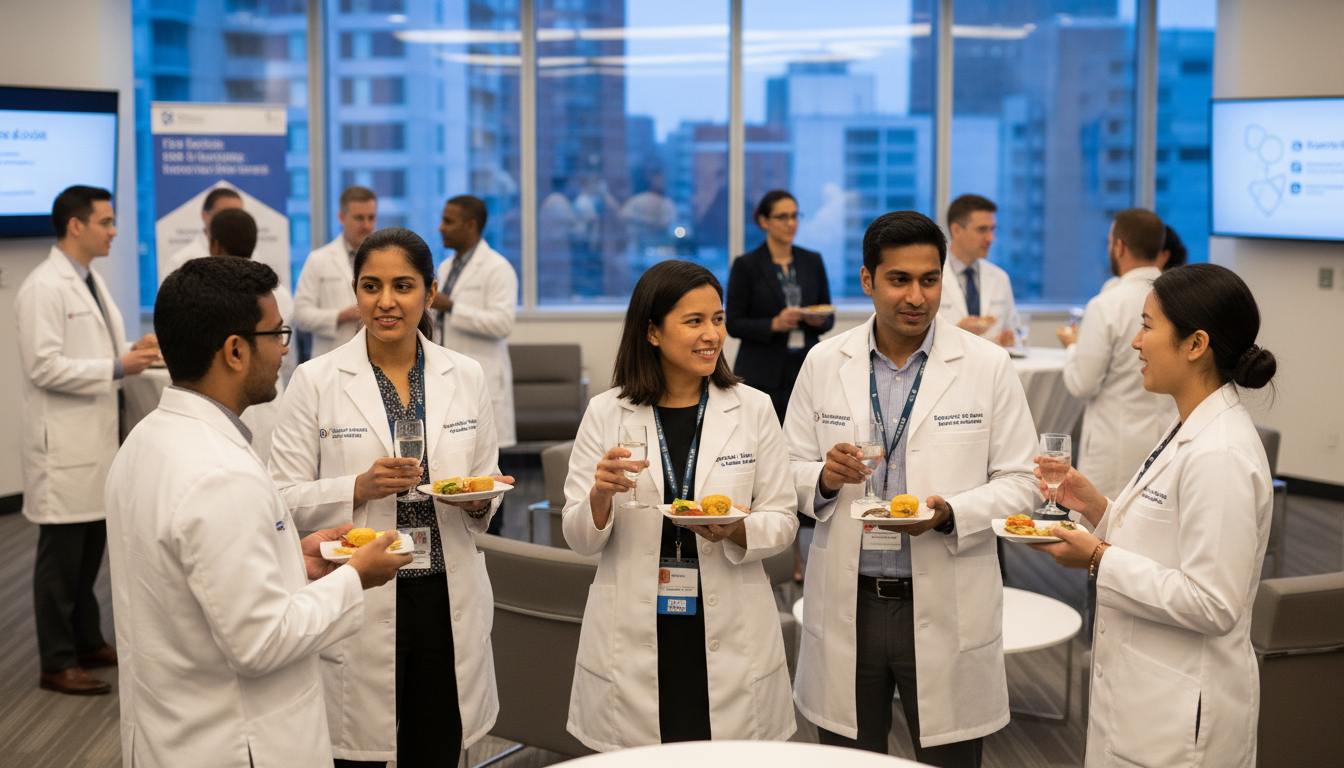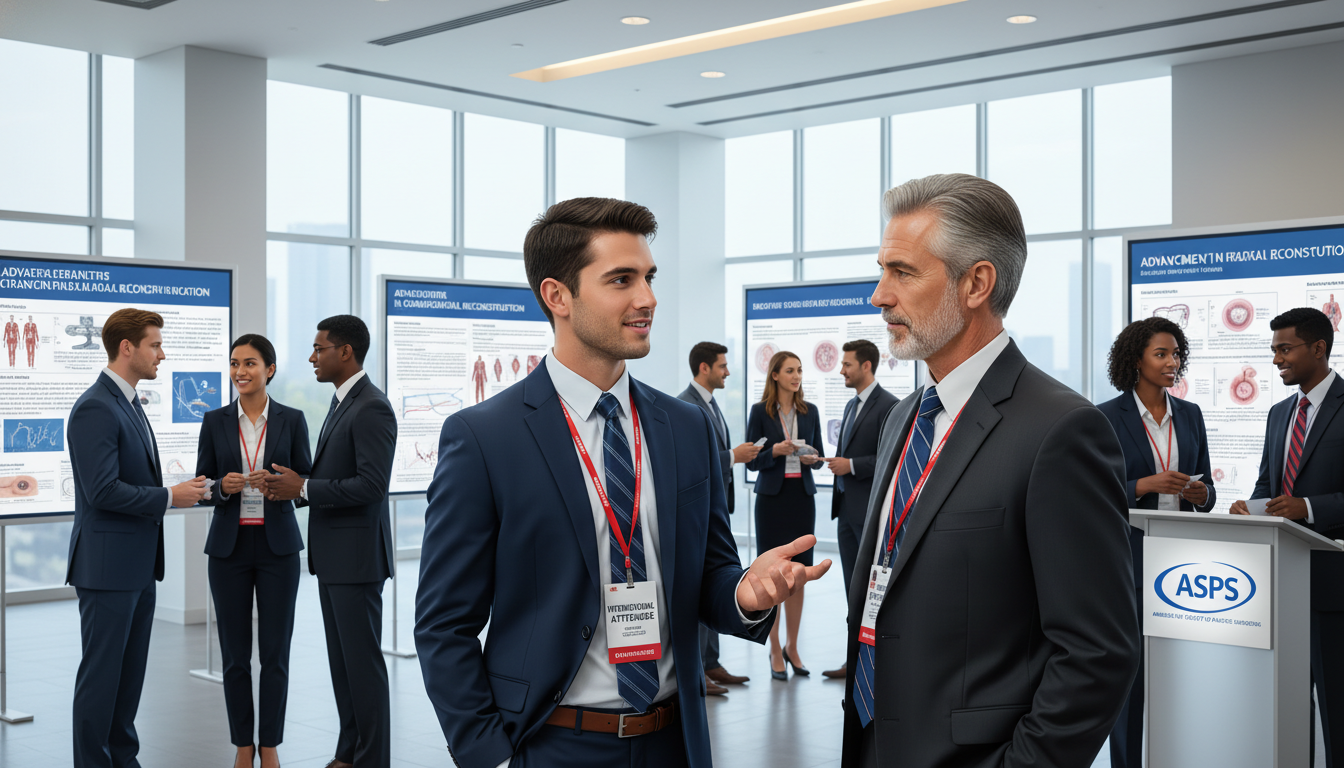
Understanding the Networking Landscape as a US Citizen IMG in Plastic Surgery
For a US citizen IMG (American studying abroad) who dreams of a plastic surgery residency, networking in medicine is not optional—it is strategic survival. Plastic surgery is one of the most competitive specialties, and as a US citizen IMG, you face additional barriers: limited home-institution connections, fewer built-in mentors, and less access to US-based research and clinical exposure.
Networking is the tool that can systematically close these gaps.
In plastic surgery, doors rarely open purely on the strength of scores or a CV. They open because:
- Someone knows you.
- Someone trusts you.
- Someone is willing to advocate for you.
This article will break down how to build and leverage medical networking, particularly conference networking and mentorship medicine, to improve your chances in the integrated plastics match as a US citizen IMG. You’ll learn how to:
- Build a strategic network from scratch while abroad
- Develop meaningful mentorship relationships in plastic surgery
- Use conferences, visiting rotations, and research to be “known” in the field
- Navigate communication and follow-up professionally
- Avoid common mistakes that quietly damage your reputation
Throughout, you’ll see specific examples tailored to an American studying abroad with plastic surgery ambitions.
The Unique Networking Challenges (and Hidden Advantages) for US Citizen IMGs
Why US Citizen IMGs Start at a Disadvantage
As a US citizen IMG, you may have:
No US home plastic surgery program
No built-in exposure to attendings, residents, or departmental activities.Limited in-person presence in the US
Harder to attend research meetings, shadow, or build longitudinal relationships.Less organic networking
You miss the daily “hallway conversations” US students have with faculty, fellows, and residents.Bias in competitive specialties
Some programs are hesitant to take IMGs, especially in integrated plastic surgery residency.
This makes intentional networking critical. You cannot rely on proximity; you must rely on planning.
The Hidden Strengths You Can Leverage
You also have unique strengths that can be powerful in medical networking:
US cultural familiarity
As a US citizen, you understand American norms, communication style, and expectations—this makes you easier to integrate into teams.International adaptability
Training abroad shows resilience, flexibility, and problem-solving in unfamiliar systems—traits valued in surgery.Distinctive story
Being an American studying abroad gives you a built-in narrative that can be memorable when framed well:“I chose to study medicine abroad for [specific reasons], and I leveraged that to gain diverse surgical experiences and research that I’m now eager to bring back to the US in plastic surgery.”
You must present your IMG status not as a liability but as a well-framed asset. Networking allows you to tell that story directly to decision-makers instead of having them guess from your ERAS application.
Building Your Core Plastic Surgery Network: Who You Need and How to Find Them
Networking in medicine for plastic surgery is not just “meeting people.” It’s intentionally building four core groups:
- Primary Mentors (Career Architects)
- Sponsors (Advocates with Power)
- Peers (Support and Information Network)
- Collaborators (Research and Project Partners)

1. Finding Primary Mentors in Plastic Surgery
Mentors help you plan and grow; they don’t necessarily have hiring power, but they can shape your path.
Ideal primary mentor characteristics:
- In or closely connected to plastic surgery (or at least surgery)
- Familiar with US residency and the integrated plastics match
- Willing to provide honest feedback, not just encouragement
- Accessible for periodic check-ins (email/Zoom)
Where to find mentors as a US citizen IMG:
Your school’s surgical faculty
Even if there is no plastics department, general or trauma surgeons may know US surgeons or have done US fellowships.Plastic surgeons in your training country
Many have trained or collaborated internationally and may have US contacts.US-based plastic surgeons via cold outreach
Scaffold your outreach strategy:- Look up faculty at programs where you’d like to rotate or apply.
- Identify those involved in education or research (APD, research director).
- Email with a short, specific ask (e.g., research involvement, career guidance call).
Example cold email structure:
Subject:
US Citizen IMG Interested in Plastic Surgery – Seeking Guidance on Research InvolvementBody (condensed):
- 1–2 sentences: Who you are (US citizen IMG, school, year)
- 1–2 sentences: Why you’re writing them specifically (read their work, program interest)
- 1–2 sentences: Your ask (10–15 minute advice call, or potential research involvement)
- Attach: 1-page CV
Keep it under 200–250 words, and never send a generic template to multiple people in the same department.
2. Identifying Sponsors (Your Future Advocates)
Sponsors are different from mentors. They may:
- Write influential letters of recommendation
- Call a PD or faculty on your behalf
- Help you get interviews or sub-I’s at their home institution
For US citizen IMGs, sponsors are often:
- Faculty you work with on US-based research projects
- Attending surgeons from US clinical electives/away rotations
- Senior residents/fellows who push faculty to pay attention to your application
To earn sponsorship, you must demonstrate:
- Reliability (answer emails, hit deadlines)
- Technical or scholarly competence (strong work output)
- Professionalism and collegiality (easy to work with)
3. Building a Peer Network: Other Students & Residents
Your peers are often your most realistic early network and can be vital sources of:
- Insider information on program culture
- Alerts about new research or positions
- Moral support during Step exams and match season
Action steps:
- Join online IMG groups targeting surgery or plastics
- Connect with:
- US med students interested in plastic surgery
- Other US citizen IMG plastic surgery applicants
- Current plastic surgery residents (especially junior ones)
Offer value, don’t just take:
- Share opportunities you hear about
- Help proofread personal statements or abstracts
- Provide USMLE prep tips that worked for you
4. Finding Research Collaborators
Research is a core currency in plastic surgery. Good collaborators can be:
- Residents needing help with data collection or chart reviews
- Fellows working on multi-institution projects
- Junior faculty with heavy project loads
To find them:
- Email research-heavy faculty asking if they (or their residents) need assistance.
- Ask residents you meet at conferences if their teams need extra hands.
- Monitor plastic surgery societies’ calls for research or multi-center collaborative projects.
Conference Networking: Turning Meetings into Match Momentum
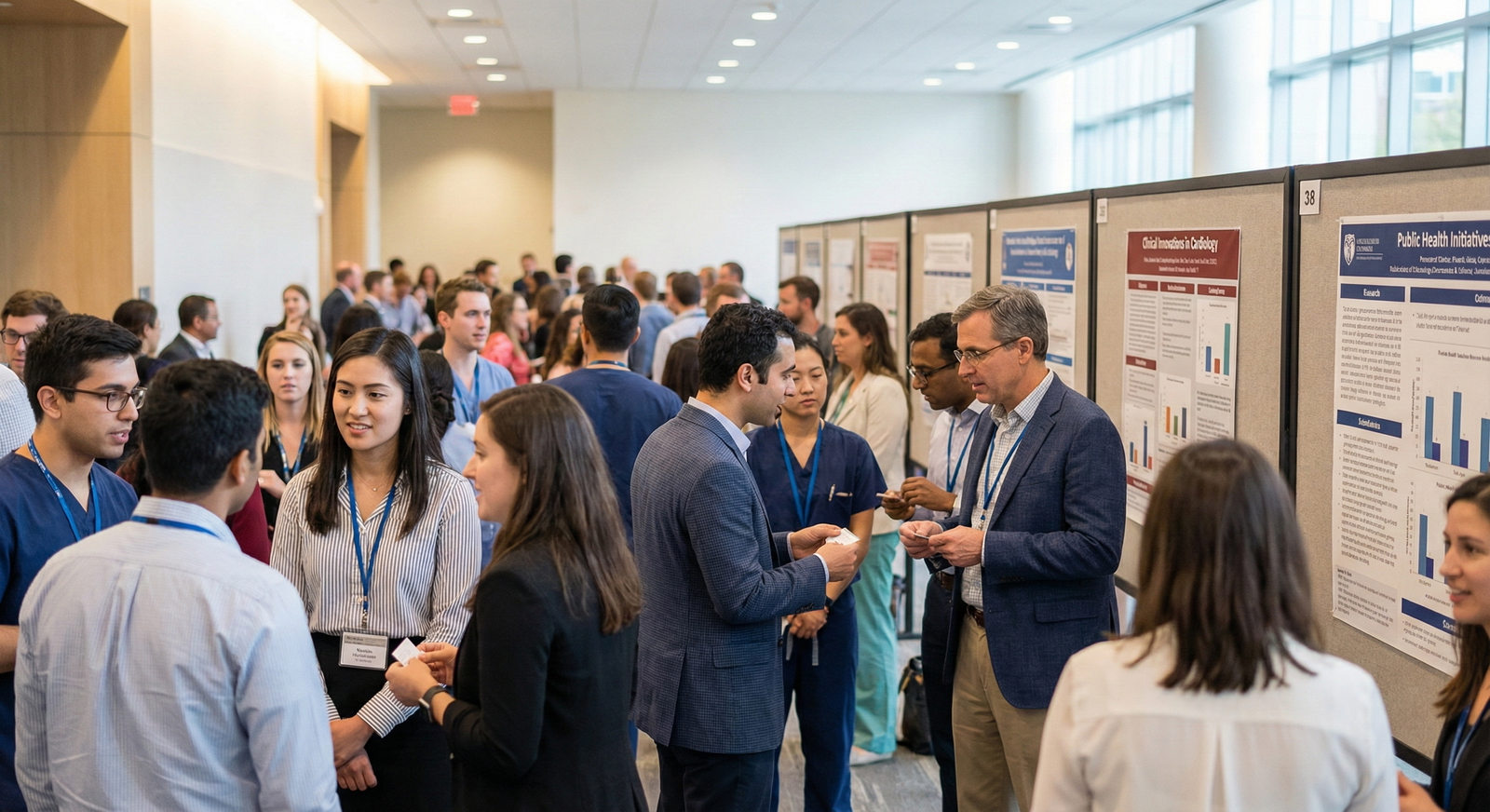
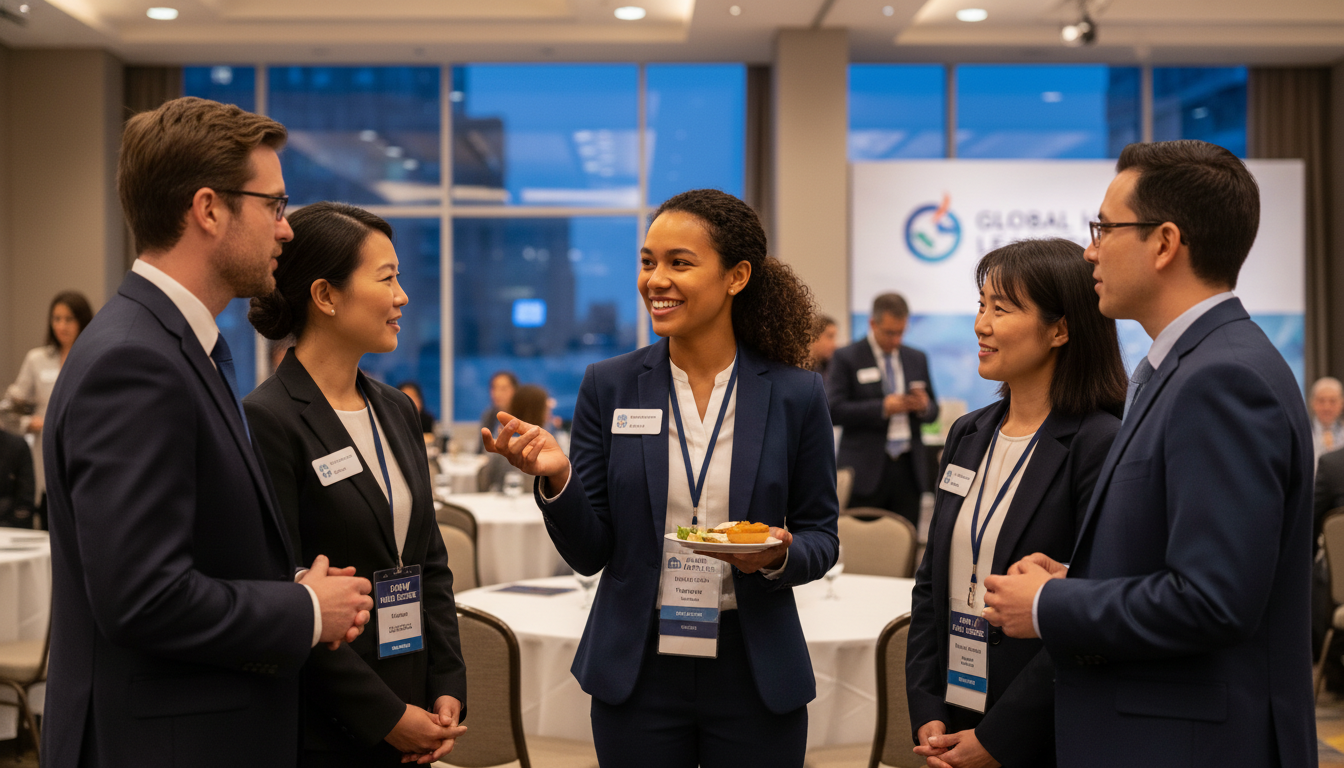
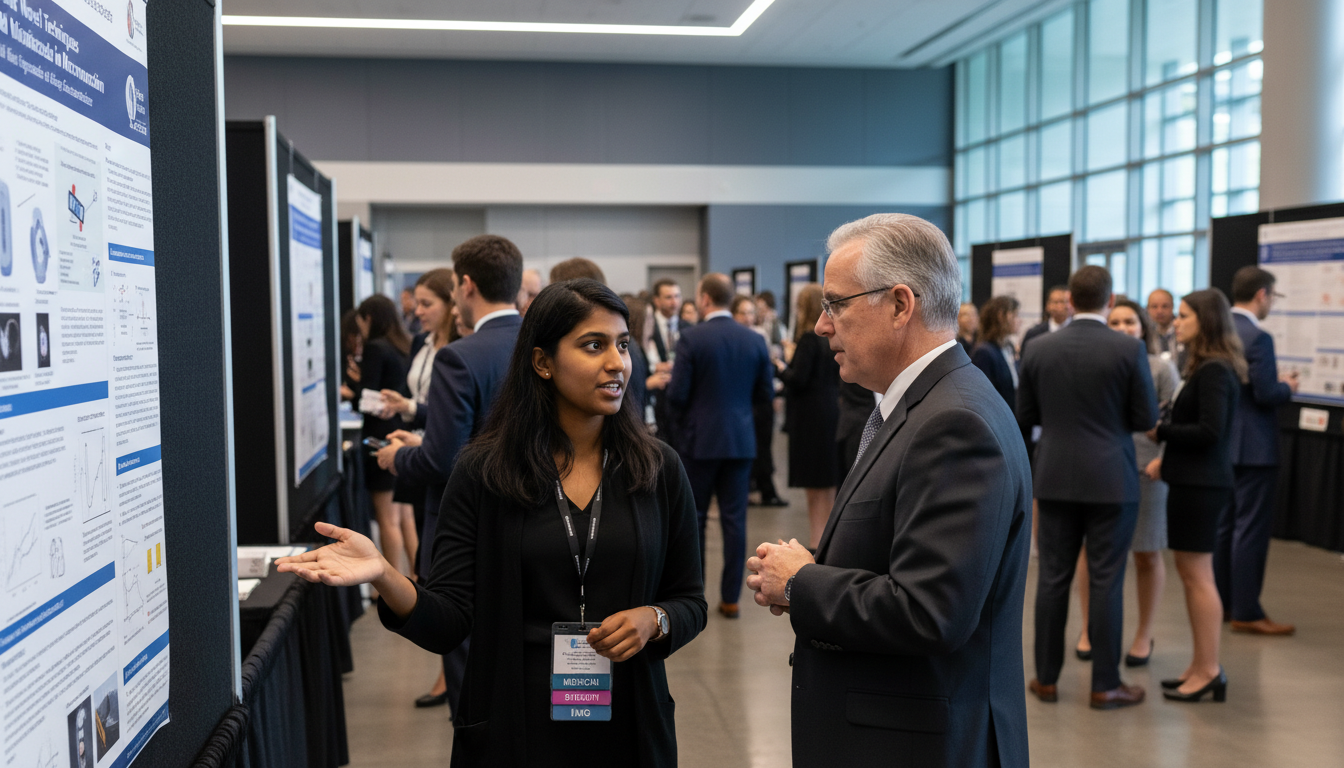
Conferences are among the most powerful tools for US citizen IMGs because they temporarily level the playing field. You are physically present with program directors, department chairs, residents, and potential mentors—even if your medical school has no plastics program.
Which Conferences Should You Prioritize?
For plastic surgery, consider:
- American Society of Plastic Surgeons (ASPS) Annual Meeting
- American Council of Academic Plastic Surgeons (ACAPS) events
- Regional plastic surgery meetings (e.g., Northeastern Society, Western Society)
- Medical student-focused panels/workshops at these meetings
If funds are limited, prioritize:
- Meetings where students can present posters (visibility)
- Meetings with program director panels or residency fairs (access to decision-makers)
Preparing for a Conference as a US Citizen IMG
Preparation turns random attendance into intentional networking.
Before the conference:
Review the attendee list and program
- Circle programs you’re interested in.
- Highlight talks or poster sessions led by faculty you may want to work with.
Create a 20–30 second personal “elevator pitch” that includes:
- Who you are (US citizen, IMG, school, year)
- Your plastic surgery interests (e.g., hand, craniofacial, reconstructive)
- What you’re seeking (research, mentorship, sub-I’s, future residency)
Example:
“Hi, I’m Alex, a US citizen IMG in my fourth year at [foreign school]. I’m very interested in reconstructive and microsurgery and plan to apply to integrated plastics. I’m currently working on outcomes research in [topic], and I’m here to learn more about residency training and research opportunities in the US.”
Update your CV and consider a concise one-page “academic resume”
Have a PDF ready to email if requested.Schedule in advance when possible
- Email faculty you’d like to meet:
“I’ll be attending ASPS this year and noticed you’re speaking on [topic]. As a US citizen IMG pursuing plastic surgery, I’d greatly appreciate 10 minutes to ask a few questions about research and residency training. Would you have any time during the conference?”
- Email faculty you’d like to meet:
What to Do During the Conference
Focus on quality interactions, not collecting business cards.
Attend medical student or trainee events
These sessions are often specifically designed for networking and Q&A with residents and faculty.Introduce yourself with purpose
Use your elevator pitch, then follow with 1–2 tailored questions. For example:- “What kind of applicant qualities does your program value, especially for IMGs?”
- “How early do you recommend getting involved with research if I’m currently in my third year abroad?”
Ask about concrete next steps
Turn casual conversations into future opportunities:- “Would it be okay if I follow up by email about potential research involvement with your group?”
- “Are there any upcoming visiting rotations or summer projects that would be appropriate for a US citizen IMG?”
Take brief notes between conversations
- Name, institution, what you discussed, and any “promised” follow-up.
- This helps you write detailed, memorable follow-up emails.
Presenting at Conferences: Visibility Multiplier
As a US citizen IMG, having your name on a poster or podium at a US-based meeting:
- Signals initiative and academic engagement
- Gives a natural conversation starter with faculty and residents
- Allows you to be recognized repeatedly as people pass your poster
When presenting:
- Be at your poster early and on time.
- Stand facing the aisle, not glued to your phone.
- When someone approaches:
- Introduce yourself (include the “US citizen IMG” part briefly).
- Give a 1–2 minute summary of your work.
- Ask about their interests and institution.
- Close with:
“I’m very interested in training in the US. Would you have any advice or be open to me following up about potential opportunities at your institution?”
Mentorship in Medicine: Developing Relationships That Actually Help You Match
Mentorship medicine in plastic surgery should not be random or passive. You need different types of mentors for different needs:
- Strategic/Career Mentor – Helps you sequence exams, rotations, and applications
- Research Mentor – Helps you build a strong scholarly output
- Clinical Skills Mentor – Guides your OR skills and professionalism
- Application Mentor – Reviews your personal statement, ERAS, and prepares you for interviews
Sometimes one person covers multiple roles, but often you’ll need several.
How to Start and Maintain a Mentorship Relationship
1. Start with a specific ask, not “Please be my mentor.”
Examples:
- “Could I meet with you once to get advice on planning my path toward plastic surgery as a US citizen IMG?”
- “I’m interested in contributing to your research in [topic]. May I help with data collection or manuscript preparation?”
2. Make it easy for them to say yes.
- Propose 2–3 time slots for a brief Zoom call.
- Emphasize that you respect their time and are happy with even a short conversation.
3. After they say yes, show you’re prepared.
For your first call or meeting:
- Send a short agenda ahead of time:
- 2–3 focused questions
- Updated CV
- Timeline overview (when you’ll take Step exams, when you aim to apply, etc.)
4. Maintain the relationship.
- Send brief updates every 2–3 months:
- Exam results
- New research accepted
- Conference presentations
- Upcoming application timeline
Always end with:
“Thank you again for your guidance—it’s been incredibly helpful as I navigate this path as a US citizen IMG aiming for plastic surgery.”
How to Ask for Letters of Recommendation
As a US citizen IMG aiming for integrated plastics, you need strong, specific letters. Your best letter writers are often:
- Research mentors who know your work ethic and reliability
- US surgeons from rotations where you showed clinical excellence
- Plastic surgeons (ideally US-based) who can comment on your fit for the specialty
Timing and approach:
- Ask at least 6–8 weeks before ERAS deadlines or programs’ requested dates.
- Phrase your request clearly:
“Based on our work together on [research/rotation], I was wondering if you would feel comfortable writing a strong letter of recommendation for my integrated plastic surgery residency applications.”
If they hesitate, accept it—an unenthusiastic letter can hurt you. Seek another writer instead of pushing.
Digital Networking: Email, Social Media, and Staying on the Radar
Physical proximity is limited for an American studying abroad, so digital networking becomes your lifeline.
Email: Professional, Concise, and Purposeful
Principles:
- Use a professional email address.
- Keep messages short and structured.
- Avoid long autobiographies; attach your CV instead.
Timing:
- Avoid weekends and late-night emails (recipient’s local time).
- If no response after 10–14 days, one polite follow-up is reasonable.
Follow-up example:
“Dear Dr. [Name],
I hope you’re doing well. I wanted to briefly follow up on my email from [date] regarding potential research opportunities in [topic]. I know you have a very busy schedule and completely understand if now is not a good time. If there is a resident or fellow on your team who might be appropriate to contact, I’d be grateful for any guidance.
Best regards,
[Your Name]”
Social Media and Professional Presence
Platforms like Twitter/X, LinkedIn, and in some cases Instagram are widely used in plastic surgery academic circles.
Use them to:
- Follow:
- Plastic surgery societies (ASPS, ACAPS)
- Residency programs
- Plastic surgeons active in education or research
- Engage:
- Like, retweet or thoughtfully comment on educational posts
- Share your own research posters or publications when appropriate
Avoid:
- Debates that can be perceived as unprofessional
- Posting anything you wouldn’t want a PD to see
If you post about your work or experiences, highlight your journey as a US citizen IMG in a mature, reflective way, not as a complaint about the system.
Strategic Integration: Turning Networking into a Stronger Application
Networking is only valuable if it improves your match profile. For an integrated plastics match, aim to convert your networking into:
- Research projects
- Conference presentations
- US-based clinical experiences
- Strong, US-based letters of recommendation
- Advocates who recognize your name when your application appears
Example Year-By-Year Plan for a US Citizen IMG
Early Clinical Years (3rd–4th year, depending on your curriculum):
- Identify 1–2 potential mentors (even if not in plastics yet).
- Begin research in a field with translatable skills (outcomes studies, quality improvement, surgical education).
- Attend at least one virtual or regional plastics conference if possible.
Late Clinical Years / Pre-Application Years:
- Transition into plastic surgery–specific research (connect via cold email and conferences).
- Aim for 1–2 posters or presentations at national or regional meetings.
- Build relationships with at least 2–3 faculty who may become letter writers.
Dedicated Application Year (if doing a research year in the US):
- Work full-time in a US-based lab or research group in plastic surgery if possible.
- Participate in weekly academic activities (journal clubs, M&M conferences).
- Seek opportunities to observe in OR or clinic when permitted.
- Ensure at least:
- 3–4 strong letters (2–3 plastic surgeons, 1 other surgeon or research mentor)
- A track record of engagement with the plastic surgery community
Common Networking Mistakes US Citizen IMGs Should Avoid
Being vague about your goals
“I’m just exploring.” Instead, state: “I am a US citizen IMG committed to pursuing an integrated plastic surgery residency and seeking guidance on how to become a competitive applicant.”Asking for too much too soon
Don’t introduce yourself and immediately ask for a letter or a rotation. Start with a small ask (advice, a meeting, small research task).Not following up when people offer help
If someone says, “Email me and I’ll connect you with my resident,” failing to follow up signals disorganization.Not preparing for meetings or calls
Showing up without clear questions wastes the mentor’s time and can close doors.Acting entitled because you are a US citizen
While being a US citizen IMG can help with visa issues, entitlement is a quick way to lose support. Show humility, gratitude, and strong work ethic.Burning bridges silently
If you cannot continue a research project or must withdraw from an opportunity, communicate early and respectfully. Ghosting is remembered.
Final Thoughts: Becoming “Known” in the Plastic Surgery Community
For a US citizen IMG, the path to a plastic surgery residency is demanding, but not impossible. Networking in medicine—especially in such a tight-knit field—plays a pivotal role in shifting you from:
- Unknown applicant → Known quantity
- Random ERAS file → “That student who presented at ASPS and helped with our outcomes paper”
By being intentional with mentorship, strategic with conference networking, and consistent in your digital presence, you transform your position from outsider to valued future colleague.
Your aim is not just to “know many people,” but to ensure that the right people know you as:
- Hardworking
- Reliable
- Professional
- Genuinely committed to plastic surgery
If you can achieve that, you significantly increase your chances of success in the integrated plastics match, even as an American studying abroad.
FAQs: Networking in Medicine for US Citizen IMGs in Plastic Surgery
1. As a US citizen IMG, is it realistic to match into integrated plastic surgery?
Yes, but it is highly challenging and requires exceptional strategy. Realistic success often involves:
- Strong USMLE scores (where applicable) or equivalent performance metrics
- Significant research productivity, ideally in plastic surgery
- US clinical or research experience with impressive letters
- Persistent, targeted networking over several years
Many successful US citizen IMG plastic surgery residents took one or more research years in the US and systematically built relationships before matching.
2. How many conferences should I attend as a student or IMG?
Quality matters more than quantity. If finances are limited:
- Aim for 1–2 major conferences (e.g., ASPS, ACAPS-related) where you can present work.
- Supplement with regional or virtual meetings.
Plan to attend with clear goals: meet specific faculty, ask targeted questions, and follow up for research or mentorship.
3. What if I don’t know any plastic surgeons yet? Where do I start?
Start where you are:
- Connect with general surgeons, trauma surgeons, or orthopedic surgeons at your institution to learn research basics and clinical professionalism.
- Use online tools (PubMed, institutional websites) to identify plastic surgeons at US programs and send focused cold emails.
- Join student interest groups and online communities related to plastic surgery; attend their webinars and virtual events.
Your first mentor doesn’t have to be a plastic surgeon, but you should gradually pivot your network toward plastics over time.
4. How do I talk about being an American studying abroad without sounding defensive?
Frame it as a deliberate choice and growth opportunity, not a consolation:
“I pursued my medical education abroad, which has given me exposure to different healthcare systems and diverse patient populations. As a US citizen, I’m committed to bringing this broader perspective back to the US, particularly in plastic surgery, where cultural and aesthetic considerations are so important.”
Then refocus the conversation on your skills, achievements, and goals. Your IMG status is context, not your entire identity.
By combining strategic medical networking, thoughtful conference networking, and intentional mentorship medicine, you can significantly improve your odds as a US citizen IMG seeking an integrated plastic surgery residency. Your journey will require persistence, but every relationship you cultivate can move you one meaningful step closer to your goal.