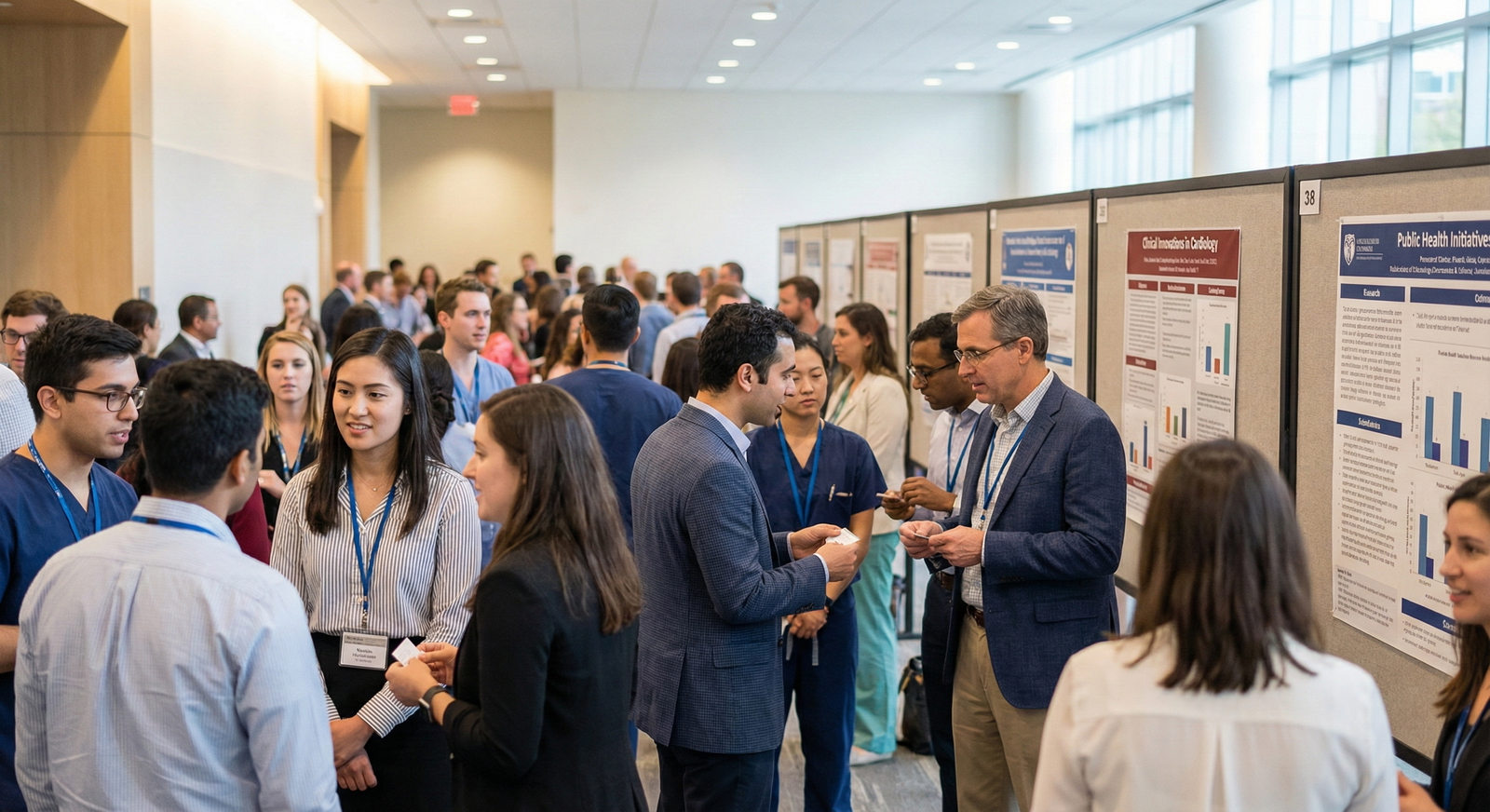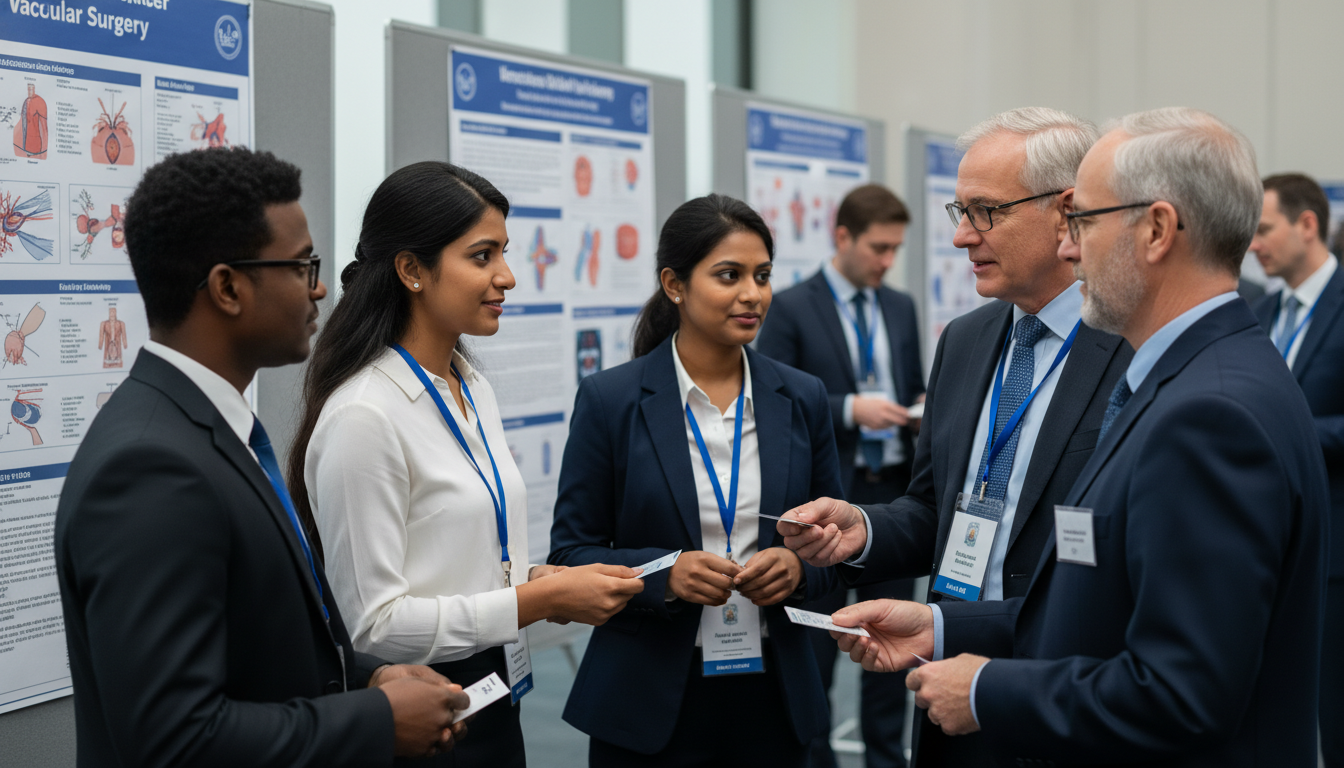
Understanding Networking in Medicine as a US Citizen IMG in Preliminary Surgery
For a US citizen IMG in a preliminary surgery year, networking in medicine is not a “nice to have” – it is a core survival skill. Unlike categorical residents, prelim surgery residents and those doing a preliminary surgery year face additional uncertainty: no guaranteed PGY‑2 spot, fewer built-in protections, and the pressure to secure a future position (categorical surgery, another specialty, or a research year) quickly.
Networking is how you:
- Turn brief clinical encounters into strong letters of recommendation
- Get your name attached to research, QI, and committee projects
- Learn about unadvertised opportunities (off-cycle PGY‑2 positions, research fellowships, advanced standing in other specialties)
- Build mentorship in medicine that can guide your career long after your prelim year
For an American studying abroad returning to the US system, it also helps you compensate for what you may have missed in US-based medical school networks: deans, home program chairs, and alumni introductions. This guide explains how to network effectively and authentically as a US citizen IMG in a prelim surgery residency, with specific examples, scripts, and step-by-step tactics.
The Unique Networking Landscape for US Citizen IMGs in Preliminary Surgery
Networking in medicine is not the same for everyone. As a US citizen IMG in a preliminary surgery year, you face a specific landscape with distinct advantages and challenges.
Your Unique Advantages
US cultural familiarity
As a US citizen IMG, you understand American cultural norms, small-talk cues, and hospital communication styles. This makes medical networking at conferences, receptions, and faculty meetings more intuitive.IMG resilience and adaptability
You navigated licensing exams abroad, travel, visa logistics, and multiple healthcare systems. That story, framed well, is compelling and signals grit and adaptability—qualities surgeons respect.Built-in “underdog” narrative
You have a natural story: “American studying abroad, working back into the US system, taking a prelim surgery residency spot and trying to prove myself.” Framed positively, this can become part of your value proposition.
Your Unique Challenges
No guaranteed PGY-2 position
As a prelim surgery resident, your future is structurally uncertain. Networking is not just for general career growth—it’s imperative to:- Convert your prelim year to a categorical surgery spot (at your institution or elsewhere), or
- Pivot into another specialty (anesthesia, radiology, IM, EM, etc.), or
- Secure a research or fellowship year to strengthen your application.
Less institutional investment in prelim residents
Some programs invest more attention and mentorship in categorical residents. You may receive:- Fewer formal check-ins
- Less automatic inclusion on projects
- Less assumption that you’re “part of the long-term team”
Networking and mentorship in medicine can help you bypass that structural disadvantage.
Weaker initial US academic network
As an American studying abroad, you may lack:- A US medical school “home program” to advocate for you
- Built-in alumni connections
- Faculty who already know your skills and can vouch for you
You will need to build this network rapidly and intentionally during your prelim year.
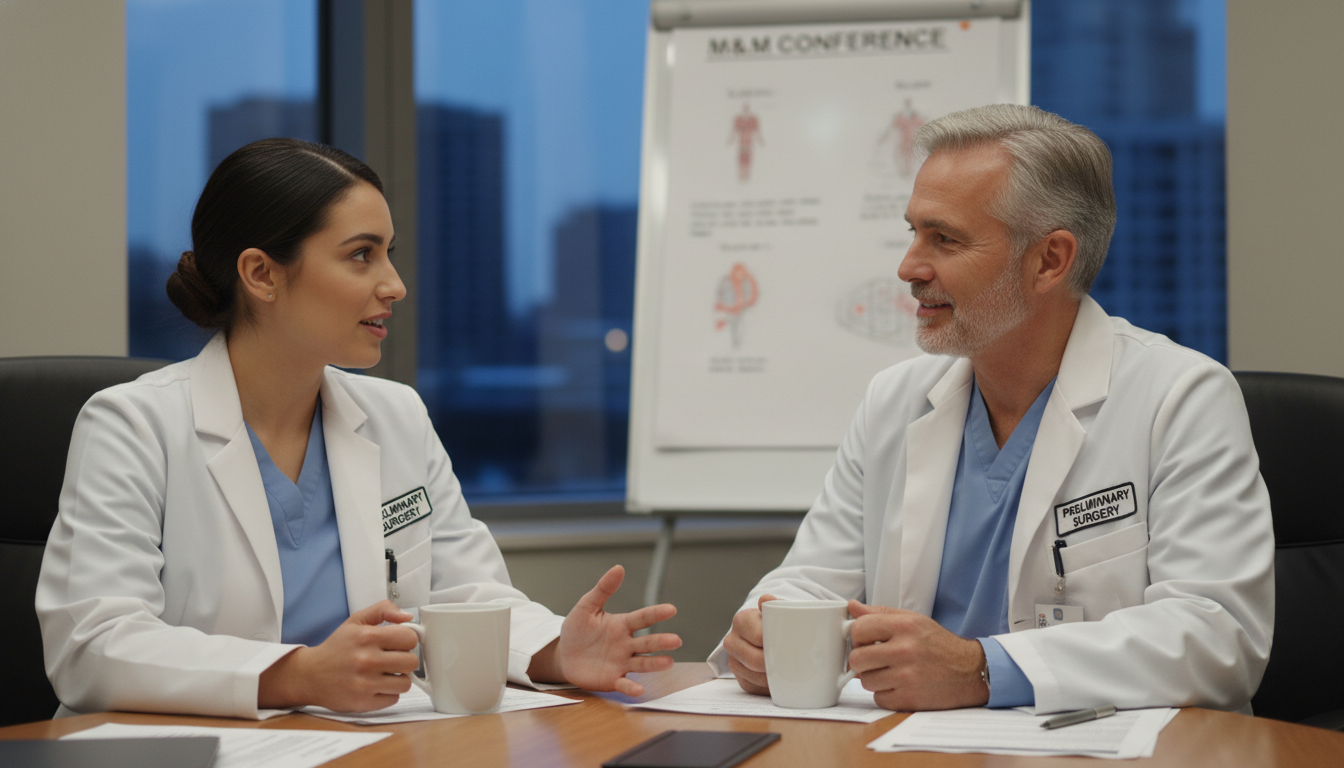
Core Principles: What Effective Networking in Medicine Actually Looks Like
Many residents picture “networking” as forced small talk at conferences or awkward LinkedIn messages. In academic medicine and especially in surgery, it’s more practical and relationship-driven.
Principle 1: Networking = Helping Others Do Their Work
In the hospital, the most effective networking strategy is simple: make yourself useful and reliable.
- Take ownership of tasks (notes, consults, follow-up on studies)
- Volunteer for small but visible projects (case series, QI audit, teaching session)
- Follow through on every promise, especially around deadlines
Faculty and senior residents remember the prelim resident who made their work easier. When you later ask for a letter or a connection, you are not a stranger—you’re the helpful colleague they count on.
Principle 2: Visibility + Consistency > One-Time Impressions
One impressive call night doesn’t matter if you disappear afterward. The key is consistent professionalism:
- Show up early, prepared, and positive
- Be steady on both busy and quiet days
- Maintain the same work ethic with every team, not just the ones you “like”
Surgery is small. Word spreads between attendings and chief residents quickly about which prelim surgery residents are “the real deal.”
Principle 3: Ask for Guidance, Not Favors (At First)
Early on, avoid leading with: “Can you write me a letter?” Instead:
- Ask focused advice:
- “How would you recommend a prelim resident position themselves for a categorical spot?”
- “What projects do you think would be most impactful for someone in my situation?”
This approach:
- Shows respect for the faculty’s expertise
- Opens the door for them to offer help organically (“Actually, I have a project you could help with.”)
- Makes later requests for letters or introductions feel natural, not transactional
Principle 4: Make Your Narrative Clear and Honest
People cannot effectively help you unless they understand your trajectory. As a US citizen IMG in a preliminary surgery residency, your high-yield narrative might be:
- “US citizen IMG who studied abroad” →
- “Committed to surgical training, currently in a preliminary surgery year” →
- “Actively seeking a categorical PGY‑2 spot or a research year to strengthen my application”
You don’t need to hide the fact that you’re a prelim. State your situation clearly, without sounding desperate:
“I’m currently in a preliminary surgery year and very interested in continuing in general surgery. I’m working hard to position myself for a categorical spot here or at another academic program.”
Clarity helps mentors know how to advocate for you.
Day-to-Day Networking on Service: Turning Rotations into Relationships
Your main networking arena is not a national conference. It’s the wards, OR, ICU, and clinic—hour by hour, day by day.
1. Working With Attendings
Attendings who see you repeatedly on service are your strongest potential advocates.
Tactics:
Pre-rounding preparation
Know your patients, their labs, imaging, and overnight events without being prompted. This builds clinical credibility fast.One thoughtful clinical question per day
After rounds or between cases:“Dr. Smith, when you have a patient like ours with X and Y comorbidities, what usually makes you decide between operative vs nonoperative management?”
This shows engagement, not laziness.
The three-part “career micro-conversation” (1–2 minutes)
Pick a moment when the attending is not rushed (e.g., between cases). Use a simple structure:- Where you are:
“Dr. Smith, I’m a US citizen IMG in a preliminary surgery year here.”
- Where you want to go:
“I’m strongly interested in staying in surgery and eventually securing a categorical spot.”
- Ask for one specific piece of advice:
“From your perspective, what should someone in my position focus on during this year to be competitive for a categorical position?”
This brief interaction can open mentorship doors without asking for anything big.
- Where you are:
2. Working With Senior Residents and Chiefs
Senior residents are critical in preliminary surgery networking: they know who’s hiring, who’s flexible, and who already asked about “good prelims.”
Why they matter:
- They influence which prelims get the best rotations and opportunities
- They often write powerful letters themselves
- They hear chair and PD conversations about whom to “keep an eye on”
Tactics:
Be the prelim they’d want on their team
- Anticipate needs (have consents, order sets, and procedure kits ready)
- Offer to help interns finish tasks before you leave
- Handle scut cheerfully, but also claim some high-yield tasks (present at M&M, draft notes on complex patients)
Ask targeted career questions
“You’ve seen a lot of prelims come through here—what do the ones who converted to categorical spots do differently?”
Signal your goals clearly
“I’m really committed to surgery and planning to apply for a categorical position. If you see opportunities—cases, projects, or people I should talk to—I’d be grateful if you’d let me know.”
3. Building Trust in the OR
The OR is where surgeons really evaluate you as a future colleague.
Do:
- Read about the case the night before (including anatomy, steps, and common complications)
- Introduce yourself to the scrub, circulator, and anesthesiologist early
- Ask for teaching, not just tasks:
“After the case, could we go over what you look for in a good PGY‑2 on this service?”
Don’t:
- Try to impress by pretending to know more than you do
- Talk non-stop during critical parts of the operation
- Complain about being a prelim or compare yourself constantly to categoricals
4. Clinic and Rounds as Networking Environments
Clinic and rounds offer more conversational space than the OR or trauma bay.
Example mini-script when you have a good interaction:
“Dr. Lee, I’ve really enjoyed working with you in clinic these past few weeks. As a US citizen IMG in a preliminary surgery position, I’m hoping to stay in surgery long-term. If it’s okay, I’d like to follow up at some point about potential research or other ways I could contribute to the team.”
Then, follow up with an email within a week (short, specific, and appreciative).
Conference Networking, Research, and Digital Presence: Expanding Beyond Your Hospital
While daily clinical work is central, you also need an external network. This is especially important if your own program has limited categorical spots or a history of not promoting prelims.
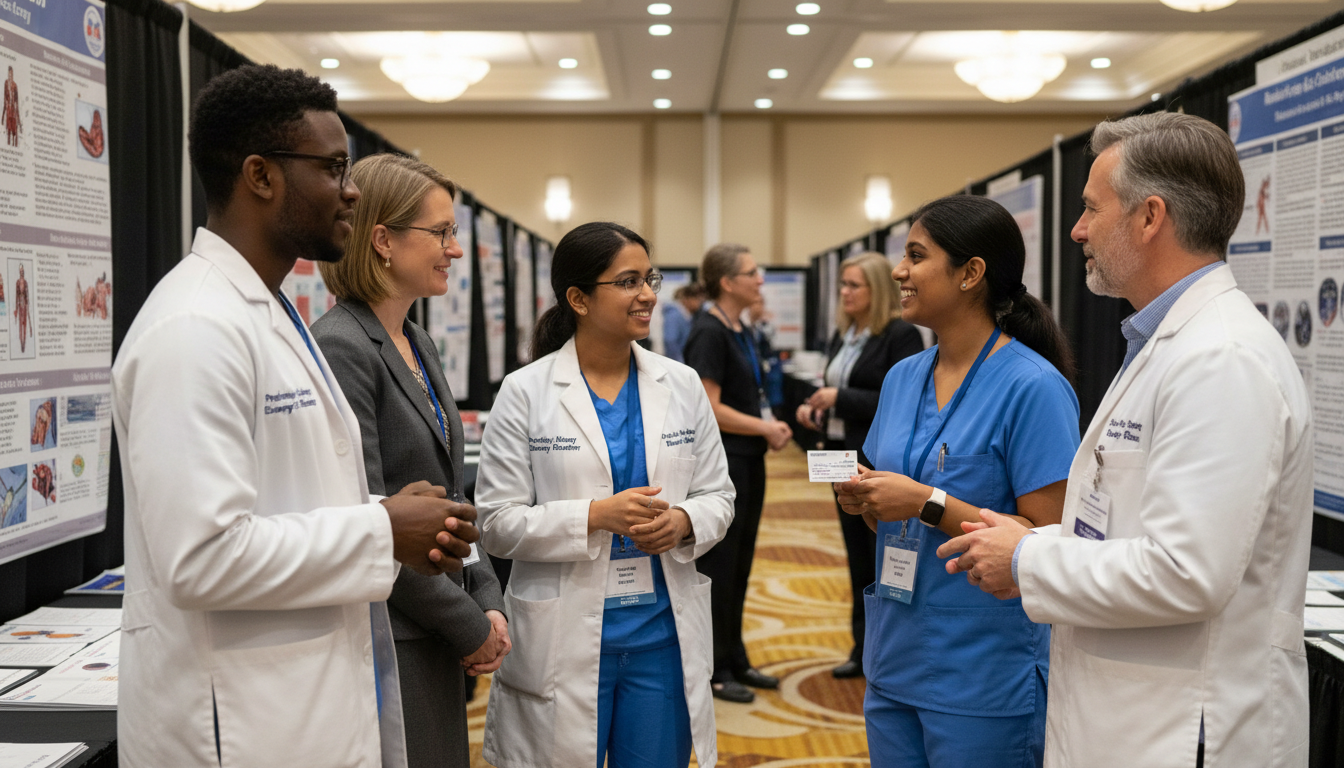
Leveraging Medical and Conference Networking
As a prelim surgery resident, you may not have funding for every conference, but even one strategic meeting can be high yield.
Step-by-step plan:
Get yourself on a project early
In your first 3–4 months, aim to join:- A retrospective chart review
- A quality improvement project
- A case report or small case series
Ask:
“Are there any active projects that need help with data collection or IRB paperwork? I’m eager to contribute, even in a small role.”
Aim for a poster or oral presentation
When you help a project move forward, gently ask if you can be listed as a co-author and present if accepted.Presenting gives you:
- A reason to attend national or regional conferences
- Something concrete to talk about with faculty from other programs
How to network at conferences as a US citizen IMG
- Attend meet-and-greet receptions for residents, IMGs, or specific specialties
- When you approach faculty:
- Introduce yourself by name, role, and status:
“Hi, I’m Dr. [Name]. I’m a US citizen IMG in a preliminary surgery residency at [Institution].”
- Mention your interest:
“I’m very interested in pursuing a categorical surgery position, and I’d love to learn more about your program’s structure for residents.”
- Introduce yourself by name, role, and status:
- Keep interactions brief; ask if you may follow up by email.
Pro tip for conference networking:
Write a short, memorable “one-liner” about yourself you can use repeatedly:
“I’m an American who did med school abroad, currently in a prelim surgery year at [Institution], and I’m looking to continue in surgery long-term.”
Building Long-Term Mentorship in Medicine
A mentor is more than someone who answers a question once; it’s someone who knows your story, sees your work, and is willing to invest in your growth.
Types of mentors to target:
- Clinical mentors: Attending surgeons who can speak to your work ethic and clinical skills
- Academic mentors: Faculty who involve you in research and can co-author with you
- Career mentors: People (including outside your institution) who know about openings and strategy
How to convert a helpful attending into an actual mentor:
After a positive rotation or project:
Send a brief email:
Subject: Thank you and career advice request
Dear Dr. [Name],
I wanted to thank you for the opportunity to work with you on [service/project]. As a US citizen IMG in a preliminary surgery year, I’m very committed to continuing in surgery and positioning myself for a categorical spot.
If you would be open to it, I’d appreciate the chance to meet briefly (in person or by Zoom) to get your advice on my trajectory and how I can best use this year.
Sincerely,
[Your Name]In that meeting, bring:
- A CV (updated)
- A one-page summary of your exam scores, publications, and goals
- Specific questions (not “what should I do with my life?”)
Follow-up periodically (every 1–2 months) with short updates:
“I wanted to update you that I presented at [Conference], and I’m currently applying to [target positions]. Thank you again for your advice; it’s been extremely helpful.”
Using Digital Networking Strategically (LinkedIn, Email, and Beyond)
Digital tools are supplements, not substitutes, for in-person impressions.
LinkedIn strategy:
Create a professional profile highlighting:
- “US citizen IMG”
- “Preliminary surgery resident at [Institution]”
- Key skills and interests (acute care surgery, surgical education, trauma, etc.)
Connect with:
- Faculty you’ve actually worked with
- Co-residents and fellows
- Faculty you meet at conferences (with a brief personalized note)
Cold email strategy to outside programs:
If you’re actively seeking a categorical PGY‑2 spot:
Identify programs that historically take outside candidates.
Email the program director or associate PD with:
- Brief self-introduction (US citizen IMG, prelim surgery year)
- One sentence on why you’re interested in their program
- Attaching CV and a concise paragraph about your current status and timeline
Keep it low-pressure:
“If you anticipate any potential PGY‑2 openings in the coming cycle, I’d be very grateful if you might keep my application in mind.”
Strategic Moves: Positioning Your Prelim Year as a Launchpad
Networking should be tied to concrete goals. As a US citizen IMG in a preliminary surgery residency, think in terms of pathways, not just “working hard and hoping.”
Pathway 1: Converting to Categorical Surgery at Your Institution
Key tactics:
Identify early which attendings have the most influence (program leadership, division chiefs).
Request a mid-year sit-down with your program director:
- Come with performance feedback from teams
- Ask directly:
“What would I need to demonstrate this year to be considered for a categorical position if one becomes available?”
Demonstrate loyalty without closing off options:
“This is my top choice for continuing my training. I’m committed to showing that I can function at or above the level of your categorical interns.”
Pathway 2: Categorical Surgery at Another Institution
Key tactics:
Use conferences and external rotations (if available) to make connections at other programs.
Inform your mentors explicitly:
“I’m very interested in exploring categorical surgery positions at other academic centers as well. Are there colleagues you’d recommend I speak with?”
Ask mentors if they would be willing to email a colleague on your behalf. A three-sentence email from a respected surgeon can matter more than 50 cold emails from you.
Pathway 3: Pivoting to Another Specialty
Many US citizen IMGs do a preliminary surgery year then successfully match into:
- Anesthesiology
- Radiology
- Internal medicine
- Emergency medicine
- PM&R or other fields
Networking tactics here:
Identify anesthesiology, EM, or other departments where you can:
- Do electives
- Join small research/QI projects
- Get to know key faculty
Be transparent (in a professional way):
“I started in a preliminary surgery position, but I’ve developed a strong interest in [new specialty]. I’d like to learn more about the field and how I could be competitive for a future position.”
Your surgical prelim experience can actually become a major asset if framed as added procedural and critical care training.
Pathway 4: Research or Fellowship Year to Strengthen Your Profile
If you don’t secure an immediate categorical position, a research or fellowship year can be powerful—especially for an American studying abroad who needs to bolster academic connections.
How to network into research positions:
Talk to research-oriented faculty at your institution:
“I’m very open to doing a dedicated research year if that would significantly strengthen my chances for a categorical surgery spot. Are there positions here or at collaborating institutions that you’d recommend?”
Ask about paid surgical research fellowships, lab years, or outcomes research groups.
Leverage conference networking to identify labs or centers looking for full-time research fellows.
FAQs: Networking in Medicine for US Citizen IMGs in Preliminary Surgery
1. As a prelim surgery resident, is it okay to be open about looking for a categorical spot elsewhere?
Yes, but be thoughtful. With your program director and close mentors, transparency is usually beneficial:
“My first choice is to continue here if a categorical spot becomes available. At the same time, I’m also exploring opportunities at other institutions, and I’d really value your guidance.”
Avoid broadcasting it in a way that sounds like you’re already “checked out.” Frame it as contingency planning, not disloyalty.
2. When is the best time during my prelim year to focus heavily on networking and applications?
You need to start early:
- Months 1–3: Build your clinical reputation, identify potential mentors, join at least one project.
- Months 4–6: Have explicit career conversations with mentors and PD; start inquiring about categorical or research opportunities.
- Months 7–12: Actively apply, attend conferences if possible, follow up with programs and contacts.
Waiting until the second half of the year to start networking is a common and costly mistake.
3. How do I ask for a strong letter of recommendation as a US citizen IMG prelim?
Ask only people who:
- Have seen you work repeatedly
- Know your story and goals
- Have reacted positively to your performance
Use clear but polite wording:
“Dr. [Name], I’m applying for [categorical surgery / other specialty / research positions]. Based on our work together on [service/project], would you feel comfortable writing me a strong letter of recommendation? I would be grateful for your support, but I completely understand if your schedule or familiarity with my work makes it difficult.”
This gives them a graceful way to decline if they cannot write a strong letter.
4. What if I’m introverted or feel uncomfortable with networking?
You do not need to become a different person. Focus on:
- One-on-one conversations instead of large-group mingling
- Short, intentional interactions tied to real clinical work (“Can I get your advice on X?”)
- Consistent follow-up via email, which often feels more natural than in-person self-promotion
In medicine, especially surgery, networking is less about charm and more about reliability, clarity of goals, and showing up for people repeatedly.
By understanding how networking in medicine really works and applying these strategies intentionally, you can transform your preliminary surgery year from a holding pattern into a powerful springboard. As a US citizen IMG and American studying abroad, you bring a unique story, resilience, and ambition to the table—networking is the mechanism that allows others to see it and invest in your success.