Understanding the Networking Landscape as a US Citizen IMG in Neurosurgery
If you are a US citizen IMG (American studying abroad) aiming for neurosurgery residency in the United States, networking in medicine is not optional—it is a core strategy. Neurosurgery is one of the most competitive specialties, and as an international graduate, your path is scrutinized even more closely. Solid scores and strong letters are necessary, but they are rarely sufficient on their own. Strategic medical networking can create crucial opportunities: research positions, sub-internships, mentorship, and ultimately interviews and advocacy during rank meetings.
For an American studying abroad, networking also helps overcome three common challenges:
- Limited in-person access to US academic neurosurgery departments during medical school
- Reduced visibility compared to US MD/DO students routinely rotating at home institutions
- Less organic exposure to neurosurgery faculty who sit on selection committees
In neurosurgery, people hire people they know, have worked with, or who come highly recommended by trusted colleagues. Your goal is to move from “unknown IMG” to “trusted junior colleague” in the eyes of neurosurgery faculty.
This article breaks networking down into concrete, actionable steps tailored to US citizen IMGs targeting neurosurgery or brain surgery residency programs.
Core Principles of Effective Networking in Neurosurgery
Before jumping into conferences, emails, and social media, you need a mindset and framework. Good networking in medicine is relationship-building, not transactional hustling.
Principle 1: Lead With Value, Not With Need
Most neurosurgery attendings are overwhelmed: clinical work, OR time, research, admin, and mentoring. When you reach out, you should signal:
- You understand their time is precious
- You have done your homework on their work/department
- You are prepared to contribute more than you consume
Examples of value you can offer:
- Help with data collection or chart review for their ongoing projects
- Assistance with literature reviews, reference management, or drafting methods sections
- Participation in QI initiatives (especially for hospital-based projects)
- Taking on small but annoying tasks (figures, tables, REDCap entry, de-identifying images)
Instead of:
“I’m an IMG and I really want a neurosurgery residency. Can you help me?”
Try:
“I’ve read your recent work on endoscopic pituitary surgery outcomes and your 2023 paper in JNS on reoperation rates. I’m very interested in outcomes research and have prior experience with REDCap and systematic reviews. If you have any active projects that need help with data collection or literature review, I would be grateful for a chance to contribute.”
Principle 2: Think in “Ladders,” Not Single Connections
Networking is not about finding one magical mentor. It’s building a ladder of contacts:
- Near-peers: M4s, residents, recent grads who were US citizen IMG and matched into neurosurgery
- Mid-level mentors: Fellows, junior attendings, research coordinators
- Senior advocates: Department chairs, program directors, influential faculty
Near-peers often open the first doors (research, introductions), while senior mentors become your advocates when it counts (letters, phone calls, ranking discussions). You need all rungs of the ladder.
Principle 3: Track, Follow Up, and Be Consistent
Neurosurgery is small. People move between programs but stay in the same community. You should treat your network as a long-term asset:
- Maintain a simple spreadsheet or note with:
- Names, roles, institutions
- How you met
- Shared interests/projects
- Last contact date
- Follow up every few months with a brief update: new paper, exam result, step forward in your journey
This consistency helps faculty perceive you as serious, persistent, and organized—qualities vital for neurosurgery.
Strategic Channels for Medical Networking in Neurosurgery
1. Research and Remote Collaborations
For an American studying abroad, research is often the single most powerful networking tool in neurosurgery.
How Research Creates Connections
- You work closely with residents and attendings over months or years
- They see your work ethic, reliability, and critical thinking
- Eventually they write strong letters and recommend you to colleagues nationwide
- Co-authorship on neurosurgery papers gives you visibility in the field
Even if your school lacks neurosurgery, you can still break in remotely.
Finding Research Opportunities From Abroad
Start by mapping departments
- Identify 10–15 US neurosurgery departments where:
- They have a track record of taking IMGs or US citizen IMG
- They publish regularly, especially in your interest area (tumor, spine, vascular, pediatrics, functional, trauma)
- Identify 10–15 US neurosurgery departments where:
Identify key people
- Faculty who publish frequently (last 2–3 years)
- Residents with research profiles (Google Scholar, PubMed, institutional bios)
- Research coordinators or lab managers
Send targeted, customized emails
Elements of a strong outreach email:
- Short (8–10 lines)
- Specific interest in their work
- Clear skills/experience
- Concrete ask: “Is there a project I could help with remotely?”
Example template:
Subject: US citizen IMG interested in outcomes research in spine oncology
Dear Dr. [Last Name],
My name is [Name], and I am a US citizen currently studying medicine at [School, Country]. I am very interested in neurosurgery residency and particularly in spine oncology. I recently read your article on [specific paper] and found [brief insight you gained].
I have prior experience with [REDCap, Excel-based data collection, basic statistics in R/SPSS, literature reviews], and I have [X] publications/abstracts in [related fields]. I am currently looking for opportunities to contribute to remote neurosurgery research while I complete my core clinical rotations abroad.
If you have any ongoing projects that might benefit from assistance with data extraction, chart review, or literature review, I would be grateful for the opportunity to help. I am happy to start with small, well-defined tasks and to work around your team’s needs.
Thank you for your time and consideration.
Best regards,
[Name]
[Medical School, Expected Graduation Year]
[USMLE Step status if strong, e.g., Step 1 24X]
[LinkedIn / Google Scholar / CV link]
Expect a low response rate—but don’t take it personally
- A 10–20% reply rate is realistic
- Cast a wide but targeted net, and send polite follow-up after 10–14 days
Once you get a project, over-deliver
- Be faster than expected
- Be meticulously accurate (data integrity matters)
- Communicate clearly (send brief progress updates every 1–2 weeks)
- Ask for constructive feedback and incorporate it
Over time, this can turn into multiple papers, abstracts, and most importantly, trust.

2. Conference Networking: Turning Events Into Opportunities
Neurosurgery conferences are networking accelerators. For a US citizen IMG, they are one of the few times you can be physically in the same space as dozens of program directors, chairs, and residents.
Key meetings to consider:
- AANS (American Association of Neurological Surgeons) Annual Meeting
- CNS (Congress of Neurological Surgeons) Annual Meeting
- Subspecialty meetings:
- AANS/CNS Section meetings (tumor, spine, pediatrics, trauma, functional, vascular, etc.)
- Regional neurosurgery meetings (state or multi-state societies)
Before the Conference
Get on the program
- Aim to submit:
- Abstracts from your neurosurgery research
- Case reports or case series
- Quality improvement or outcomes projects
- Being first author or presenter dramatically increases your visibility
- Aim to submit:
Schedule meetings in advance
- Email residents or faculty you have interacted with remotely:
- “I’ll be at AANS this April—would you have 10–15 minutes for a quick coffee to say hello in person and get your advice about my path as a US citizen IMG in neurosurgery?”
- Confirm a time/location; even short interactions solidify relationships
- Email residents or faculty you have interacted with remotely:
Prepare your “30-second story” You will introduce yourself many times. Have a crisp, confident, friendly summary:
- Who you are (US citizen IMG at X)
- What stage you’re in (M3/M4, research year, etc.)
- Your neurosurgery interests (e.g., tumor, spine)
- What you’re currently working on
Example:
“I’m Sarah, a US citizen IMG at [School] currently finishing my core rotations. I’m applying for neurosurgery residency next cycle. I’m especially interested in spine oncology and am working on an outcomes project with [Institution].”
During the Conference
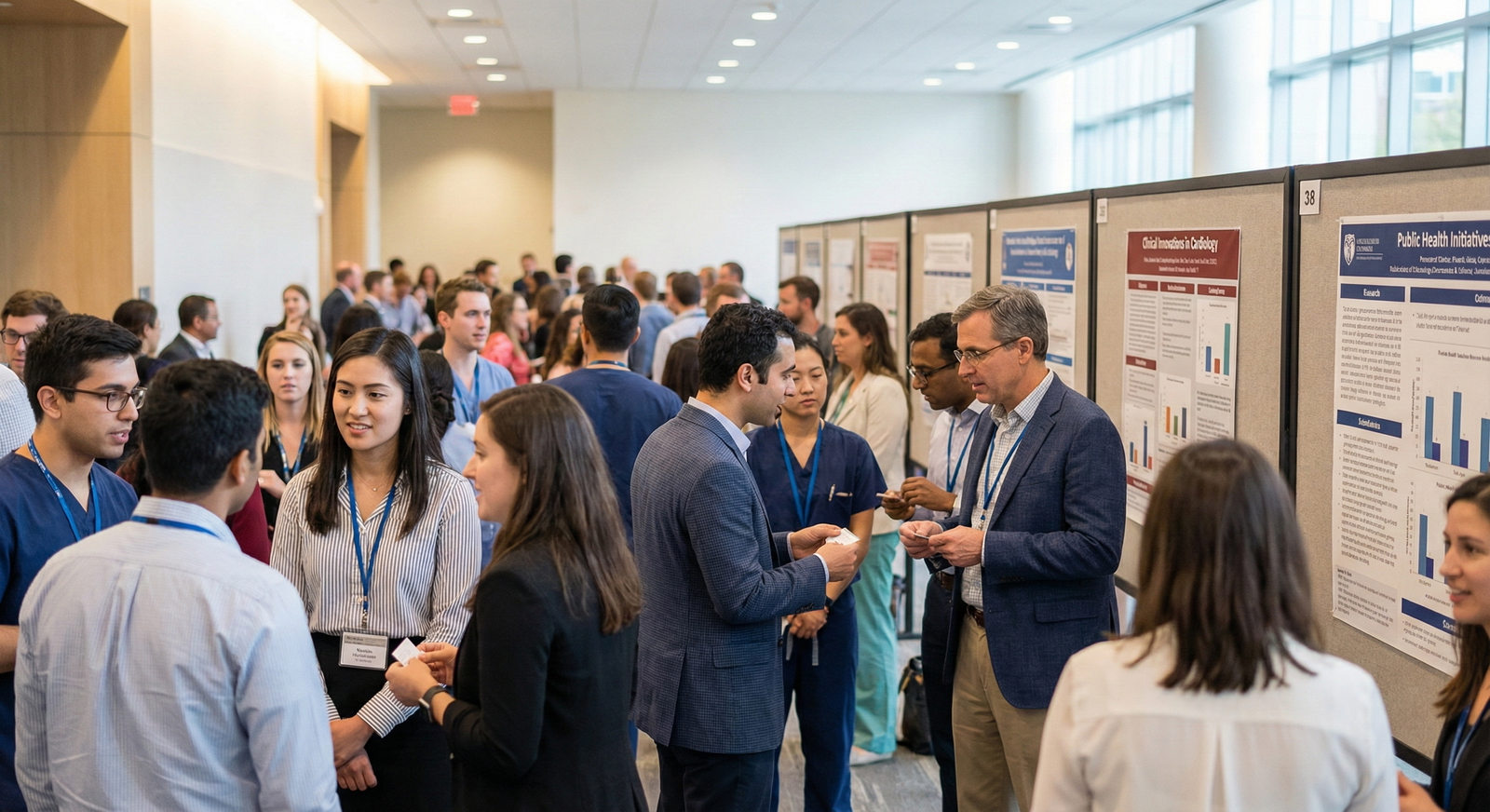
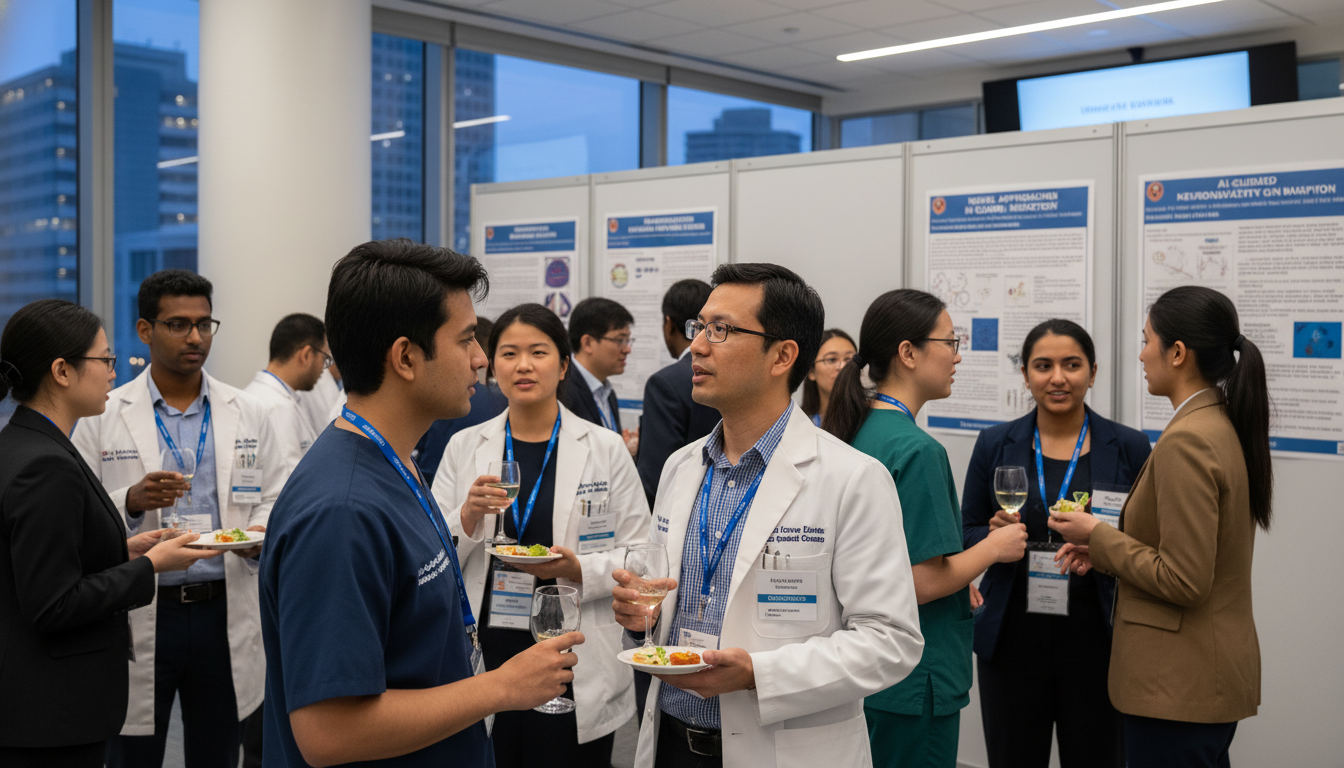
Use poster and oral sessions strategically
- If you present:
- Stand by your poster during your assigned time
- Engage people who stop: “Can I walk you through the main findings?”
- Note names and emails of interested faculty/residents
- If you’re attending others’ sessions:
- Ask thoughtful questions
- After the session, introduce yourself briefly:
“Dr. [X], I’m [Name], a US citizen IMG interested in neurosurgery. I really appreciated your point about [detail]. Would you mind if I follow up by email to ask about potential research or advice on building my path?”
- If you present:
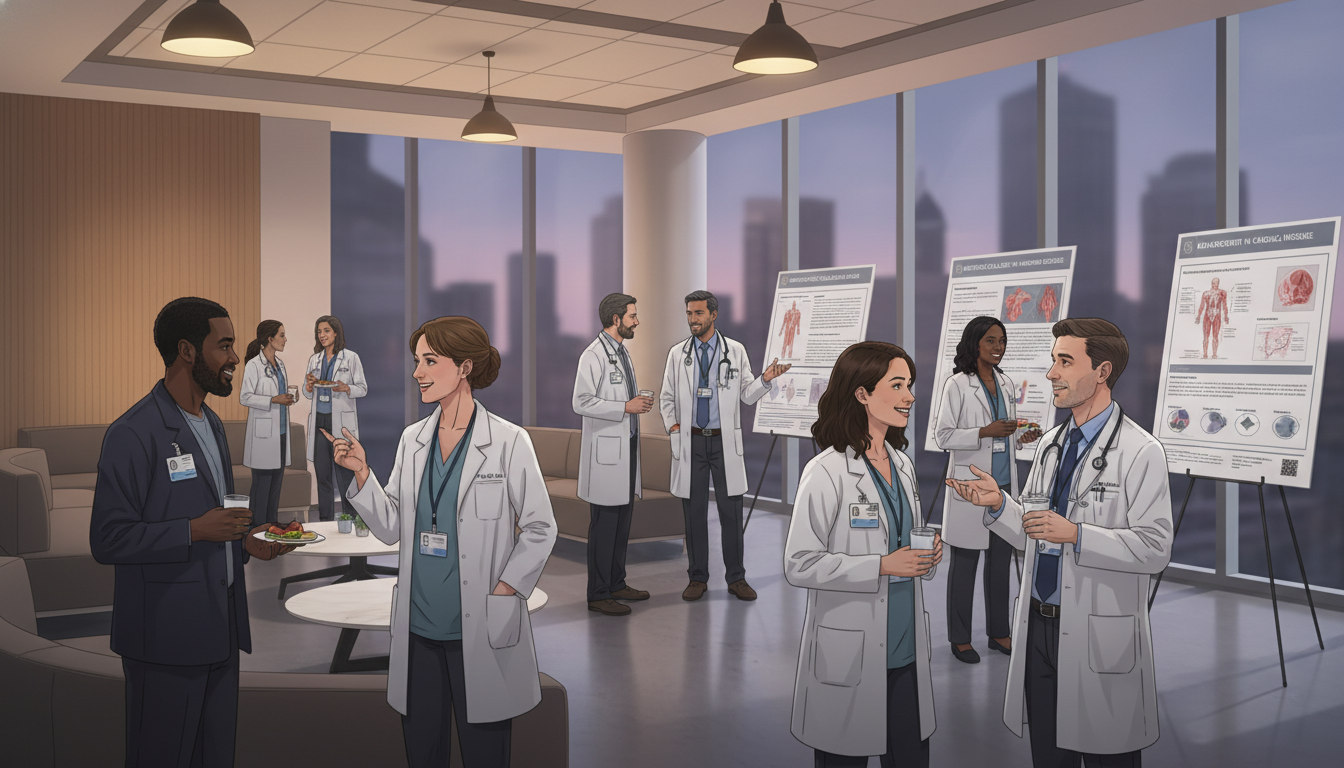
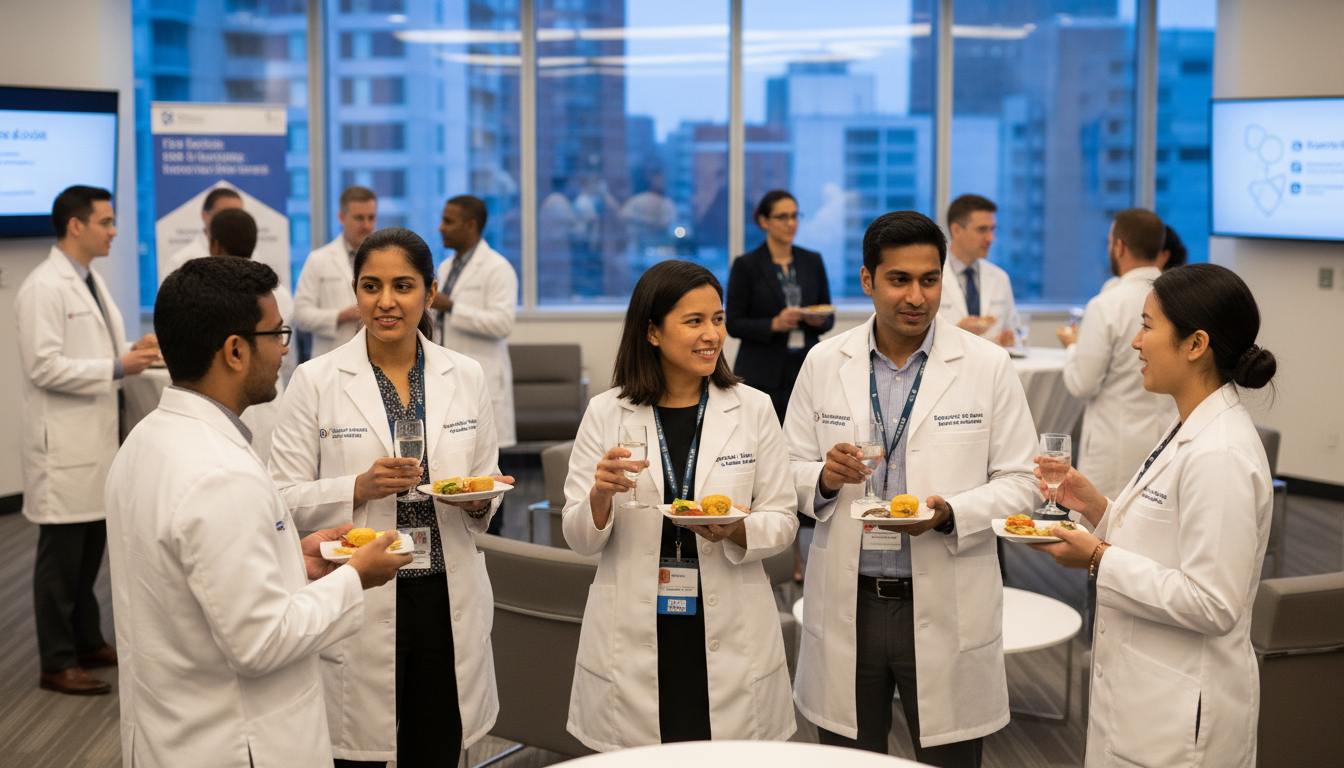
Attend networking receptions and resident events
- Many conferences have resident socials, student receptions, or program showcases
- These are ideal for:
- Learning about program culture
- Meeting multiple residents in one evening
- Asking tactical questions about matching as a US citizen IMG
Be intentional but not pushy
- Goal: genuinely connect, listen more than you talk
- Avoid pressuring people for promises or guarantees
- Focus on asking for:
- Advice
- Introduction to someone else
- A chance to share your CV when appropriate
After the Conference
Within 48–72 hours, send short thank-you emails:
“Dear Dr. [Last Name],
It was great meeting you at the AANS resident reception. I appreciated your insights into how your program evaluates US citizen IMG applicants. I’ll be applying in [cycle year] and would be grateful to stay in touch as I work on building my research portfolio and US clinical experience.
Thank you again for your time and guidance.
Best,
[Name]”
Log each contact and schedule a reminder to check in 3–4 months later with an update.
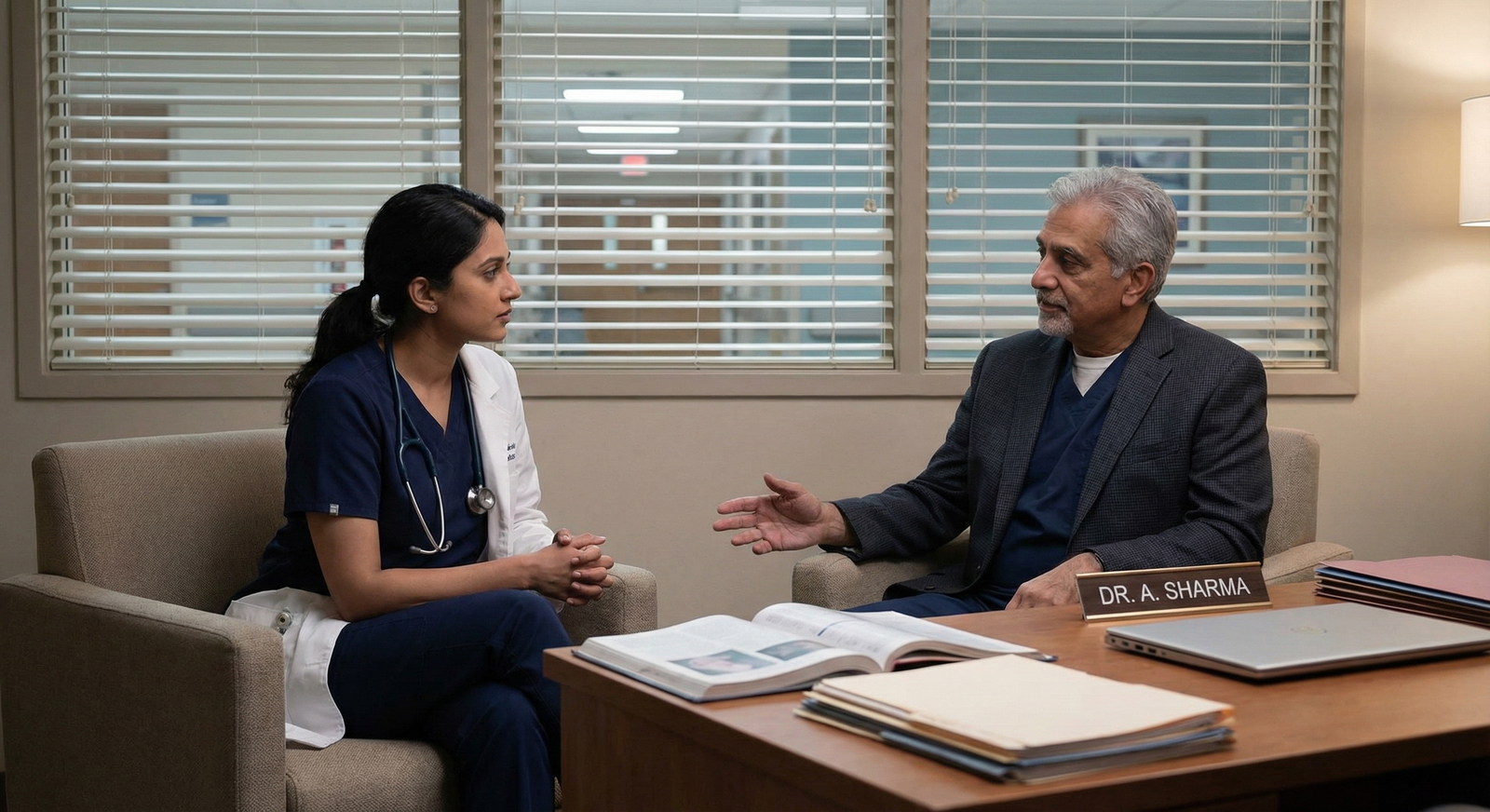
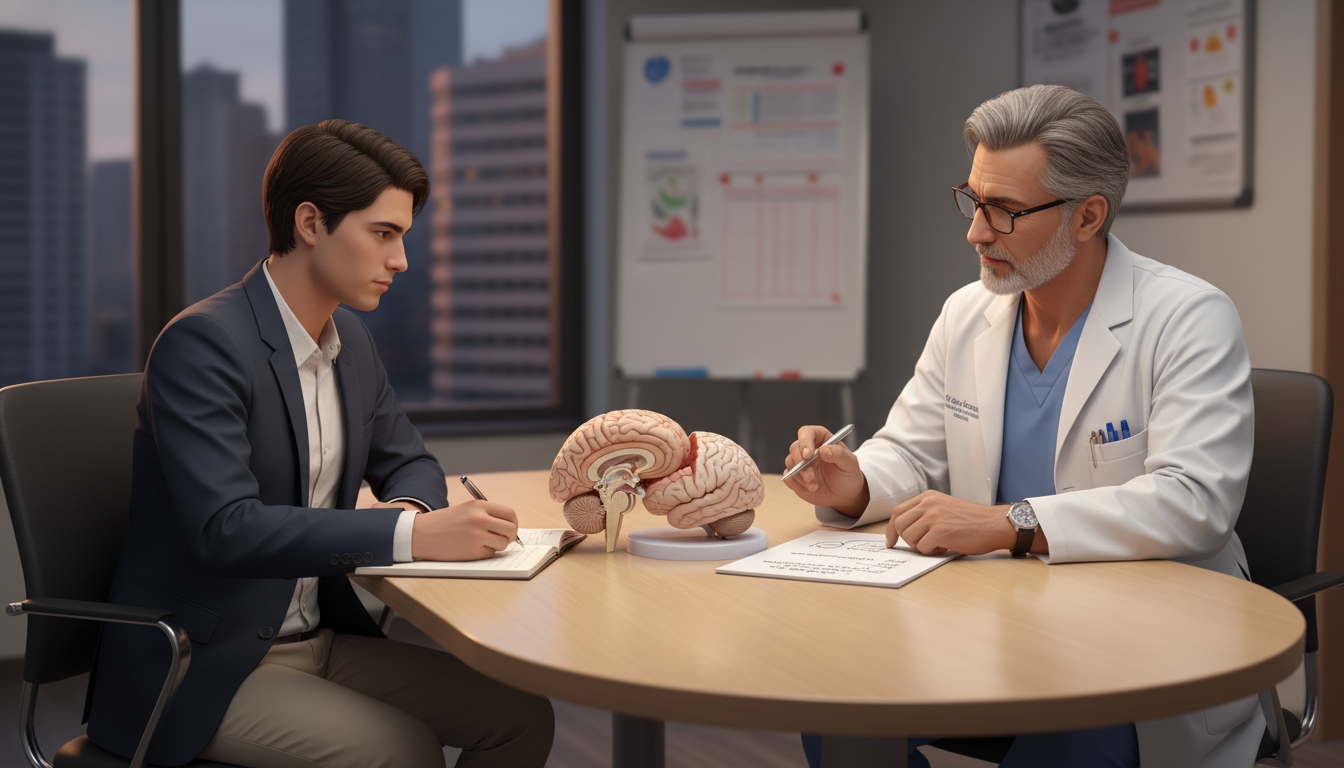
3. Building Mentorship in Medicine: From Informal Advice to True Sponsors
“Mentorship medicine” in neurosurgery has two main levels:
- Mentors – guide, advise, help with strategy and skill development
- Sponsors/Advocates – actively open doors, recommend you, and sometimes fight for you in selection meetings
As a US citizen IMG, you need both. Your long-term objective is to transform 1–2 mentors into advocates who will actively support your neurosurgery residency applications.
Finding Mentors
Potential mentors often come from:
- Research collaborations
- Elective rotations or sub-internships in neurosurgery
- Conference interactions
- Your home country’s neurosurgeons with US ties (fellowships, past training)
Mentors do not have to be neurosurgeons initially. For early guidance:
- Neuroscience researchers
- Neurology faculty with neurosurgical connections
- You can then “upgrade” to neurosurgery mentors as you progress
Maintaining and Deepening Mentorship Relationships
To keep mentors invested:
- Be reliable: do what you say you will do, on time
- Be low-maintenance: come with specific questions, not vague anxiety
- Update them periodically with concrete progress:
- “Since we last spoke, I completed X, submitted Y, and plan to do Z next.”
Example check-in email:
“Dear Dr. [Last Name],
I wanted to briefly update you since our last conversation in May. I have now completed my core clerkships, scored [Step/CK if strong], and submitted an abstract on our [project] to CNS. I’m planning to apply for a research year at [institution] to further strengthen my profile for neurosurgery residency.
If you have time in the next month, I would be grateful for a short Zoom call to get your thoughts on my current plan and how I can best position myself as a US citizen IMG applicant.
Thank you again for your ongoing mentorship.
Best,
[Name]”
As trust builds, mentors become more willing to:
- Write detailed letters of recommendation
- Introduce you to colleagues at other institutions
- Advocate internally when you apply to their program for a brain surgery residency spot or research position
Digital Networking and Social Presence for US Citizen IMGs
As an American studying abroad, your physical distance from US centers can be partially bridged by a smart digital presence.
1. Professional Use of Social Media
Platforms like Twitter/X, LinkedIn, and sometimes Instagram are increasingly used in medical networking and neurosurgery communities.
Twitter/X (especially active in neurosurgery)
How to use effectively:
- Follow:
- Major neurosurgery societies (@AANSNeuro, @CNS_Update, etc.)
- Neurosurgery departments
- Individual neurosurgeons, residents, and researchers
- Engage:
- Comment thoughtfully on new papers or threads
- Share your own work (posters, publications) professionally
- Congratulate others on achievements
Keep posts professional:
- No patient identifiers or sensitive hospital content
- Avoid unprofessional jokes or heated arguments
- Use it to signal: serious about neurosurgery, academically oriented, collaborative
2. LinkedIn and Digital Portfolio
A polished LinkedIn helps faculty quickly see who you are:
- High-quality, professional photo
- Headline: “US citizen IMG | Aspiring Neurosurgery Resident | [Research Interests]”
- Sections:
- Education, exams (if strong), research, presentations, leadership
- Links to publications or conference abstracts
Consider creating:
- A simple one-page website or online CV link (e.g., Notion, Google Sites) with:
- Short bio
- PDF CV
- Project list
- Contact information
You can include this in your email signature:
[Name], US citizen IMG – aspiring neurosurgeon
CV and projects: [link]
3. Virtual Conferences and Webinars
Don’t ignore virtual events—they can be excellent entry points:
- Many neurosurgery departments run:
- Virtual grand rounds (often open to external participants)
- Resident talks for applicants
- Interest-group or pipeline webinars for underrepresented/IMG students
Tactics:
- Turn camera on when appropriate, dress professionally
- Ask smart, concise questions
- Afterward, send a brief email:
“I attended your virtual grand rounds on [topic] and found X particularly insightful…”
Over time, faculty will recognize your name and face, making your future emails or applications feel less “cold.”
Converting Networking Into Concrete Outcomes for Neurosurgery Residency
Networking is ultimately a means to specific ends. For a US citizen IMG in neurosurgery, meaningful outcomes include:
- Research positions (remotely or in-person research year)
- US neurosurgery electives and sub-internships
- Interviews at neurosurgery residency programs
- Strong, personalized letters of recommendation
- Internal advocacy at programs where you apply
1. Research Year or Gap Year Strategy
Many competitive US citizen IMG applicants in neurosurgery take 1–2 dedicated research years in the US.
How networking helps:
- Remote research → strong relationships → invitation to join in-person as a research fellow
- Conference meetings → “Let us know if you’re ever interested in a research year” opportunities
- Mentors → direct placement (“We have an opening in our lab; you’d be a good fit.”)
If you secure a neurosurgery research position:
- Treat it like an extended audition
- Be the most reliable, hardest-working junior member
- Aim to:
- Co-author multiple projects
- Present at AANS/CNS
- Get to know residents and faculty personally
- This often leads to:
- Letters
- Strong word-of-mouth reputation
- Sometimes a home program that will seriously consider you for their neurosurgery residency or brain surgery residency slots
2. Rotations and Sub-Internships
US clinical experience, especially in neurosurgery, is critically important for an IMG.
Networking can help you:
- Identify which programs accept visiting students from international schools
- Get informal recommendations from residents/faculty to their clerkship coordinators
- Optimize timing (usually M4 year, before application submission)
During sub-I’s:
- Show up early, stay late
- Be helpful and humble
- Ask for feedback midway through and at the end
- Aim to impress a few key faculty and senior residents who may later advocate for you
3. Letters of Recommendation and Advocacy
Strong neurosurgery LORs are often the direct result of long-term networking and collaboration.
You increase your chances of high-impact letters if:
- Faculty have worked with you for months (research, rotation, or both)
- They have seen your professionalism, resilience, and reliability
- They respect your persistence as a US citizen IMG
When asking for a letter:
- Ask: “Would you feel comfortable writing a strong, supportive letter for my neurosurgery residency application?”
- Provide:
- Your updated CV
- A short “brag sheet” with 5–7 bullet points of key contributions/traits
- A draft of your personal statement if available
Advocacy can also be informal:
- A mentor emails a colleague: “This IMG is excellent; please look closely at their application.”
- A neurosurgery chair calls a program director about you
- Residents vouch for you during application screening
All of this depends on relationships built over time—networking executed thoughtfully and consistently.
FAQs: Networking in Medicine for US Citizen IMG in Neurosurgery
1. I’m a US citizen IMG in my preclinical years. What should I start doing now for neurosurgery networking?
- Join neurosurgery and neurology interest groups (local and national)
- Start reading neurosurgery journals and following neurosurgeons on Twitter/X
- Seek neuroscience or neurosurgery-related research at your school or remotely
- Attend at least one virtual neurosurgery webinar per month
- Begin building a professional LinkedIn and simple online CV/portfolio
2. My school has no neurosurgery department. Can I still build a network strong enough to match?
Yes, but you must be more deliberate. Use:
- Remote neurosurgery research with US institutions
- Virtual conferences and webinars
- Early communication with departments that accept international visiting students
- A dedicated research year in the US, if feasible
Your status as a US citizen IMG removes visa issues, which can be an advantage if you demonstrate commitment and productivity.
3. How many conferences should I attend, and which are most important?
For a neurosurgery-focused IMG:
- Aim for at least 1–2 major meetings (AANS or CNS) during your clinical years or research year
- Add 1–2 subspecialty or regional meetings if you have accepted abstracts
Focus on meetings where: - You can present your work
- Programs you’re interested in will be present
- You can arrange pre-planned meetings with mentors or residents
4. I’m introverted and feel awkward at networking events. How can I still succeed?
You do not need to be extroverted; you need to be prepared and authentic.
- Use structured environments (poster sessions, mentor-mentee events) where conversation topics are clear
- Prepare a short self-introduction and 2–3 questions tailored to each person
- Focus on 3–5 meaningful conversations per event rather than trying to “meet everyone”
- Lean heavily on written networking (emails, Twitter/X, LinkedIn) and research collaborations, then reinforce those relationships in person at conferences
By approaching networking in medicine as a long-term, value-driven process, you can transform the inherent challenges of being a US citizen IMG into a compelling story of persistence and initiative. In neurosurgery—where character, resilience, and teamwork are as essential as skill—those relationships can be the difference between being an anonymous application and a future colleague that programs are eager to train.