Why Networking Matters So Much for US Citizen IMGs in Pathology
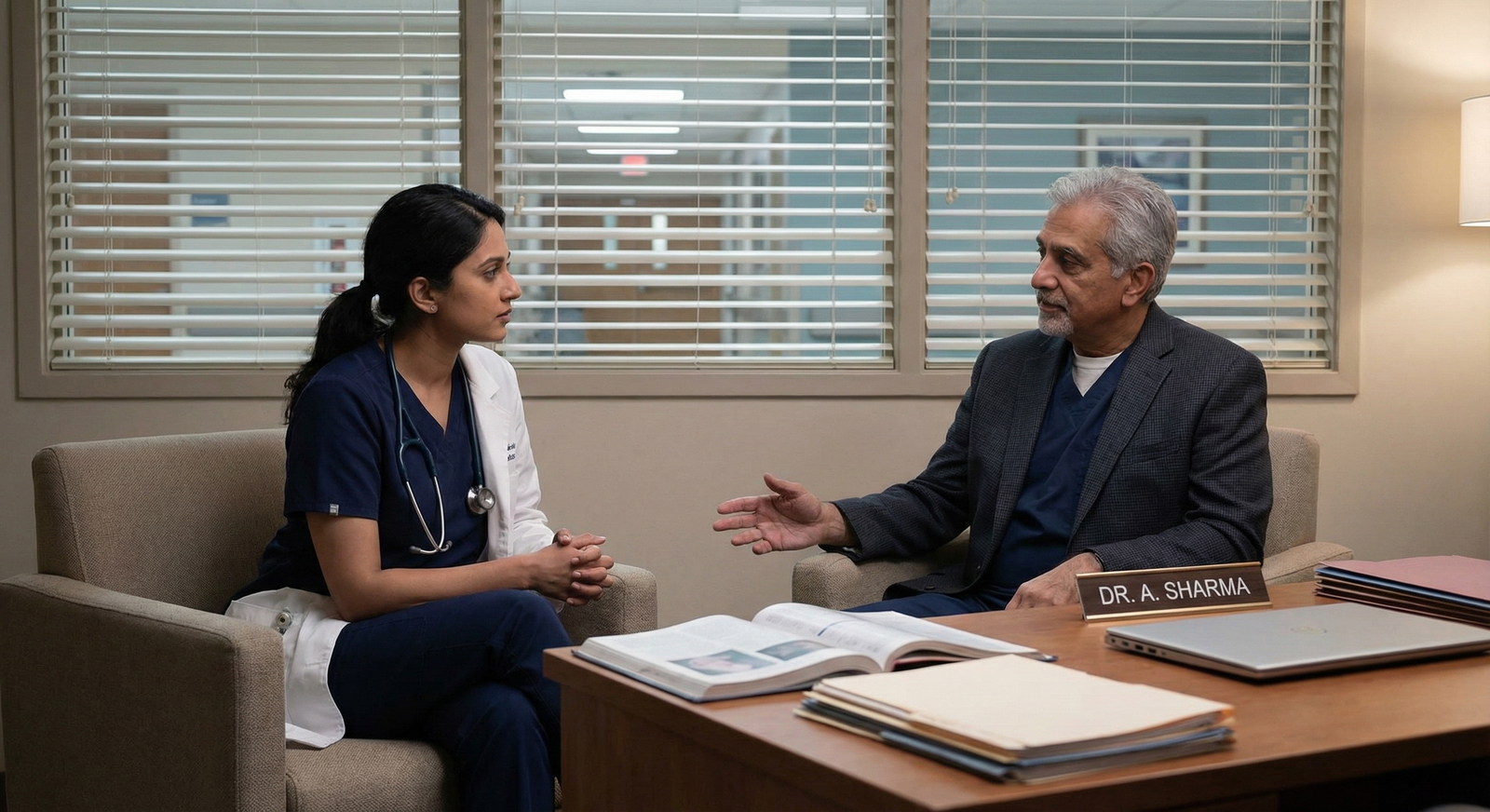
For a US citizen IMG or American studying abroad, networking is not a “nice to have”—it is one of the most powerful levers you have to improve your chances in the pathology match.
Pathology is a relatively small specialty. Many program directors, faculty, and current residents know each other through societies, conferences, and collaborations. Decisions about interviews, rank lists, and research opportunities are often informed by personal impressions and trusted recommendations. This makes medical networking especially important if:
- Your school is outside the US and not well-known to US faculty
- You have limited home-institution pathology exposure
- You lack a built-in alumni network in US pathology
In other words, networking is how you:
- Become more than “just another ERAS application”
- Translate your story as a US citizen IMG into something memorable
- Access research, observerships, and letters of recommendation
- Get honest feedback on your competitiveness and strategy
- Learn which programs truly value and support IMGs
This article focuses on practical, step-by-step networking strategies in medicine, specifically tailored to US citizen IMGs interested in pathology residency. It focuses on where to go, what to say, how to follow up, and how to turn brief encounters into long-term professional relationships and mentorship in medicine.
Understanding the Pathology Networking Landscape
Before sending networking emails or signing up for conferences, you need a clear picture of the “ecosystem” you are entering.
Key Organizations in Pathology
These organizations are central hubs for pathology residency, professional development, and conference networking:
- CAP (College of American Pathologists) – heavy focus on clinical practice, quality, laboratory medicine, and advocacy.
- USCAP (United States and Canadian Academy of Pathology) – premier academic pathology organization; strong focus on surgical pathology and research.
- ASCP (American Society for Clinical Pathology) – bridges lab professionals, pathology, and laboratory science; great for lab-focused careers.
- APC (Association of Pathology Chairs) – leadership-level; useful for understanding program priorities and direction.
- Subspecialty societies (e.g., pulmonary pathology, hematopathology, neuropathology) – relevant once you’ve identified subspecialty interests.
As a US citizen IMG, joining at least one major organization (CAP, USCAP, or ASCP) as a student or trainee member is often inexpensive and gives you:
- Access to listservs and newsletters
- Discounted conference registration
- Eligibility for travel grants or trainee awards
- Entry into special interest groups, committees, and mentoring programs
The Culture of Pathology Networking
Compared to some other specialties, pathology is:
- Generally collegial and academically inclined
- Driven by shared interests in histology, lab management, and diagnostics
- Very active in conferences, case-based teaching, and poster presentations
Many pathologists are introverted, analytical people. That actually works in your favor as a US citizen IMG: networking here is less about aggressive self-promotion and more about curiosity, consistency, and showing genuine interest.
Where the Connections Actually Happen
For a US citizen IMG, the highest-yield networking spaces are:
- National conferences (especially USCAP, CAP, ASCP)
- Regional pathology society meetings in the state or region where you hope to match
- Virtual seminars, case conferences, and journal clubs hosted by academic programs
- Pathology interest groups / student groups at your school or regional institutions
- Social media, especially academic Twitter/X and LinkedIn for medicine
Understanding these venues will help you build a targeted networking plan instead of randomly sending emails or messages that go nowhere.
Strategic Networking Before ERAS: Laying the Groundwork
The most effective networking in medicine starts 12–24 months before you apply to pathology residency. That timeline matters even more for US citizen IMGs.
Step 1: Clarify Your Pathology Narrative
Networking conversations go better when you can clearly articulate:
- Why pathology?
- Why you as a US citizen IMG are studying abroad and now returning?
- What aspects of pathology interest you (e.g., hematopathology, lab medicine, digital pathology, medical education)?
- What you are hoping to gain (mentorship, research, letters, advice)?
Example 30-second introduction you might use at a conference:
“I’m a US citizen studying medicine in Poland, currently in my 5th year. I discovered pathology through elective rotations and really enjoy hematopathology and lab-based decision making. I’m planning to apply for pathology residency in the US and I’m hoping to learn more about how programs evaluate US citizen IMGs and what I should focus on over the next year.”
Having a concise, honest narrative instantly makes interactions more concrete and memorable.
Step 2: Build a Foundational Pathology CV
Before you start intensive medical networking, build basic “proof” that you’re serious about pathology:
- Electives in pathology (home or visiting)
- Pathology interest group involvement – if your school doesn’t have one, consider starting it
- Case reports or small projects with a pathology component
- Reading and self-study (e.g., Robbins, Pathoma, or other pathology texts)
- Participation in virtual pathology teaching sessions (many are open-access)
This doesn’t have to be impressive yet, but having at least a few pathology-related experiences gives you concrete talking points.
Step 3: Start Local and Regional Networking
If you are an American studying abroad, you may not be physically in the US, but you can still tap into:
- Pathology departments at hospitals in your home state
- Pathologists at institutions where you plan to do US clinical experience
- Regional US pathology societies that offer virtual attendance
Action steps:
- Identify 5–10 pathology departments in states/regions where you want to match.
- Visit their websites; note:
- Program director name
- AP/CP division chiefs
- Educational leadership (chief residents, associate program directors)
- Search for publicly posted virtual conferences or grand rounds you can attend; many welcome observers if you ask politely.
- Introduce yourself via a short, respectful email.
Example outreach email:
Subject: US Citizen IMG Interested in Pathology – Request to Attend Virtual Conferences
Dear Dr. [Last Name],
My name is [Your Name], and I am a US citizen currently studying medicine at [Your School] in [Country]. I am very interested in a career in pathology and plan to apply for pathology residency in the US in [Year].
I came across your department while researching training programs in [Region/State], and I noticed that your team holds regular pathology case conferences and grand rounds. I was wondering if it might be possible for me to attend some of these sessions virtually as an observer to deepen my understanding of the field.
I understand how busy you and your department are, and I would be grateful for any opportunity to learn, even if it is occasional or limited.
Thank you for considering my request.
Sincerely,
[Name]
[Medical School, Expected Graduation Year]
[Email]
[Optional: LinkedIn or minimal CV]
Even if many don’t respond, the few who do may become crucial early contacts.
Step 4: Join Student or Trainee Memberships
As a US citizen IMG, student membership in CAP, USCAP, ASCP, or similar organizations can:
- Legitimize you as an engaged future pathologist
- Provide access to mentor-matching programs
- Give you discounts for annual meetings (key for conference networking)
When you sign up, fill out your profile completely and opt in to:
- Trainee or student committees
- Email lists for early-career resources
- Any “mentorship in medicine” or structured pairing options
Conference Networking: Turning Events into Opportunities
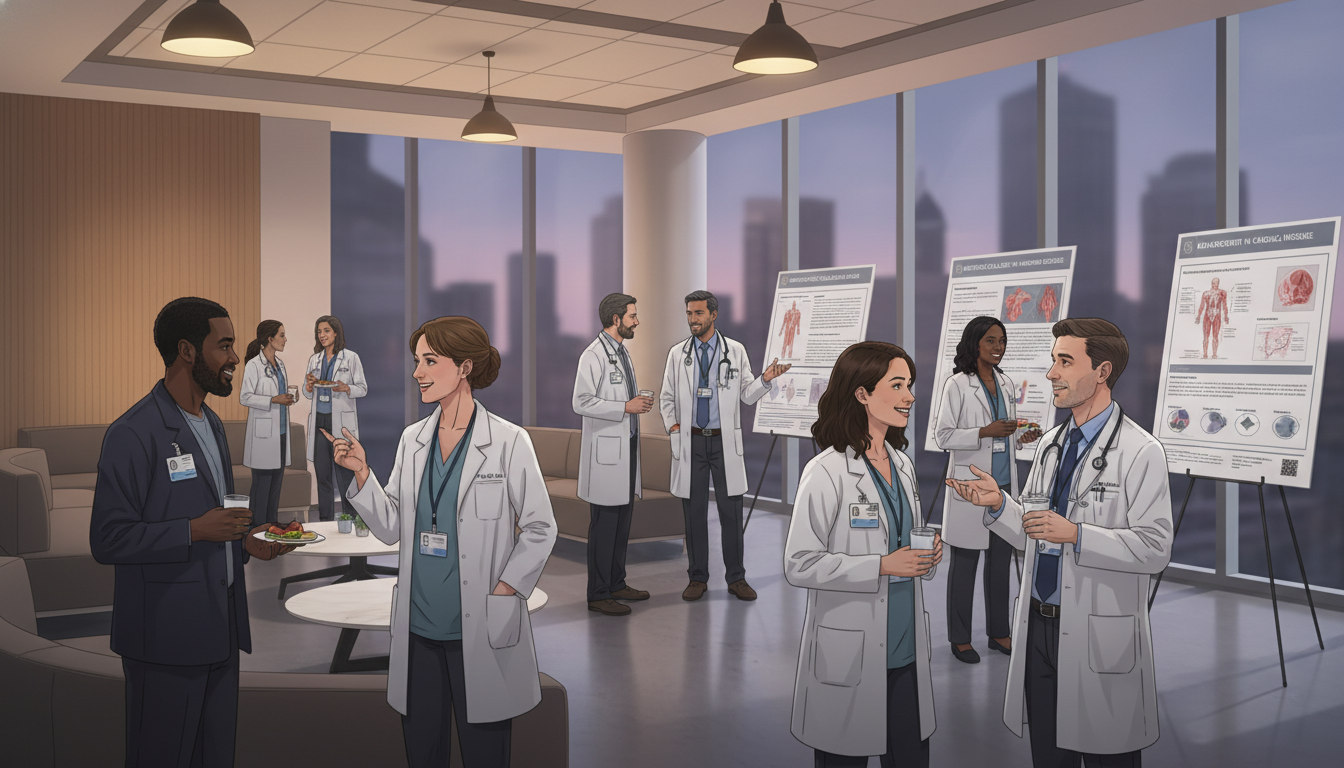
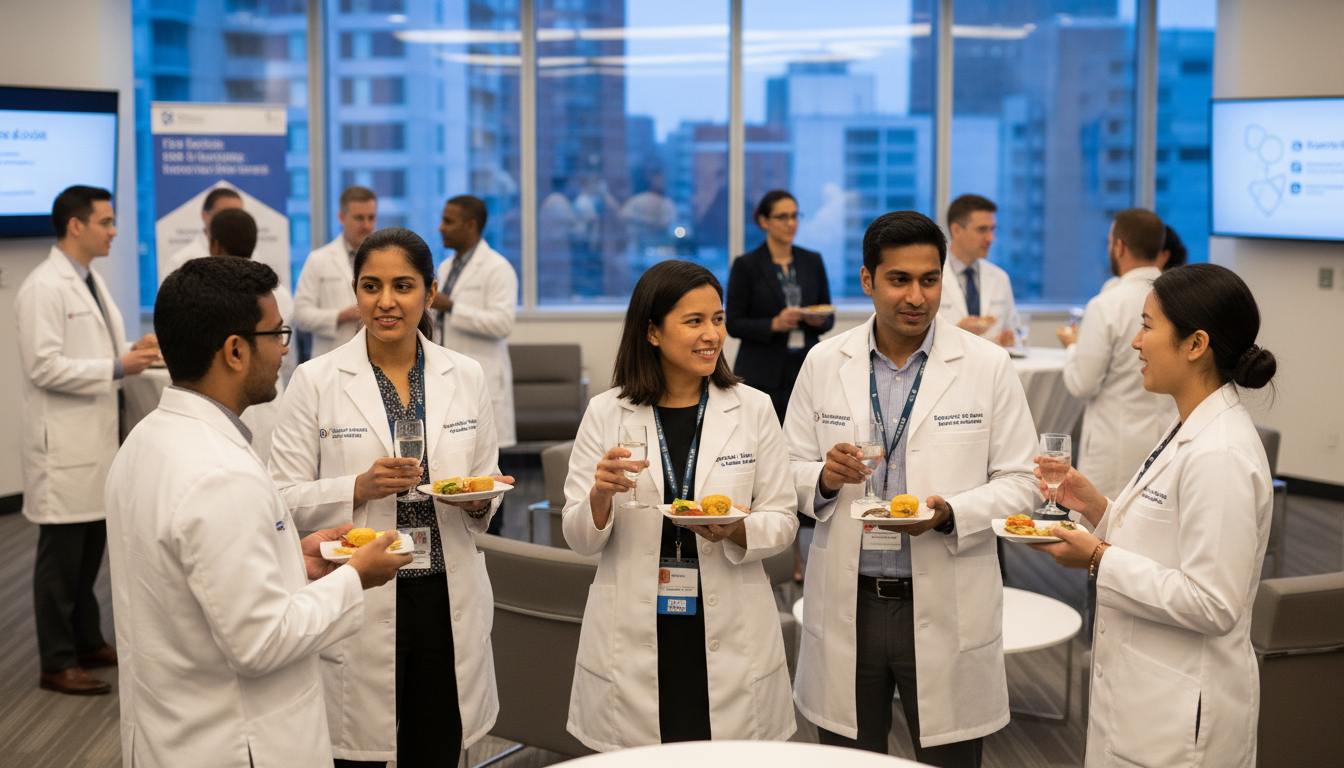
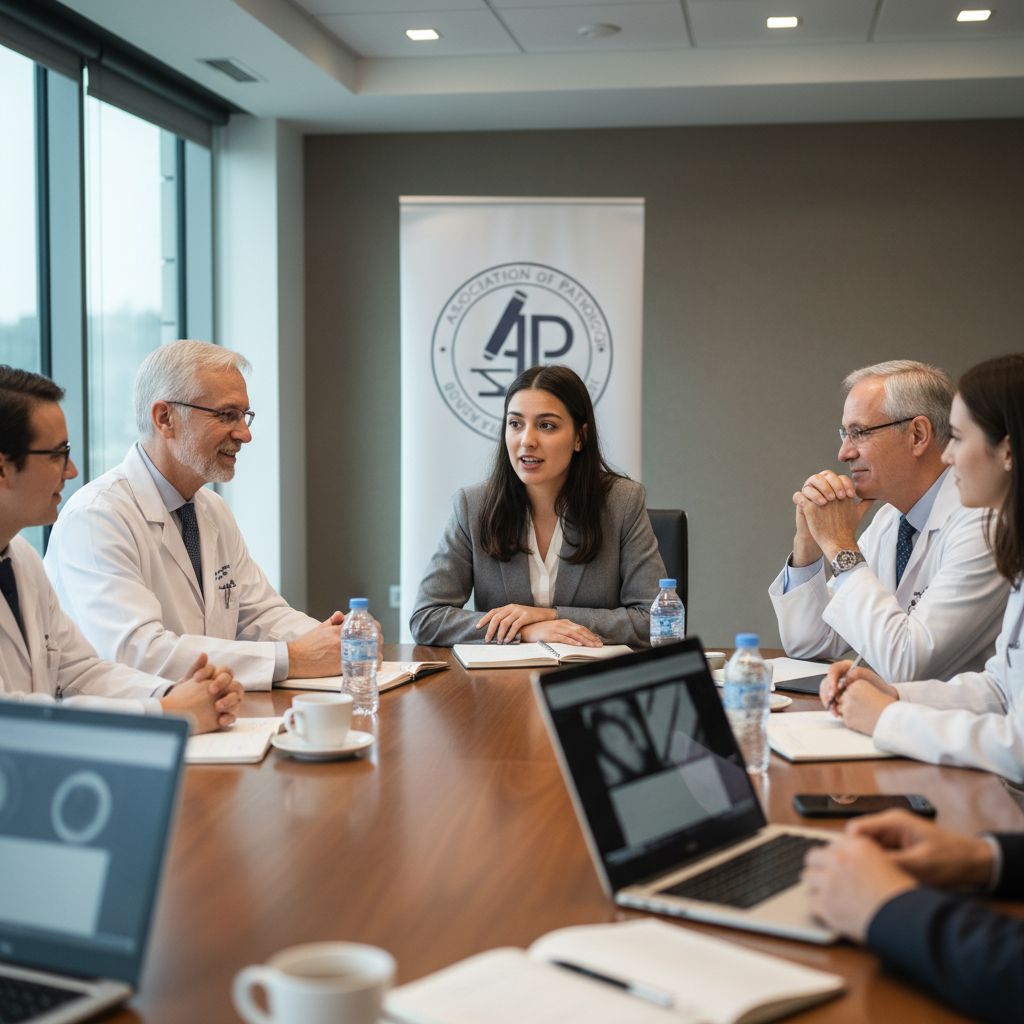
Conferences are the most concentrated venues for networking in medicine. For pathology, USCAP, CAP, and ASCP meetings offer outstanding opportunities for a US citizen IMG.
Choosing Which Conferences to Attend
Prioritize:
- USCAP Annual Meeting – gold standard for academic pathology and presenting posters.
- CAP Annual Meeting – valuable for lab medicine, practice, and leadership.
- Regional society meetings – smaller, more intimate, often easier settings to meet program leadership.
If you can only attend one, USCAP is often the highest yield academically and for the pathology match, but CAP also has strong networking and leadership opportunities.
Before the Conference: Preparation Checklist
- Register early as a student/trainee (cheaper, sometimes travel scholarships available).
- Review the program carefully and identify:
- Sessions run by program directors or residency leaders
- Resident and trainee events
- Poster sessions in areas that interest you
- Use the conference app or website to identify:
- Programs you plan to apply to
- Faculty whose work you’ve read or admired
- Prepare a short introduction and a one-page CV (digital copy is usually enough).
- If presenting a poster:
- Practice a 2–3 minute explanation
- Anticipate basic questions about methods and implications
How to Approach People at Conferences
Many US citizen IMGs worry about being “awkward” or “intrusive.” Reasonable politeness and preparation go a long way.
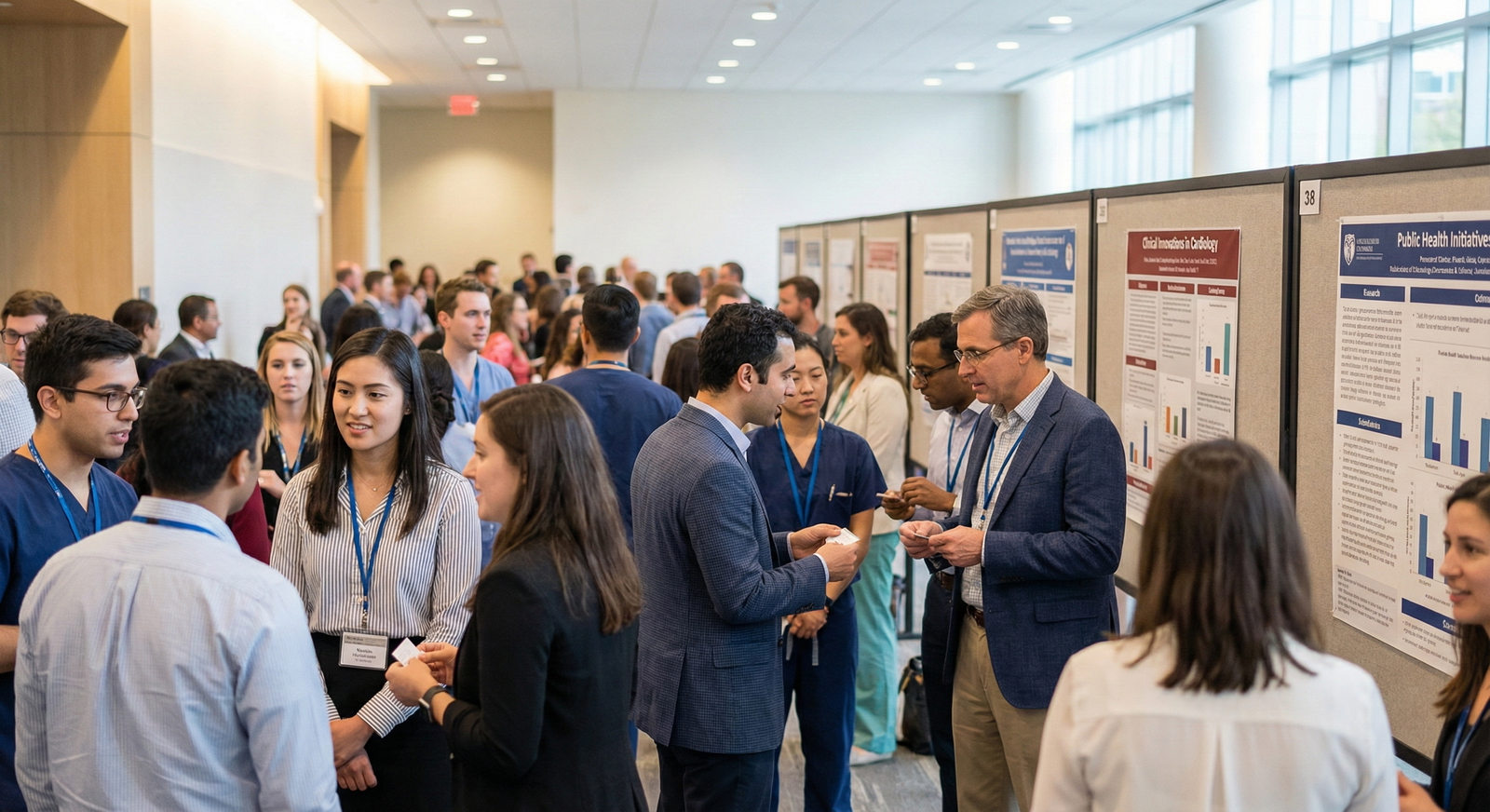
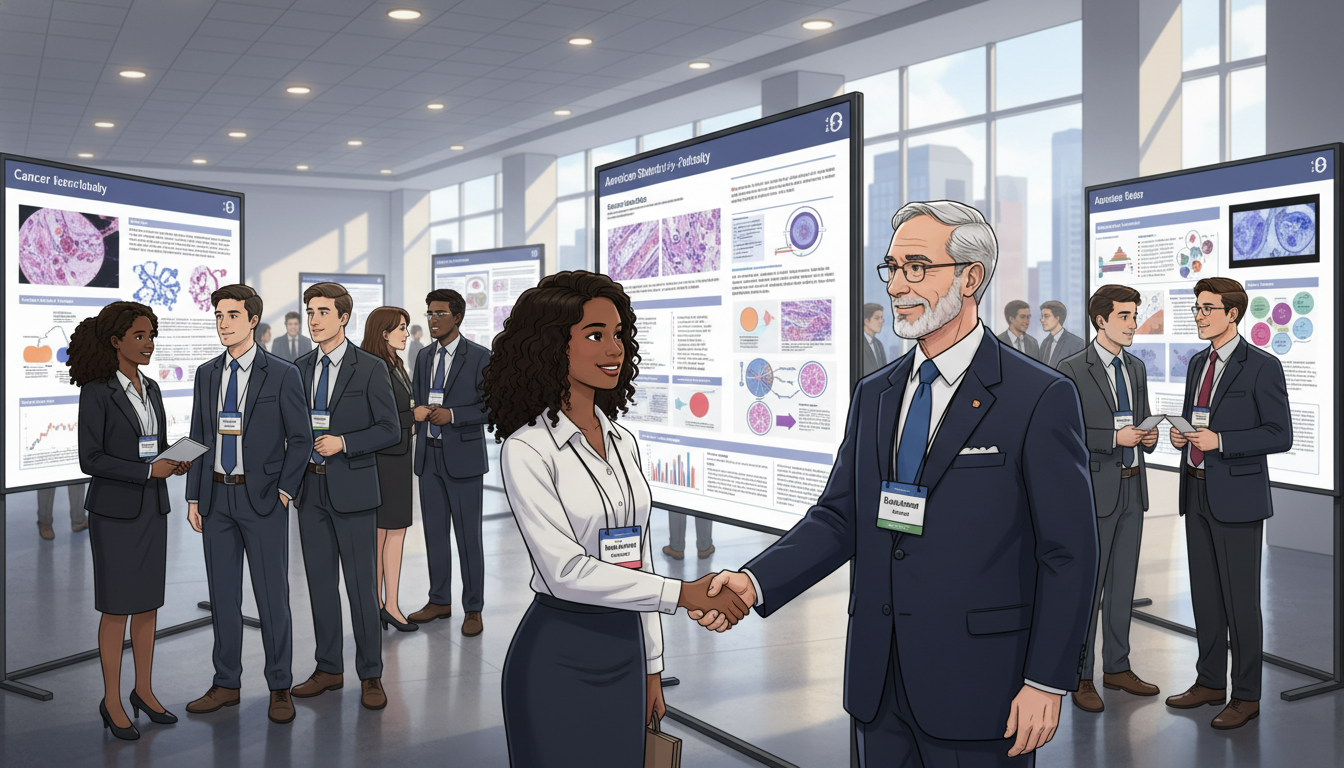
Approaching at Posters
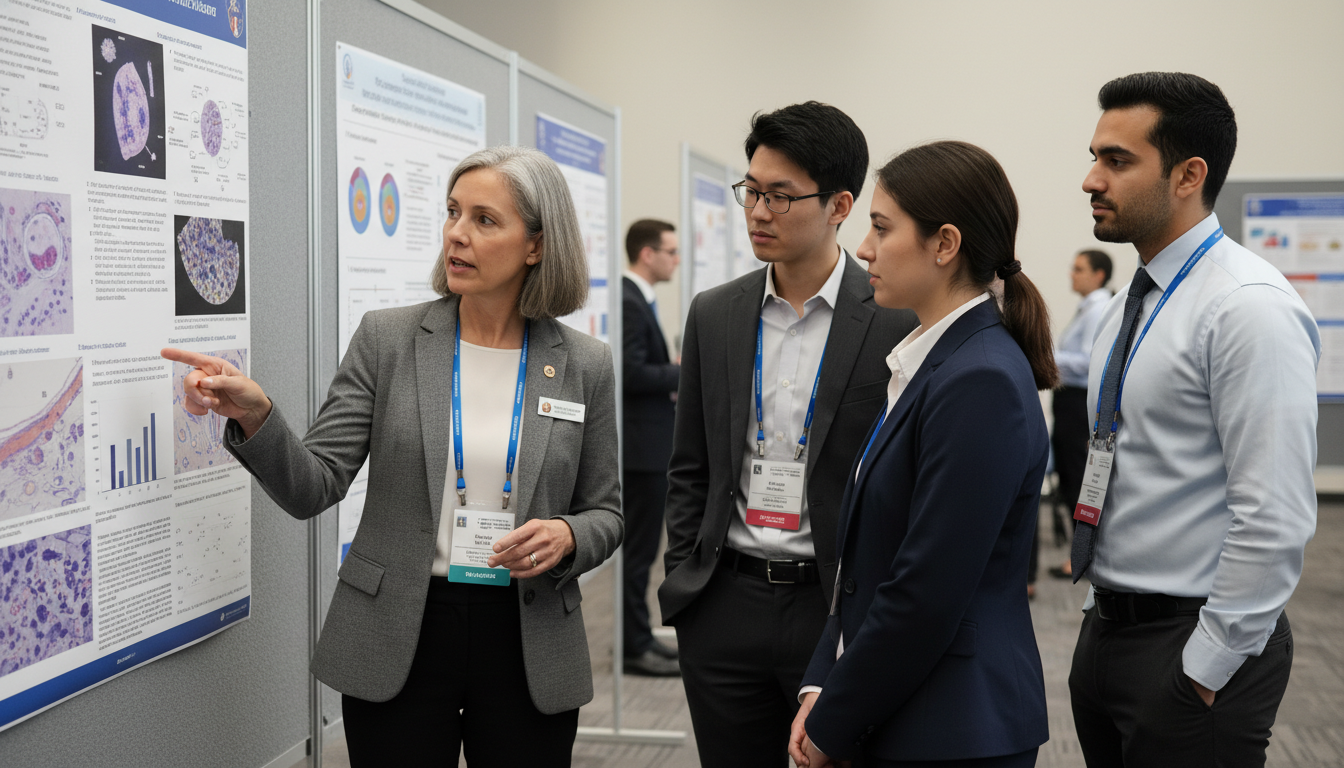
Posters are one of the easiest places for medical networking:
- Read the title and brief abstract.
- If the topic interests you, introduce yourself:
“Hi, I’m [Name], a US citizen studying medicine in [Country], interested in pathology. I found your poster on [topic] interesting—could you walk me through your main findings?”
- Ask 1–2 simple questions.
- If the presenter is a resident at a program you like, you can add:
“I’m planning to apply to pathology residency in the US next year. Could I ask you how your program supports residents, especially those who are IMGs or Americans studying abroad?”
- At the end, you might say:
“Thank you, this was very helpful. Would you mind if I connect with you on LinkedIn or send you a brief email later? I’d love to stay in touch as I prepare for the match.”
Approaching Faculty After Talks
After a talk (not immediately as they walk off stage), approach during a natural break:
- Start with specific appreciation:
“Dr. [Last Name], I really appreciated your talk on [topic], especially your points about [specific detail].”
- Briefly introduce yourself and your goal:
“I’m a US citizen IMG, currently at [School] in [Country], and I plan to apply to pathology residency in the US. I’m especially interested in [related area]. Do you have any advice for someone in my situation?”
- If the conversation flows, you can ask permission to follow up by email.
Using Structured Mentoring Events
Many conferences include formal mentoring or speed networking sessions for trainees. These are ideal for US citizen IMGs because:
- They’re explicitly designed for learners seeking guidance.
- Faculty expect brief, goal-directed conversations.
- They’re lower-pressure than random social events.
Prepare 2–3 key questions, such as:
- “From a program director’s perspective, what helps a US citizen IMG stand out positively in the pathology match?”
- “What are realistic targets for research and letters if I’m coming from a school abroad?”
- “How can I best use away rotations or observerships to show commitment to pathology?”
Take short notes after each interaction so you can send specific, personalized follow-up messages.
After the Conference: Follow-Up That Actually Works
Within 3–5 days of the conference:
- Send concise thank-you emails to key people you met.
- Reference something specific you discussed to trigger recall.
- Attach your CV only if they offered to review it or asked for it.
Example follow-up email:
Subject: Thank You – USCAP Trainee Mentoring Session
Dear Dr. [Last Name],
It was a pleasure speaking with you during the USCAP trainee mentoring event last week. I especially appreciated your advice about how US citizen IMGs can strengthen their applications by pursuing research and early exposure to US pathology departments.
As I mentioned, I am a US citizen currently studying at [School] in [Country], planning to apply for pathology residency in [Year]. I will keep your suggestion about seeking virtual case conferences and targeted observerships in mind as I plan the next year.
Thank you again for your time and encouragement. I hope our paths cross again, and I will update you as I progress toward the match.
Sincerely,
[Name]
[Medical School, Year]
Brief, respectful follow-up is how one-time encounters grow into ongoing relationships.
Digital Networking: Social Media, Email, and Virtual Spaces
For an American studying abroad, digital networking may be your primary connection to US pathology until you arrive for electives.
Using Twitter/X and LinkedIn in Medicine
On social platforms, your goal is to become:
- Visible as a serious future pathologist
- Engaged with educational content and current discussions
- Connected to faculty, residents, and peers
Twitter/X (very active for pathology)
Actions:
- Create a professional account with your real name, school, and “future pathologist” in your bio.
- Follow pathology organizations (USCAP, CAP, ASCP), residency programs, pathologists, and pathology educators.
- Engage by:
- Retweeting educational threads
- Commenting thoughtfully on interesting cases
- Posting about your learning (no patient identifiers; use anonymized educational content)
Example tweet (educational, safe):
“Deepening my interest in hematopathology today by reviewing bone marrow biopsy patterns in my notes and articles. Fascinating how morphology + clinical context can transform diagnosis. Grateful for all the #pathtwitter educational threads out there. #pathology #meded”
Avoid:
- Complaining about specific hospitals or programs
- Sharing any patient-identifying information
- Aggressive self-promotion
LinkedIn for Medicine
LinkedIn is more formal and good for connecting after conferences or email exchanges:
- Build a clear profile: photo, school, expected graduation, “Pathology Residency Applicant (US Citizen IMG) – Class of [Year].”
- List any pathology-related activities: interest group leadership, case reports, research, virtual sessions.
- After meeting someone, send a brief connection request:
“Dear Dr. [Last Name], it was a pleasure speaking with you during [event]. I’m a US citizen IMG interested in pathology, and I’d appreciate staying connected as I prepare for residency applications. Best, [Name]”
Use LinkedIn for maintaining light-touch contact, not constant messaging.
Email as a Core Tool of Medical Networking
Email remains central for professional communication. Key points:
- Keep messages short, respectful, and specific.
- Don’t ask for “a lot” at once—start with a question or small request (e.g., “Could I sit in on your virtual case conference?”).
- Space follow-ups appropriately (2–3 weeks if no response).
Possible targeted email purposes for US citizen IMGs:
- Asking if a department offers observerships in pathology
- Requesting to attend virtual tumor boards or slide conferences
- Inquiring whether trainees at that program welcome informational conversations about the residency
Turning Contacts into Mentors and Match Support
Networking is not just “collecting business cards.” It’s about building genuine relationships that can provide:
- Guidance on the pathology match
- Feedback on your CV and personal statement
- Opportunities for research or observerships
- Eventually, letters of recommendation and advocacy
Types of Mentors Useful for a US Citizen IMG
You will benefit from having a small, diverse mentorship “team”:
IMG-friendly pathology mentor
- Ideally someone who understands the IMG experience (either is or has trained many IMGs).
- Can advise on how your background is viewed and what to strengthen.
US-based academic pathologist
- Can help with research projects, conference posters, and academic positioning.
Resident mentor (current pathology resident)
- Offers recent, practical insights into ERAS, interviews, and program differences.
Non-pathology mentor (e.g., dean, advisor)
- Can help with general career decisions, mental health, and strategic planning.
How to Ask for Mentorship (Without Being Awkward)
Mentorship in medicine usually starts informally. After a productive interaction over time, you might say:
“I’ve really appreciated your guidance about pathology and the match over the past few months. If you’re comfortable with it, would you be willing to serve as an informal mentor as I prepare my application this coming year?”
Many faculty appreciate this clarity; it signals seriousness and respect.
Maintaining Long-Term Relationships
To keep relationships healthy and mutually respectful:
- Update mentors 2–3 times a year with meaningful progress (“I presented at USCAP,” “I secured an observership,” “I passed Step 2”).
- Ask for feedback occasionally, not weekly.
- Thank them explicitly when their advice helps you achieve something concrete.
Networking in the Context of the Pathology Match
When ERAS season arrives, your network can help you:
- Understand where your profile is competitive
- Learn about the “vibe” and culture of programs
- Receive informal advice about application numbers and regional strategies
- Gain internal advocates who may encourage their colleagues to review your application carefully
As a US citizen IMG, this internal advocacy can be decisive—especially if your school is less familiar to program directors.
FAQs: Networking in Medicine for US Citizen IMGs in Pathology
1. I’m a US citizen IMG with limited pathology experience. Where should I start?
Begin by:
- Doing at least one foundational pathology elective (virtual or in-person).
- Joining a major pathology organization as a student member.
- Attending virtual case conferences or grand rounds hosted by US programs.
- Connecting with at least one pathologist or pathology resident who is open to occasional questions.
You don’t need an extensive background to start networking—just honest interest and willingness to learn.
2. Do I need research to network effectively and succeed in the pathology match?
Research helps, but it is not mandatory for every pathology residency. For US citizen IMGs:
- Research, especially with US-based pathologists, can:
- Provide mentors
- Lead to conference posters (great for conference networking)
- Strengthen your CV
- If research is not available, prioritize:
- Strong pathology electives/observerships
- Good letters from US pathologists
- Evidence of consistent interest (conferences, virtual sessions, pathology activities)
Networking can help you find research opportunities, but you can begin networking even before you have them.
3. How many conferences should I attend as a US citizen IMG?
Quality > quantity. For most students:
- One major conference (e.g., USCAP or CAP annual meeting) during the year before you apply can be very valuable.
- One or two regional meetings (if accessible) are a bonus.
If costs are an issue, explore:
- Student/trainee discounts
- Travel grants or scholarships from societies
- Virtual attendance options
Use each conference intentionally: prepare ahead, schedule specific sessions, and follow up afterwards.
4. Is it appropriate to mention networking connections in my ERAS application or interviews?
Yes, if done naturally and truthfully. For example:
- In your personal statement:
“Conversations with Dr. [Name] at the [Society] annual meeting deepened my appreciation for the role of pathologists in multidisciplinary cancer care.”
- In interviews:
“I first became interested in your program after speaking with Dr. [Name] at USCAP, who spoke highly of your department’s commitment to resident education.”
Avoid exaggeration or implying endorsements that were never explicitly given. Be honest about the level of your relationship.
By approaching networking in medicine as a long-term, relationship-centered process, you as a US citizen IMG can transform your status from “unknown applicant” to “known, motivated future colleague.” In pathology—a specialty built on careful observation, collaboration, and teaching—those relationships are not just helpful for the pathology match; they will support you throughout your career.