Why Networking Matters Even More for US Citizen IMGs in Peds-Psych
For a US citizen IMG (international medical graduate) who is an American studying abroad, networking in medicine is not optional—it is a core strategy that can make the difference between matching into a competitive combined program and going unmatched.
Pediatrics-Psychiatry (peds psych) and Triple Board (Pediatrics–Psychiatry–Child and Adolescent Psychiatry) programs are small, tight-knit, and highly relationship-driven. Program directors often know each other personally, faculty talk, and strong recommendations from trusted colleagues can carry enormous weight. As a US citizen IMG, you frequently start with:
- Less name recognition for your medical school
- Fewer built-in connections to US teaching hospitals
- Limited exposure to combined pediatrics-psychiatry programs during your core training
Strategic medical networking helps you:
- Get on the radar of peds psych and Triple Board faculty early
- Identify mentors who understand both psychiatry and pediatrics paths
- Secure US-based clinical experiences and research opportunities
- Generate strong, personalized letters of recommendation
- Learn unadvertised details about programs and applicant fit
Networking is not about being pushy or inauthentic. It’s about building genuine professional relationships over time. The following sections give you a step-by-step framework tailored specifically to US citizen IMGs pursuing peds psych or Triple Board.
Understanding the Peds-Psych and Triple Board Landscape
To network effectively, you need to understand the ecosystem you’re entering.
What Makes Peds-Psych and Triple Board Unique?
Peds psych and Triple Board programs are:
- Small in number – only a limited number of programs nationally
- Mission-driven – heavy emphasis on systems of care, child development, and complex behavioral/medical interface
- Interdisciplinary – collaboration across pediatrics, psychiatry, psychology, social work, and education
Program directors often value:
- Maturity and insight about caring for complex children and families
- Demonstrated interest in both pediatrics and psychiatry, not just one
- Commitment to advocacy, public mental health, and underserved populations
Networking in this context is not just about “Who do I know?” but “Who can see that I’m aligned with this mission?”
Why US Citizen IMGs Need a Different Strategy
As a US citizen IMG in this niche, you may face:
- Less exposure: Your overseas curriculum may not have formal child psychiatry or developmental pediatrics rotations.
- Limited informal intel: You may lack classmates or alumni who have gone into Triple Board or peds psych before you.
- Visa not an issue, but familiarity is: Programs may be relieved you don’t need visa sponsorship, but still uncertain about your training environment and context.
So your medical networking strategy must:
- Increase visibility in US pediatric and psychiatric professional circles.
- Demonstrate competence and reliability via clinical electives and research.
- Show a track record of sincere engagement with combined-care issues.
Foundations of Effective Medical Networking as a US Citizen IMG
Networking in medicine has a reputation for being awkward, but it doesn’t have to be. Think of it as long-term professional relationship-building with three pillars: clarity, consistency, and contribution.
Step 1: Clarify Your Story and Goals
Before you network, you need a coherent narrative. As an American studying abroad, people will ask:
- “Why did you go to school overseas?”
- “How did you get interested in pediatrics and psychiatry?”
- “What draws you to Triple Board or combined pediatrics-psychiatry training?”
Create a concise, honest “professional intro” you can adapt for emails, conferences, and conversations:
- Who you are: “I’m a US citizen IMG in my [X] year at [School], interested in pediatrics-psychiatry and Triple Board.”
- Where your interest came from: A pediatric psych rotation, volunteering with children with developmental disabilities, a global mental health project, etc.
- What you’re seeking: Mentorship, advice on career paths, research projects, or elective opportunities in peds psych.
This clarity makes it easier for others to help you and remember you.
Step 2: Build a Professional Digital Presence
Program directors and mentors may Google you or check your LinkedIn before replying or considering you for an opportunity. You should have:
A LinkedIn profile with:
- Clear headline (“US citizen IMG – Aspiring Pediatrics-Psychiatry / Triple Board Physician”)
- Professional photo
- Up-to-date education, experiences, and any research or presentations
A polished email address (e.g., firstname.lastname@… not something unprofessional).
Optional but powerful:
- A short professional bio you can paste into emails or conference forms (3–4 sentences).
- A simple CV formatted in a standard residency style, ready to send if asked.
Step 3: Practice Low-Stakes Networking Every Week
Networking is a skill. To improve:
- Set a small weekly target:
- 1–2 emails to potential mentors or faculty
- 1–2 posts or comments on professional LinkedIn threads
- 1 check-in with someone you’ve already met
Networking is not just about initial contact; it’s about maintaining relationships over time—especially across the gap between medical school overseas and residency in the US.

High-Impact Networking Tactics for US Citizen IMGs in Peds-Psych
This section focuses on concrete strategies you can implement, tailored specifically to pediatrics-psychiatry and Triple Board.
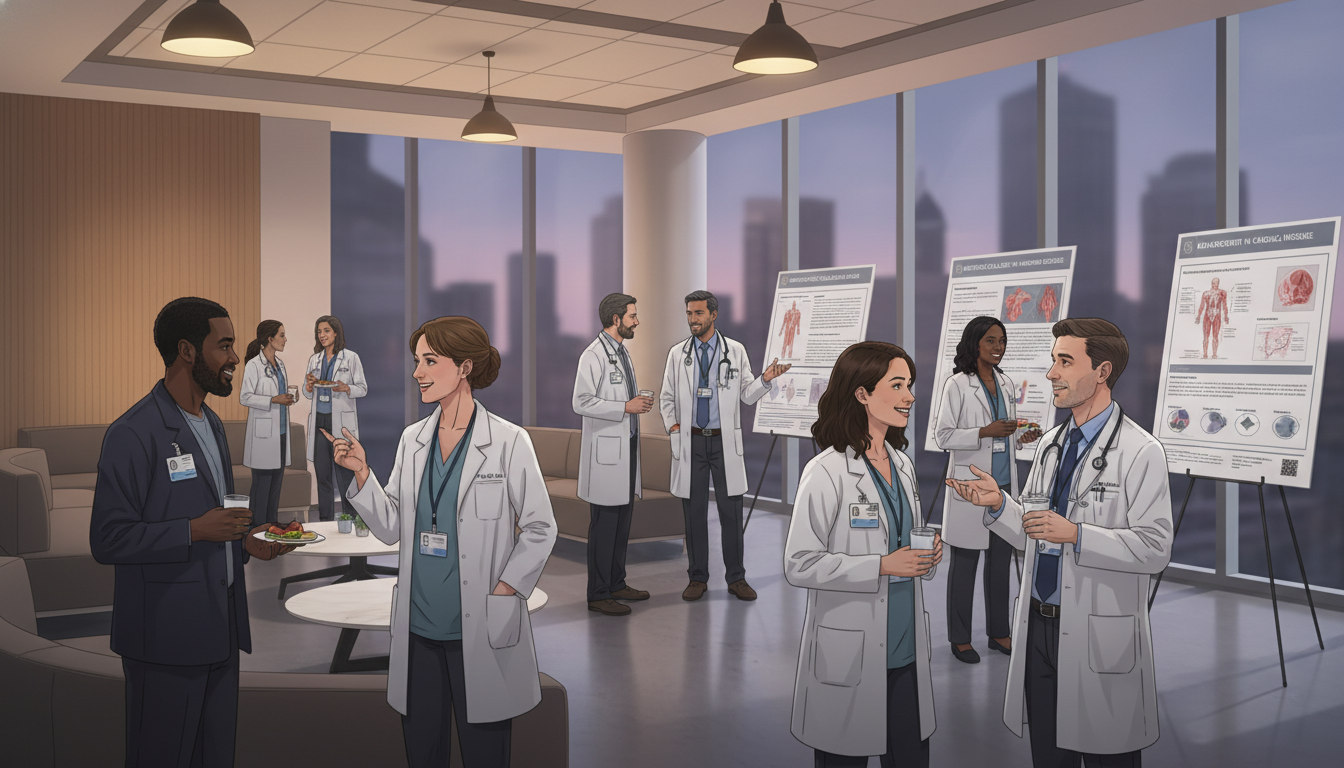
1. Targeted Conference Networking
Conference networking is one of the most powerful tools available, especially for an American studying abroad who needs to bridge into the US medical system.
Which Conferences Should You Prioritize?
For peds psych and Triple Board interests, look at:
- American Academy of Child and Adolescent Psychiatry (AACAP)
- American Academy of Pediatrics (AAP), especially Sections on Developmental & Behavioral Pediatrics and Mental Health
- American Psychiatric Association (APA), focusing on sessions about child and adolescent psychiatry or collaborative care
- Regional or state pediatric and psychiatry societies if you’re near the US before application season
Check program schedules for:
- Sessions on integrated behavioral health in pediatrics
- Triple Board or combined training panels
- Resident and student networking events or mentoring lunches
How to Prepare for Conference Networking
Before attending:
Make a target list of 10–15 people:
- Triple Board and peds psych program directors
- Faculty who publish on pediatric behavioral health, autism, or comorbid chronic disease and mental health
- Residents in Triple Board or peds psych programs (often listed as speakers or poster authors)
Send brief pre-conference emails to 3–5 key people:
- Introduce yourself as a US citizen IMG interested in peds psych or Triple Board
- Reference a paper they wrote or session they’re leading
- Ask if you might briefly say hello at their poster or after their talk
Example email:
Dear Dr. [Name],
My name is [Your Name], a US citizen IMG in my [X] year at [School], with a strong interest in Pediatrics-Psychiatry and potentially Triple Board training. I’ve particularly enjoyed your work on [specific topic or paper].
I’ll be attending [Conference] this year and saw that you’re presenting on [session/poster]. If your schedule allows, I’d be grateful for 5 minutes to briefly introduce myself and ask one or two questions about career paths that integrate pediatrics and child psychiatry.
Thank you for considering,
[Your Name]
- Prepare 2–3 thoughtful questions:
- “How do you recommend a US citizen IMG best demonstrate commitment to combined pediatric-psychiatric care?”
- “What qualities do your Triple Board residents tend to share?”
- “How early should I try to secure US rotations for strong letters relevant to peds psych?”
At the Conference: How to Actually Network
During the conference:
- Attend targeted sessions where your “targets” are speaking or moderating.
- Introduce yourself briefly after talks:
- “Dr. X, I’m [Name], we exchanged emails last week. I’m a US citizen IMG very interested in peds psych. I really appreciated your point about [specific detail]. If you ever have advice or resources for students like me, I’d love to stay in touch.”
- Exchange business cards or LinkedIn connections on the spot.
- Take quick notes after each interaction (WHO, WHAT you discussed, NEXT STEPS).
After the Conference: Follow-Up is Everything
Within 3–7 days:
- Send personalized thank-you emails:
- Mention something specific they said.
- Briefly restate your career interests.
- Ask one actionable question if appropriate (e.g., “Is there a particular rotation type you recommend for someone hoping to pursue Triple Board?”).
Conferences done this way create a small but meaningful circle of professionals who recognize your name when you later apply.
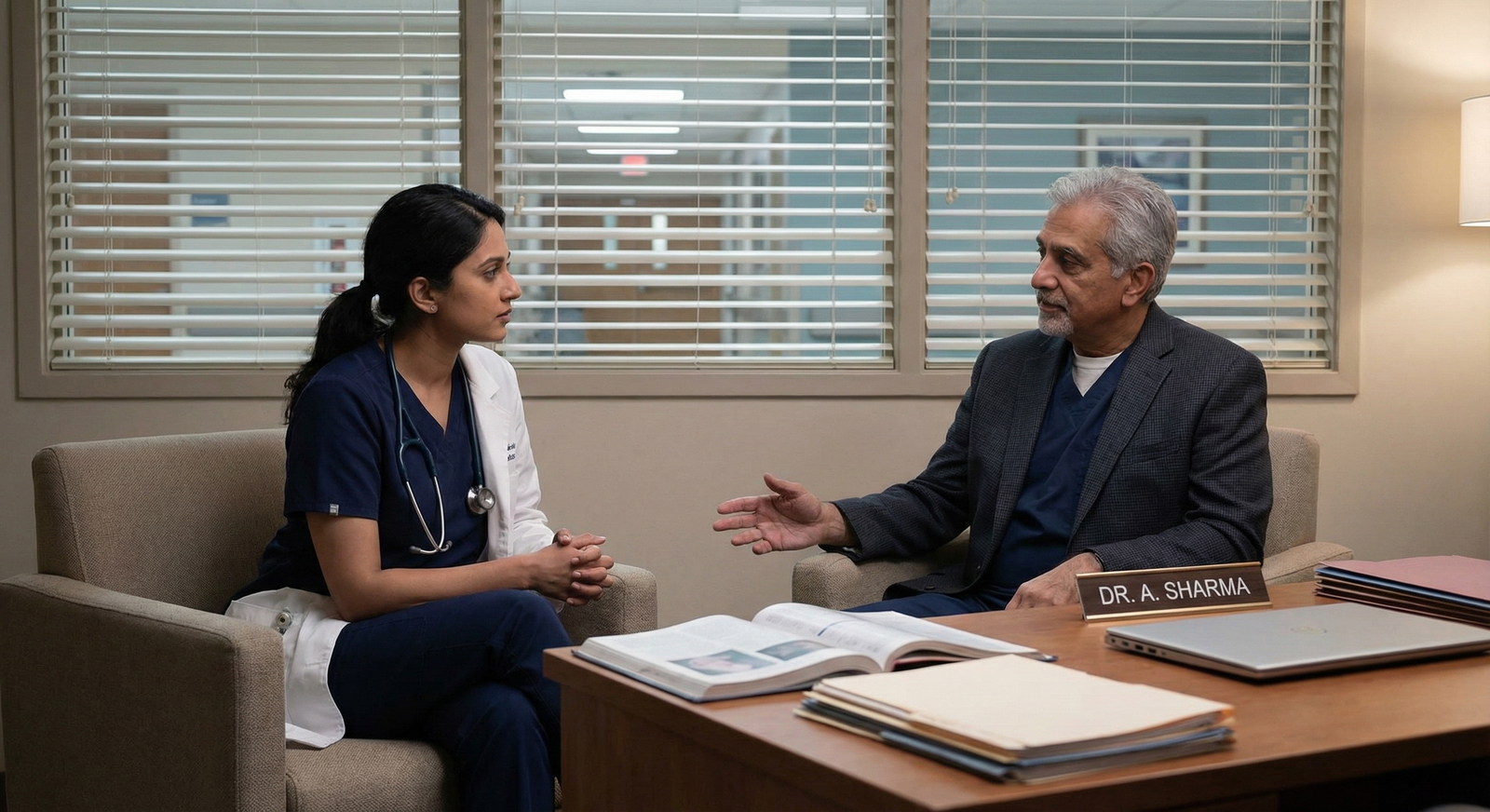
2. Building Mentorship in Medicine: Finding the Right Guides
Mentorship in medicine is your long-term competitive advantage—especially when you’re outside the US training environment during medical school.
Aim to have at least 2–3 mentors with different roles:
- A pediatric-focused mentor
- A psychiatry or child psychiatry mentor
- Ideally, a combined or Triple Board mentor, even if remote
Where to Find Mentors as a US Citizen IMG
- Home-country or school faculty who have completed US training or have US connections
- Visiting US faculty on rotation at your school
- Alumni from your medical school in US pediatrics, psychiatry, or Triple Board
- Faculty you meet at conferences
- Mentoring programs through:
- AACAP
- AAP Section on Medical Students, Residents & Fellowship Trainees
- State pediatric or psychiatric societies
When you contact a potential mentor:
- Keep your email short, respectful, and specific:
- “I’m looking for guidance on preparing for a career in pediatrics-psychiatry as a US citizen IMG.”
- Clarify you’re not asking them to secure you a residency spot—just advice and perspective.
- Show that you’ve done homework: read their profile, know their work.
How to Be a Good Mentee
- Come prepared to mentoring meetings with specific questions:
- “Which electives should I prioritize in the US?”
- “How important is research in peds psych for an IMG?”
- “What are common weaknesses in IMG applications to combined programs?”
- Send a short update email every 3–4 months:
- Progress, new experiences, board exam milestones, conference attendance
- Express appreciation and note how their advice helped
- Respect their time: stick to 20–30 minutes unless they clearly offer more.
Strong mentorship in medicine can lead to:
- Honest feedback about your competitiveness
- Strategic guidance about where to apply
- Introductions to colleagues and hidden opportunities
- Sometimes, powerful letters of recommendation
3. Leveraging Clinical Rotations and Electives as Networking Gold
For a US citizen IMG, US clinical experience is both a competency marker and a networking opportunity.
Choosing Rotations Strategically
If at all possible, try to secure:
- At least one pediatrics rotation in a US teaching hospital
- At least one psychiatry rotation (preferably with some child/adolescent exposure)
- An elective or observership at a hospital with a Triple Board or peds psych program, even if not directly on that service
While on rotation:
- Show up early, stay engaged, and be reliable. Your professionalism is networking.
- Express your interest early but humbly:
- “I’m a US citizen IMG and very interested in combining pediatrics and psychiatry. I’d appreciate any advice you might have about training pathways like Triple Board.”
- Ask residents and fellows:
- How they chose their program
- What their program values in applicants
- If there are conferences, projects, or readings they recommend
Turning Rotations into Long-Term Connections
Near the end of a rotation:
- Ask attendings or senior residents if they’d be willing to:
- Stay in touch as mentors
- Review your CV or personal statement in the future
- Possibly write a letter of recommendation if they feel they know your work well
After the rotation:
- Send a thank-you email summarizing what you learned and your future plans.
- Check in a few months later with updates—this helps maintain the relationship until ERAS season.

Using Research, Social Media, and Peer Networks to Your Advantage
Networking doesn’t stop at conferences and rotations. You can build your presence and relationships even while still overseas.
Research as a Networking Tool
Research in pediatrics, child psychiatry, developmental disorders, or behavioral health is ideal—but any scholarly work shows discipline and curiosity.
To use research for networking:
- Reach out to faculty at US institutions who publish on topics that interest you:
- A short email asking if they have ongoing projects where a remote, motivated student could assist with literature reviews, data entry, or manuscript prep.
- Leverage your mentors:
- “Do you know anyone doing work at the peds/psych interface who might be open to a motivated student joining a project?”
When you join a project:
- Be extremely reliable—this is your reputation in US academic circles.
- Communicate clearly about time zones, deadlines, and deliverables.
- Ask if you can meet by Zoom to discuss the project; this face time builds a relationship beyond email.
Even a small contribution to a case report, poster, or quality improvement project can:
- Give you a shared professional product with potential letter writers
- Provide concrete discussion points for interviews
- Embed you in academic networks where program faculty talk to each other
Conference Networking Through Posters
If you get a poster accepted to AAP, AACAP, or a regional meeting:
- Put your contact info and LinkedIn QR code on the poster.
- Practice a 2-minute explanation of your project, highlighting relevance to peds psych or Triple Board.
- Use this as a natural entry point for conversation with faculty walking by:
- “I’m a US citizen IMG hoping to pursue Triple Board; this project grew out of my interest in [brief topic]. I’d be grateful for any advice on training paths.”
Smart Use of Professional Social Media
LinkedIn and, to a more limited extent, X (Twitter) can help with asynchronous networking:
- Follow major organizations and key individuals in peds psych, child psychiatry, and Triple Board.
- Comment occasionally on posts with something thoughtful and professional.
- Share your own milestones (poster accepted, exam passed, rotation completed) with a brief reflection on what you learned.
Always keep social media purely professional—assume program directors may see anything you post.
Peer Networking: Don’t Overlook Your Classmates and Alumni
Some of your most valuable future connections will be:
- Classmates who match into US pediatrics, psychiatry, or child psychiatry
- Alumni who are already in US residencies
Stay in touch:
- Create small WhatsApp or email groups around US residency planning.
- Share resources, experiences, and contact info for helpful attendings.
- Congratulate peers on their matches—you’re building a network that will last your entire career.
Bringing It All Together: A Sample Networking Timeline for US Citizen IMGs
Here’s a rough blueprint for integrating medical networking into your journey as an American studying abroad.
Pre-Clinical / Early Clinical Years
- Start a professional LinkedIn profile and simple CV.
- Explore peds psych and Triple Board through reading, webinars, and online talks.
- Seek at least one general pediatric or psychiatry mentor (local or remote).
- If possible, join a small research or quality improvement project.
Clinical Years (Before Applying)
- Plan at least 2–3 US-based rotations (pediatrics and psychiatry).
- Attend 1–2 major conferences (AAP, AACAP, APA) if financially feasible; apply for student travel scholarships.
- Present any posters you can—turn these into networking opportunities.
- Solidify mentorship relationships and start discussing application strategies.
Application Year
- Update mentors on your program list; ask for realistic feedback.
- Politely request letters of recommendation from US attendings who know your work well.
- Continue light-touch networking with faculty at programs where you’re applying (within reason and professionalism).
- During interviews, treat every interaction as networking: residents, faculty, coordinators.
During Residency and Beyond
Even after you match (hopefully into peds psych, Triple Board, or categorical pediatrics/psychiatry with a plan to subspecialize), keep:
- Attending conferences
- Expanding your mentorship network
- Supporting the next generation of US citizen IMGs coming behind you
In medicine, your network compounds over time. The relationships you start as an IMG student can influence your fellowship, job searches, and collaborative projects for decades.
FAQs: Networking in Medicine for US Citizen IMGs in Pediatrics-Psychiatry
1. I’m a US citizen IMG with no home Triple Board program. How can I still show strong interest?
Focus on building a portfolio that reflects combined interests:
- US rotations in both pediatrics and psychiatry (especially child/adolescent psychiatry if possible)
- Research, QI, or advocacy projects that sit at the peds–psych intersection (e.g., ADHD, autism, chronic illness and mental health)
- Attendance at relevant conferences (AAP, AACAP, APA) with targeted conference networking
- Mentors who can speak to your commitment to integrated care, even if they’re only in one specialty
Use your personal statement and interviews to articulate a clear, thoughtful rationale for pursuing peds psych or Triple Board.
2. How do I avoid coming across as “using” people when I’m networking?
The key is to approach networking as mutual professional relationship-building:
- Be genuinely curious about others’ work and journeys.
- Offer small contributions when you can (e.g., help with a project, share resources).
- Show appreciation, follow through on commitments, and give updates on how their advice helped you.
People in medicine generally remember students who are thoughtful, respectful, and reliable—not students who ask for favors without doing the work.
3. Is conference networking worth the cost for a US citizen IMG?
If your finances allow, strategic conference attendance can be extremely valuable, especially if you:
- Present a poster or project
- Actively seek out peds psych and Triple Board faculty
- Follow up thoughtfully with people you meet
To offset costs, look for:
- Student travel awards
- Reduced registration fees for trainees
- Virtual conference options, which often still allow for some mentorship and medical networking opportunities
If you can only attend one conference, prioritize whichever aligns best with your interests and has sessions related to pediatrics-psychiatry or Triple Board.
4. What if I’m shy or introverted—can I still be effective at medical networking?
Absolutely. Many excellent physicians are introverted. You can adapt networking to your style:
- Prepare short “scripts” for introducing yourself and asking questions.
- Focus on one-on-one conversations instead of big group mingling.
- Use email and LinkedIn for initial outreach, then schedule brief Zoom or in-person meetings.
- Set small goals for each event (e.g., “I’ll introduce myself to two people and attend one mentoring session”).
Consistency and authenticity matter more than being the most outgoing person in the room.
By approaching networking in medicine as a structured, long-term process—not a one-time scramble before ERAS—you, as a US citizen IMG in pediatrics-psychiatry, can transform a potential disadvantage into a powerful, relationship-based path toward the residency and career you want.