Understanding Networking in Medicine as an IMG in Medicine-Psychiatry
Networking in medicine is more than collecting business cards or adding people on LinkedIn. For an international medical graduate (IMG) aiming for a medicine psychiatry combined residency (med psych residency), effective networking is one of the most powerful tools you have—especially when you lack a U.S. school name on your CV.
Networking in this context means deliberately building genuine, professional relationships with people who can:
- Help you understand the U.S. healthcare system
- Guide you toward the right opportunities
- Vouch for you when it matters (letters, phone calls, advocacy)
- Support your long-term career as a physician, educator, or researcher
For IMGs, an effective networking strategy is often the difference between being “a random ERAS application” and “the candidate Dr. X personally recommended.” This IMG residency guide focuses on the unique networking needs of IMGs interested in medicine-psychiatry, including:
- How to build a network from abroad and once in the U.S.
- How to use conference networking strategically
- How to find and work with mentors (mentorship medicine)
- How to communicate your identity as a future med-psych physician
- Practical scripts, email templates, and timelines
Think of networking as part of your clinical skill set: you learn it, practice it, and refine it.
The Unique Networking Landscape for IMGs in Medicine-Psychiatry
Medicine-psychiatry combined programs are few in number, highly niche, and relatively small compared with categorical internal medicine or psychiatry. This intensifies the importance of medical networking, because:
- Programs often know each other well; word-of-mouth is powerful.
- Program directors may personally review most applications.
- Your interest in the dual discipline must feel authentic and well-informed.
Why Networking Matters Even More for IMGs
As an international medical graduate applying to med psych residency, you face specific barriers:
- Less familiarity with U.S. clinical culture and expectations
- Fewer organic chances to meet faculty (no U.S. medical school environment)
- Possible limited access to U.S. research or clinical experiences
- Visa and licensure questions that may worry some programs
Networking directly addresses these issues by giving you:
- Human advocates who can contextualize your background
- Access to informal information (“hidden curriculum”) about programs
- Early notice of research or observership opportunities
- Guidance on which programs are IMG-friendly and realistic for you
The Med-Psych Identity: Your Networking “Story”
Before you start networking, clarify your own professional story:
- Why medicine-psychiatry combined, not just one field?
- How does your background as an IMG strengthen your future work in med psych?
- What specific patient populations or questions excite you (e.g., CL psychiatry, substance use in medically ill patients, primary care for serious mental illness, neuropsychiatry)?
A simple 20–30 second “intro pitch” can help:
“I’m an international medical graduate from [country], with clinical experience in both internal medicine and psychiatry. I’m especially interested in the interface of chronic medical illness and severe mental illness, and I’m exploring medicine-psychiatry combined training so I can care for these patients comprehensively and contribute to integrated care models.”
Having a clear, authentic pitch makes every networking interaction more focused and memorable.

Core Networking Zones for IMGs: Where and How to Connect
1. Clinical Settings: Rotations, Observerships, and Externships
Clinical work is your strongest networking platform. People remember those who show up consistently, work hard, and communicate well.
Priorities during U.S. clinical experiences:
- Be reliable: arrive early, respond promptly, prepare for patient encounters.
- Be curious: ask focused questions that show you read and think.
- Be professional: respect boundaries, understand hierarchy, and maintain confidentiality.
- Be explicit (but not pushy) about your med psych interest.
How to network naturally in clinical settings:
Example phrases you can use:
- “I’m very interested in medicine-psychiatry combined training. Are you familiar with any med-psych programs or faculty I should look up?”
- “I’d love to get more involved in integrated care or CL psychiatry work. Are there any projects or clinics where a student/observer might be helpful?”
These open the door for:
- Introductions: “You should email Dr. X in our psychiatry department.”
- Opportunities: “We’re starting a quality project on delirium screening; would you like to help?”
- Guidance: “For med-psych, you’ll want to show strong internal medicine and psychiatry experiences, here’s how.”
Action step: For each clinical experience, identify at least:
- 1 attending
- 1 senior resident or fellow
- 1 staff member (e.g., program coordinator, research coordinator)
with whom you can form a genuine connection and stay in touch.
2. Conference Networking: Turning Events into Career Accelerators
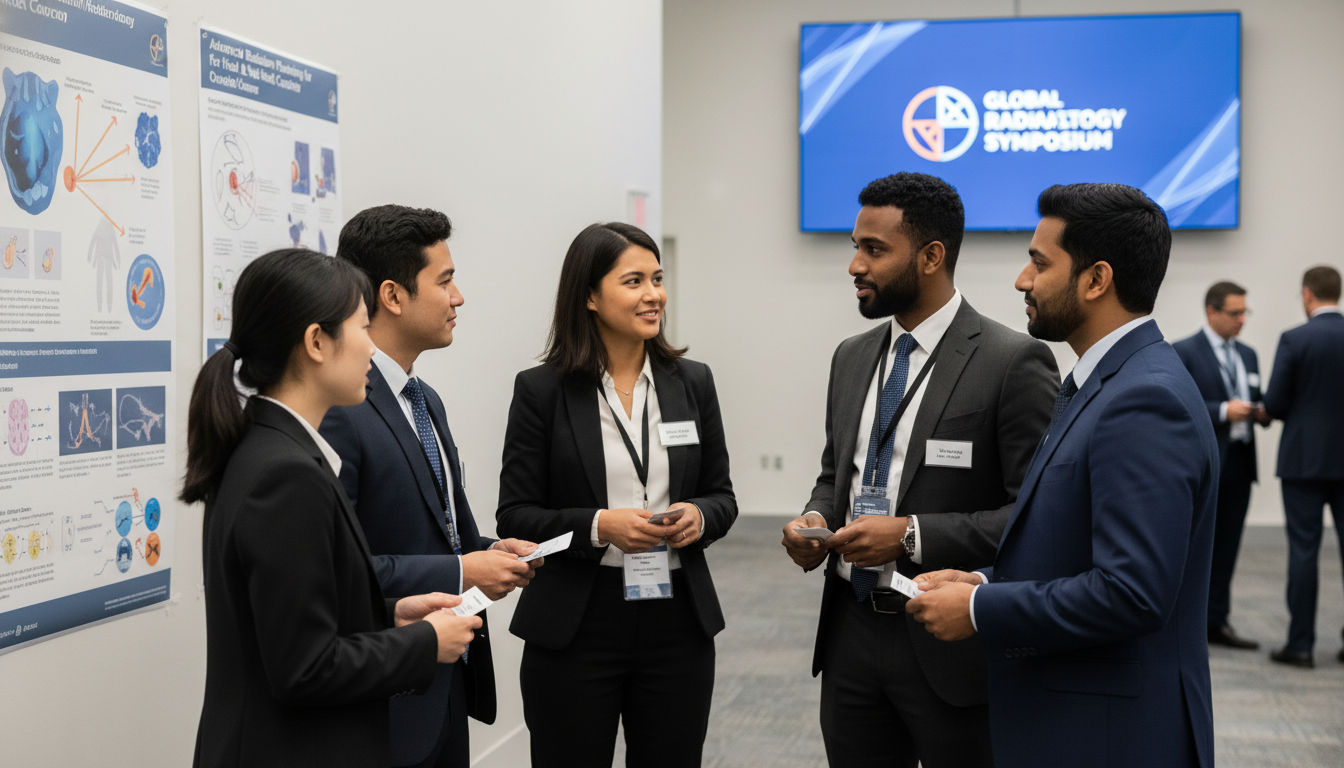
Conference networking is one of the highest-yield strategies for IMGs. It puts you face-to-face with leaders in medicine-psychiatry combined training.
Relevant conferences might include:
- American Psychiatric Association (APA) Annual Meeting
- American College of Physicians (ACP) Internal Medicine Meeting
- Academy of Consultation-Liaison Psychiatry (ACLP)
- Association of Medicine and Psychiatry (AMP)
- Local or regional internal medicine and psychiatry society meetings
Before the Conference
Review the program agenda: Identify med-psych sessions, CL psychiatry talks, integrated care panels, and speakers from combined programs.
Prepare your materials:
- Updated CV (PDF)
- 2–3 sentence personal summary (your “pitch”)
- A concise description of any research or quality projects you’ve done
Reach out in advance:
Example email:Subject: IMG interested in Medicine-Psychiatry – Would appreciate 10 minutes at [Conference Name]
Dear Dr. [Last Name],
My name is [Name], an international medical graduate from [country] with strong interest in medicine-psychiatry combined training. I’ll be attending [Conference Name] and saw that you are presenting on [topic] / affiliated with [med-psych program].
If your schedule allows, I would be very grateful for 10 minutes during the conference to briefly introduce myself and ask for your advice on pursuing a career in medicine-psychiatry as an IMG.
Thank you for considering this.
Sincerely,
[Name]
[Medical School, Country]
[Current location / status]
Even if they say no or don’t reply, your name may still be familiar later in the application cycle.
During the Conference
At talks and poster sessions:
- Sit near the front, take notes.
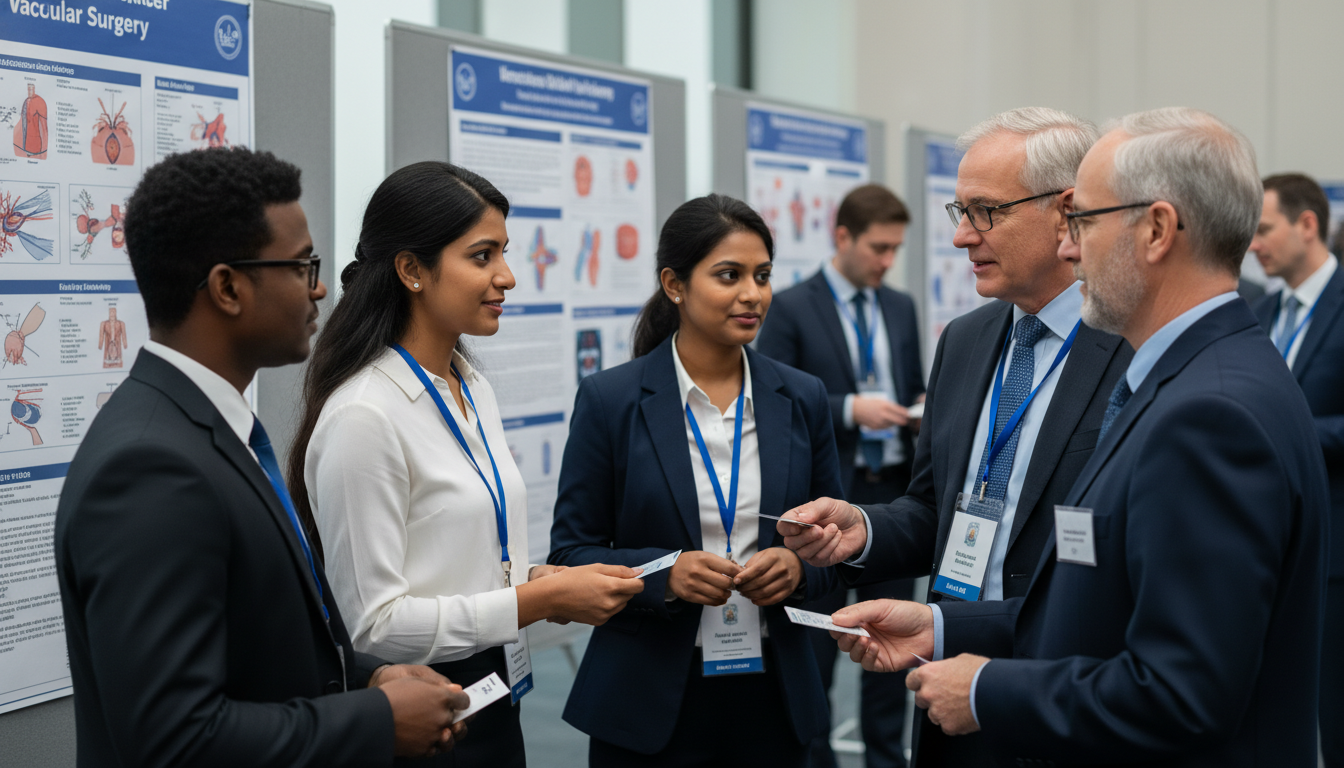
- After the session, briefly approach the speaker:
- “Thank you for the excellent talk. I’m an IMG very interested in med-psych training and integrated care. I especially appreciated your point about [specific detail]. Would you recommend any resources or people I should follow up with to learn more?”
Keep it short (30–60 seconds), then:
- Ask if you may follow up by email.
- Request a business card or confirm email spelling.
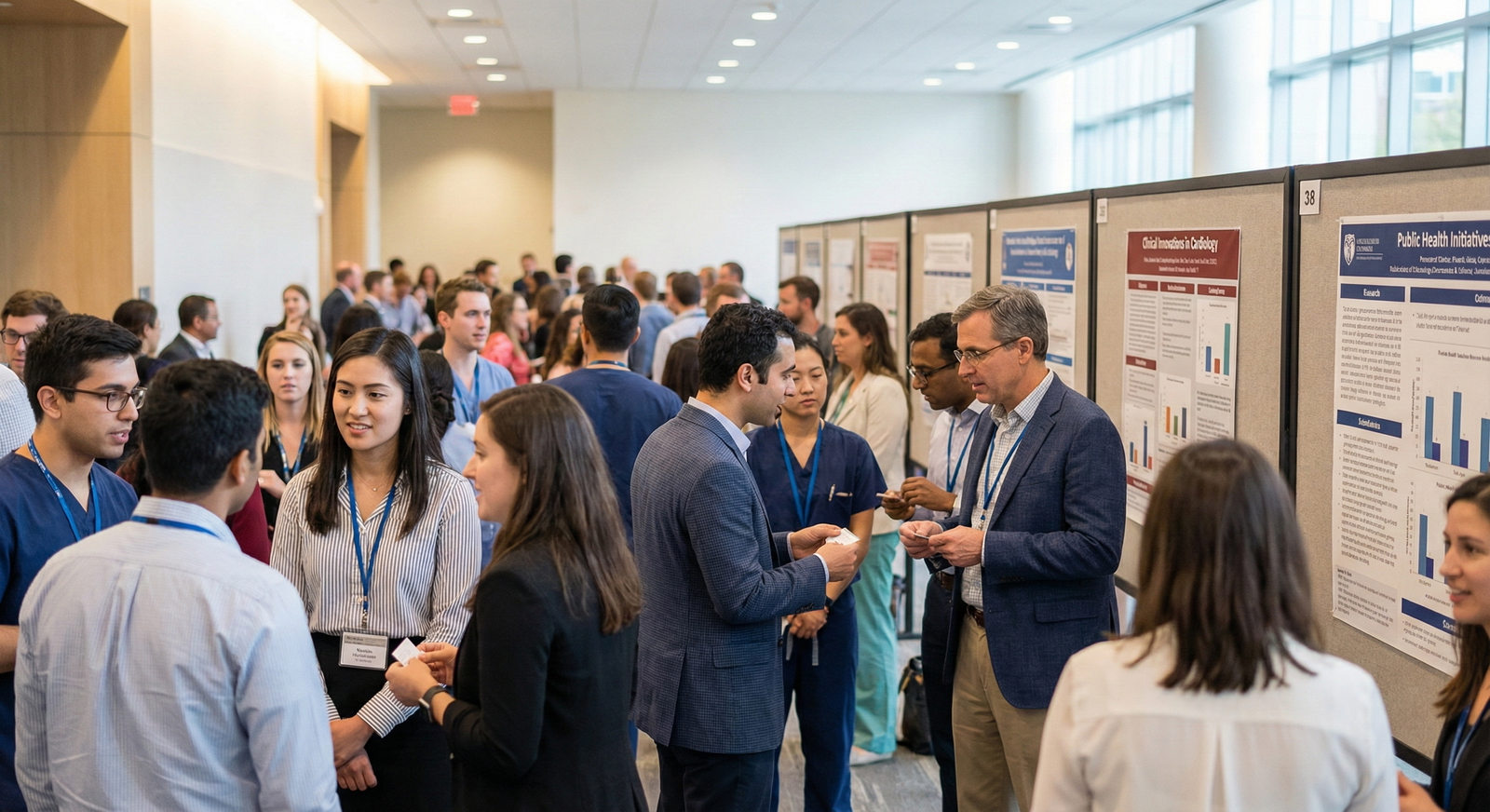
At poster sessions:
Target posters related to:
- Delirium
- Somatic symptom disorders
- Psychosomatic medicine
- Integrated primary care / behavioral health
- Addiction in medically ill patients
Ask presenters:
- “How did you get involved in this project?”
- “Are there similar projects your group is working on that might welcome remote collaboration or literature review help?”
Many early-career faculty are open to help with systematic reviews, retrospective chart reviews, or educational projects—which can be workable even if you are abroad.
After the Conference
Within 48–72 hours, send structured follow-up emails:
Dear Dr. [Last Name],
It was a pleasure meeting you at [Conference Name] after your presentation on [topic]. I especially appreciated your discussion of [specific takeaway].
As an international medical graduate interested in medicine-psychiatry combined training, your advice about [X] was very helpful. I will [concrete step you will take].
If you are comfortable, I would be grateful to stay in touch as I prepare for future applications to med-psych residency.
Thank you again for your time and guidance.
Sincerely,
[Name]
This follow-through is where conference networking becomes long-term mentorship medicine.
Building and Sustaining Mentorship in Medicine-Psychiatry
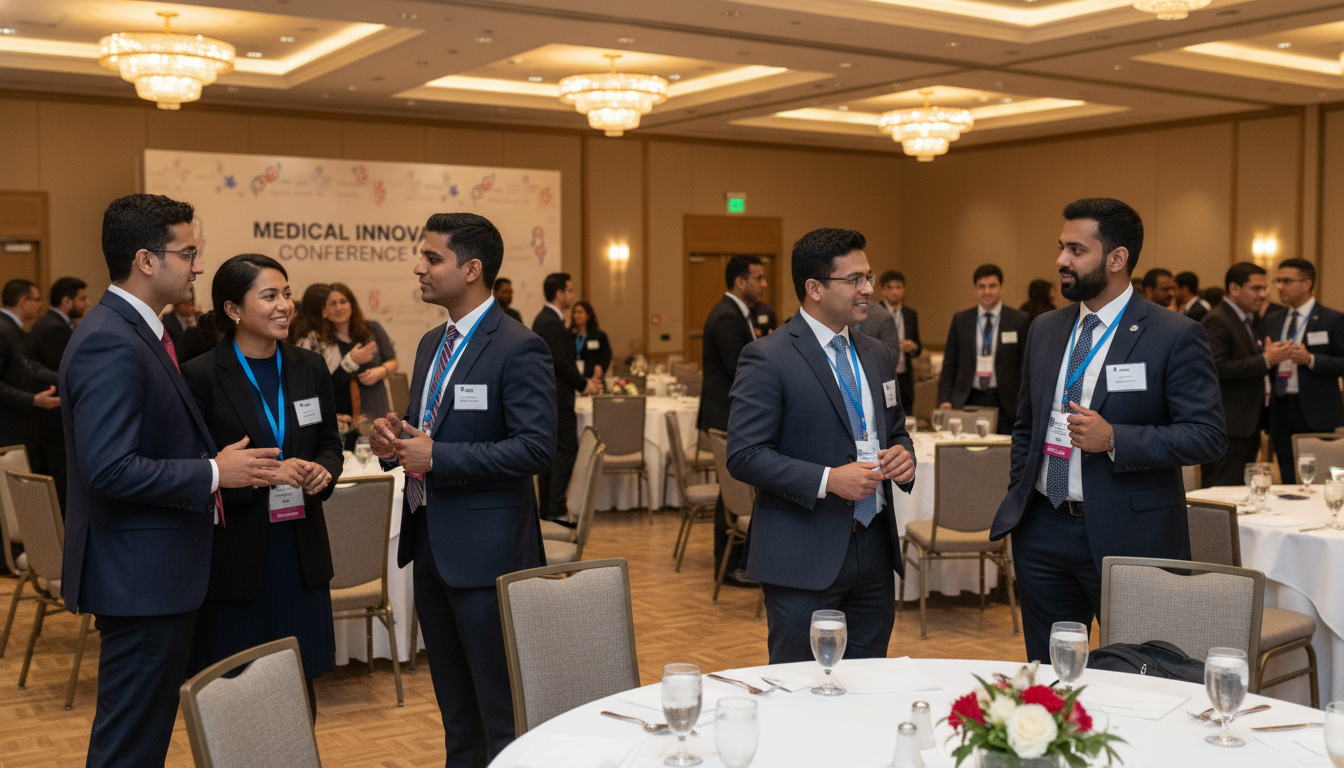
A mentor is not just anyone who gives you one piece of advice. Strong mentorship in medicine means a longitudinal relationship where someone:
- Knows your background and goals
- Helps you plan strategically
- Gives honest feedback
- Opens doors when appropriate (introductions, letters, projects)
For IMGs targeting medicine-psychiatry combined training, you may benefit from:
- A mentor in internal medicine
- A mentor in psychiatry
- Ideally, a mentor with med-psych or CL psychiatry experience
Where to Find Mentors
Faculty you met during:
- Observerships, electives, or externships
- Research collaborations
- Conferences (local, national, international)
Online and institutional avenues:
- Medicine and Psychiatry specialty organizations that have mentorship programs
- LinkedIn or professional association directories (e.g., APA Caucus of International Medical Graduates, AMP)
- Hospital-based international medical graduate support groups
How to Ask for Mentorship
Instead of explicitly asking, “Will you be my mentor?”, start by asking for advice on a specific issue:
“I’m planning my pathway as an IMG interested in med-psych residency. Could I schedule a 20-minute meeting to get your advice on priorities for the next 12–18 months (e.g., research vs. observerships vs. exams)?”
If the conversation goes well and you feel rapport, you might later say:
“Your guidance has been incredibly helpful. If you are comfortable, I would appreciate staying in touch as a mentor as I progress toward med-psych applications.”
Working Productively With Mentors
Respect their time and build trust by:
- Being prepared: send a 1-page summary of your background and questions before meetings.
- Following through: if they suggest emailing someone, or reading something, do it and report back.
- Making it easy for them to help you:
- Draft any email they are willing to forward.
- Provide bullet points if they might write you a letter later.
Example update email every 3–6 months:
Dear Dr. [Last Name],
I wanted to update you on my progress and again thank you for your mentorship. Since our last conversation, I have:
- Completed [experience, e.g., a CL psychiatry observership]
- Submitted [project or abstract]
- Achieved [exam/result]
Next, I’m planning to [next steps] and would welcome any feedback, especially regarding [specific decision or priority].
Thank you again for your ongoing support.
Best regards,
[Name]
This pattern builds a clear story of your growth and keeps you on your mentor’s radar when opportunities arise.
Digital Networking: Email, LinkedIn, and Beyond
Online tools are essential components of modern medical networking for IMGs, especially if you are still outside the U.S.
Strategic Email Outreach
Cold emails can be surprisingly effective when:
- They are concise.
- They demonstrate you’ve done your homework.
- You ask for realistic, specific help (advice, not a job).
Basic structure for cold outreach:
- Who you are
- Why you are writing to them specifically
- A brief statement of interest and background
- A small, clear request
Example:
Subject: IMG interested in Medicine-Psychiatry – Seeking brief advice
Dear Dr. [Last Name],
My name is [Name], an international medical graduate from [country], currently [current status]. I am highly interested in medicine-psychiatry combined training and noted your work in [specific area] / your role at [specific med-psych program].
I understand how busy you must be, but if possible, I would be grateful for a brief email response or a 10–15 minute call to ask 2–3 targeted questions about the path to med-psych residency as an IMG.
Thank you for considering this.
Sincerely,
[Name]
Attach your CV only if it seems appropriate (e.g., they ask for it, or you’re inquiring about research help).
Using LinkedIn and Professional Profiles
LinkedIn can reinforce your professional identity and support conference networking:
- Use a professional photo (business or business-casual).
- Headline example: “International Medical Graduate | Aspiring Medicine-Psychiatry Physician | Interested in CL Psychiatry & Integrated Care.”
- Summary: briefly tell your med-psych story and highlight clinical, research, and language strengths.
Connect with:
- Faculty you’ve met
- Residents at med-psych programs
- Colleagues from observerships and conferences
When sending a connection request, personalize:
“It was great meeting you at the ACP session on integrated care. I’m an IMG interested in medicine-psychiatry and would appreciate staying connected as I explore this path.”
Applying Networking to the Med-Psych Residency Application Cycle
All your networking efforts should ultimately support a coherent and competitive application strategy for medicine psychiatry combined programs.
How Networking Improves Your Application
Better Program Targeting
- You learn which programs have:
- A history of taking IMGs
- Strong CL and integrated care experiences
- Supportive culture for diverse backgrounds
- You learn which programs have:
Stronger Letters of Recommendation
- Mentors who know you over time can write persuasive letters that:
- Explain your IMG context
- Highlight your commitment to both medicine and psychiatry
- Emphasize reliability, professionalism, and teachability
- Mentors who know you over time can write persuasive letters that:
Insightful Personal Statement and Interviews
- Through mentorship and conference networking, you gain:
- Clearer language for the “why med-psych?” question
- Real examples of integrated care that you can reference authentically
- Through mentorship and conference networking, you gain:
Advocacy and “Behind-the-Scenes” Support
- Faculty may email or call program directors:
- “I strongly recommend this candidate; they’d be a great fit for med-psych.”
- Even a brief informal endorsement can move an application from “maybe” to “interview.”
- Faculty may email or call program directors:
Networking Behaviors During Interview Season
Your networking doesn’t stop when interviews start.
Before interviews:
- Reconnect with contacts at that institution:
- “I’ve been offered an interview at your institution’s med-psych program; thank you again for your earlier advice. Any recommendations on what to focus on during my visit?”
During interviews:
- Treat every resident, coordinator, and faculty member as a potential long-term colleague.
- Ask thoughtful questions:
- “How does your program integrate internal medicine and psychiatry education longitudinally?”
- “What types of patients or settings best showcase the strengths of this med-psych program?”
After interviews:
- Send short, personalized thank-you notes to:
- Program director
- Key faculty you connected with
- Any mentor or contact who helped you obtain that interview
This deepens your impression as professional, thoughtful, and serious about medicine psychiatry combined training.
Common Mistakes IMGs Make in Medical Networking (and How to Avoid Them)
Being transactional rather than relational
- Mistake: asking for letters, positions, or visas in the very first interaction.
- Solution: aim first for learning and advice; let trust and opportunities develop naturally.
Over-emailing or under-communicating
- Mistake: sending frequent, long emails or disappearing for years.
- Solution: concise messages, focused questions, and periodic (every 3–6 months) updates.
Not articulating the med-psych angle
- Mistake: presenting as “interested in everything” rather than clearly aligned with medicine psychiatry combined.
- Solution: link your past experiences and future goals explicitly to med psych residency.
Ignoring peer networks
- Mistake: focusing only on senior faculty and overlooking residents and fellow IMGs.
- Solution: connect with current med-psych residents, IMG seniors, research colleagues—your peers often have the most practical advice.
Failing to document your networking
- Mistake: losing track of who you met and what they said.
- Solution: maintain a simple spreadsheet or document with names, roles, dates, and follow-up plans.
Putting It All Together: A 12–18 Month Networking Roadmap for IMG Med-Psych Applicants
Here is a sample timeline you can adapt:
Months 1–3: Foundation
- Clarify your med-psych story and career interests.
- Update your CV and create or refine your LinkedIn profile.
- Identify 5–10 target programs with medicine psychiatry combined training and 5–10 faculty working at the medicine-psychiatry interface.
- Send 3–5 thoughtful introductory emails seeking advice.
Months 4–6: Exposure and Engagement
- Arrange at least one U.S.-based experience if possible (observership, elective, research).
- Attend at least one relevant conference (or virtual equivalent).
- Aim to have 3–5 short meaningful interactions with faculty at conferences or local events.
- Begin or join one small research/quality project related to CL psychiatry or integrated care.
Months 7–12: Deepening Relationships
- Identify 2–3 people who seem willing to be longer-term mentors.
- Schedule check-ins and send updates.
- Ask mentors for honest feedback on your competitiveness and ways to strengthen your profile as an IMG.
- Request letters of recommendation from those who know you well and can speak specifically to your med-psych potential.
Months 12–18: Application and Interview Phase
- Use your network to refine your ERAS list for med-psych and categorical programs.
- Share your personal statement draft with one or two trusted mentors.
- Stay in respectful contact during interview season—update them on interviews and eventual outcomes.
- Regardless of match result, maintain relationships; they matter for future fellowships, jobs, and collaborations.
This consistent, strategic approach transforms networking from something vague and intimidating into a structured, manageable professional habit.
FAQ: Networking in Medicine for IMGs in Medicine-Psychiatry
1. I’m still in my home country and cannot travel easily. How can I network effectively from abroad?
Focus on digital medical networking: attend virtual sessions at major conferences (APA, ACP, ACLP, AMP), participate in online interest groups, and email faculty working in areas related to medicine-psychiatry combined training. Offer help with remote-friendly work such as literature reviews, data entry for retrospective studies, or translations. Maintain a professional LinkedIn presence and join international IMG communities linked to psychiatry or internal medicine.
2. How many mentors do I really need as an IMG aiming for med psych residency?
Quality matters more than quantity. Aim for 2–4 good mentors total, including at least one with internal medicine expertise and one with psychiatry or CL experience. If you can find someone directly connected to medicine psychiatry combined training, that’s ideal. Your wider network can include many other contacts (residents, coordinators, peers), but your core mentor group should be small and strong.
3. Is it appropriate to ask someone I met at a conference for a letter of recommendation?
Only if you have a substantial relationship or collaboration beyond a brief conversation. A single short meeting usually is not enough. Instead, after the conference, look for ways to stay involved with their work (e.g., ongoing project, periodic meetings). Once they know your work and character, you can ask politely:
“Given our work together on [X], would you feel comfortable writing a strong letter of recommendation for my medicine-psychiatry residency applications?”
If they hesitate, accept that and seek letters from those who know you better.
4. How do I balance authenticity and strategy in networking? I don’t want to feel fake.
Authentic networking means being honest about who you are and what you want, while also being intentional. Share your real story as an international medical graduate—your challenges, your motivations, your interest in caring for patients at the intersection of internal medicine and psychiatry. Strategy comes in how you choose where to invest your time, whom you approach, and how you follow up. You can care genuinely about people and still be purposeful about growing your professional community in medicine-psychiatry.
Networking in medicine for an IMG in medicine-psychiatry is not about being extroverted or having perfect English; it is about showing up consistently, expressing your interests clearly, respecting others’ time, and building long-term relationships. Done well, it will strengthen not only your chances of matching into a med psych residency, but also your lifelong career as a compassionate, connected physician at the powerful intersection of internal medicine and psychiatry.