Networking in medicine is often treated as an optional “extra,” but in addiction medicine it is core to your growth, your effectiveness as a clinician, and the opportunities you’ll have throughout your career. Because addiction care is rapidly evolving, deeply interdisciplinary, and still under-resourced in many systems, your professional relationships can directly shape the quality of care you deliver and the doors that open for you—especially during residency and as you pursue an addiction medicine fellowship.
Below is a comprehensive, practical guide to building and sustaining meaningful networks in addiction medicine, with a focus on residents and early-career physicians.
Why Networking Matters More in Addiction Medicine
Networking in medicine always matters, but in addiction medicine it often determines:
1. Access to Training and Fellowships
Addiction medicine remains a relatively small specialty. Many opportunities are not widely advertised or are filled through word-of-mouth among faculty and program directors.
Effective networking can:
- Connect you with mentors who know about substance abuse training positions, electives, and research projects.
- Help you understand the “hidden curriculum” of applying for an addiction medicine fellowship—what programs really value, how to frame your experiences, and how to prepare strong letters.
- Open doors to away rotations and clinical experiences in detox units, residential programs, or integrated primary care/addiction clinics.
Example:
A resident interested in addiction medicine casually mentions this to a hospitalist attending who also runs a Suboxone clinic two mornings a week. That attending connects them with the clinic team. The resident gains hands-on buprenorphine experience, then later gets a strong letter from that attending, which becomes pivotal for a competitive fellowship application.
2. Interdisciplinary Collaboration
Addiction medicine is inherently cross-cutting:
- Psychiatry
- Internal medicine/family medicine
- Emergency medicine
- Pain medicine
- Infectious disease (HIV, HCV)
- OB/GYN (pregnancy and substance use)
- Public health, social work, and law
No single clinician or discipline can manage all aspects of substance use disorders. An intentional network gives you:
- A “go-to” infectious disease colleague for complex HIV/HCV cases.
- A trusted therapist or social worker for integrated care.
- Legal and community contacts for diversion programs, drug courts, or housing services.
The better your medical networking, the smoother your patients’ care becomes.
3. Research, Policy, and Advocacy Opportunities
So much of addiction medicine’s impact is driven by:
- Implementation research
- Public health initiatives
- Harm-reduction policy
- Community-based interventions
Most of these projects are collaborative and arise from relationships. Networking:
- Connects you with investigators looking for residents to join their projects.
- Introduces you to local public health departments, harm reduction organizations, and policy groups.
- Leads to co-authored papers, conference presentations, and invited talks that strengthen your CV and fellowship application.
4. Emotional Support and Professional Sustainability
Treating substance use disorders is rewarding but also emotionally demanding:
- High relapse rates
- Complex social and structural barriers
- Vicarious trauma and burnout
A support network of peers and mentors in addiction medicine:
- Normalizes the challenges you face.
- Offers practical coping strategies and career advice.
- Helps you stay aligned with your values when systems pressures feel overwhelming.
Laying the Foundation: Core Principles of Networking in Medicine
Before diving into specific tactics, it helps to adopt a mindset that makes networking more natural and sustainable.
1. Think in Terms of Relationships, Not Transactions
Effective networking is not:
- “What can this person do for me right now?”
It is:
- “Can we build a mutually respectful professional relationship over time?”
In practice, this means:
- Being genuinely interested in others’ work and experiences.
- Following up and staying in touch even when you don’t “need” something.
- Offering value where you can—sharing resources, connecting people, helping with projects.
2. Show Up Consistently
You don’t need to be at every event, but you do want a steady presence in the spaces that matter:
- Addiction medicine journal clubs
- Hospital committees related to substance use or behavioral health
- Local and national addiction conferences
- Community coalitions or task forces on overdose or harm reduction
Consistency is what turns a single meeting into a recognized, trusted presence.
3. Prepare a Clear “Professional Story”
When people ask, “So what are you interested in?” your answer shouldn’t be vague.
Craft a 20–30 second “professional story” that includes:
- Your current role (e.g., “I’m a PGY-2 in internal medicine…”)
- Your core interest in addiction medicine
- A specific focus area or question
Example:
“I’m a PGY-2 in internal medicine with a strong interest in addiction medicine, especially integrating buprenorphine treatment into inpatient and primary care settings. I’m hoping to pursue an addiction medicine fellowship and get more involved in quality improvement or implementation research in this area.”
This helps people immediately see how they might connect you with opportunities or colleagues.
High-Yield Networking Environments for Aspiring Addiction Medicine Specialists
1. Within Your Own Institution
Your own hospital or training program is the most accessible and often underused networking environment.
Identify Addiction-Focused Champions
Look for:
- Clinicians prescribing MOUD (buprenorphine, methadone, naltrexone)
- Lead physicians for hospital addiction consult services
- Psychiatrists or psychologists specializing in substance use
- Emergency physicians involved in ED-initiated buprenorphine
- Faculty on opioid stewardship or pain management committees
How to connect:
- Ask for brief one-on-one meetings (15–20 minutes).
- Attend their clinics or rounds if possible.
- Volunteer for their small projects (e.g., patient education materials, basic data collection, QI work).
Use Structured Opportunities
Buttress casual connections with structured ones:
- Electives or rotations in addiction medicine, psychiatry, or HIV clinics.
- Resident-run addiction or behavioral health interest groups.
- Department seminars, M&M conferences with SUD-related cases.
Action step:
Email your program director and ask: “Who at our institution is most involved in addiction medicine or substance use initiatives? I’d love to learn more about what’s happening here and how I might get involved.”
2. Local and Regional Addiction Medicine Ecosystems
Beyond your hospital, there is usually a local ecosystem of people working on substance use:
- County or state health department SUD coordinators
- Harm reduction organizations (syringe service programs, naloxone distribution)
- Residential or outpatient treatment programs
- Courts and diversion programs
Networking here can:
- Deepen your understanding of social determinants and systems-level barriers.
- Provide important context for your patients’ lived experiences.
- Lead to collaborative clinical or research projects.
How to start:
- Attend local overdose task force or coalition meetings.
- Ask a mentor if you can tag along to community meetings they attend.
- Volunteer to give a short educational talk (e.g., naloxone training, basic SUD overview) under supervision.

Conference and Online Networking: Where Fellowship and Career Paths Open Up
For aspiring addiction medicine specialists, conference networking and online presence are especially powerful.
1. Making the Most of Addiction Medicine Conferences
Key conferences for substance abuse training and networking include (examples; check current offerings):
- American Society of Addiction Medicine (ASAM) Annual Conference
- American Academy of Addiction Psychiatry (AAAP) Annual Meeting
- Society of General Internal Medicine (SGIM) – addiction sessions and interest groups
- Specialty-specific meetings with addiction tracks (e.g., ACEP, APA)
These events are where addiction medicine fellowship directors, national leaders, and emerging investigators gather.
Before the Conference
Review the program and identify:
- Fellowship program directors
- Speakers working on topics you care about (e.g., ED buprenorphine, pregnant patients with OUD, harm reduction)
- Early-morning “meet the expert” sessions and interest group meetings
Reach out to 3–5 people in advance:
- Brief email: who you are, why their work interests you, and a question or comment.
- Ask if they might have 10–15 minutes to chat during the conference.
Example email:
Dear Dr. Smith,
I’m a PGY-3 internal medicine resident at [Institution], planning to apply for addiction medicine fellowship next cycle. I’ve been following your work on hospital-based buprenorphine initiation, which overlaps with a QI project we’re starting locally. I’ll be attending ASAM this year and saw that you’re speaking at the session on inpatient addiction consult services.If you have 10–15 minutes during a break or after your session, I’d be grateful for the chance to briefly ask you about how you implemented your service and what you look for in fellowship applicants.
Thank you for considering,
[Name]
Even if they can’t meet, you’ll be on their radar.
During the Conference
- Attend interest group meetings (e.g., “Residents and Fellows in Addiction Medicine,” “Hospital-Based Addiction Care”).
- Ask one or two thoughtful questions after sessions.
- Introduce yourself to speakers briefly:
- Name, institution, interest, and one specific comment or question.
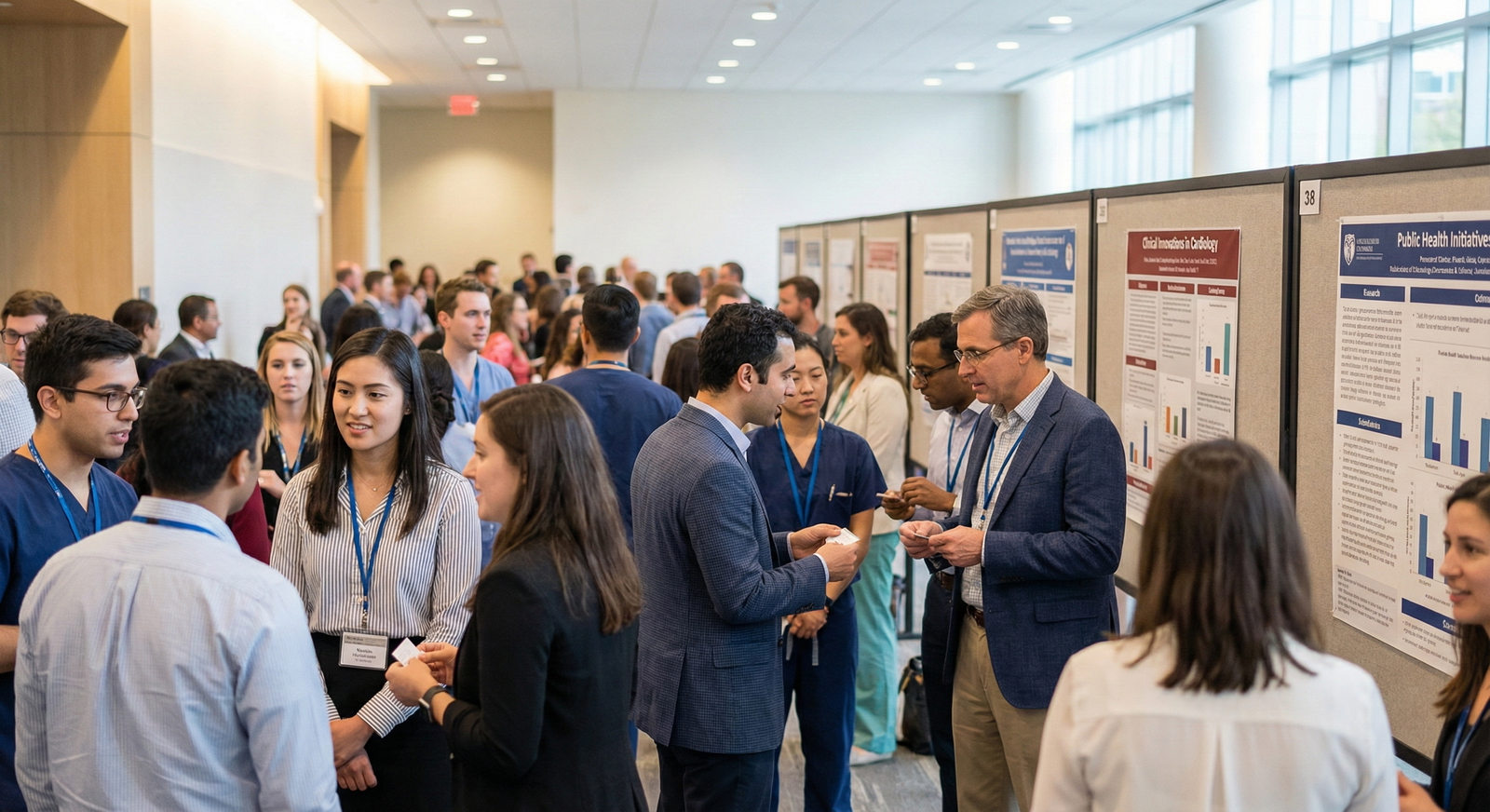
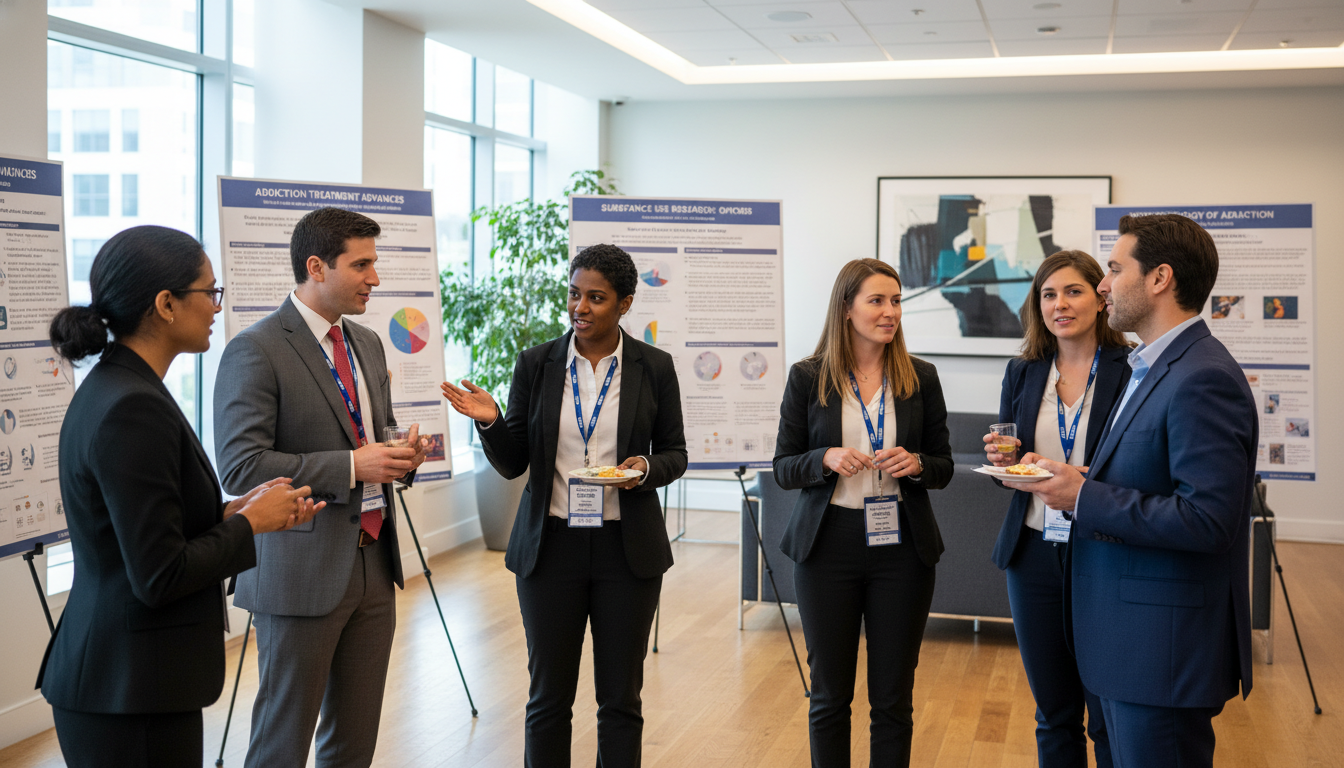
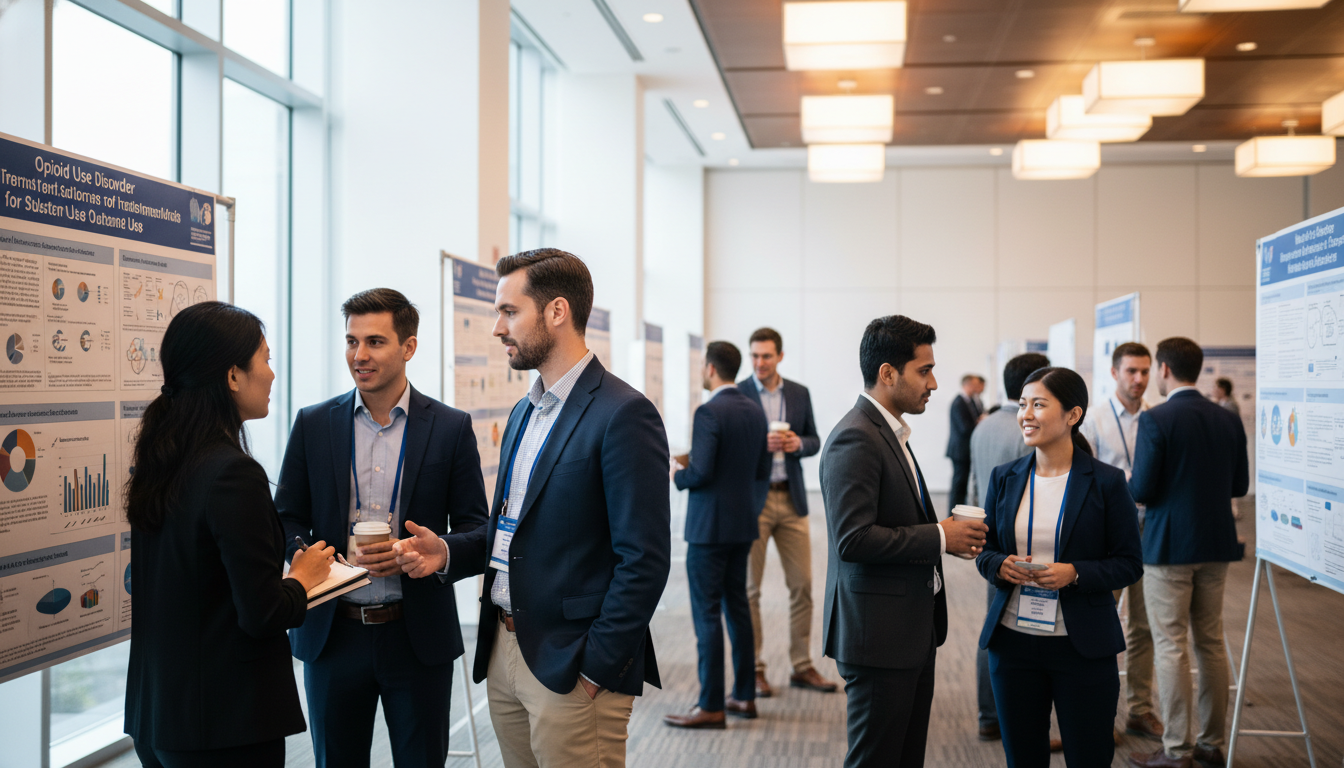
- Prioritize poster sessions:
- They are lower-pressure and more conversational.
- Use them to meet peers and potential collaborators.
You’re not trying to meet everyone; you’re trying to have a few meaningful conversations.
After the Conference
Within 3–5 days:
- Send brief thank-you emails to people you met.
- Mention something specific you discussed.
- Offer to share a related article, resource, or follow-up information if relevant.
- Connect on LinkedIn or a professional platform, if appropriate.
This is the foundation of long-term medical networking.
2. Online Networking and Professional Identity
Online spaces can amplify your presence in addiction medicine far beyond your institution.
Professional Social Media (e.g., X/Twitter, LinkedIn)
- Follow key organizations:
- ASAM, AAAP, NIDA, SAMHSA, local harm reduction organizations.
- Engage professionally:
- Comment thoughtfully on new guidelines, articles, or policies.
- Share de-identified reflections on clinical themes (maintaining strict HIPAA).
- Connect with:
- Fellows and early-career addiction medicine physicians.
- Researchers in your focus area.
A consistent, respectful, and authentic presence over time signals your commitment to the field.
Academic Platforms (e.g., ResearchGate, institutional profile)
- Keep a simple, updated bio highlighting:
- Your training status
- Your addiction medicine interests
- Selected projects or publications
- Share posters or slide decks when allowed.
This clarity helps potential mentors and collaborators quickly see who you are.
Mentorship in Medicine: Building Your Addiction Medicine Support Team
Mentorship is the backbone of effective networking—especially in a developing field like addiction medicine, where formal pathways can be opaque.
1. Types of Mentors You Should Consider
In mentorship medicine, think beyond one “perfect mentor.” You may need:
Clinical mentor
Guides your bedside addiction care: MOUD initiation, managing complex co-occurring conditions, harm reduction counseling.Career mentor
Helps you navigate training decisions: choosing an addiction medicine fellowship, timing of applications, job offers.Research or QI mentor
Supports academic work: project design, IRB processes, writing and presenting.Peer mentor
A fellow resident or early-career physician a step ahead of you. Often more accessible, with very practical advice.Identity- or background-concordant mentor (when possible)
For example, someone who shares gender, race/ethnicity, or lived experience aspects that matter to you. Particularly helpful in navigating bias or systemic barriers.
You do not need all at once, but it’s useful to be aware of these roles.
2. How to Find and Approach Mentors
Step 1: Identify Candidates
- Ask your program director or chief residents: “Who here is most involved in addiction medicine, and who tends to mentor residents well?”
- Look at:
- Hospital addiction consult service staff
- Authors of addiction-related publications at your institution
- Regional leaders you’ve seen at conferences
Step 2: Request an Introductory Meeting
Send a concise, respectful email:
Dear Dr. Lee,
I’m a PGY-2 in family medicine with a strong interest in addiction medicine. I’ve really appreciated your work with our hospital’s addiction consult team and your recent grand rounds on harm reduction.I’m hoping to learn more about careers and training in addiction medicine and wondered if you might have 20–30 minutes sometime in the next few weeks to talk about your path and any advice for residents like me.
Thank you for considering,
[Name]
Step 3: Prepare and Be Specific
For the meeting:
Have 2–3 clear questions:
- “What experiences do you recommend I prioritize during residency if I’m aiming for an addiction medicine fellowship?”
- “Are there local projects or clinics that might be good for me to join?”
- “What do you wish you’d known at my stage?”
Bring a brief CV or be ready to summarize your experiences.
Step 4: Follow Up and Maintain the Relationship
- Send a thank-you email that highlights 1–2 key takeaways.
- Update them periodically (every few months) with:
- Major milestones (e.g., submitted an abstract, started a new rotation).
- Occasional questions or requests for brief advice.
Over time, some mentors will naturally become more involved. That’s how effective mentorship medicine relationships form.
Practical Strategies: Networking While Protecting Your Time and Authenticity
Residency is demanding; you can’t attend every event or meet every person. The key is intentionality.
1. Start Small and Local
Begin with:
- One addiction-related elective or rotation.
- One mentor meeting per month.
- One local or virtual conference in the next year.
From these, opportunities will often multiply organically.
2. Use Clinical Encounters as Networking Springboards
As you work on cases involving substance use:
- Note attendings who seem particularly skilled or passionate about addiction care.
- After a shift or rotation, ask: “I really appreciated how you approached that patient with OUD. I’m interested in addiction medicine—would you ever be open to chatting more about your approach and about careers in this area?”
This is networking in medicine in its most natural form—built around shared clinical work.
3. Offer Value Where You Can
Even as a trainee, you can give back to your network:
- Help with data collection or literature reviews.
- Volunteer to staff a naloxone table at a community event.
- Share calls for abstracts, scholarship, or local SUD-related workshops with peers.
- Connect people when you see overlap: “Dr. A, your work on peer recovery coaches might really interest Dr. B, who’s designing a new ED-based MOUD program.”
Relationships deepen when they are mutually supportive.
4. Be Mindful of Boundaries and Professionalism
In addiction medicine, networking sometimes overlaps with advocacy and community spaces where patients or people with lived experience are present.
Maintain:
- Clear boundaries regarding dual roles.
- Respect for confidentiality and lived experience.
- Humility—especially in community-led spaces.
Online, be extra vigilant about:
- De-identifying clinical stories (HIPAA and beyond).
- Avoiding comments that stigmatize substance use or marginalize affected groups.
- Maintaining a professional tone, even in heated policy debates.
5. Integrate Networking into Your Residency Schedule
Treat networking as a longitudinal curriculum, not a one-time task:
- Block one hour every 1–2 weeks for:
- Sending emails
- Reading about potential mentors
- Attending a virtual session
- Align it with your goals:
- PGY-1: Explore the field, meet 2–3 people, do one small project.
- PGY-2: Deepen mentorship, present a poster, identify top fellowship programs.
- PGY-3+: Solidify fellowship plans, expand national connections, help mentor juniors.
This approach prevents networking from feeling like an overwhelming extra burden.
Networking Specifically for Addiction Medicine Fellowship Applications
If you’re aiming for an addiction medicine fellowship, targeted networking can significantly strengthen your application and your fit.
1. Understanding Program Culture Through Networks
Websites rarely capture the nuance of a training program. Conversations with:
- Current or recent fellows
- Alumni
- Faculty mentors
Can reveal:
- How much time is actually spent in direct addiction clinical care vs. other services.
- The strength of mentorship and academic support.
- The program’s stance and culture around harm reduction, stigma, and patient-centered care.
Ask your mentors: “Do you know anyone at [Program X] I might talk to about their fellowship experience?”
2. Connecting with Fellowship Directors and Faculty
It is appropriate to:
- Introduce yourself briefly at conferences or virtual sessions.
- Attend program-specific informational webinars.
- Follow program faculty on professional platforms and engage with their work.
Always be respectful of time:
- Keep emails concise.
- Avoid asking for exhaustive, one-on-one guidance before you’ve built any rapport.
- Demonstrate that you’ve done your homework about the program.
3. Leveraging Letters of Recommendation Through Relationship-Building
Networked mentors who know you well are more likely to:
- Write detailed, enthusiastic letters.
- Place your work in the context of national needs in addiction medicine.
- Personally vouch for you when fellowship directors ask informally about applicants.
This is not about favoritism; it’s about the reality that substance abuse training programs want to know who you are beyond your CV. Your relationships help convey that.
Frequently Asked Questions (FAQ)
1. I’m interested in addiction medicine but my institution has minimal formal SUD resources. How can I still build a strong network?
You can:
- Look for any clinician prescribing buprenorphine or involved in SUD-related care, even if there’s no formal service.
- Join national organizations like ASAM or AAAP, and attend virtual events.
- Seek external mentors through regional or national networks—many faculty are happy to mentor trainees from other institutions.
- Participate in remote projects (e.g., multi-site research, guideline development working groups) that don’t require local infrastructure.
Over time, you may even become a local catalyst for expanded addiction care.
2. I feel uncomfortable “networking” because it feels self-promotional. How do I reconcile this?
Shift your framing from self-promotion to:
- Relationship-building
- Learning
- Service to patients and the field
By engaging in medical networking, you are:
- Seeking guidance to provide better care.
- Building coalitions to expand access and reduce harm.
- Connecting with others who share your commitment.
If interactions are based on curiosity, respect, and mutual benefit, they are not superficial.
3. How early in residency should I start networking in addiction medicine?
Ideally:
- PGY-1: Begin exploring and identifying interests. Meet at least one person involved in addiction care.
- PGY-2: Build a core mentorship relationship and get involved in one project (clinical, QI, research, or advocacy).
- PGY-3 and beyond: Solidify your network, target addiction medicine fellowship programs, and start mentoring others.
But it’s never “too late” to start. Even a single year of focused, thoughtful networking can be impactful.
4. Do I need to be doing research to network effectively in addiction medicine?
No. While research is one way to connect, addiction medicine values:
- Clinical excellence
- Systems and QI work
- Education and curriculum development
- Community engagement
Networking can revolve around any of these. The key is clarity about your interests and willingness to contribute.
Building a career in addiction medicine is both intellectually rigorous and deeply human. Your ability to connect—with mentors, peers, community partners, and national leaders—will profoundly shape your path. By approaching networking in medicine as an ongoing, authentic process grounded in shared purpose, you can open doors to training, collaboration, and impact that extend far beyond what’s listed on any program website.