Why Networking Matters in Interventional Radiology
Networking in medicine is not a superficial exercise in collecting business cards—it is a professional survival skill, especially in a niche and highly competitive specialty like Interventional Radiology (IR). For medical students, residents, and early-career physicians, intentional medical networking can significantly shape your training opportunities, research output, and long-term career trajectory.
In Interventional Radiology specifically, the importance of networking is amplified:
- Small field, strong community: IR is a relatively small specialty with a tight-knit community. Word-of-mouth, reputation, and personal connections play a disproportionately large role.
- Competitive IR match: The interventional radiology residency (both integrated and independent pathways) remains one of the most competitive matches. Relationships with IR mentors and program leadership can directly impact your IR match success.
- Rapidly evolving procedures and technology: Staying current in IR requires more than reading journals; you need access to people who are on the cutting edge of new devices, trials, and techniques.
- Interdisciplinary collaboration: IR relies heavily on referrals from surgery, oncology, vascular medicine, hepatology, and other specialties. Your networking skills will later translate directly into case volume and practice growth.
This guide focuses on practical, step-by-step strategies to build an authentic, effective professional network in Interventional Radiology—from the preclinical years through fellowship and early attending life.
Foundations of Effective Networking in Medicine
Before diving into specific strategies for the IR match or conference networking, it helps to define what “networking” should look like in medicine.
What Networking Is—and Is Not
Networking is:
- Building mutual, long-term professional relationships
- Offering value (interest, effort, collaboration) while seeking guidance
- Learning from others’ experiences and sharing your own growth
- Staying visible and engaged in your field and subspecialty
Networking is not:
- Exploiting people for short-term gain (e.g., “Can you get me an interview?”)
- Sending generic emails to dozens of faculty hoping for a quick favor
- Name-dropping connections you barely know
- Collecting social media followers without meaningful interaction
In medicine, and particularly in IR, your network becomes your informal board of advisors—people who champion you, give you honest feedback, and connect you with opportunities you would never see otherwise.
The Three Pillars: Visibility, Reliability, and Reciprocity
Most successful IR networking can be boiled down to three pillars:
Visibility: People in your field know who you are and what you’re interested in.
- Example: Your name consistently appears on IR case discussions, journal clubs, or departmental research projects.
Reliability: When you say you will do something, you do it—well and on time.
- Example: You commit to helping with a retrospective PAD outcomes study and deliver data abstraction ahead of schedule.
Reciprocity: You don’t only take; you contribute.
- Example: Sharing notes, resources, or introducing junior students to your mentors when appropriate.
If you consistently demonstrate these three qualities, even modest connections become powerful over time.
Early-Stage Networking: Preclinical and Core Clerkship Years
If you are still in medical school, you have more time and flexibility than you think. Strategic networking now can lay the groundwork for a smoother IR match and residency experience later.
Step 1: Clarify Your Interest in Interventional Radiology
You don’t need to be 100% certain about IR to start networking, but having a working narrative helps:
- “I’m exploring procedure-based fields and am particularly interested in image-guided, minimally invasive therapies.”
- “I enjoy anatomy, problem-solving, and longitudinal relationships with complex patients, and IR seems to blend those.”
This narrative helps mentors understand who to introduce you to and what opportunities might fit.
Step 2: Connect with Home Institution IR Faculty
If your school has an IR division, this is your most powerful networking hub.
How to start:
- Visit the IR section of your department’s website.
- Identify 2–4 faculty whose interests match yours (e.g., interventional oncology, PAD, women’s health, neuro-interventional).
- Send a brief, specific email such as:
Subject: MS2 interested in IR – request for brief meeting
Dear Dr. [Name],
I am a second-year medical student at [Your School] with a growing interest in Interventional Radiology, particularly in [specific area if any]. I would be very grateful for 15–20 minutes of your time to learn more about your path into IR and any advice you might have for students interested in the integrated interventional radiology residency.
I am happy to meet at your convenience in person or via Zoom. Thank you for considering this request.
Best regards,
[Name], MS2
[School]
During the meeting:
- Ask about their career path and why they chose IR.
- Ask what they wish they’d done differently in medical school.
- Express genuine curiosity; avoid pushing immediately for research or letters.
- At the end, ask: “Is there anyone else you think I should speak with at our institution?”
This last question expands your network organically.
Step 3: Join Interest Groups and National Societies
Engage with organizations that centralize IR networking opportunities:
- Student IR interest group at your medical school (or help create one).
- SIR (Society of Interventional Radiology):
- Join as a medical student or resident (discounted rates).
- Engage with SIR medical student council or resident/fellow sections.
- Regional and state radiology societies often have IR sections or committees.
Membership alone is passive; you gain value by showing up: attending events, joining committees, and volunteering.
Step 4: Intro-Level Research and Shadowing in IR
Mentorship in medicine often grows from shared projects or clinical experiences:
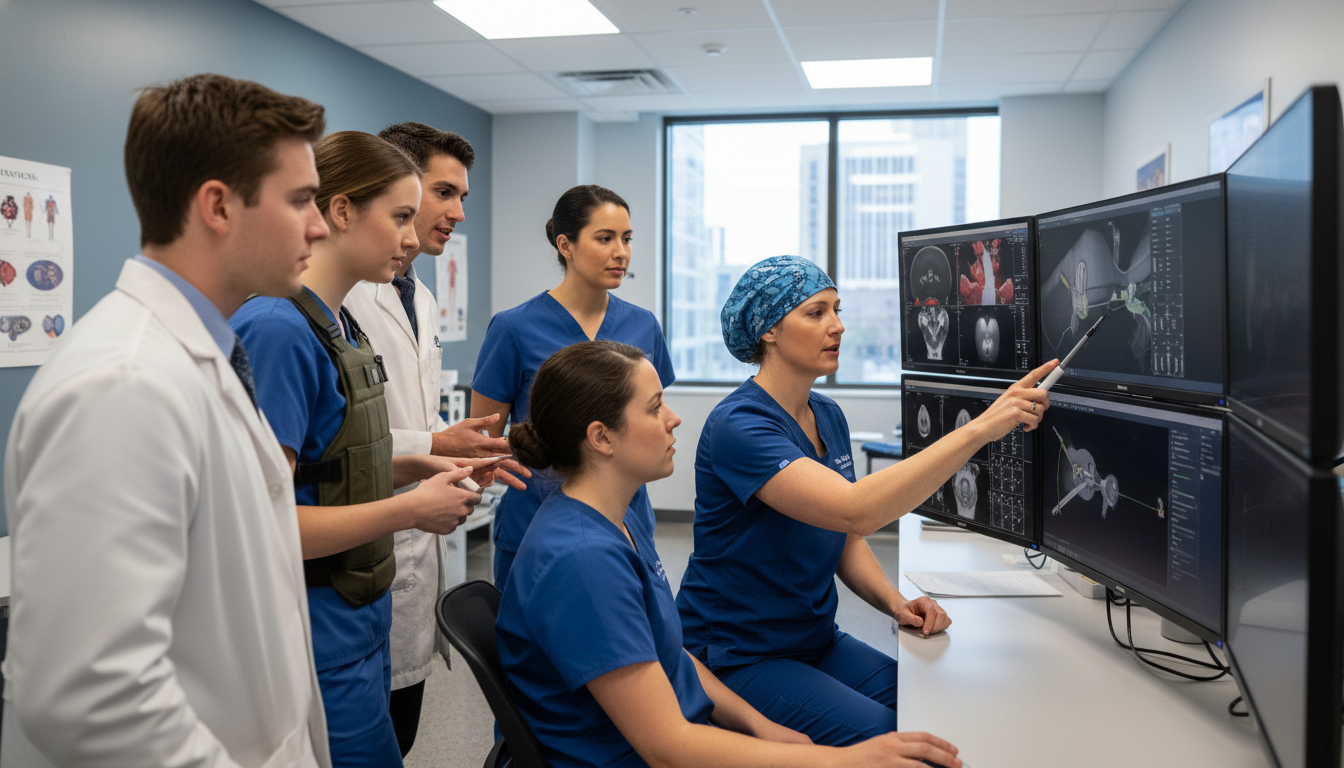
- Start with shadowing:
- Observe outpatient IR clinics and procedural days.
- Ask questions about workflows, patient communication, and radiation safety.
- Transition to low-barrier research:
- Case reports or small retrospective projects are excellent entry points.
- Be clear about your availability and timeline.
- Deliver consistently—this is how faculty develop trust.
Network-building effect: faculty who see you work diligently will be more comfortable recommending you for research collaborations, away rotations, or even specific IR residency programs later.
Advanced Networking: IR Match, Rotations, and Conferences
As you move closer to the interventional radiology residency match, your networking strategy should become more deliberate.
Strategic Networking for the IR Match
The IR match is more than stats; programs want colleagues they can trust and work with. Strong recommendations from respected IR mentors carry significant weight.
Key goals for IR match–oriented networking:
- Identify 2–3 core mentors in IR who know you well clinically or academically.
- Cultivate a reputation for being hardworking, teachable, and collegial.
- Learn about program cultures through residents and faculty, not just websites.
Away Rotations and Acting Internships
Away rotations are potent networking tools—if chosen and executed wisely.
Choosing away rotations:
- Prioritize programs you are seriously interested in for ranking.
- Consider geographic preferences, program size, and case mix (e.g., interventional oncology-heavy vs. PAD-heavy).
- Ask your mentors which programs are a “good fit” for your personality and goals.
During the rotation:
- Arrive early, stay engaged, and volunteer for cases and consults.
- Learn names—attendings, fellows, nurses, techs, front-desk staff.
- Show preparation: review common procedures (e.g., TIPS, UFE, thrombolysis, Y-90) before cases.
- Ask for feedback midway through, not just at the end:
“I’d love any feedback on how I can be more helpful during cases and patient care.”
Programs talk. A strong performance on an away rotation builds advocates who can strongly support your application when interview decisions are made.
Conference Networking in IR
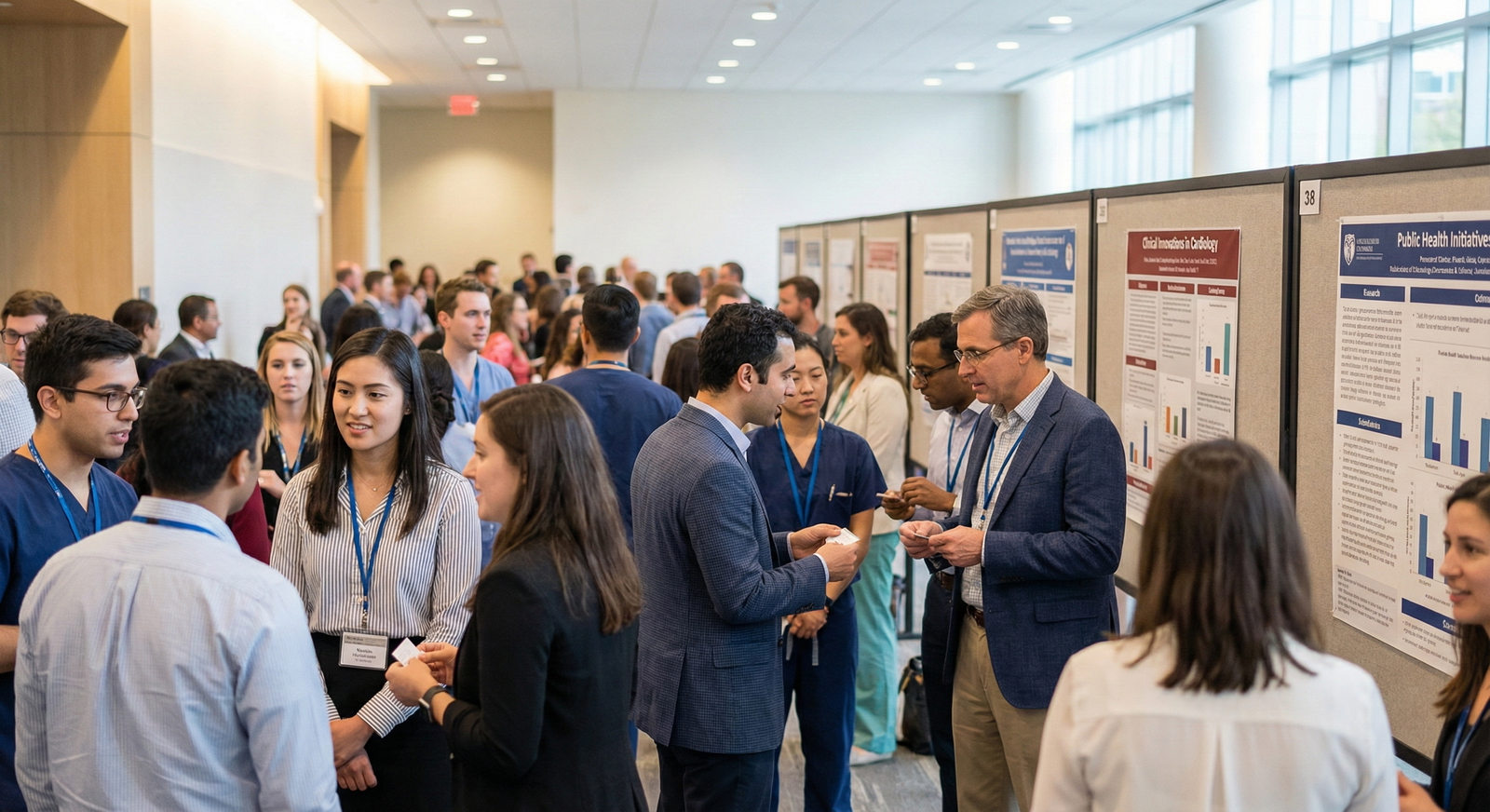
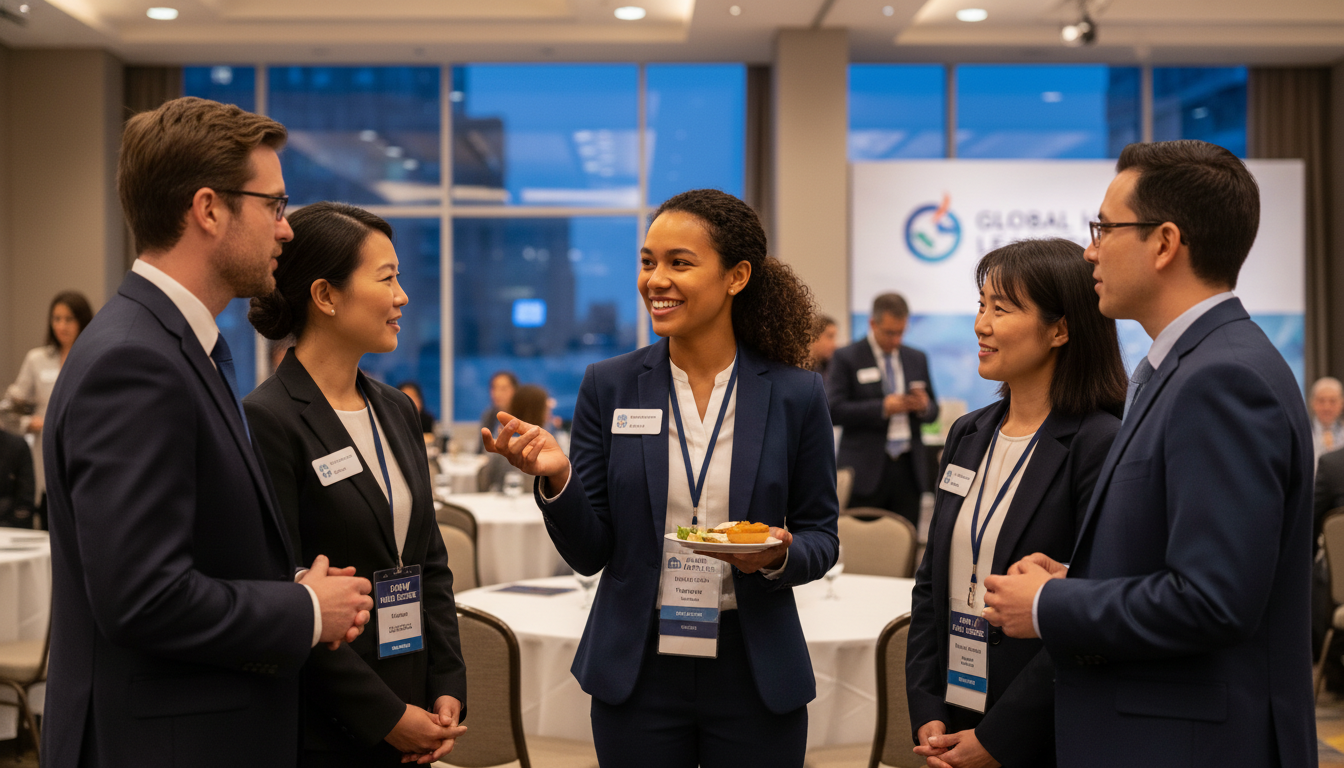
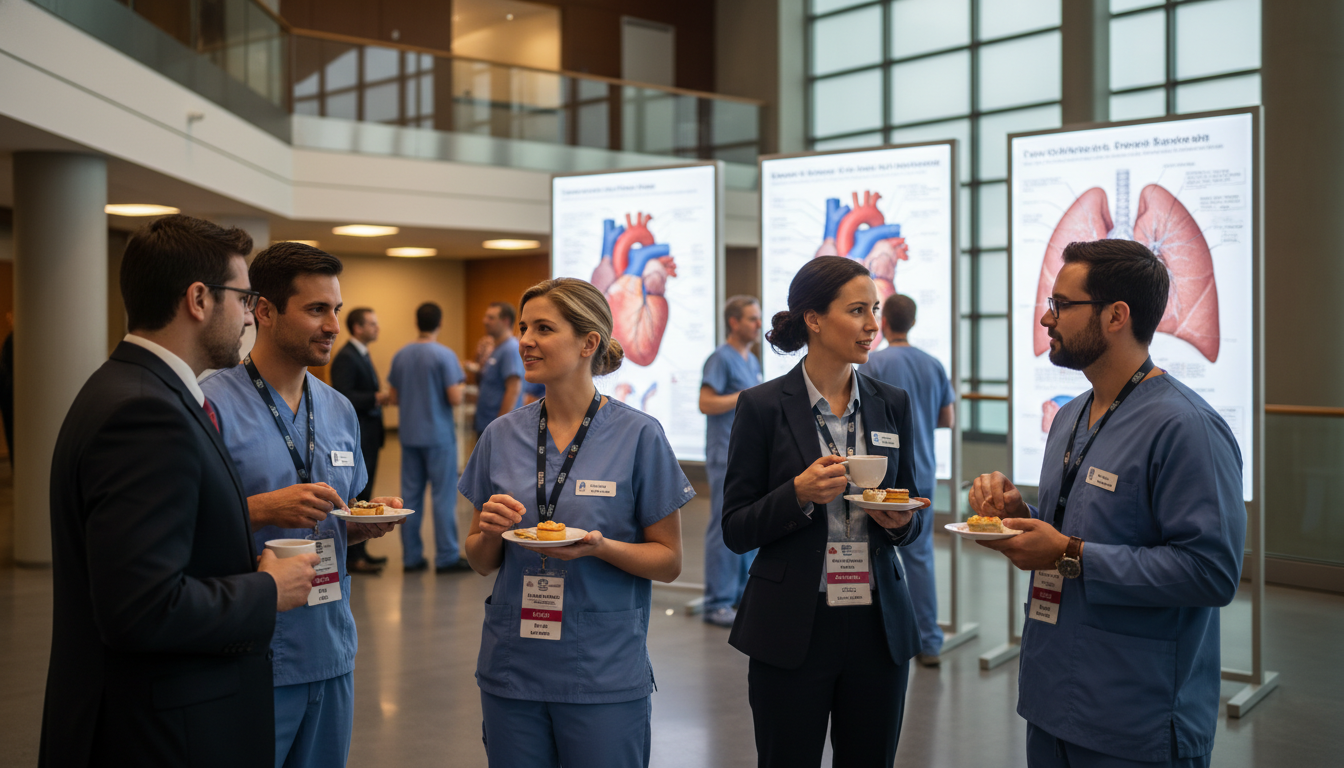
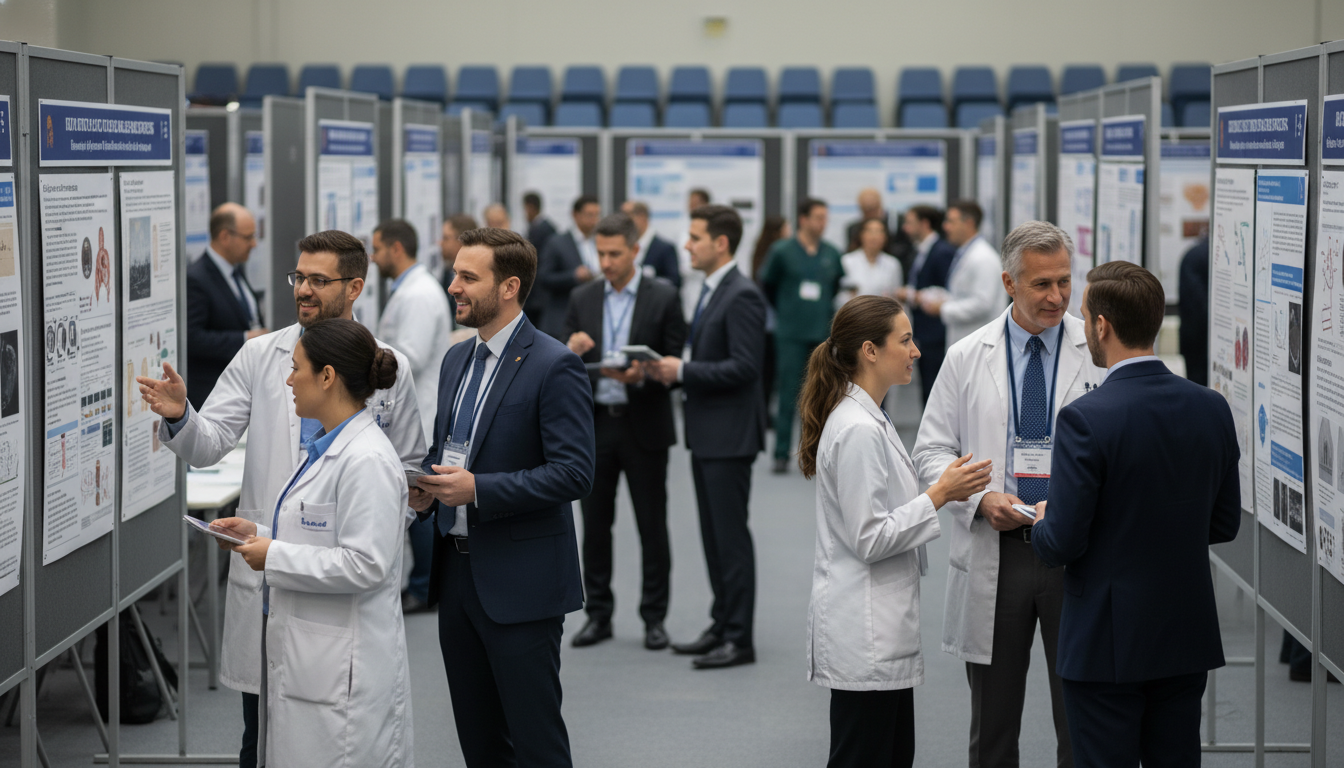
Conferences are among the most powerful environments for medical networking, especially in a small specialty like Interventional Radiology.
Key IR-related meetings:
- SIR Annual Scientific Meeting – the flagship US IR meeting.
- Regional SIR or radiology society meetings.
- Subspecialty meetings (e.g., interventional oncology, endovascular therapy).
How to Prepare for Conference Networking
Set clear goals:
- Meet at least three IR faculty outside your home institution.
- Introduce yourself to residents at 3–5 programs you’re considering.
- Present a poster or case if possible.
Coordinate meetings in advance:
- Email faculty or residents you want to meet:
- “I’ll be attending SIR this year and would be grateful to say hello in person and ask a few questions about your program.”
- Email faculty or residents you want to meet:
Create a 15–30 second introduction:
- Name, level, institution.
- Interest in IR and (optionally) subspecialty area.
- One current project or role.
Example:
“I’m Alex, a third-year medical student at [School] interested in interventional radiology, especially interventional oncology. I’ve been working on a small retrospective project about outcomes after Y-90 for HCC at my institution.”
During the Conference: Practical Tips
- Attend resident and trainee-focused sessions: these are designed for networking.
- Sit toward the front and stay after talks:
- Approach the speaker, introduce yourself briefly, and ask 1–2 thoughtful questions.
- Use badge reading strategically:
- If someone’s from a program you’re interested in, it’s acceptable to politely introduce yourself and say you’ve been learning about their residency.
Following Up After the Conference
Within a week of returning home:
- Send brief follow-up emails:
- Thank them for their time.
- Reference a specific part of your conversation.
- Optionally share a relevant update (e.g., “I just submitted my abstract on TACE outcomes”).
This transforms a single interaction into an ongoing connection.
Mentorship in Medicine: Building Your IR Support System
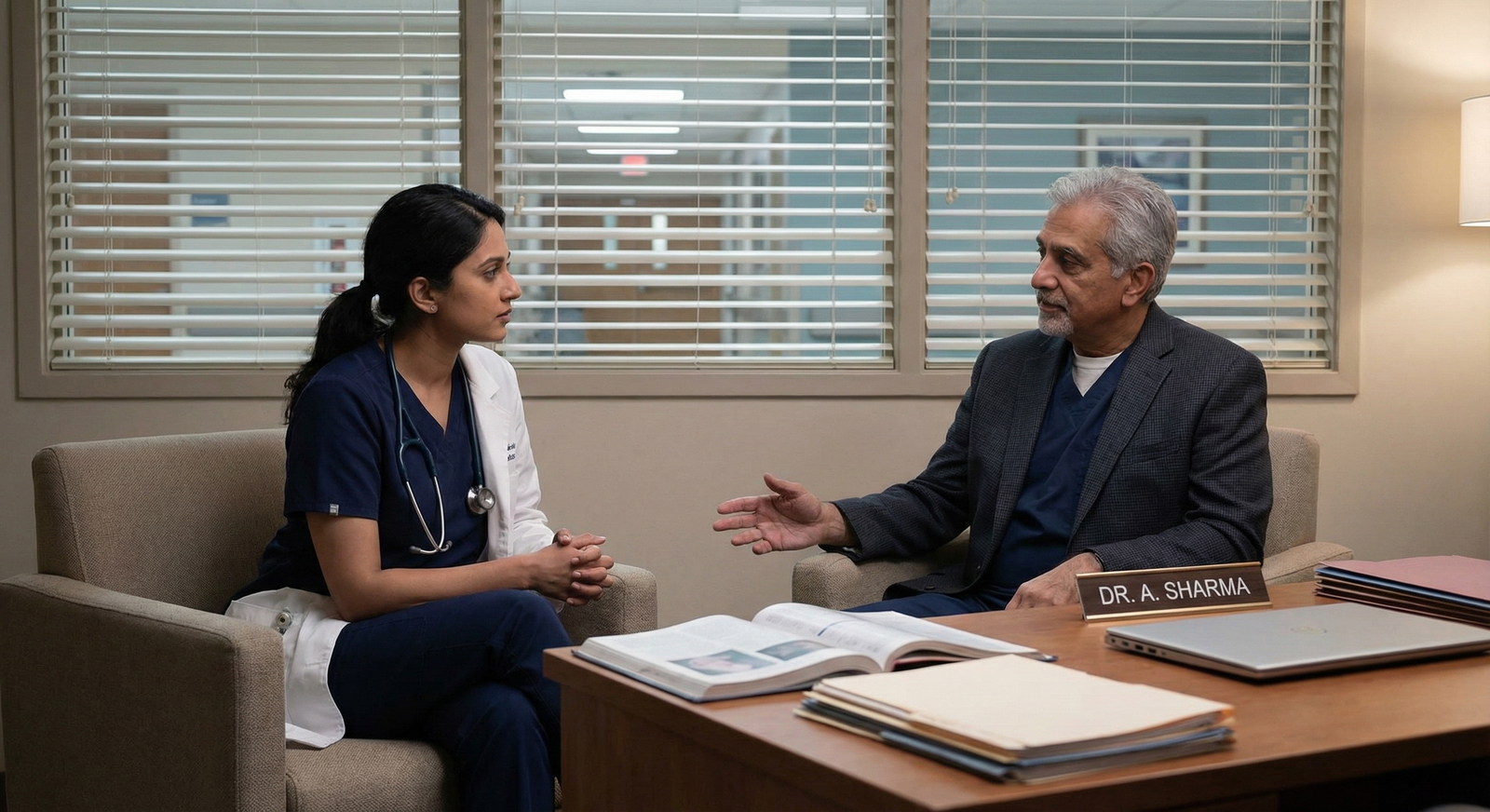
Mentorship medicine is central to sustainable growth in Interventional Radiology. A strong network is not just wide; it is structured with different types of mentors.
Types of Mentors You Need in IR
Career Mentor (Macro-level)
- Helps you decide between integrated IR, diagnostic radiology with ESIR, independent IR, or hybrid practices.
- Advises on long-term goals like academic vs. private practice, niche subspecialization.
Research Mentor
- Guides you through IR research methodology, from retrospective studies to device trials.
- Can connect you with multicenter projects or national registries (e.g., VQI, SIR registries).
Near-Peer Mentor
- A resident, fellow, or early attending 2–5 years ahead of you.
- Offers honest, practical advice on test prep, applications, and navigating IR training.
Cross-Specialty Mentor
- Someone in oncology, vascular surgery, hepatology, or another field that interfaces with IR.
- Provides perspective on collaboration and referral-building.
You don’t need all of these at once, but over time, a balanced mentorship “portfolio” helps you think more clearly about decisions at each training phase.
How to Nurture Mentoring Relationships
- Be consistent: Periodically update mentors on your progress (every 3–6 months).
- Respect their time: Come to meetings prepared with an agenda or specific questions.
- Act on advice: Even if you don’t follow everything, show that you considered their input seriously.
- Offer help back: As you advance, ask if they have high-yield tasks you can assist with—abstract preparation, data entry, literature reviews.
Mentors invest more when they see you are invested in your own growth.
Digital Networking: Email, Social Media, and Professional Presence
Modern networking in medicine extends far beyond in-person conversations. For IR, where innovations spread rapidly, digital platforms are essential.
Email Etiquette in IR Networking
- Use a clear subject line: “MS3 interested in IR – request for advice” is better than “Question.”
- Keep it short and specific:
- Who you are
- How you found them
- What you are asking for (very clearly)
- Avoid sending mass, template-like emails; faculty can tell.
If you don’t receive a reply in 7–10 days, a single polite follow-up is acceptable.
Professional Use of Social Media
Twitter/X, LinkedIn, and specialty-focused platforms are increasingly used in IR for education and networking:
- Follow:
- Major IR societies (SIR, CIRSE, APSCVIR), prominent IR physicians, and journals.
- Engage:
- Comment thoughtfully on educational threads or case discussions.
- Share interesting (de-identified and compliant) educational content or articles.
- Build consistency:
- Posting or engaging once or twice weekly can keep you visible without becoming overwhelming.
Remember: social media posts leave a searchable footprint. Maintain a professional tone, avoid case details that could violate privacy, and assume program leadership might see anything you post.
Online Educational Communities
Participate in:
- IR-focused webinars and virtual conferences.
- Case-based learning platforms and journal clubs.
- Medical school or residency Discord/Slack groups dedicated to radiology or IR.
These can be especially valuable if your home institution has limited IR exposure.
Networking Beyond Training: Building a Practice and Referral Base
Networking does not end at the IR match or even after residency. As an attending interventional radiologist, networking drives:
- Case volume and practice growth
- Referrals from internal and external clinicians
- Access to clinical trials and device innovations
- Leadership and speaking invitations
Internal Networking: Within Your Hospital
- Meet with service line leaders: oncology, vascular surgery, hepatology, obstetrics/gynecology, internal medicine.
- Offer educational sessions:
- Lunch-and-learns about new IR services (e.g., prostate artery embolization, UFE, new ablation techniques).
- Be reliable and communicative:
- Return calls promptly.
- Provide clear consult notes.
- Engage in follow-up and shared decision-making with referring physicians.
Your reputation as a collaborative, patient-centered IR physician will travel quickly through hospital networks.
External Networking: Community and Regional Level
- Attend local tumor boards, vascular conferences, and primary care meetings.
- Provide community talks on minimally invasive alternatives to surgery.
- Keep referrers updated:
- Brief updates after complex cases.
- Quarterly newsletters summarizing services and outcomes (if applicable in your practice setting).
The skills you practice as a student and resident—clarity, follow-through, respect, and proactive outreach—become the backbone of your professional brand as an attending.
Frequently Asked Questions (FAQ)
1. I don’t have a strong IR department at my medical school. How can I still network effectively?
Leverage external resources:
- Join SIR and participate in virtual events and student sections.
- Attend at least one national or regional IR conference (in-person or virtual).
- Reach out by email to faculty at nearby institutions for shadowing or research.
- Use social media and online IR communities to connect with residents and attendings.
- Consider away rotations at IR-strong programs during your fourth year.
Proactive outreach can compensate significantly for limited local resources.
2. How early should I start networking for an interventional radiology residency?
You can start exploratory networking as early as M1–M2:
- Attend radiology and IR interest group events.
- Shadow IR a few times to confirm your interest.
- Meet 1–2 IR faculty for career discussions.
By M3 and early M4, networking becomes more targeted—research collaborations, away rotations, and direct interactions with residents and program leadership at programs you may apply to.
3. What’s the best way to approach someone at a conference without feeling awkward?
Keep it simple and respectful:
- Wait for a natural pause (after their talk, near a poster, or during a break).
- Introduce yourself with name, level, and institution.
- Offer a brief, sincere comment:
“I appreciated your talk on Y-90 for HCC—the discussion on patient selection was very helpful.” - Ask one question or request brief advice:
“Do you have any recommendations for students interested in interventional oncology research?”
You can then ask if it’s okay to follow up by email. Most physicians are receptive to polite, concise approaches.
4. Can networking really influence my IR match outcome?
Networking cannot replace strong academics, clinical performance, and professionalism—but it can amplify them:
- Mentors may advocate for you when programs call informally.
- Faculty may recommend specific programs that fit your personality and goals.
- Positive impressions during away rotations and conferences can translate into interviews and favorable ranks.
Think of networking as ensuring that the best possible version of your application is seen, understood, and remembered by the right people.
Purposeful networking in medicine, especially within the interventional radiology community, is one of the highest-yield investments you can make in your training. If you combine genuine curiosity, reliability, and long-term relationship-building, your network will not only help you match into an interventional radiology residency—it will support your growth for decades to come.