Why Networking Matters in PM&R Residency and Beyond
Networking in medicine is often misunderstood as superficial socializing or aggressive self-promotion. In Physical Medicine & Rehabilitation (PM&R), it is neither. It is the deliberate, professional process of building relationships that support better patient care, career growth, and personal development in a small but rapidly evolving specialty.
PM&R is a tightly knit field. The same names appear on key research papers, guideline committees, and national conference programs. Program directors, fellowship directors, and senior physiatrists often know each other personally. In such an environment, your reputation and relationships can significantly shape:
- Your success in the physiatry match
- Your access to research, leadership, and teaching opportunities
- Your competitiveness for fellowship and early-career positions
- Your exposure to subspecialties (sports, interventional spine, TBI, SCI, pediatric rehab, pain, cancer rehab, etc.)
Done well, networking in medicine is about service, curiosity, and consistency—not self-promotion. This guide will walk you through how to build and sustain a professional network specifically tailored to PM&R, from medical school and residency through early attending life.
Understanding the PM&R Landscape: Why Strategy Matters
PM&R is unique among specialties, and understanding this landscape will sharpen your networking strategy.
1. PM&R Is a Small, Relationship-Driven Field
Compared with internal medicine or surgery, PM&R has:
- Fewer residency programs
- A smaller number of academic departments
- Highly subspecialized areas clustered at specific institutions
This means:
- Word-of-mouth matters. Your professionalism, reliability, and collegiality will travel.
- People notice repeat engagement. If you attend the same national conference yearly, familiar faces become meaningful connections.
- A small number of “hubs” (major institutions and societies) drive education, research, and clinical innovation.
2. The Physiatry Match Is Competitive and Information-Heavy
While PM&R has grown in popularity, it’s still less standardized than some other specialties. Applicants rely heavily on:
- Informal guidance from mentors and senior residents
- Specialty societies for information about programs and fellowships
- Away rotations and visiting student experiences
Strong medical networking in PM&R helps you:
- Learn which programs align with your interests (e.g., sports vs SCI vs general inpatient)
- Understand hidden curriculum—what programs really value in applicants
- Gain early advocates who can vouch for your fit and potential
3. Career Paths Are Diverse and Non-Linear
Physiatrists can work in academic centers, VA systems, private practice, inpatient rehab hospitals, interventional pain clinics, sports medicine groups, or mixed models. Networking helps you:
- Discover nontraditional roles (industry, rehab tech, med education, quality improvement)
- Learn from attendings who have pivoted (e.g., from general inpatient rehab to full-time MSK/interventional practice)
- Build relationships that can later lead to job offers, cross-coverage partnerships, or consulting work
Core Principles of Effective Networking in Physiatry
Before diving into tactics, it’s critical to understand a few guiding principles that differentiate genuine networking from empty socializing.
Principle 1: Lead with Curiosity and Contribution
Approach every interaction with two questions:
- What can I learn from this person?
- How can I be helpful—even as a student or resident?
“Helpful” may mean:
- Sharing a new article or resource you think might interest them
- Volunteering to help with data entry, literature review, or logistics for a research project
- Connecting them with another student or resident who has skills or interests that complement theirs
This mindset reduces social anxiety—you’re not “selling yourself,” you’re entering a collaborative relationship.
Principle 2: Consistency Beats Intensity
Effective medical networking is not about one impressive conference or one bold email. It’s about:
- Periodic, brief check-ins (“Just wanted to let you know I matched at X—thank you again for your guidance.”)
- Showing up year after year at local and national PM&R meetings
- Being reliably responsive when others call on you—whether it’s revising a draft or helping with a departmental event
Think of relationships as longitudinal mentorship medicine: small, consistent actions that compound over time.
Principle 3: Be Authentic and Specific
Generic outreach (“I’d love to pick your brain about PM&R”) is less effective than targeted, authentic communication:
- “I read your paper on early mobilization in ICU survivors and am particularly interested in how your interdisciplinary team structured follow-up rehab.”
- “I’m a rising PGY-2 interested in SCI and value-based care. I’d love 15 minutes to ask about how you balanced clinical work with systems-level projects.”
Specificity shows respect for the person’s time and expertise.
Principle 4: Protect Your Reputation Relentlessly
In a small specialty, professionalism issues or chronic unreliability spread quickly. Protect your name by:
- Meeting deadlines or renegotiating them early when life happens
- Following through on volunteered tasks
- Communicating clearly and respectfully—even when stressed or overworked
Your clinical competence is essential, but your reliability, humility, and collegiality often define how people remember you.
Building Your Network at Each Stage: Concrete Strategies
Medical School: Laying the Foundation for the Physiatry Match
Even before residency, you can start aligning yourself with the PM&R community.
1. Find Local PM&R Contacts
If your school has a PM&R department:
- Attend departmental grand rounds regularly.
- Ask to shadow inpatient rehab, consults, or outpatient clinics (MSK, EMG, spasticity, etc.).
- Request a brief meeting with the department chair or education director—not to ask for a letter right away, but to say:
- Why you’re interested in PM&R
- What you hope to explore (e.g., sports vs neurorehab)
- How you might get involved (e.g., research, QI, patient education)
If your school lacks a PM&R department:
- Use national societies (e.g., AAPM&R, AAP, specialty interest groups) to identify nearby physiatrists.
- Email local rehab hospitals, VA PM&R departments, or academic centers and ask about shadowing or research opportunities.
- Join student-focused physiatry groups or mentoring programs.
2. Use Research as a Networking Engine
Research is both a scholarly and networking opportunity.
Steps:
- Identify a topic you genuinely care about (e.g., concussion, prosthetics, stroke recovery, chronic pain).
- Search for PM&R faculty locally and nationally publishing on that topic.
- Send a concise email including:
- Who you are and your current training level
- Why you’re interested in their work (reference a specific paper or project)
- The time you realistically have (e.g., “I can commit 4–5 hours/week this semester”)
- A clear ask (e.g., “Could I help with chart review, literature review, or data organization on any ongoing projects?”)
This opens doors to co-authorship, presentations, and mentorship that will be valuable during the physiatry match.
3. Leverage Student Interest Groups and Conferences
- Start or join a PM&R interest group at your school. Invite local physiatrists to speak.
- Apply for student travel grants to major national or regional PM&R conferences.
- At conferences:
- Attend meet-and-greet or trainee sessions.
- Introduce yourself to residents and fellows at programs of interest.
- Approach speakers after their sessions with one specific question or insight.
Residency: Deepening Relationships and Defining Your Niche
During PM&R residency, your network expands in all directions—peers, attendings, fellowship directors, and allied health professionals.
1. Build Within Your Own Department
Your primary network starts at home.
- Treat every rotation as an “extended interview.” Attendings notice:
- How you interact with nursing and therapists
- How you handle difficult patients or administrative burdens
- Your initiative in reading and preparing for cases
- Ask attendings about their own career paths:
- “What do you wish you’d known as a resident?”
- “How did you choose SCI vs general rehab vs MSK?”
- “If you were me, interested in X, what would you focus on during PGY-3/4?”
- Turn senior residents into mentors:
- Seek their advice on electives, boards, and the hidden curriculum.
- Ask if you can help with their QI or education projects.
Over time, these relationships convert into strong letters, job leads, and sponsors who speak up for you in rooms where decisions are made.
2. Use Medical Networking to Explore Subspecialties
PM&R offers multiple subspecialty paths. Use networking to explore them strategically:
- Request electives early in sports, spine, TBI, SCI, pediatrics, or pain at your institution.
- Ask your program director about external rotations at institutions known for your subspecialty of interest.
- Reach out to fellowship directors during PGY-2 or early PGY-3—not just when you’re ready to apply. Ask:
- “How has your fellowship evolved in the past few years?”
- “What distinguishes strong applicants besides metrics?”
- “Are there research or educational projects that residents at other institutions can collaborate on?”
These conversations give you a roadmap for competitiveness and help avoid last-minute scrambling.
3. Present Early and Often
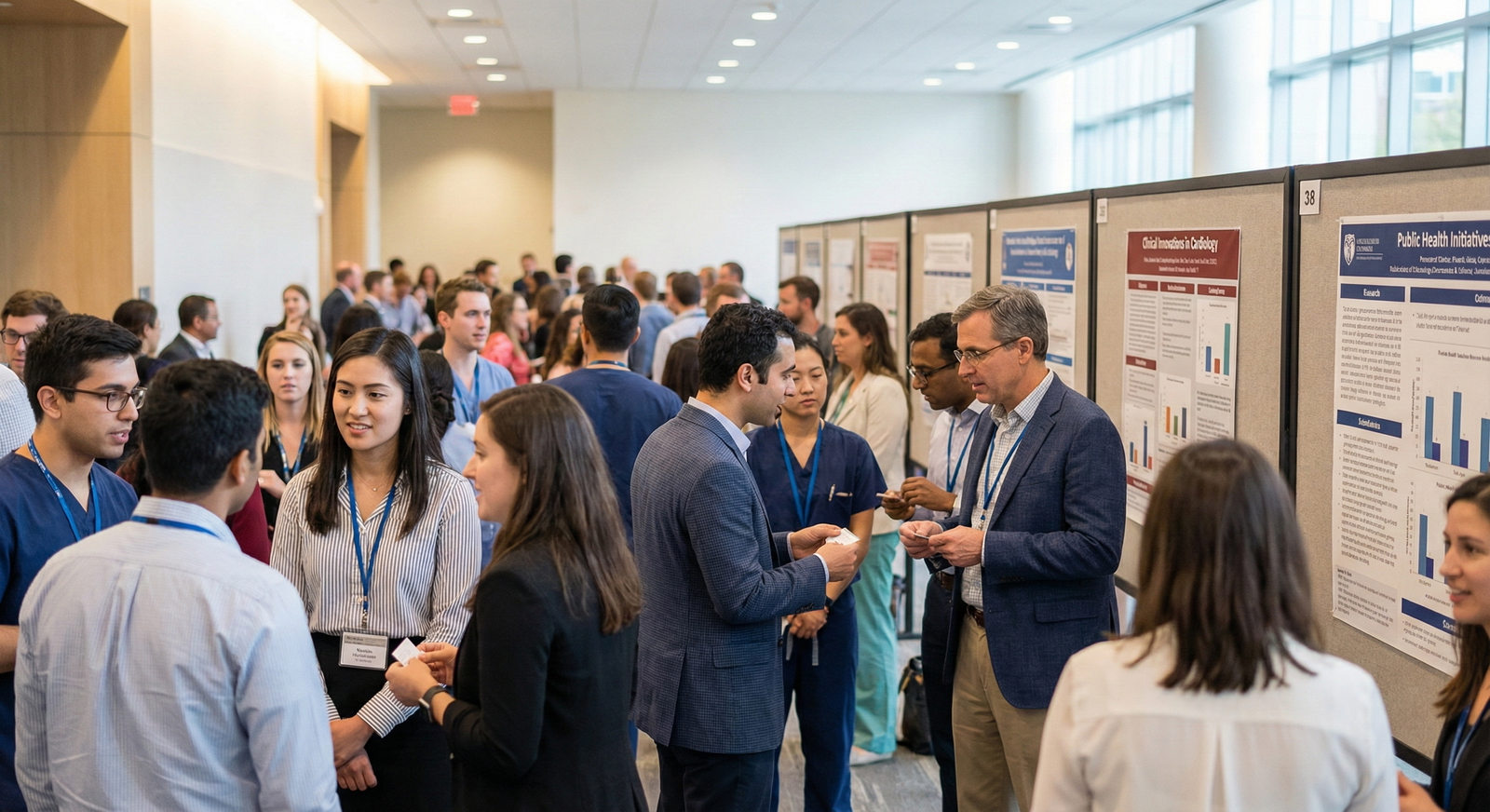
Conference presentations are powerful networking tools.
- Aim first for regional or national PM&R meetings. Trainee cases, QI projects, and small retrospective studies are all acceptable.
- After your session:
- Stay by your poster or be available after oral presentations.
- Introduce yourself to others presenting similar topics.
- Ask attendings who stop by, “Is this something you see in your practice? How do you approach it?”
Every poster session is a concentrated dose of like-minded people in your niche.
4. Online Presence: LinkedIn, Email, and Professionalism
You don’t need to be a social media influencer, but a clean, professional presence helps:
- Keep a simple LinkedIn updated: headshot, education, PM&R interests, presentations/publications.
- Use a professional email signature: name, degree, PM&R resident at [institution], contact info.
- For email networking:
- Use concise subject lines (“Resident interested in SCI research collaboration”)
- Keep emails short, respectful, and specific.
- Follow up politely after 7–10 days if no response.
Conference Networking in PM&R: Step-by-Step Playbook
Conference networking can feel overwhelming, especially if you’re introverted. Having a clear plan makes it manageable and effective.
Step 1: Pre-Conference Preparation
1–2 weeks before a major PM&R meeting:
Review the program:
- Highlight sessions that match your interests (e.g., interventional spine, neurorehab, sports, pediatric rehab, EMG).
- Note speakers from institutions or fellowships you’re interested in.
Make a short outreach list:
- 3–5 attendings whose work you admire
- 2–4 residents/fellows from programs you’re curious about
Send a few targeted emails:
- Introduce yourself briefly (“PGY-2 PM&R resident at X, interested in Y”).
- Mention if you’ve read their work or heard them speak.
- Ask if they might have 10–15 minutes during the conference to chat about their subspecialty or institution.
Some won’t respond—and that’s fine. Even one or two meetings can be career-shaping.
Step 2: On-Site Strategy
During the conference:
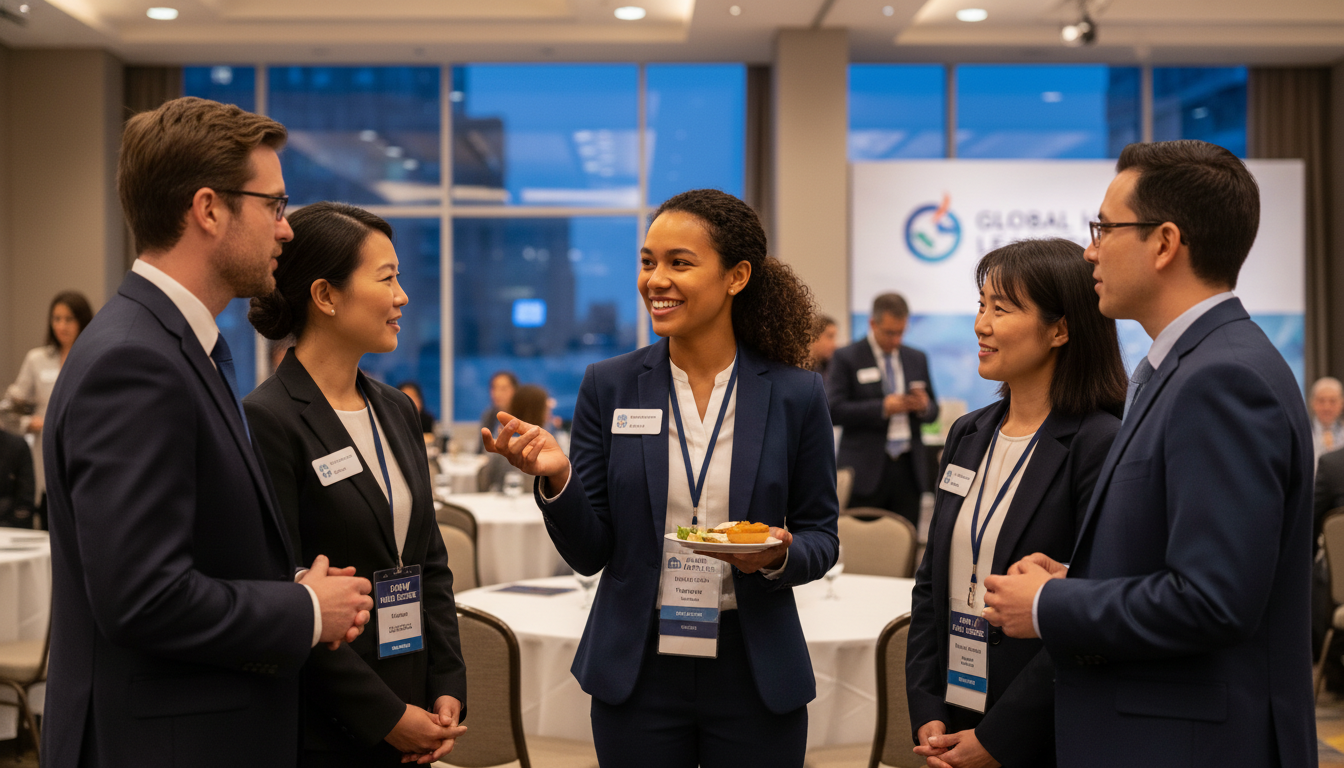
- Wear your badge visibly and dress professionally but comfortably.
- Use “anchor events” each day:
- Trainee receptions or networking sessions
- Section or special interest group meetings (e.g., sports, brain injury, SCI, pediatrics)
- Alumni gatherings if your school or residency hosts them
Practical tips for initiating conversations:
- At posters:
- “Hi, I’m [Name], a PGY-X at [Institution]. I’m interested in [related topic]. Could you walk me through your project?”
- After a talk:
- “I appreciated your point about X. At my institution we do Y—have you seen similar approaches elsewhere?”
Your aim is not to impress but to connect authentically. End conversations gracefully:
- “I really appreciated your insights. Would it be okay if I emailed you a quick question later about fellowships at your institution?”
Step 3: Post-Conference Follow-Up
Within 7–10 days after the conference:
Send brief thank-you emails:
- Remind them of your conversation (“We spoke after your talk on concussion rehab…”).
- Mention one specific insight you found valuable.
- If appropriate, ask a next-step question (“You mentioned a multisite study—might there be a role for a resident at an outside institution?”).
Connect on LinkedIn with a personalized note:
- “Wonderful meeting you at [Conference]. I appreciated your advice on [topic]. Hope to stay in touch as I explore [subspecialty].”
This solidifies the connection beyond a single event.
Mentorship in Physiatry: Finding, Working With, and Becoming a Mentor
Mentorship is at the core of effective medical networking. In PM&R, where career paths are diverse, good mentors are invaluable.
Types of Mentors You Should Have
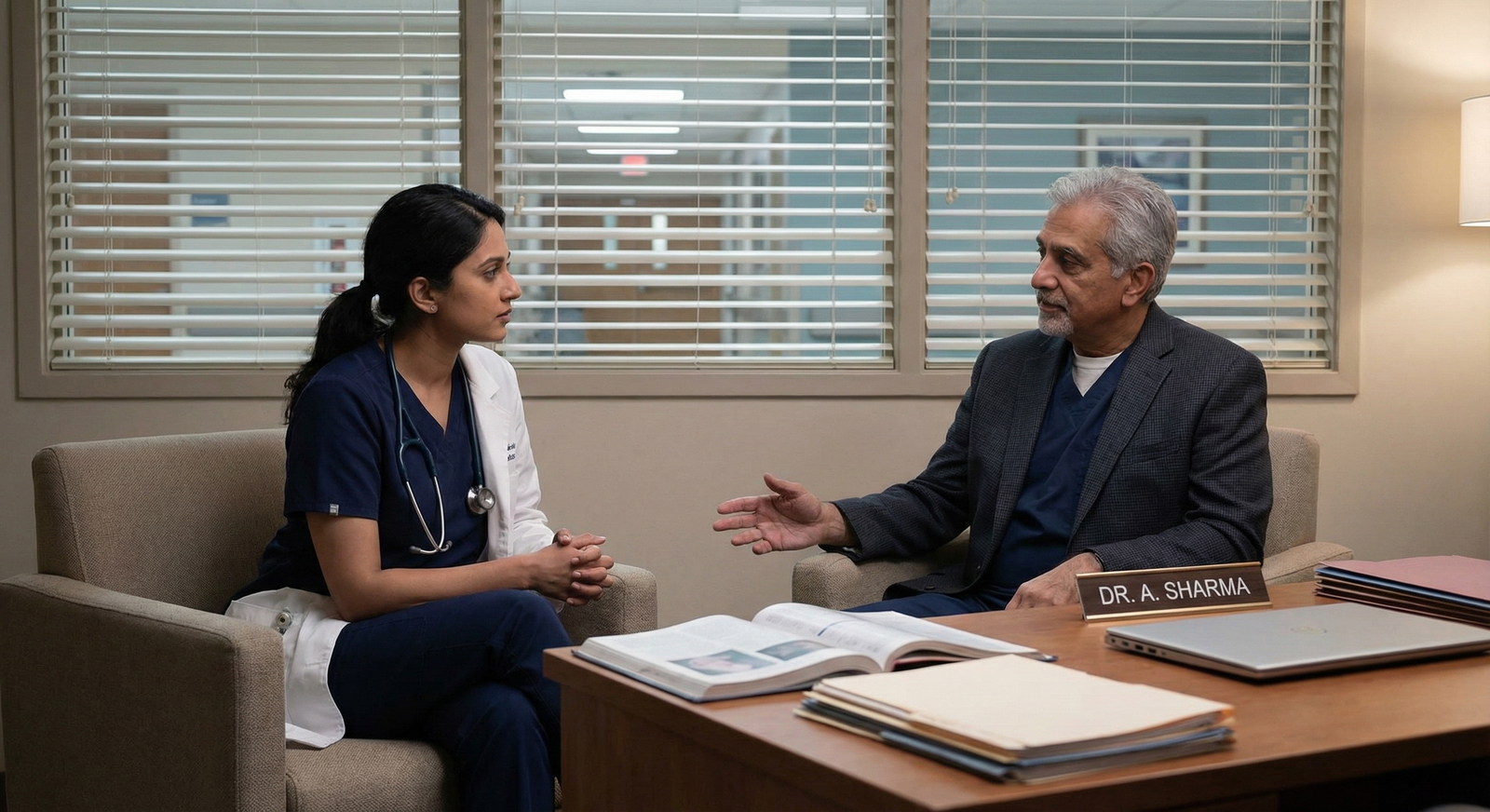
No single mentor can do everything. Ideally, you’ll build a “mentorship board” including:
- Clinical Mentor – Guides your development as a physiatrist in a specific area (e.g., SCI, MSK).
- Career Mentor – Helps with big-picture decisions: fellowship vs no fellowship, academic vs private practice, geographic considerations.
- Research Mentor – Advises on scholarly work, helps you navigate IRB, publication strategy, and collaborative networks.
- Near-Peer Mentor – Senior resident or early-career attending who recently faced the decisions you’re approaching (e.g., physiatry match, fellowship applications).
Some individuals will fill multiple roles; others will specialize. That’s normal.
How to Approach Potential Mentors
Start with observation:
- Who seems respected by both trainees and colleagues?
- Who practices in areas you’re drawn to?
Send a short request:
- Explain who you are and what you’re seeking (e.g., “I’d love to discuss how you built your sports and ultrasound practice and get your advice on next steps over the next year.”).
- Ask for a 20–30 minute introductory meeting, in person or virtual.
Come prepared:
- Bring a short list of questions.
- Have a rough idea of your interests and uncertainties (fellowship? research? practice type?).
Make it easy to say yes:
- Be flexible with times.
- Be clear that you value even one meeting and are not demanding a long-term commitment upfront.
How to Be a Good Mentee
You strengthen mentorship medicine relationships by:
- Following through on suggestions (or explaining why you couldn’t).
- Updating your mentor periodically about milestones (e.g., “I matched at X,” “Our abstract was accepted”).
- Respecting their time—come to meetings with an agenda, keep emails concise.
- Giving credit in presentations, papers, and informal conversations.
Over time, these relationships often evolve into sponsorship—mentors who actively advocate for you in selection committees, leadership appointments, and job searches.
Paying It Forward: Becoming a Mentor Early
Even as a PGY-2, you can mentor:
- Medical students exploring PM&R
- Junior residents on rotations you’ve already completed
- Peers in other specialties about rehab principles
Early mentorship:
- Reinforces your knowledge
- Builds your reputation as generous and reliable
- Expands your future network horizontally as your mentees advance in their own paths
Common Pitfalls in Medical Networking—and How to Avoid Them
Transactional Mindset
- Pitfall: Only reaching out when you need a letter, rotation, or job.
- Fix: Maintain low-intensity, ongoing contact—share updates, gratitude, and occasional questions even when you don’t need something.
Overcommitting and Under-Delivering
- Pitfall: Saying yes to multiple projects, then missing deadlines.
- Fix: Be realistic. Start with one or two projects. Communicate early if timelines need to shift.
Ignoring Non-Physician Colleagues
- Pitfall: Only networking “up” (with attendings) and ignoring PT/OT/SLP, psychologists, nurses, and case managers.
- Fix: Build genuine relationships across the rehab team. These colleagues shape your clinical reputation and can be important future collaborators and advocates.
Relying Only on One Mentor or Institution
- Pitfall: Having a narrow view of the field based on one department’s culture.
- Fix: Seek external perspectives via conferences, virtual mentoring programs, and cross-institutional research or education projects.
Being Afraid to Reach Out
- Pitfall: Assuming senior physiatrists are too busy or unapproachable.
- Fix: Remember many leaders in PM&R enjoy mentoring. A short, respectful, well-crafted email is rarely unwelcome.
Actionable 6-Month Networking Plan for PM&R Trainees
To make this concrete, here’s a sample six-month roadmap for a resident or senior medical student:
Month 1–2
- Identify 2–3 potential mentors (clinical, research, career) and schedule introductory meetings.
- Attend all PM&R grand rounds and at least one interdisciplinary rehab team meeting.
- Clean up your LinkedIn and create a simple CV you can share.
Month 3–4
- Join a small research, QI, or education project with realistic scope.
- Submit an abstract to a regional or national PM&R meeting (case report if nothing else).
- Reach out to at least one resident or fellow at a program or fellowship you’re curious about.
Month 5–6
- Attend a PM&R conference (if timing allows) with a structured plan for sessions and people to meet.
- Set up brief follow-up meetings with mentors to share progress and refine your next steps (e.g., fellowship direction, electives planning).
- Identify one student or junior resident you can informally mentor.
Repeat and scale this pattern, and your medical networking foundation in physiatry will become strong, durable, and deeply rewarding.
FAQs: Networking in PM&R Residency and Physiatry
1. I’m introverted. Can I still be effective at conference networking?
Yes. Focus on small, purposeful interactions rather than working the entire room. Attend a few targeted sessions, prepare 2–3 simple conversation starters, and aim to have 3–5 meaningful conversations per day. Written follow-up emails often play to introverts’ strengths.
2. How early should I start networking for the physiatry match?
Ideally in the first half of your third year of medical school, or earlier if you already know you like PM&R. That gives you enough time to find mentors, explore the specialty with shadowing, and potentially complete a small project or presentation before ERAS submissions.
3. Do I need social media (Twitter/X, Instagram) to network in PM&R?
No, it’s not mandatory. Many successful physiatrists have minimal social media presence. A basic LinkedIn profile, professional email etiquette, and consistent in-person engagement at your institution and conferences are more important. If you enjoy social media, use it professionally—to follow societies, discover research, and connect with educators—not as your primary identity.
4. How do I ask for a letter of recommendation without making it awkward?
Ask mentors who know your work ethic and clinical performance well. Frame it like this:
“I’m applying to PM&R residency and have valued your mentorship on [rotations/projects]. Would you feel comfortable writing a strong letter of recommendation on my behalf?”
This gives them an honest way to decline if they cannot write you a strong letter—and protects you from lukewarm letters.
Thoughtful, sustained networking in PM&R is not about collecting contacts; it’s about building genuine, mutually beneficial relationships that enhance your growth as a physiatrist and the care you provide to your patients. When approached with curiosity, humility, and consistency, medical networking becomes one of the most rewarding parts of your professional life in Physical Medicine & Rehabilitation.