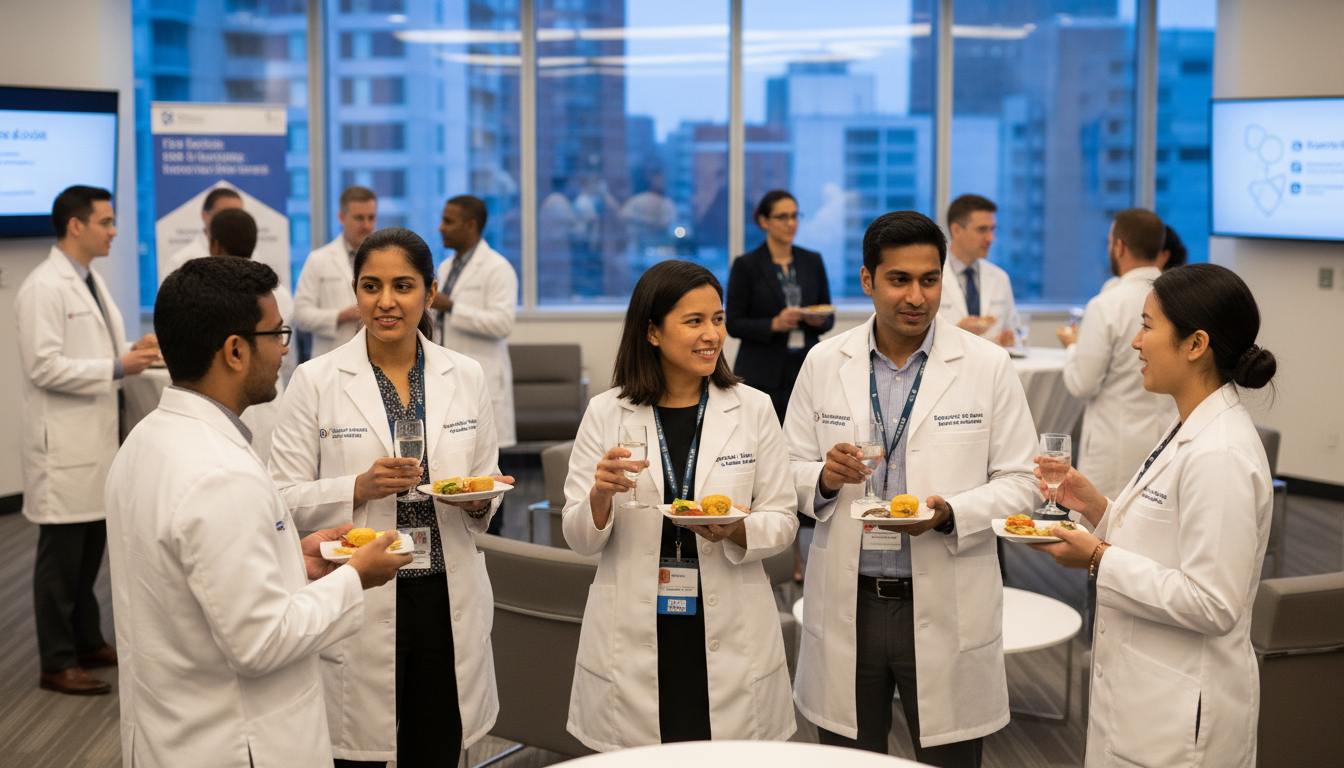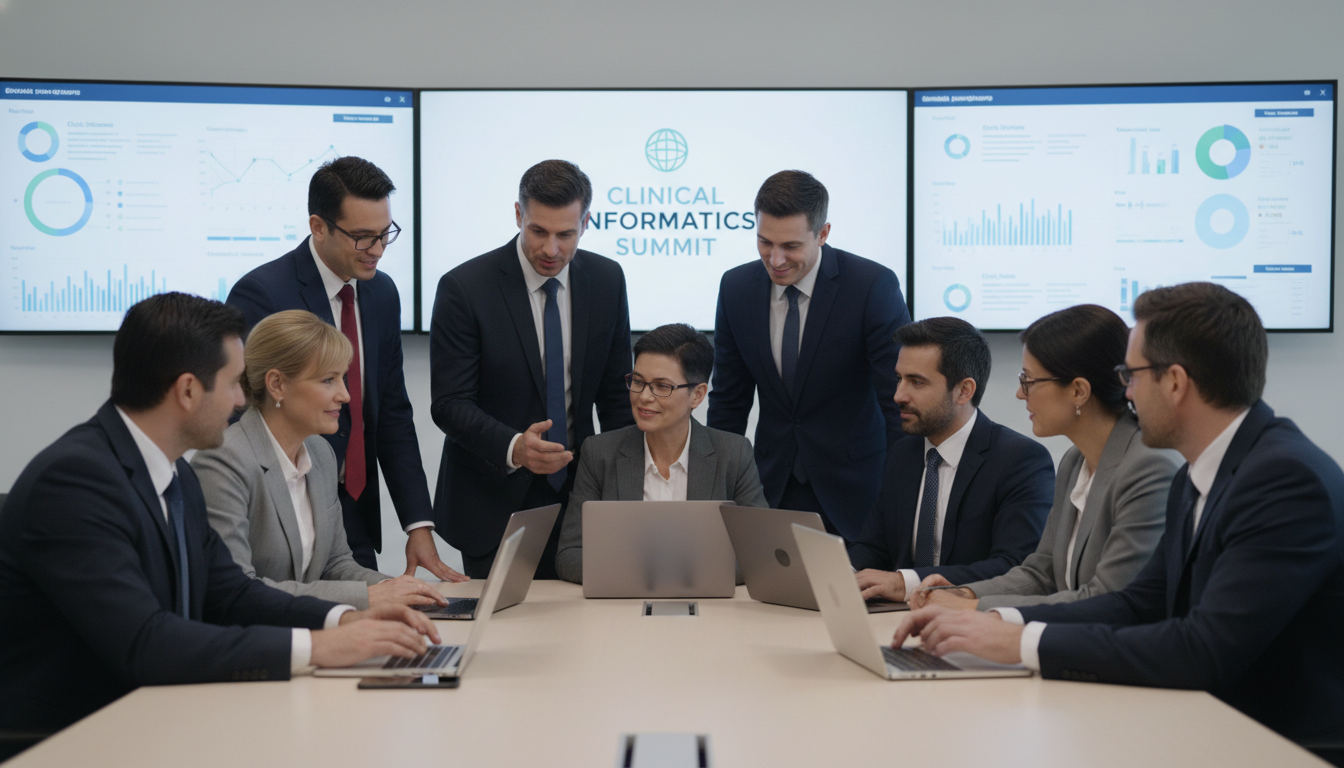
Why Networking Matters More for the Non‑US Citizen IMG in Clinical Informatics
Clinical informatics is a relationship‑driven specialty hidden inside a data‑driven world. For a non-US citizen IMG or foreign national medical graduate, networking is not optional—it is your main lever to overcome:
- Lack of “US school” name recognition
- Limited local contacts
- Visa and sponsorship constraints
- Unfamiliarity with unwritten norms in US medicine and health IT
Unlike many traditional specialties, clinical informatics sits at the intersection of medicine, technology, and hospital operations. Career progression depends heavily on who knows you and trusts you to:
- Lead EHR optimization projects
- Represent clinicians in health IT committees
- Advocate for safety and quality improvements
- Collaborate on data and AI innovation
Networking in medicine, especially in this field, is less about “selling yourself” and more about:
- Being visible to the right people in informatics and health IT
- Demonstrating reliability and curiosity over time
- Adding value (even as a student, resident, or new graduate)
- Aligning with mentors who can guide you into a clinical informatics fellowship or other health IT training path
This article focuses on how a non-US citizen IMG in clinical informatics can design a realistic, structured, and culturally appropriate networking strategy—from the first email you send to a potential mentor in medicine, to how you behave at conferences, to building a digital presence that works while you sleep.
Understanding the Networking Landscape in Clinical Informatics
Clinical informatics is highly interdisciplinary. Your “network” is not just physicians; it includes:
- Physician informaticists (CMIOs, associate CMIOs, clinical informatics fellows)
- Health IT professionals (analysts, data scientists, developers, project managers)
- Hospital leaders (quality officers, safety officers, operational leaders)
- Industry partners (EHR vendors, digital health startups, consulting firms)
For a foreign national medical graduate, this broad ecosystem is a major advantage: you have more possible doors to knock on, and not all are equally constrained by visa issues. Some roles and mentors may be in:
- Academic hospitals (often more experienced with visa sponsorship)
- Community hospitals using major EHRs (Epic, Cerner, etc.)
- Health systems with internal informatics training or certificate programs
- Startups and industry roles focused on health IT training or data analytics
Types of Networking in Clinical Informatics
Think of networking as three overlapping layers:
Local/networking where you are
- Within your residency program or clinical site
- Hospital IT committees, EHR optimization groups
- Institutional quality improvement or data projects
National/professional networking
- Specialty societies (AMIA, HIMSS, ACP, etc.)
- Clinical informatics interest groups and working groups
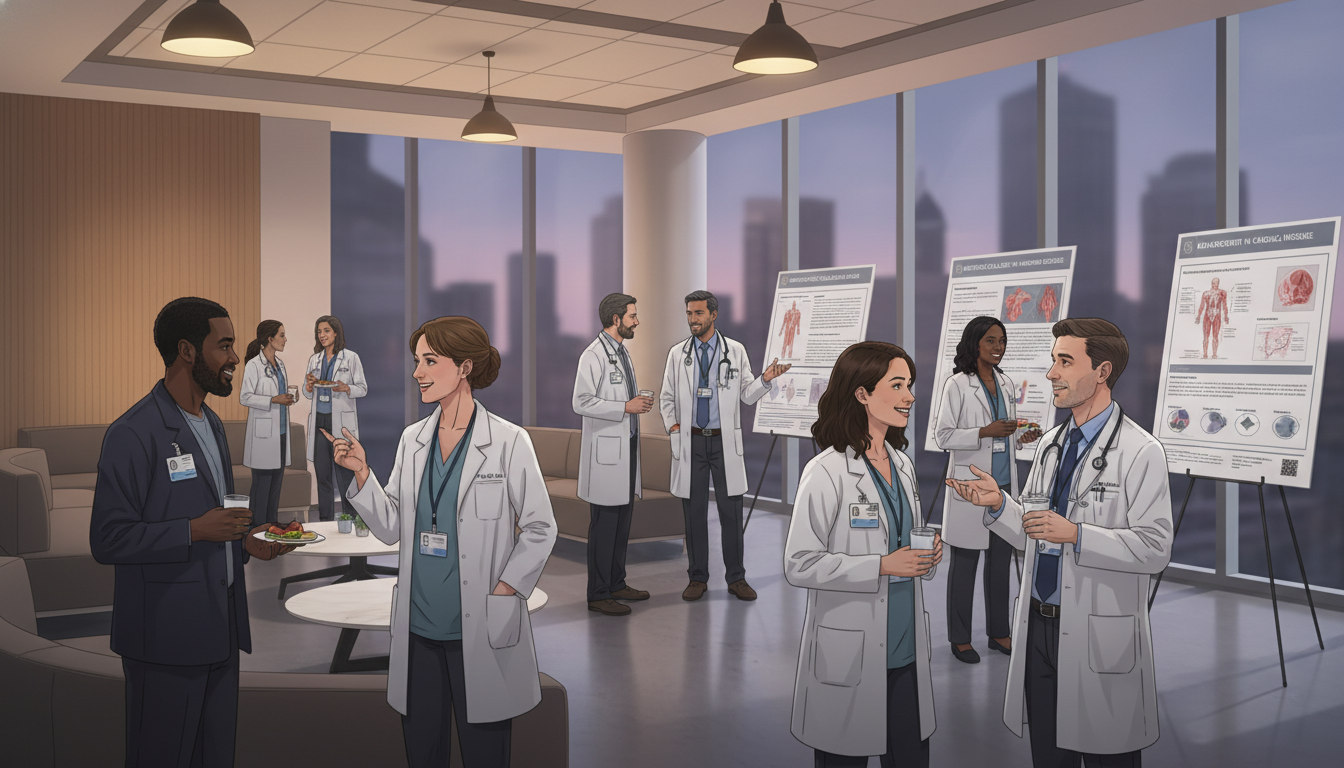
- Conference networking (formal sessions + hallway conversations)
Digital networking
- LinkedIn and X (Twitter) for health IT and digital medicine
- AMIA/HIMSS online communities and listservs
- GitHub, personal portfolio sites, or blogs (for technically inclined applicants)
Each layer supports the others. A person you briefly meet at a conference may become a LinkedIn connection, then later a collaborator on a quality improvement project or, eventually, a recommender for your clinical informatics fellowship applications.

Building a Foundation: Networking Where You Are Now
Before flying to conferences or reaching out to CMIOs across the country, you need a strong local base. As a non-US citizen IMG, your residency or current clinical environment is your primary launchpad.
Step 1: Clarify Your Clinical Informatics Story
People can’t help you if they don’t understand what you want. Develop a clear “informatics story” that you can express in 30–60 seconds:
- Background: Where you trained and what you’ve done so far
- Interest: Why clinical informatics and health IT training excite you
- Direction: What kind of projects or roles you’re looking for now
Example (adaptable template):
“I’m a non-US citizen IMG from [country], currently a PGY‑2 in internal medicine. In medical school I helped implement a basic EMR and became very interested in how data and technology can improve workflows and patient safety. I’m now working toward a clinical informatics fellowship and would love to get involved in EHR optimization or quality improvement projects here, especially anything related to decision support or data analytics.”
Practice this until it feels natural, not rehearsed.
Step 2: Map Your Local Network
Even if you feel you “don’t know anyone,” you likely have more access than you realize. Create a simple map of people who could be connectors:
Within your department
- Program director, associate program directors
- Chief residents or chief fellows
- Faculty known for QI, safety, or education innovations
Across the hospital
- Director of Quality or Patient Safety
- Clinical informatics leads (ask: “Who is our CMIO?”)
- EHR physician champions or super‑users
Administrative and IT contacts
- EHR training staff
- Data analytics or business intelligence team
- IT project managers on clinical projects
Your first “networking project” is simply to find and meet these people, even briefly.
Step 3: Initiating Conversations as a Non-US Citizen IMG
Cultural norms in US medicine may feel different from your home country. Here are scripts to make first contact easier:
Email to a faculty member with informatics interests:
Subject: Resident interested in clinical informatics – brief meeting?
Dear Dr. [Name],
I am [Your Name], a PGY‑1 internal medicine resident and a non-US citizen IMG with a strong interest in clinical informatics and health IT. I learned that you are involved in [EHR implementation/quality dashboards/decision support].
I’m hoping to explore a future clinical informatics fellowship and would greatly appreciate 15–20 minutes of your time to learn about your work and any advice you might have on how a resident like me can get involved in related projects at our institution.
I’m happy to meet at your convenience and can adapt to your schedule.
Thank you for considering this,
[Your Name]
[Program, PGY level]
Tips specific to foreign national medical graduates:
- Briefly mention your status only when relevant: e.g., “As a non-US citizen IMG, I’m trying to understand fellowship and visa pathways in informatics.”
- Avoid apologizing for your background; state it neutrally and confidently.
- Be precise and respectful of time; US faculty are often very time‑conscious.
Step 4: Turn Small Interactions into Ongoing Relationships
After an initial meeting or conversation:
Send a same‑day thank‑you email summarizing 1–2 key insights.
Follow up by doing something concrete:
- Send them 1–2 recent articles related to their interests.
- Ask: “Would it be possible for me to shadow your next committee meeting?”
- Volunteer: “If there are any small tasks or data collection needs, I’d be happy to assist.”
Update them periodically (every 2–3 months) with brief progress updates:
- “I completed the online AMIA 10x10 course.”
- “I joined the EHR optimization workgroup.”
- “I’m presenting a poster on a QI project at [conference].”
This is what meaningful mentorship in medicine often looks like: small, consistent, respectful touches over time that build trust.
Conference and Professional Society Networking: Turning Events Into Opportunities
Professional societies are your main entry point into the broader clinical informatics community. As a non-US citizen IMG, use them strategically to overcome geographic and institutional limitations.
Key organizations:
- AMIA (American Medical Informatics Association) – primary professional home for physician informaticists
- HIMSS (Healthcare Information and Management Systems Society) – broader health IT, industry and hospital IT professionals
- Specialty societies with informatics sections (e.g., ACP, AAP, ACEP)
Before the Conference: Prepare Like It’s an Exam
To maximize conference networking:
Study the program
- Mark sessions with “clinical informatics fellowship,” “education,” “training,” “resident/trainee events.”
- Identify speakers who are CMIOs, fellowship directors, or known for mentoring trainees.
Set specific goals
- Example: “Meet at least 5 people involved in clinical informatics training.”
- “Identify 3 potential mentors to follow up with after the conference.”
Prepare a short introduction
Tailor your 30–60 second “informatics story” for conferences, including:- Your current role and institution
- Your interests in clinical informatics
- The fact that you are a non-US citizen IMG (if you want visa/fellowship insight)
- A clear ask: “I’m trying to understand what makes a strong applicant for clinical informatics fellowship and how I can prepare during residency.”
Contact people in advance when possible
- Send a brief message on LinkedIn or email:
“I see you’re speaking on [panel]. I’m a resident and foreign national medical graduate interested in clinical informatics fellowship and would appreciate 10 minutes during the conference to ask a few questions about training pathways.”
- Send a brief message on LinkedIn or email:
During the Conference: Practical Networking Tactics
1. Use Structured Events to Your Advantage
Look for:
- Trainee or early‑career sessions
- Mentoring breakfasts or roundtables
- “Meet the CMIO” style panels
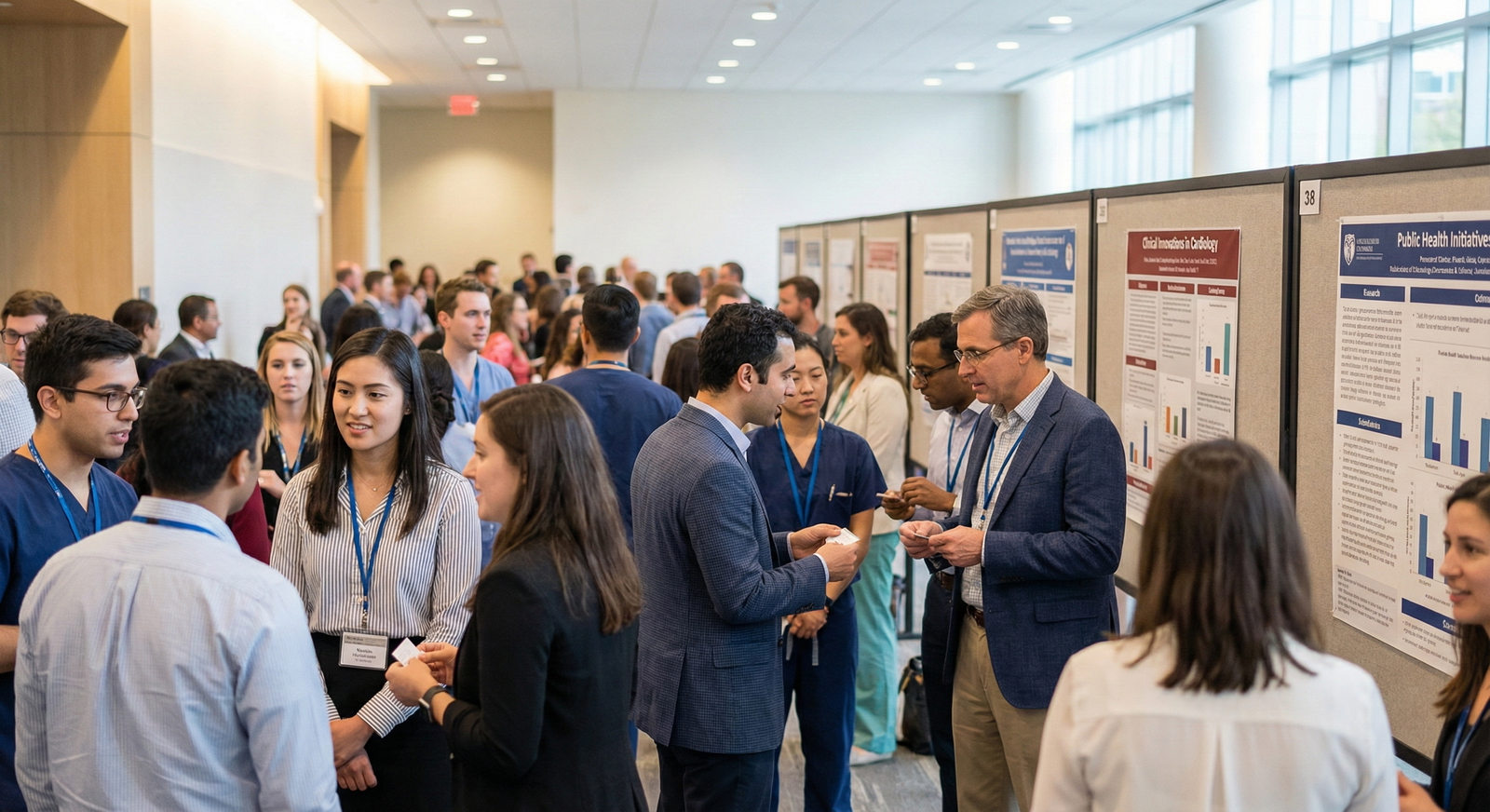
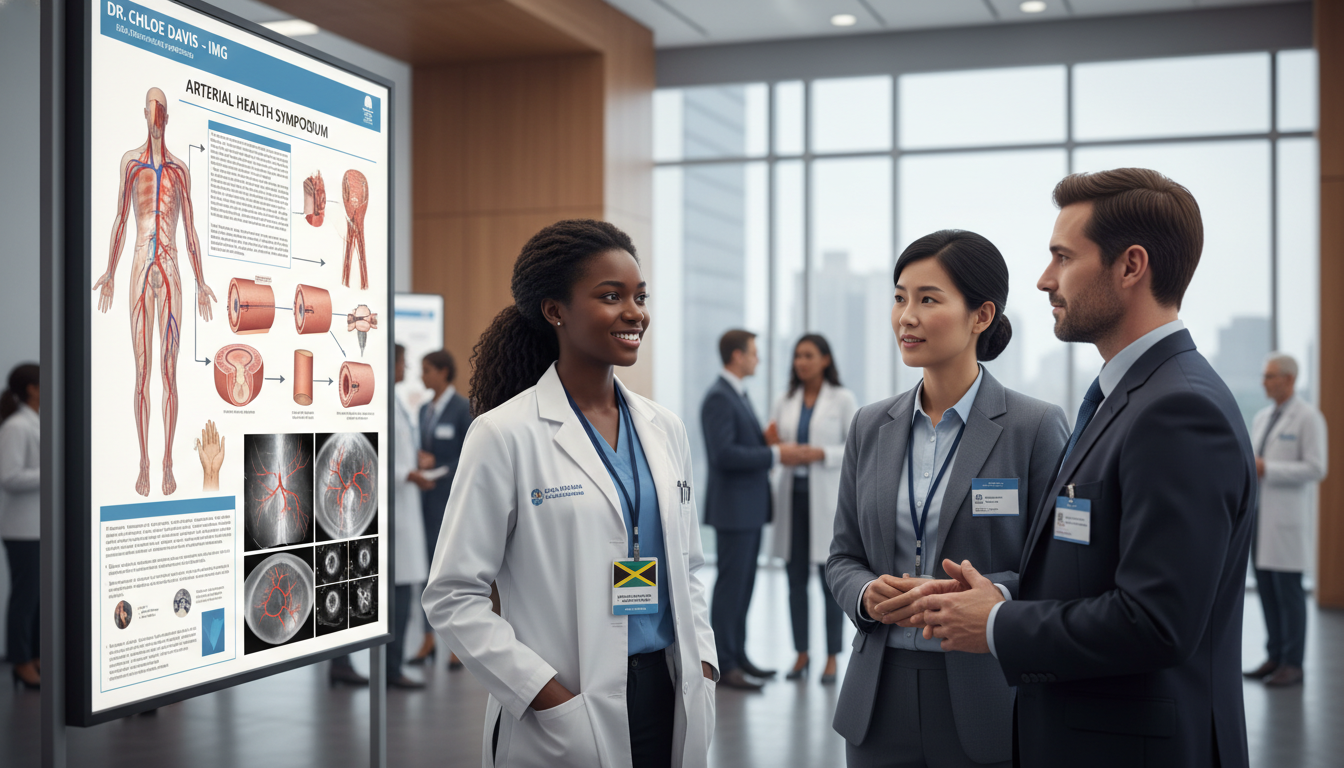
- Poster sessions in education/informatics training
These are low‑pressure spaces where people expect networking. Ask targeted questions such as:
- “What experiences distinguish successful clinical informatics fellowship applicants?”
- “How can a non-US citizen IMG best position themselves for your program?”
- “Are there specific kinds of projects or skills residents should develop?”
2. Master the “Hallway Introduction”
In the US, brief, direct approaches are normal at conferences. Use a formula like:
“Hi Dr. [Name], my name is [Your Name]. I’m a resident at [Institution], originally trained in [Country]. I really appreciated your talk about [topic]. I’m interested in a clinical informatics fellowship and wondered if I could ask you a quick question about [project types / skills / how you got started].”
If the conversation goes well, end with:
“Would you be open to connecting on LinkedIn or email? I’d love to follow up later with a couple of questions once I’ve read more about your work.”
3. Take Notes in Real Time
You will forget people quickly. After each meaningful conversation, write:
- Name, institution, role
- Where you met (session, workshop, hallway)
- 1–2 topics you discussed
- Any suggestion they gave (“Read X,” “Contact Y,” “Check our fellowship website”)
This list becomes your post‑conference follow‑up plan.
After the Conference: Turn Contacts Into Collaborators
Within one week:
Send personalized follow‑ups (not generic). Reference something specific you discussed.
Connect on LinkedIn with a short note:
“It was great meeting you at the AMIA trainee breakfast. I especially appreciated your advice about resident involvement in EHR optimization projects.”
Propose a small, defined next step:
- 15‑minute video call to discuss fellowship preparation
- Ask permission to email specific questions about your CV or project ideas
- Explore remote collaboration on education or quality projects (for tech‑savvy residents)
For a non-US citizen IMG, this is also a discreet way to ask about:
- Visa experiences of past fellows
- How welcoming their institution is to international graduates
- Additional requirements for foreign national medical graduates (e.g., degree equivalence, English language expectations beyond USMLE)

Digital Networking: Building a Visible, Credible Informatics Identity
For an IMG, digital presence is a force multiplier. It allows program directors, mentors, and potential collaborators to “meet” you before they interview you.
Step 1: Optimize Your LinkedIn for Clinical Informatics
Treat LinkedIn as your public CV plus narrative.
Key elements:
Headline
Example:- “Internal Medicine Resident | Non-US Citizen IMG | Aspiring Clinical Informaticist”
- “Foreign National Medical Graduate | Clinical Informatics & Health IT Training Focus”
About / Summary section
In 4–6 sentences:- Your origin story as a non-US citizen IMG
- Why you care about clinical informatics
- Your current skills or projects (e.g., QI, EHR optimization, basic SQL or Python)
- Your direction: “Working toward a clinical informatics fellowship.”
Experience and projects
- List QI projects, committee work, and informatics‑related research
- Emphasize outcomes: “Reduced average order entry time by 15% through EHR order set redesign.”
- Include conference abstracts, posters, or presentations
Skills
- Clinical informatics
- Quality improvement
- EHR optimization (specify vendor if possible)
- Basic data skills (SQL, R, Python, Excel) if applicable
Step 2: Strategic Use of Social Platforms (X/Twitter, AMIA Communities)
The clinical informatics and health IT community is very active on X (Twitter) and on society platforms:
Follow:
- Clinical informatics fellowship programs
- CMIOs and physician informaticists
- AMIA and HIMSS accounts
- Thought leaders in digital health and AI in medicine
Engage wisely:
- Share or comment on articles about clinical decision support, interoperability, patient safety, or AI.
- Post about your QI or informatics experiences (without violating HIPAA).
- Ask thoughtful questions during live‑tweeted conferences.
As a foreign national medical graduate, be especially mindful of:
- Professionalism and privacy standards (US expectations may be stricter than in your home country)
- Avoiding controversial political content that might overshadow your professional identity
Step 3: Show, Don’t Just Tell: Portfolios and Projects
If you have technical skills or project experience, consider a simple digital portfolio:
A basic webpage or Notion page listing:
- QI and informatics projects
- Slide decks from presentations
- Links to abstracts or publications
For technical work:
- GitHub repository with de‑identified sample code for analytics, dashboards, or educational tools
This is especially powerful when applying to a clinical informatics fellowship: your interviewers can directly see what you have built or analyzed.
Mentorship in Medicine and Long-Term Relationship Building
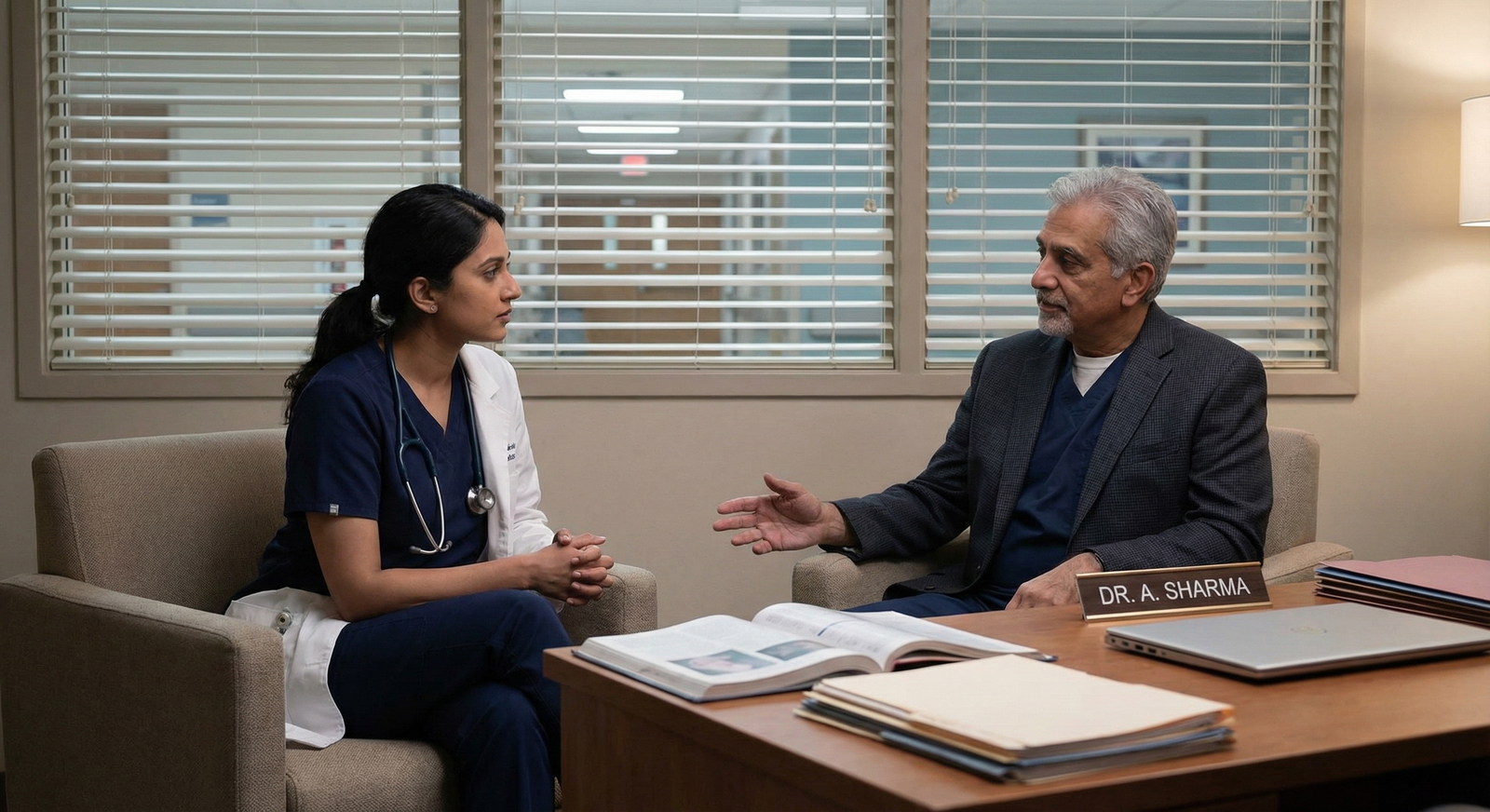
Mentorship is the deepest form of networking in medicine. For a non-US citizen IMG in clinical informatics, strong mentors can:
- Translate your international experiences into US‑relevant language
- Give realistic feedback on your competitiveness for fellowship
- Connect you to projects and recommendation letter writers
- Help navigate visa and immigration issues ethically and strategically
Types of Mentors You Need
Clinical mentor at your home institution
- Knows your clinical performance and professionalism
- May not be an informatics expert but can support you locally
Local informatics mentor
- Involved in EHR committees, QI analytics, or hospital IT
- Helps you access real projects and committees
External informatics mentor
- At another institution or in a national society
- Offers big‑picture career and fellowship guidance
Peer mentors
- Senior residents or fellows (especially IMGs) already in informatics pathways
- Share lived experience, mistakes, and strategies
How to Cultivate Mentorship as a Foreign National Medical Graduate
Be consistent, not demanding
- Send focused, infrequent emails with one or two clear questions.
- Respect that mentors may take time to respond, especially across time zones or during busy clinical periods.
Make it easy to help you
- Share a concise updated CV when asking for advice.
- Provide a brief context summary when emailing (don’t assume they remember everything about you).
Give back when you can
Even as a trainee, you can:- Help mentors prepare slides by pulling recent literature.
- Assist with data entry or simple analysis for projects.
- Mentor more junior international students or IMGs in your program.
Over time, this creates a reputation that travels with you—mentors talk to each other, especially within the relatively small clinical informatics community.
Putting It All Together: A 12‑Month Networking Plan for the Non‑US Citizen IMG in Clinical Informatics
To convert this into action, here is a sample one‑year roadmap.
Months 1–3: Foundation
Clarify your “informatics story.”
Update LinkedIn with a clinical informatics‑focused headline and summary.
Identify local contacts:
- Program leadership
- Any faculty doing QI or EHR work
- Hospital clinical informatics leads or EHR champions
Schedule 3–5 brief meetings to explore:
- Current informatics projects
- Committees you could attend
- Recommended courses (e.g., AMIA 10x10)
Months 4–6: Local Engagement and Small Wins
Join at least one:
- EHR optimization workgroup
- Quality or patient safety committee
- Data or dashboard review meeting
Volunteer for a concrete role on a project:
- Data collection
- Literature review
- Helping draft a poster or abstract
Attend at least one virtual AMIA or HIMSS event.
Begin posting 1–2 times per month on LinkedIn about:
- Your learning in informatics
- Articles you’ve read
- De‑identified project reflections
Months 7–9: National Exposure
- Submit an abstract/poster to:
- An informatics, QI, or specialty society meeting
- Attend a regional or national conference (in person if possible):
- Use strategies for conference networking and conference networking follow‑up
- Connect with:
- At least 10 new professionals on LinkedIn
- At least one clinical informatics fellowship director or faculty member (for an informational conversation)
Months 10–12: Fellowship‑Oriented Networking
Request more structured mentorship conversations with:
- Your key local informatics mentor
- One external mentor (AMIA or conference contact)
Ask specifically:
- “What gaps do you see in my preparation for clinical informatics fellowship?”
- “Are there particular skills or projects I should focus on in the next 6–12 months?”
Begin planning:
- Which clinical informatics fellowship programs fit your visa situation and background
- Who can realistically write strong, detailed recommendation letters
Over the year, networking in medicine becomes less about isolated events and more about building a small but strong ecosystem of people who understand your journey as a non-US citizen IMG striving for a future in clinical informatics.
FAQs: Networking in Medicine for Non‑US Citizen IMGs in Clinical Informatics
1. How early should I start networking if I’m interested in a clinical informatics fellowship?
Ideally, start in your first year of residency—or even before, during observerships or research time in the US. Clinical informatics is still a small community; relationships and mentorships often form years before you actually apply for fellowship. Even if you’re late in training, begin now: focus on one or two projects and a few strong mentors rather than trying to meet everyone.
2. As a foreign national medical graduate, should I bring up my visa status when networking?
You don’t need to foreground visa issues at every first interaction, but be transparent when conversations move toward concrete opportunities or fellowship applications. A reasonable approach:
- First, discuss your interests and qualifications.
- When the timing is right, say: “As a non-US citizen IMG on [visa type], I’m trying to understand how programs handle visa sponsorship for clinical informatics fellowships. Could you share how your institution approaches this?”
This keeps the focus on your professional goals while addressing practical realities.
3. I’m shy and not comfortable “selling myself.” How can I still network effectively?
Effective networking in medicine is not about aggressive self‑promotion; it’s about curiosity and contribution. You can:
- Prepare 2–3 genuine questions for each person you meet.
- Focus on asking about their projects, challenges, and career path.
- Offer small, concrete help—literature reviews, data support, slide preparation.
Over time, your actions will speak loudly for you, and many mentors appreciate thoughtful, quiet, reliable trainees.
4. Do I need advanced technical skills (coding, data science) before I start networking in clinical informatics?
No. Many successful clinical informaticists started with strong clinical and systems thinking, then gradually built technical skills. You can begin networking early by:
- Joining QI and EHR optimization projects
- Learning basic concepts of data structures, clinical decision support, and workflow design
As you grow, adding basic SQL, Excel analytics, or introductory Python/R will make you more versatile, but they are not prerequisites for starting conversations, joining professional societies, or seeking mentorship in medicine and clinical informatics.