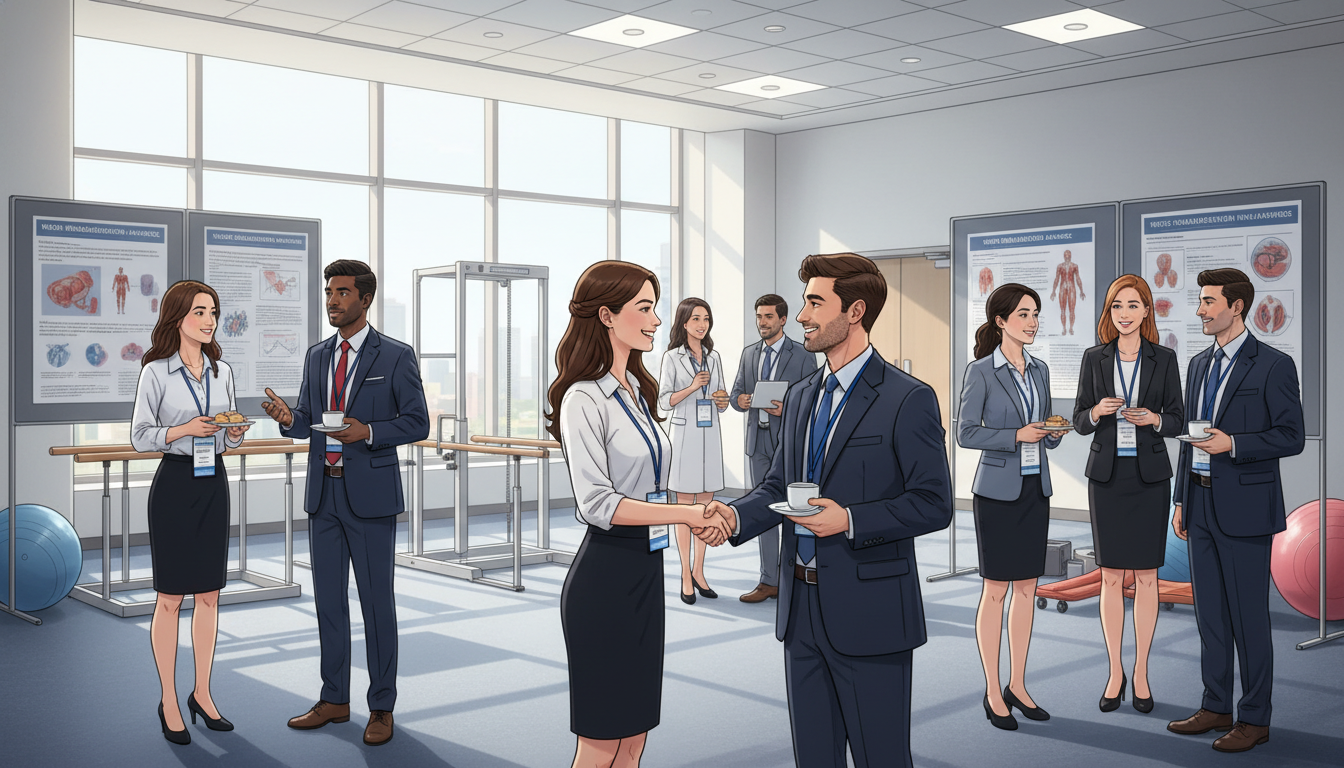
Why Networking Matters Even More for the Non‑US Citizen IMG in PM&R
As a non-US citizen IMG interested in Physical Medicine & Rehabilitation (PM&R), your application will be evaluated beyond just scores and CV items. In a relatively small, relationship-driven specialty like physiatry, who knows you and how they know you can significantly affect:
- Which programs decide to review your application
- Who is willing to advocate for you despite visa complexities
- Whether you get “extra consideration” when committees are on the fence
- Whether you learn about unadvertised opportunities (observerships, research, electives)
For a foreign national medical graduate, networking is not optional; it is strategic survival. PM&R is one of the most collaborative specialties in medicine—physiatrists constantly coordinate with therapists, surgeons, neurologists, and social workers. That same collaborative spirit applies to how people are hired, mentored, and promoted.
This article will walk you through practical, structured strategies to build a strong professional network in PM&R, even if:
- You are still in your home country
- You have never done a clinical rotation in the US
- You are shy, introverted, or new to conference networking
- You are early in training and unsure how to “offer value”
The goal is to help you move from anonymous applicant to known, trusted colleague-in-training in the physiatry community.
Understanding Networking in Physiatry: What It Is (and Is Not)
Networking is Relationship-Building, Not Self-Promotion
Many non-US citizen IMGs think networking means “asking for favors” or “selling yourself.” That mindset makes everything feel uncomfortable and inauthentic.
For PM&R, reframe networking as:
“Developing long-term professional relationships based on shared interests in rehabilitation, patient care, and education.”
Effective medical networking revolves around:
- Curiosity about others’ clinical or research work
- Consistency in communication over time
- Contribution (however small) to the other person’s goals
- Credibility through reliability and professionalism
Why PM&R Is a Relationship-Driven Specialty
PM&R is relatively small compared to internal medicine or surgery. Most physiatrists:
- Know colleagues at multiple residency programs
- Work in multi-disciplinary teams
- Serve on specialty committees, exam boards, or AAPM&R/AAP sections
This means:
- A single strong advocate can introduce you to program directors, research mentors, or rotation opportunities.
- Your reputation travels quickly—positively or negatively.
- Conference networking and mentorship in medicine can genuinely shift your chances in the physiatry match.
Specific Challenges for the Foreign National Medical Graduate
As a non-US citizen IMG, you face added barriers:
- Visa concerns (H-1B vs J-1 sponsorship)
- Limited US clinical exposure
- Less familiarity with the “hidden curriculum” of residency applications
- Fewer family or institutional connections in the US
Strategic networking allows you to:
- Find programs open to non-US citizens and specific visa types
- Understand realistic expectations for PM&R residency applications
- Secure hands-on or virtual experiences that strengthen your CV
- Gain honest feedback on your competitiveness
Core Networking Channels for IMGs in PM&R
1. Conferences and Meetings: Your Highest-Yield Arena
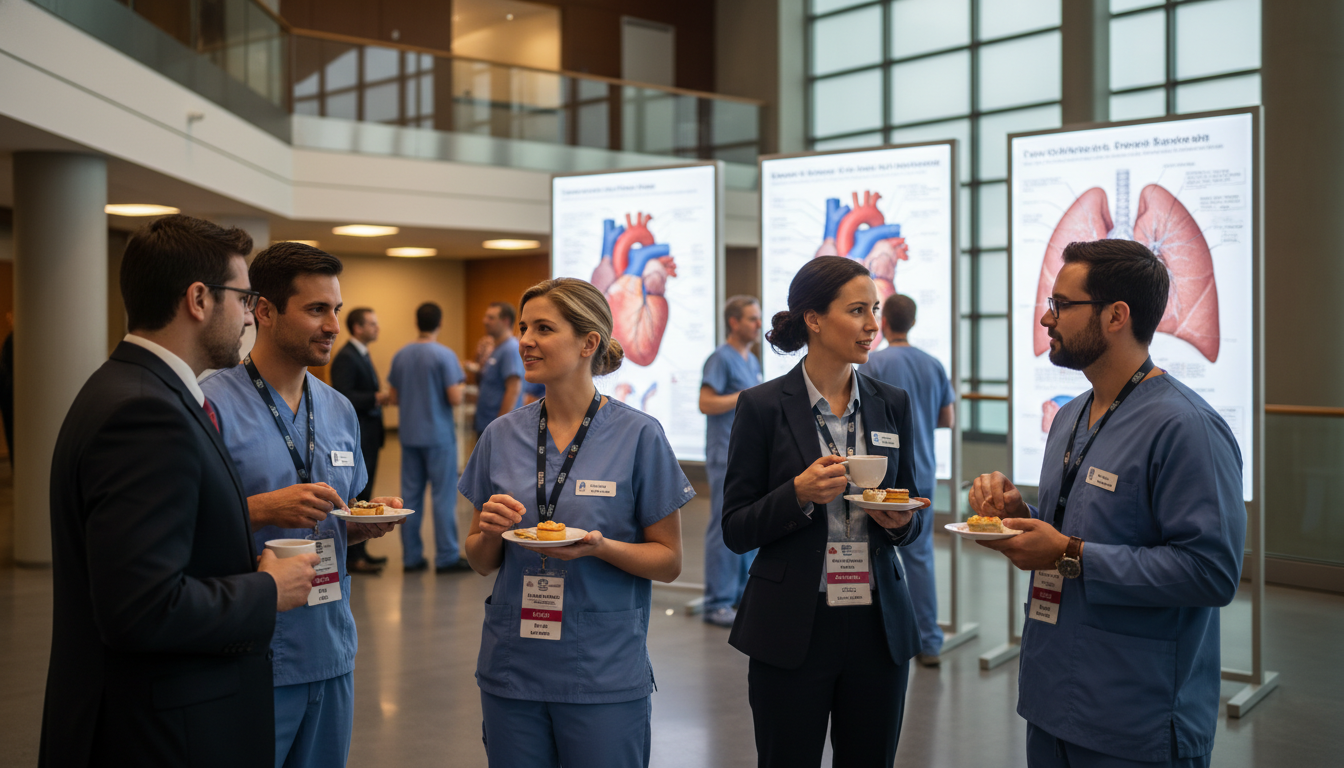
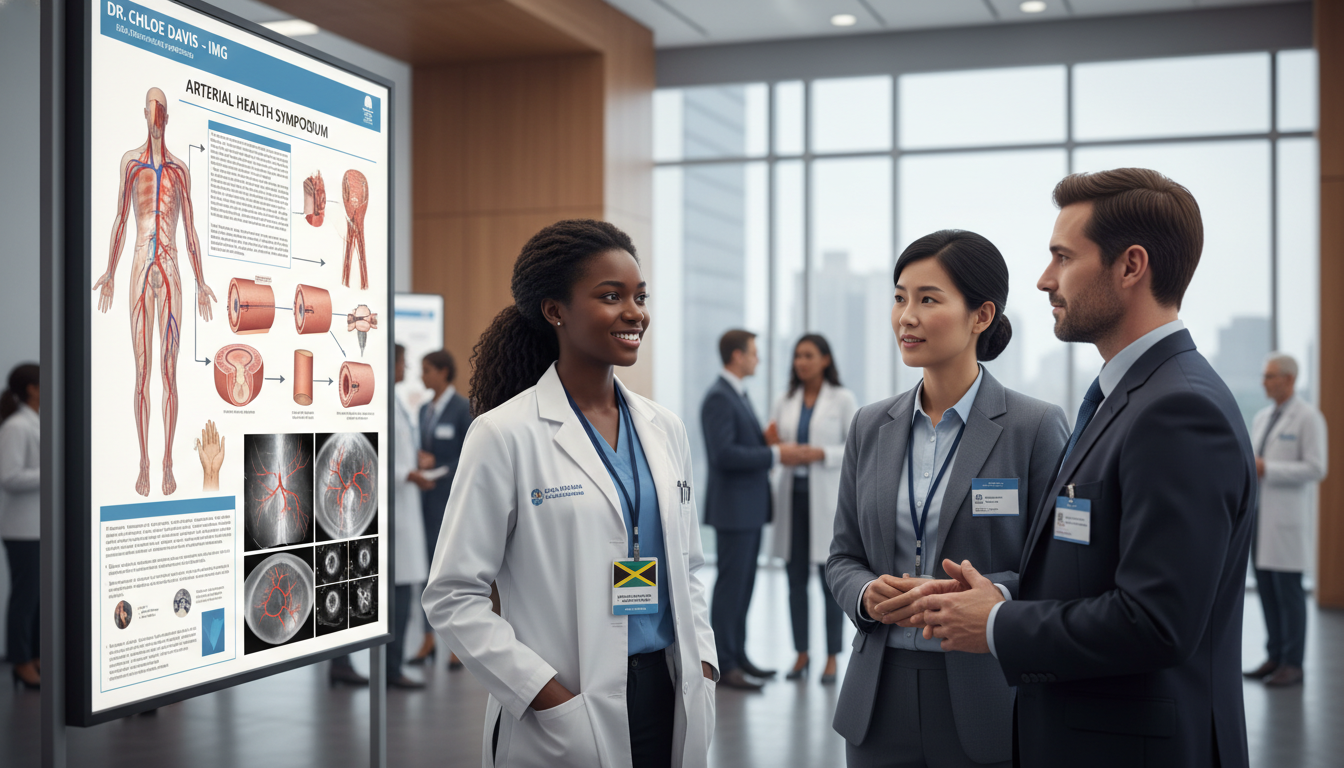
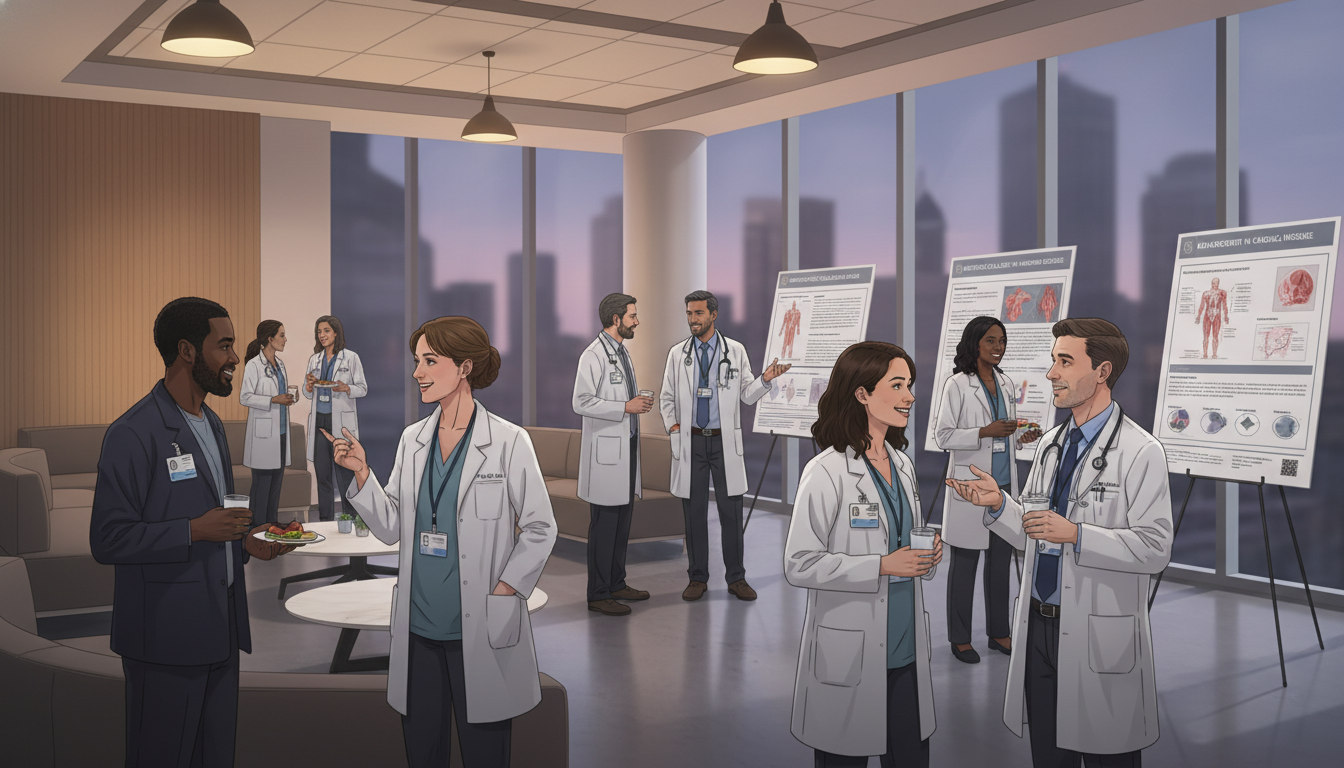
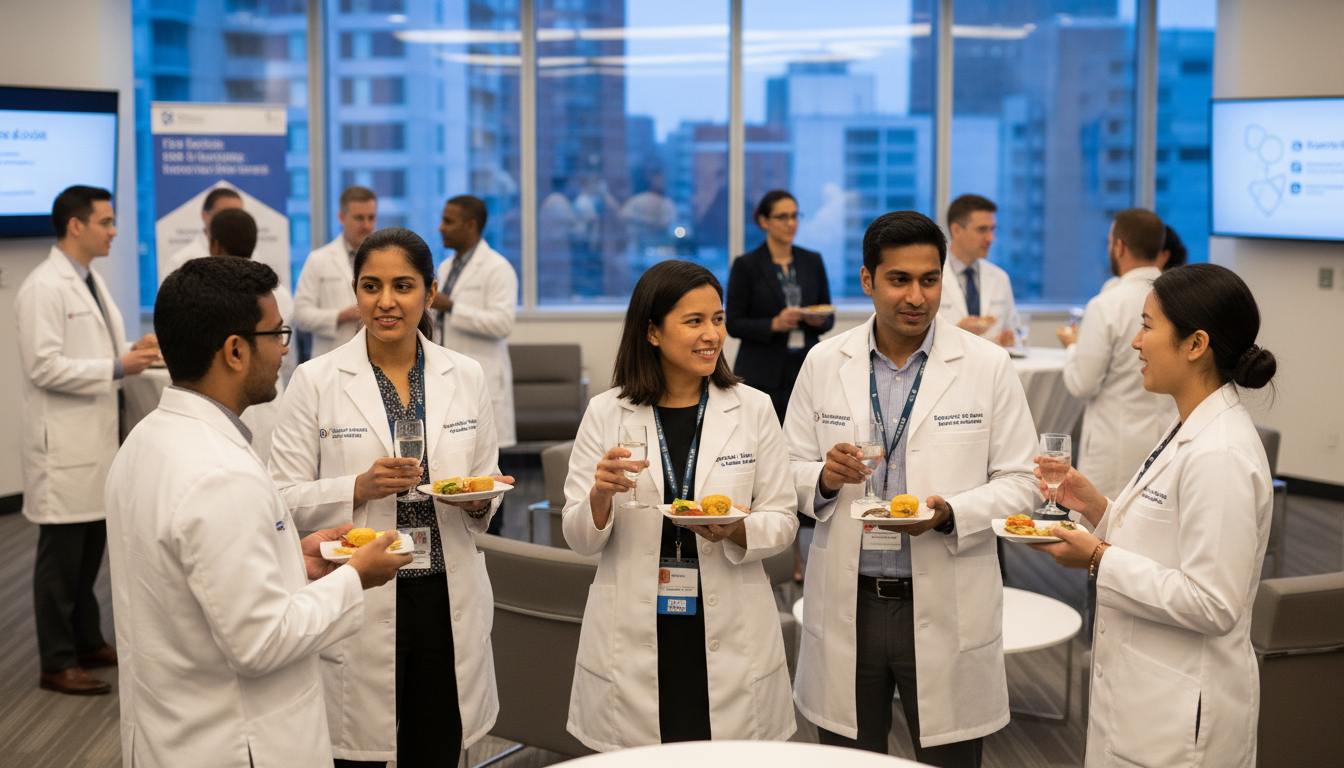
For PM&R, conference networking is arguably the most powerful single tool you have.
Key meetings to know:
AAPM&R Annual Assembly
- Main US physiatry conference; residency programs, fellowship programs, and job recruiters attend.
- Offers medical student and resident sections, mentoring sessions, and residency fairs.
AAP (Association of Academic Physiatrists) Annual Meeting
- Strong focus on academic PM&R and research.
- Excellent venue to meet faculty from university-based programs.
Regional PM&R Society Meetings
- State or regional rehab societies often welcome students and IMGs.
- Smaller events = easier to have deeper conversations.
If you cannot travel, many conferences now offer virtual attendance, with online mentorship sessions, resident Q&As, and networking lounges.
Actionable tips for conference networking:
Pre-conference preparation
- Identify 10–15 people you’d like to meet (program directors, faculty, IMG-friendly mentors).
- Email 2–3 of them 2–3 weeks before the meeting:
- Introduce yourself briefly (non-US citizen IMG, interested in PM&R).
- Mention a specific reason you admire their work (paper, talk, clinical theme).
- Ask if they could spare 10–15 minutes during the conference for career advice.
- Prepare a 30-second “who I am” introduction:
- Name, school/country
- Interest areas in PM&R
- Current goals (e.g., seeking research, observerships, or general guidance)
At the conference
- Attend:
- Student/resident sessions
- Residency/program showcases
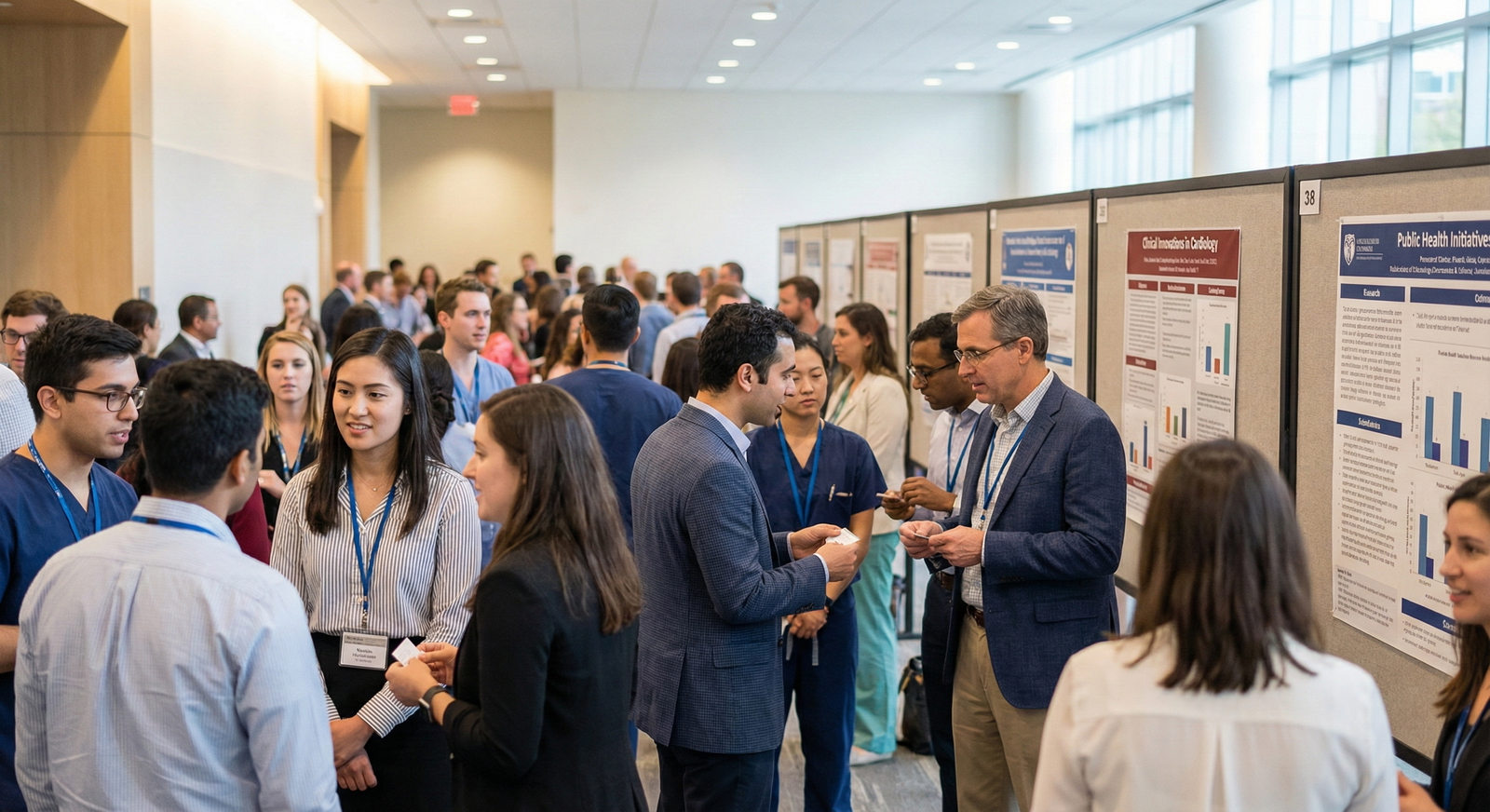
- Poster sessions related to rehab, MSK, neurorehab, or pain
- Approach speakers immediately after talks with a simple script:
- “Thank you for the excellent talk about X. I’m a non-US citizen IMG very interested in PM&R. I’d love to learn more about how you built this career path. Could I email you for advice or to ask a few questions?”
- Aim for quality over quantity:
- 5–10 meaningful conversations > 50 superficial card exchanges.
- Attend:
Post-conference follow-up
- Email within 72 hours:
- Thank them for their time.
- Mention a specific detail from your conversation.
- Include your CV only if they requested it or if it’s clearly relevant.
- Ask 1–2 specific questions or a concrete next step:
- “Would it be appropriate for me to contact Dr. X, whom you mentioned, about potential remote research involvement?”
- “May I reach out again in a few months after I’ve completed my current project?”
- Email within 72 hours:
2. Digital and Social Media Platforms
For a foreign national medical graduate who may be outside the US, online presence is your bridge into the PM&R community.
- Maintain a clear headline:
“Non-US citizen IMG | Aspiring Physiatrist | Interested in Neurorehab & MSK Medicine” - Join groups:
- PM&R interest groups
- IMG medical networking groups
- Engage by:
- Commenting thoughtfully on PM&R articles or research shared by physiatrists
- Sharing brief reflections on relevant topics (e.g., rehab after stroke, pain management)
Twitter / X and Other Platforms
Many academic physiatrists use Twitter/X professionally:
- Follow:
- AAPM&R
- AAP
- PM&R residency programs
- Notable physiatrists in your interest areas
- Interact:
- “Like” and retweet academic content
- Add polite, brief comments or questions to conference posts or paper announcements
Tip: Avoid controversial social media debates. Your profile may be seen by future colleagues and program directors.
Program and Department Websites
Use them to:
- Identify key faculty involved in:
- Residency education
- Research in your interest area
- Diversity or global health initiatives
- Look for any explicit mention of:
- Visa sponsorship
- IMG acceptance
- Elective/observership policies
Use this information when writing targeted networking emails (see below).
3. Professional Organizations and Student Sections
As a non-US citizen IMG, you can still join US-based organizations:
- AAPM&R Member-in-Training (check if international student/trainee membership is available)
- AAP student or trainee memberships
- Local/regional rehab societies in your country with ties to US institutions
Benefits:
- Access to mentorship programs
- Discounted conference registration
- Newsletters listing opportunities (research calls, scholarships, observerships)
Email Outreach and Relationship-Building: Scripts and Strategy

Principles for Effective Cold Emailing
As a non-US citizen IMG, cold emailing may be your first step in medical networking.
Your emails should be:
- Short – busy physicians scan quickly
- Specific – clear about what you are asking
- Respectful – acknowledge their time limits
- Personalized – show you know who they are and what they do
Example Email: Seeking Career Advice (Not Directly Asking for Observership Yet)
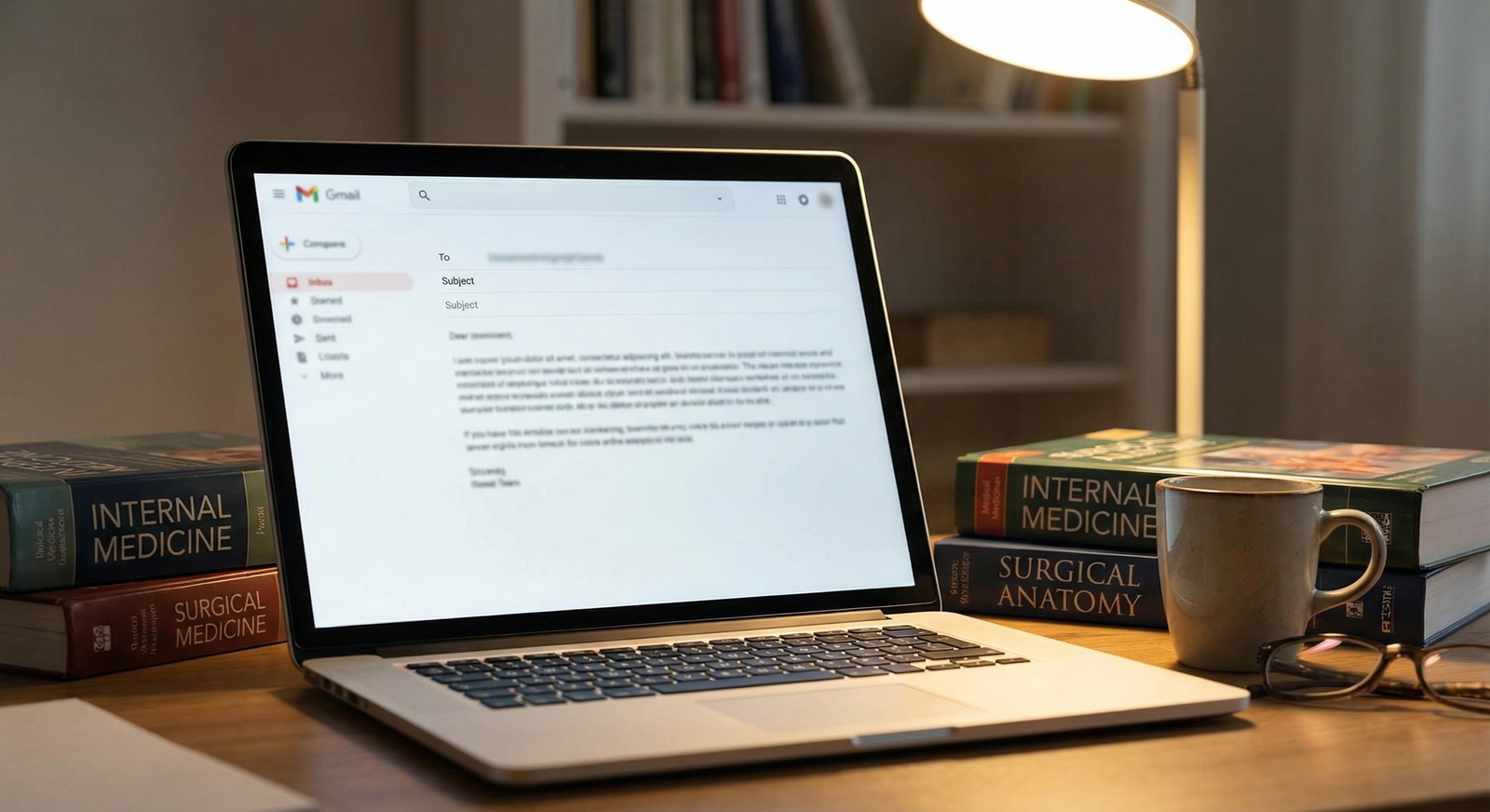
Subject: Non-US IMG interested in PM&R – request for brief career advice
Dear Dr. [Last Name],
My name is [Your Name], and I am a non-US citizen IMG from [Country / Medical School]. I am very interested in pursuing a career in Physical Medicine & Rehabilitation, with a particular interest in [neurorehabilitation / musculoskeletal medicine / pain / spinal cord injury, etc.].
I recently read your [article / abstract / profile] on [specific topic], and it strongly resonated with my interests. I especially appreciated your point about [brief, specific detail].
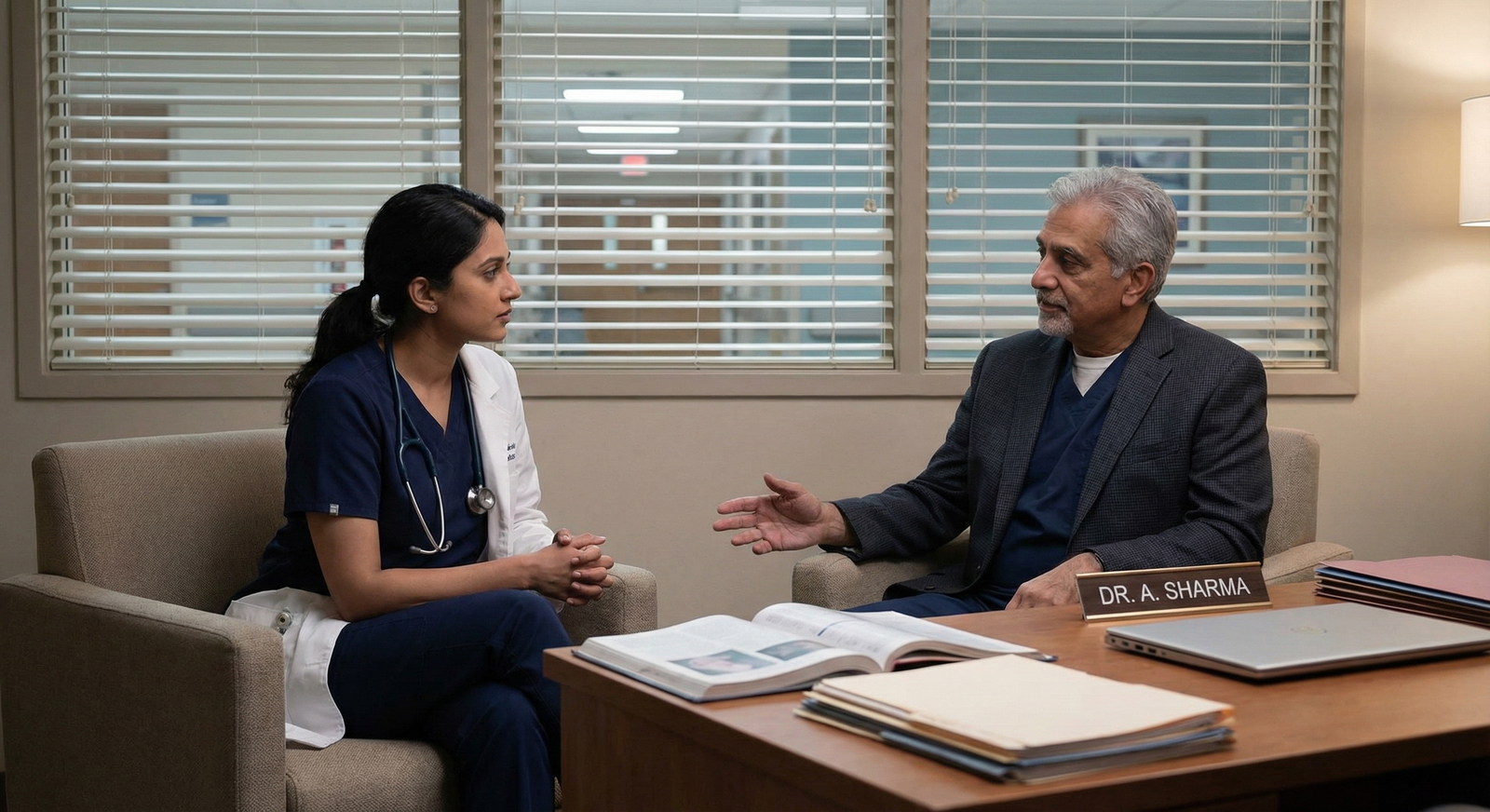
I know you are very busy, but if possible, I would be grateful for 10–15 minutes of your time by email or video call to ask a few questions about how an international graduate like me can best prepare for a PM&R residency application in the US.
Thank you for considering my request.
Sincerely,
[Your Name]
[Medical school, country]
[Email]
[Optional: LinkedIn profile]
This approach:
- Shows genuine interest
- Does not immediately ask for something “big” (research position or observership)
- Opens the door to ongoing mentorship in medicine if the conversation goes well
When and How to Ask for Opportunities
Once a mentor has responded and you’ve had at least one productive conversation:
- Share a brief, updated CV if they ask or when it naturally fits.
- Express your goals clearly:
- “My current goal is to obtain meaningful exposure to PM&R, ideally through [remote research / case reports / virtual mentorship / observership if possible].”
Examples of “gentle” opportunity-seeking language:
- “If your team ever has a need for a motivated student to help with literature reviews or data entry on an ongoing project, I would be very interested in contributing.”
- “If your department has any formal or informal observership opportunities open to international graduates, I would be grateful to learn about the eligibility and process.”
This makes it easy for them to either:
- Offer something, or
- Redirect you to a colleague who can help
Sustaining Relationships Over Time
Networking is not one-and-done.
To maintain relationships:
- Update mentors every 3–6 months:
- USMLE progress
- New research or presentations
- Evolving PM&R interests
- Share genuine thanks when their advice helps you:
- “Following your suggestion, I joined AAPM&R and was able to attend the student session…”
This slow, consistent approach demonstrates reliability and maturity—qualities faculty value in residency applicants.
Building a PM&R-Focused Network from Abroad
If you are still in your home country, you can still become visible in the PM&R community with deliberate strategies.
1. Identify Local PM&R or Rehab Contacts
Even if your country’s system is different from US physiatry:
- Look for:
- Rehab medicine departments
- Neurology, orthopedics, or pain clinics with strong rehab focus
- Physiotherapy/occupational therapy departments
- Ask to:
- Observe clinics or inpatient rehab rounds
- Assist with small QI or case report projects
- Attend journal clubs or CME sessions
You gain:
- Practical rehab exposure to discuss at interviews
- Potential letters of recommendation (even if not US-based)
- Insight into rehabilitation concepts and patient-centered care
2. Remote or Online Research in PM&R
For a foreign national medical graduate, remote research may be your most realistic point of entry.
How to find opportunities:
- Search PubMed for PM&R faculty who publish often.
- Prioritize:
- Authors at IMG-friendly institutions
- Topics you truly care about (stroke rehab, spasticity, amputee medicine, sports and MSK)
- Email authors with:
- Clear mention that you are comfortable with:
- Literature reviews
- Data extraction/entry
- Basic statistics (if you have those skills)
- Willingness to work across time zones
- Clear mention that you are comfortable with:
Even small contributions:
- Abstracts
- Poster presentations
- Case reports
can give you:
- Concrete PM&R experience
- Co-authors and mentors for the future
- Names of faculty to list in your ERAS application
3. Virtual Events and Webinars
Many PM&R societies host:
- Virtual grand rounds
- Resident panels about the physiatry match
- IMG-focused webinars
Use these to:
- Ask concise, thoughtful questions in the Q&A
- Connect with speakers afterward via email:
- “I attended your webinar on PM&R residency preparation for IMGs and found your advice on X especially helpful…”
Again, consistency here builds a “virtual presence” that can translate into real advocacy.
Turning Networking into Match Outcomes: Strategy for the Physiatry Match
As a non-US citizen IMG, networking should feed into a structured strategy for the PM&R residency application.
1. Targeting Programs That Truly Consider Non-US Citizen IMGs
Networked information can help you:
- Identify which programs:
- Sponsor J-1 and/or H-1B visas
- Have a track record of accepting IMGs
- Are open to non-US clinical experience, especially if you have strong research or scores
- Avoid wasting effort on programs that:
- Explicitly do not sponsor visas
- Have strict “US grads only” policies
Sources of this information:
- Program websites (not always complete)
- Honest conversations with:
- Current residents (especially IMGs)
- Fellows or recent graduates from your country
- Direct but polite email questions to program coordinators
2. Using Networking to Enhance Your Application Components
Networking can improve almost every component of your PM&R application:
Personal statement
- Include reflections from mentors, conferences, or research projects.
- Mention specific aspects of PM&R that you learned through your relationships.
Letters of recommendation
- Strong letters from PM&R faculty who truly know you—even via remote research—can be powerful.
- If you work with a US-based mentor, ask them:
- Whether they feel comfortable writing a letter.
- What timeline they prefer.
CV content
- List:
- Virtual or in-person observerships
- Webinars and conferences attended
- Collaborative quality improvement or research projects
- List:
3. Networking Before and During Interview Season
Before interviews:
- Let your mentors and contacts know where you applied and where you were invited.
- Some may be willing to:
- Put in a good word at their own or affiliated institutions.
- Give program-specific advice.
During interviews:
- Mention genuine connections:
- “I’ve had the privilege of working with Dr. X on [topic], and they spoke very highly of your program’s emphasis on interdisciplinary rehab care.”
- Demonstrate real knowledge of PM&R culture, not just test scores.
- Mention genuine connections:
After interviews:
- Thank interviewers and any residents you met.
- Continue updating long-term mentors about your progress and rank list decisions (without violating NRMP rules).
Common Pitfalls and How to Avoid Them
Pitfall 1: One-Sided Networking (“Only When I Need Something”)
If you only appear in someone’s inbox when you want a letter, observership, or introduction, you weaken the relationship.
Solution:
Maintain low-intensity, regular contact: brief updates, sharing a relevant article, or simply saying how a piece of advice helped you.
Pitfall 2: Overly Aggressive or Repetitive Requests
Demanding emails or frequent follow-ups can irritate busy faculty.
Solution:
- Wait at least 2 weeks before a polite follow-up.
- If there’s no answer after 1–2 follow-ups, accept that this contact may not be available and move on.
Pitfall 3: Not Being Clear About Visa Status
Programs and mentors value transparency, especially regarding visas.
Solution:
- Be honest up front: “I am a non-US citizen IMG and will require [J-1/H-1B] sponsorship.”
- Let them decide if they can support you or refer you elsewhere.
Pitfall 4: Underestimating Your Own Value
As a non-US citizen IMG, you may assume you have nothing to offer. That’s rarely true.
You bring:
- Language skills and cultural insight
- Exposure to different healthcare systems
- Motivation and resilience
- Willingness to put in extra effort on projects
Networking is not about pretending you are more experienced than you are—it’s about being a reliable, honest, motivated learner.
FAQs: Networking in Medicine for Non-US Citizen IMGs in PM&R
1. I’m still in my home country with no US contacts. Where do I start?
Start by:
- Joining AAPM&R or AAP as a student/trainee member if possible.
- Attending virtual PM&R webinars or conferences.
- Following PM&R departments and physiatrists on LinkedIn and Twitter/X.
- Sending a small number of well-crafted cold emails to faculty whose work genuinely interests you.
Combine this with local rehab exposure (even if not formally called “PM&R”) to build your baseline experience.
2. How many mentors should I try to have?
Quality matters more than number. For most non-US citizen IMG applicants, it’s realistic and effective to develop:
- 1–2 primary mentors you communicate with regularly
- 2–4 secondary contacts you interact with occasionally (e.g., research collaborators, residents)
Spreading yourself too thin makes it hard to maintain genuine relationships.
3. Can online networking really influence my chances in the physiatry match?
Yes, if done consistently and strategically. Online networking can:
- Lead to remote research roles and publications
- Connect you with faculty who later become advocates
- Help you understand which programs truly consider foreign national medical graduates
- Prepare you for interviews with insider knowledge about the specialty
It does not replace strong scores or clinical performance, but it amplifies your application.
4. I am introverted and feel uncomfortable approaching people. Any tips?
You do not need to become extroverted to succeed in conference networking or mentorship in medicine. Try:
- Preparing short scripts for introductions and questions.
- Setting small, concrete goals (e.g., “I will speak to 3 new people today.”).
- Starting with email or online messages, which can feel less stressful.
- Focusing on curiosity: ask about their work instead of talking about yourself.
Over time, these small, manageable steps will feel more natural and your confidence will grow.
Networking in medicine, especially in a close-knit field like Physical Medicine & Rehabilitation, is a powerful tool for the non-US citizen IMG. By approaching it as authentic relationship-building, leveraging both in-person and digital spaces, and maintaining professionalism and persistence, you can transform your status from “unknown foreign applicant” into a recognized, supported future physiatrist.