Why Networking Matters So Much for Non‑US Citizen IMGs in Emergency Medicine
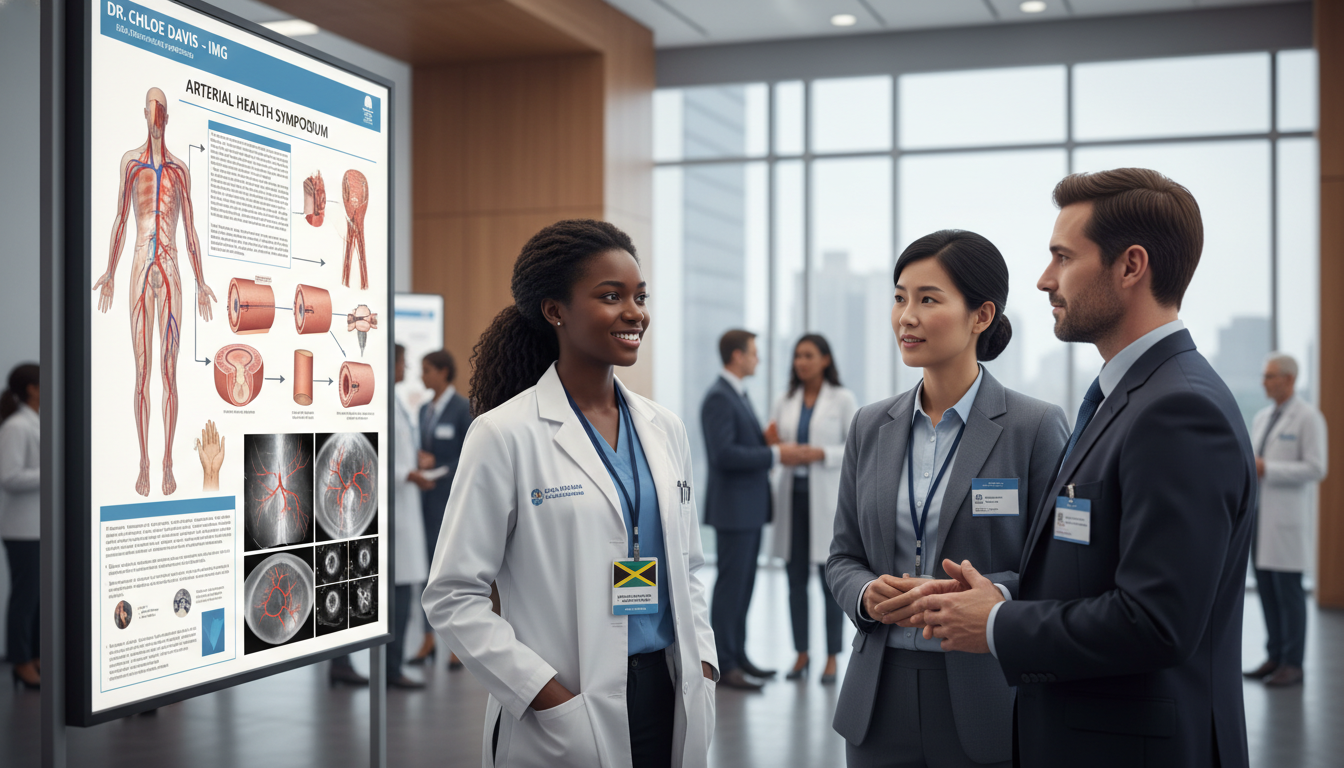
For a non-US citizen IMG aiming for emergency medicine, networking in medicine is not optional—it is one of your most powerful tools. Emergency medicine (EM) is competitive, heavily relationship-driven, and residency programs often prefer applicants they or their colleagues “know” in some way. When decision makers are comparing two similar applications, personal familiarity and trusted recommendations often tip the balance.
As a non-US citizen IMG or foreign national medical graduate, you face added barriers:
- Less access to US clinical rotations and mentors
- Limited knowledge of unspoken expectations in the EM match
- Visa considerations and misconceptions about training non-citizens
- Fewer natural chances to meet US-based faculty face-to-face
Effective medical networking helps you:
- Learn which EM programs are IMG- and visa-friendly
- Signal genuine interest to specific residency programs
- Find observers, research positions, or US clinical experience
- Secure mentorship medicine relationships and strong letters of recommendation
- Gain advocates who will email or call on your behalf before rank lists are made
Think of networking not as “using people,” but as building long-term, mutually respectful professional relationships. In emergency medicine—a team-based specialty focused on communication and collaboration—how you connect with people is itself part of your “audition.”
Foundations of Networking for EM as a Non‑US Citizen IMG
Before diving into conferences, emails, or LinkedIn, you need a strategic foundation. That means understanding what networking in medicine really is, and preparing your story and tools.
What Networking Actually Means in Medicine
In the EM context, networking is:
- Being visible and memorable in positive ways
- Learning and providing value in conversations, even as a trainee
- Staying in touch over time, not just one-off interactions
- Building trust so people feel comfortable recommending you
Networking is not:
- Randomly sending mass emails asking for “any opportunity”
- Approaching faculty only when you need a letter
- Treating every encounter as a transactional exchange
Think of every interaction as a chance to show that you are:
- Curious
- Reliable
- Coachable
- Aligned with EM’s culture (teamwork, humility, adaptability)
Clarify Your EM Story
You must be ready to clearly and concisely explain why emergency medicine in the US and why you are a good fit. This will guide conversations in person and online.
Prepare short “scripts” for:
10–15 second introduction (elevator intro)
- “I’m Dr. [Name], a non-US citizen IMG from [country], currently doing [clinical/research role]. I’m very interested in US emergency medicine, particularly [example: critical care aspects, global EM, ultrasound].”
30–45 second story about your EM interest
- A brief, specific anecdote (case, rotation, experience) that sparked or confirmed your interest.
- Make it EM-specific and behavior-focused (teamwork, rapid decisions, complex communication).
1–2 sentence about your visa status
- Don’t lead with this, but be ready when appropriate:
- “I’m currently on [visa type] and I’m eligible for [J-1/H-1B] sponsorship; I know that’s an important factor for many programs.”
Practice out loud. The more natural it feels, the easier networking conversations become.
Essential Tools Before You Start Networking
Have your basic “professional toolkit” ready:
Updated CV in US format
- Clear, concise, with EM-relevant sections: US clinical experience, EM electives, EM-related research, leadership.
Professional email address and signature
- Example: firstname.lastname.md@gmail.com
- Signature with full name, degree, country of graduation, current role, phone/WhatsApp (if appropriate), and LinkedIn profile.
LinkedIn profile
- Headshot in professional attire
- Headline: “Non-US citizen IMG pursuing Emergency Medicine residency | [current role]”
- Short summary describing your EM interests and US goals.
If possible: Doximity and/or Twitter (X)
- Especially useful for following EM programs, journals, and faculty.
- Use your real name and keep all posts strictly professional.
These basics ensure that when someone looks you up after meeting you, they find a coherent, professional identity.

Online Networking Strategies Tailored to Non‑US Citizen IMGs
For many non-US citizen IMGs, being physically present in the US is limited by visas and cost. Online networking can partially level the playing field if you use it strategically.
Step 1: Build a Focused Online Presence
Aim for consistency across platforms:
- Same professional headshot and name spelling
- Same core “story” about your path to EM
- EM-related interests visible (e.g., global health, ultrasound, toxicology, simulation, public health)
LinkedIn Tips:
Write a 4–6 line “About” section:
- Mention you are a non-US citizen IMG aiming for emergency medicine residency.
- Highlight EM-relevant experiences and interests.
- State that you value mentorship medicine and medical networking as part of your growth.
Add “Skills” such as: Emergency Medicine, Point-of-Care Ultrasound, Research, Quality Improvement, Medical Education, Global Health.
Follow:
- EM professional societies (ACEP, SAEM, AAEM, EMRA)
- EM journals (Annals of Emergency Medicine, Academic Emergency Medicine)
- EM residency programs and faculty
Step 2: Engage Thoughtfully on Social Media
Twitter (X) for EM Networking
EM is very active on X. Use it to:
- Follow EM clinicians, educators, and US programs
- Engage with threads about EM education, cases (within confidentiality), and EM match advice
- Share brief reflections from papers, webinars, or conferences
Rules for professionalism:
- No patient identifiers or sensitive clinical content
- No complaints or negative comments about programs or colleagues
- Avoid controversial non-medical debates
Examples of useful posts:
- “Just attended a great webinar on EM ultrasound for non-US citizen IMGs. Key takeaway: start building hands-on skills early and document them in your CV. #FOAMed #EMbound”
- “Reading about sepsis protocols in different systems makes me appreciate how adaptable emergency physicians must be globally. #EM #globalhealth”
These posts show interest, reflection, and professionalism.
Step 3: Reaching Out to Individuals
When you send a direct message or email, personalization is critical.
Who to contact:
- EM faculty with IMG or global EM backgrounds
- Program coordinators or chief residents at IMG-friendly programs
- EM researchers whose interests overlap with yours
- Alumni from your school who matched EM in the US
Email structure:
- Greeting and one-sentence context
- One or two specific things you appreciate about their work or program
- Your brief introduction and EM goal
- A small, realistic ask
- Gratitude and assurance you respect their time
Example email to an EM faculty member:
Subject: Non-US citizen IMG interested in EM – seeking brief advice
Dear Dr. [Last Name],
My name is [Your Name], a non-US citizen IMG from [medical school, country], currently [doing X]. I recently read your article on [topic] and was particularly struck by [specific insight].
I am very interested in pursuing emergency medicine residency in the US and would be grateful for any brief advice on how someone with my background might best position themselves for the EM match, especially regarding [specific issue, e.g., research, US rotations, or visas].
I understand you are very busy and would greatly appreciate even a short email response or a 10–15 minute conversation if that is feasible.
Thank you for your time and for your contributions to emergency medicine education.
Sincerely,
[Full Name, degree]
[Current role]
[Email signature]
Keep expectations modest; even one or two helpful replies can lead to long-term connections.
Conference Networking: Turning Events into Opportunities
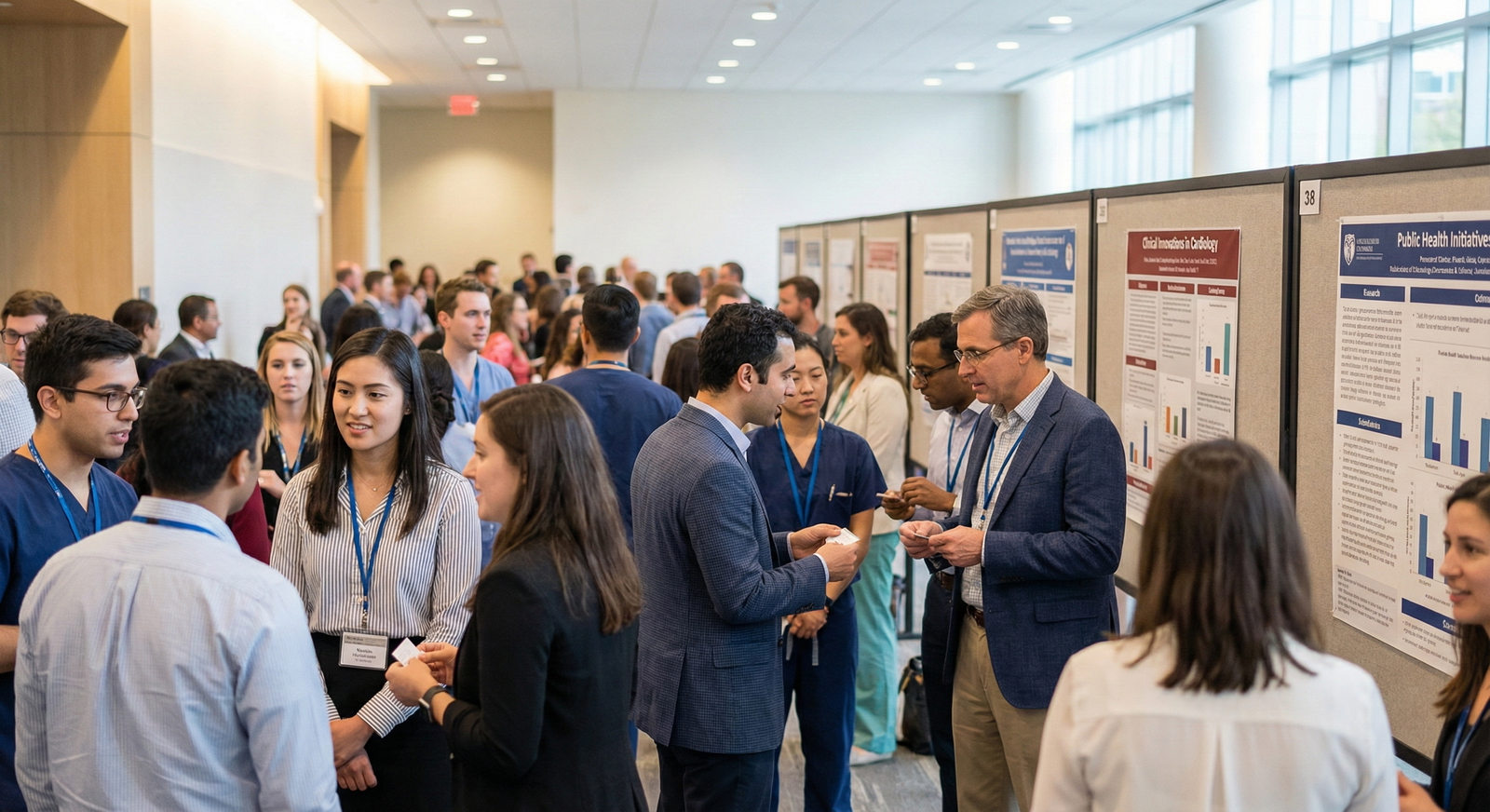
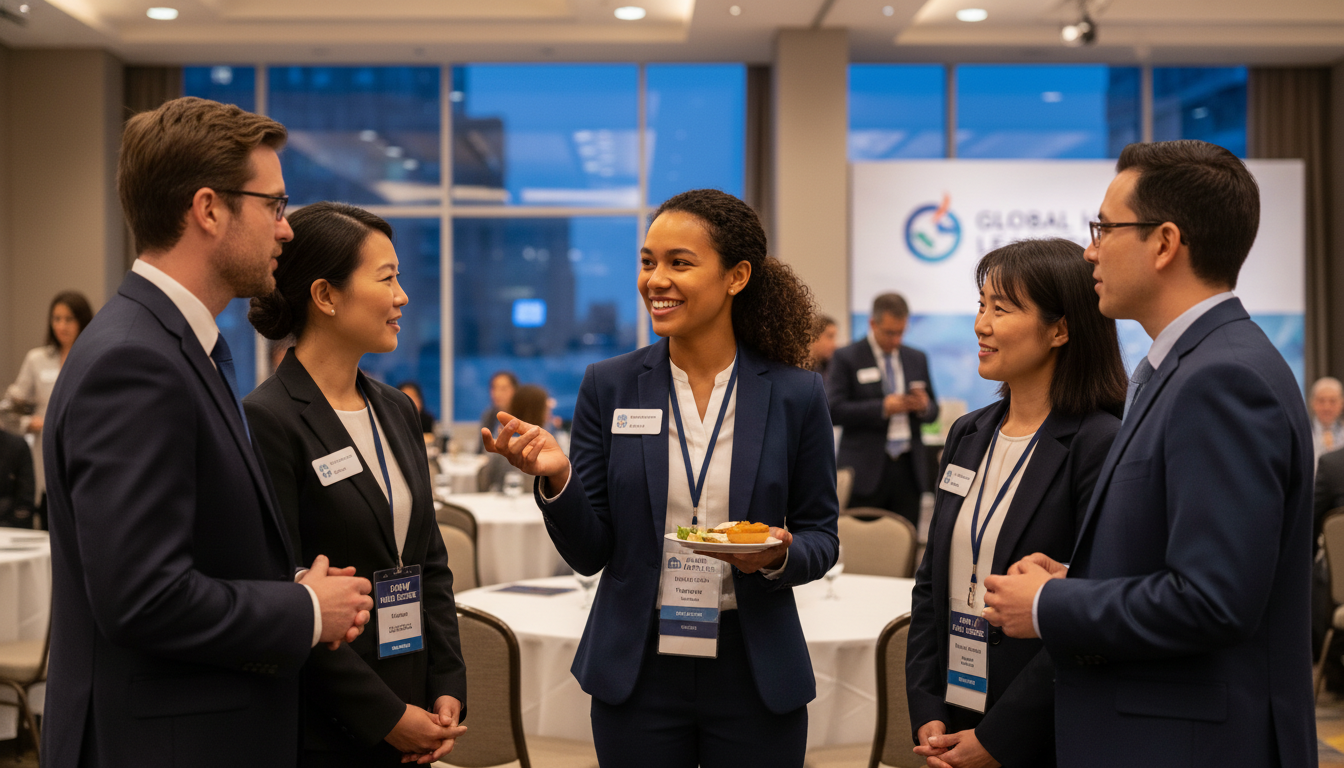
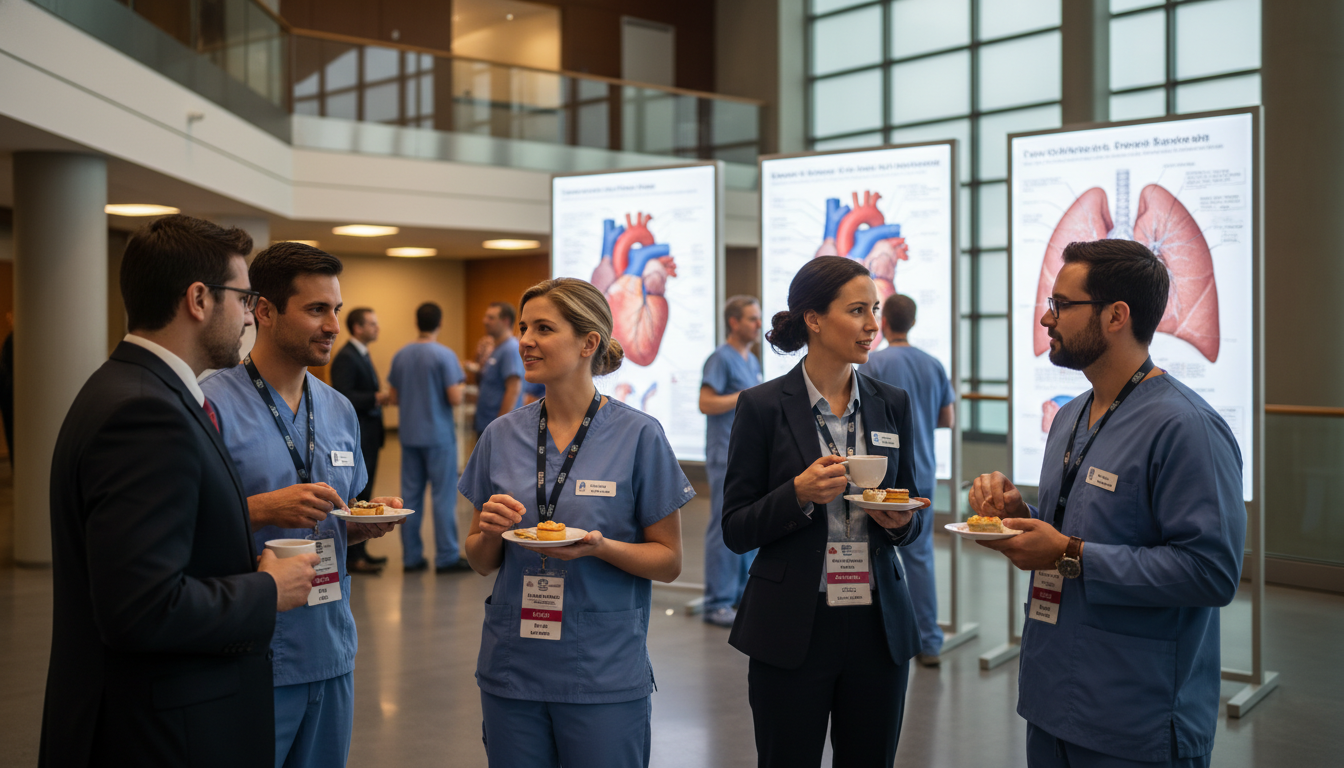
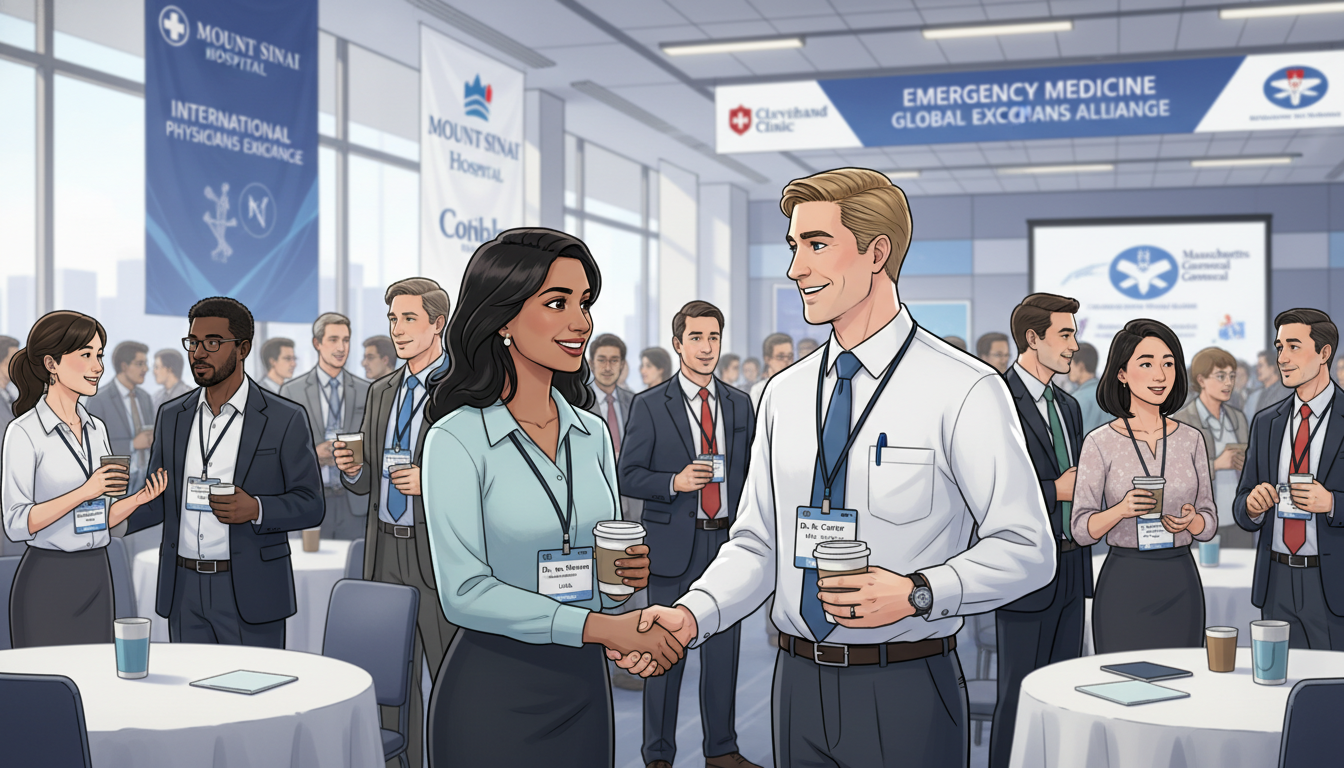
Conferences are concentrated networking environments. For a foreign national medical graduate in EM, they may be the single most efficient way to personally meet dozens of faculty, residents, and program directors.
Choosing the Right Conferences
Look for conferences that:
- Are EM-focused
- Have programming for students and residents
- Offer reduced fees or scholarships for IMGs or international attendees
Major EM conferences to consider:
- ACEP Scientific Assembly (large, clinically focused)
- SAEM Annual Meeting (academic/research heavy)
- AAEM Scientific Assembly
- EMRA events (often alongside ACEP or SAEM)
- Regional or state ACEP/SAEM meetings (smaller, sometimes more approachable)
Some offer virtual or hybrid attendance—valuable if travel is difficult. Even virtual formats often include small group sessions, mentoring programs, or breakout rooms.
Pre-Conference Preparation
Review attendee lists and program schedules
- Identify EM programs and faculty of interest.
- Highlight sessions where they are speaking or moderating.
Prepare a one-page “conference CV”
- Focus on EM-relevant experiences and research.
- Have a PDF version on your phone or cloud storage.
Schedule meetings in advance when possible
- Email faculty:
- “I will be attending [Conference]. Would it be possible to briefly meet you after your session on [topic] to ask one or two questions about EM training for non-US citizen IMGs?”
- Email faculty:
Plan a simple daily goal
- E.g., “Have meaningful conversations with at least 3 EM residents or faculty each day.”
How to Approach People at Conferences
Approaching a stranger can feel intimidating, especially in a second language or unfamiliar culture. Use simple structures.
Approach script:
- Polite greeting and introduction
- Reason you approached them
- One question
- Closing and future step
Example:
“Hello Dr. [Last Name], my name is [Name]. I’m a non-US citizen IMG from [country] interested in EM. I really appreciated your talk about [topic], especially your point about [specific].
If you don’t mind, could I ask: for someone like me hoping to enter the EM match, what would you prioritize over the next year?
Thank you—that’s very helpful. Would it be okay if I follow up by email with one or two more questions?”
Take brief notes after each conversation (on your phone or notebook) so you can personalize follow-up messages.
Residency Fair and Program Booths
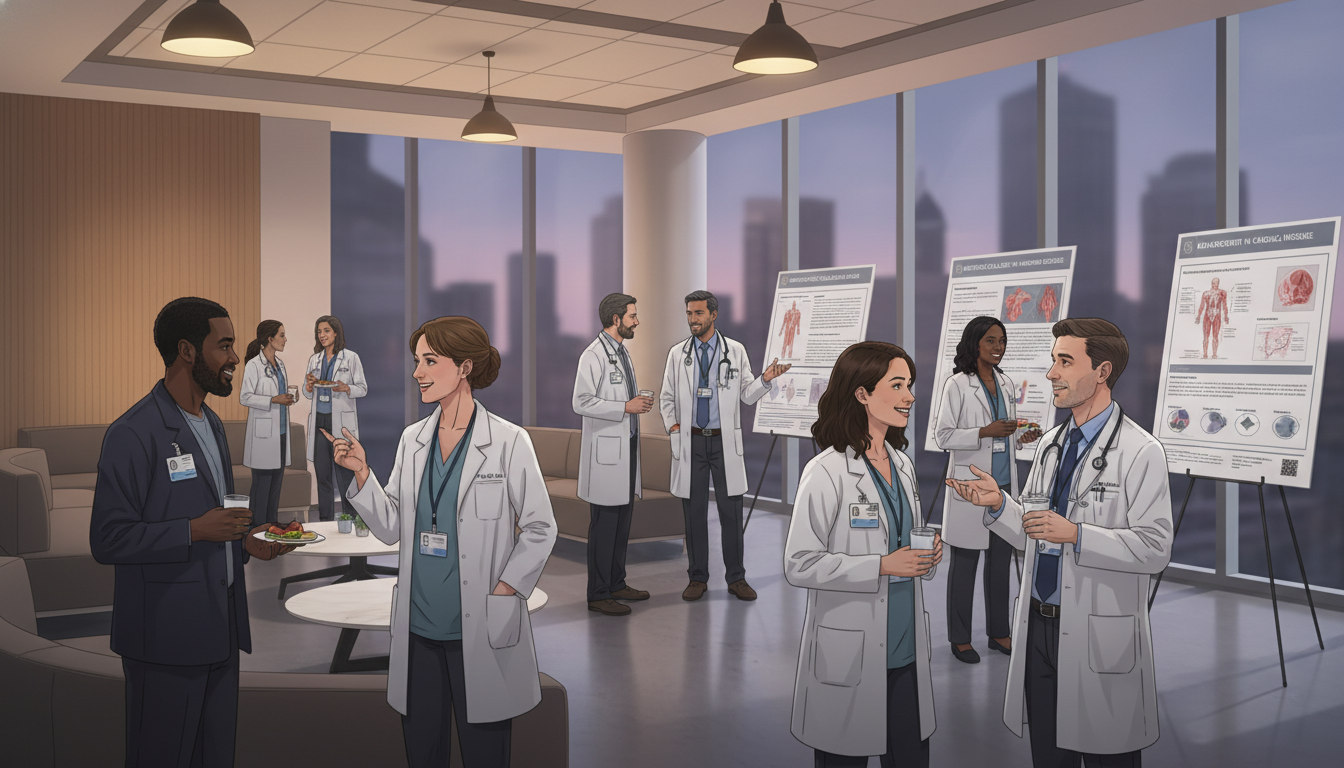
Many EM conferences include a residency fair—a goldmine for networking in medicine.
At program booths:
Ask open-ended questions:
- “How has your program worked with IMGs or foreign national medical graduates in the past?”
- “What qualities do you value most in your EM residents?”
- “How does your program view visa sponsorship for non-US citizen IMGs?”
Show genuine interest:
- Mention something you’ve read about their hospital or city.
- If relevant: “I noticed your program has strong ultrasound/global EM/critical care—those are areas I’m very interested in.”
Ask for a contact:
- “Would it be okay to email you closer to application season?”
- Collect business cards or take a photo of their badge (with their permission).
Avoid dominating one program’s time or sounding like you’re only asking about visa sponsorship. Show you care about fit, not only sponsorship.

Building Mentorship and Long-Term Relationships in EM
Short conversations are important, but the real power of networking in medicine comes from sustained relationships and mentorship.
Understanding Types of Mentors
As a non-US citizen IMG, different mentors can support different needs:
Career mentors (big-picture)
- Help you plan your path to EM, choose research, and prioritize activities.
- Often EM faculty or senior residents.
Content mentors (skills-specific)
- Ultrasound, research methods, quality improvement, education, global EM.
Process mentors (system navigation)
- Understand US residency applications, visas, and the EM match timeline.
- May be IMGs who have successfully matched.
Peer mentors
- Slightly ahead of you: current EM residents who were recently in your position.
Aim for a small “board of mentors” instead of trying to find one person who does everything.
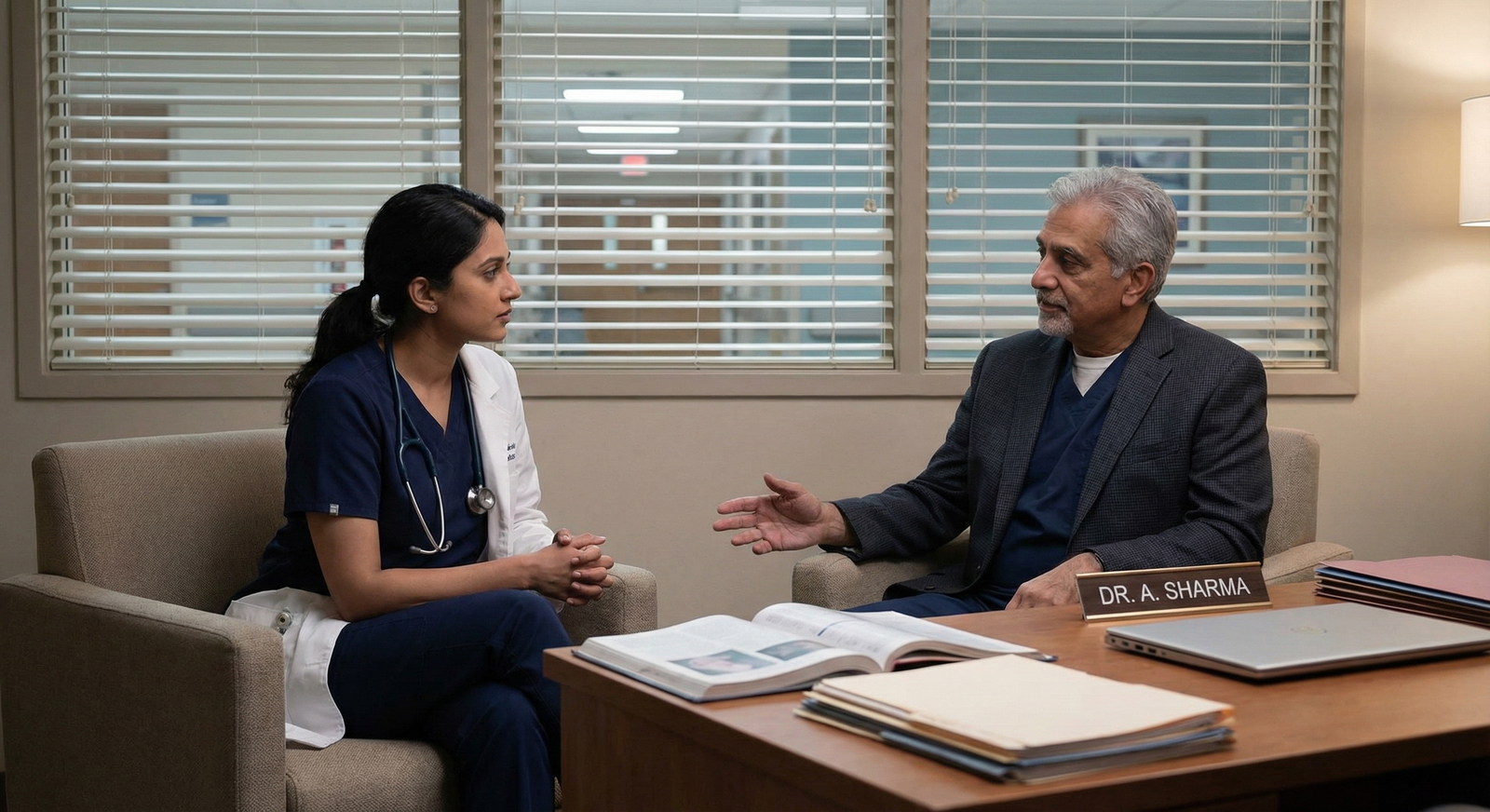
How to Request Mentorship Without Being Overbearing
Mentorship is earned over time. Start with micro-mentoring: small, time-limited requests.
After a good interaction (email, conference, webinar Q&A), you might write:
“Thank you again for your advice about [topic]. It was extremely helpful.
If you are open to it, I would be grateful for the chance to occasionally ask for guidance as I progress toward applying for EM residency. I know you are very busy, so I will keep my questions focused and infrequent.”
Respect a “no” or a non-response; people are often overloaded. But many EM physicians are passionate about teaching and may say yes, especially if you demonstrate initiative, reliability, and gratitude.
Being a Good Mentee
To maintain strong mentorship medicine relationships:
Be prepared
- Send questions in advance of meetings.
- Update your mentor on your progress.
Be reliable
- Do what you say you will do, on time.
- If you can’t, communicate early and honestly.
Be concise
- Avoid sending very long emails; use bullet points.
- Ask specific questions rather than “what should I do?”
Show appreciation and share outcomes
- Let them know when their advice leads to a publication, interview invite, or rotation.
- This encourages them to continue helping you and gives them a sense of impact.
When and How Mentors Can Advocate for You
If you’ve built a strong, trusting relationship, mentors may help with:
- Letters of recommendation (especially from US EM faculty)
- Emails to program leadership before or after interviews
- Inviting you to join research or QI projects
- Introducing you to other EM colleagues at visa-friendly or IMG-friendly institutions
Do not directly ask: “Can you write me a strong letter?” until you have a substantial relationship and performance they can comment on. Instead, ask:
“Do you feel you know my work well enough to write a supportive letter for my EM residency applications?”
This gives them the option to decline honestly.
Practical Timeline: Integrating Networking Into Your EM Match Journey
As a non-US citizen IMG, think about networking as a multi-year process, not something to start only a month before applications.
18–24 Months Before ERAS Submission
- Clarify your EM story and CV.
- Create/update LinkedIn and, if appropriate, X profile.
- Start following EM organizations and programs online.
- Join EM interest groups or online communities.
- Identify potential research or remote collaboration in EM topics (case reports, literature reviews, retrospective studies).
12–18 Months Before Submission
- Attend at least one EM conference (virtual or in-person).
- Begin emailing 2–3 EM faculty per month, targeting those with IMG, global health, or ultrasound interests.
- Seek online mentorship or structured programs (some EM societies offer IMG-specific mentoring).
- If possible, secure observerships, externships, or research assistant roles in EM or related fields.
6–12 Months Before Submission
Strengthen relationships with mentors; request feedback on your CV and personal statement.
Ask for letters of recommendation from mentors who know you well.
Make a list of programs where:
- You have some connection (mentor, research, conference meeting), and
- They are historically friendly to non-US citizen IMGs or visa sponsorship.
Attend another conference if possible, especially close to application season, to remind programs of your interest.
During Application and Interview Season
Send polite, personalized emails to programs where you have connections:
- Remind them of how you met.
- Affirm your interest in their program.
After interviews, send concise, personalized thank-you notes.
Stay in touch with mentors about your interview experiences and ranking dilemmas.
Common Mistakes in Networking (and How to Avoid Them)
Mass, generic emails
- Fix: Personalize every message. Refer to specific work, talks, or projects.
Leading with visa questions
- Fix: First establish your value, interest, and fit. Ask about visa policies later, respectfully and briefly.
Only appearing when you need something
- Fix: Maintain occasional contact over months—share updates and gratitude, not only requests.
Oversharing personal hardship
- Fix: Briefly acknowledge challenges if relevant, but focus on resilience, growth, and action.
Ignoring cultural and communication norms
- Fix: Observe how faculty and residents speak and write. Mirror their level of formality and style.
Underestimating peer networking
- Fix: Connect with fellow applicants, especially other IMGs. They can share opportunities, experiences, and moral support—and may become future colleagues.
FAQs: Networking in Medicine for Non‑US Citizen IMGs in EM
1. Is networking really necessary to match into emergency medicine as a non‑US citizen IMG?
Networking does not replace strong scores, clinical performance, and letters—but for a non-US citizen IMG, it often makes the difference between being “just another application” and a known, trusted candidate. Programs receive many applications; those with personal connections or trusted recommendations are easier to advocate for in selection meetings. Especially in EM, where team dynamics matter greatly, how you connect with others is seen as part of your suitability.
2. I’m still outside the US with no clinical experience there. How can I start networking now?
Focus on online medical networking and remote opportunities:
- Build a professional LinkedIn and follow EM societies and programs.
- Attend virtual EM conferences, webinars, and journal clubs.
- Engage with EM educational content (#FOAMed) and respectfully comment or ask questions.
- Email faculty whose work you admire, asking for brief advice or small ways to contribute (literature reviews, data collection, translations, global EM projects).
- Join IMG-focused EM groups or mentorship programs if available.
Even before setting foot in the US, you can start building name recognition and relationships.
3. How do I ask about visa sponsorship without hurting my chances?
It’s appropriate to ask, but timing and tone matter:
- Don’t make your first sentence about visas.
- Show credibility and fit first—your background, interests, and reasons for liking the program.
- Then, one concise question such as:
- “As a non-US citizen IMG, I’m also considering visa options. Does your program currently sponsor J-1 or H-1B visas for residents?”
Programs are used to this question, and clear information helps you both avoid misaligned expectations.
4. What if I’m shy or my English is not perfect—can I still network effectively?
Yes. EM values clear communication, but not perfection. Strategies:
- Prepare and practice your introduction and 2–3 common questions in advance.
- Start with written communication (email, chat in virtual meetings) where you can take your time.
- In conversations, speak slowly and clearly; it is better to be brief than to rush.
- Focus on listening and asking thoughtful questions—you don’t have to talk the most to make a good impression.
- Over time, repeated exposures (conferences, meetings) will build confidence.
Your persistence, professionalism, and humility will matter more than flawless English.
By systematically approaching networking in medicine—both online and in person—you can transform the EM match from a distant, opaque process into a network of real people who know your name, understand your story, and are willing to support your journey as a non‑US citizen IMG in emergency medicine.