Why Networking Matters So Much in Interventional Radiology for Non‑US Citizen IMGs
Interventional Radiology (IR) is one of the most competitive and relationship‑driven specialties in American medicine. For a non‑US citizen IMG or foreign national medical graduate, networking is not a luxury—it is a strategic necessity.
In IR, program directors and faculty repeatedly emphasize three things:
- They want people they know or who are known to people they trust.
- They value applicants who have shown up consistently in the IR community (locally and nationally).
- They look for candidates who have clear mentorship, ongoing projects, and evidence of genuine commitment to IR.
As a non‑US citizen IMG, you face extra challenges:
- Visa requirements (J‑1 vs H‑1B)
- Fewer home‑institution IR mentors and rotations
- Less access to US‑based research and clinical networks
- Limited familiarity with US residency culture and expectations
Effective medical networking dramatically reduces these disadvantages. It helps you:
- Secure IR observerships, electives, and sub‑internships
- Get involved in meaningful research and QI projects
- Receive strong letters of recommendation from US IR faculty
- Understand the unspoken norms of the IR match
- Be remembered—and advocated for—when selection committees rank applicants
This article breaks down a structured, realistic networking strategy specifically for non‑US citizen IMGs aiming for interventional radiology residency in the US.
Laying the Foundation: Mindset, Positioning, and Clarity
Before sending emails or attending conferences, you need solid groundwork. Networking is far more productive when you’re clear about your goals, constraints, and value.
1. Define Your IR Narrative
People are more likely to help you when your story is coherent and specific. Clarify:
Why IR?
- Was it a specific case (e.g., life‑saving TIPS or trauma embolization)?
- A research experience in image‑guided therapy?
- A health-system gap in your home country that IR could fill?
Why the US IR path?
- Access to advanced technologies and training
- Desire to bring minimally invasive techniques back home
- Interest in academic IR and innovation
What you bring as a non‑US citizen IMG:
- Experience managing advanced disease in resource‑limited settings
- Strong procedural comfort from prior training (if applicable)
- Multilingual communication skills and cultural competence
- Resilience and adaptability
Convert this into a 2–3 sentence “elevator pitch” you can use in emails and conversations.
Example:
“I’m a non‑US citizen IMG from India with two years of internal medicine training and strong interest in interventional oncology. My exposure to advanced hepatocellular carcinoma cases with limited treatment options led me to pursue interventional radiology. I’m now focused on building IR research experience and learning minimally invasive oncologic interventions to eventually improve access in low‑resource settings.”
2. Be Transparent About Visa and Training Status
IR faculty and program directors think in terms of fit and feasibility. Be upfront about:
- Your current status: still in medical school, graduated, or prior residency trained
- Your exam status: USMLE Step 1/2/3, ECFMG certification
- Visa needs: J‑1 vs H‑1B preference, or openness to either
This doesn’t belong in your first sentence, but it should be clear early in your correspondence. It helps potential mentors decide how they can realistically support you.
3. Treat Networking as a Long‑Term Project
For a non‑US citizen IMG, effective medical networking for IR is usually at least a 12–24 month process:
- Months 0–6: Basic exposure, first IR contacts, online involvement, initial research connections
- Months 6–12: Deeper mentorship, ongoing projects, conference participation
- Months 12–24: Stronger relationships, recommendation letters, targeted electives, IR match preparation
Thinking in this timeline helps you avoid desperation and focus on gradual, authentic relationship‑building.

Building Your IR Network from Scratch: Practical Channels and Tactics
If you are a non‑US citizen IMG without a US home program, you must engineer your own IR ecosystem. The good news: modern IR is highly organized and surprisingly open to motivated learners.
1. Professional Societies: Your Entry Gate
Start with organizations that are actively supportive of trainees and IMGs:
Society of Interventional Radiology (SIR)
- Join SIR as a medical student or resident member. Membership fees are reduced for trainees.
- Access the Medical Student Council (MSC) and resident/fellow sections.
- Attend SIR’s annual scientific meeting (even virtually, if travel is difficult).
- Join relevant SIR committees, interest groups, or sections (international, diversity, medical students, global health).
How this helps your network:
- Visibility in a national IR community
- Structured mentorship programs (often matching students with IR attendings)
- Research and poster presentation opportunities
- Names and emails of people who are already interested in teaching
Other Relevant Organizations
- CIRSE (Cardiovascular and Interventional Radiological Society of Europe) – useful if you are in or near Europe
- National or regional IR societies in your country or region
- Academic radiology organizations like RSNA, ARRS (for abstracts, basic networking)
Each membership is another “circle” where you can find mentors, potential LOR writers, or research collaborators.
2. Digital Networking: LinkedIn, X (Twitter), and Email
For a foreign national medical graduate who is overseas, online presence is critical.
Curate a Professional LinkedIn Profile
Include:
- Clear headline:
- “Non‑US citizen IMG aspiring interventional radiologist | Research interest: interventional oncology and portal hypertension”
- Detailed education and training
- IR‑related experiences: observerships, audits, QI, research projects
- Publications, posters, and presentations
- A brief “About” section summarizing your IR interest and goals
Use LinkedIn to:
- Follow IR departments and programs
- Connect with IR attendings, fellows, and residents
- Share or comment intelligently on IR articles, SIR posts, and clinical updates
X (Twitter) in Academic IR
Many IR physicians are active on X for academic discussions. Use it to:
- Follow IR leaders, programs, and conferences (#IRad, #IRad, #SIR202X, #IRadOnc, etc.)
- Engage respectfully with posts (ask thoughtful questions, appreciate shared cases)
- Track and apply for student/resident research opportunities advertised by IR groups
Cold Emailing with Purpose
Cold emails are often where opportunities begin—but only if done well.
Key principles:
- Short, specific, and respectful
- Clear ask (not “please help me with my career”)
- Evidence that you know who they are and why you chose them
- Honest about your status and constraints as a non‑US citizen IMG
Template Outline:
- Subject: “Non‑US IMG student with IR interest seeking research/observership opportunity – [Your Name]”
- Brief introduction (who you are, where you are, your stage)
- Why IR and why their work caught your attention (mention a paper, lecture, or project)
- What you are asking (research collaboration, remote assistance with data, observership, career advice call)
- Logistical transparency (visa status, potential dates of visit, time zone if requesting a virtual call)
- Appreciation, with CV attached and links to your profiles
Expect a low response rate. But you only need a few people to respond positively to gain momentum.
3. Using Your Home Institution and Country’s IR Community
Even if your hospital does not have a formal IR department:
- Find diagnostic radiologists who occasionally perform image‑guided procedures. Ask to shadow cases and learn basics of reading imaging.
- Ask them if they know any IR contacts in the US or at academic centers. Many radiologists trained or rotated abroad and may introduce you.
- Help with case logs, clinical audits, or outcome reviews related to procedures like biopsies, drainages, or vascular access—these can turn into abstracts or posters.
If your country has an IR society or regular meetings:
- Attend and introduce yourself as an aspiring IR trainee looking for mentorship.
- Offer to assist with English editing, slide preparation, or data work for busy IRs.
- Be visible and helpful; word spreads quickly in small specialty communities.
Conference Networking: Turning Events into Career Catalysts
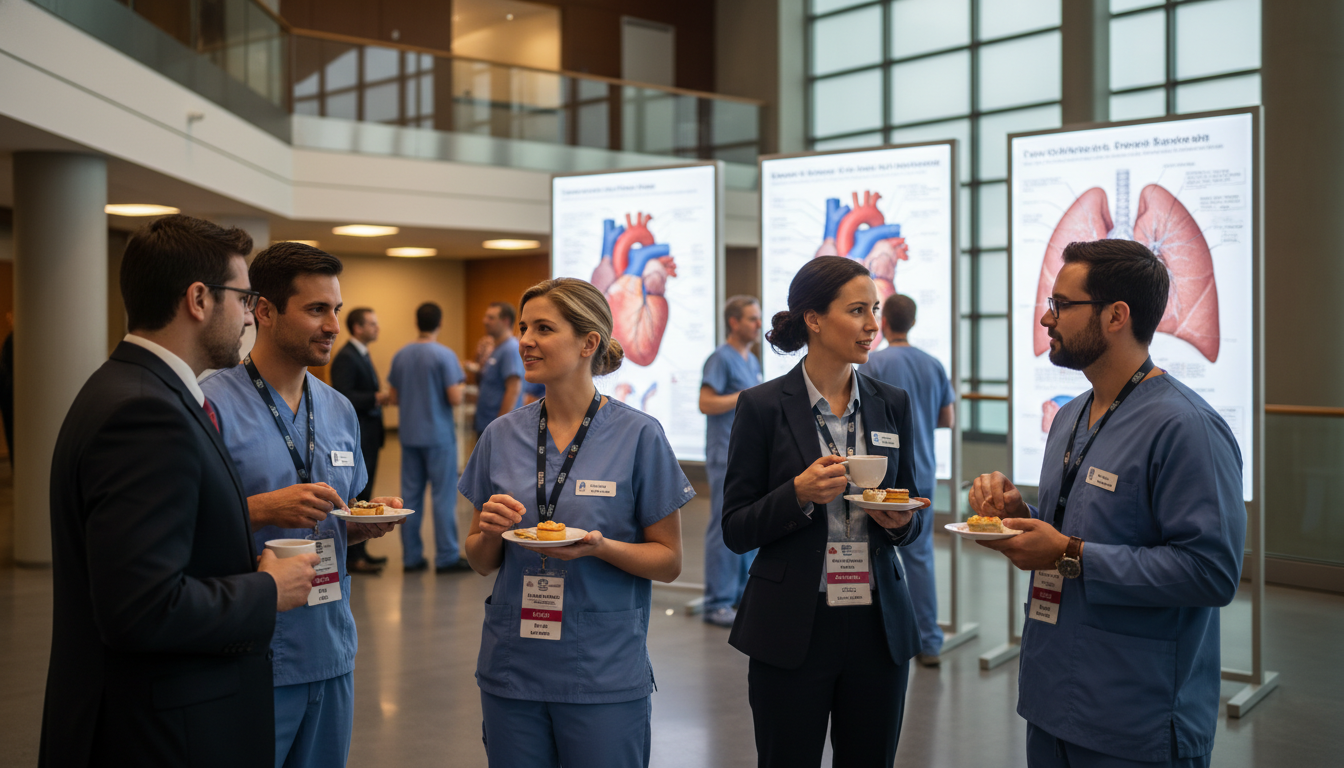
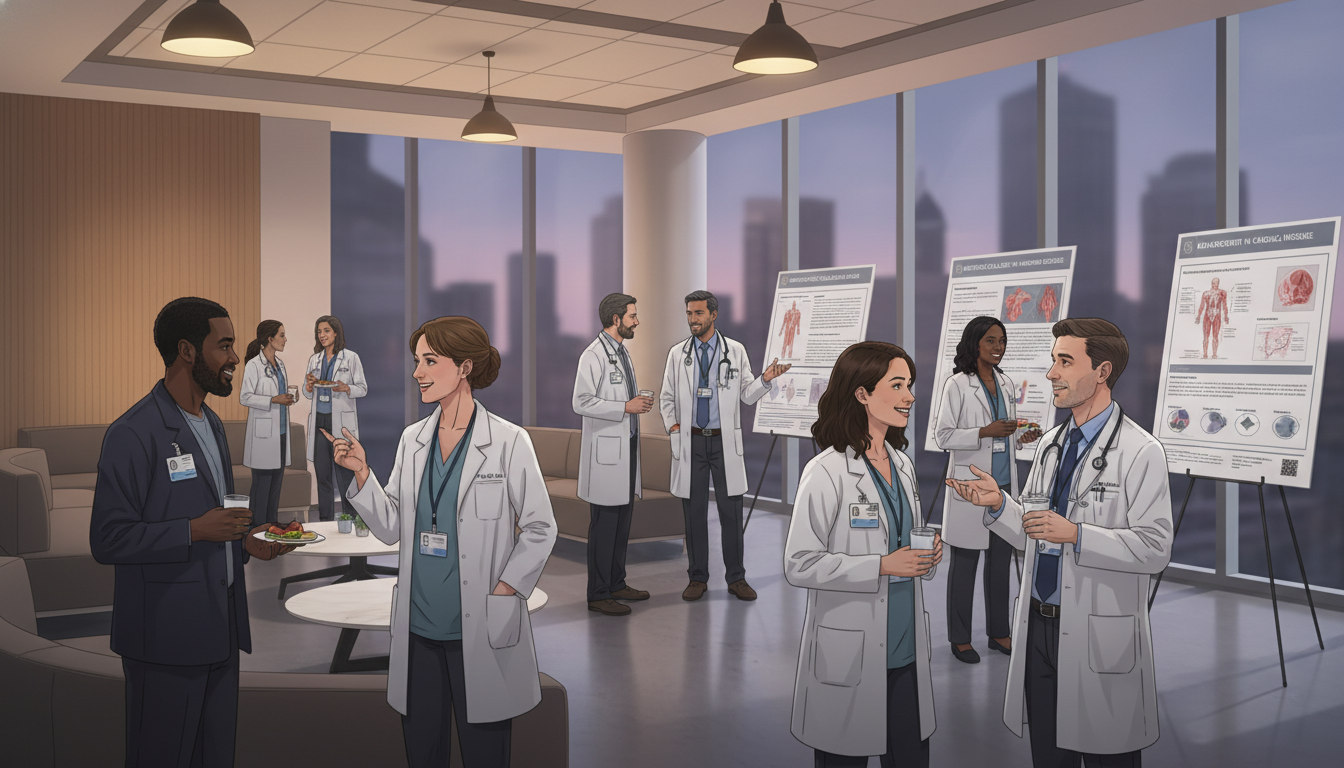
Conferences are among the most powerful tools for medical networking in IR—especially for someone outside the US system. But you must treat them as strategic missions, not tourism.
1. Before the Conference: Preparation is Everything
Choose the Right Meetings
Prioritize:
- SIR Annual Meeting – the flagship IR conference in the US
- SIR Medical Student and Resident sessions
- Local or regional IR meetings in your area (cheaper, more accessible)
If cost is an issue:
- Apply for travel scholarships or “international trainee” grants
- Consider virtual attendance options for at least partial exposure
Get on the Program (Even Small Roles Matter)
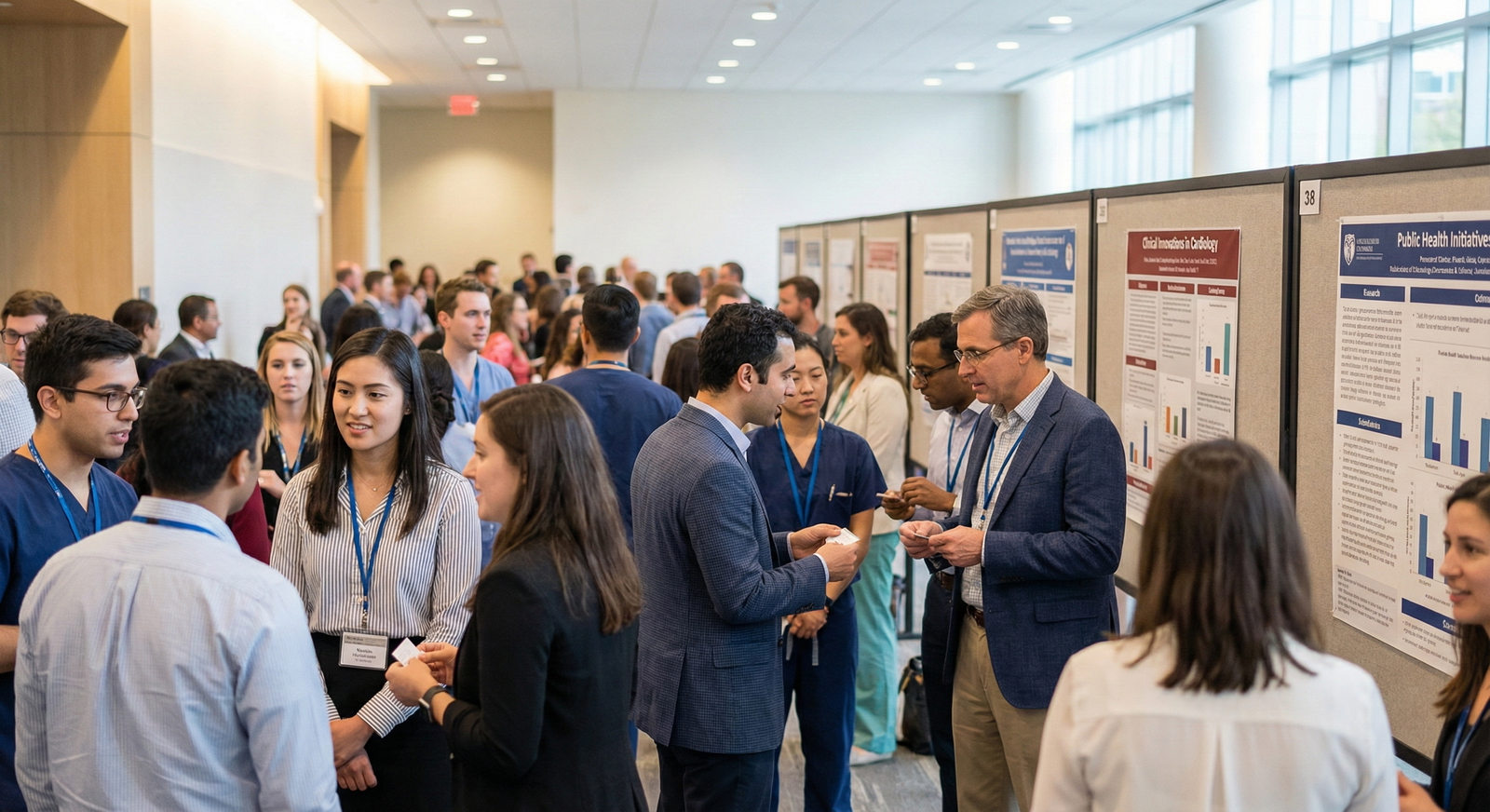
Even a case report poster can be the reason someone talks to you.
- Submit case reports, small case series, or retrospective audits from your home institution
- Collaborate with any IR or radiology contacts to increase your chances of acceptance
- If you are already working with a US‑based mentor, ask to join projects that will be presented at SIR
Being listed as an author and having a poster or oral presentation boosts your credibility during introductions.
Set Networking Targets
Before you travel, identify:
- 5–10 IR attendings whose work you admire (especially at programs you might apply to)
- 5–10 residents or fellows from your target interventional radiology residency programs
- Events specifically designed for trainees: meet‑the‑expert sessions, mentorship lounges, student interest meetings
Prepare a document with:
- Session times
- Poster locations
- Names and institutional affiliations of people you want to meet
2. During the Conference: How to Approach People
Basic Networking Etiquette
- Wear professional attire; visible badge with your name and “Medical Student / IMG” title
- Be respectful of time—avoid interrupting intense discussions
- When you approach someone:
- Introduce yourself with your name, origin, and brief IR interest
- Reference something specific: “I attended your talk on Y90 for HCC” or “I read your paper on TIPS outcomes”
- Ask a focused question or seek brief advice
Example opener:
“Dr. Smith, my name is [Name]. I’m a non‑US citizen IMG from [Country], very interested in interventional oncology. I appreciated your talk on Y90 dosimetry. I’m trying to get started with research in this area from overseas—do you have any advice for someone in my situation?”
Leverage Structured Networking Sessions
Most large conferences include:
- Mentor–mentee pairing events
- Speed‑mentoring sessions
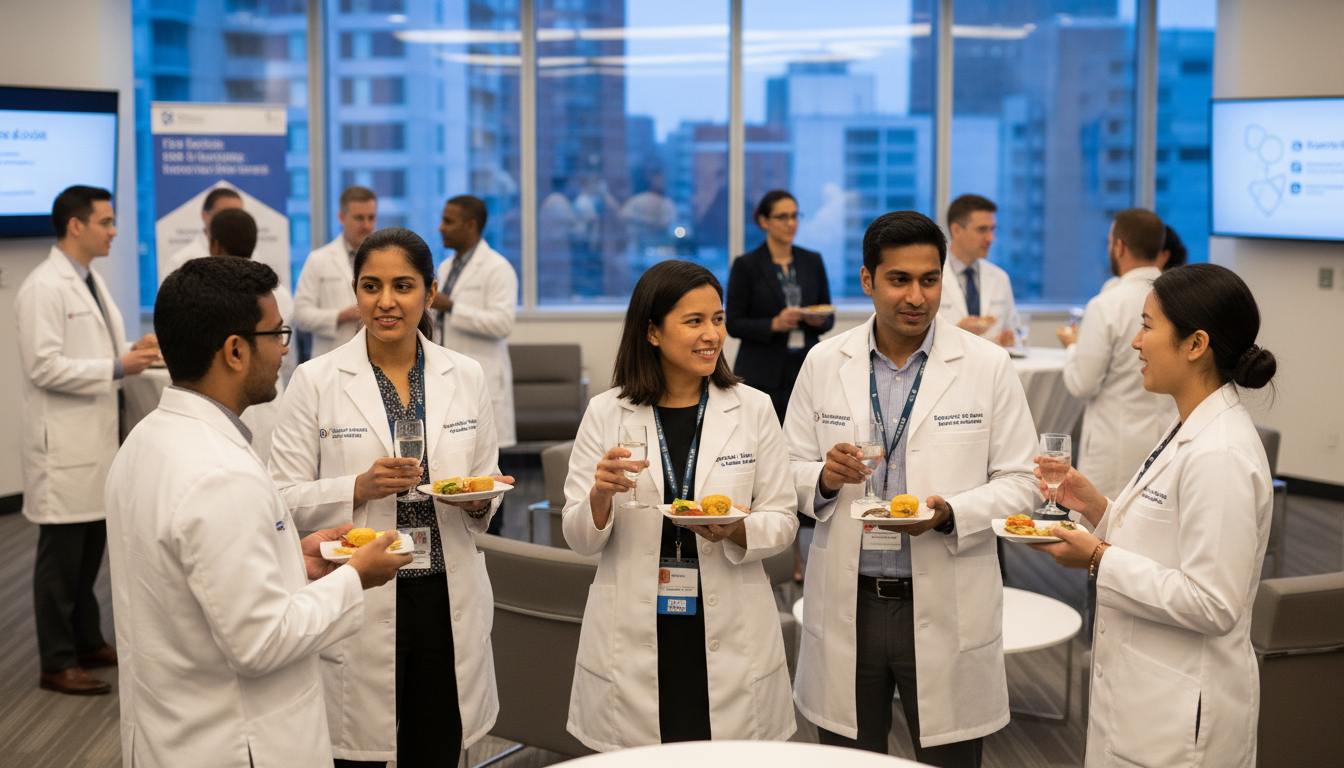
- Student and trainee mixers
- Women in IR, international sections, or diversity events
These are designed for people like you—show up, participate, and follow up afterward.
Document Contacts in Real Time
After each interaction, quickly note:
- Name, role, institution
- What you discussed
- Any next step they suggested (“email me your CV,” “reach out in May about research”)
This becomes your post‑conference action list.
3. After the Conference: Converting Contacts into Mentors
Within 3–7 days, send personalized follow‑up emails:
Thank them for their time
Reference specific parts of your conversation
Attach your CV if appropriate
Propose or confirm a next step:
- Short Zoom call for career advice
- Possibility of helping with data analysis or manuscript preparation
- Exploring observership timing at their institution
Persistence is key, but keep your messages spaced and respectful. If they do not reply after 2 emails, move on—do not push.
Mentorship in Medicine: Building a Support Team for the IR Match
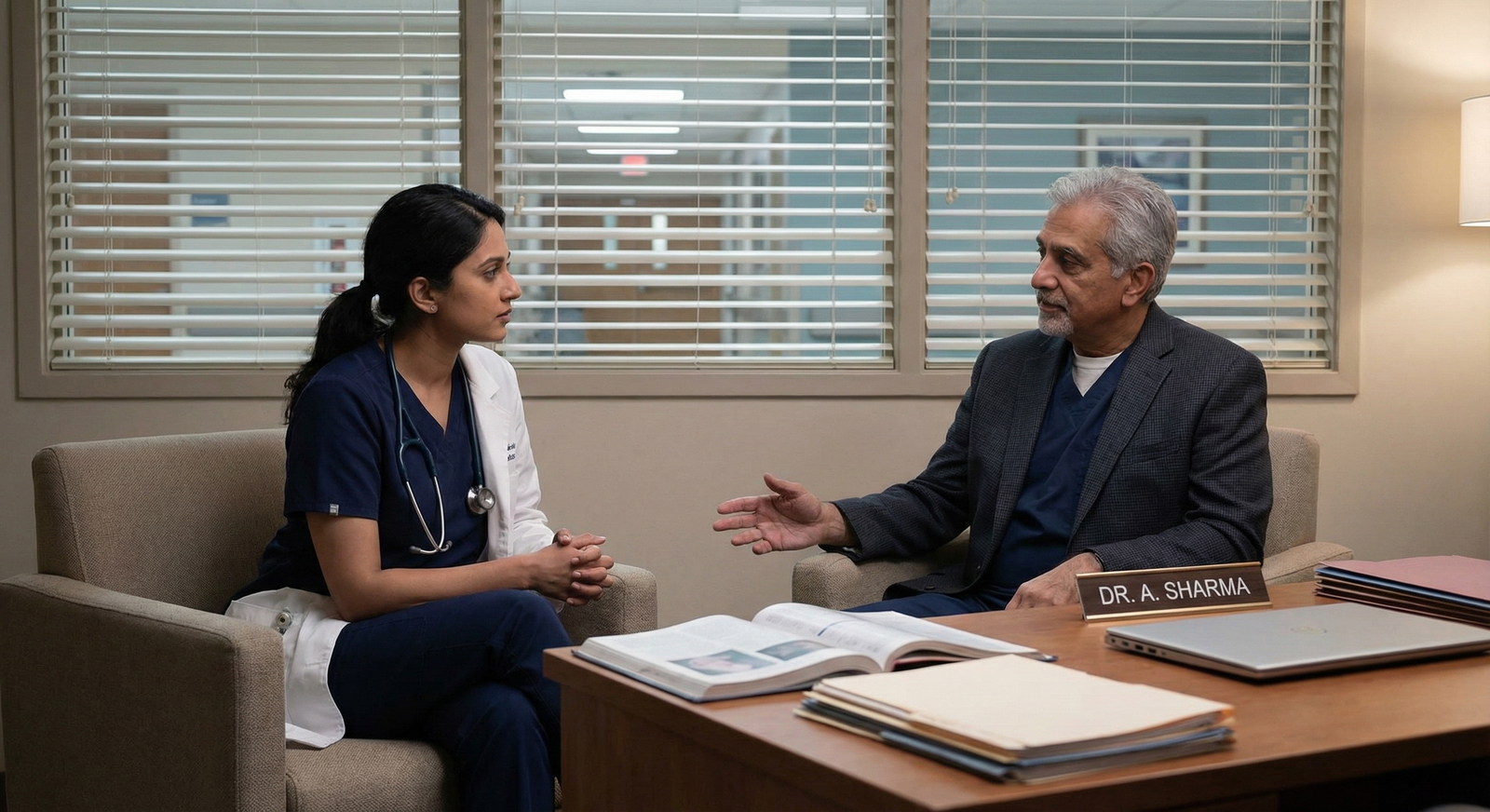
Strong mentorship is one of the biggest determinants of success in the IR match, especially for a foreign national medical graduate. You will likely need different types of mentors.
1. Types of Mentors You Should Seek
Career Mentors
- Typically IR attendings who understand the US training landscape
- Help guide big decisions: diagnostic vs integrated IR, research focus, program targeting, visa realities
- Often the ones who eventually write your strongest letters of recommendation
Research Mentors
- IR or radiology faculty (US‑based or elsewhere) with active projects
- Help you build a portfolio of abstracts, posters, and publications
- Teach you how to ask research questions relevant to IR practice
Near‑Peer Mentors
- IR residents, DR residents pursuing Early Specialization in IR (ESIR), or IR fellows
- Share recent experience with ERAS, interviews, and ranking
- Offer insight into specific program cultures and expectations
2. How to Be a Good Mentee
Mentorship medicine works when you provide value too:
- Be reliable. If you agree to complete a data spreadsheet by Friday, submit it on time.
- Communicate clearly. Update mentors if you face delays; ask for clarification rather than guessing.
- Be teachable. Accept feedback without defensiveness; show improvement.
- Show initiative. Propose abstract ideas, attend extra teaching sessions, summarize recent papers.
A highly reliable non‑US citizen IMG often becomes a mentor’s “go‑to collaborator,” which leads to more opportunities and stronger advocacy during the IR match.
3. Getting Strong Letters of Recommendation
Good IR letters for non‑US citizen IMGs typically come from:
- US‑based IR attendings who have supervised you in
- Clinical observerships or electives
- Research projects
- Long‑term virtual or hybrid collaborations
To position yourself:
- Spend at least a few months collaborating or rotating with a potential letter writer.
- Demonstrate clinical reasoning, work ethic, and professionalism—what IR PDs care about.
- When the time comes, provide them with your CV, personal statement draft, and a summary of your activities with them so they can write a detailed letter.
Explain clearly your visa status and training goals so they can advocate appropriately to programs that sponsor non‑US citizen IMGs.
Integrating Networking into Your IR Match Strategy
Networking is not separate from your IR application—it shapes it. Here’s how to align them.
1. Selecting Programs with Realistic Opportunities for Non‑US Citizen IMGs
Use your network to find out:
- Which IR programs historically accept IMGs or non‑US citizens
- Which ones sponsor J‑1 only vs J‑1 and H‑1B
- Program culture: supportive vs highly competitive/independent
- Strength of IR exposure and case mix (trauma, interventional oncology, peripheral vascular, etc.)
Current residents and fellows are your best source of honest information.
2. Using Networking to Secure Rotations and Observerships
For many foreign national medical graduates, the main outcome of networking is:
- A US‑based observership in IR
- When possible, a hands‑on elective rotation as a visiting student (if you are still enrolled in medical school and meet eligibility criteria)
These experiences:
- Give you real IR reading room and procedure exposure
- Allow faculty to evaluate your communication, professionalism, and commitment
- Directly generate 1–2 letters of recommendation
Approach programs where you already have some connection (a mentor, a contact met at SIR, someone who responded to your emails) and ask about:
- Institutional observership policies
- Required documents (ECFMG, vaccinations, background checks)
- Typical lead time for arranging visits
3. Interview Season: Turning Connections into Advocates
If your networking is effective, by the time you apply:
- Some faculty and residents at certain programs will already know your name
- You may have co‑authored abstracts or papers with people at those institutions
- You might have rotated or visited one or more programs
During interviews:
- Mention your prior interactions appropriately:
- “I’ve worked with Dr. X on a project about Y…”
- “I attended the IR resident teaching conference last year when I was visiting.”
- Show that you understand the program’s strengths and culture beyond what’s written on the website.
After interviews:
- It is acceptable (and useful) to update mentors at that institution about your interview:
- “I really enjoyed interviewing at your program; thank you again for your earlier guidance.”
- Do not ask them directly to influence ranking, but they may advocate for you if they genuinely believe in you.
Frequently Asked Questions (FAQ)
1. As a non‑US citizen IMG with no US experience, where should I start with networking for IR?
Start with what you can control from anywhere:
- Join SIR and your regional IR society.
- Build a professional LinkedIn and, if comfortable, an X (Twitter) account focused on academic IR.
- Identify 5–10 IR faculty with research related to your interests and send thoughtful, concise emails asking about research or mentorship.
- Work with any local radiologists or proceduralists to generate small projects or case reports that can be submitted to IR‑related conferences.
From there, aim for your first conference abstract and gradually move toward observerships and deeper mentorship.
2. How important is conference networking if I can only attend virtually?
In‑person is ideal, but virtual attendance still matters. You can:
- Present e‑posters or virtual talks
- Attend live Q&A and ask thoughtful questions (your name will be visible)
- Use conference apps/directories to connect with attendees afterward via email or LinkedIn
- Follow the conference hashtag on X and engage with presenters’ posts
Virtual presence is not a full substitute, but it can create initial contacts and demonstrate genuine interest when in‑person attendance is not possible due to visa or financial constraints.
3. What if people don’t respond to my networking emails?
Non‑response is common and not personal. To improve your odds:
- Keep messages short and specific
- Show that you’ve done your homework about their work
- Offer clear ways you can contribute (literature review, data entry, statistics if skilled)
- Send one polite follow‑up after 7–10 days
- Diversify—email multiple people across institutions and countries
You only need a small core of mentors; most people will not reply, and that is normal.
4. Can I match into interventional radiology residency without strong networking?
Technically yes, but practically it is much harder for a foreign national medical graduate. Networking increases your chances of:
- Getting US clinical experience in IR
- Building a credible track record of IR research or scholarly activity
- Obtaining strong US‑based IR letters of recommendation
- Being recognized and supported by faculty during the IR match
For non‑US citizen IMGs, deliberate, sustained networking is often the difference between being a “paper applicant” and being seen as a known, trusted future colleague in the interventional radiology community.